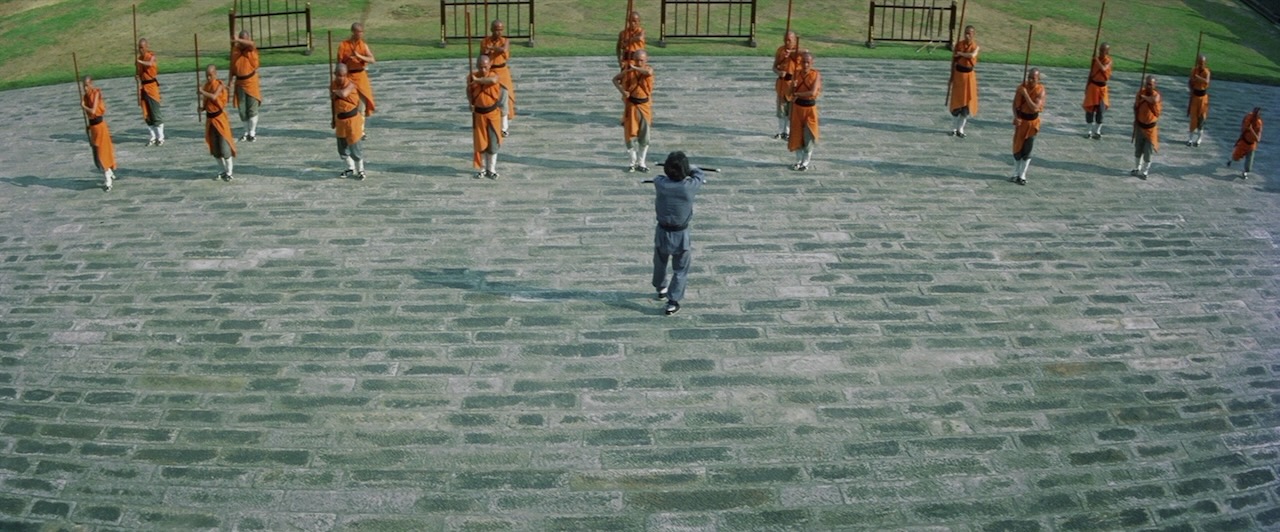
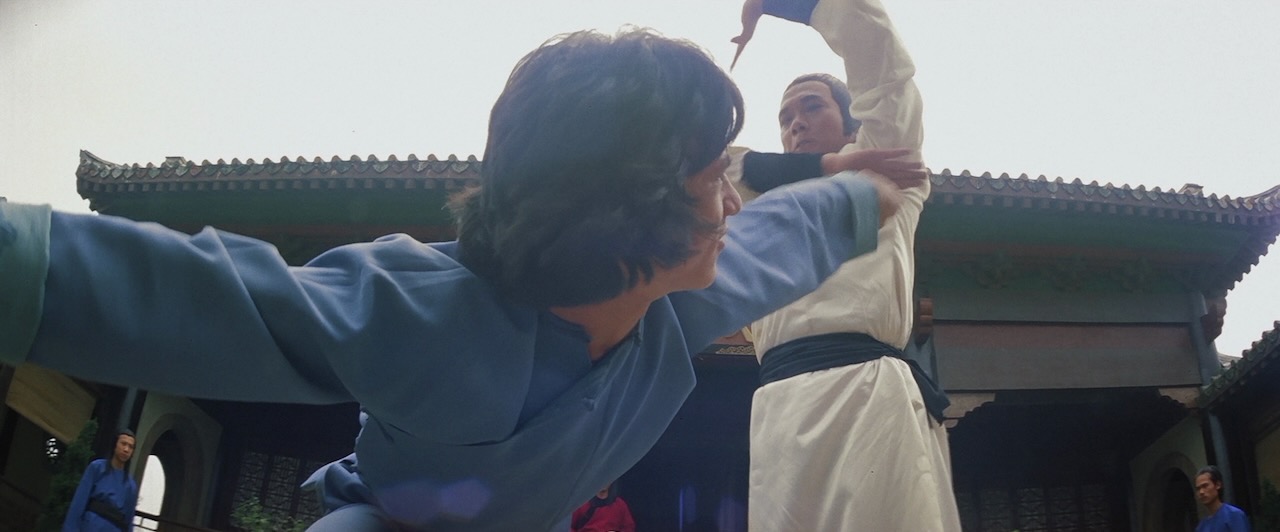
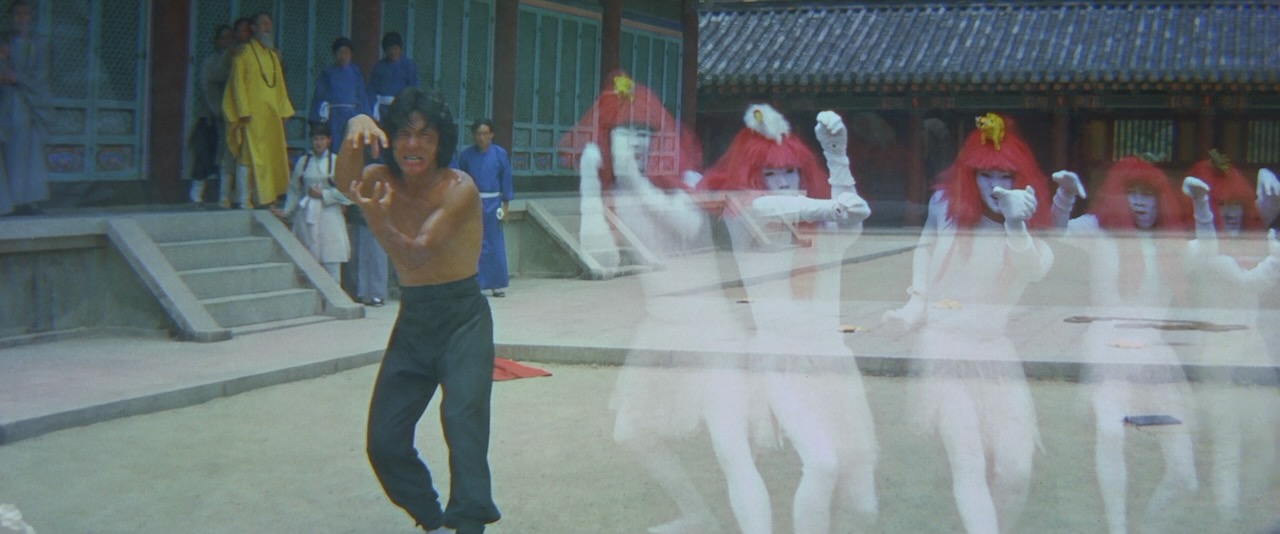
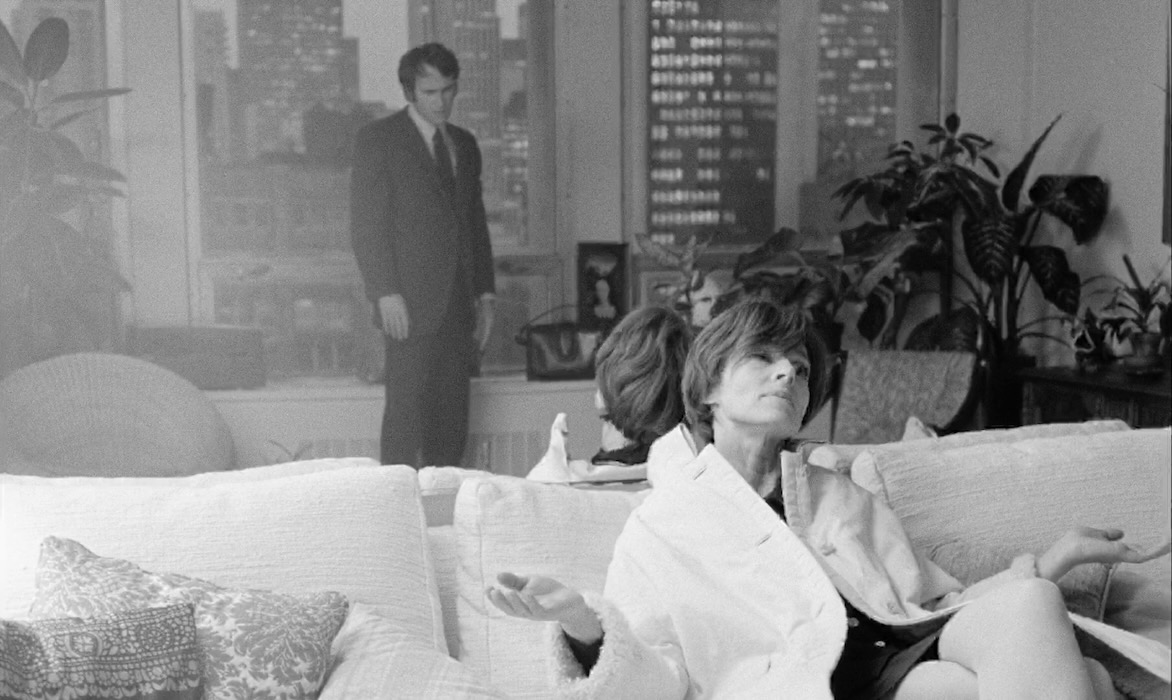
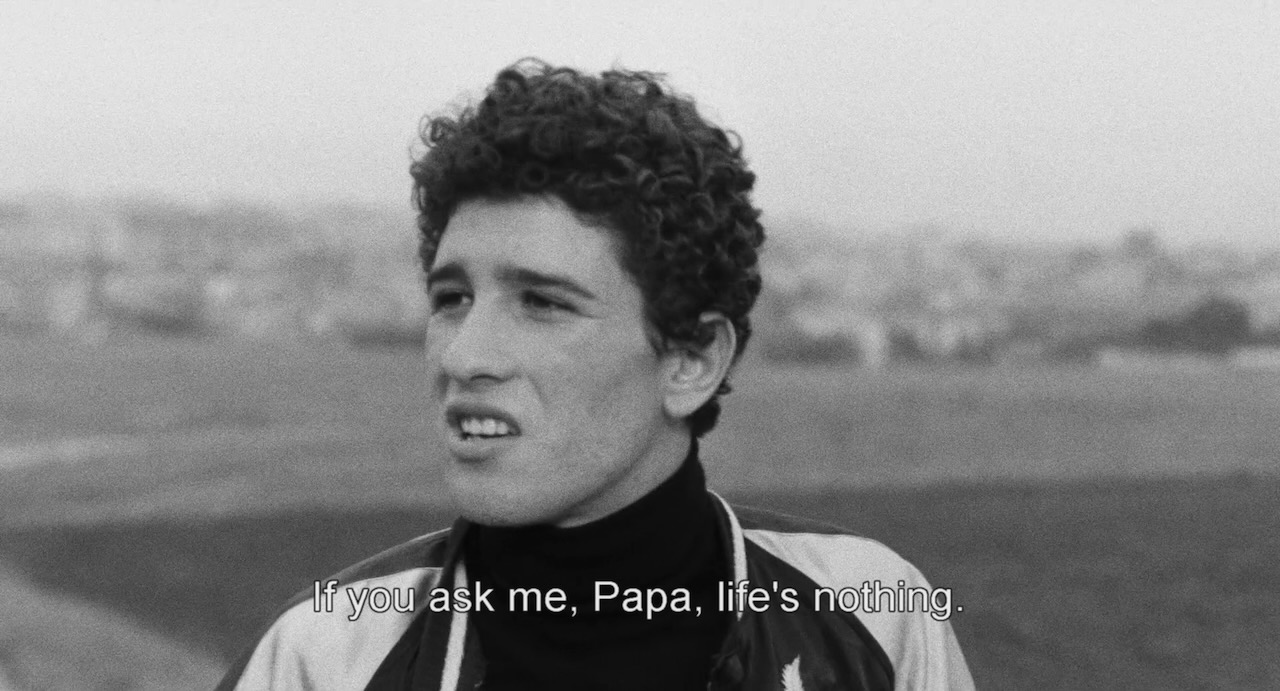
1. But Why? (2021, Terence Davies)
2. Cat Soup (2001, Tatsuo Sato)
3. The Volcano Manifesto and more (Cauleen Smith)
4. Los Huesos (2021, Cociña & León)
5. Bad Luck Blackie, King-Size Canary, Screwball Squirrel (Tex Avery)
6. Inspirace (1949, Karel Zeman)
7. Glens Falls Sequence (1937, Douglass Crockwell)
8. The Demands of Ordinary Devotion & Stone, Hat, Ribbon and Rose (Eva Giolo)
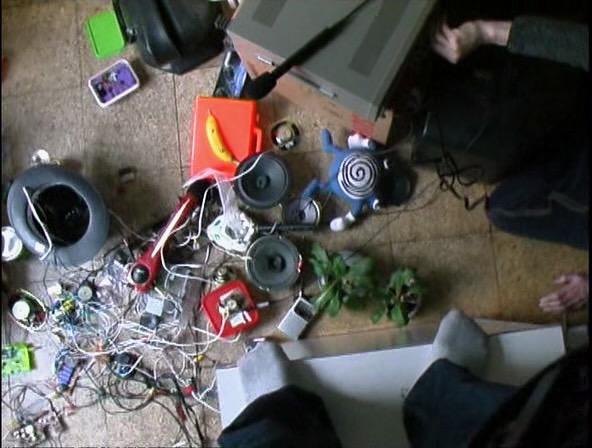
9. Hacked Circuit (2014, Deborah Stratman)
10. Glass Life (2021, Sara Cwynar)
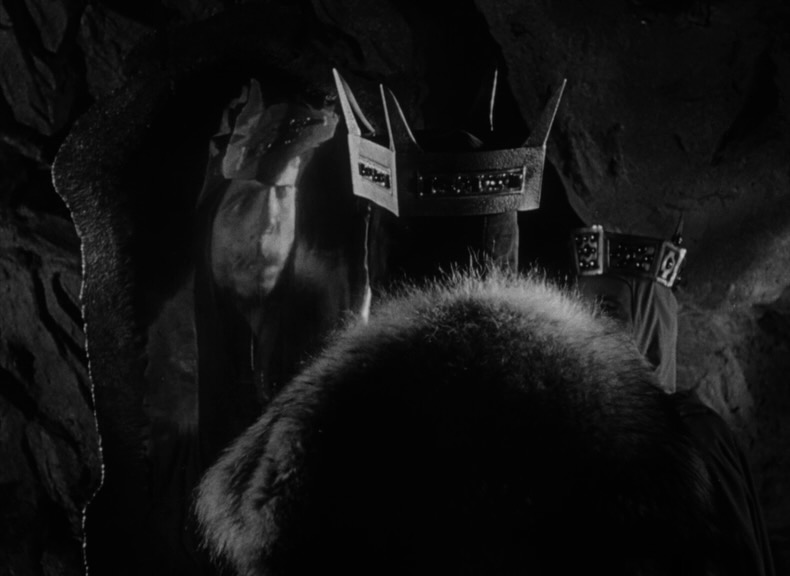
11. The Daughters of Fire (2023, Pedro Costa)
12. There Once Was a Dog (1982, Eduard Nazarov)
13. Street Musique (1972, Ryan Larkin)
14. Unemployees (2023, Joel Potrykus)
15. The Black Tower and Om (John Smith)
16. A and B in Ontario (1984, Frampton & Wieland)
2025 Favorites: Horror and Rock Docs
Shocktober faves:
1. Gemini (1999, Shinya Tsukamoto)
2. Dangerous Animals (2025, Sean Byrne)
3. House of Wax (2005, Jaume Collet-Serra)
4. The Haunted Palace (1963, Roger Corman)
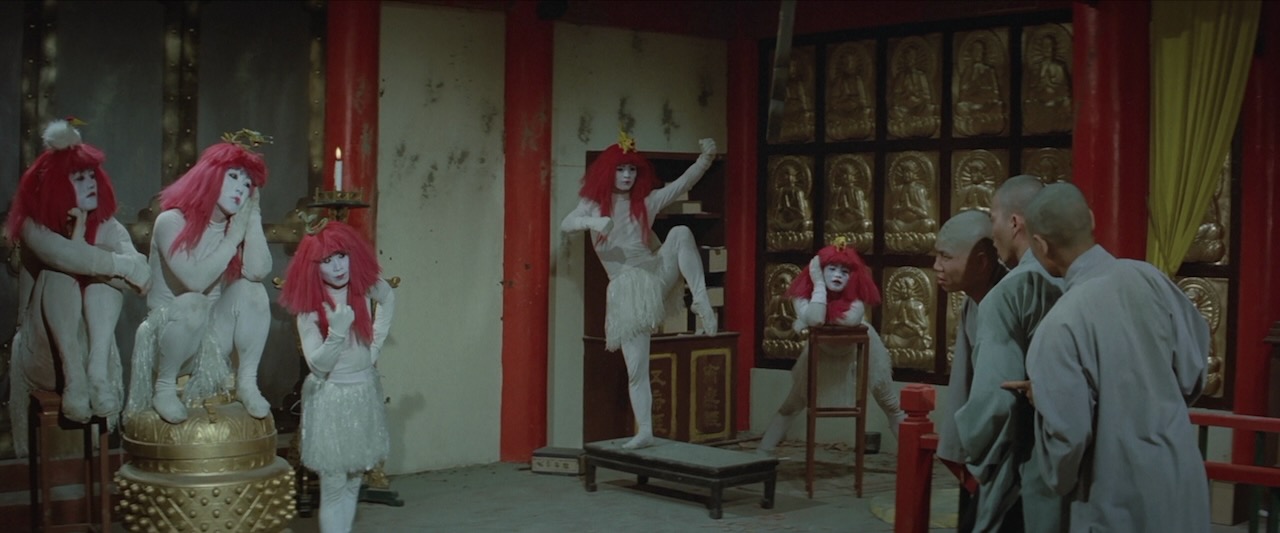
5. A Chinese Ghost Story III (1991, Ching Siu-Tung)
6. Scream 3 (2000, Wes Craven)
7. It’s Alive III: Island of the Alive (1987, Larry Cohen)
8. Oddity (2024, Damian McCarthy)
9. Bring Her Back (2025, Danny & Michael Philippou)
10. Alone (2020, John Hyams)
11. Quatermass and the Pit (1967, Roy Ward Baker)
12. Ick (2024, Joseph Kahn)
Rock docs:
1. The Beatles Anthology (1995)
2. The Cry of Jazz (1959, Edward Bland)
3. Jazz ’34 (1996, Robert Altman)
4. Amazing Grace (2018, Sydney Pollack)
5. Gowillog (2025, Billy Woods)
6. Pink Floyd at Pompeii MCMLXXII (1972, Adrian Maben)
7. Thelonious Monk: Straight, No Chaser (1988, Charlotte Zwerin)
8. Beatles ’64 (2024, David Tedeschi)
9. Gimme Danger (2016, Jim Jarmusch)
10. 20 Feet from Stardom (2013, Morgan Neville)
2025 Favorites: Older Movies and Rewatches
Not Quite New, from the past five years:
1. Flipside (Christopher Wilcha)
2. Wildcat (Ethan Hawke)
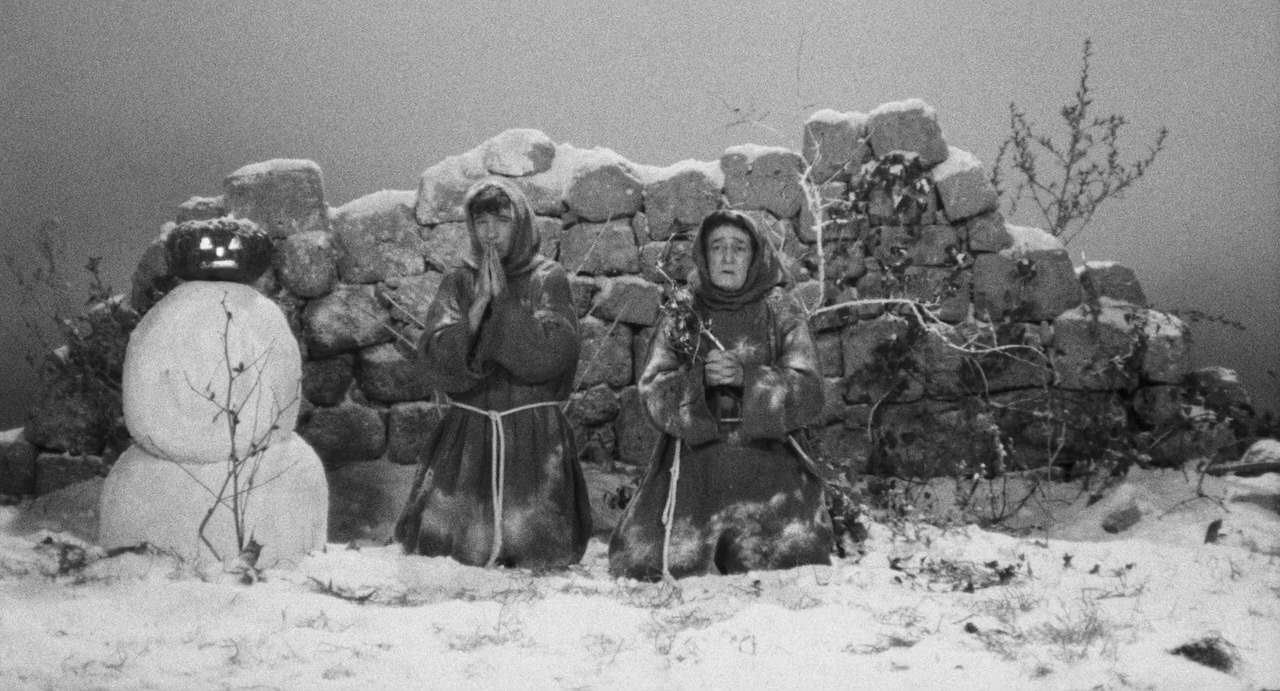
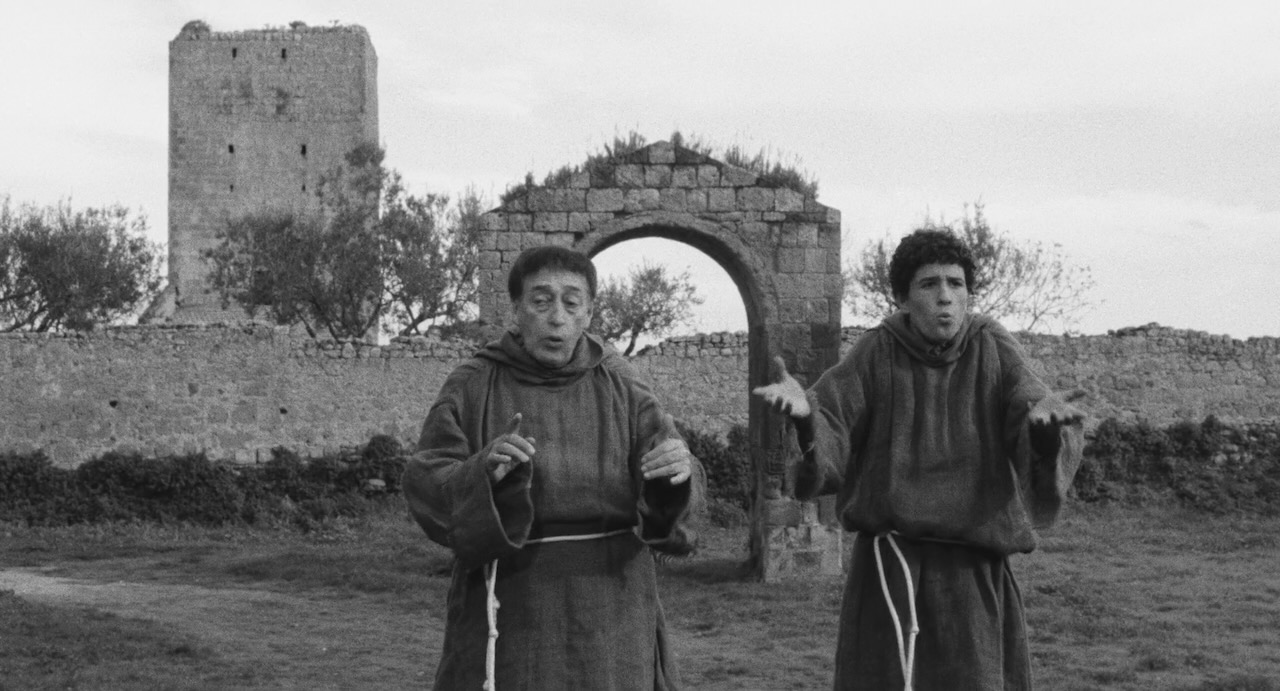
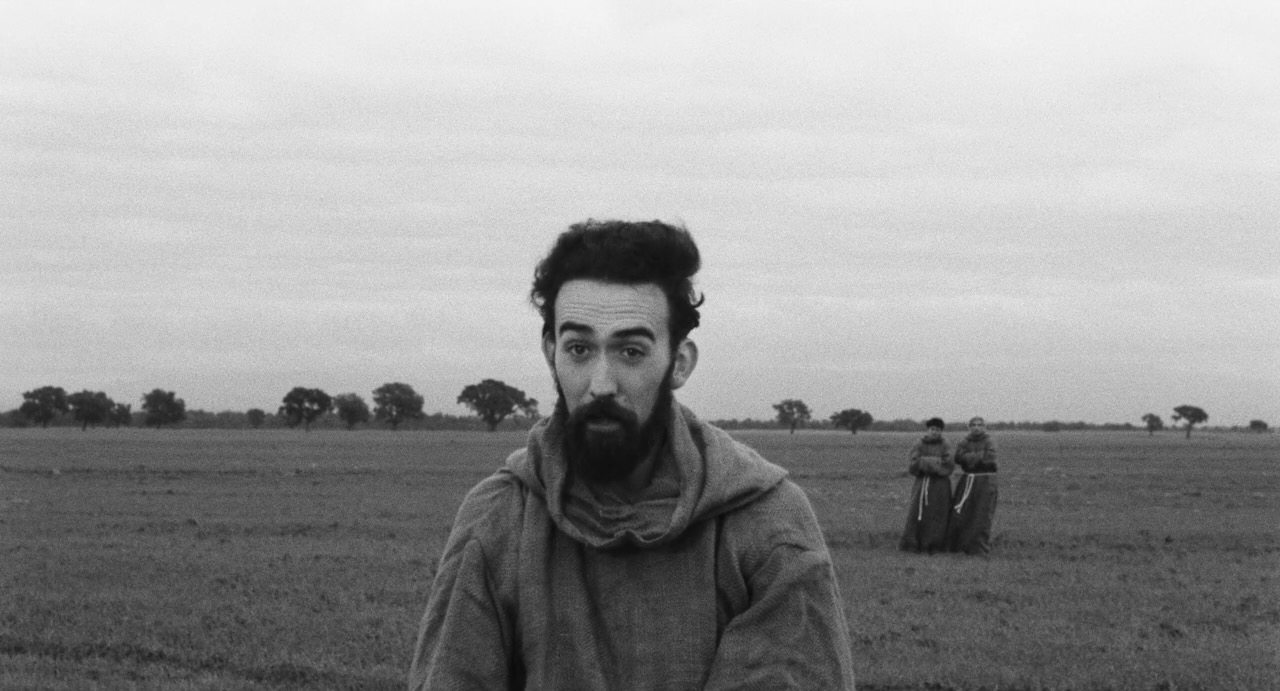
3. The Tale of King Crab (Matteo Zoppis & Alessio Rigo de Righi)
4. Spermworld (Lance Oppenheim)
5. Fifth Thoracic Vertebra (Park Sye-young)
6. Heretic (Scott Beck & Bryan Woods)
7. Juror #2 (Clint Eastwood)
8. 100 Yards (Xu Haofeng & Xu Junfeng)
9. Circumstantial Pleasures (Lewis Klahr)
10. Walk Up (Hong Sang-soo)
Older Movies:
1. The Adventures of Prince Achmed (1926, Lotte Reiniger)
2. Silvestre (1982, João César Monteiro)
3. 24 City (2008, Jia Zhang-Ke)
4. Yard Work Is Hard Work (2008, Jodie Mack)
5. Secrets & Lies (1996, Mike Leigh)
6. The Extravagant Shadows (2012, David Gatten)
7. When The Levees Broke (2006, Spike Lee)
8. Vive L’Amour (1994, Tsai Ming-Liang)
9. Nowhere (1997, Gregg Araki)
10. Serial Mom (1994, John Waters)
11. O-Bi, O-Ba: The End of Civilization (1985, Piotr Szulkin)
12. Amour fou (2014, Jessica Hausner)
13. Deja Vu (2006, Tony Scott)
Rewatches:
Lost Highway, Blue Velvet, Wild at Heart (David Lynch)
Altered States (1980, Ken Russell)
Black Book (2006, Paul Verhoeven)
Citizen Kane (1941, Orson Welles)
Drowning by Numbers (1988, Peter Greenaway)
Fireworks (1997, Takeshi Kitano)
A Fistful of Dollars (1964, Sergio Leone)
Heat (1995, Michael Mann)
Koker Trilogy (1994, Abbas Kiarostami)
No Country for Old Men (2007, Coen Bros.)
Poltergeist (1982, Tobe Hooper)
Starship Troopers (1997, Paul Verhoeven)
Svankmajer shorts
2025 Favorites: New and Recent Movies
1. No Other Choice (Park Chan-wook)
2. The Shrouds (David Cronenberg)
3. The Phoenician Scheme (Wes Anderson)
4. Reflection in a Dead Diamond (Cattet & Forzani)
5. One Battle After Another (Paul Thomas Anderson)
6. Train Dreams (Clint Bentley)
7. Universal Language (Matthew Rankin)
8. Caught by the Tides (Jia Zhang-Ke)
9. Misericordia (Alain Guiraudie)
10. Miroirs No. 3 (Christian Petzold)
11. Sinners (Ryan Coogler)
12. Grand Tour (Miguel Gomes)
13. Dead Talents Society (John Hsu)
14. The Naked Gun (Akiva Schaffer)
15. Vulcanizadora (Joel Potrykus)
The Movie Year in Review, 2025
Happy New Movie Year!
Went to theaters a handful of times, skipped True/False and the Virginia Film Fest, watched Locorazo and Shocktober alone on the couch, ho hum. Identified fewer must-see new movies than ever (and watched some 69% of them, nice). The 20th blogniversary will be in April, taking suggestions for how to celebrate. Something list-related, no doubt.
K recently told me “you’re such a completist,” but what have I completed really? Six years ago I rounded up the Alain Resnais movies, since then I’ve knocked out the last few of Criterion’s first 100 DVD titles. But I’ve got an ever-increasing number of must-see lists and filmmakers, and have preferred skimming between each list and project rather than tackling any one head-on. Just finished watching all known Agnes Varda movies and I’ll round ’em up when done reading the book on her career. Maybe in ’26 it’s time to complete more projects?
The 2025 Lists:
2025 Favorites: New and Recent Movies
2025 Favorites: Older Movies and Rewatches
The Extravagant Shadows (2012, David Gatten)
Opens with music, then literature, then watching paint dry, and stories… or we’ll call them texts, to be safe.

We get into our routine of new color, new text, then of course he starts changing the patterns. After the first hour, instead of text appearing over the colors then going away, the text starts changing, crossfading into new texts. Twenty minutes later there is sync sound for the first time. There have been slight light shifts before, but around the same time as the sound, the current paint color becomes unstable – it turns out this was filmed outside in Colorado, and he hoped that clouds would add some chance into the mix. Soon the idea that this might be a single time-lapsed shot (or real-time, turns out it’s quick-drying paint) goes out the window, as the scene cross-fades into different colors and textures.
Mouseover to make years pass by:

Halfway through, the title Anonymous Life Among the Definite Articles begins a more storylike story than usual, about a woman with a memory of a man and a bookstore. As soon as this story is reaching some kind of climax, he paints a color, then a new color before the first one has fully dried, the brush moving in splotches instead of nice even lines, making a blue/tan mess, over which plays our third hourly classic pop song. He runs some text about seeming and seemings, which I didn’t follow at all. Now all the rules are changing – he does multiple coats of the same color, plays multiple pop songs in a row. I lost my mind when he painted a diagonal line instead of a straight vertical, causing K to laugh at me. She says the movie is a palimpsest.

Essential interview at Idiom, where I learned the songs are “from a 1968 Merrilee Rush album called Angel of the Morning”…
Aaron Cutler:
Though many [texts] originally come from other writers, including Stefan Zweig, Maurice Blanchot, and Henry James (from whose short story “The Jolly Corner” Gatten took Shadows’ title), the tale that they obliquely tell — made up of overlapping possible stories that lovers might share, if chance allows — is of Gatten’s invention.
Gatten:
My background of consuming and enjoying [commercial cinema] probably helped me conceive work that was different, and closer to the aesthetic experience of the fine arts. I admire the idea of the oppositional cinema, but what I’m making is just in favor of itself, and not necessarily opposed to something else — I like the other thing too, it just isn’t what I’m doing … For the kind of experience I seek, I don’t want anyone to forget who they are or where they are, and I want my viewers to be active in a different way. I want the chief activity to be that of the viewer approaching the screen, and for the meaning of the work not to be inherent, but rather to be a product of someone’s engagement with it.

Since the paint is quick-drying, we also witness the change in texture of the painted surface itself, along with the evolution of the light conditions, so cracks, welts, smashed gnats, ripples and other distortions become apparent second by second. These changes — in light/color, texture — are often happening at the same time Gatten is fading in, or out, long excerpts of text, and the result is that as your eye scans the text to read it, “behind” the text the “background” seems to be changing with your reading. It is almost as if you, the viewer, are changing the image through the act of reading, which dovetails into the text’s mysterious evocation of almost/not-quite/happenstance/erstwhile relationships: the act of reading, of seeing, is so quicksilver that it changes the nature of the subject being seen, read, and the reading’s subject, the love, the memory.

Holly Willis in Film Comment quotes Gatten on the earlier Byrd films, then on Shadows:
“There will be a lot of words in these films,” he explained, speaking with characteristic precision. “You won’t be able to read all of these words. I expect that this will provoke anxiety. That is as it should be.” This anxiety, Gatten explained later in an interview, is significant: “The enjoyment of reading and the anxiety of not being able to read are the two sides of the coin: you can’t have one without the other.”
…
“I have moved in a few of the recent works to language that is not difficult because it is not available physically; it is that it’s more abstract. The questions become, ‘How does one get from one piece of legible language to the other piece of legible language?’ and ‘How does meaning accrue between those legible things?’ It’s less now about physical, visible legibility and more, I think, conceptual legibility or illegibility.”
Michael Sicinski has an overview of Gatten’s work leading up to this movie:
Taken as a whole, Gatten’s work over the past eighteen years has been an ongoing inquiry into cinematic knowledge, its connection to, and its role as a part of, the broader history of human knowledge … This strange new work is undoubtedly a continuation down the formal and phenomenological pathways forged by the Byrd films…
Gatten’s texts (which seem to be an amalgam of original and appropriated material) give the distinct impression that an actual story is developing. That is, The Extravagant Shadows is not just a feature, but it is almost a narrative. And what is it about? These textual fragments are preoccupied with two key elements: emotional connection and various methods of communicative transmission. Two figures are trying to make contact with one another … We read of the mails, the telegraph, the selection of books, the distance between nations. Eventually, the speaker (or speakers) seem to doubt the efficacy of writing altogether.

The Mastermind (2025, Kelly Reichardt)
Regular family guy Josh O’Connor, haunted by his past life as an art thief in La Chimera, and in love with Arthur Dove, puts together a halfassed plan to steal four paintings from a local museum. All three of his accomplices turn on him (one drops out, one goes to the cops, and one goes to the mob, who re-steal the paintings), he borrows money from his parents that he can’t pay back, his wife is mad at him, the friends he’s staying with kick him out, he finally robs an old lady to afford a border crossing then gets randomly arrested while laying low in a protest march.

This has more of a commercial period genre feel than Reichardt’s other crime movies (Night Moves, First Cow, River of Grass) but with a pleasingly soft grainy look, and requisite time spent on important details (Josh laboriously negotiating a barn ladder while stashing the paintings). Rob Mazurek contributes the best score of the year.
Josh’s mom Hope Davis:

Robert Rubsam in Defector is really good.
The Mastermind is Reichardt’s third film in a row about a frustrated artist … These are lonesome characters, isolated by their means and their practice, persistently frustrated by the knowledge that they could accomplish something great, if only their true labor held any temporal or monetary value … Yet when it comes to his own heist, he’s more than happy to shunt the labor to his fuck-up friends, keeping his hands clean of criminal drudgery. You get the sense his career probably foundered long before the work dried up.
He seems infinitely more comfortable when stashing away the stolen goods than he does relating to his kids or pleading with his wife. Swaddled in the loving embrace of family and suburbia, he acts like a man living hand-to-mouth, creating new problems so that he — and the women in his life — can solve them. Like a cornered animal, he must do something, or die. It’s not so much a high-wire act as a slow ascent up a shaky ladder with no way to climb back down.
Pink Flamingos (1972, John Waters)
Even lower-fi than expected. With a proper audience it’s probably more infectious than tedious. All this time I’ve avoid the acclaimed 1970s movie Cockfighter on account of chicken torture, then I stumble into the acclaimed 1970s movie Pink Flamingos with advance warning about shit-eating but no notice that a chicken gets fucked to death.

“How can a couch be out of order?” Divine and her ma Edie and roomie Mary are local menaces, while Mink and David are jealous pervert neighbors looking for an advantage over the notorious Divine. They try to ambush our heroes, but Divine fucks her son(?), eats shit, murders her rivals and wins the day. After Divine goes feral on a hot dog patron, Waters plays “The Girl Can’t Help It.” Also the scene where police are called to Divine’s trailer, and a gang of locals ambush and devour them was pretty good.

Decoder (1984, Muscha)
Some fabulous images in here, this Muscha is a real visionary. It’s also the movie that knocked me unconscious the most times this year, so many times that we have a running joke that “watching Decoder” means going to sleep early.


Mostly we follow a guy with floppy hair (FM Einheit, a Neubauten percussionist). He’s either a slacker punk kid or a secret agent, or possibly the former who falls into being the latter. He ends up stealing some dissonant noise tech and turning it against the dominant burger restaurant chain, which gets him hunted by a world-weary government agent with access to total surveillance (New Yorker Bill Rice of Sleepwalk and Vortex).


A tape-dissonance operative standing in front of Fassbinder’s death notices:

The guy from Soft Cell shows up to sing “Sleazy City.” They can’t afford computer graphics so they film arcade games off a screen. Sometimes a guy with a hidden face talks in the voice of William Burroughs. The surveillance operatives are always watching a Fritz Lang movie on one screen (so am I). When cornered on a subway car, our guy starts drumming on the walls, the cop falls down covering his ears but nobody else in the car seems to mind. Also: death frogs.