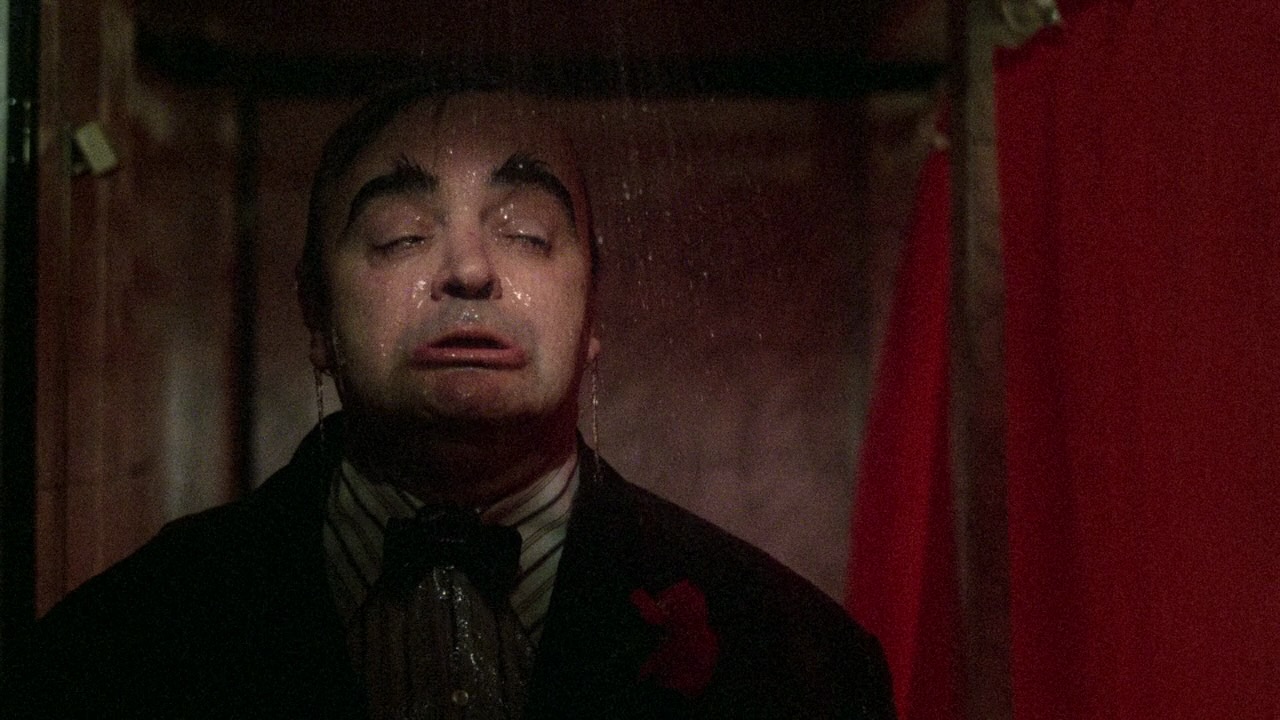
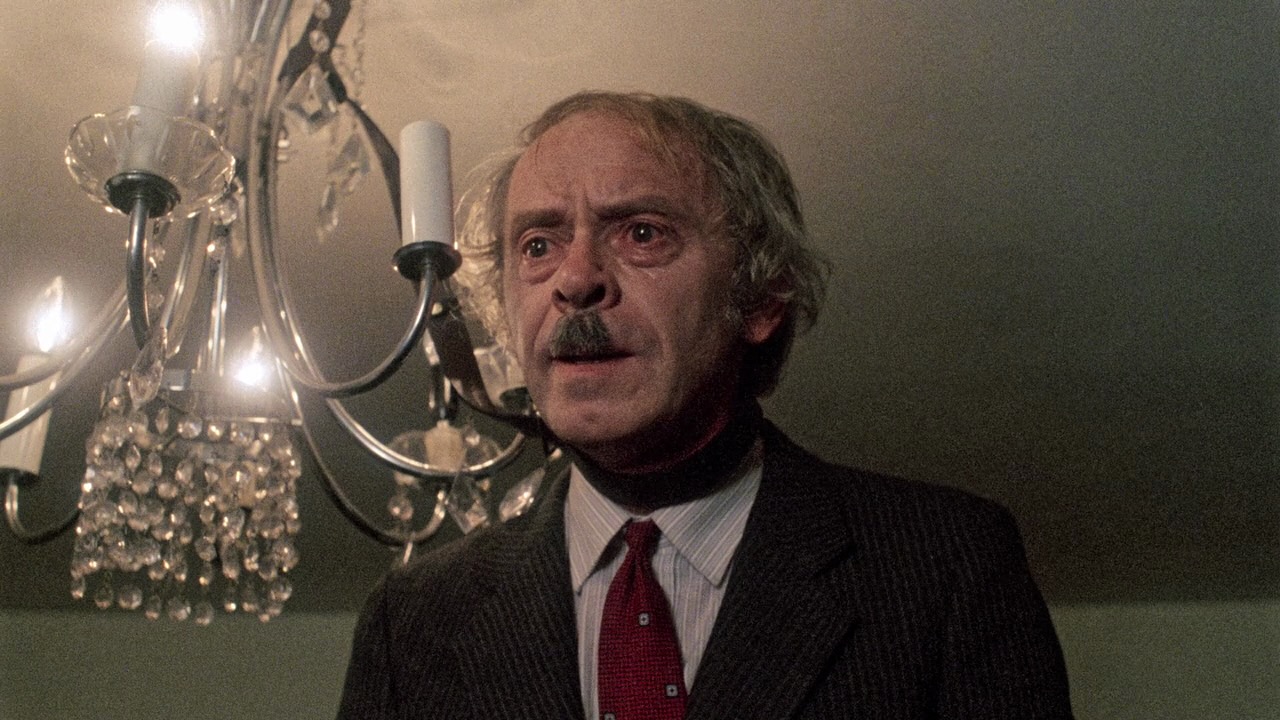
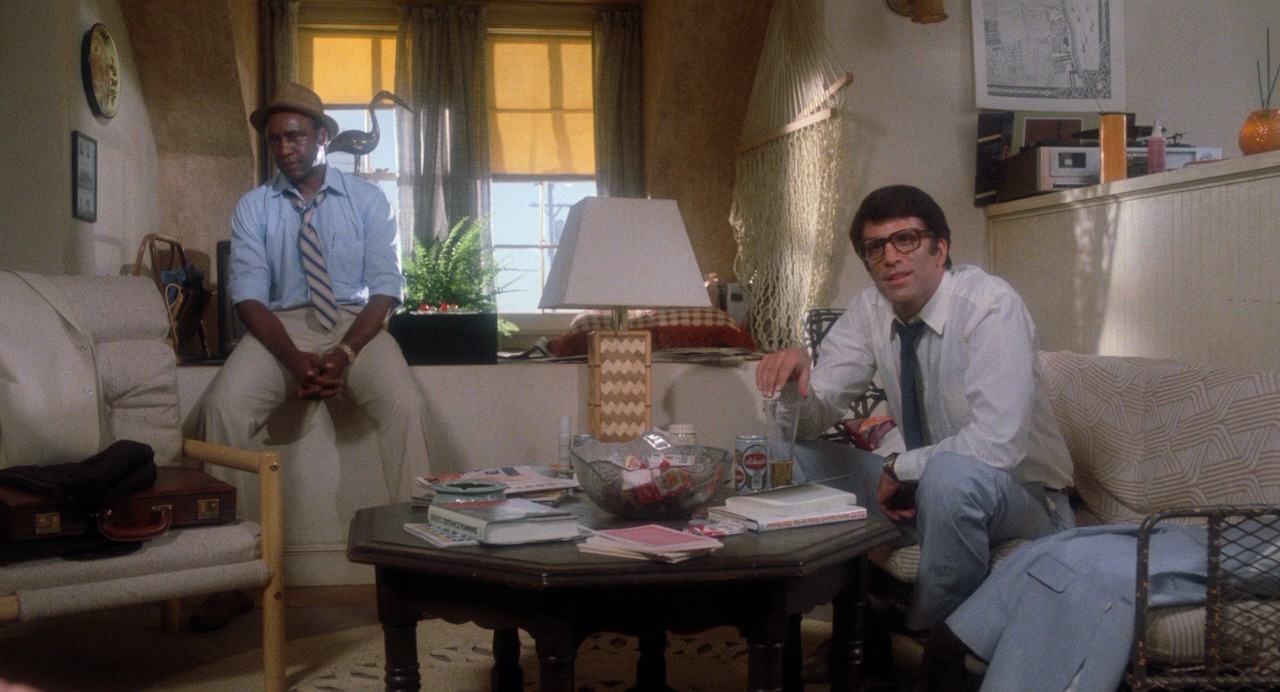
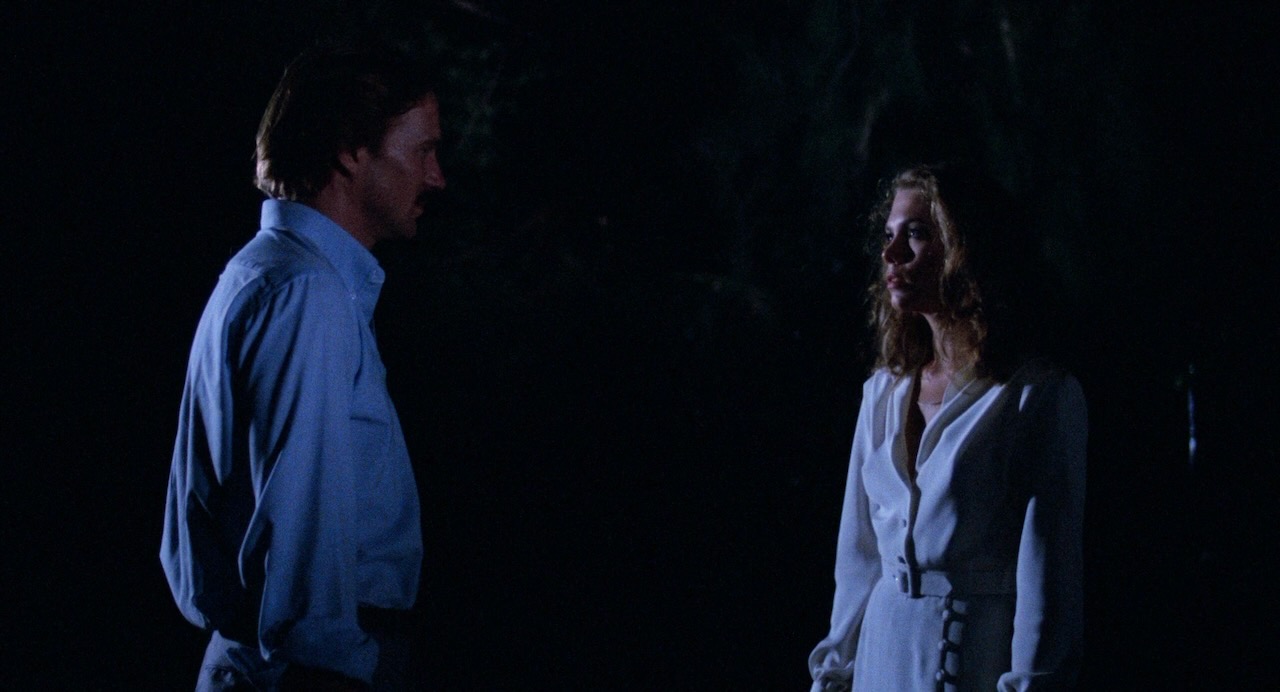
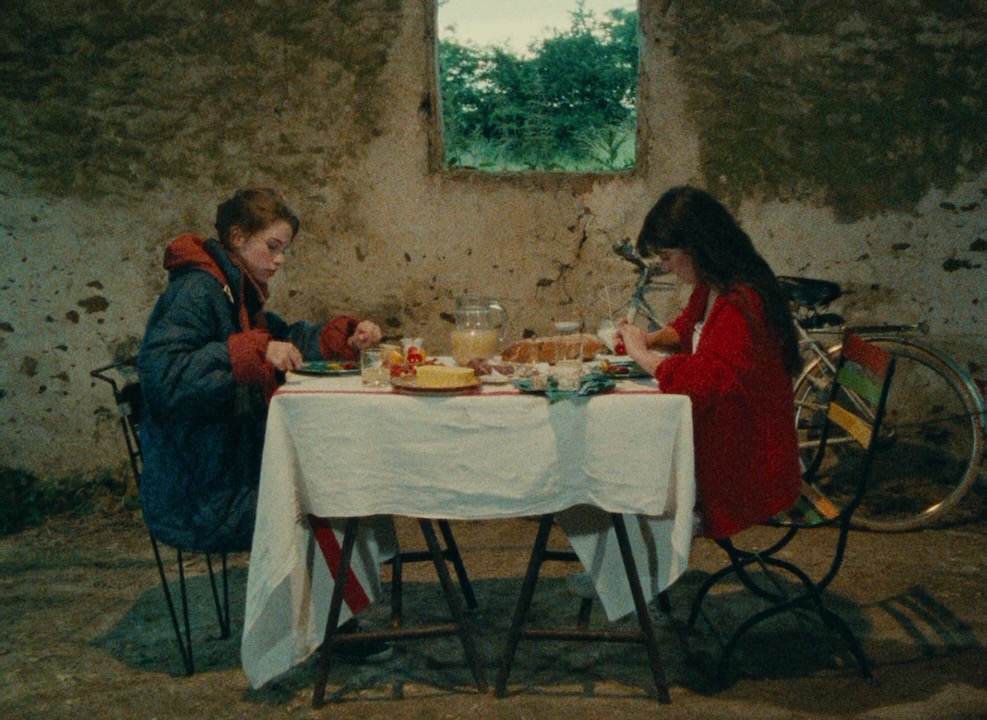
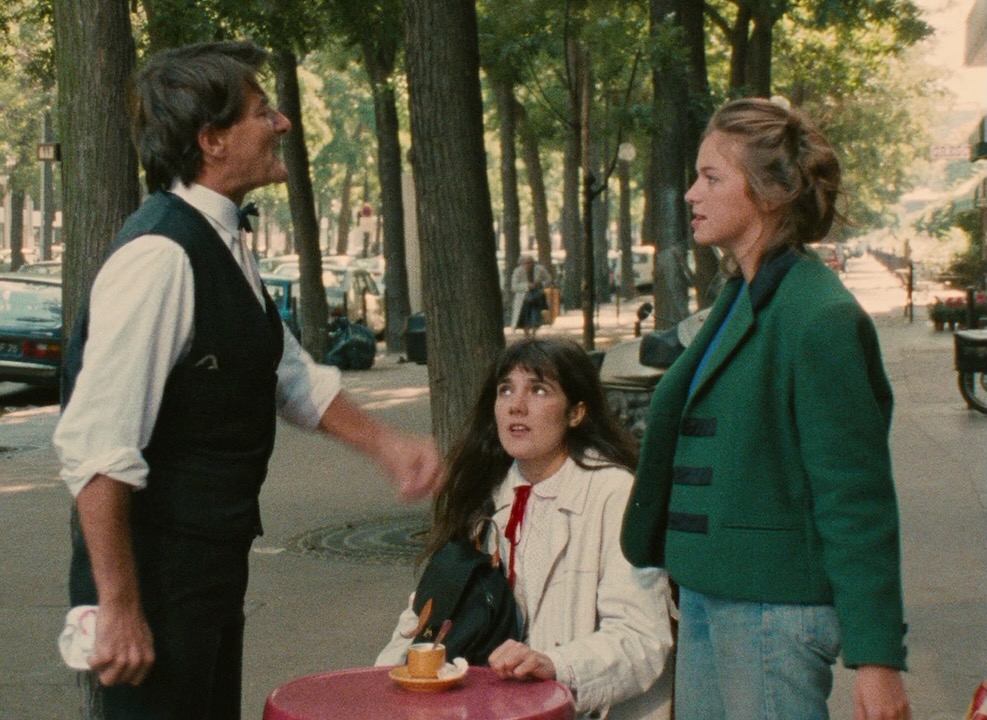
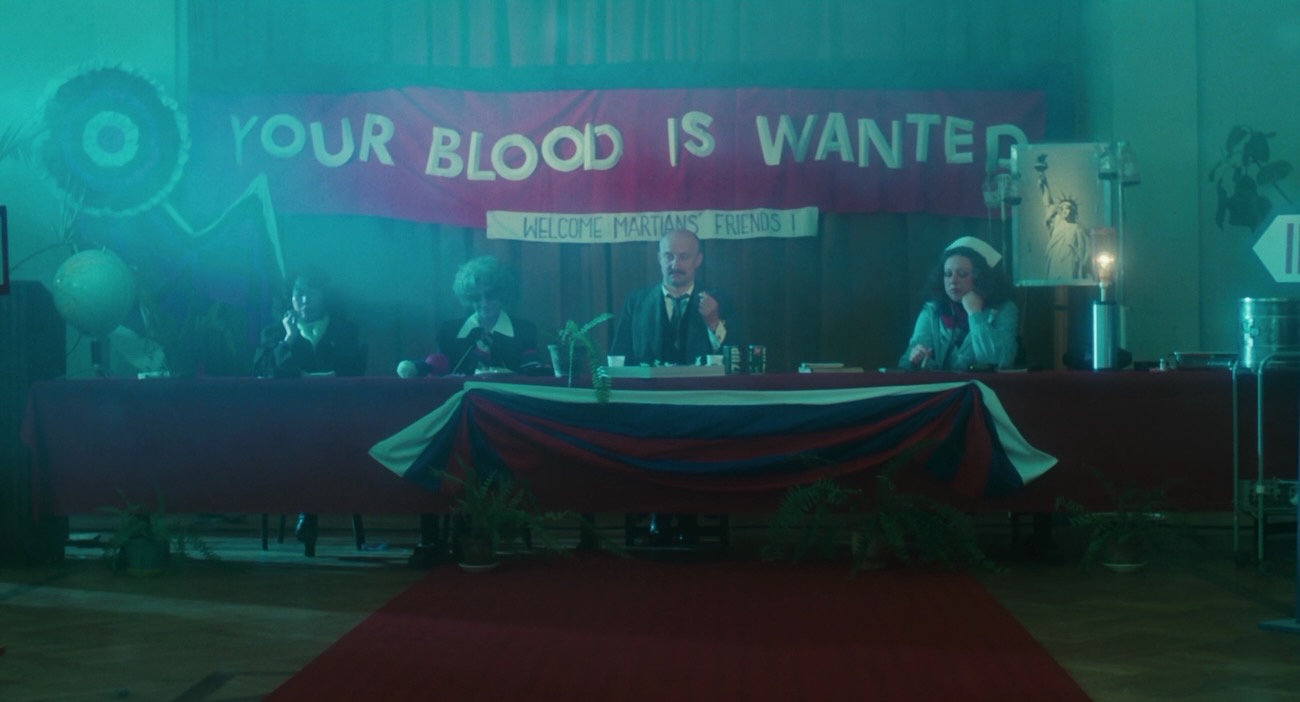
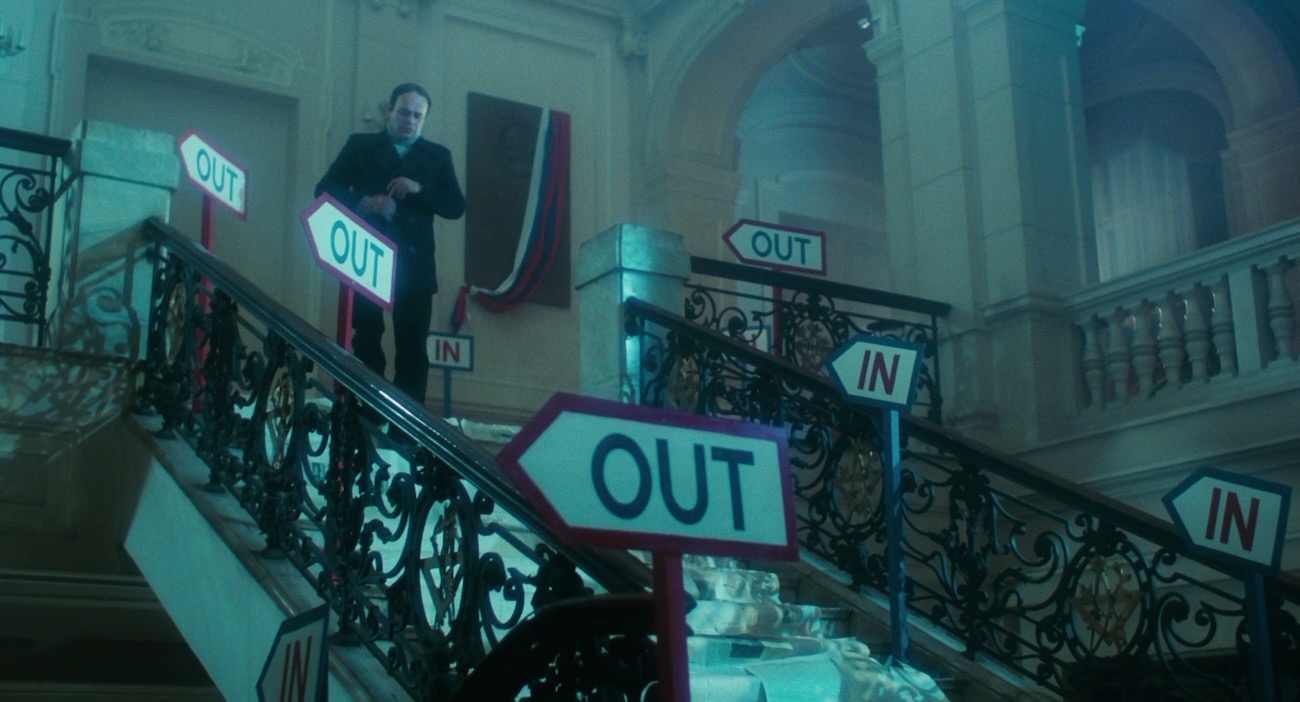
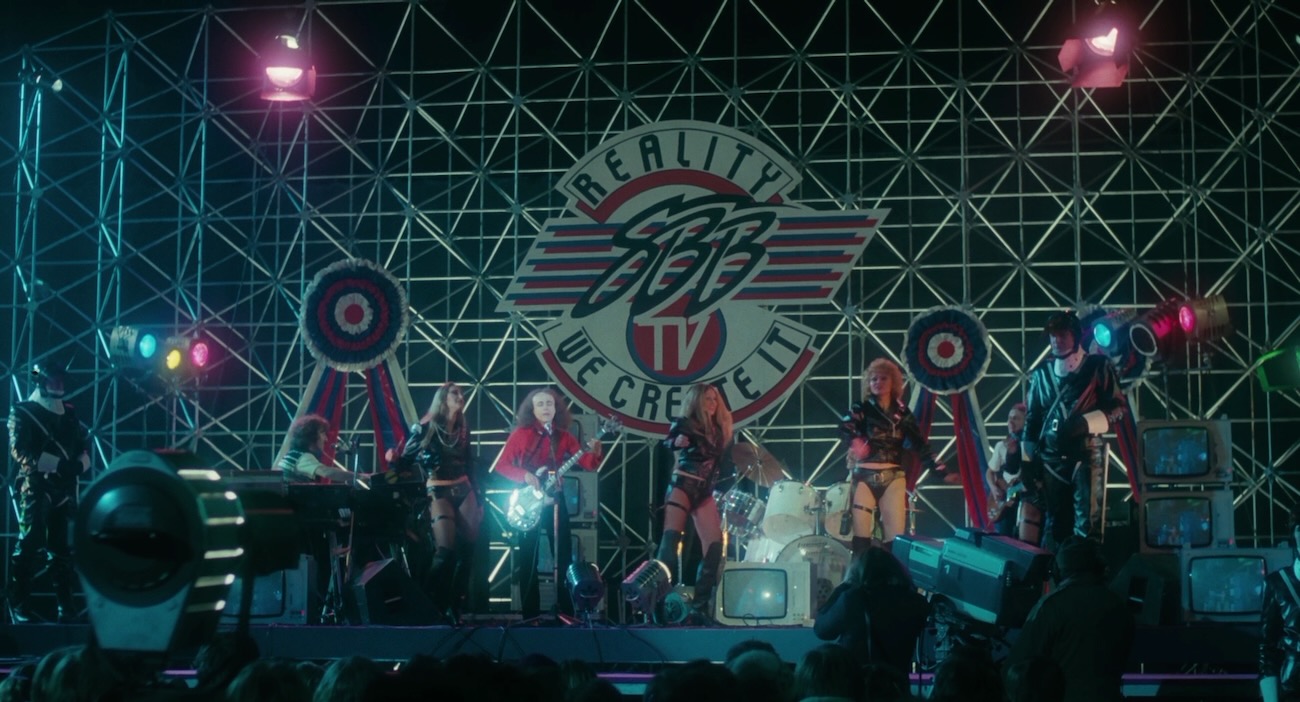
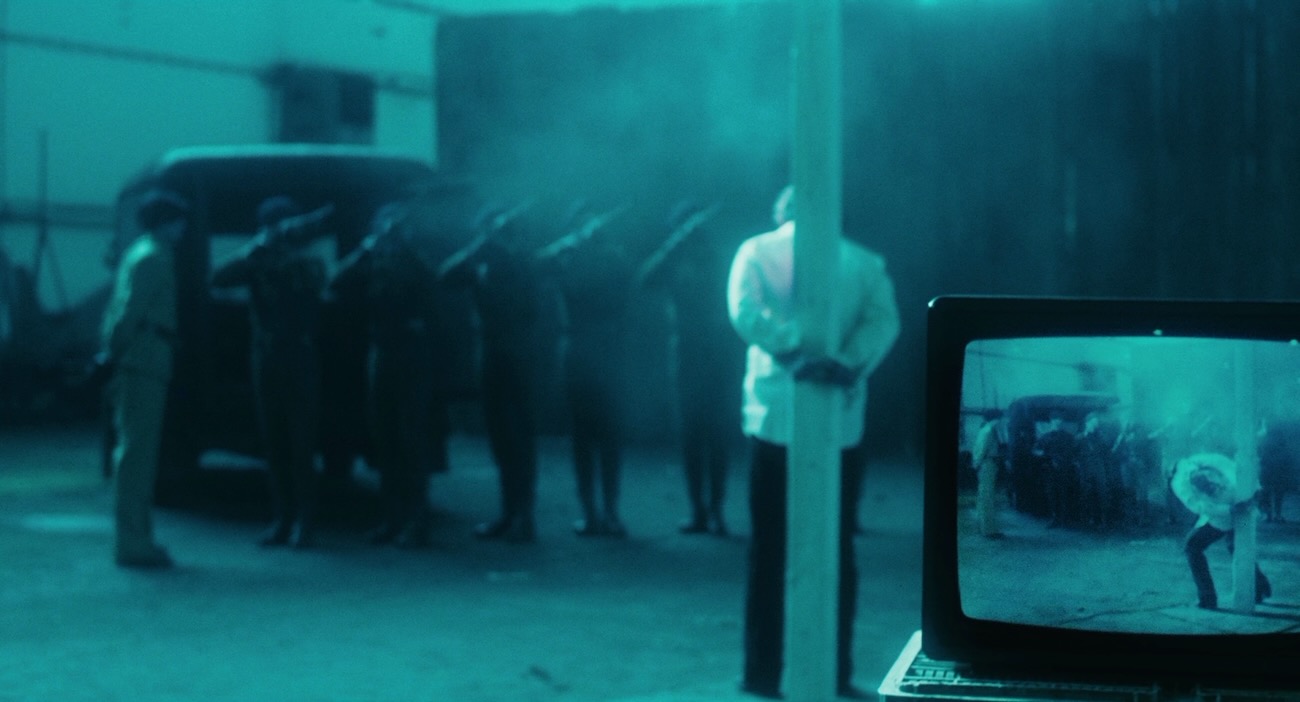
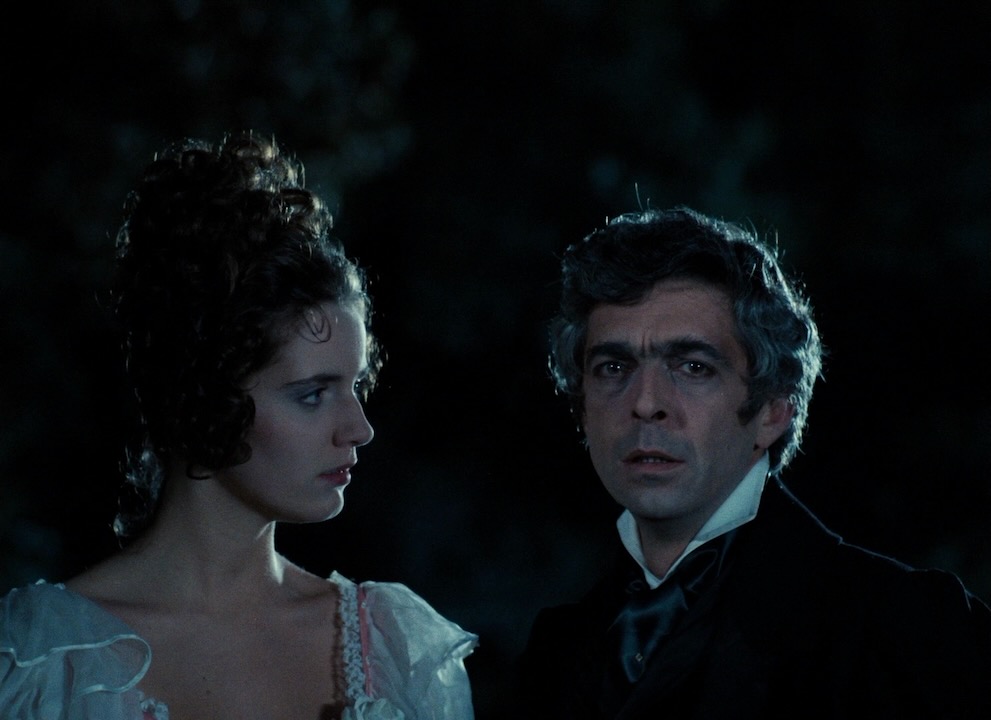
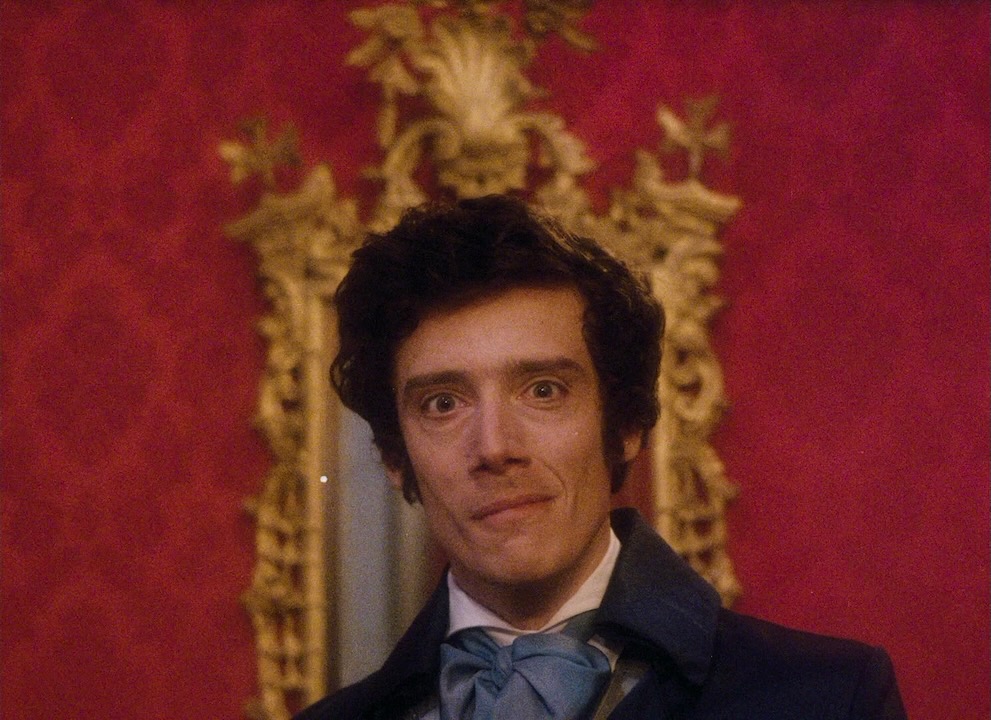
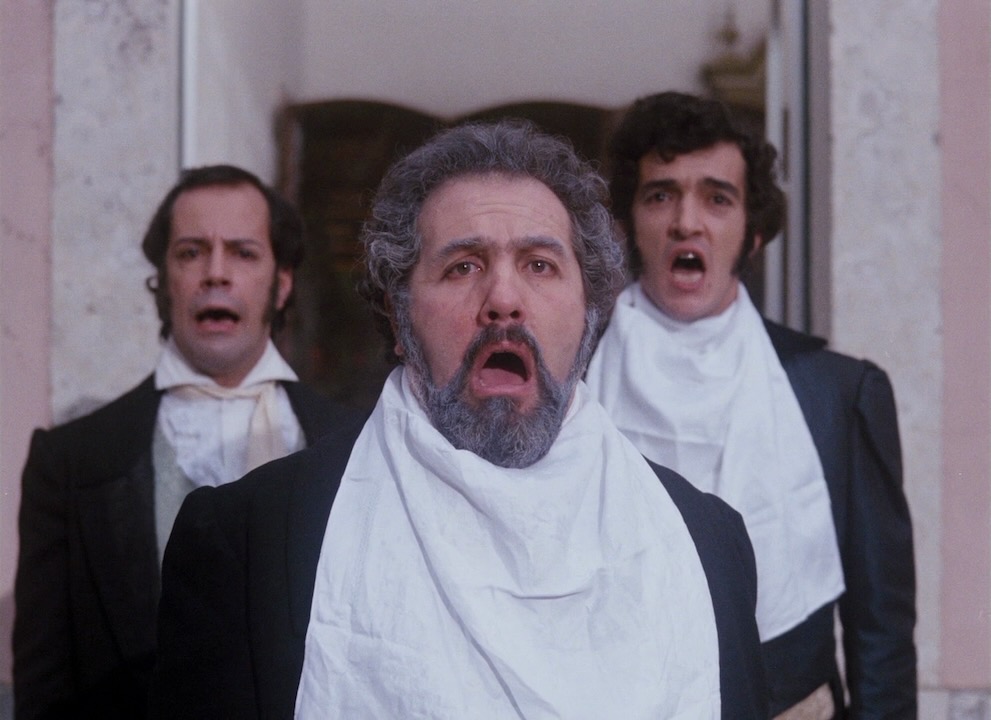
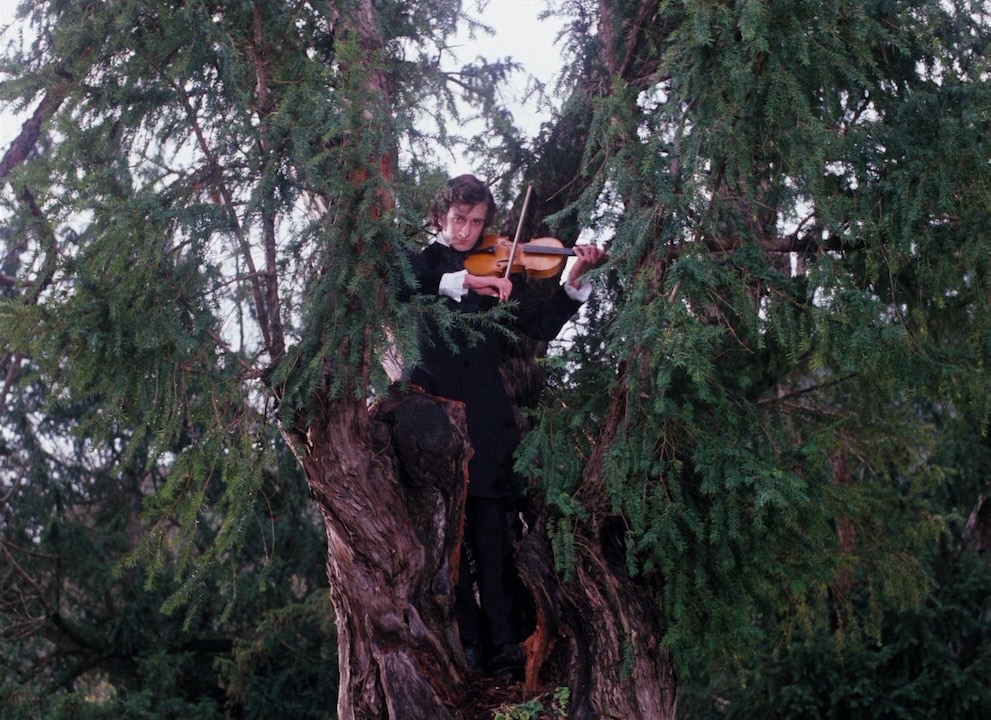
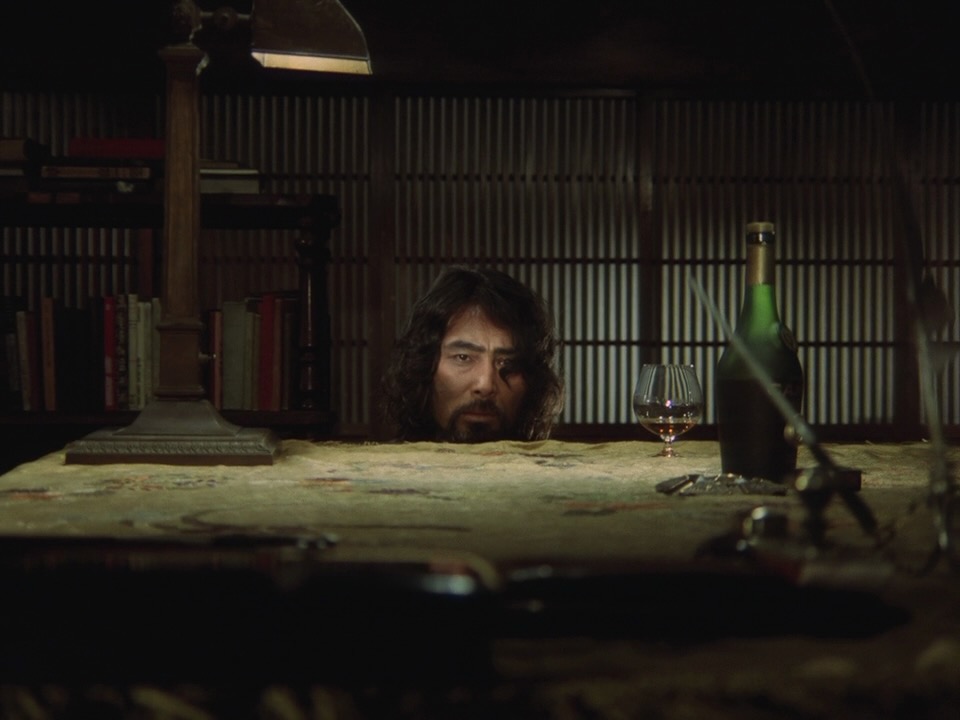
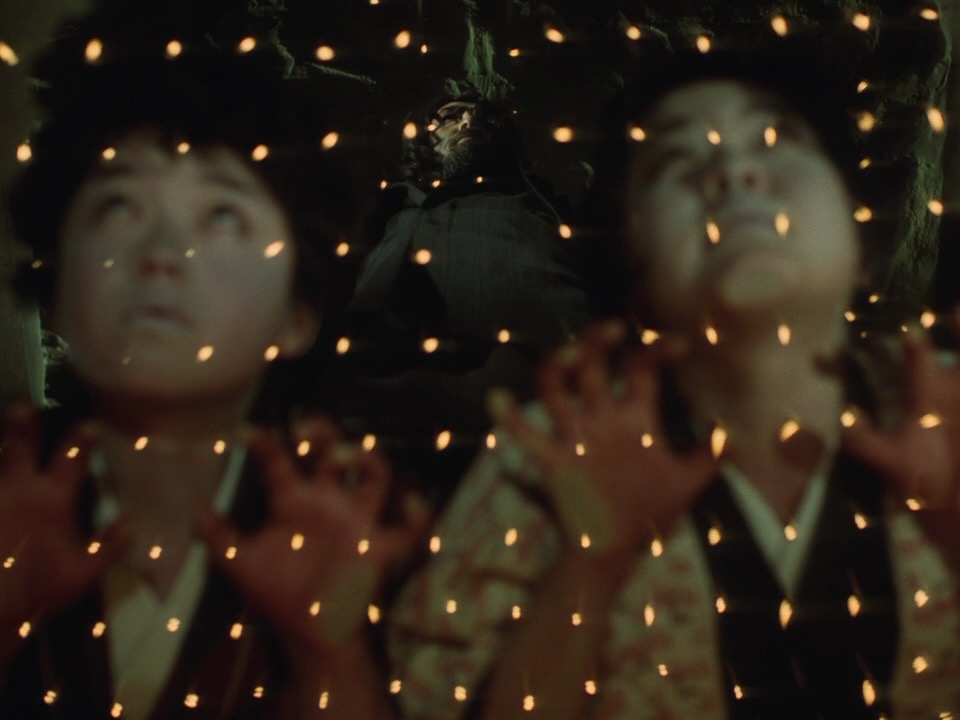
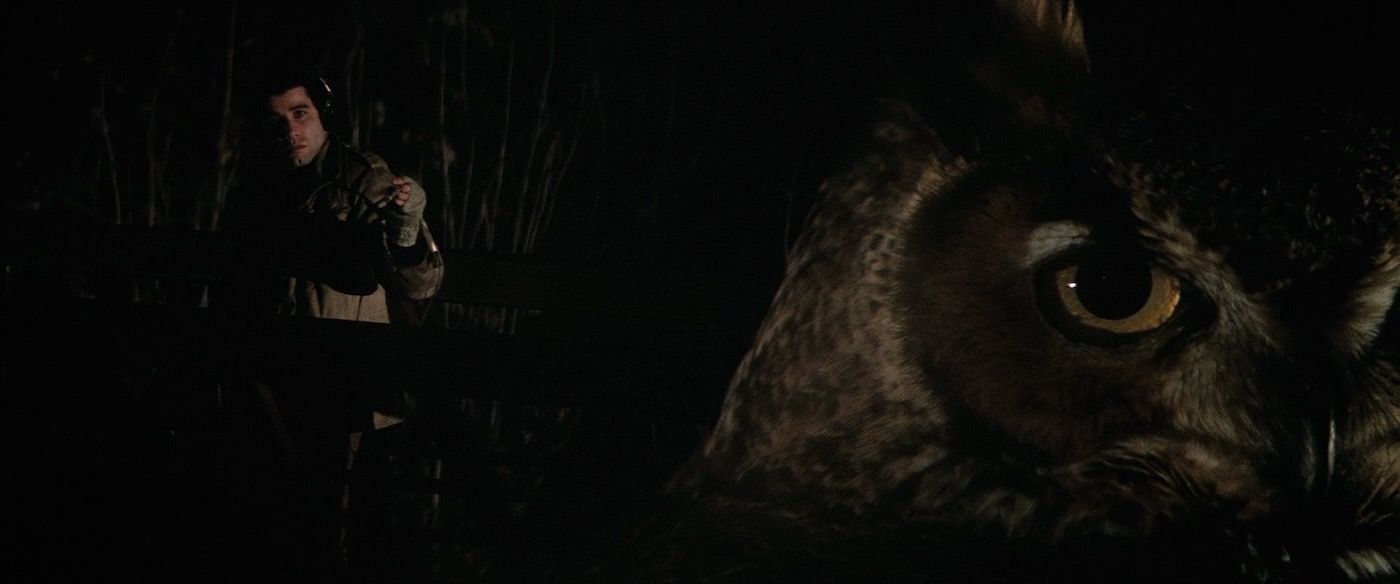
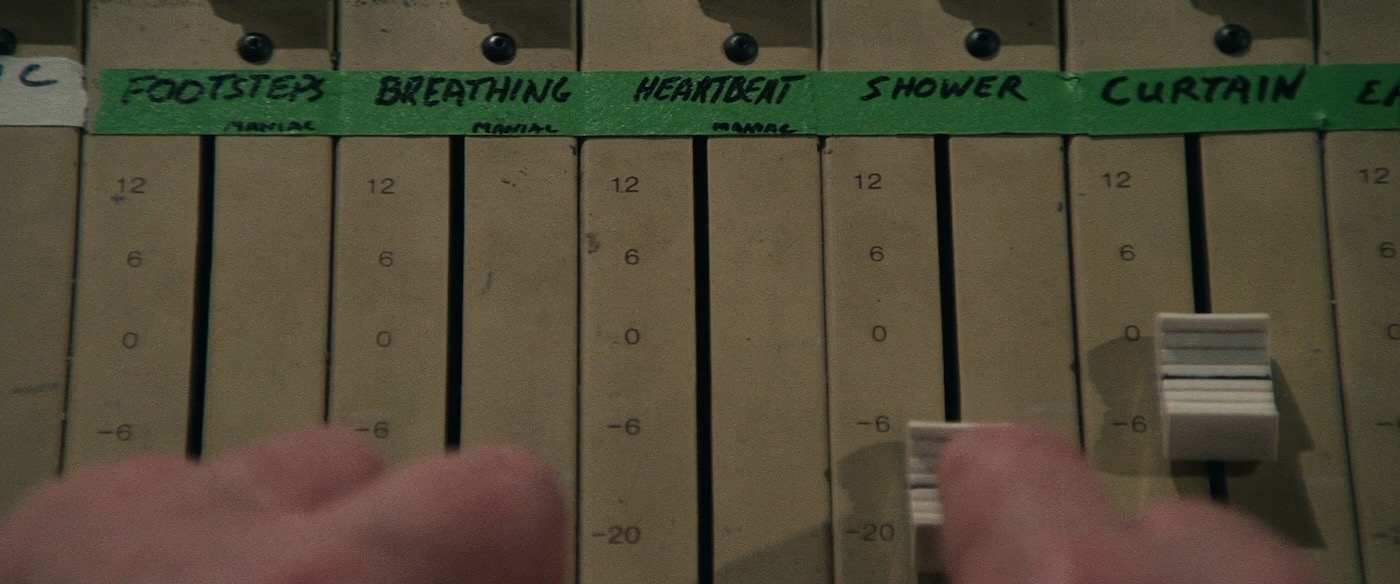
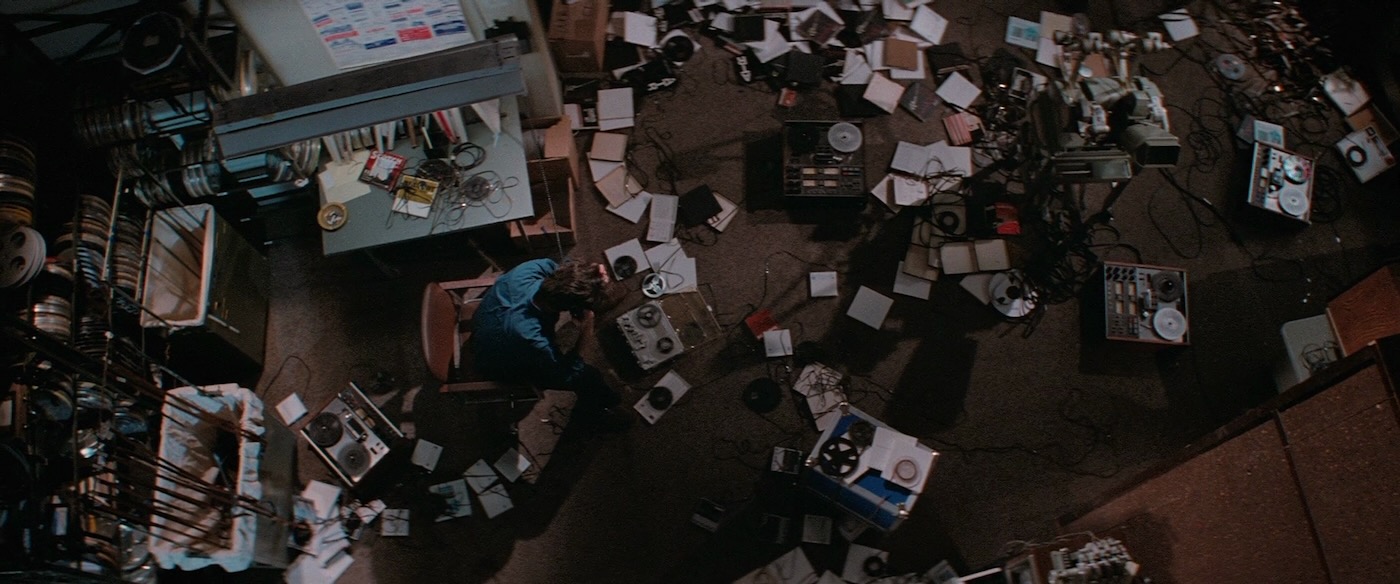
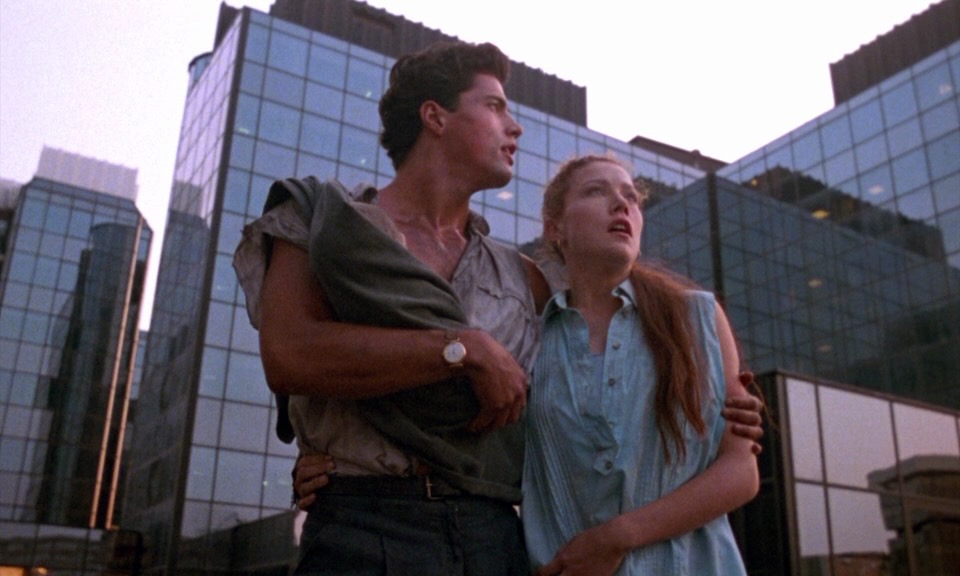
Stratified society in a post-apoc bunker, Jerzy Stuhr is a fixer who goes everywhere, sees everyone, and knows that the bunker is on the verge of physical collapse and the ark that’s supposed to arrive to save us all doesn’t exist. As great as the others I’ve seen by Szulkin.

Pre-Big Chill William Hurt and Post-Close Encounters Bob Balaban are doing isolation chamber tests in 1967, Hurt appreciates the trippy demon visions he experiences in the tank, and shares his thoughts on the matter while his girl Blair Brown is trying to make love to him.

A decade later Blair is leaving socially awkward Hurt while he’s heading to Mexico to try mushrooms (to open ancient physiological pathways in human consciousness), which take him to another place that he can’t remember when he sobers up. So he heads back into the isolation tanks, enlisting angry skeptic Charles Haid (pre-Nightbreed!) to observe.

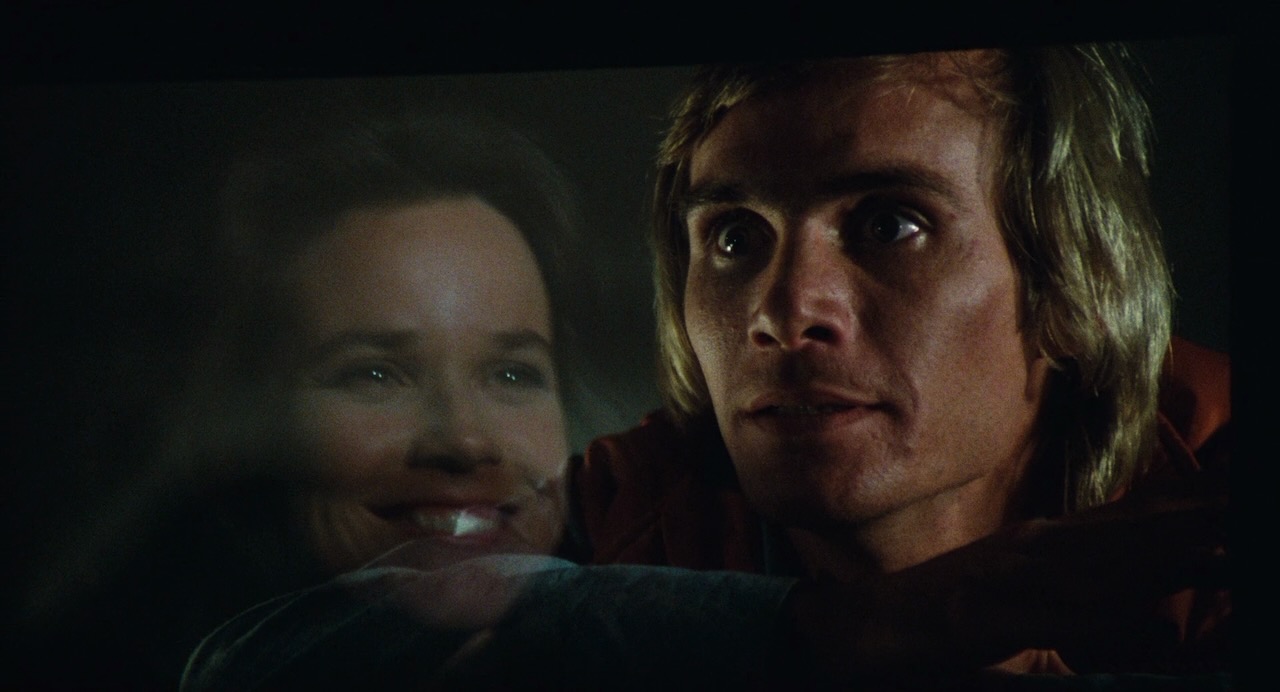
Now on mushrooms in the tank, Hurt witnesses the birth of mankind and bodily regresses to gorilla-state. None of the others (not even lab tech John Larroquette) can deny something crazy is happening here, so Hurt keeps it up, getting arrested for monkeying at the zoo. But he goes in too many times and hellraisers himself into a primordial vortex (even more impressive since Hellraiser hadn’t been invented yet), leading to some major fluid/space/video effects.

Honestly weird movie, surprising that Cronenberg didn’t make this. A small part of the runtime is rapid editing of trippy imagery, larger part is a guy turning into an ape and wreaking havoc, mostly it’s intellectuals talking rapidly at each other. Criterion says Russell was picked after 26 others had passed and the results made everybody mad at him, haha.

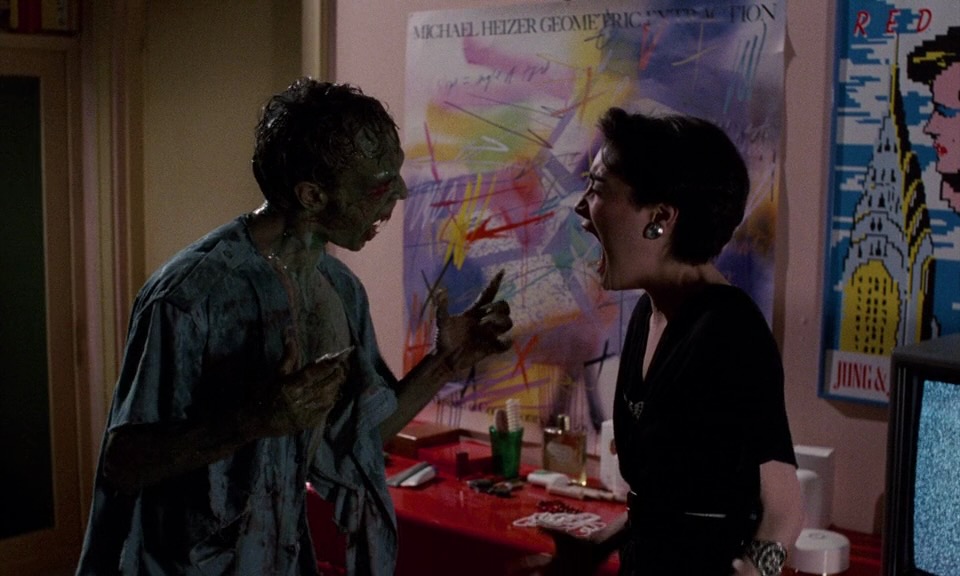
Having a very Larry Shocktober. This one’s not as good as It’s Alive III, more like Murder a la Mod without the mods, but it fits in nicely with the meta-slasher Scream movies. And despite a lower budget, crappy music and some shady editing tricks, it’s a much more lively doppelganger movie than Enemy turned out to be.

Enemy would burst into flame if exposed to this much bright color:

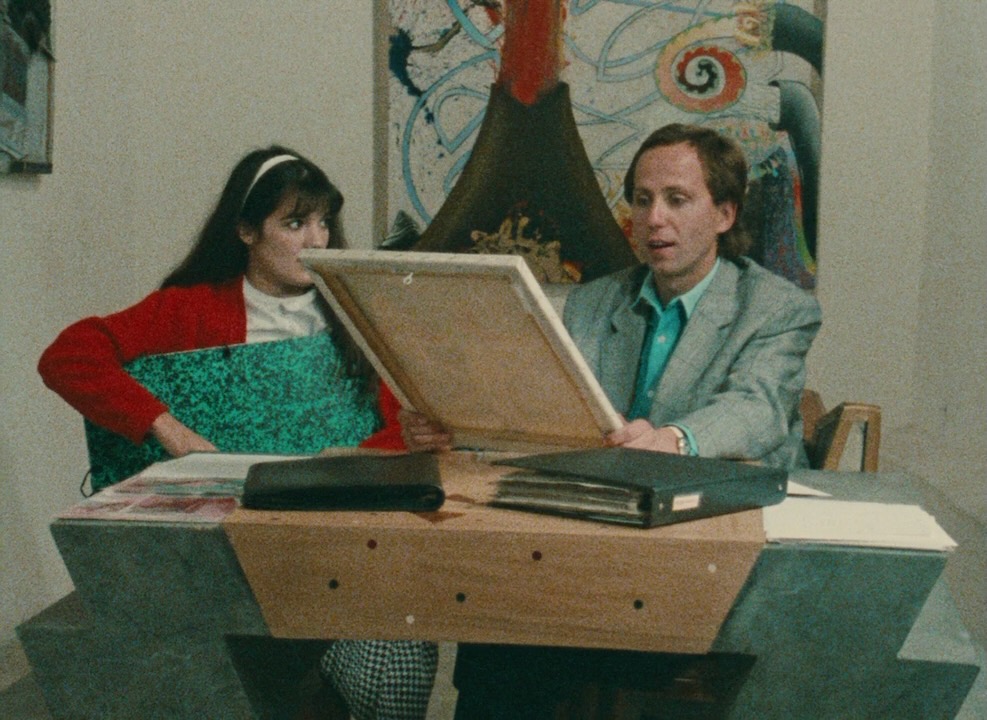
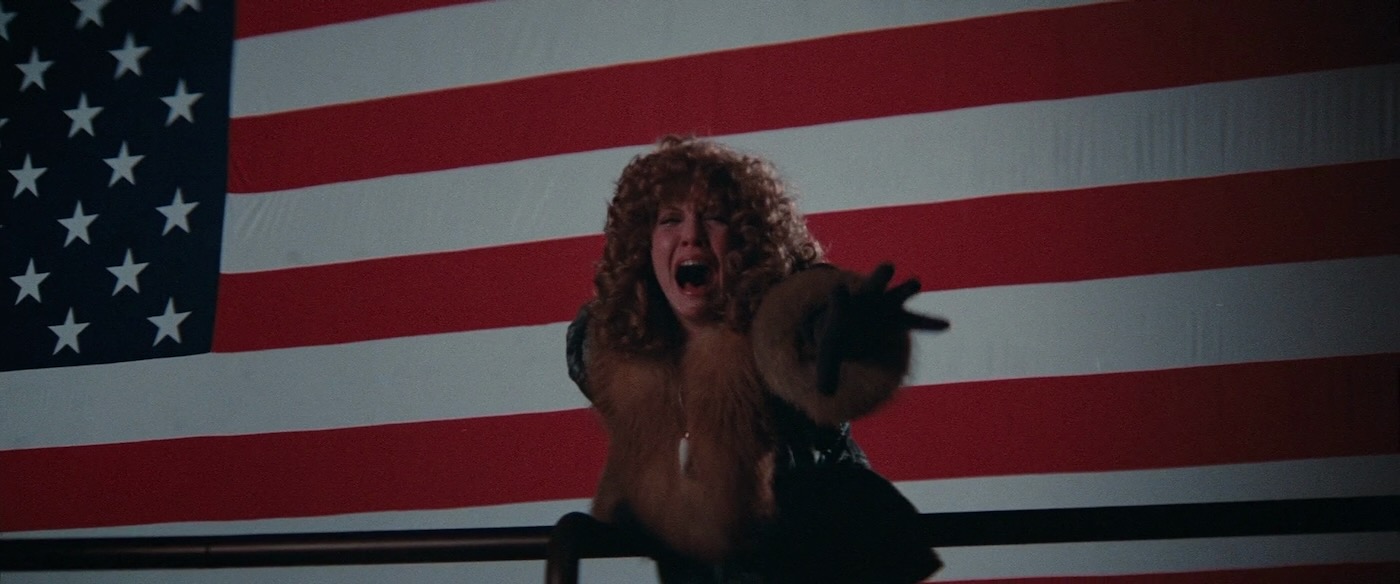
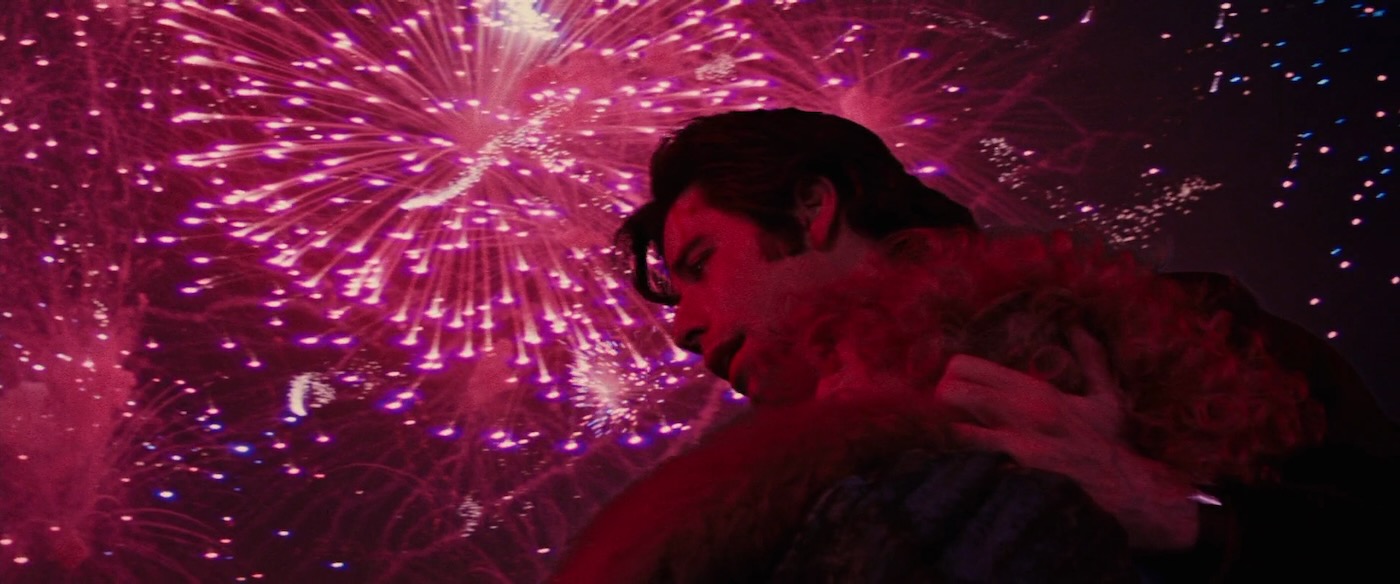
Zoe Lund (Ms .45 herself) plays two characters with at least three names. First she’s an aspiring actress working in a nudie club, pushy but not smart, getting herself into the apartment of famed/troubled filmmaker Eric Bogosian (the Talk Radio guy), whose kink is murdering girls on camera (see also: Dangerous Animals).

Bogosian in his Freddy Krueger sweater:

He can’t be that bad, he’s got a cockatoo:

Now things get twisted, as the detective (the cabbie killed in opening scene of Island of the Alive) is convinced the girl’s estranged husband killed her, so the director offers to help by making a film in which the murderer husband will relive his crime on camera, casting a lookalike (Zoe Lund again, as a do-gooder with a His Girl Friday voice) as his/their victim. The cop is offered a technical advisor position, gets obsessed until the director bars him from set for interfering. Happy ending: New Zoe falls for Dead Zoe’s husband even though he’s a dick, and they electrocute the director in his own pool.

Very first character is an asshole cab driver, the second is a cop who mutters to the camera how many weeks he’s been on the force (six), movie seems off to a bad start then they’re both immediately killed by a newborn mutant baby, yay.

Where did my friend go?

The plot is: the dad of a mutant baby has a viral moment in a courtroom, the gov’t decides to exile the dangerous babies to an island instead of exterminating them, a few years later the dad with nothing left to lose joins a scientific(?) expedition to the island (“surely they’ve developed a language of their own”) where everyone else is killed and he helps the mutants escape to the mainland then he and his ex run off with the only surviving baby.

Karen burns her ex’s tell-all book:

But the movie is less about plot than it is about letting dad Michael Moriarty go hogwild. Between his early courtroom antics, his late no-fucks-given mode, and his ability to psychically communicate with mutant babies, it’s his show. She’s not in it much but it’s funny to watch a Karen Black movie the day after not seeing her in The Devil’s Rejects. Cohen throws in new ridiculous plot points (sympathetic Cubans smuggle Moriarty to Florida, the last adult mutant lives just long enough to hurl ten cops off a rooftop). Easily the best of the Alive trilogy, all those times I wanted to rent this video in the late 80s, I was right.

Moriarty freaks out Maniac Cop star Laurene Landon:

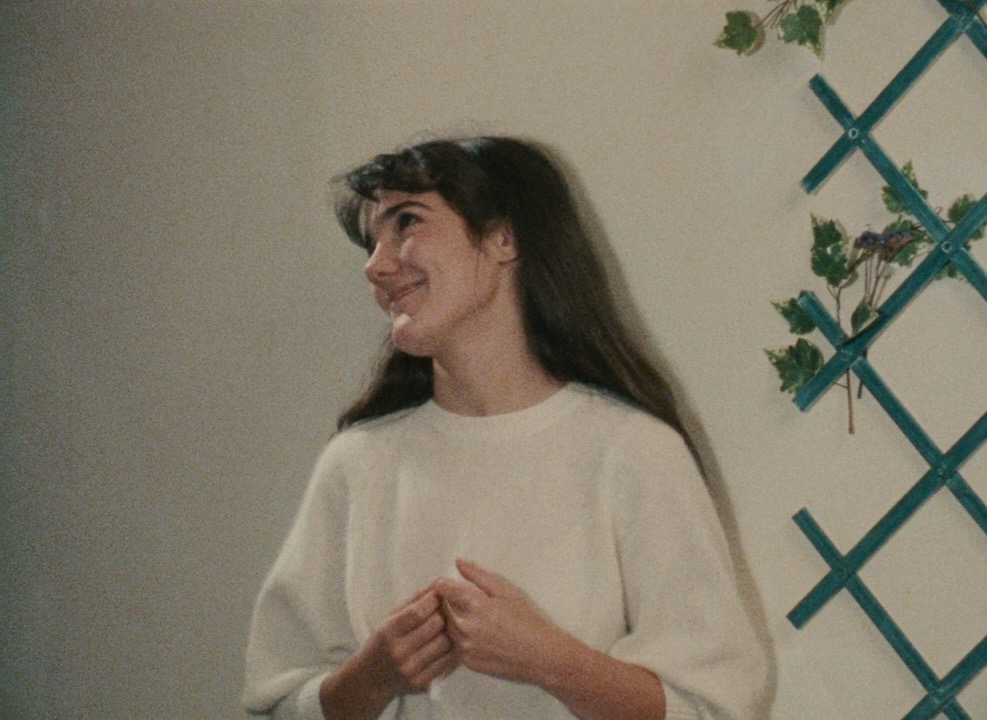
Unusual tone: quirky people in absurd situations, but not a comedy, as signaled early on when mom drops off her two daughters at grandma’s then drives herself off a cliff. When Grandma dies a couple of ill-suited aunts take over, then eagerly hand off to wandering aunt Sylvie (Swing Shift‘s Christine Lahti, excellent), who moves in with the kids and (kinda) takes care of them. Still not a comedy, the kids grow apart as one wants to fit in at school and the other wants to stop even attending school. When things get tense in town, Sylvie responds per family tradition: by running away, taking the remaining kid with her.

Mom’s last ride:

Burning down the house on their way out of town:

Children (1976)

Watched this after an episode of Shifty to reinforce how terrible is England. Everyone’s catatonic or an arsehole or both. Kid is bullied, his mom cries on the bus, his dad is violent, has fits, then dies. The kid also appears a decade later, gay and depressed. As far as miserable British youth movies, it’s no The Wall, whose soundtrack I happened to hear last week.

Hearse reflection:

Lawrence Garcia in Cinema Scope:

From the perspective of Davies’ later work, the film is most notable for its eschewal of a causal dramatic progression — and I use that term advisedly, for Davies’ construction refuses the temporal asymmetry that one might be inclined to impose on the film, resisting one’s impulse to fix the adult Tucker’s scenes as the stable present from which the childhood sequences would be merely reminiscence. Children is unique in that it is as much premonition as recollection. Although not yet marked by Davies’ singular use of music, it established something arguably even more central to his cinema: the principle that the tides of time flow backward as well as forward.

Every inch of England is filled with horrors, but this sign was the worst thing I saw:


Madonna and Child (1980)

Same guy (different actor) dotes on his mum, prays, suffers extreme catholic guilt. He goes to work (as an accountant, possibly). He puts on his leather and goes out to clubs or tattoo parlors or to pick up men at the toilets. Both have lot of stillness and prayer, but I liked this one better than Children. Not as much of the mother as you’d expect from the title, and she’s asleep in half her scenes (Sheila Raynor also played a mother in A Clockwork Orange).


Death and Transfiguration (1983)

Same guy (now Wilfrid Brambell of A Hard Day’s Night) old and dying, having flashbacks to when he was played by different actors. Finally Davies is using melodramatic pop songs mixed in with the christmas carols and hymns.

Garcia:

With even more concentrated force than the films that would follow, it depicts an entire life as a kaleidoscopic whirl of disjunctive images and sounds, most notably the alarming, unabated death rattle of an elderly man on his hospital deathbed, gasping for breath as the screen fades to white. It is a haunting distillation of a remark Deleuze attributes to Fellini, that “we are constructed in memory… simultaneously childhood, adolescence, old age and maturity.”

Date is a psycho criminal, played by Japan’s coolest man Yûsaku Matsuda, but in this movie’s world violence tends to be awkward and clumsy and nobody is cool. Date is already being tailed by beardy detective Hideo Murota (also beardy as the first doctor in Dogra Magra) when he comes across an aggrieved waiter with frizzy hair (Rikiya of Tampopo and Stray Cat Rock: Sex Hunter) and enlists him in a bank robbery plot.

Turns out Date is a shellshocked war photographer (always you lose points when you bring real war atrocity footage into your dumbass crime picture, let this be a warning), which is why he “walks like a dead man” and acts weird around his girl even though he’s supposedly a classical music fan and she’s a hot concert pianist. The shellshock doesn’t explain why he tells really long stories though. Having recently watched Heat, I’m gonna be comparing all cops and robbers movies to that – these guys are more intense than Kilmer and company, killing both their girls before/during the big heist.

Pre-game pep talk:

Detective with 30 seconds left to live:

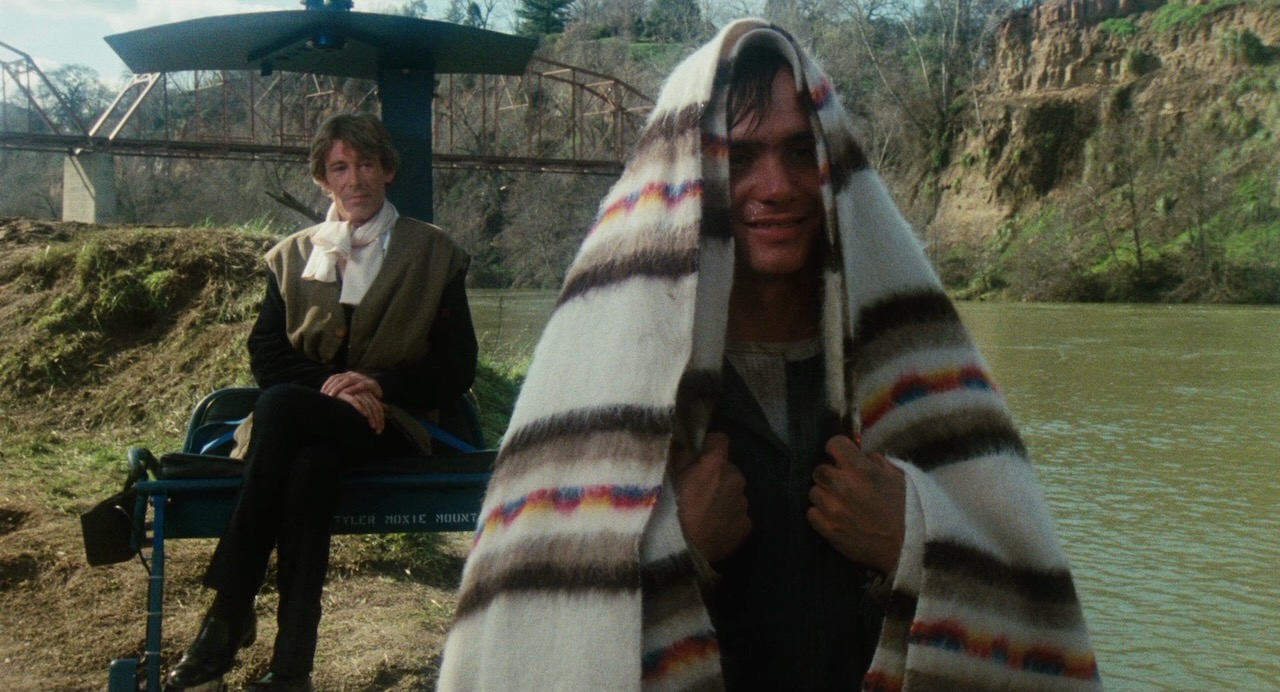
There’s a lotta plot here, but Jackie ends up working for his bar-brawl rival Yuen Biao (Rat/Weasel of Eastern Condors) and teaming up with gangster-gambler Sammo to fight corruption and then take on pirates. After a dumbass white admiral gets captured by dread pirate Lo (Dick Wei of Visa to Hell), Chan’s ex-coast-guarders go rogue, beat the shit out of a pirate collaborator to figure out how to contact them, and smuggle Sammo aboard in a barrel. When Chan goes through some gears then hangs from a clock tower, it’s hard to miss the classic silent comedy references, and since this is the week for great bicycle scenes, we get a chase where he beats up guys with a bike in ten different ways.

Jackie was just in Locarno:

I think back to when we made those films, and we had so many problems [on the set]. It would be raining terribly. Something serious not working. On Project A, we got seasick, the [scenes of the] pirates on the sea were so difficult to do… but we kept going, and no matter what, we finished the movie. Then when it came out it was a success, and 40 years later people are still watching it. That’s what I signed up for. You see so many movies, so many directors – and nobody remembers them today. But then a few movies, 100 years later, are still there. At some point, I said to myself: I want to make this kind of movie, no matter how difficult it will be. When I pass away, I want the next generations to say there’s Bruce Lee, there’s Chaplin, there’s Jackie Chan.

Really good rock doc, because the talking heads feel like punctuations to the flow of music instead of vice-versa. Like most movies, it is 90 minutes long when it could be LP-length, but say la vee. A musician’s musician, impenetrable as a person, at least in the movies I’ve seen. I first heard him in another doc, his mouth wide open, playing technically-imperfect tunes, immediately striking, a true jazz weirdo. That movie’s archive footage was shot in 1969, this one’s in 1967, both released decades later.

Paul Grimstad for Criterion:

From the [1967] Blackwood footage, interspersed with other archival film, photographs, new interviews, and narration, Zwerin distilled an hour-and-a-half-long structure not all that different from a Monk composition: jumpy, elliptical, catchy, moving … As a counterpoint to the archival material, Zwerin shot new footage of pianists Tommy Flanagan and Barry Harris (both Detroit natives, like Zwerin) playing through Monk tunes as four-hand duets. We see how much fun they’re having, how generous and congenial their sharing of the music is, and how a Monk song like “Well, You Needn’t” allows for endless elaboration without its melodic outline ever becoming blurred.