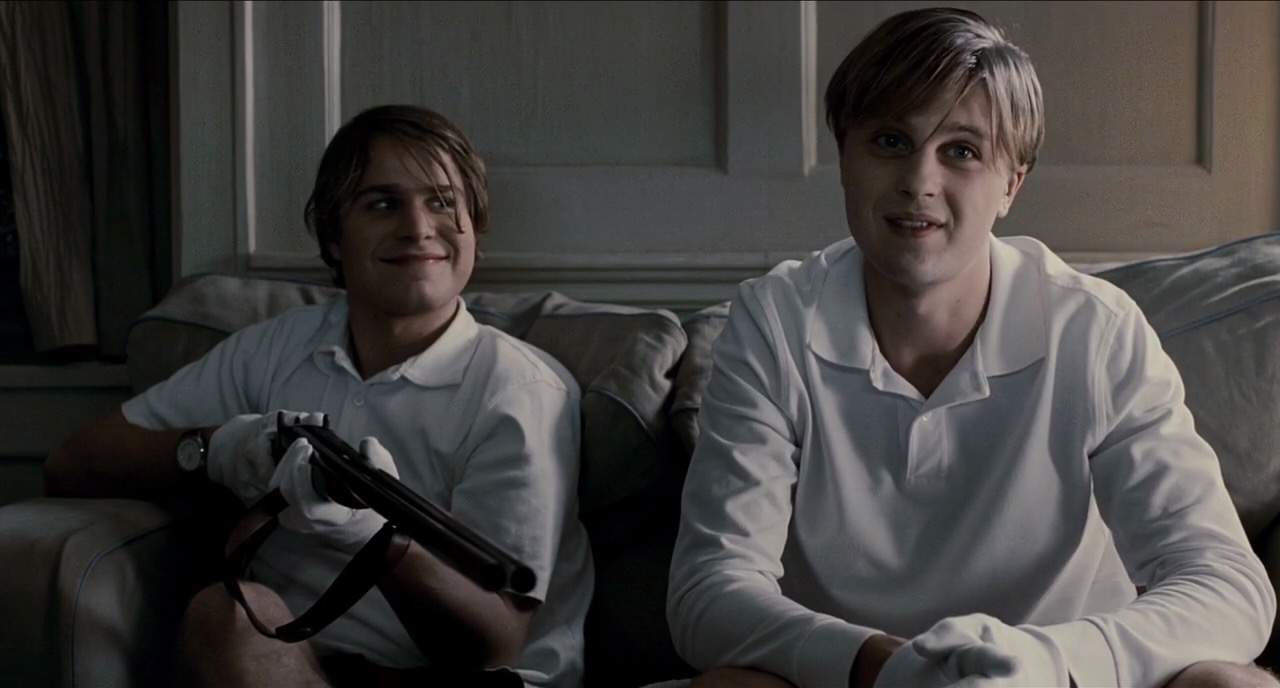
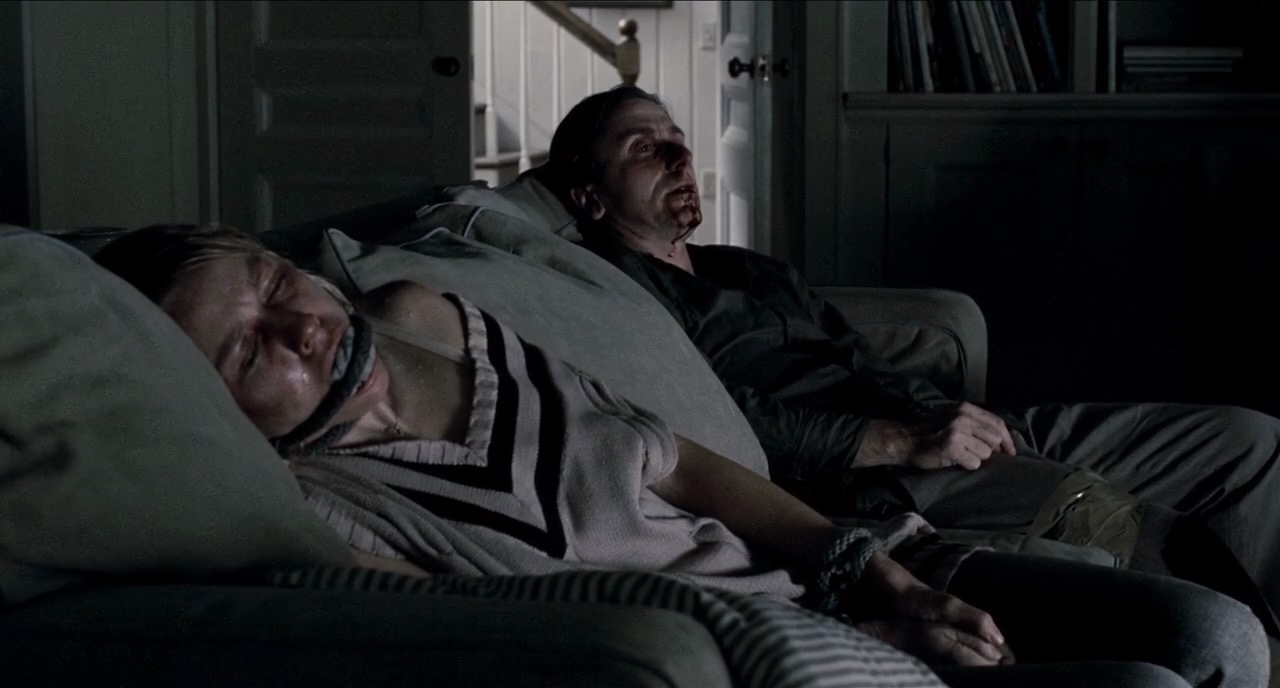
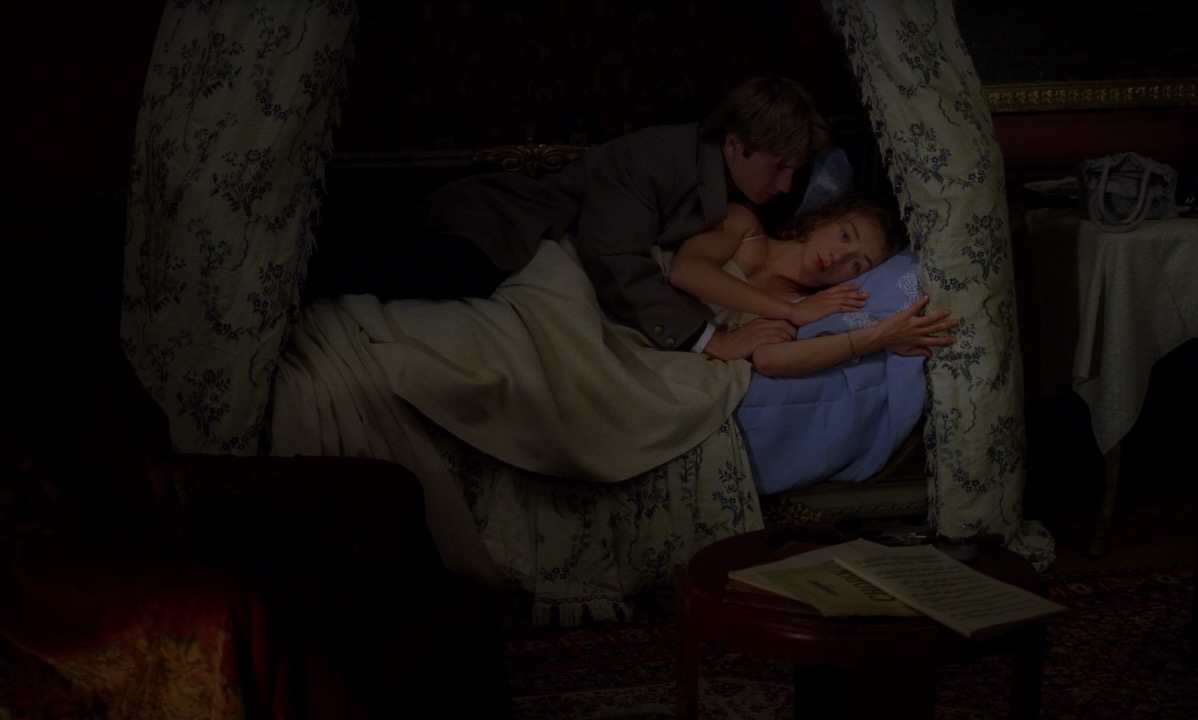
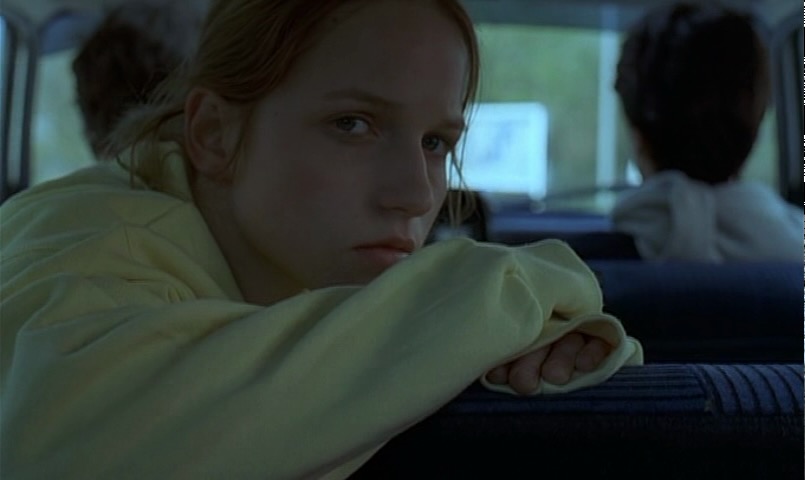
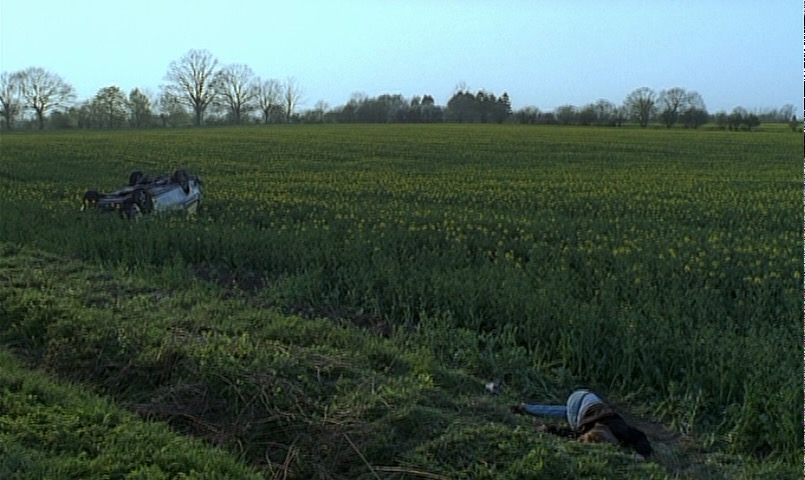
The kid is from a forgotten Neverending Story reboot, and has worked consistently. Our director plays the star’s driver/handler, also trying to break into the industry with his experimental film called The Stupidity of God. Good cast, good fun.

Matrix Macaulay:

Mark Peranson in (of course) Cinema Scope:

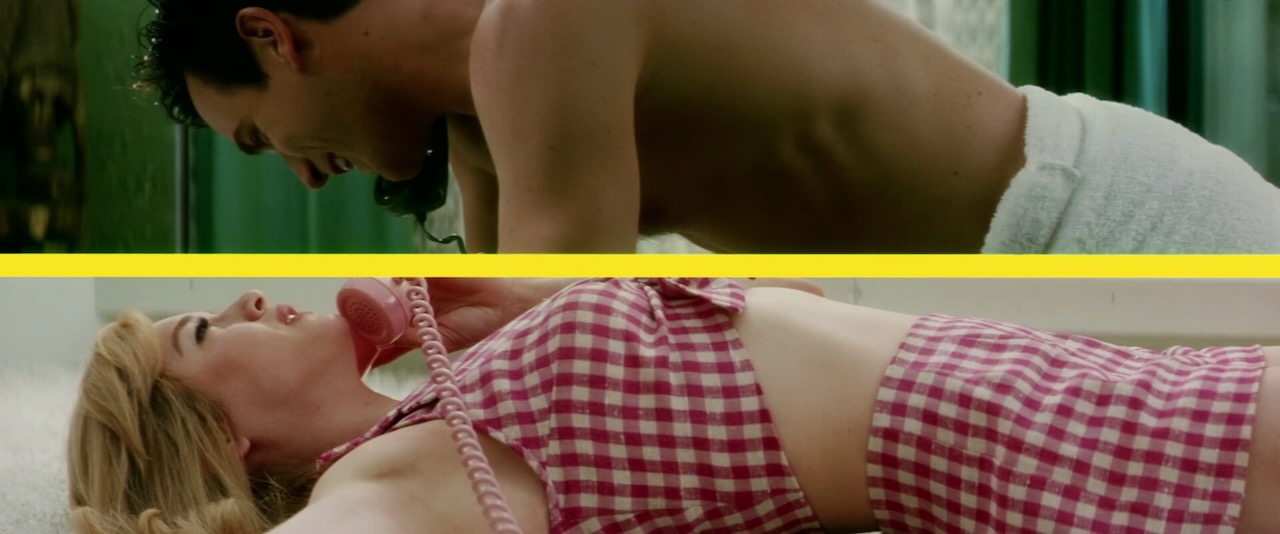
It takes a while to sink in that the characters in Childstar evince an odd or off-putting psychology. They aren’t just in a movie; they behave as if they are in a movie. They interpret their surroundings in movie terms. They might come across as flat or underdeveloped, but that’s the danger of being driven by culture.

McKellar:

What’s interesting about the child-star phenomena is that it’s an exaggeration or acceleration of what a lot of people are feeling. Trapped in popular culture. Circumscribed by this all-encompassing machine that doesn’t allow them to find their own ability to express themselves.

Kid is visiting Dad, who catches fish and lobsters along the coral reef.

I chilled out to the movie’s rhythms, and could’ve fallen asleep if not for this excellent egret.

The producer is a powerhouse, the director has some little-seen followup films, and you could (and probably should) watch three of ’em together in the same runtime as the Henry Fonda doc.

Adam Nayman writes that Gonzalez-Rubio “gets a film’s worth of astonishing footage, almost all of it shot by the filmmaker himself with a single HD camera,” and they discuss the “fiction inside the story” (the egret was an unstaged wild encounter). G-R: “I wouldn’t have been honest if I had shot this intimate story and then slept at night in another place, rather than in the palafitte on a hammock, waking up with the first rays of the sun.”

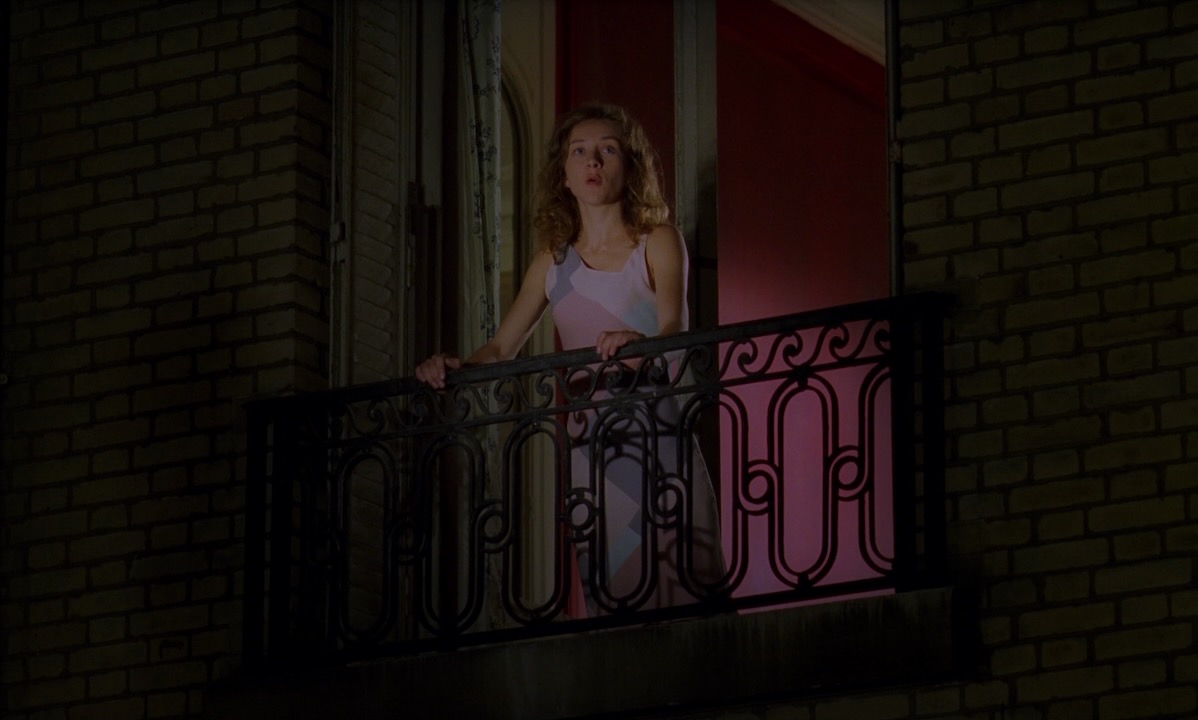
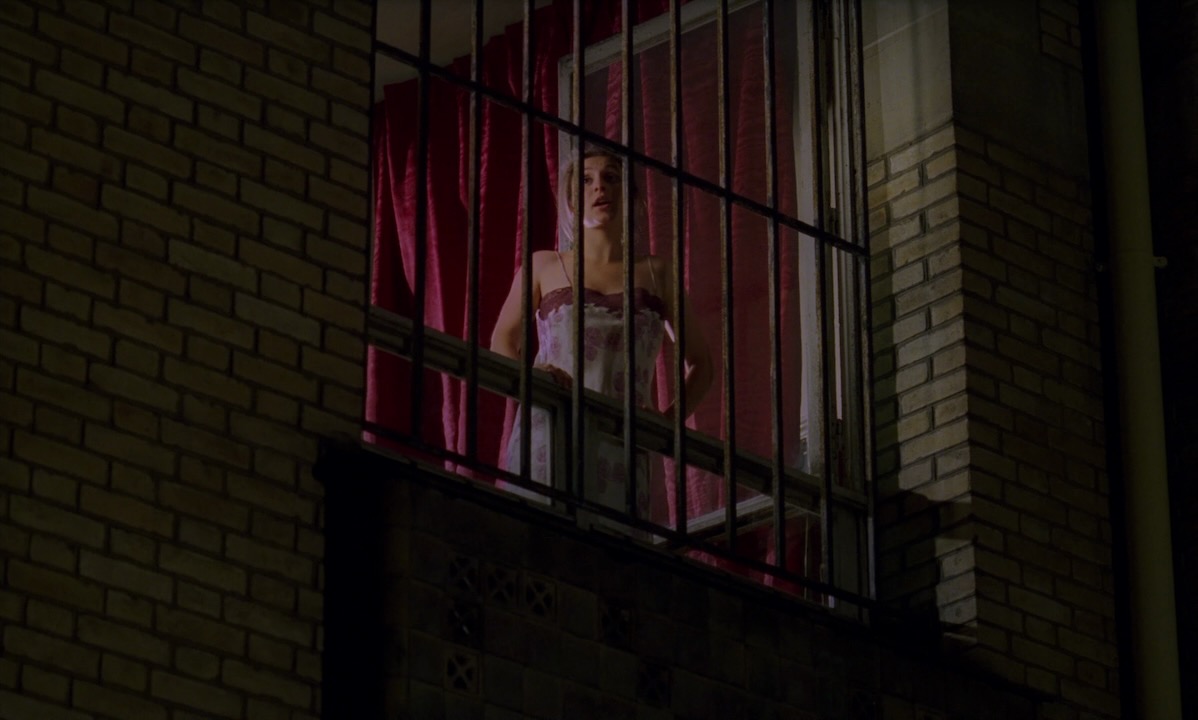
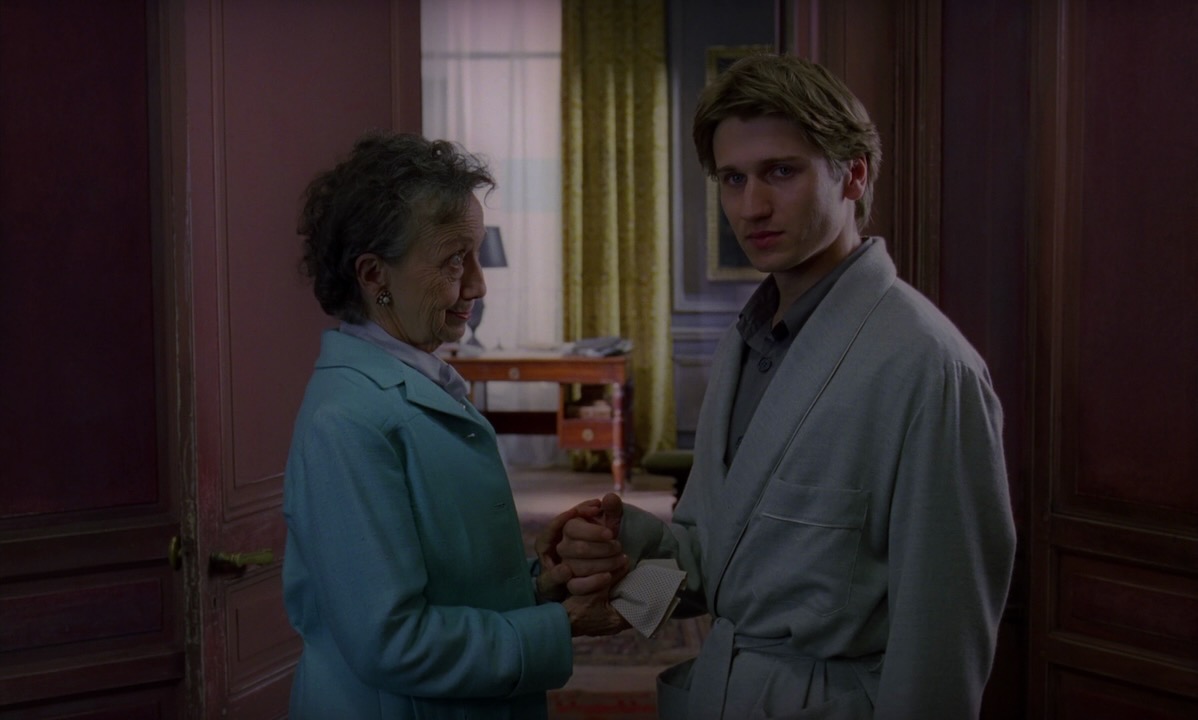
Lovely and delightful, a bunch of the greatest actresses in a color-coordinated single-location murder-mystery musical. I take it Ozon isn’t always good, but I’m thankful to discover that he was ever this good. The ending is a bit cruel (you shouldn’t shoot yourself in front of your kids).

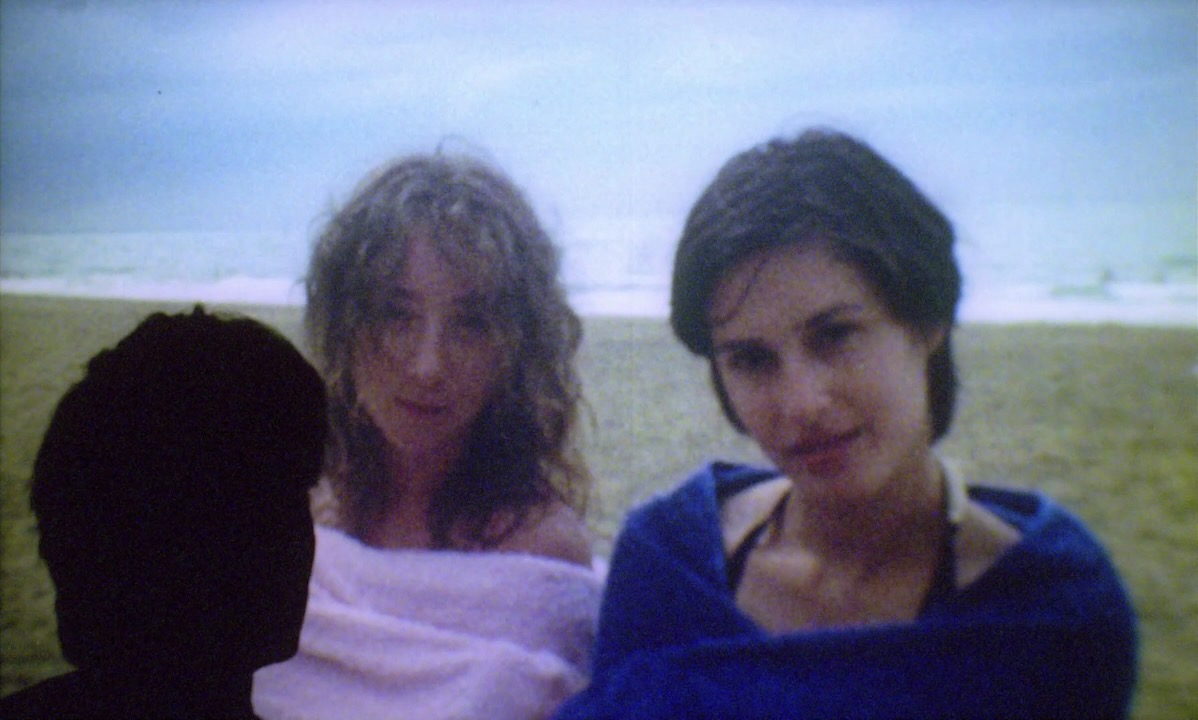
Won a cast award at Berlin (you bet it did). Victim’s wife Deneuve appears here after a couple Ruiz films and in between a couple Oliveiras. Her weirdo sister Isabelle Huppert was also following a great Ruiz, in between a couple Hanekes. Their mom Danielle Darrieux had been playing Catherine’s mom since The Young Girls of Rochefort. Chef Firmine Richard was in an early film from the director of Indigenes which nobody appears to have seen. Suspicious new maid (they’re all suspicious, but come on) Emmanuelle Béart was a decade past La Belle Noiseuse and about to star in Story of Marie and Julien. Victim’s flighty sister Fanny Ardant looks the same as she did in the 1980s Resnais films, played Maria Callas this same year. Older daughter Virginie Ledoyen had already been murdered by Huppert in The Ceremony and more recently played the hotgirl in The Beach. That leaves young Ludivine Sagnier, who would return in Ozon’s Swimming Pool, and get to sing again in Love Songs.

Huppert’s transformation:

I think the movie wants us to root for the cops who are trying to out-brutality each other, versus drug boss Sammo Hung who had the parents of a “cute” child murdered before they could testify against him. I chose to wish righteous death upon everyone onscreen, and nearly got my wish. Each cop has his little emotional family subplot before getting killed by a white-suited knife guy, except for retiring-due-to-brain-cancer Simon Yam who unfairly gets to live to see the sequel. Sammo also survives, but has been through a lot (accidentally murdering his family using Donnie Yen as a weapon), so he’s allowed to skip the sequel. The lighting was good, anyway.

Look what happens to bad cops:

My coworkers are always asking the autocomplete apps for professional advice and they no longer trust any knowledge that doesn’t come from bots, so I finally gave in, asking a bot how this movie ends, and it gave a completely wrong answer. Brandon’s Deeper Into Movies Blog: providing more accurate movie descriptions than the autocomplete bots for almost twenty years.

You have defeated Donnie Yen, but at what cost?

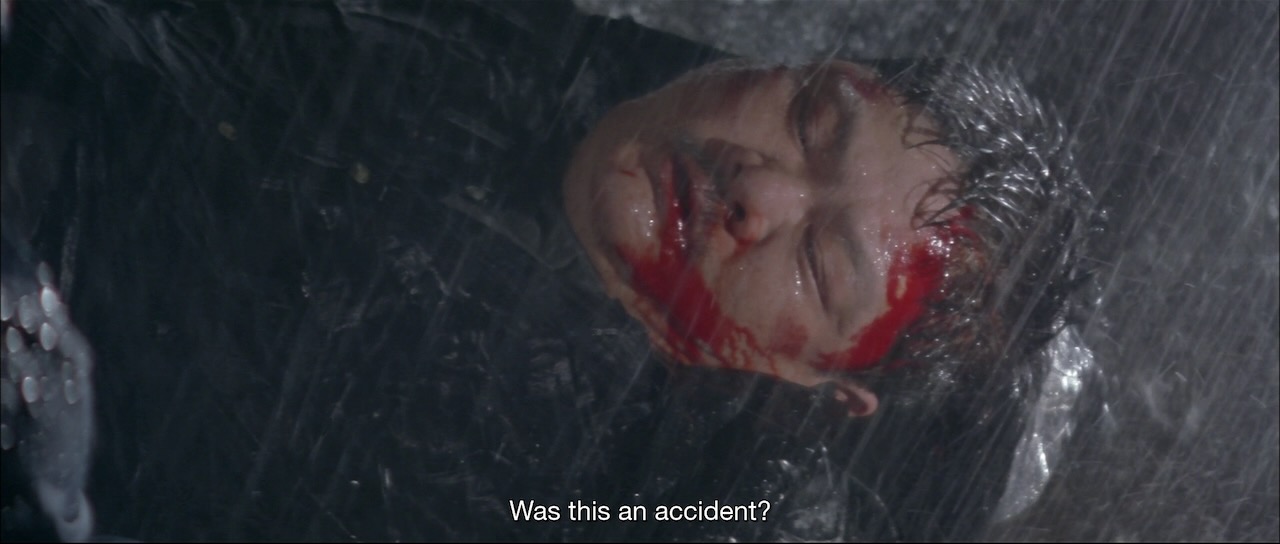
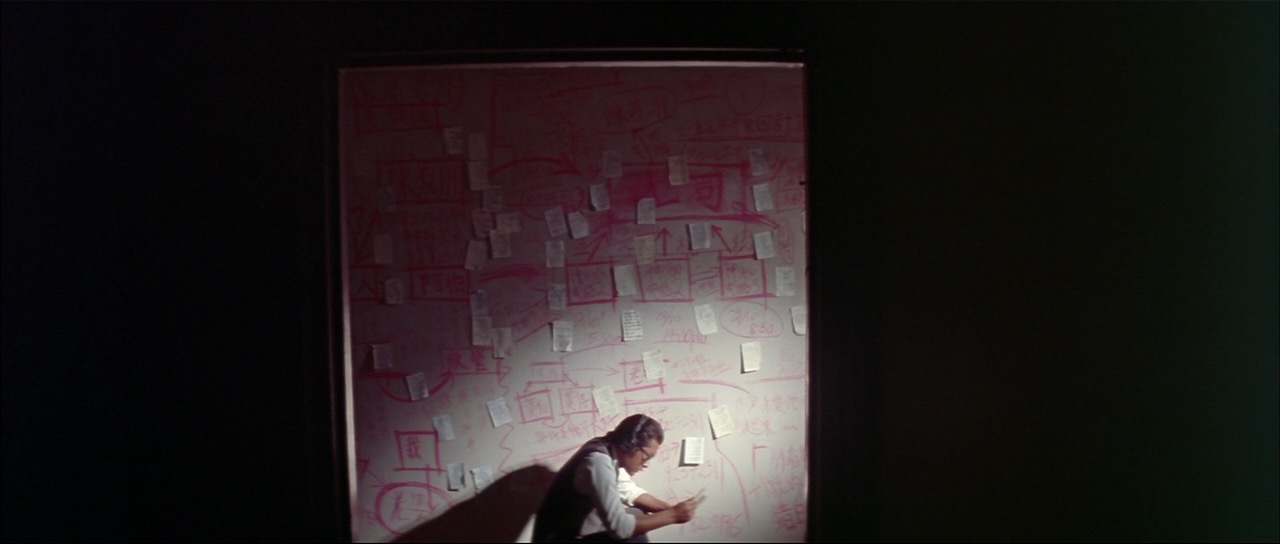
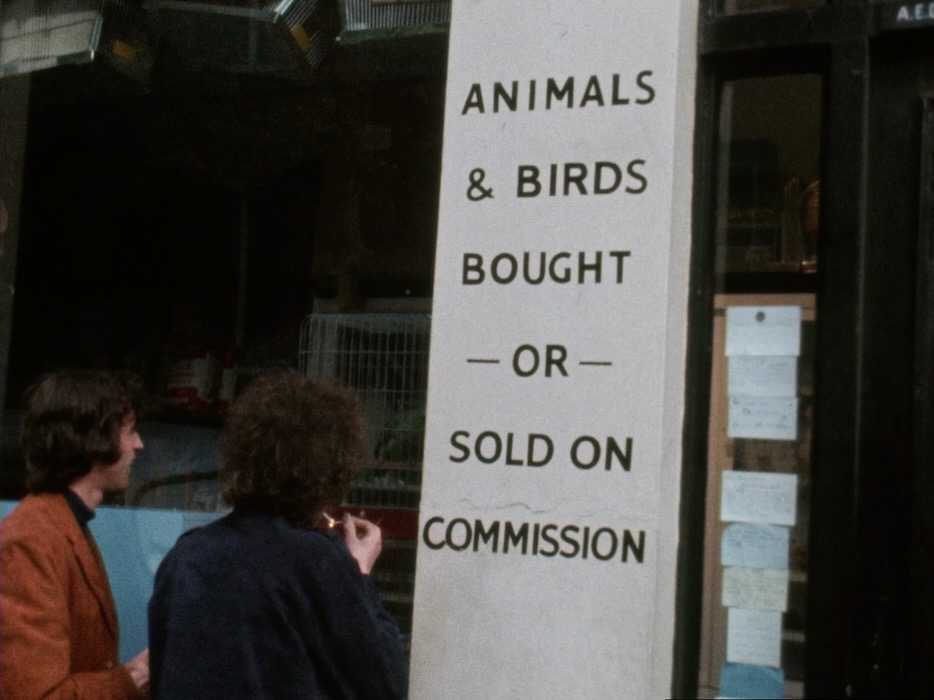
Ugly digital video was the craze that year. The story of two fuckups working dead-end jobs until the ambitious one (post-Ichi Tadanobu Asano) murders their annoying boss and gives his pet jellyfish to the useless one (Joe Odagiri of Princess Raccoon). The imprisoned guy’s dad (Tatsuya Fuji, star of Oshima’s Passion/Senses) shows up to figure out what happened, while the useless guy accidentally infests the river with a swarm of killer red jellyfish. This movie felt unusual back then, and remains so.

B. Kite:

The film returns at the end to a gang of teens, earlier rhymed with the fish through an overhead shot of the group drifting through the city streets at night, illumined by their glowing walkie-talkie headsets. Their aimlessness and matching uniforms might not suggest anything spectacularly promising, but Kurosawa places the title under them as a caption – Bright Future – and has insisted he means it. Why not? Like the fish, they’re adaptable and perched on the point of transition … Ambivalent Future, the fascinating documentary made during the film’s shooting by Fujii Kenjiro, shows the extent to which indeterminacy is a guiding force at every stage of Kurosawa’s artistic process. He expresses an almost Bressonian refusal to either create psychologically defined figures or help the actors find their way into a role.

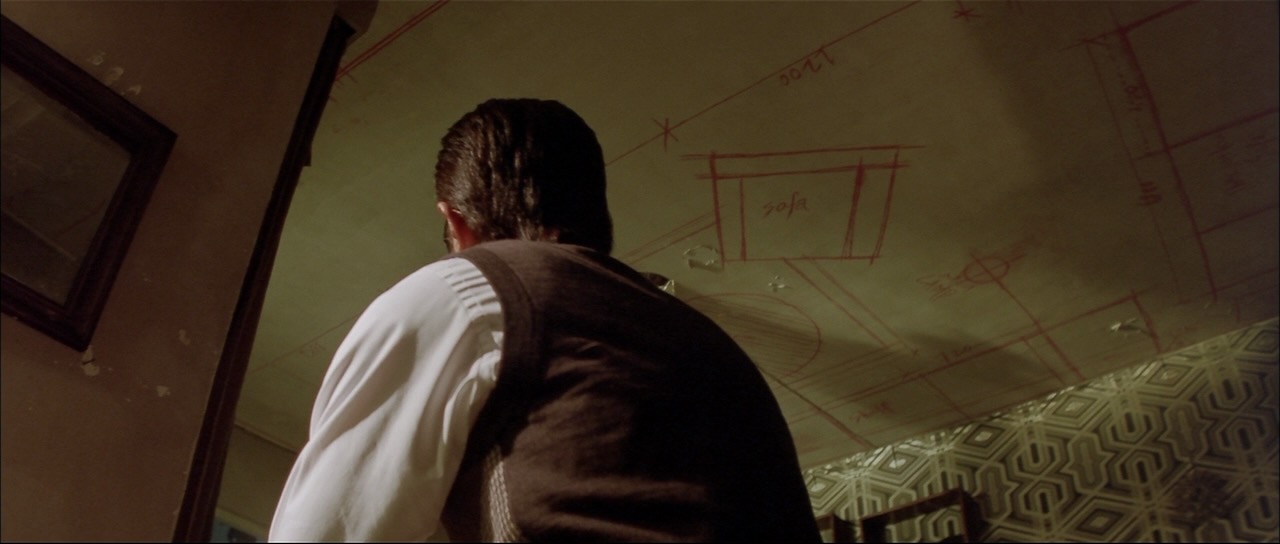
The boss interfering in his employees’ personal lives, on his last day alive:

Trains! Usually the tracks are at a wicked slant to the camera/landscape, the train going in different directions, taking up varying amounts of our field of vision. Couple seconds of black between shots, camera never moves, and trains are neither snakes nor funerals so he shoots in 4:3.

We hear train noise of course, and nearby nature sounds, a couple speeches (bible, american politics), a song, a baseball game on the radio. In addition to trains, we get good bridges, trees, buildings and cars, and of course Lakes and Skies. Sometimes the trains go on longer than seems realistic, once after much buildup we only get a railcar, and three times we get a special treat: multiple trains moving at once.

I’ve misplaced the Cinema Scope cover story, but we’ve always got Marshlands:

The surface pleasures here are ridiculous, occasionally hallucinatory, and the camera placement w/r/t what the trains conceal and reveal within the compositional duration makes my head hurt, jaw dropping stuff, choo choo motherfuckers this land is your land

Depressing movie about policing within a corrupt system. Slow-burn investigation by officer Cristi culminates in a half-hour meeting with his boss (star of The Whistlers), who insists that he either arrest a bunch of kids for drug violations or quit the force, pulling out a dictionary and being as pedantic as [__ ___ ____].

These Encounters of Theirs / Quei Loro Incontri (2006)

I’ve grappled with these guys before, trying to figure out their whole deal in previous posts. Think they stated in the Pedro Costa doc their moral grounds for cutting sound with picture with no attempt towards soundscape continuity, but I don’t remember the details. Today I’m here not to grapple, just to space out on the couch with a couple of their late works.

Familiar setup: some people (not actors, we’re told) are declaring/reciting dialogue, their performances engaging and alienating at once. This all brings to mind Denis Côté’s Social Hygiene in the staging. They pause strangely in the middle of sentences, and at the end of a scene they face each other in silence, having run out of lines, the wind blowing their clothes. Their words were written for Greek immortals by depressed communist Cesare Pavese in the 1940s. Played in competition in Venice alongside eleven others I’ve seen – what a year.

Neil Bahadur gets it:

Huillet once said about Straub, “Jean-Marie is always looking for paintings.” Perhaps they wanted to show us that the world itself is a painting, a moving one, always alive. Here is a film about the beauty that the world is capable of, not just by humans, but by the shapes and patterns that sunlight makes when it passes through the leaves and the branches of a tree. The world is so beautiful, so ephemeral that even the gods wish to become mortal. We humans don’t know what we’re missing.


Itinerary of Jean Bricard (2008)

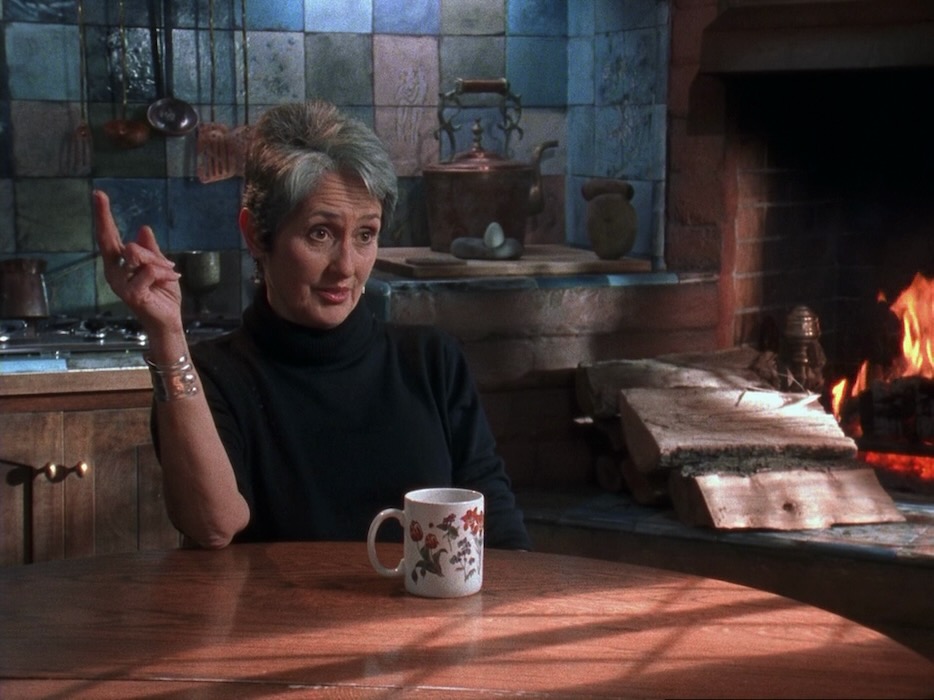
First we motorboat around Coton Island a couple times, looking at wintry trees in 4:3 b/w. I assumed this was to demonstrate the size of the island (small enough to circle twice in 15 minutes) but Bahadur sees impressionism, abstraction, a tribute to Cezanne. Then onto land while the titular narrator tells stories of the area’s nazi occupation and beyond. Jake Cole: “He also talks of postwar projects that have dramatically affected the entire ecology and terrain of the area, which further complicates the tranquil images. Left hanging in the air unspoken is the notion that, to the land, the French are every bit the ruinous occupiers that the Germans were.”

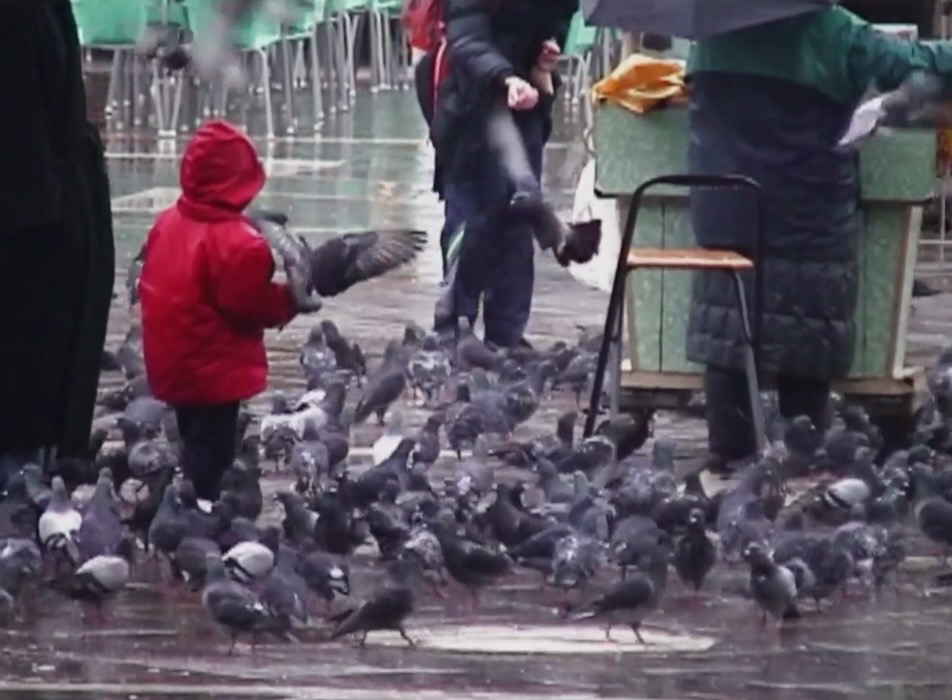
Trying to get out more instead of staying on the couch, so it’s funny to go out and see a movie about someone who never goes out. Movie was righteous – finally some representation for people who watch the news, feel very bad, then just stay home drinking and looking at starlings out the window. If I’d watched this on video I’d be pulling so many good quotes from the narration, but since I’m me, I can’t remember a single one of them now. Lovely to see Tzadik and related groups in the closing credits of an experimental film, since that’s the music I play during silent experimental films anyway.

Reeves in 2004:

When I started shooting, without a script, I thought the film would evolve into a longish short film based on montage. I was inspired by Warren Sonbert’s work, and Jack Chambers’ Hart of London. I think the film grew into a longer narrative with montage elements, because I was going through about as many personal changes as the world was undergoing at that time. I worked on it between 1998-2003. There was a murder suicide next door, I moved, my father died, 9/11 happened, I ended a relationship and was alone, the invasion of Iraq happened. Original intentions or inclinations were not enough, almost irrelevant to me … My process was about wanting to weave together these different personal and universal themes which I felt were related, the idea of wanting to escape your reality … I’m also seeing the film as a product of fragmentation, in the flight from reality one mode of escape can fail, so then you’re looking for another kind of escape. Robyn’s job writing romance novels is one way of producing a fantasy life, of trying to have intimacy and sexuality. Remembering the past with great nostalgia is another escape from what’s going on right now: being an isolated shut in, violence nearby and militarism. I was trying to bring out the tension between wanting to be in the present and continually struggling to get out of it, out of the room.