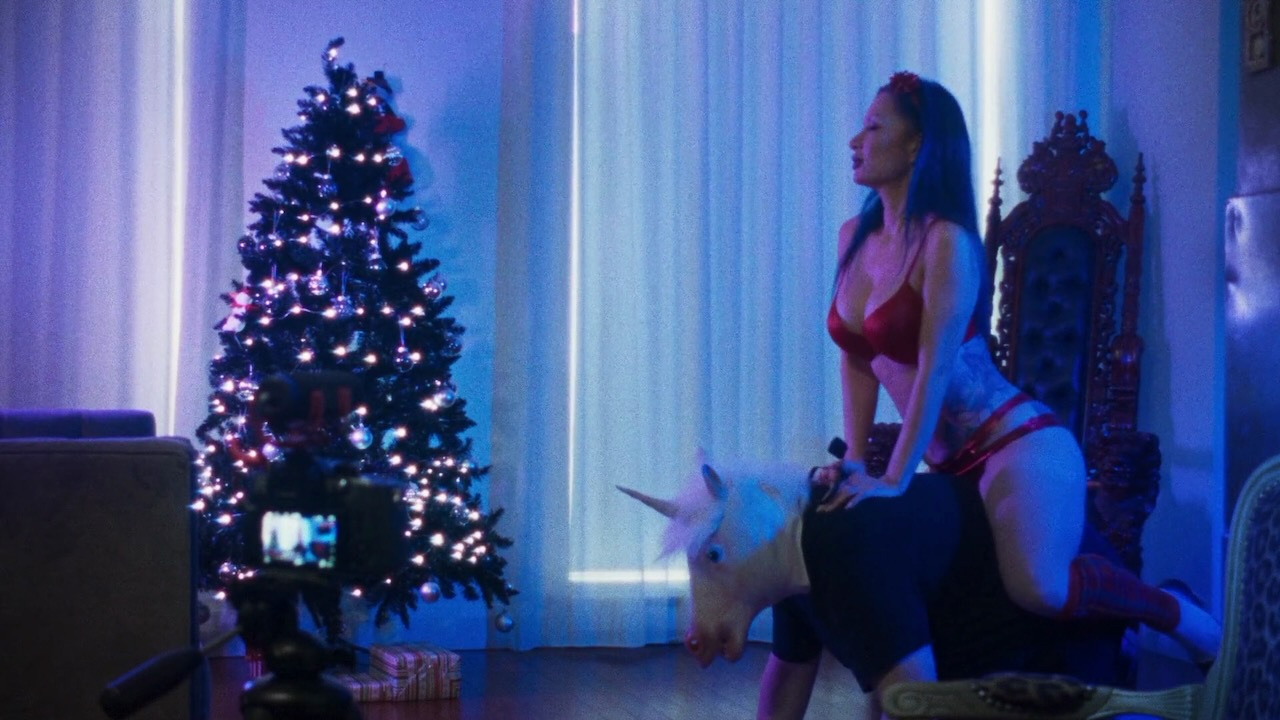
Secret Weapons (1972, David Cronenberg)

In a 1977 future during the North American civil war, a drug company has taken over the country and “the holy police are experts in psychic attack.” Weird Jazz on the soundtrack, my favorite genre of late. Not bad, definitely feels like a Crimes of the Future (1970) followup. Inventor slips away and meets with the motorcycle gang resistance, some kind of TV pilot setup for a brainy urban sci-fi warfare thing that never came to be (unless you count the entire rest of Cronenberg’s career)
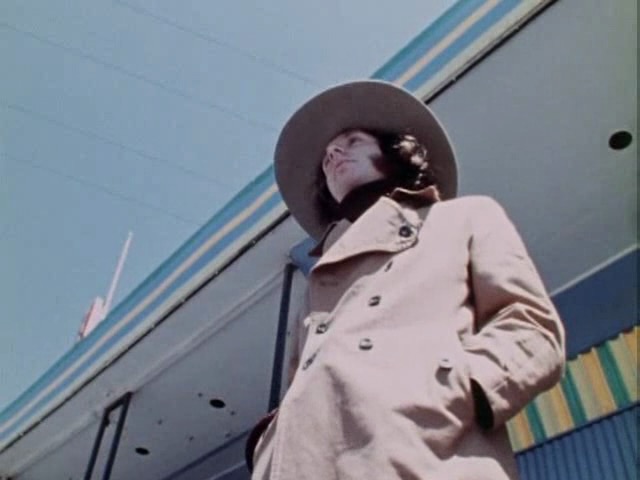

Days Before the Death of Nicky (2024, Denis Cote)

Woman is driving. Cuts are accompanied by brief blackouts and quiet static, then each new shot rotates to a different type of film or video camera, always affixed to the middle of the back seat looking forward. It’s ten minutes before we hear a voice – her singing to herself. A few times we see the camera adjusted or acknowledged, a few times we see someone else, including the last scene when she’s gone missing and some guy discovers the car.
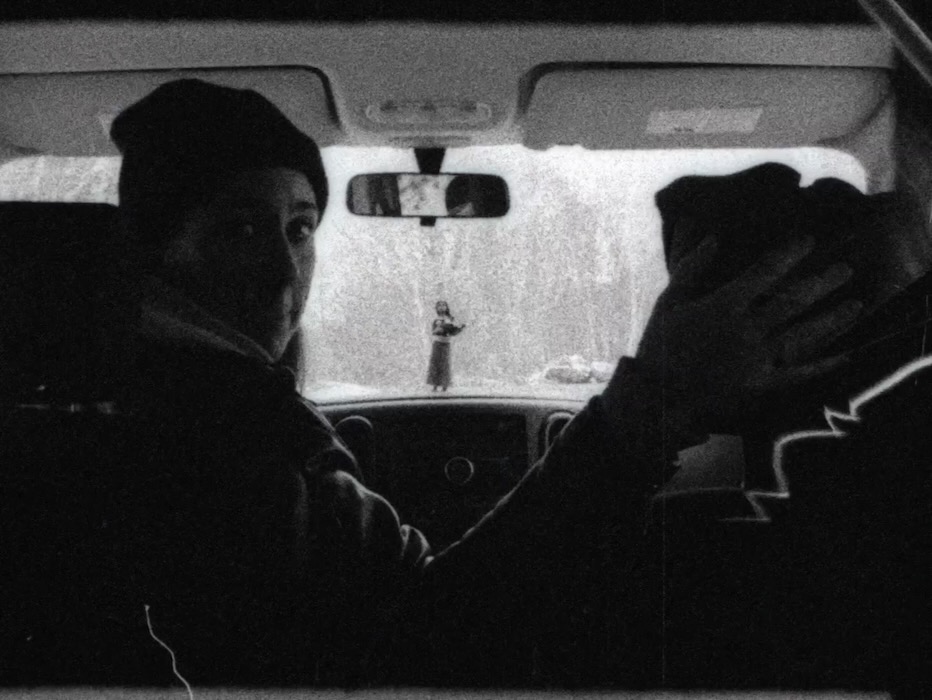

Cruel Optimism (2017, Paul Clipson)

A tough one to blurb. Loud ambient music as brightly colored grass and clouds turns into skyscrapers and neon and back again, always with layers and particles and patterns flying every which way. Perfect HDTV demo material for some alternate reality avant-garde Best Buy. The music is by Lawrence English, an Australian who knows Merzbow and Xiu Xiu.
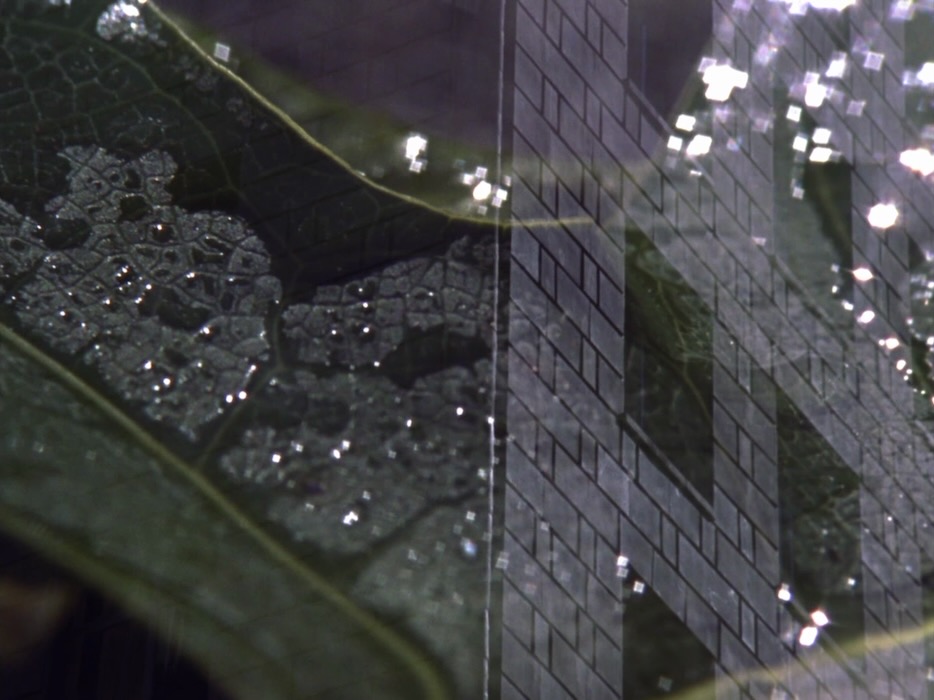

Light Year (2014, Paul Clipson)

Ambient grumbling string music this time. The focus is on light glistening off river water as seen through various metal bars and fences. Even if it doesn’t fit the theme of the film, he can’t help himself from rushing into the neon city night again towards the end. So far everything I’ve seen by Clipson has been great. Music is by Tashi Wada, a Californian who knows Julia Holter.
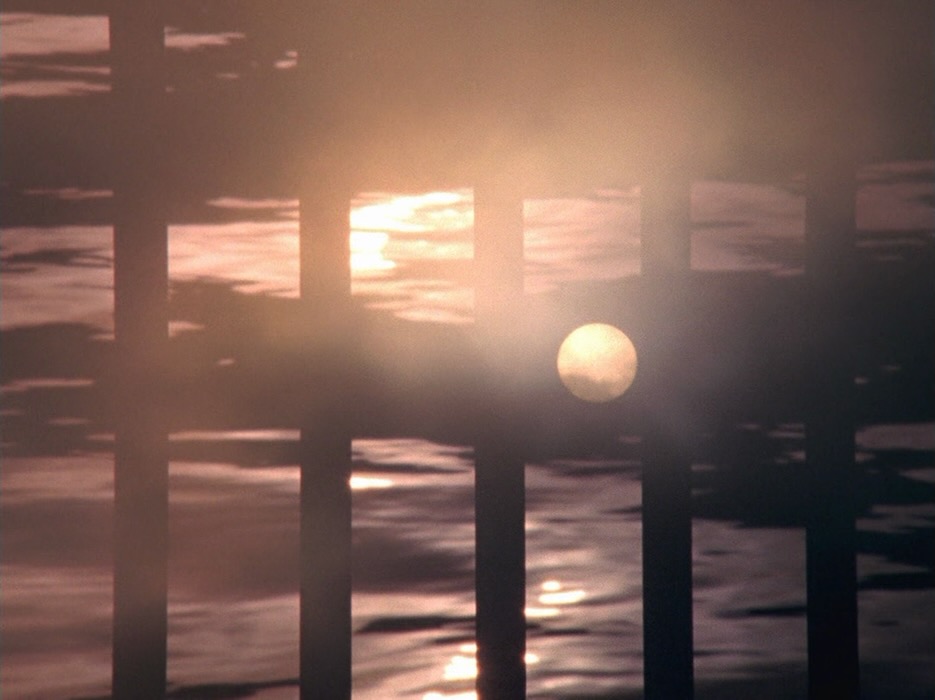

Ten Second Film (1965, Bruce Conner)

Ten seconds of rapidly edited film leader and demo stuff, nice.
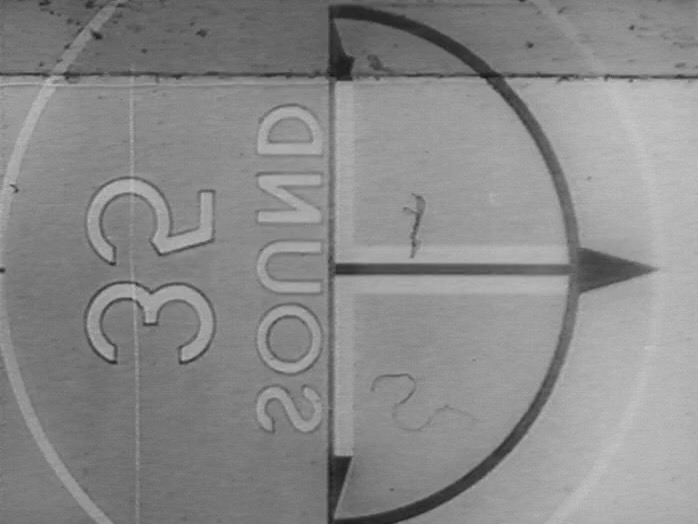

Permian Strata (1969, Bruce Conner)

Scenes from a bible movie where people get stoned set to Bob Dylan’s “Rainy Day Women” Do you get it? I hope so, because that’s all there is.


Take the 5:10 to Dreamland (1976, Bruce Conner)

Slow sepia-toned scenes of things grounded and heavenly and spectral, while foreboding ambient music plays. Real good, my favorite since Cosmic Ray.
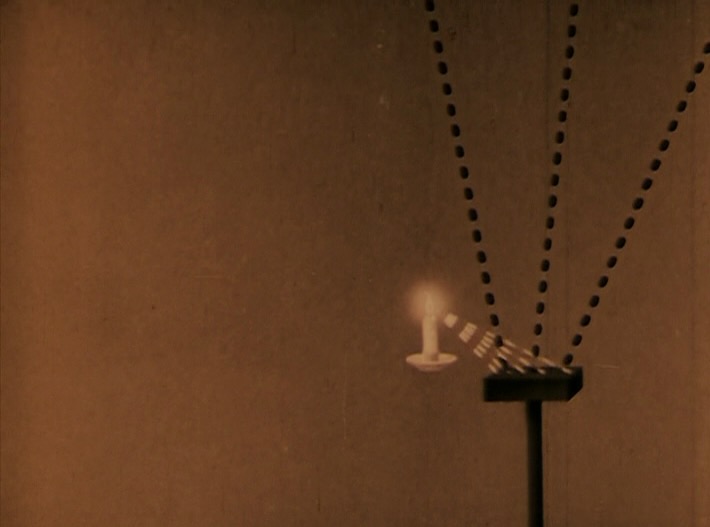

Cosmetic Emergency (2005, Martha Colburn)

She adds disfiguring layers of paint to magazine models, then finds a quote that the US military gets free cosmetic surgery so she adds breasts and lipstick to pictures of army guys. One of the only movies to feature a Jad Fair song.
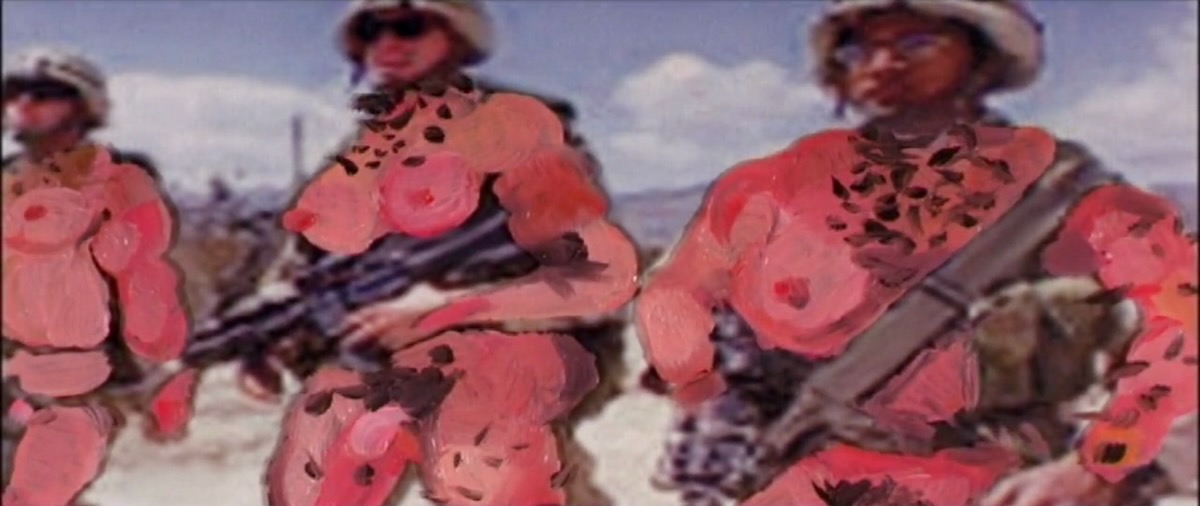

Time Travelers Overture (2024, Martha Colburn)

Another musical cutout collage spectacular, this time to an antic Brian Marsella track. Besides making really fun animations, Colburn has some of the best music taste in the business.


The Nail Clippers (1969 Jean-Claude Carriere)

Michael Lonsdale checks into a hotel with his wife, and things start vanishing as soon as he looks away from them, including soon all his possessions, his wife, then himself. Carriere was mainly a writer, alternating at this time between Luis Bunuel and Pierre Etaix – and it shows.
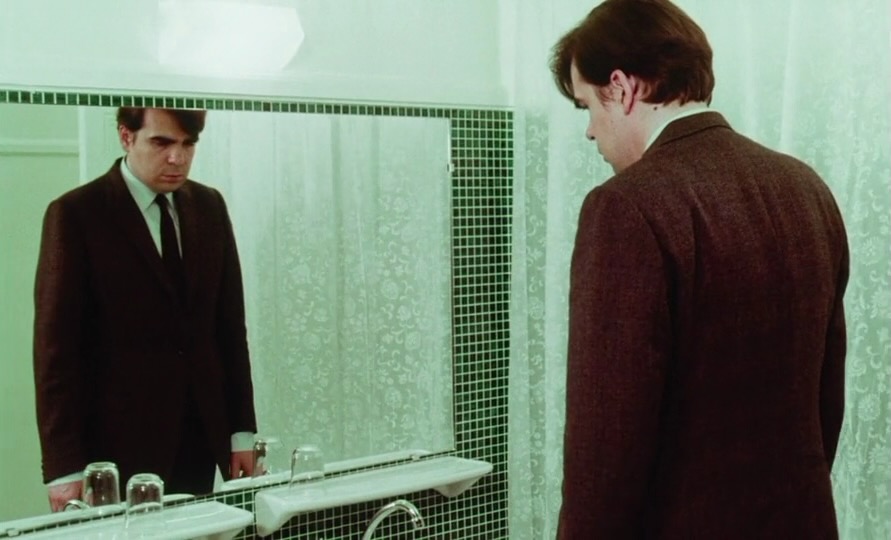

As Long As There Is Breath (2020, Emily Chao)

Looking out windows, whooshing around, the soundtrack whooshing too. At only two minutes, it felt like a trailer for itself.
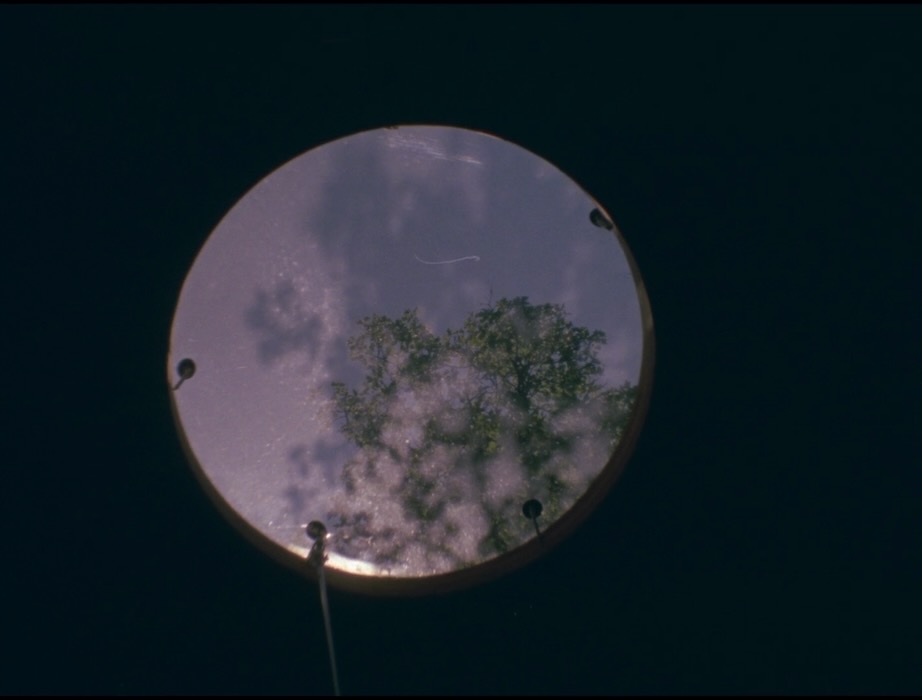

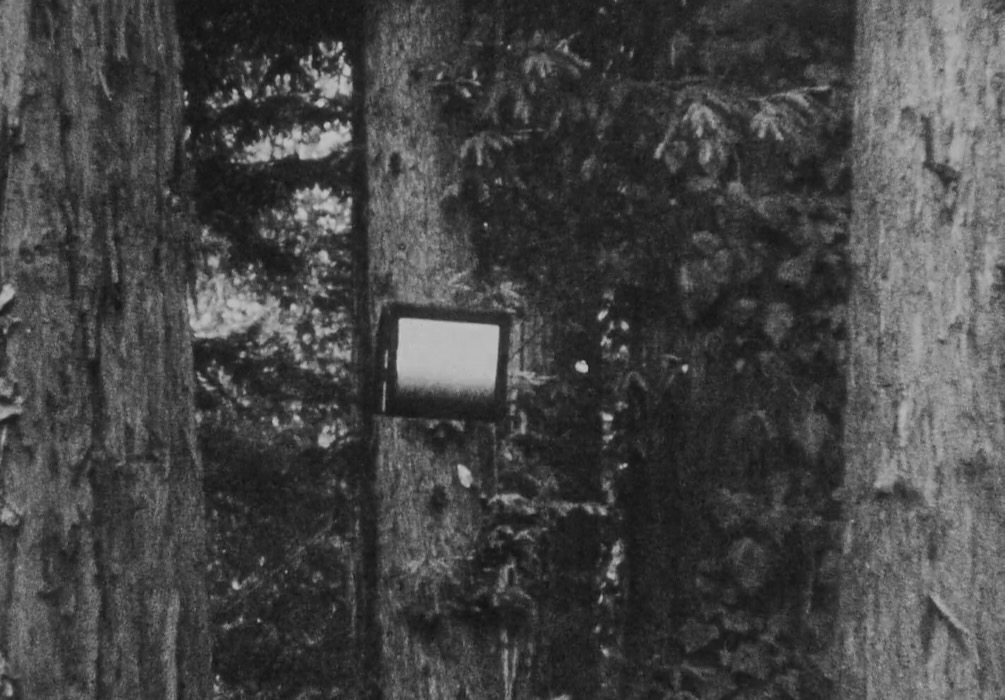
No Land (2019, Emily Chao)

Two more minutes, a slow zoom in and (reversal) out of a tree-mounted TV playing a flicker film. Maybe the challenge was to reference Wavelength and Arnulf Rainer at the same time? Silent.

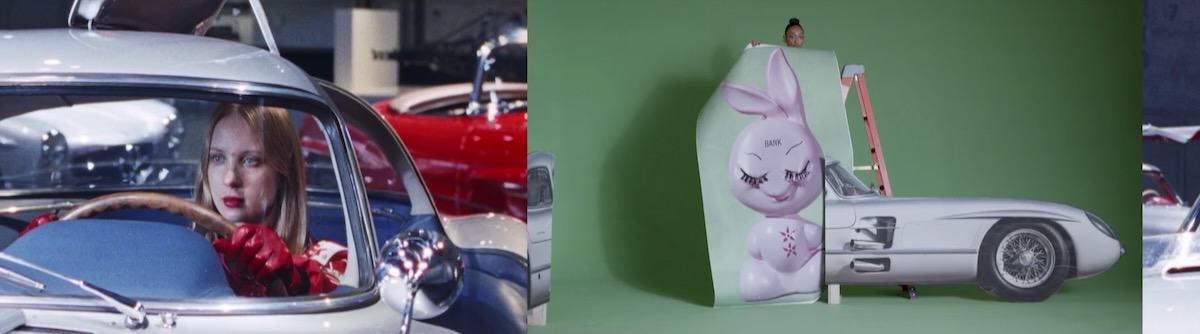
Baby Blue Benzo (2024, Sara Cwynar)

On the widest screen possible she constructs another self-conscious super-montage with overlapping narrations about desire, consumerism, images, automobiles.

Jean Cocteau Addresses the Year 2000 (1962)

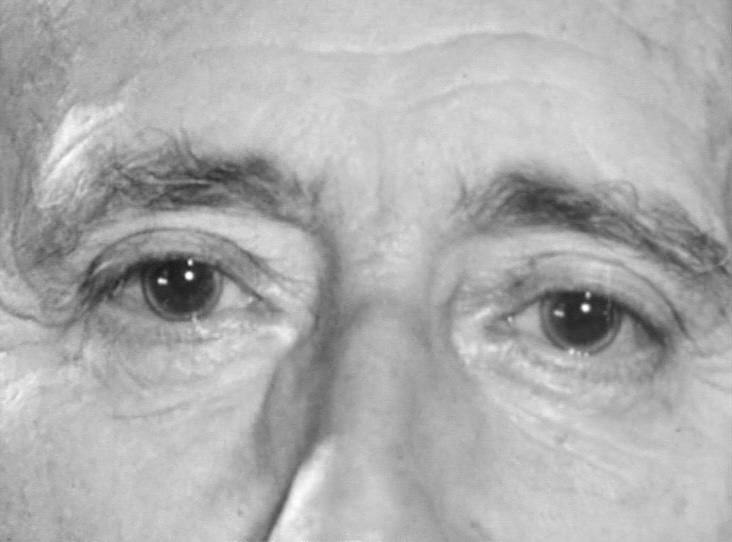
Wow, Cocteau sits in La Villa Santo Sospir, faces the camera, and talks for 25 straight minutes, the camera cutting closer and closer to his face. It’s no The Human Voice. I got distracted and looked up whether the villa is still standing – yes, they did a pandemic-era restoration of the place, but it’s hard to get details from their broken website: “Today, the restoration is ne few final details left to perf living tribute to its remarka blending modern updates Jean Cocteau’s visionary ar his work as relevant and ev.”
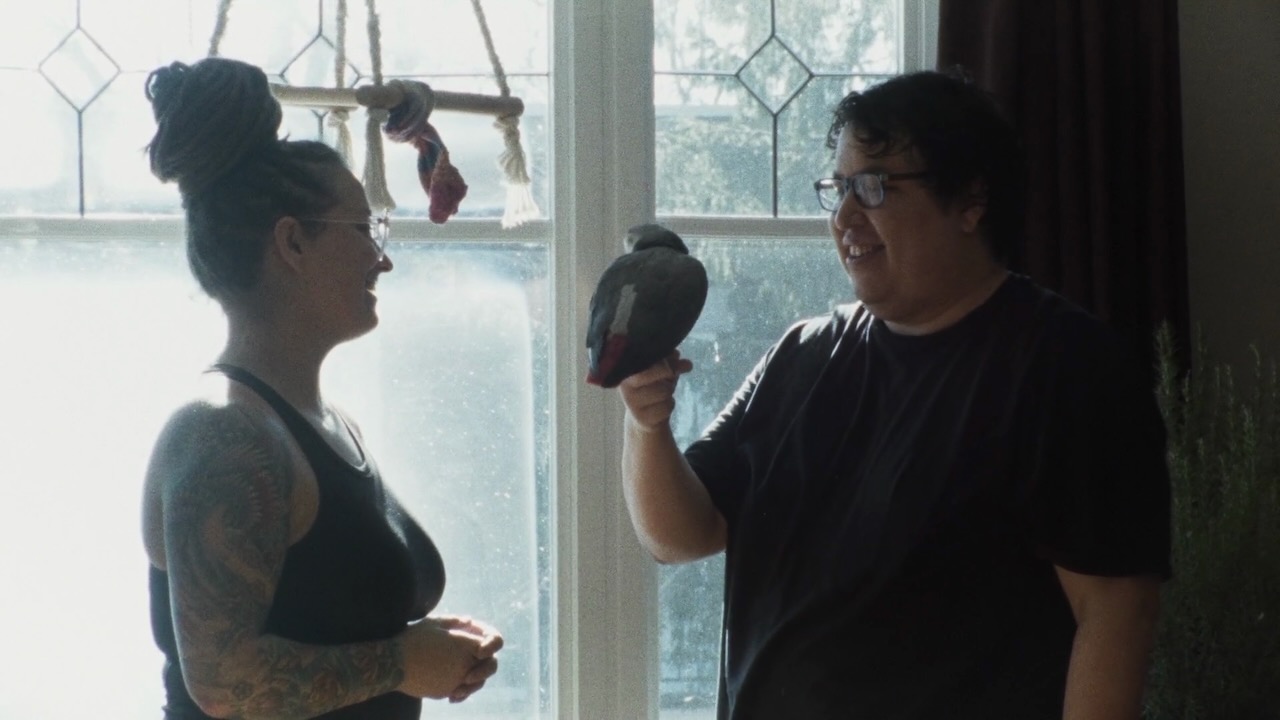
Told K this isn’t a doc when she asked, but it turns out all of Paul’s social media stuff is real, oops. Paul’s in his oversharing era with public video diaries and Q&As with followers. The #1 thing I like about the movie is the record-crackle sound on certain edits.

Cote loves shallow-focus shots (so do I). Watching this reminds me that his covid movie came out a hundred years ago, and Soderbergh’s is still not out?

Odd-jobs guy is over-sheltering his 12 year-old. Each of them finds dead bodies in the snow and keeps it as a secret: dad hides his body in the abandoned motel like The Wire season 4 and the daughter hangs out and chats with hers in a frozen field. They seem nice.

Director and actor won prizes at Locarno, where it played with fellow chilly films Winter Vacation and Cold Weather.

Côté in Cinema Scope 44:

People ask me, “Why curling?” Well, first of all, curling is a collective sport, so he could get closer to his community if he would curl. The moment he hears about curling, there’s a spark in his eyes – the only positive thing in his life during the whole film is curling … The film is very simple: how do you connect with the world of the living?

The first ten minutes are in extreme closeup, making up for the wide shots in Social Hygiene. Côté’s longest movie is a quiet character piece about a summer camp for sex addicts (it surely would’ve sold more tickets with the title Sex Addict Summer Camp). Between therapy sessions the three girls and their three counselors maintain a delicate balance of trust and spend some solo time dealing with their own issues. Come for the bondage and the girl having sex with an entire soccer team, stay for the CG tarantula, the Diabolique reference, a lovely owl, and the climactic dance party to “Across 110th Street”. Counselor Octavia is from Undine, Sami from A Christmas Tale, and two others were in Ghost Town Anthology.

My fourth by Côté and I’m not seeing much that connects this to the people yelling in fields or the kinda-thriller or the zoo doc, but fortunately we have Katherine Connell in Cinema Scope:

Across Côté’s varied career is a recurrent fascination with isolated characters who act in perplexing, unexplained ways and resist being known … These cryptic if subtly rebellious protagonists form the connective tissue of a filmography that probes the dynamics that erupt from the refusal of normative social structures like marriage, domesticity, wellness, and community.

Somehow the most delightful and enjoyable of the Cote movies I’ve seen, even though this one is just people standing still in fields, and the others were kinda a thriller and kinda a nature doc. He’s an unusual filmmaker – per AS Hamrah “Côté has made over a dozen low-budget, semi-conceptual films in Canada since 2005 and shows no sign of letting up. Each of his movies is a bracing delight designed to perk up an audience by asking it to see and listen in some new way.”

Early-Villeneuve star Maxim Gaudette is our lead, facing off vs. a different woman in every scene – first his sister, then both wife and girlfriend. He’s a thief, living in his car, dodging taxes, giving circuitous answers. Scenes are connected by whip pans, or pillow shots, or a girl named Aurora walking around the wilderness – turns out she’s following him, since he smashed her car windows and stole her laptop. At the end, his wife says something like “it’s a simple question and I forbid you from complicating it” – I could use that line.

with sister, Ghost Town Anthology’s Larissa Corriveau

with girlfriend Eve Duranceau (and chaperone)

There’s something odd to the frames, a mild Sokurov light-bending effect, and there seems to be a smear on the lens in a different spot in each shot. Then again, nothing falls apart faster in streaming video than wide shots of trees on a breezy day, so this looked pretty bad, that might be the problem. “I’m going to the cinema. I’ll sit in the first row. That way I’ll see the movie before anyone else.”

with victim, Éléonore Loiselle

I watched this on the eve of this year’s Berlin fest, where Côté has a new film premiering. I’ve seen his Bestiaire but thought I’d check out one of his fictional features as part of the Festifest Quest. Was enjoying this on the level of a Sundancey relationship drama about interesting characters. The movie’s good at creating characters – nobody here seems to have been blandly injected for plot purposes. Longer-than-usual takes, kind of an unusual trajectory without feeling too indie-quirky. Then an ending I didn’t see coming at all. I mean, the movie lets you know it’s coming, sets it up pretty well, but… that’s just not how movies end, so you don’t believe the signs until it’s too late.

Vic+Flo ont vu un barracuda:

Vic is Pierrette Robitaille (of horny-Snow-White movie L’odyssée d’Alice Tremblay), just out of prison, staying at her disabled uncle’s house under the twice-weekly watch of sensitive parole officer Guillaume (Marc-André Grondin of Goon and C.R.A.Z.Y.). Younger Flo (Romane Bohringer of Savage Nights) moves in, is more restless than Vic, frequenting the local bar where she picks up guys. Flo, also an ex-con, is being followed by a sinister couple: Jackie and her mute enforcer, who pay increasingly threatening visits

A. Nayman:

If this ursine-monikered movie has a true spirit animal, it’s Marie Brassard’s scarily cherubic interloper Jackie, who belongs on any short list of great contemporary villainesses; when she sneers at Vic that “people like me don’t exist in real life,” it’s a taunt that at once solidifies and undermines the parable-like qualities of Cote’s storytelling.

How parole officer Guillaume first appears to Flo:

Won an award in Berlin, where it played with Closed Curtain, Side Effects, Nobody’s Daughter Haewon and big winner Child’s Pose, which I haven’t heard about since. Apparently it’s considered “slow cinema,” though I didn’t find it that slow. Also, I must’ve missed the bear (but not the trap).

Katy thought this was a boring movie where nothing happens until I told her to treat it not as a movie but as a series of motion photographs. Camera is mostly still, and half the frame is usually a wall – a favorite trick is to shoot only wall and let animals slowly wander into view. Shot at a Quebec zoo, with the occasional custodian and a parade of customers at the very end (plus a taxidermist, some sketch artists, but mostly animals and walls). Côté’s statement in the press notes declares that it can’t be a documentary since it has no subject, but he doesn’t offer what it might be instead. “Something indefinable.”

Côté:

But where is the salvation between the puppies on YouTube and a boa constrictor’s reproductive cycle narrated in eight chapters? How should one look at an animal (and find a cinematic language specific to this act)? Is it possible to shoot animals other than through the lens of entertainment or for a non-educational purpose? Neither actor nor story catalyzer, cannot an animal be contemplated and filmed simply for what it is? … The immense field of contemplative cinema offers elements of an answer.