Occasionally returning to the Vogel book – after the Nazi section I skipped, a “Secrets and Revelations” round-up of bonus films closes part two “The Subversion of Content.” This is what got me watching Salesman (“an inevitable indictment of the commercialization of religion”) and now this and the Herzog.

Different episodes corresponding to customers of a dream consultant. Restrained surrealism, attempts at dream logic, but the look and voices and pace are all off. I don’t think Americans in the 1940s were able to do dreaminess, with one big exception. Vogel calls it “ambitious,” and at least it’s that.

All dialogue dubbed, or rather narrated. Framing story of man-without-qualities Joe who opens a dream consulting business as an excuse to cram together dream imagery in a style I’d call Shabby Cocteau. Also full of poetry, but the basic kind that keeps rhyming art with heart. One episode is just spirograph animations. Four-ish minutes are devoted to shots of a mobile. I can’t slam the songs – “prefabricated heart” sung by a pair of mannequins was pretty good.

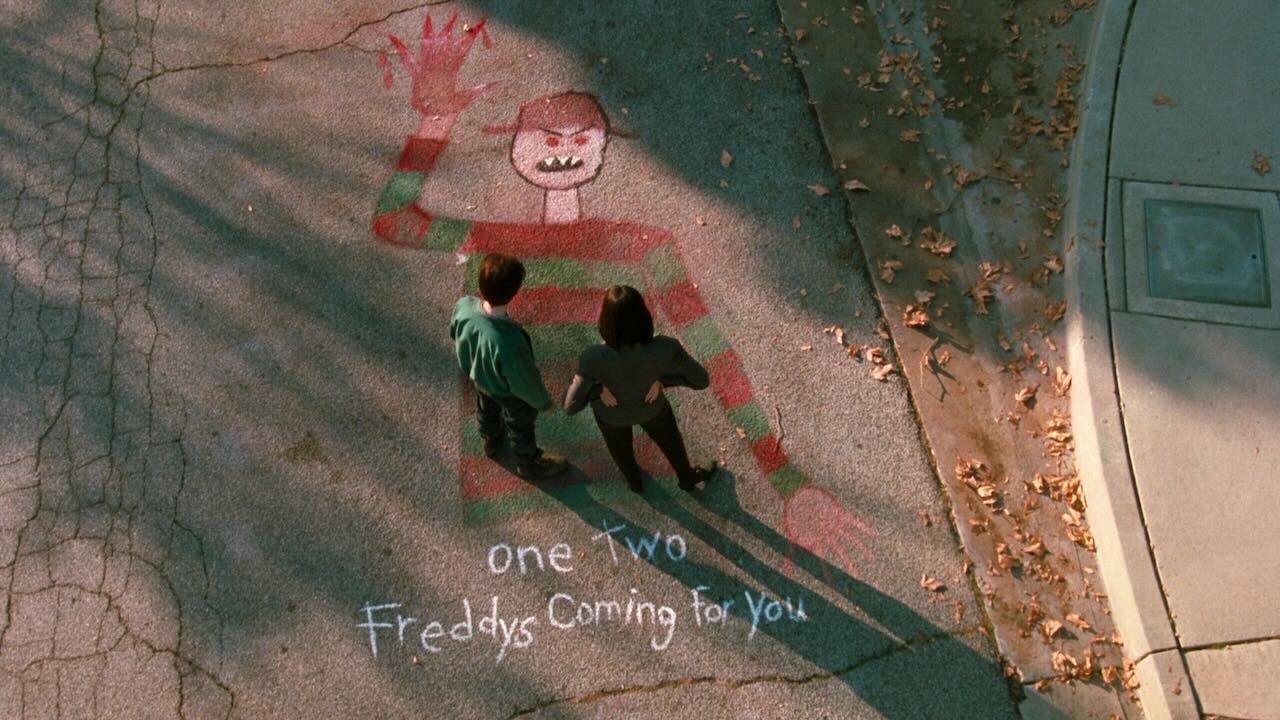
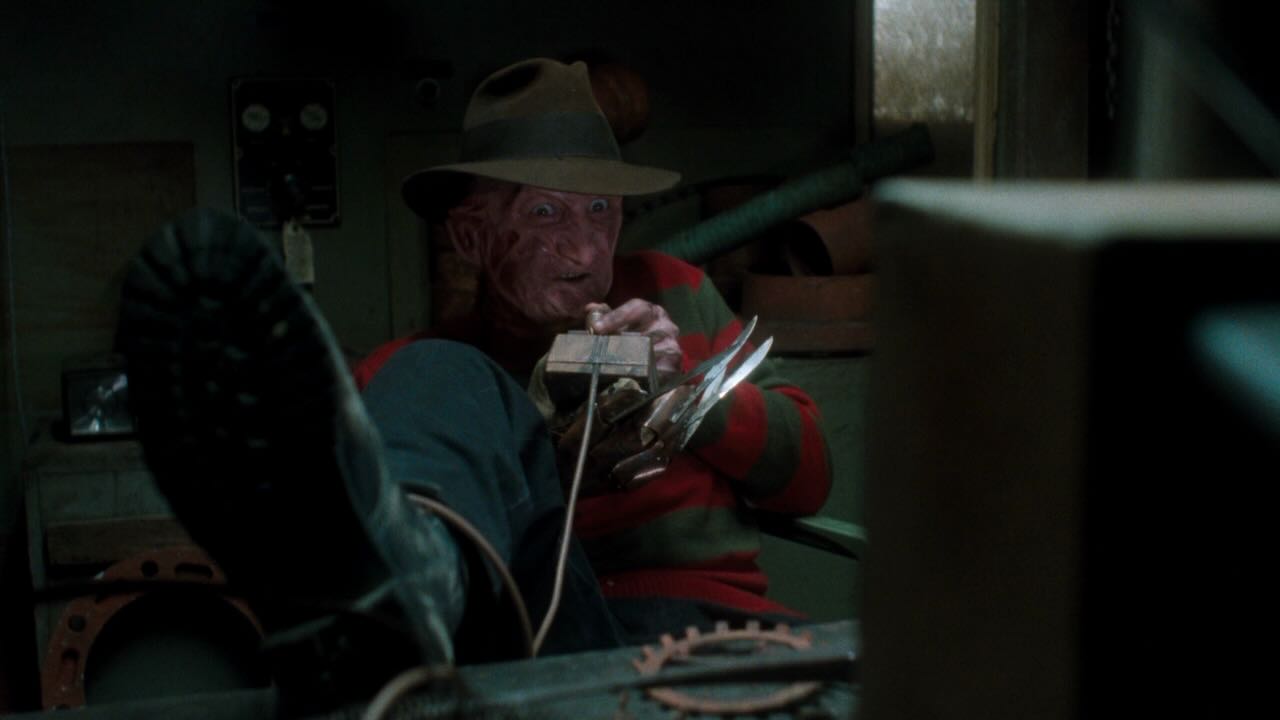
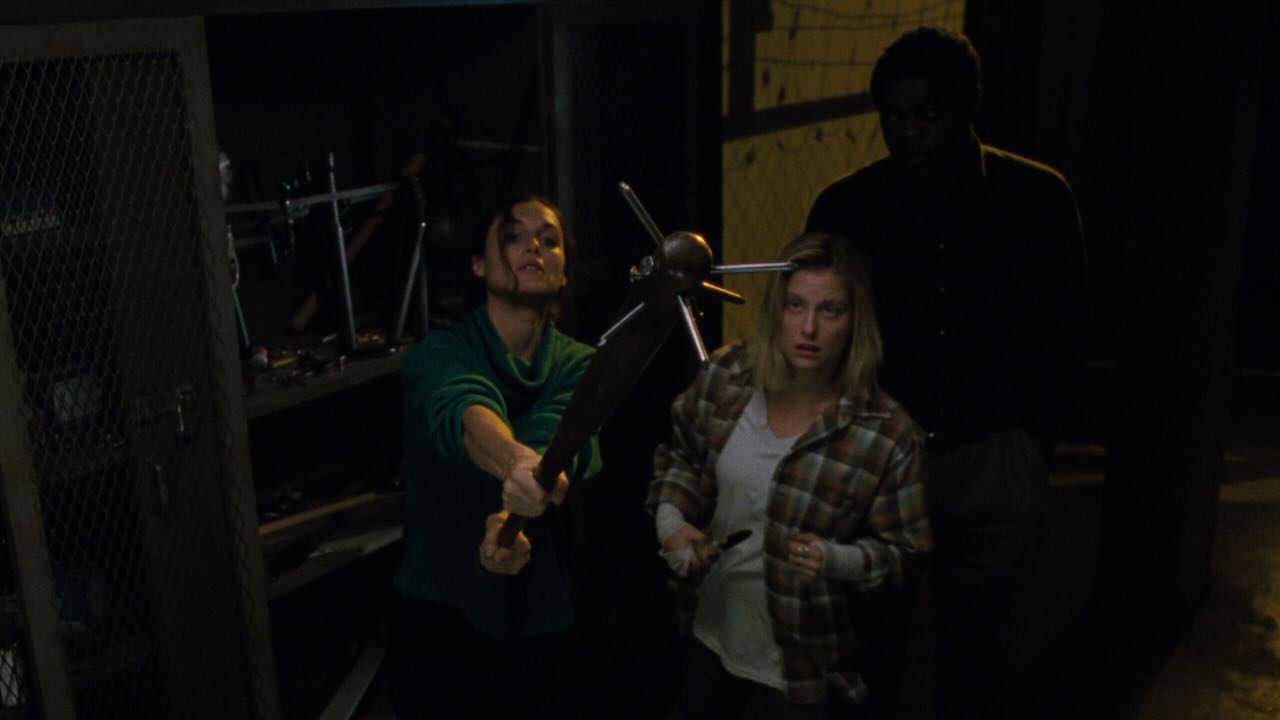
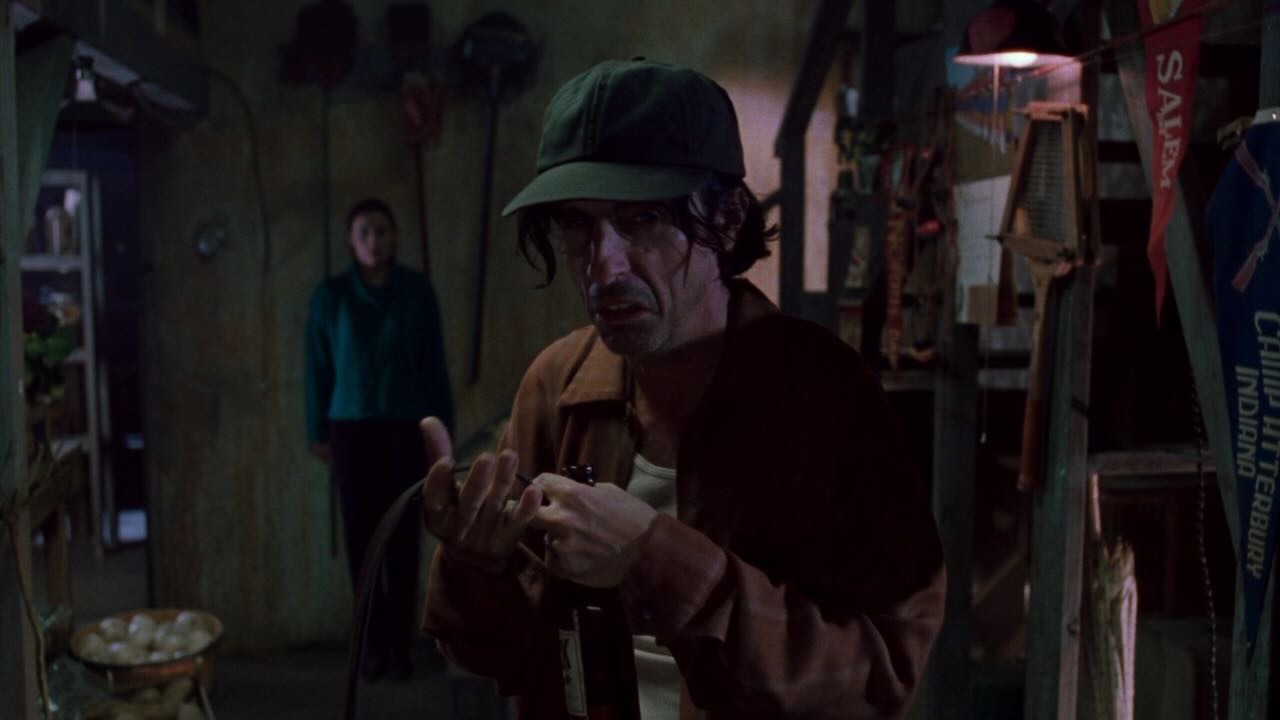
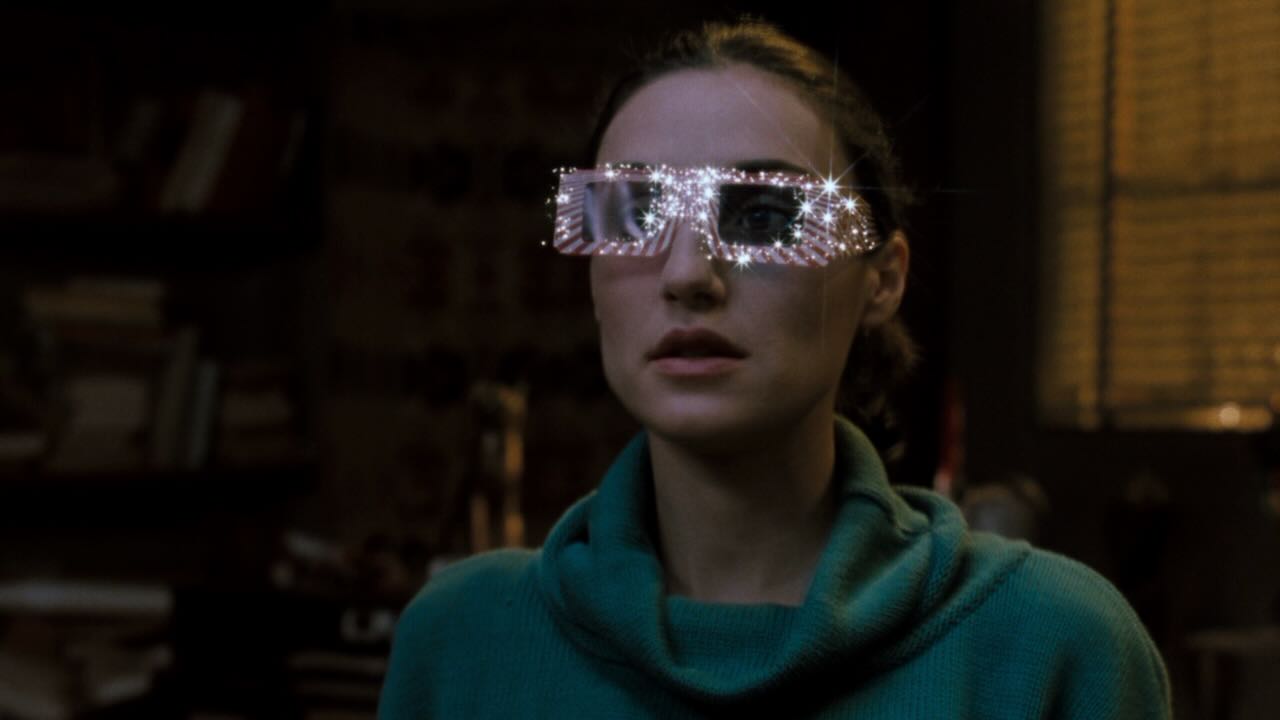
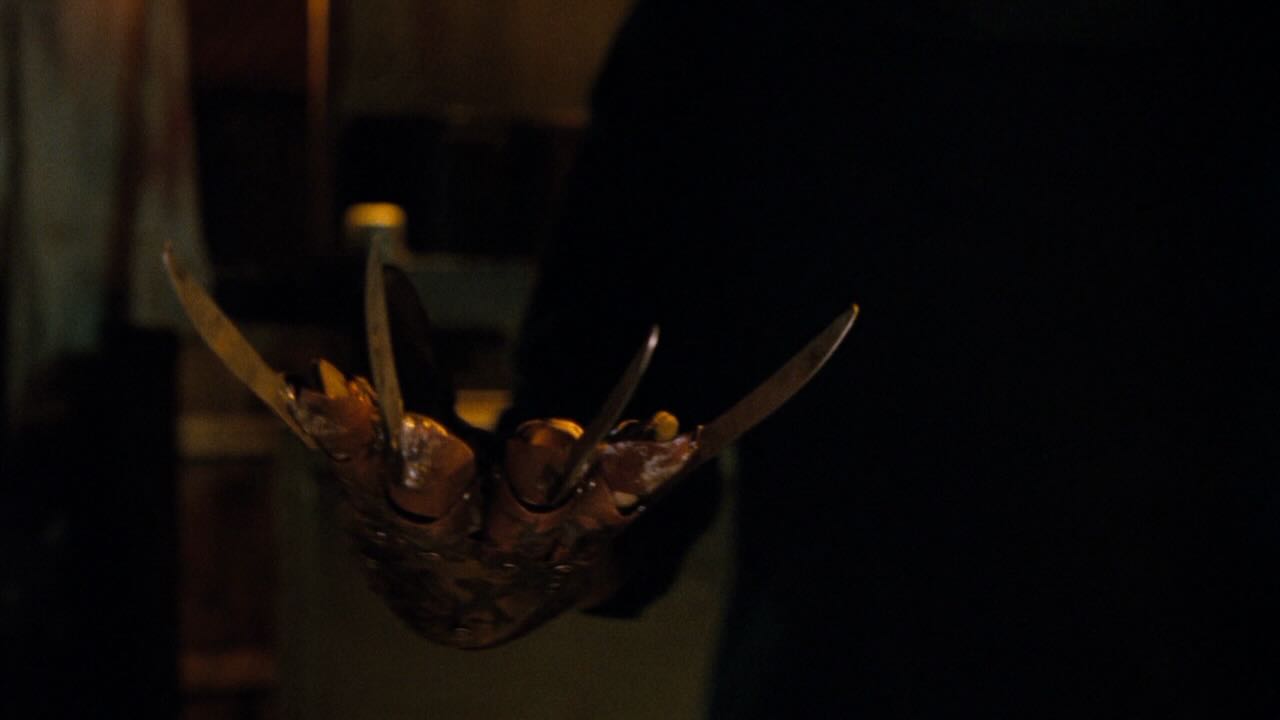
For years I’ve suspected I was wrong to hate this movie, which I saw in the dollar theater where they spray windex on the popcorn, and now can confirm it’s actually a good movie. They try hard to sink it, having two out of three scenes turn out to have been only a dream, which becomes tiresome, and including a haunted child (who Poltergeists and Shinings and Exorcists) and giving digital assistance to the claw effects, and evoking worst sequel #5 in the climax of a mom searching for her kid in dream world, and Craven learning to make everything All About Trauma, and Freddy looking like a Dick Tracy villain.

Linking the Elm Streets with the Scream series, Freddy interferes with the making of an Elm Street movie, killing the effects crew and tormenting Heather/Nancy and her kid. Englund and John Saxon play their actor selves, concerned friends of Heather, then gradually turn into their Nightmare selves, pulling her back into the movie-world. Since the kid is full of fairy-tale bedtime stories, Freddy gets wicked-witched again – after the silliness of the last few movies this one is trying to get darker and more serious with higher stakes, then she stabs Freddy in the eye with an eel and he fights back by extending his hundred-foot tongue.

Opens with a Nightmare at 20,000 Feet scenario.

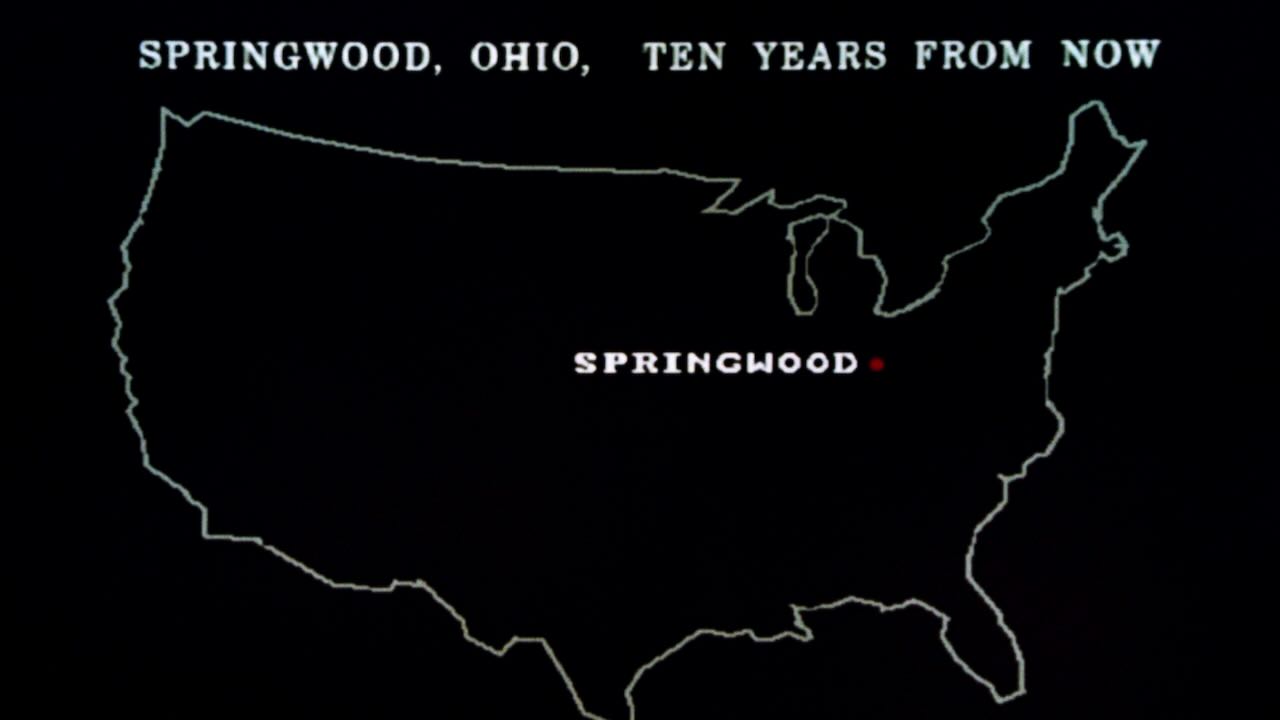
After a teenage apocalypse, 24 year-old Shon is the last living teenager in Ohio.

Fred keeps wizard-of-ozzing him, until Amnesiac Shon thinks he is the Anti-Freddy Messiah, then he gets dropped from a height onto a bed of spikes.

Dream Therapist Yaphet Kotto and Lisa “sister of Billy” Zane are counselors bringing a fresh batch of doomed teens to Freddytown. They immediately run into Roseanne and Tom Arnold, a bad sign.

Deaf Ricky Dean Logan (Back to the Future Part II) is given faulty hearing aids and his head explodes.

Gamer Breckin Meyer (of Skeet Ulrich thriller Touch) goes inside the television and gets Super Mario’d in a series highlight.

Boxer Lezlie Deane (of 976-EVIL) maybe survives along with the counselors?

Comin’ at ya:

Little Fred turned bad because his father was Alice “Prince of Darkness” Cooper. Now he’s dead, like the title says. They got him with a grenade, he’s dead for sure.

Talalay followed up with video store staples Ghost in the Machine (a mashup of Lawnmower Man with Pulse 1988) and Tank Girl.

Comin’ at ya:

Mastroianni plays our director’s stand-in again. Following a hot woman off a train in the middle of nowhere, he stumbles into a hidden hotel hosting a theatrical feminist convention. The women drive him into the night in a crazed caravan until he’s rescued by a dude with plenty of weapons and dogs… sees a telekinetic performance… descends a giant slide while reminiscing about various hot chicks… then the women put him on trial for sexism, ho hum.

No part of this is realistic, all dream-logic. Does it play circus music whenever things get zany? Sure as hell it does. We love Marcello, and Fellini is good at filming beautiful people and things, but it’s a Petrov’s Flu situation.

Making up Vincent Cassel as Cronenberg and having him mourn his late wife could’ve gone so hard into self-indulgent territory but instead this soft dialogue drama (with Crimes lighting and lots of handheld images-on-screens) gradually careens into paranoid techno-thriller territory with plenty of sex and hardly any murder. Ends with nothing resolved, in the middle of a dream sequence. Short but powerful bursts of Howard Shore music which have either introduced new sounds to his toolkit, or else the Movieland’s speakers have blown out. Diane Kruger plays the dead wife (missing an arm in dream/flashback), and her conspiracy-horny sister, and the AI built/puppeted by the sister’s ex-husband Guy Pearce. Choice lines about sex and flesh and surgery, and Vince (a supposed visionary who outsourced everything and takes no real action here) is told he’s made his career out of bodies. Japan and China and Korea and Iceland and Hungary all figure in. Need to watch this two or three more times.

They’re done with sequel numbering, but I’m not – it’s part five. A few years ago I watched four and a half of these in a month, but as much as these movies repeat themselves, it’s better to put a year or two between them. Opening titles sex scene with our survivors from part four, hell yeah, but things are amiss – Alice almost gets showered to death, and has a backstory vision of Freddy’s birth story (a nun assaulted by an asylum full of maniacs). Freddy always “dies” convincingly then comes back inexplicably in the next one, and the gimmick here is he can visit Alice while she’s awake through the dreams of her unborn child.

Prince of Darkness this ain’t:

Alice has four friends with diverse interests, ideal for getting murdered in character-appropriate ways in the first half of a 90-minute movie. Generic Saved by the Bell-lookin’ Boyfriend Dan gets beat up by his self-driving car then Tetsuo-the-Iron-Man‘d by a Freddycycle… anorexic model Greta gets force-fed… Mark gets Take On Me-d into his comics… star diver Yvonne (Kelly Jo Minter of Popcorn and Miracle Mile) actually lives, releasing the momma nun’s spirit (she’d been sitting long-dead in some abandoned church), then Alice’s baby uses vomit-attack on Freddy, who once again loses/frees the souls of dead high schoolers.

It’s slightly less goofy than the previous one, but no better. Has Freddy always called every woman bitch? Final showdown where Alice rescues her baby from Freddy on Escher-stairs feels like a Labyrinth ripoff. Hopkins had a good 1990s career, including Judgment Night. The writer did House III the same year, and was a member of Sparks. Rosenbaum raved: “zero-degree filmmaking … flaccid editing.”

You can tell a movie has no prestige when its blu-ray extras are just music videos by The Fat Boys and Whodini. The former is from Mondo director Harvey Keith, opens with a very awkward sketch, making me doubt my memories of the Fat Boys’ great acting talent in Disorderlies. The three then run around a very well-dilapidated movie house pursued by Freddy. Good use of movie clips in the song, and Englund gets to rap. The Whodini is a much better song, has twin dancing Freddies on a staircase, and the band wisely doesn’t go inside the horror house, just dances on the porch.

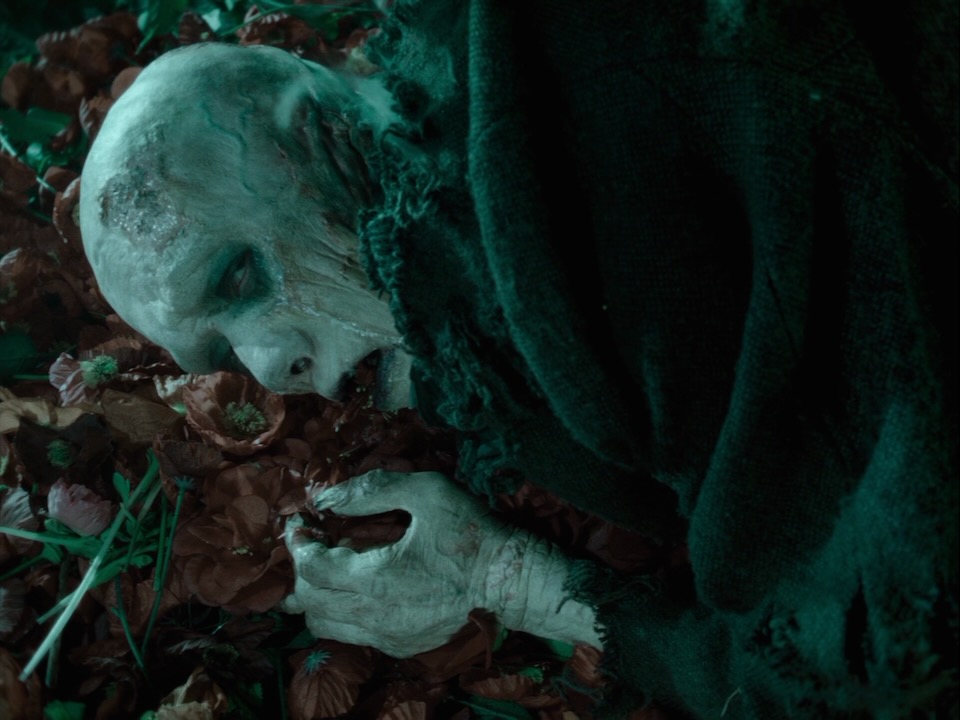
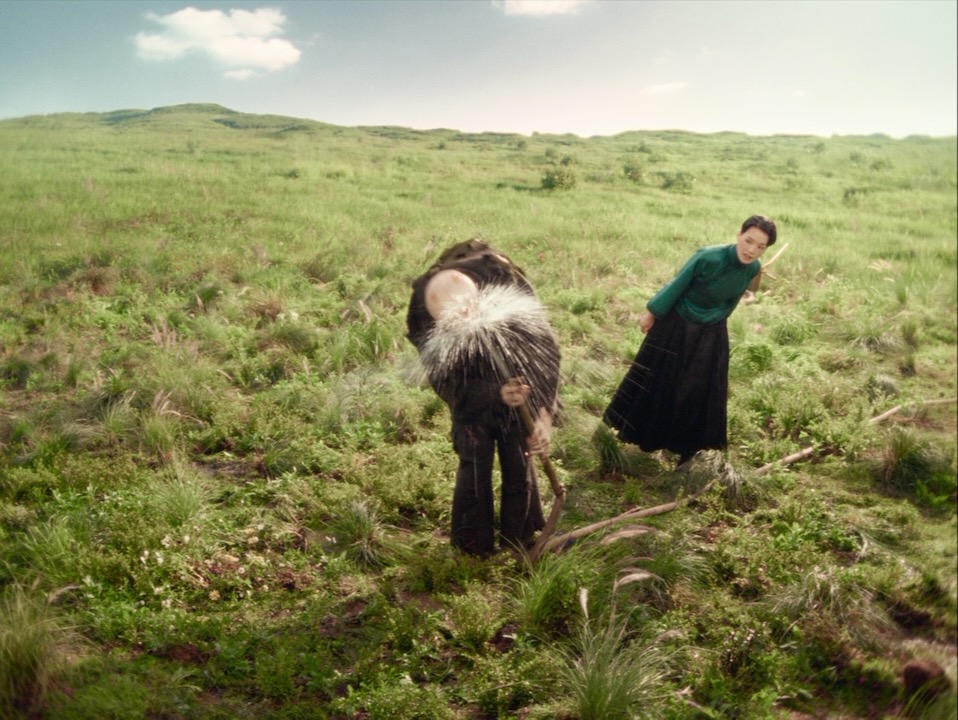
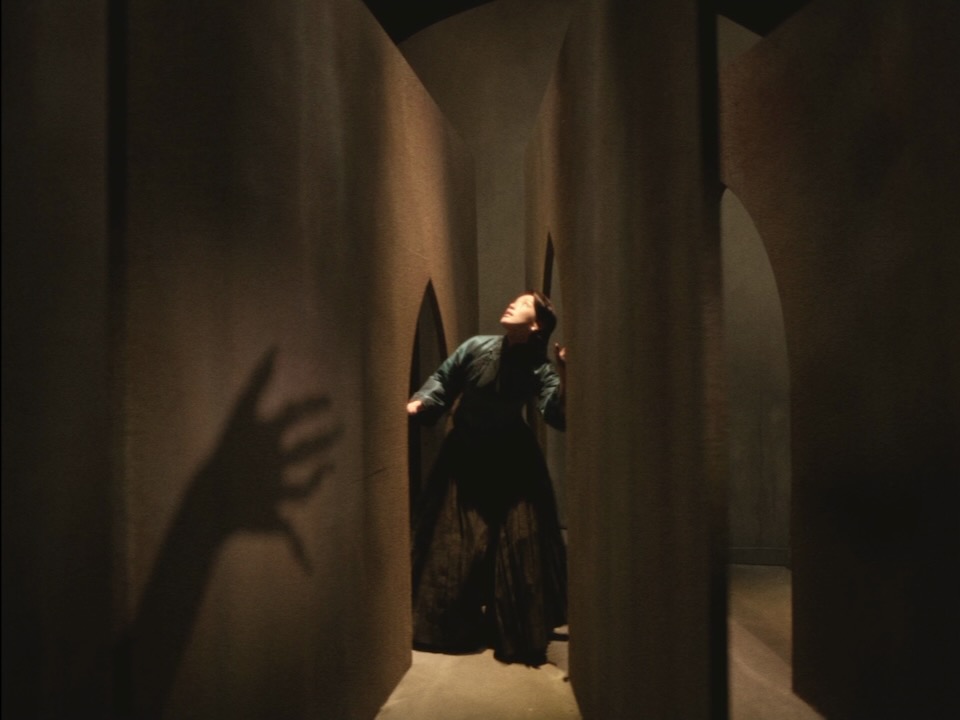
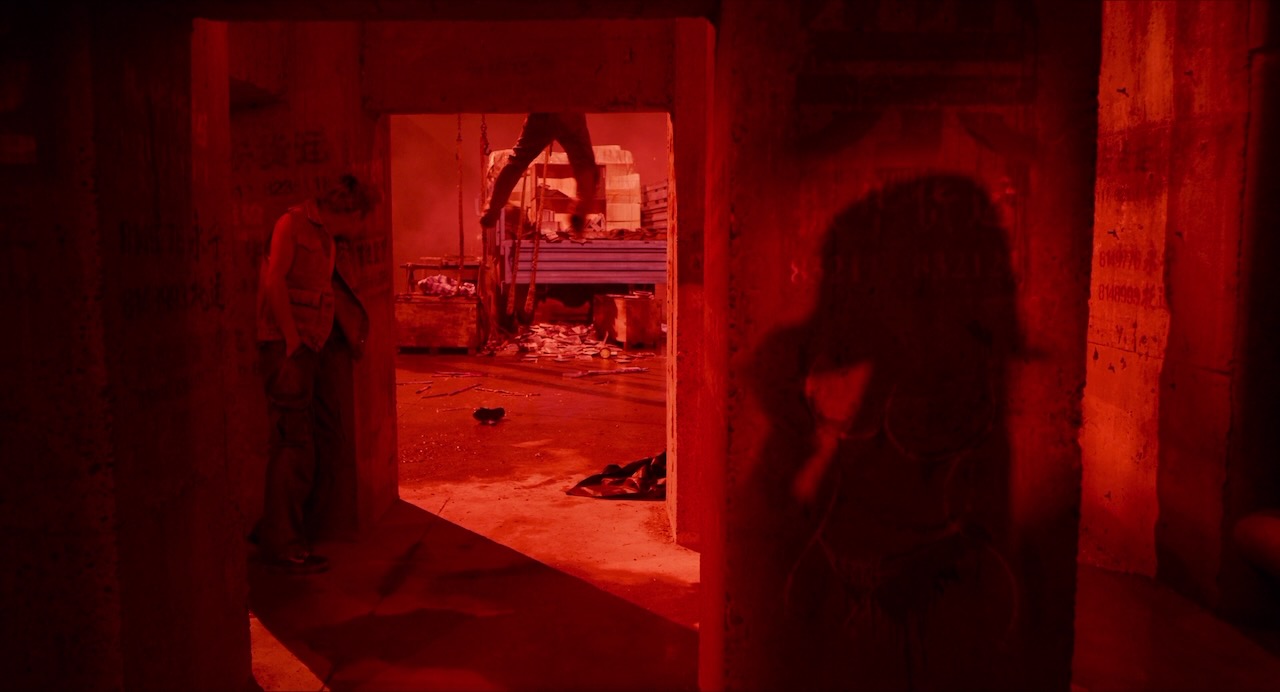
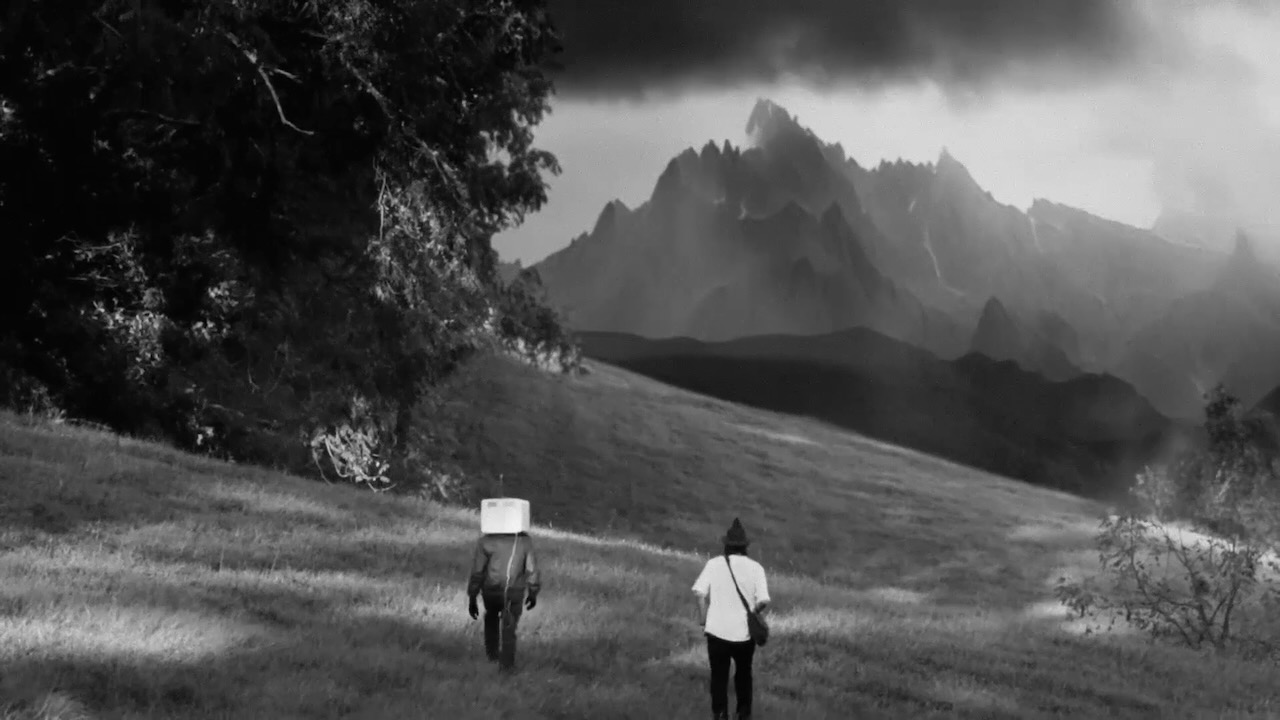
Rivettian by his own confession, it’s an AI universe-is-simulation all-is-theater sort of movie. Only an hour long, I intended it as another Ruiz double feature with Life is a Dream, but it was too heady and intense and I had to put on something more straightforward afterwards.

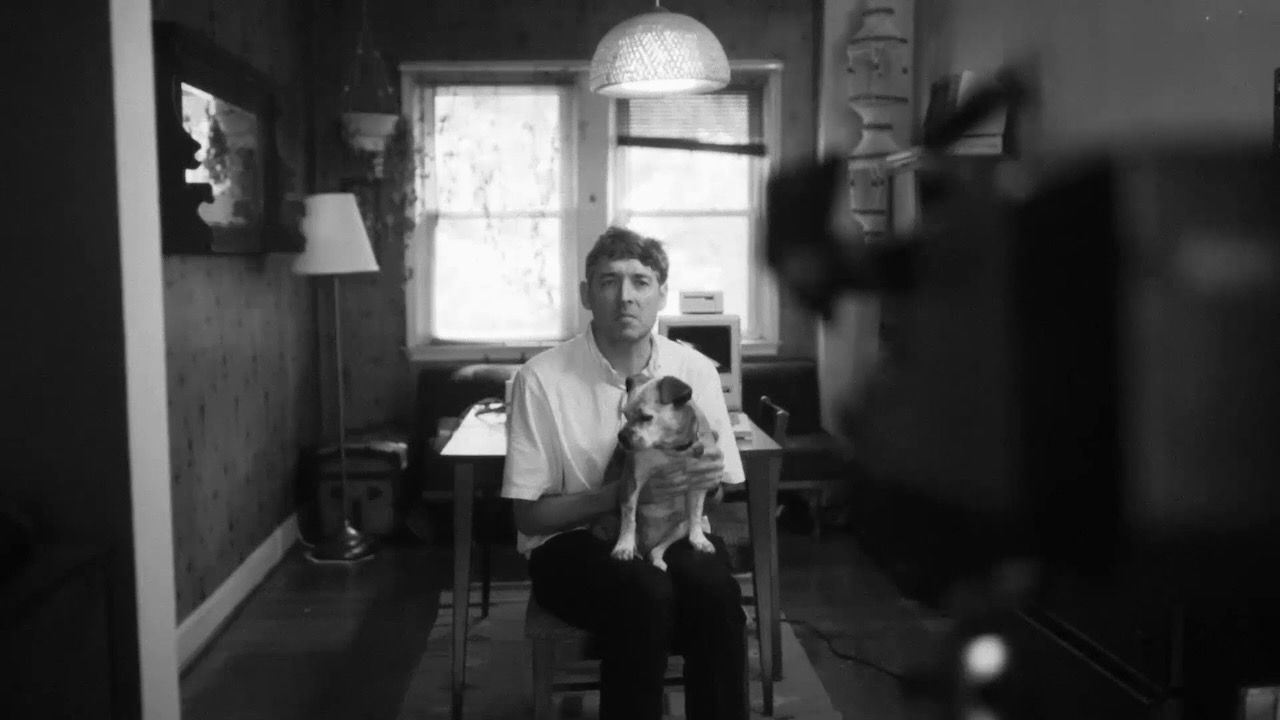
The traitor-foot blind man in my Three Crowns screenshots was the star here, playing an actor who sees himself on video saying things he never said. Timely – Q: “Does this mean we will never get paid for the scenes we filmed where our real presence could be reasonably put to doubt?” – A: “If we paid you, we would have to admit the real existence of possible worlds.” He talks to the programmer (who is creating photorealistic AI on an Apple II), then visits another actor to discuss the situation, then attempts suicide. Then we fall into a vortex of different realities, confusing characters, acting/theater metaphors and layers. “He understands that the dream that was haunting him for years was only a theatrical performance.”

Nice thing about the five-hour movie being spread across two discs is it’s an easy way to break it up across two evenings. The down side is my brain played the title U2 song on a loop for the 22 hours between discs. This began Wenders’ U2 era – they also did songs for Faraway, So Close and Beyond the Clouds and The End of Violence, and Bono wrote and produced the awful Million Dollar Hotel, beginning a drought during which WW couldn’t make a decent fiction film until (here’s hoping) 2023.

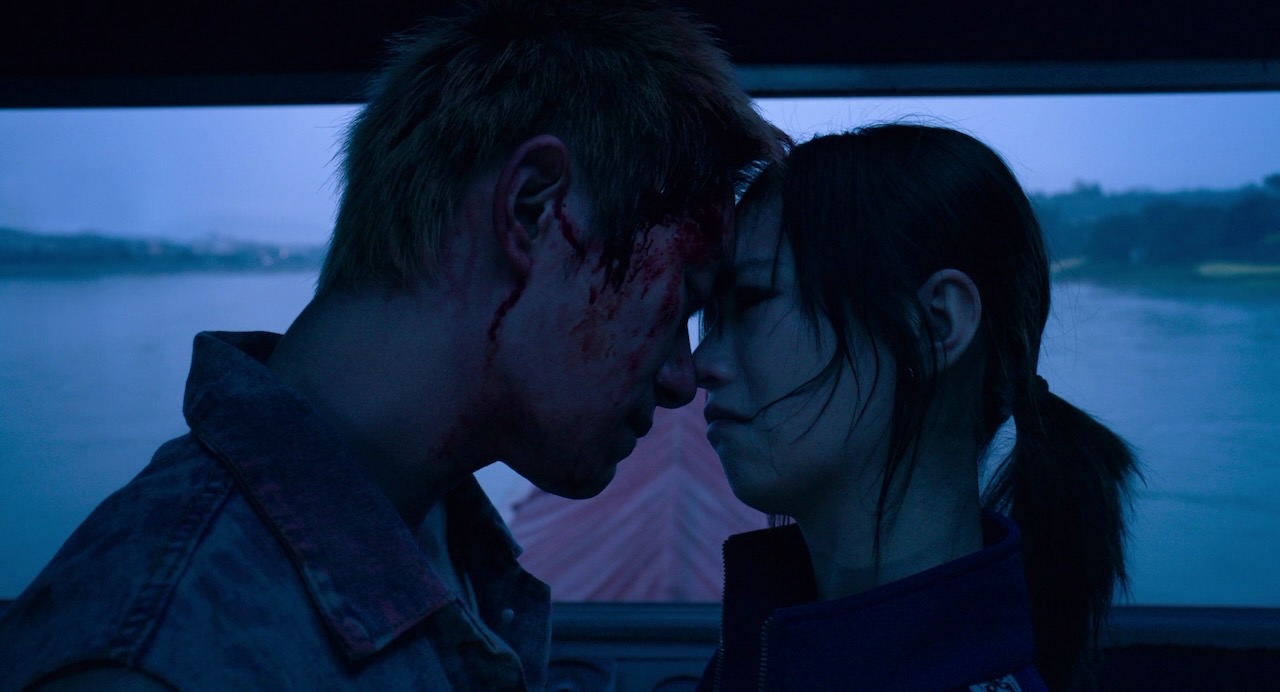
Sam Neill is our narrator writing a book about what happened after Claire left him. I thought there’d be some play between the real versions of events and the way he writes them, but no, he’s just following the story as we are and typing it up neatly so we don’t get lost. Claire is Solveig Dommartin, star of the two angel movies and Claire Denis’s No Fear, No Die. She takes an abandoned road to avoid a traffic jam and crashes into a couple of thieves with bags full of money, beginning the road movie tradition of accumulating a cast of friendly characters. Next she’ll add tech fugitive William Hurt and original road man Rudiger Vogler as a bounty hunter. In various configurations they travel to Lisbon, Berlin, China, Japan, USA. Across the shabby chaotic cities of nuclear crisis 1999, WW nailed how annoying computer voices and graphics would be in our future.

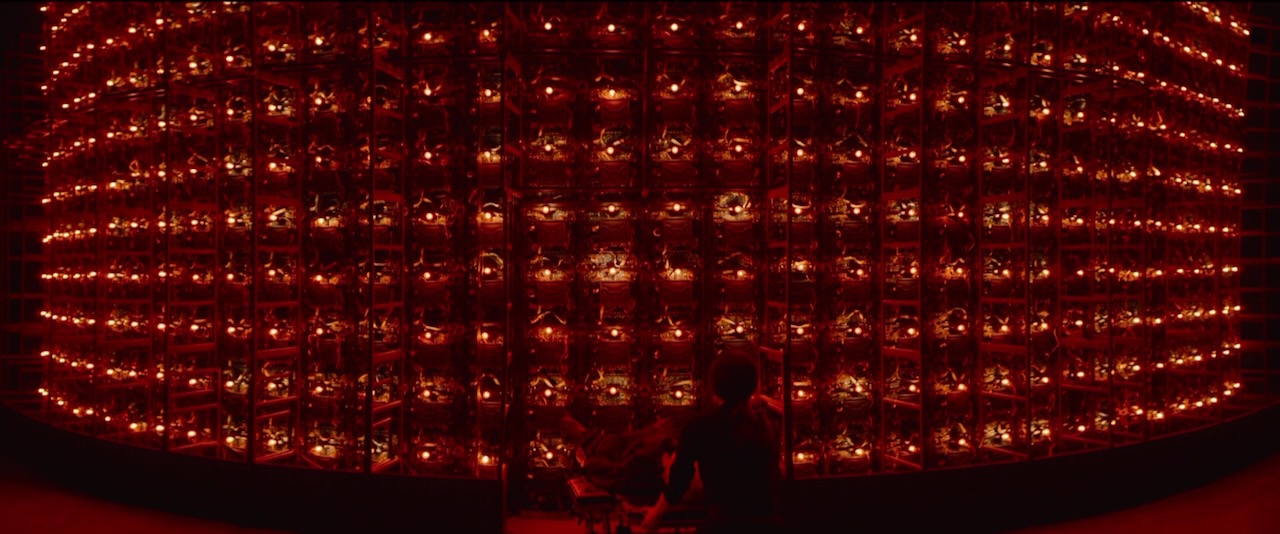
It’s all very plotty, not a loose hangout piece like the earlier films with Vogler. That’s not a problem, just a different sort of thing, but when they settle down in Australia for part two, it becomes a problem. Hurt (“Trevor”) and Claire gerry their way through the desert clutching the airplane door she’s been handcuffed to, soundtracked by Peter Gabriel. I imagine Rabbit Proof Fence was a reference to this – also imagine that their character names are a shout-out to Stagecoach star Claire Trevor. When they arrive at Hurt’s family tech lab, the brisk travel plot abruptly stops and we get bogged down in the plot of transmitting brainwave images to Hurt’s blind mom Jeanne Moreau. Dad Max von Sydow (my second 1980s von Sydow this month) changes the focus of his project to dream capture, alienating the locals and the viewers. Neill keeps writing as Hurt and Claire lose their sense of waking reality and the movie turns to drug addiction metaphors (she goes through withdrawal when her dream-viewer runs out of battery). The gang starts to fall away and it all peters out, ending with a postscript of Claire taking a zoom call in space. Spotted in the credits: Michael Almereyda, Paulo Branco, Chen Kaige.

The Australia half is almost redeemed by this band:

Chico can dig it:

From the extras: Almereyda tried to write a draft. Wenders very interested in creating and distorting the HD images, a prototype technology at the time, and talks about being a music collector. “That was another reason why the movie had to be so long” – he wrote all his fave musicians asking them to write a futuristic song, thinking most would say no, then ended up with a ton of songs. He wanted an Elvis song he couldn’t have, so “I don’t know how it happened but” David Lynch produced a cover version.

Fulci’s twenty-somethingth film is the second-earliest one I’ve heard of. Super stylish with a fun, twisty plot. Great black-void backgrounds and jumpcut editing in the dream sequences. Also it’s so poorly dubbed that even the inspector’s eerie whistling looks lousy – how do you fuck up dubbing whistling?

Our buttoned-up lead is Carol (Florinda Bolkan of Investigation of a Citizen Above Suspicion), obsessed with her hedonistic neighbor (Anita Strindberg of Your Vice Is a Locked Room), who soon turns up murdered. Carol’s husband Frank is having affairs (Jean Sorel, Belle de Jour‘s husband, that seems relevant) and seems suspicious, and his daughter Joan (Ely Galleani of Five Dolls for an August Moon) seems sympathetic. We’ve also got a lead inspector (Losey regular Stanley Baker), his main crony Brandon (Alberto de Mendoza of Horror Express), and Carol’s therapist (George Rigaud of All the Colors of the Dark).

Carol and Frank:

Some procedures are askew here in London, Italy. The cops allow neighbors to walk right into the murder scene, and the psychiatrist plays the cops tapes of Carol’s private sessions. Carol gets locked up in a clinic while the grown-ups try to straighten things out. The psych thinks Carol did it, has a split personality that places symbolic clues in her dreams. Carol’s dad takes photos of her husband Frank with Hotgirl Deborah (Silvia Monti of the previous year’s hippie murder film Queens of Evil), accuses Frank of the murder and having based the details on Carol’s dream journal to frame her, then finally blame falls on the dad, who kills himself.

Meanwhile some pale hippies (Penny Brown of City of Women, and a guy who looks like Irish Peter Fonda’s Ghost) are chasing people around. Little Joan fancies herself a private investigator and gets herself murdered. Of course the simplest explanation is that Carol did commit the murder, having been sleeping with the neighbor.

Joan and Hippie (who paints using throwing knives):