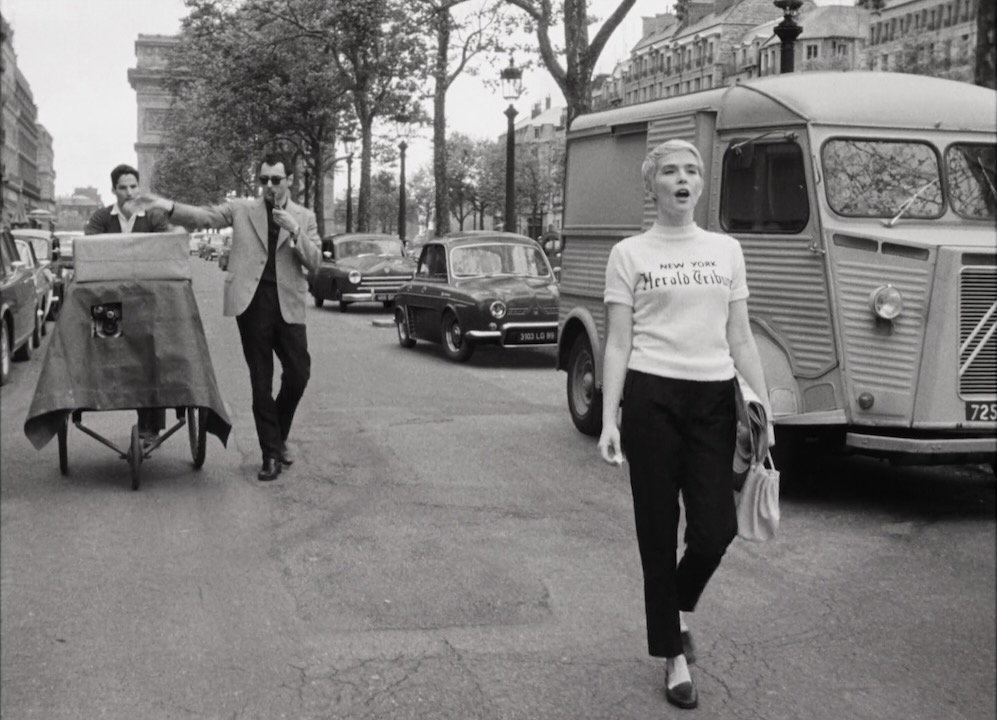
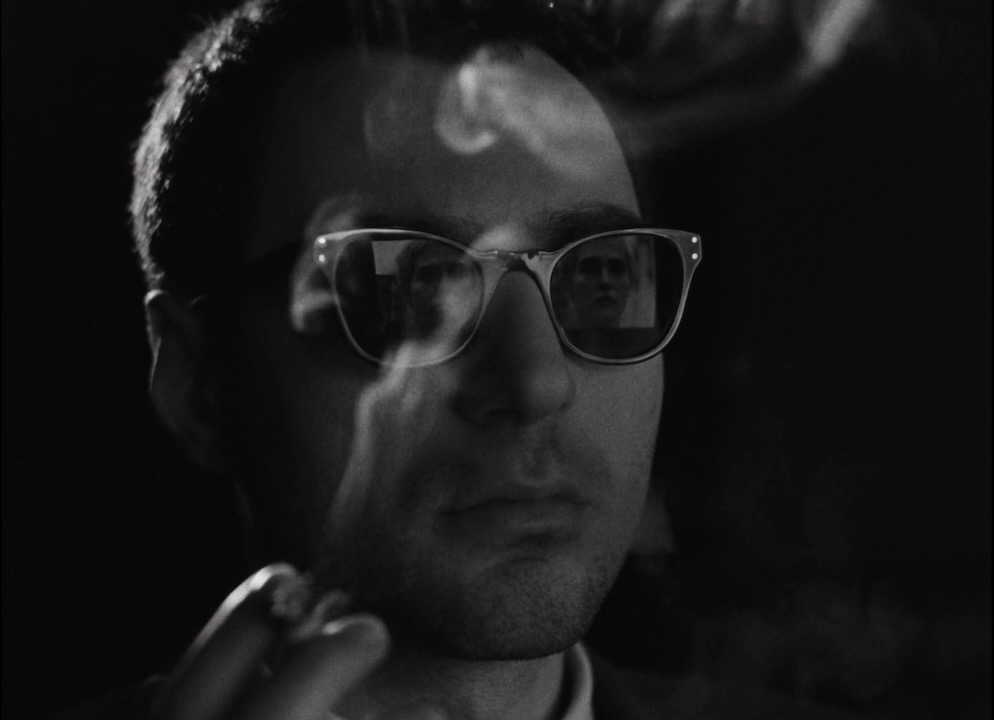
Mostly it’s a casting triumph – they take inventory of the new-wavers with onscreen labels whenever somebody shows up. I could say that this doesn’t have much value if you’re not already a Godard/Breathless fan, but I suppose in that case why would you be watching movies at all? It’s not the first Linklater movie that’ll mess you up with its postscript text. Everyone looks like they had fun – that’s what is important.

Nausicaa (1971)

Episodic in different styles, like The Silence Before Bach, and more engaging about Greece than her friend Chris Marker’s The Owl’s Legacy. A big improvement over Lions Love. Varda’s last movie before Mathieu was born and she took a few-year break, returning with Daguerrotypes.

Interview with Pericles, arrested and tortured in Greece after the 1967 coup. Flamboyant sketch about greek art led by advertising guy Mr. ID, jeered by an unseen audience when it ends. Salesgirl selling greek art books instead of bibles (of course you can pay in installments). Newscaster-like guy gives us a history lesson on the coup. Interview with a greek soldier who fled. A geologist found work as a night watchman, misses the sun and the sea, his friends and family now in prison.

Varda makes her first appearance in the next segment, a gathering of exiled Greeks, and a drama starts to come together. We get a recurring character in the salesgirl, and some scripted drama as a young Gerard Depardieu steals her books. The girl and her roommate are hosting a Greek refugee journalist in her apartment until he can get his own place.

Street interviews with tourists who love Greece and don’t think about the politics, and a visit to the Club Med office. A scene purportedly set in Greece, but the backdrop of sea and mountains is transparently fake. Narration by one of the guys who tore down the nazi flag from the Parthenon during WWII. Skit with a girl named Democracy being whipped by her authoritarian mother, asked to sign a loyalty oath.

Democracy hiding under the table:

Episode narrated by Varda about her family history. She talks about a harbor trip she took with the actor playing the refugee journalist, throwing her producers under the bus for not having enough crew to capture sound on their trip.

A factory secretary tell the journalist her secret family history – she turns out to be the mom of one of his hosts, the one from Golden Eighties. After he sleeps with the non-Eighties girl, instead of having them speak to each other, Varda reads both their lines from the script as narration.


Documenteur (1981)

A vaguely depressing one, made during Varda’s second Los Angeles residency, the same year as Mur Murs (and also interested in street murals). Sabine Mamou (Varda and Demy’s editor) and her son (Mathieu Demy) are in LA, she is a typist bouncing between residences, staying with friends until she gets her own place. The movie is very into watching local people, not clear where the actor/documentary line is drawn, with wordy narration, full of wordplay and association.


Pasolini/Varda/New York (2022)

Shot on a walk through NYC in 1966, with sound and editing done the following year, then lost until Rosalie restored it in 2022. Pasolini has essential thoughts about New York and filmmaking.


Ô Saisons, Ô Châteaux (1958)

Maybe her most picturesque movie, an elegant tour of fortresses and castles, with a light jazz soundtrack and poetry excerpts. Torn between thinking this is great and thinking it’s a piece with the tupperware advertisement she directed. Reading the Carrie Rickey book now, which says this was an important step in getting Varda connections and respect and funding for her next steps after La Pointe Courte.


One Minute for One Image (1983)

Commentary on photographs by (mostly) other artists. Old woman’s face, naked boy held by old women, boats with person in foreground, hand surgery, family in open house, mass grave (this has second narrator Jacques Monory), handshake with fish hand (below), family portrait (with guest commenter Agnes’s mom), mud wrestling, hippie facing soldiers, mirror shard and purse contents on street (a still from Cleo from 5 to 7), kids on a Chinese wall, nude mirror polaroids.


Les Enfants du Musée (1964)

Short doc of a youth program at the museum for aspiring artists.


Les 3 Boutons (2015)

No shade on Varda, this is just an overpriced fashion commission. Teen girl leaves her goat farm after receiving a package full of magic fabric, floating through the city in a robe, losing three buttons and gaining three wishes. Good color, nice focus tricks, and standard ugly CG. Also checked out the DVD extras/follow-ups to Daguerrotypes and a couple others – there is a wealth of material on Criterion.

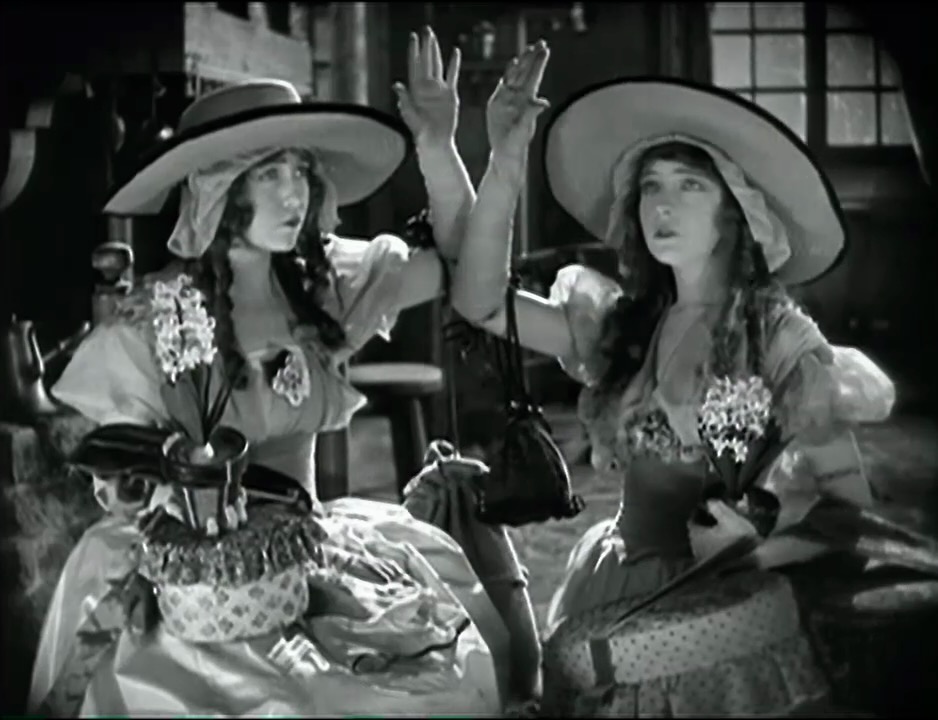
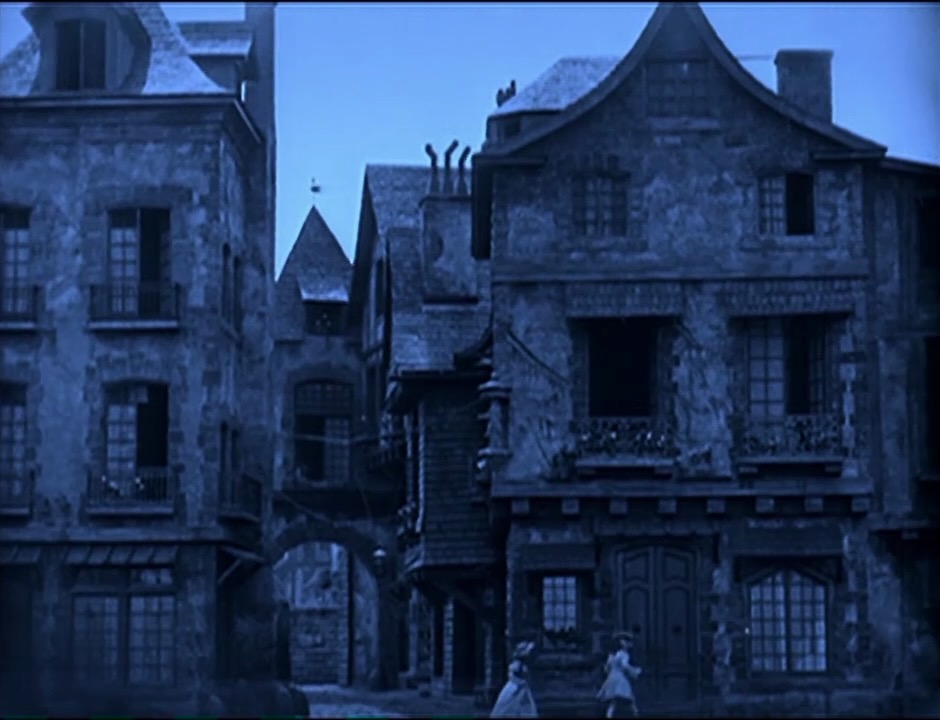
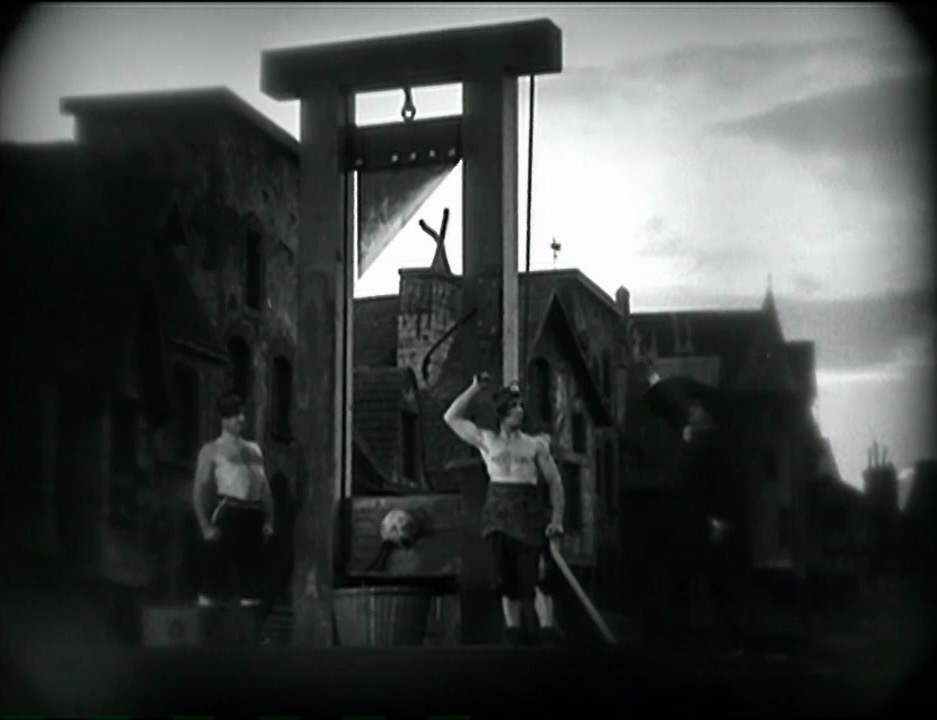
I was kinda dreading this, but after putting it off for a couple months I hit on a music plan, put a bunch of not-terribly fast/aggressive instrumental albums in a folder, hit shuffle, and it was perfect. Righteous story of poor girl and her blind sister who come to the cruel city and get kicked around until the French Revolution arrives and solves everything. A couple mistaken identities and a pile of blustery men later, all is well.

L-R: Gishes Dorothy and Lillian

Locorazo screening number one. A change in the formula this year, we’ll get into it later. Really nice to see a soft, grainy movie from this decade that doesn’t look like digital glop.

Solange was doing fine at school until her parents decided to get divorced – now she gets detention, steals from a store, cries during class. Mom (Lea Drucker, very good as usual) is an actor, dad (one of the guys I didn’t mention who Juliette Binoche dates in Let The Sunshine In) runs a guitar shop and has been seeing his coworker. Solange says she knows her parents don’t love each other, but she’ll try to stay alive anyway. Axelle wrote La France and Mrs. Hyde and Don Juan, and plays the dean in Bozon’s Mods.

Slow cinema starring a vacant-eyed cop reacting to news of a raped/murdered little girl, whose body we get a nice long leering stare at. The cop just wants to hang out with his neighbor Domino, but she’s dating bus driver Joseph, whose route goes right past the murder site. After some investigation, he finds Joseph arrested in boss’s office, tearily confessing, then our cop goes home and has a long hug and cry with Domino, then cut to the cop in handcuffs. Think I liked this best of Dumont’s pre-Quinquin slow art films, though somehow I missed “a brief shot that shows Pharaon levitating in his garden.”

Excessively, whimsically French-new-wavey – a silly-ass low-budg indie comedy, more admirable than enjoyable. Brigitte (Francoise Vatel, a Brigitte in Brigitte and Brigitte) and Francesca are stuck with the same guy, a “customs officer”/smuggler. When they get cornered they keep rewinding the film until they figure out the right strategy for escape. Their schemes are successful, but it gets tiring so they move into the city and get government jobs. “Stealing a few minutes from the boss raises the personnel’s morale and efficiency.” The director: “Bresson praised the grace of the film. But did he mean it or was he just fucking with me?”

Kayak battle:

Most relatable scene: Francesca does the dishes by hyperballading them off a cliff:

It brings me no pleasure to report that the weird gay french movie is 10x better than the Cannes-winner. I really don’t mean to be contrarian, this only makes it harder to predictably find movies I’ll enjoy.

Jeremy the French Bill Hader-via-James McAvoy (actually Felix Kysyl, Gorin in the Hazanavicius Godard movie) is from Toulouse, returned to the small town where he used to live for a baker’s funeral. Jer stays with widow Catherine Frot (of the Belvaux trilogy), and his presence bristles deep-voiced Hermit Walter and especially the late baker’s Big Quinquin-looking son Vincent. The Vincent rivalry gets heated to the point that Jeremy ends up killing him with a rock in the woods, burying him in a shallow grave, which doesn’t seem great for the future of his relationship with V’s mom.

Enter Phillippe, the best movie priest of the year, who becomes a co-conspirator and helps Jer, who’d been making up new night-of-the-crime stories whenever his old ones got busted. Phillippe says that murder is fine, and achieves his goal of getting naked in bed with Jer, this scheme being more complex and better thought-out than the murder conspiracy itself. If I’m not making it sound strange enough, there’s a cop who keeps sneaking in at night and trying to get Jer to confess to the crime in his sleep.

Priest, Widow Martine, and Unwitting Widow Annie:

from his Film Stage interview:

I think that I work a lot on emotions and I work a lot on questions that I want to provoke in the spectator. But I always have the feeling, by the time the film is over, that I’ve somehow missed something … by the time I get to the stage where we’re at now, I don’t quite remember what my intention was from the beginning … I’m not sure that what I even had intended was doable or realizable from the start.

Movie about Ivor’s life repeatedly falling apart even though he’s rich, white, and handsome. First his college buddy, a trend-following buffoon with a pretty sister, knocks up local girl Mabel. She pins it on the rich boy so his family will pay her off, even though scholarship kid Tim was the culprit, and Ivor is expelled on moral grounds and kicked out of his home.

Subtle, Mabel:

But Ivor inherits some money, somehow? He marries a fancy actress, who spends all their cash, cheats on him, then kicks him out of the apartment. He spends some time pathetically mooching off pathetic older women then runs off to France. Fortunately back home, Tim is dying and deathbed-confessing to clear Ivor’s name, so his family takes him back when he returns home half-starved.

Hitch pulls off some really great framing and closeups, but the movie felt like a chore, a couple steps down from The Lodger, so I opted to cut my losses and skip the couple hours of blu extras for now.

The mythology of warring intergalactic races (the evil Zeroes and noble Ones) battling for control of the hearts of humanity is cheesy even for Dumont, but his French countryside weirdos-getting-exponentially-weirder schtick is on point. Both sides are pretty ramshackle, the antichrist kid Freddy is pretty easily kidnapped then re-kidnapped. If you follow the characters and story, it’s all deflated and lame – the long pauses and awkwardness and mismatched performances are the whole show. The space forces collide, forming a black hole over Earth which annihilates all of them and the police car belonging to Team Quinquin – Carpentier gets all the dialogue, the Captain now too twitchy to handle anything else. Elsewhere, the cellphone demon was in the latest Three Musketeers reboot, angel Jane in the latest Count of Monte Cristo.