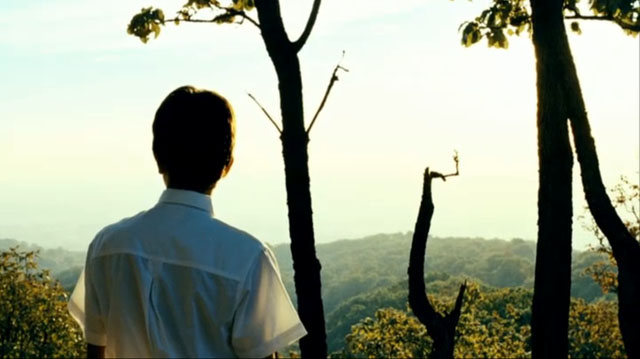
Could See a Puma (2011, Eduardo Williams)

Youths live in the ruins, someone falls and gets hurt. Camera likes to rove around, not getting too close to the action. It’s nice to see that the Human Surge guy’s stylistic weirdness was already in place at this point. A few kids go looking for a medicinal herb, do not see a puma but they do slip into another dimension.
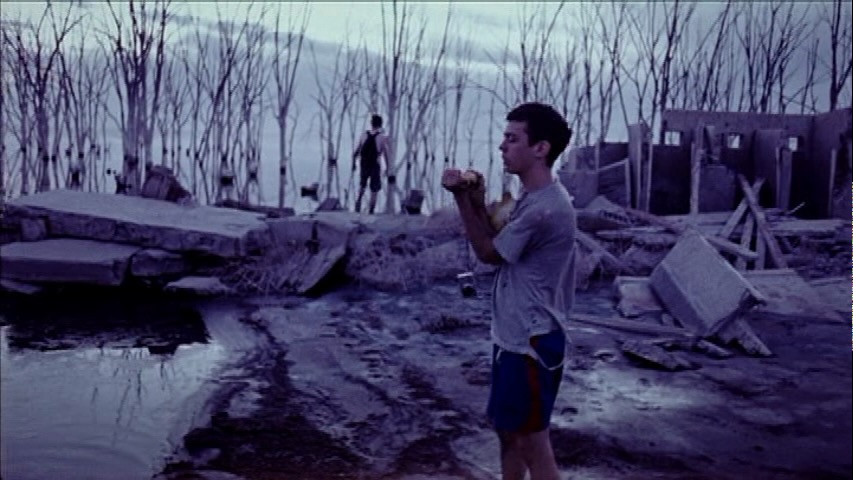

Schody/Stairs (1969, Stefan Schabenbeck)

Clay guy comes across a sea of stairs, wanders through, up and up, until he reaches the summit of a long staircase then lies down and becomes another step in the stairs. Polish, of course. Whatever point they’re making about the futility of life, they sure spent a lot of time on stair fabrication and walking animation to make it.
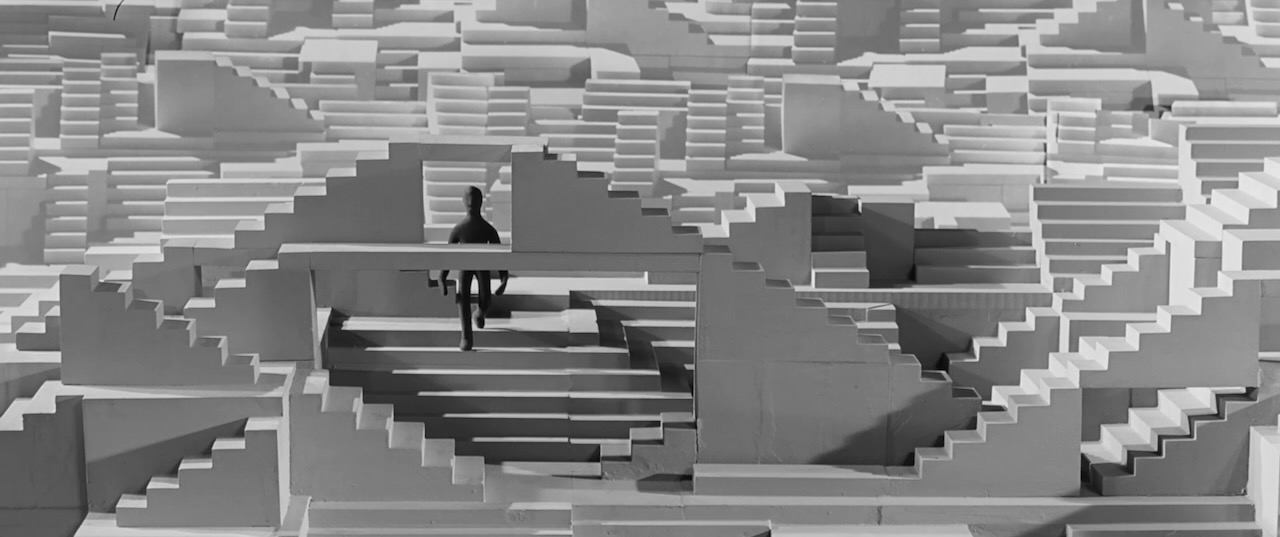

The Heart of the World (2000, Guy Maddin)

This should probably play monthly in every movie theater.

Creature Comforts (1989, Nick Park)

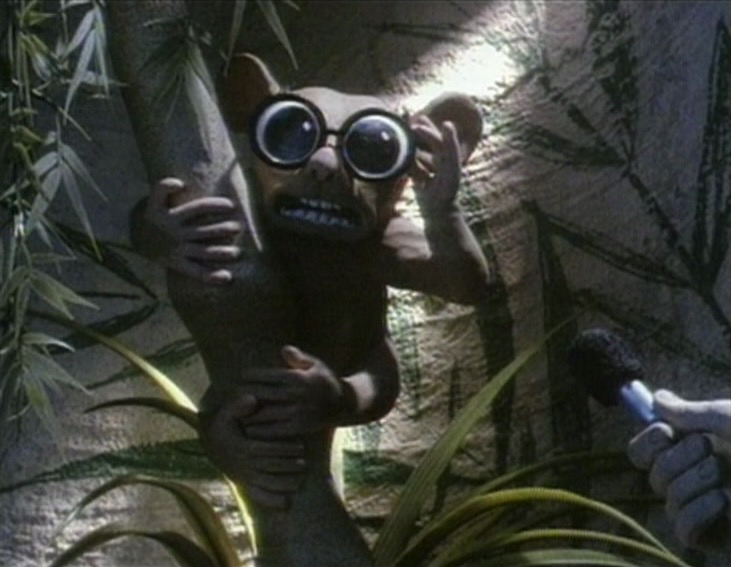
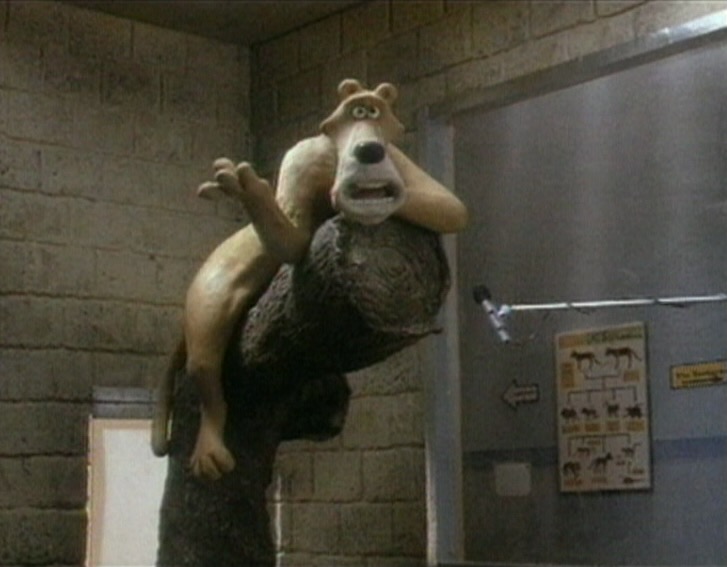
Always assumed I’d seen this before but maybe not. Interviews with zoo patrons restaged as interviews with the clay-mated animals, started a whole trend of these things.
Inspirace (1949, Karel Zeman)

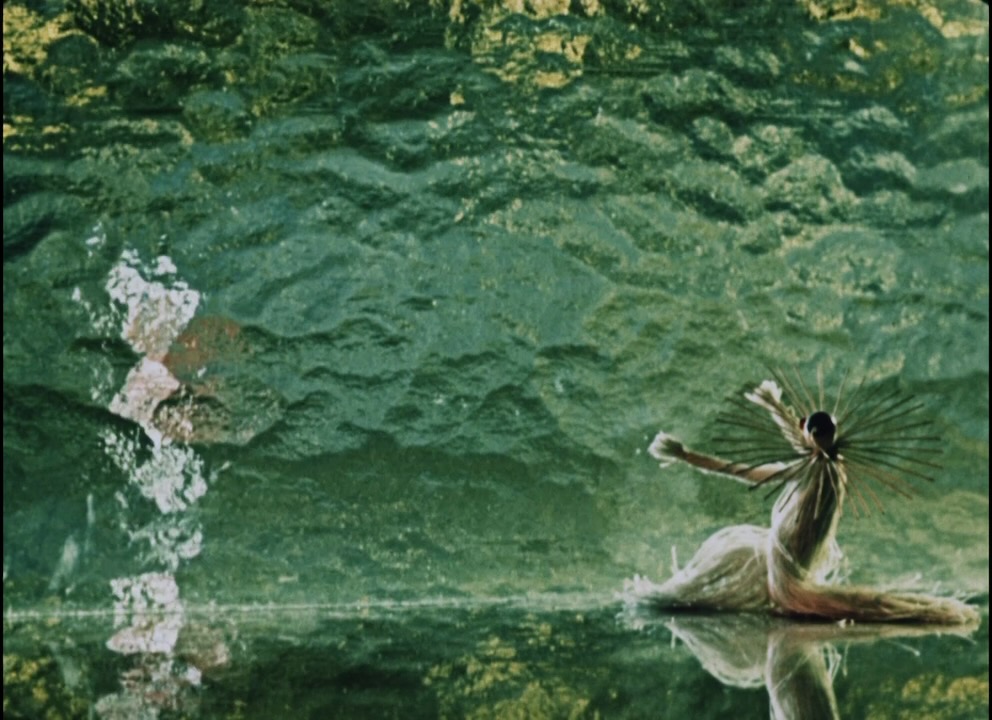
What madman would make a stop-motion film out of glass? Artist in need of inspirado spaces out on a rainy window, dreams a glass fantasy ice skater and the dandelion clown in her pursuit.

Man Without a Shadow (2004, Georges Schwizgebel)

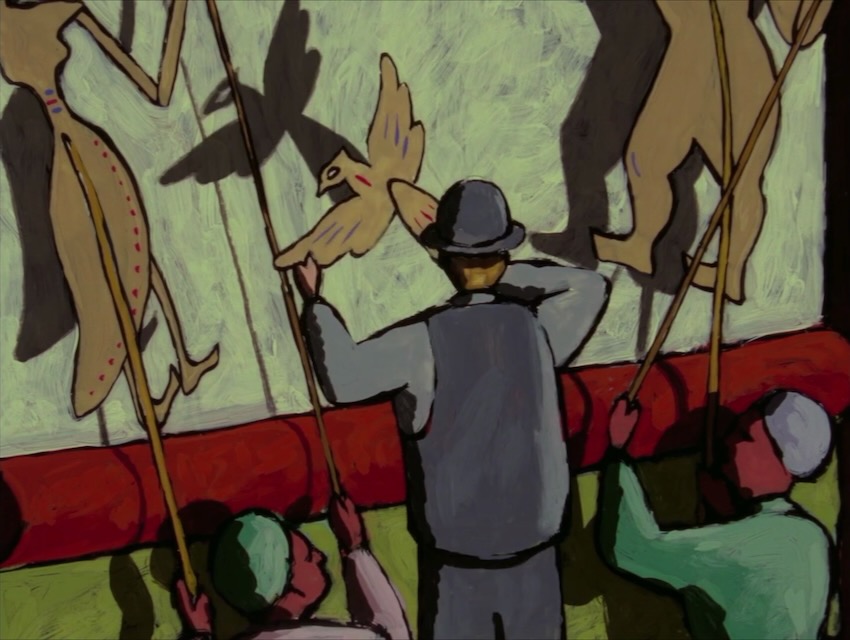
Swirling dizzy blobby animation. The man has a shadow from the start, so I wasn’t surprised when he sells it to a devil in exchange for the promise of riches and women. But I was surprised when, after women want nothing to do with a shadowless man, he gets a pair of red boots that enable him to leap across the earth, checks out different gatherings, and settles on a shadow theater where he can manipulate the puppets shadowlessly without using rods or strings.

Passing Time (2023, Terence Davies)

Terence reads a poem with that voice of his – rougher than it was in Of Time and the City – the music piece swelling in the background – over a nice shot of some trees.
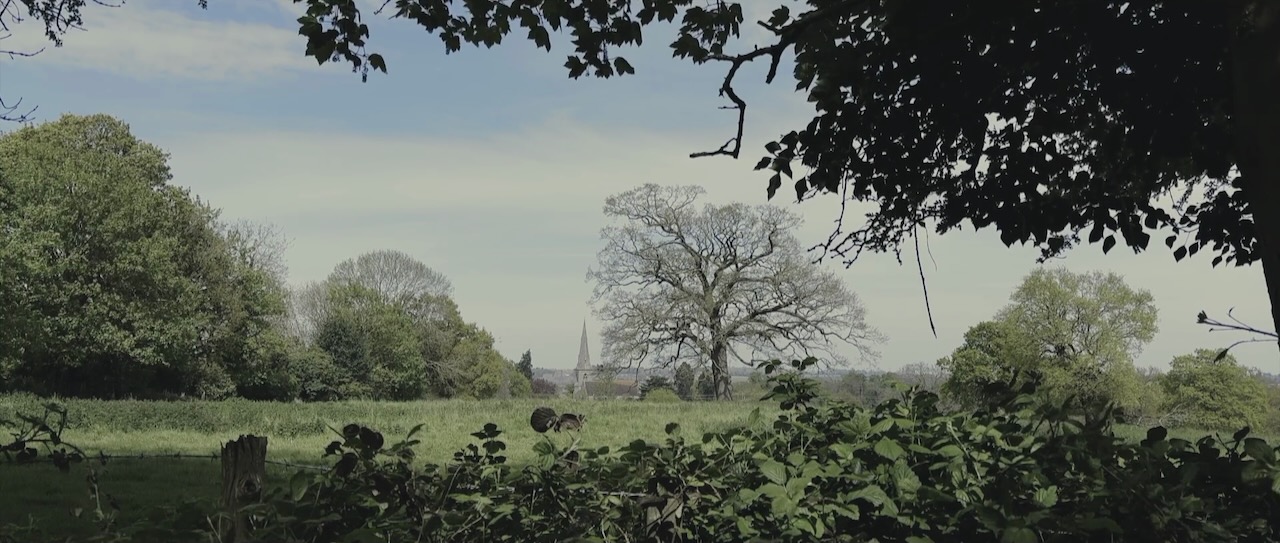

But Why? (2021, Terence Davies)

I never wrote up this Benediction-era Davies poem, in which two of his stars from that movie swap places/timelines, but I’ve watched it many times and like to quote it when I ascend the stairs, I descend the stairs… but why?

Don’t think there was any dialogue. Tired of the daily grind, Shaun encourages a revolt on the farm, but when the farmer ends up in the nearby city with memory loss, accidentally becoming a fashionable hairstylist, the sheep try to rescue him with help from a stray dog. The second movie I’ve seen this year with the animal control dept. as the villain. Great animation, slick and fast-paced and full of gags. Starzak directed the Creature Comforts series and much of the Shaun the Sheep series, and Burton cowrote Curse of the Were-Rabbit and Madagascar.

The Wrong Trousers (1993, Nick Park)
Endlessly amusing, and full of curious references to unknown kinds of cheese. The baddie is a jailbroken diamond-snatching chicken with a rubber-glove rooster hat and some electrical skills. Some serious dejected Gromit sadness when the tenant chicken takes his place and he leaves home… why must funny cartoons also make me sad?


Dizzy Dishes (1930, Dave Fleischer)
A Bluto-type orders roast duck, but our blandly Bosko-like hero dances around the kitchen instead of preparing the meal professionally. He makes a half-hearted attempt to serve the duck (shaved – not roasted) when he’s distracted yet again by a dog-eared proto-Betty Boop, leaving Bluto so hungry that he eats the dishes and table (see also: Jan Svankmajer’s Food). Finally Bosko, a true villain, assaults the poor customer and leaves with the dancing girl.


Direction of an Actor by Jean Renoir (1968, Gisele Braunberger)
What to do when your father is a famed film producer? Hire Jean Renoir to give you acting lessons. Gisele is told to read lines to Renoir completely flat with no hint of affectation, and he stops her many times if he detects even a hint of predetermined acting style, saying that first she must read the lines bringing nothing to the table, and then the character’s voice will come from the lines. Sounds like good advice. I watched this short doc thinking it was connected to the ones Rivette made with similar titles, but I guess not. Shot by Edmond Richard (Discreet Charm of the Bourgeoise, Welles’ The Trial) – can’t see how exactly it counts as a film by Giselle, but I guess it was her idea.


The next four are from Revolución (2010), a Mexican omnibus film that I didn’t finish watching when it was briefly available online.

La Bienvenida (Fernando Eimbcke)
Armancio the tuba player sacrifices all his family time practicing for the big welcome song, then the guest of honor never shows. All the other orchestra members go home but the tuba stays and plays his rehearsed part solo for nobody. Non-moving camera, low lighting, black and white. It must be a comedy, since tubas indicate comedy, but why am I not laughing? True, the final shot was nice.


Beautiful and Beloved (Patricia Riggen)
A dying man’s wish to his U.S.-born daughter is that he be buried in Mexico, where she’s never been. There’s talk of selling her grandfather’s pistol from the Mexican Revolution for funeral expenses, but instead she gets a deal by sleeping with some sleazy guy, which I believe is seen as a victory for the revolution.


Lucio (Gael Garcia Bernal)
Lucio’s weird cousin comes to visit, refuses to participate in religious rituals and removes the christ-on-a-cross from the bedroom wall saying he doesn’t believe in images. Lucio has some sort of epiphany from all this, as seen by his running to the top of a mountain and gazing at the horizon.


The Hanging Priest (Amat Escakanate)
A couple of kids (who say they’re engaged to be married even though they’re ten – is that a Mexican thing?) come across a priest in the desert. They share their water, walk for a while, and end up at a McDonald’s.