Castle Lord Masahiro Motoki (lead of Gemini and Bird People In China) betrays the country’s bigwig warlord and imprisons his messenger (Cloud scammer Masaki Suda). Lord MM hopes for victory with help from some alliances, but the movie isn’t focused on military strategy but minor mysteries that plague the lord until he has to ask his imprisoned envoy for help: a murder, a transformed severed head, a missing teapot. All this non-action culminates in an extended confession by the lord’s wife (Yuriko Yoshitaka from Noriko’s Dinner Table) who staged all three mysteries. She and the prisoner convince lord MM to run away from the castle and live a long life drinking tea instead of continuing to fight. Movie looked great, my first Kiyoshi movie in theaters since Tokyo Sonata, but it does go on, I wasn’t so invested in the mystery plot, and I had to laugh when I realized it’s showing some of the same events as Kitano’s Kubi.
Chronovisor (2026, Auen & Walker)
Like Bohdanowicz and D’Ambrose remaking Blair Witch – a research film with cathartic psychedelic ending and good thriller music throughout. “Filmed in gorgeous 16mm” per Hard Light but I dunno, I thought the interiors looked like hell.
Mubi:
The object is the titular Chronovisor, a device invented by one Father Pellegrino Ernetti that could allegedly pick up signals from long-past events and visualize them, as if translating history from waveforms into a crudely visualized form of TV. But both Ernetti and his invention are real, part of a historical rabbit hole the American filmmaking duo stumbled down and constructed a fictional edifice around, resulting in a film about the act of reading which slowly transforms into, by film’s end, video art.
Hiruko the Goblin (1990, Shinya Tsukamoto)
After the relentless Tetsuo movies this one is going for an Obayashi contrast: demonic possession and rushing camera blur and bodily explosions amidst a medium-paced, brightly colored daytime plot with upbeat made-for-TV music. A few good stop-motion and matte painting shots, then after the initial goblin attacks the movie has lost its juice, and they’re just spraying flying spiders with a can of wd-40. Feels like a studio with a bland cursed-high-school story hired an edgy young filmmaker to helm, and each side brushed against each other’s limitations.
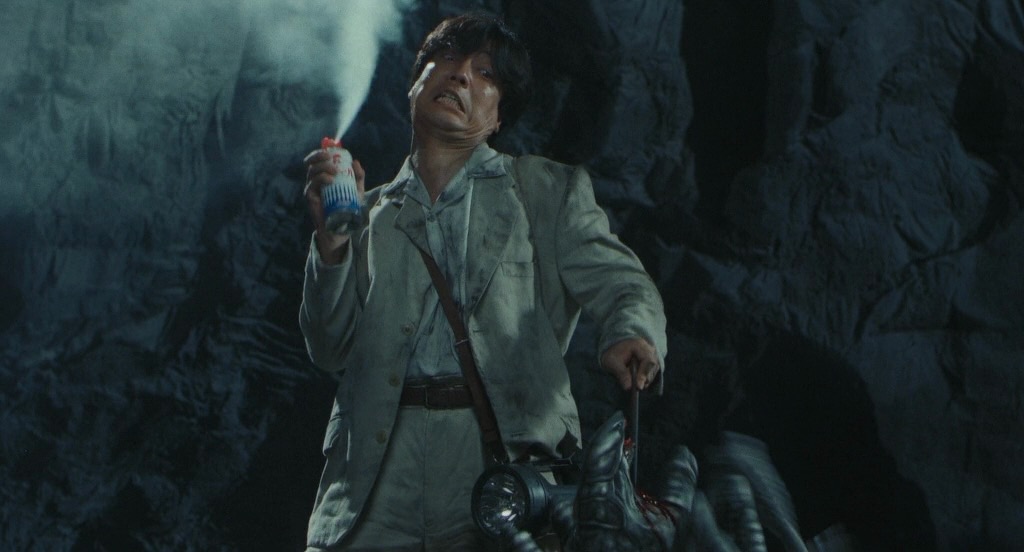
The goblin is hard to deal with, since people who see it tend to chop off their own heads. Student Masao has an exploding growth on his back, a Tsukamoto specialty. Disgraced Archaeologist Hieda (Yumeji / Mr. Katakuri) shows up at a high school with homemade ghostbusting equipment, summoned by a professor who then got Evil-Deaded by the goblin’s-eye camera. Masao and Hieda and the school janitor (the non-bald doctor in Dogra Magra) have to piece together the mythology and save the world from evil, I suppose.
White of the Eye (1987, Donald Cammell)
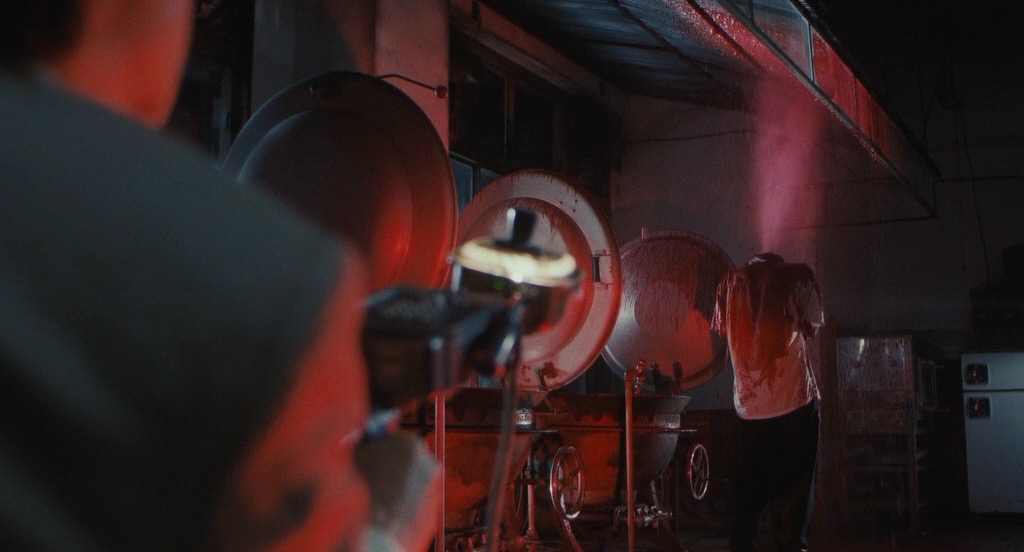
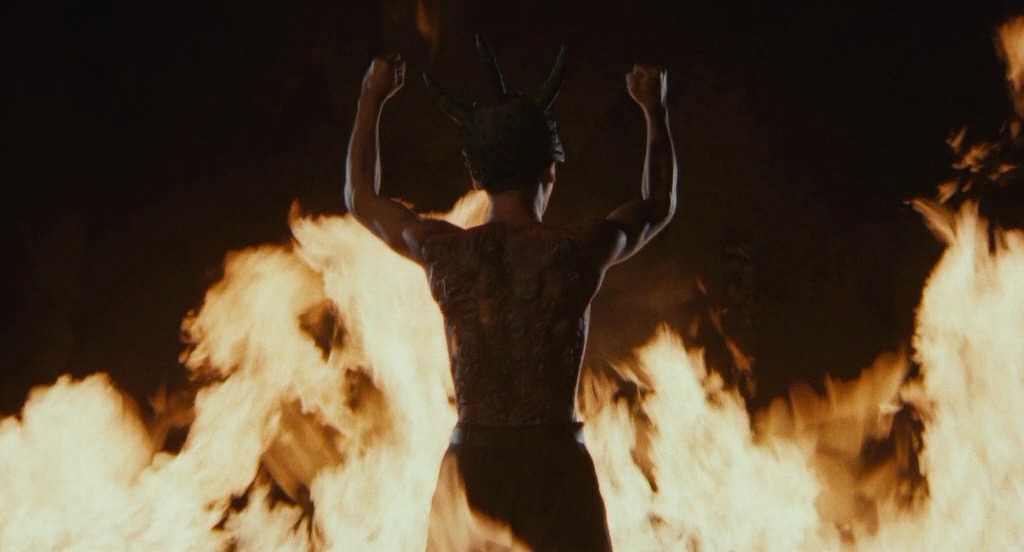
Good bright color and 1980s slow motion, bad Pink Floyd music. Women be shoppin’, then be gettin’ murdered at their homes in Tucson. Was it possible for artists working in the 1980s to not produce an “80s movie?” Certainly not in this case, and the music is largely to blame. Cammell pulls off some great angles and edits, like a glitchy Nic Roeg movie, and overall I felt bad not liking it after reading this.
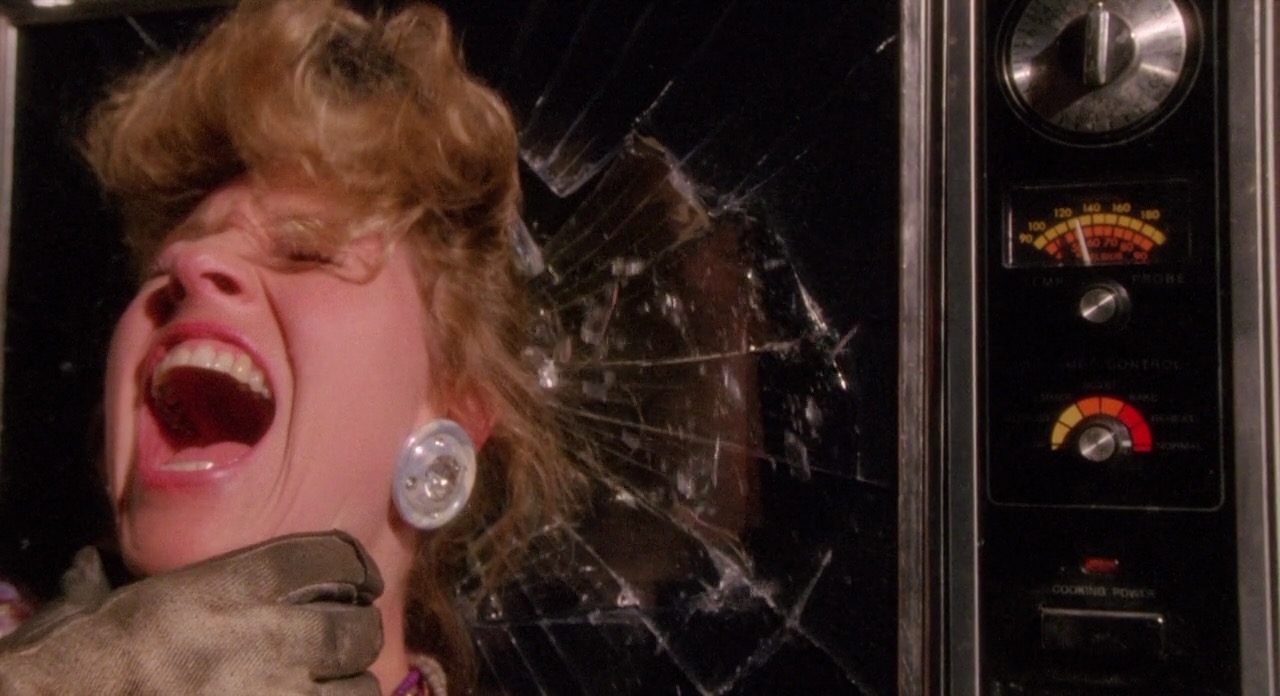
David Keith is an audiophile home stereo installer, who drives an ugly green van while listening to opera. The cops start questioning him about being nearby the recent savage serial killings, leading his wife (Bronx blonde Cathy Moriarty) to ask questions, leading to marital discord. Her husband is very upset about being considered a possible murderer, although he is the murderer, and now he sets out trying to murder her and their daughter. If you’ve seen a 1980s movie, you know this will all lead to machine guns and explosions, somehow. The husband is the Firestarter dad, while the murder investigator is from Christine. I checked to see if I could find enough Stephen King movie veterans to form a pattern but just ended up with The Keep, Matinee, Witch Hunt, and Return of the Killer Tomatoes.
TV/Q3/2026
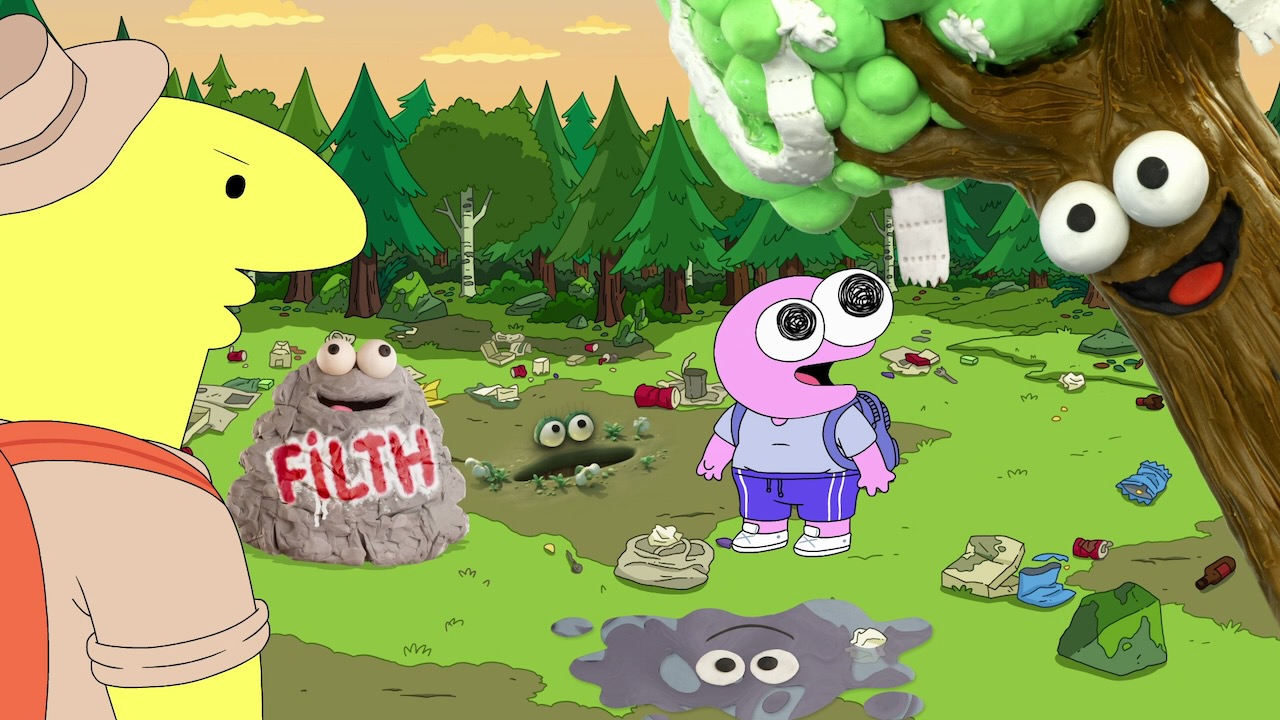
Smiling Friends season 3 (2025)
Animation-wise episode six is the greatest, one of multiple agency origin stories.

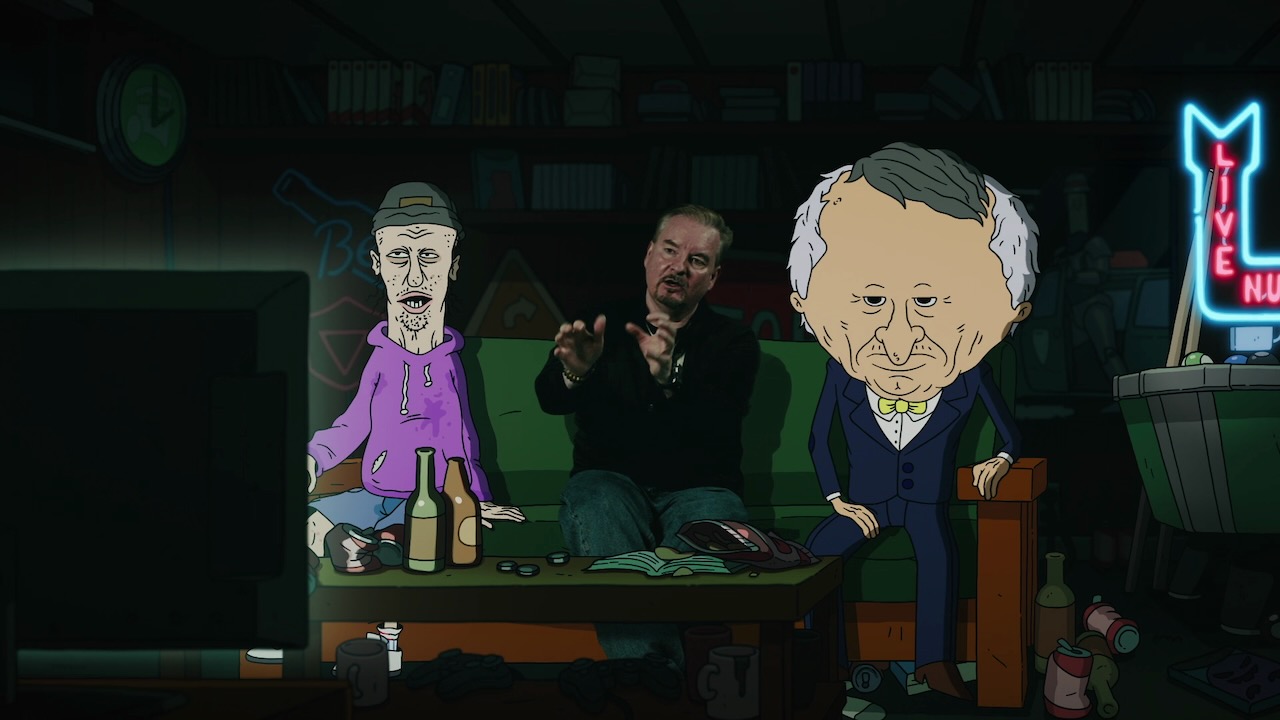
Beef House (2020)
Pretty good fake sitcom. The People’s Joker director worked on this.
Funny Games U.S. (2007, Michael Haneke)
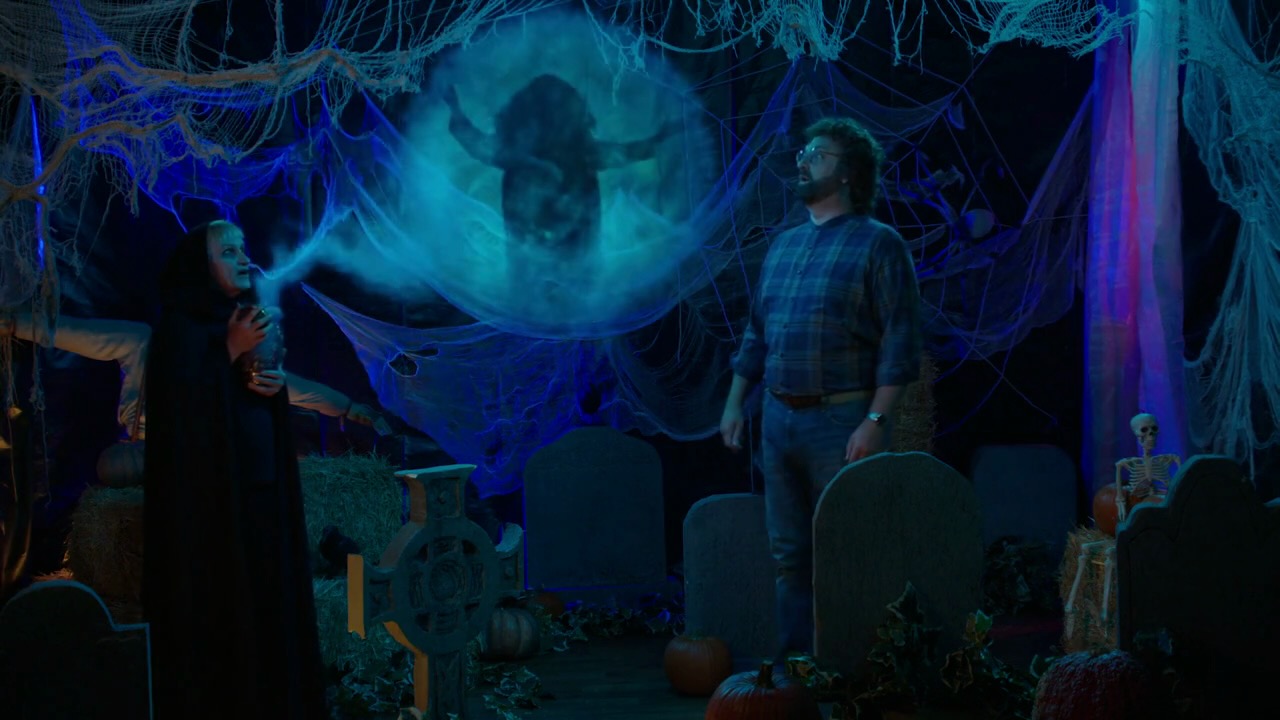
Hadn’t watched the original in so long I’ve forgotten most of it, so why not refresh my memory with the remake, which everyone says is exactly the same movie but in English. No missteps noted in the adaptation, this worked out great for everything except the actors’ reputations. I’ve only seen one movie each by tormented parents Naomi Watts and Tim Roth (not counting Twin Peaks season 3) in the last two decades but maybe that’s a me-problem. Tormentor Michael Pitt was tenth-billed in Seven Psychopaths (so, not a psychopath). His softer-spoken (briefly-dead) co-conspirator is Brady Corbet, who was just getting started, first starring in all the big arthouse dramas and now directing them.
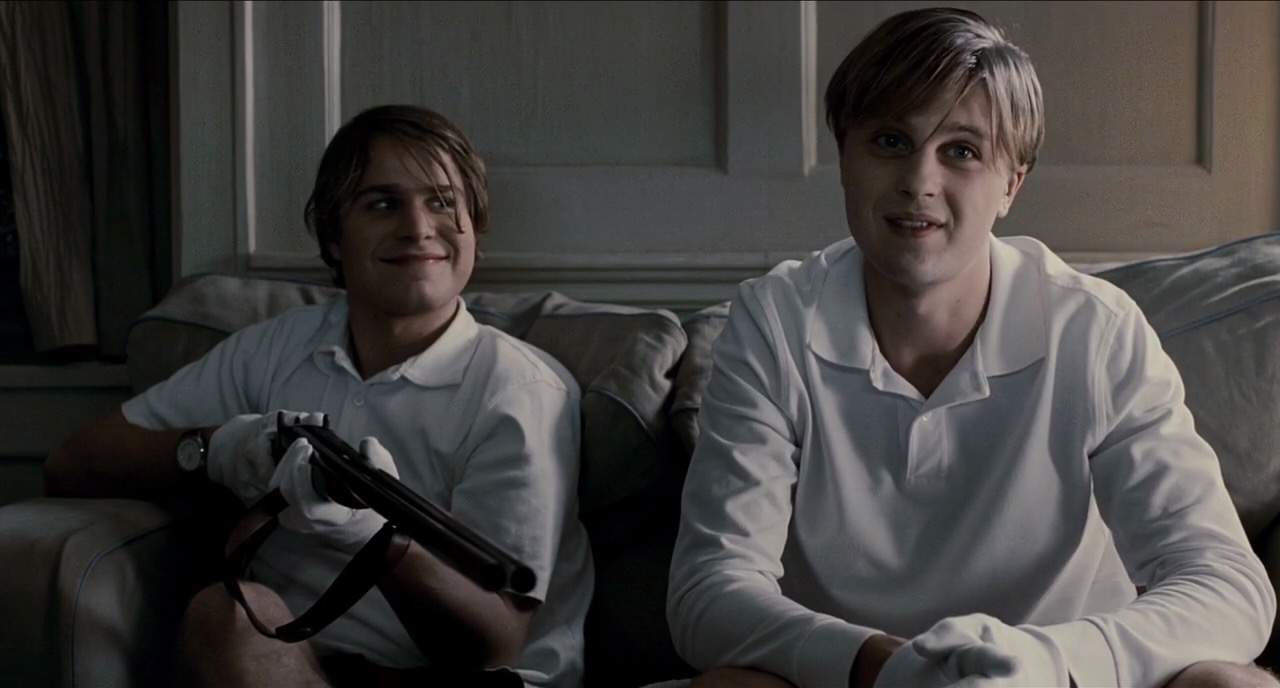
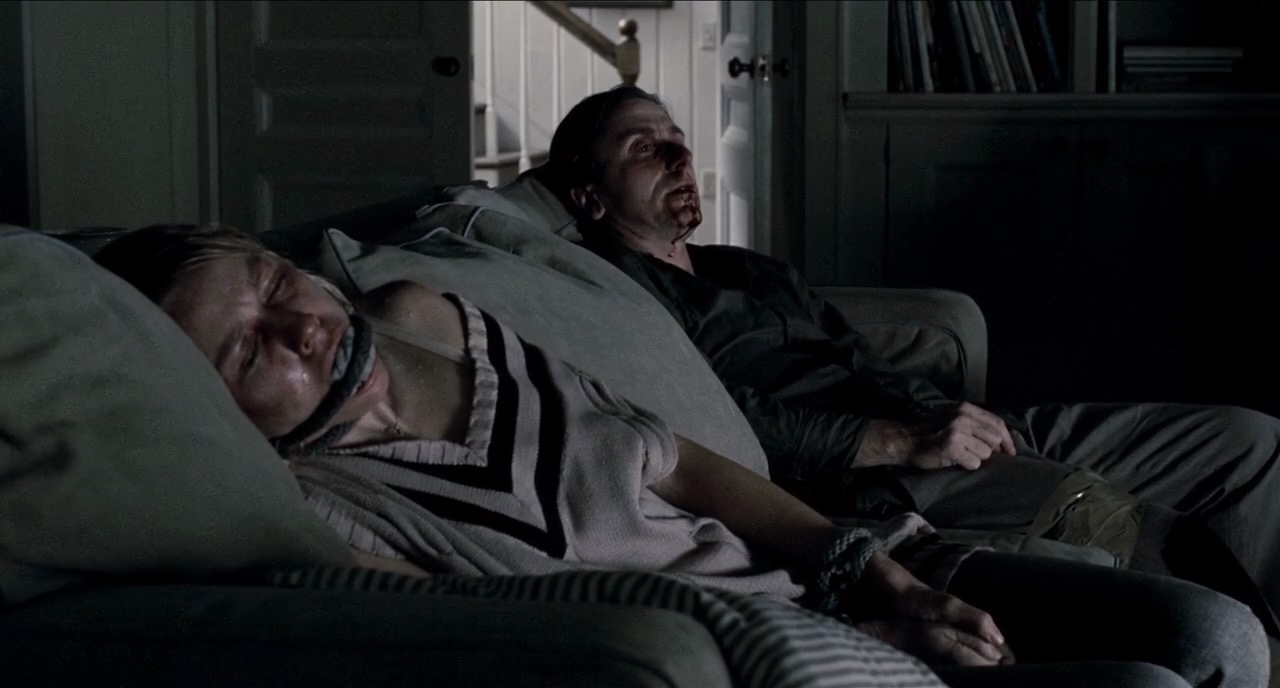
Family members attempt escape, all are caught and executed, just another stop on these guys’ tour of lake houses. When these movies first came out I wasn’t familiar with Naked City, which plays a couple times, but now I realize the movie is about two cool John Zorn fans struggling to put up with regular society.
Whirlpool of Fate (1925, Jean Renoir)
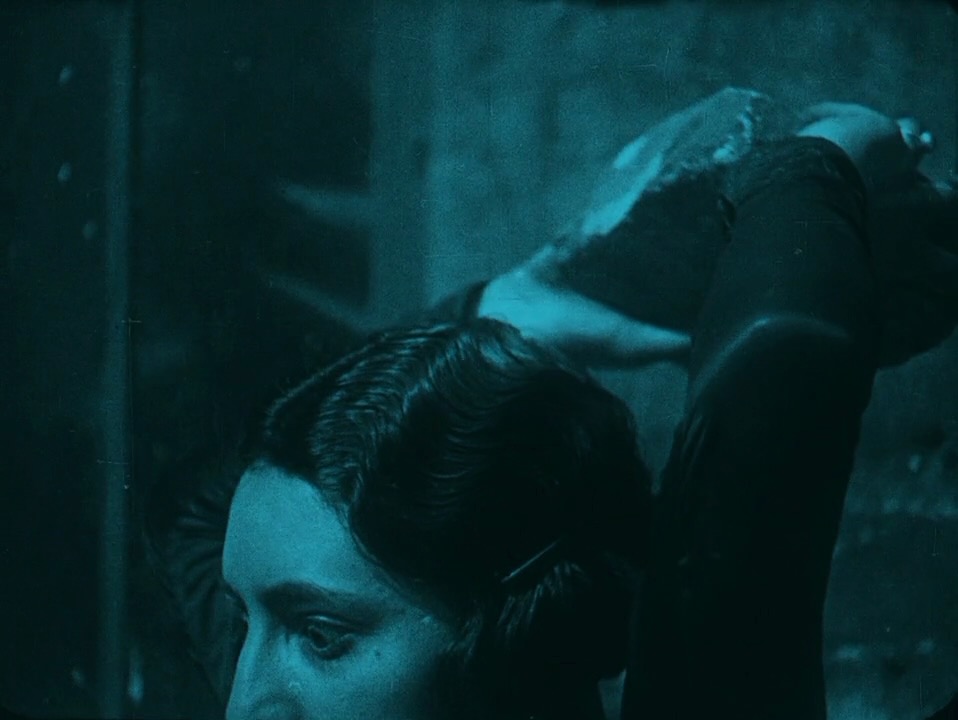
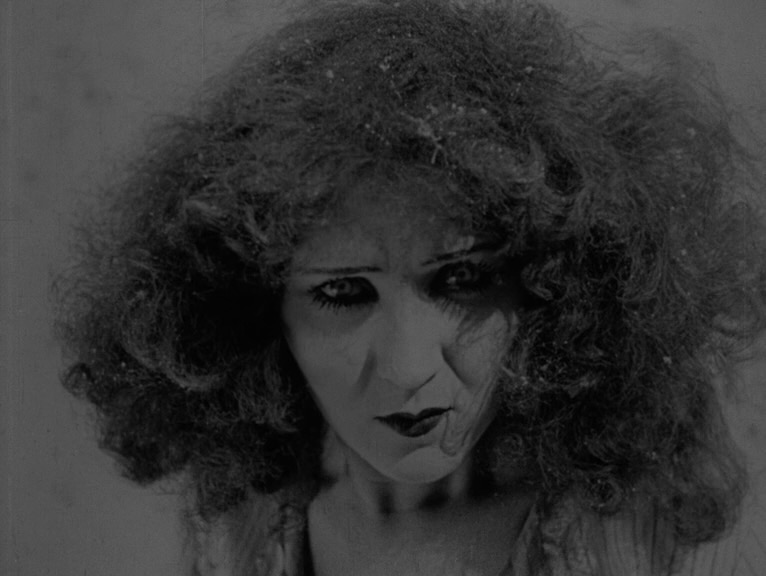
Checking out the Renoir silents with my faithful playlist of weird jazz. Cute riverboat girl Catherine “Nana” Hessling loses her dad to a random fall overboard and becomes the ward of her abusive uncle. Things aren’t gonna get any better from here, if the film title is to be believed. She meets a charismatic poacher named Weasel who provokes the locals into burning his house down, the girl left crying while Weasel skips town with her dog. But the girl doesn’t deserve all this torment by 1920’s standards, she hasn’t done anything wicked or evil like have sex with a man, so after she has some cool hallucinations (Melies cauchemars, lizards and anti-gravity) she’s discovered by a nice rich boy who helps fight off the uncle when he tries to return.
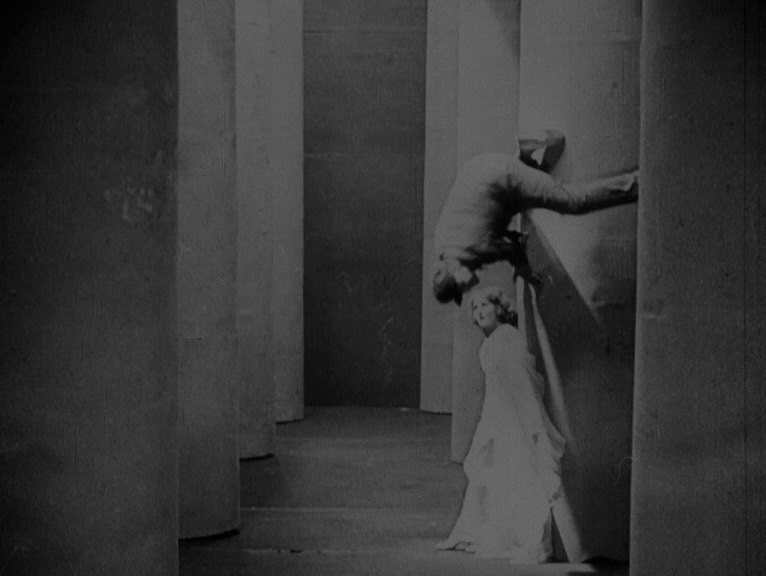
This Night I’ll Possess Your Corpse (1967, José Mojica Marins)
Coffin Joe is still a real asshole to everyone he meets – an atheist and completely insufferable about it. In the last movie, after killing a bunch of people, he ended up blind, insane, and dead. This one simply opens among a mad montage of grave-clawing hands and squigglevision credits with [townspeople] “he’s still alive!” [doctor] “he’ll see again!” [judge] “exonerated for murder!”, and then we get on with it.
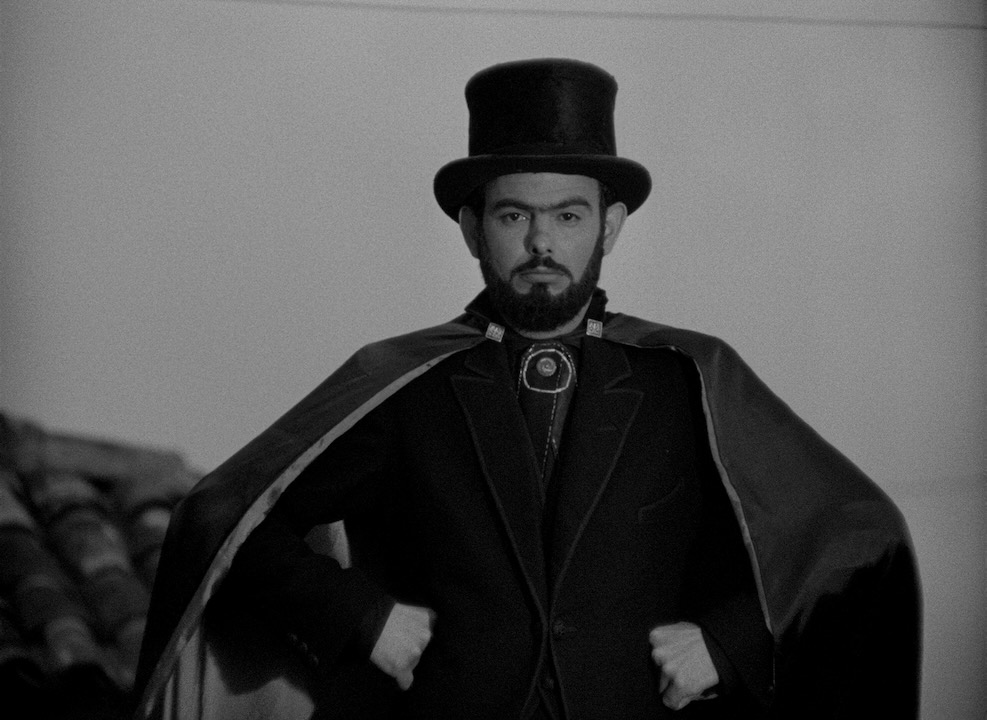
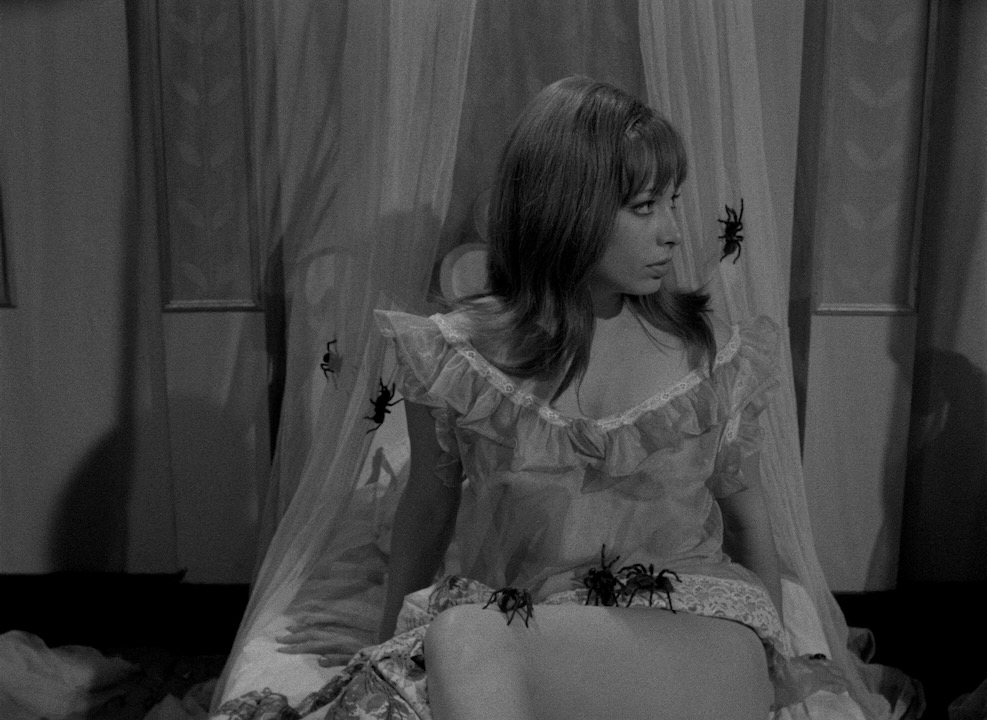
The townspeople gather to shout about their women who’ve gone missing, figuring the culprit must be Coffin Joe, then Joe comes out to yell at them, saying what, because I’m different?! I’m just as guilty as each of you, and I vow to go out and find this kidnapper! Then he goes straight home to his room full of kidnapped women and gives them another speech about how superior he is – belligerent speeches are his love language. Then he covers the women in giant spiders while they sleep.
Note the parrot behind Henchman Bruno:
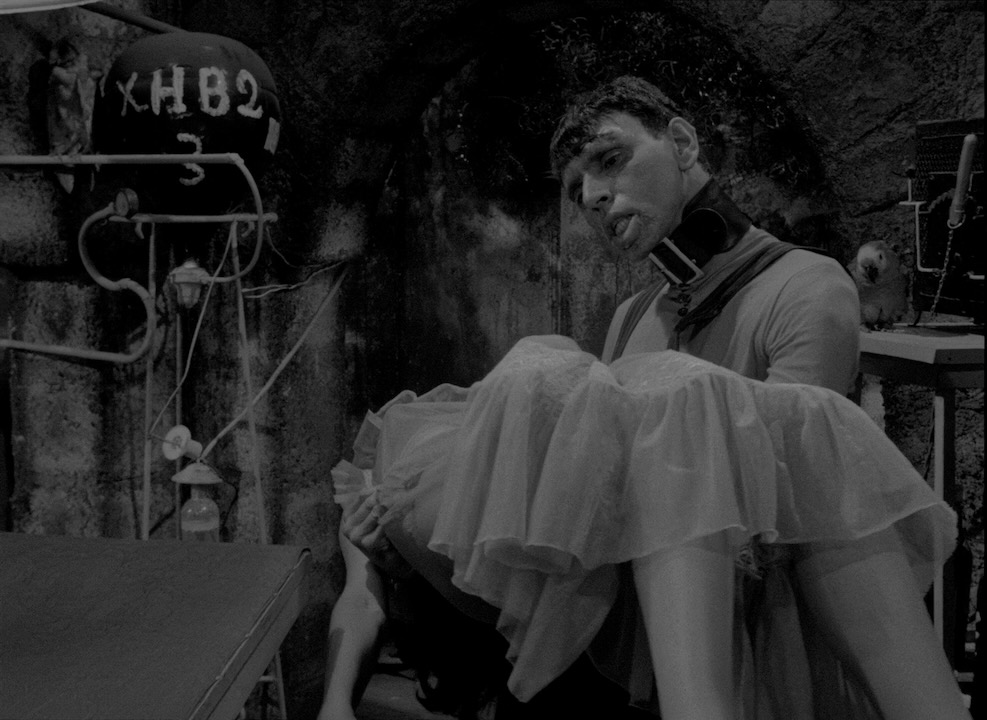
Based on his actions, this does not appear to be a true statement:
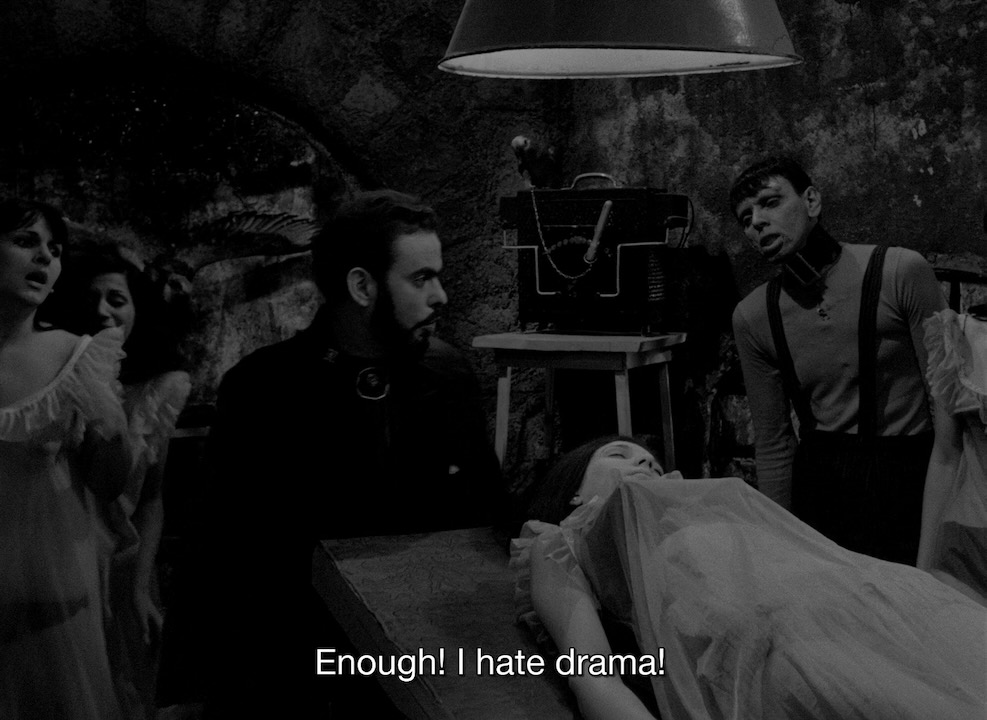
It’s a little funny to cast yourself ranting about your superior mind, taking on an entire town full of the dumbest people alive. He shows interest in the colonel’s daughter, and when her brother tries to pay him off, Joe takes the money and crushes the brother’s head, framing some bald guy for the crime. His entire scheme involves setting traps for the women until he finds the most superior among them, then impregnating her to begin a new master race, so women are dying every few scenes, including, finally, his would-be bride, precipitating Joe’s downfall.
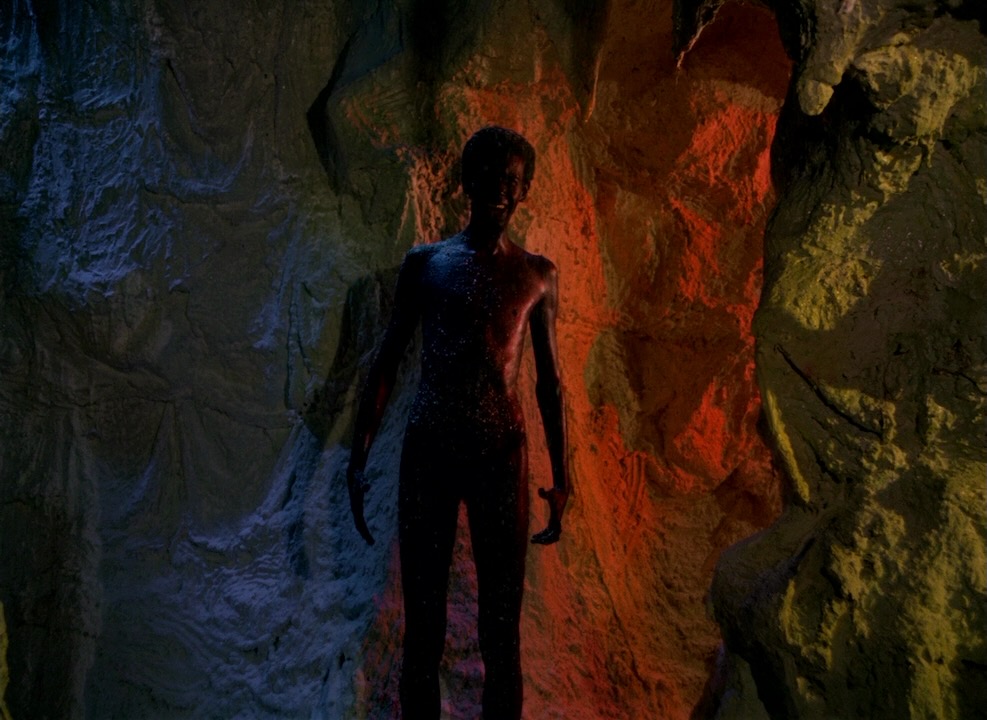
The backrooms:
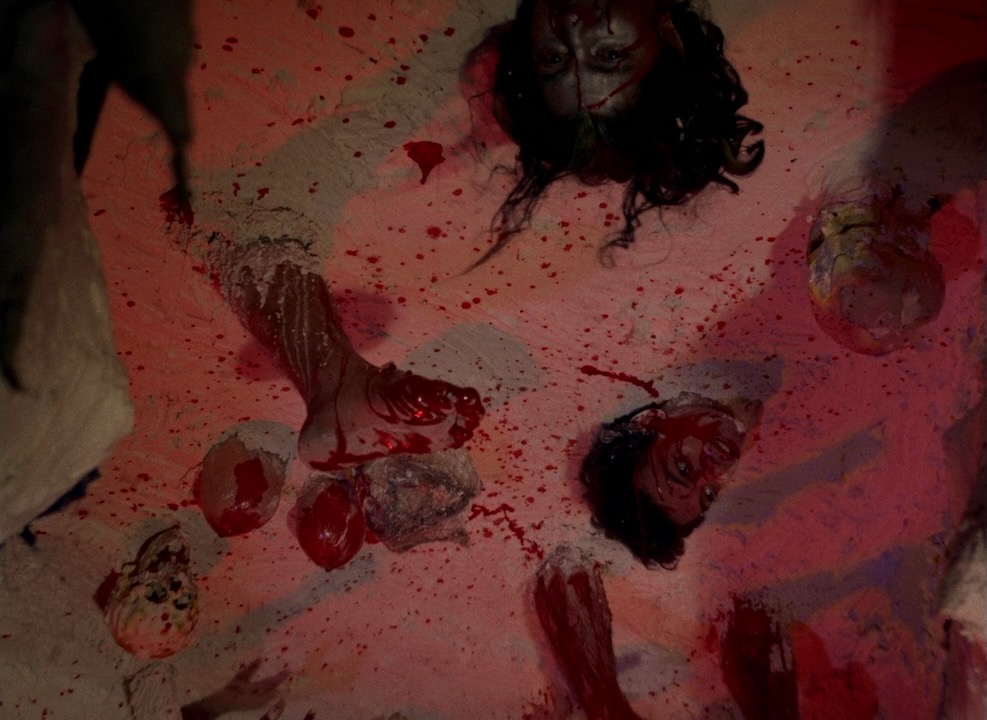
Joe has a prolonged hell-nightmare in color, then goes into town and gets captured by his enemies, but they are extremely dumb and slow. He wanders into a storm daring God to strike him down, and when God does, Joe says ahh that proves nothing. A surviving girl from the snake incident (I believe that was after the spiders) rats on him, so a torch mob chases Joe into a skeleton swamp. Supposedly he accepts religion in the moments before drowning in the swamp, but he’s filmed from behind, we don’t see his mouth moving, so I don’t buy it. Coffin Joe would return in Embodiment of Evil… forty years later.

Ménilmontant (1926, Dimitri Kirsanoff)
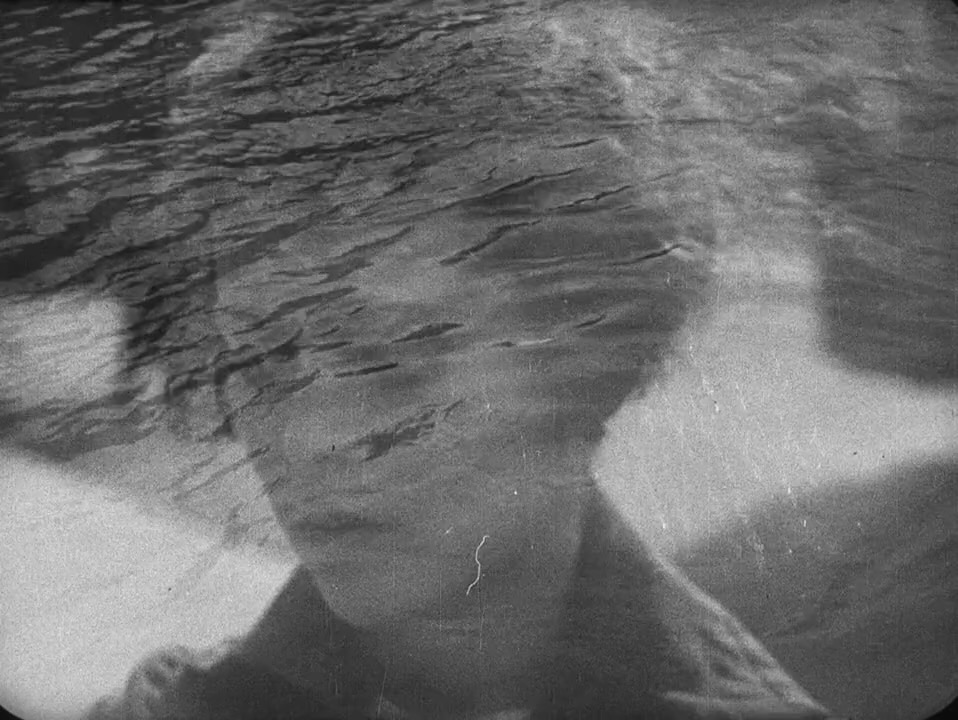
A couple gets axe-murdered in the opening seconds, orphaning their two fully grown frizz-haired daughters who are pretending to be cavorting schoolgirls. Once they’ve grown into their actual ages they get exploited by the patriarchy, as far as I can understand – Kirsanoff is more of an editing nerd than a clear storyteller. The cad who has taken advantage of one (or both) of them gets his head smashed in by some third woman and her mustache-man, in a mirror to the open. I played the music on the disc, nice and sinister.
Orphan road:
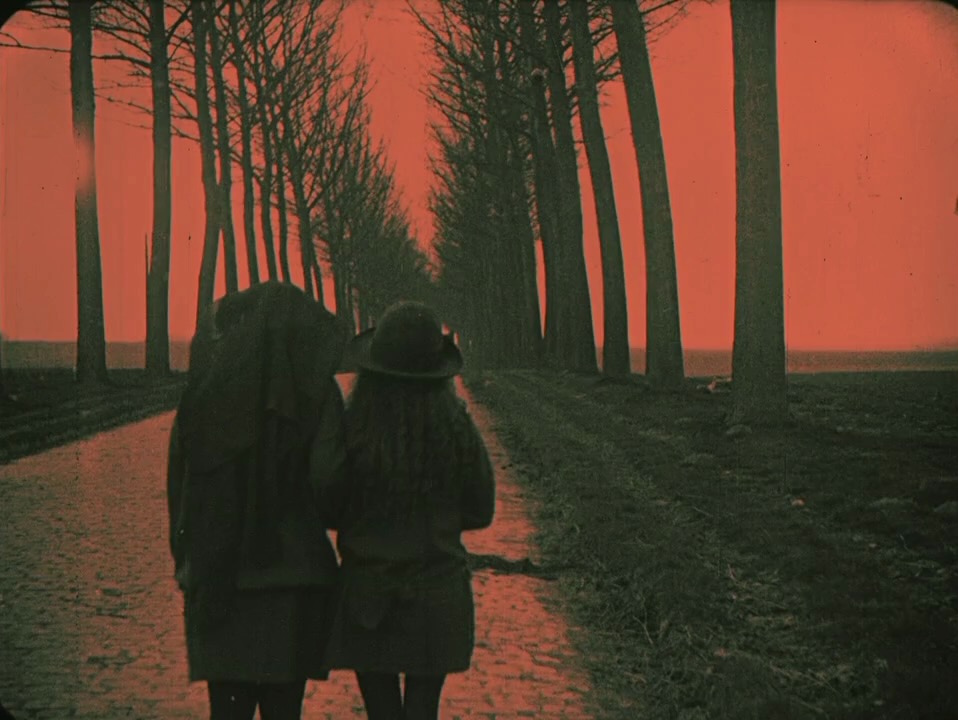
Destitute new mother contemplating a watery grave:
Death to the cad: