Self-analyzing cinema, Scream without the thrills. Kids in the Hall sense of humor with stunt-cast harbinger Kevin McDonald. “There is a hole at the bottom of the lake where the movies come from.” Sleepaway Camp and Friday the 13th both exist within this movie, they’re both mentioned, but they’re also ripped off (Friday sequel titles, Sleepaway closing shot) by the fake Miasma franchise. The middle quarter of this is just Camp Miasma Part 1, featuring a long-take massacre to Counting Crows’ A Long December, which has never felt longer: digital kills combined with film texture and VHS love (return of the Videodrome flesh slot from TV Glow). I liked it, of course – the fantasy of going inside your favorite horror franchise to make out with Gillian Anderson.
Category: Movie
Betty (1992, Claude Chabrol)
Marie “daughter of Jean-Louis” Trintignant is Betty, a “drunken, self-destructive woman” who wanders into the life of Stéphane Audran. Each woman crashed out of society after losing a husband. Now Audran is dating local barman Mario (returning from a Chabrol/Audran movie 15 years earlier). The flashbacks are groovy, ranging from long sections to subliminally quick shots. Ultimately Betty runs off with Mario, leaving Audran to despair and suicide. The closing voiceover tells us it was always gonna be one woman or the other, though it never seemed like a struggle at the time.
Police Python 357 (1976, Alain Corneau)
A guy and his boss are seeing the same girl, then the boss murders the girl, but all evidence points at the guy. Yes, it’s a Big Clock remake, minus the clock, sleazier, and with the guys turned from reporters into cops.
When you are the lead suspect in your own investigation:
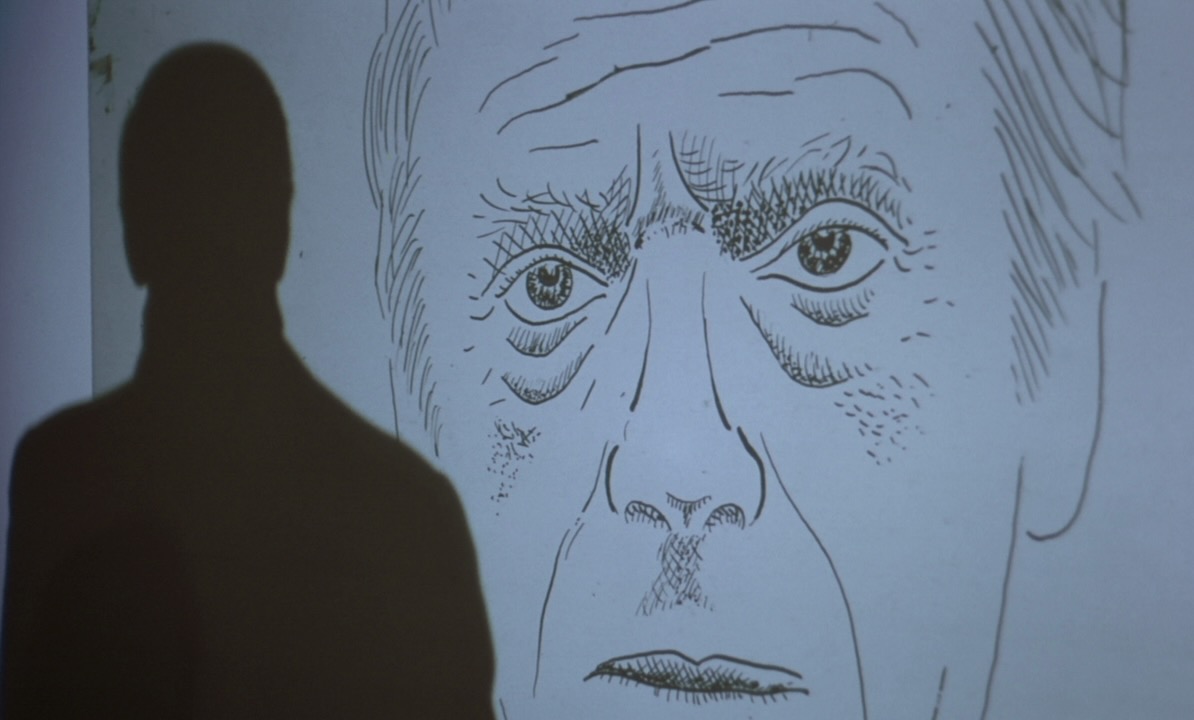
The killer cop boss is in all the cop/killer movies where guys wear cool hats (Le Samourai, Le Cercle Rouge) and was Heurtebise in Orpheus. Stefania from The Conformist rejects his gifts, so he beats her to death with a stone, then immediately confesses to his bedridden wife Simone Signoret. Post-Tout Va Bien Yves Montand investigates by tearing up the girl’s apartment, finding hidden mementos everywhere, then he goes around attacking potential witnesses, getting himself tailed by a glasses-wearing cop (of Malpertius, which I coincidentally bought on blu-ray on the same day as this).
Drunken Yves liberates some pigs:
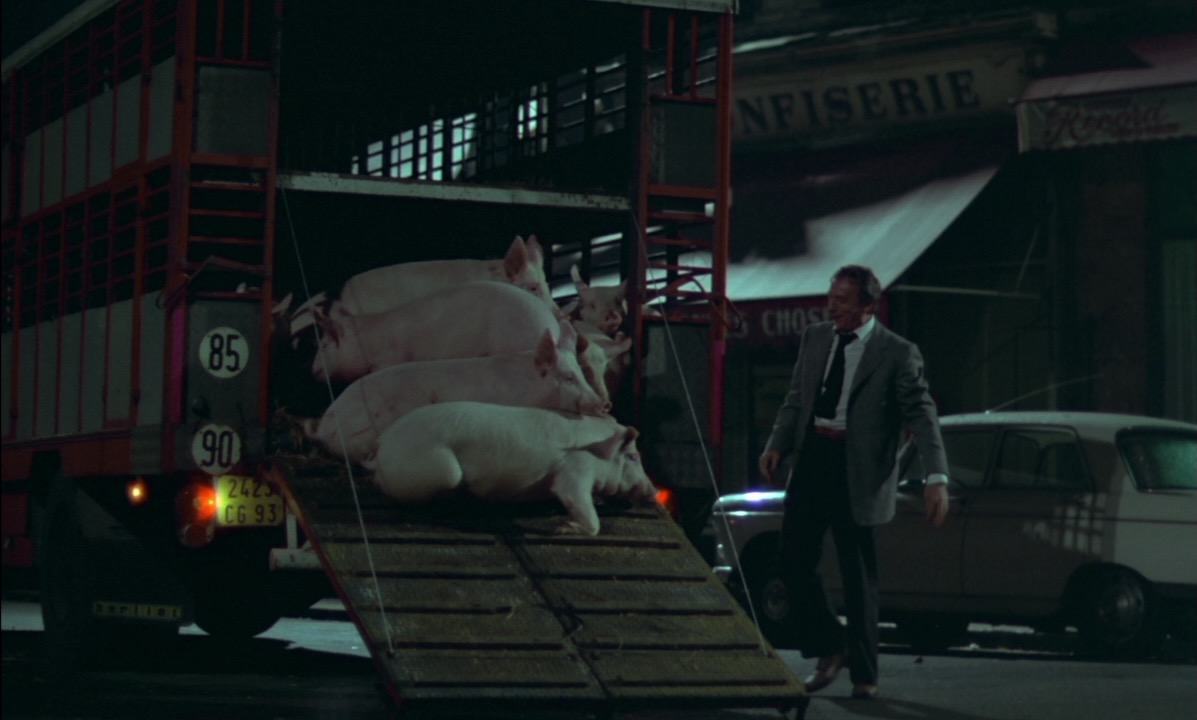
Things get dark for Yves – he burns his face with acid after killing the boss and mercy-killing the boss’s wife (witnessed by Glasses Cop), then with nothing to lose he “becomes a weapon” and supercops some bad guys in the big action finale. I’m making it all sound generic, but it’s an improvement on The Big Clock and I’m hoping to check out Corneau’s Serie Noire next.
Mouseover to set fire to your memories:
Prey (2022, Dan Trachtenberg)
Extreme amount of leveling-up here. She fights a lion, fights a bear, invents a new way to throw an axe, invents a grappling hook to save herself from quickswamp, learns from everyone else’s mistakes, masters her own weapons, fights French trappers, learns the white man’s weapons, learns the alien’s weapons, then defeats the alien using all these tools and skills.
Amber Midthunder is from X-Men spinoff Legion, where she shares a body with Bill Irwin. Trachtenberg is good – he made my favorite Black Mirror, Cloverfield, and now Predator. I haven’t seen the original in 35 years and still caught a couple of direct callbacks – one cool and one irksome. People online complain about the CG animals, and I’m a big hater of those but didn’t mind it here – it’s very high-energy, and how else is an actor gonna fight a lion?
Full Contact (1992, Ringo Lam)
A few groups of ultimate badass killer burglars get into death feuds with each other because nobody can act professional for just a few seconds at a time. A couple of love triangles here: hot dancer Mona is dating extreme badass Chow Yun-Fat (in his extreme badass era, same year as Hard Boiled) then when he disappears she bounces to sniveling ponytail weenie Anthony Wong. And Wong bounces from his best friend Chow to gay magician Simon Yam, falling in with Yam’s gang of villains (a girl named Slut and a guy who I just saw Riki-oh kill).
Injured Chow rescuing a dog:
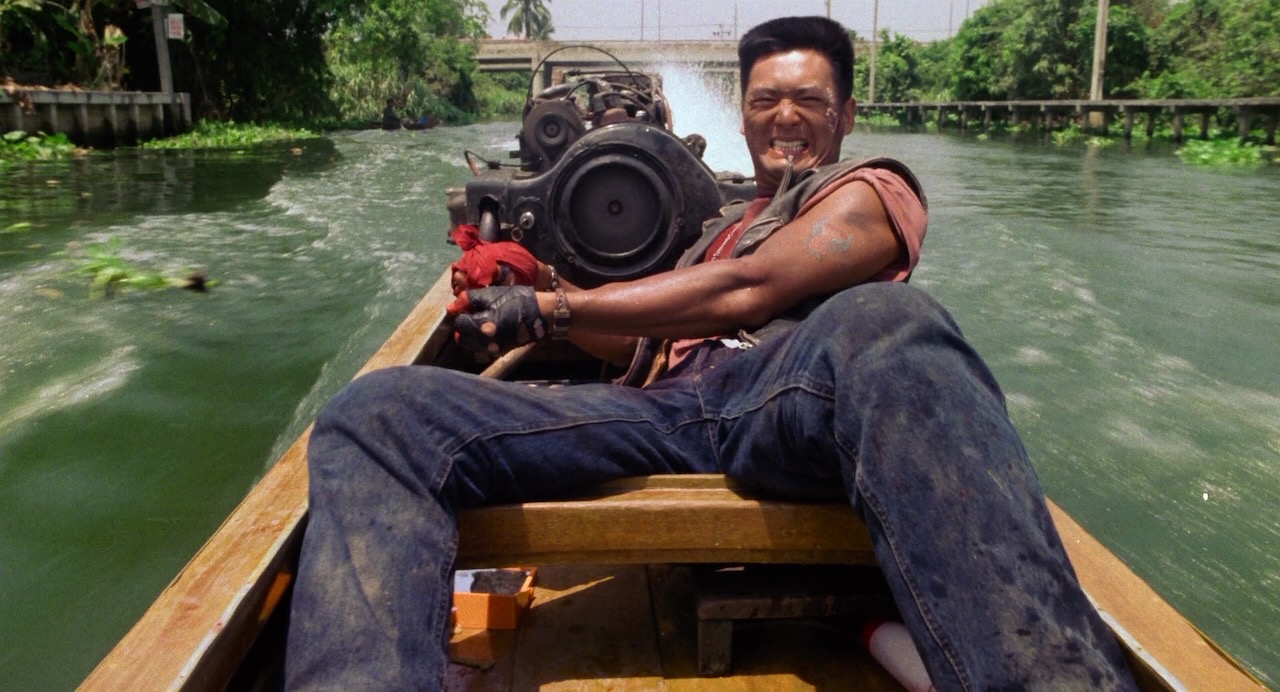

Chow is supposedly killed on a job in Thailand, so everyone’s upset when he comes back around and starts using traitor Anthony as a spy. Didn’t feel as distinctive as the last Ringo Lam movie I saw, just a 90s actioner, the actors giving it as much life as they can until it’s time for the finale when twenty cars blow up while Chow and Yam have their monologues and shootouts. That’s not to say I didn’t have a great time watching these psychos torment and kill each other.
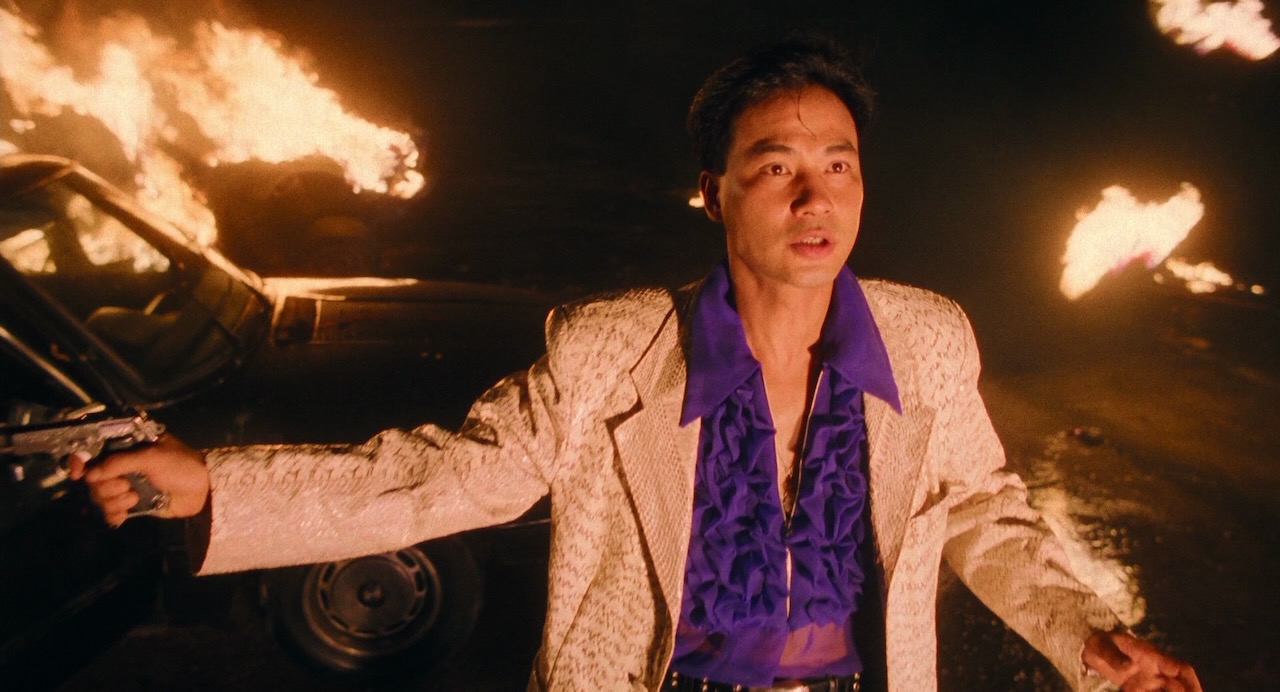
Riki-Oh: The Story of Ricky (1991, Lam Nai-Choi)
Movie opens with Ho Lik-Wong going to prison, chest full of bullets, getting on everyone’s bad side… that’s right, according to my version’s perverted subtitles, the lead guy in Riki-oh: The Story of Ricky is not even named Ricky.
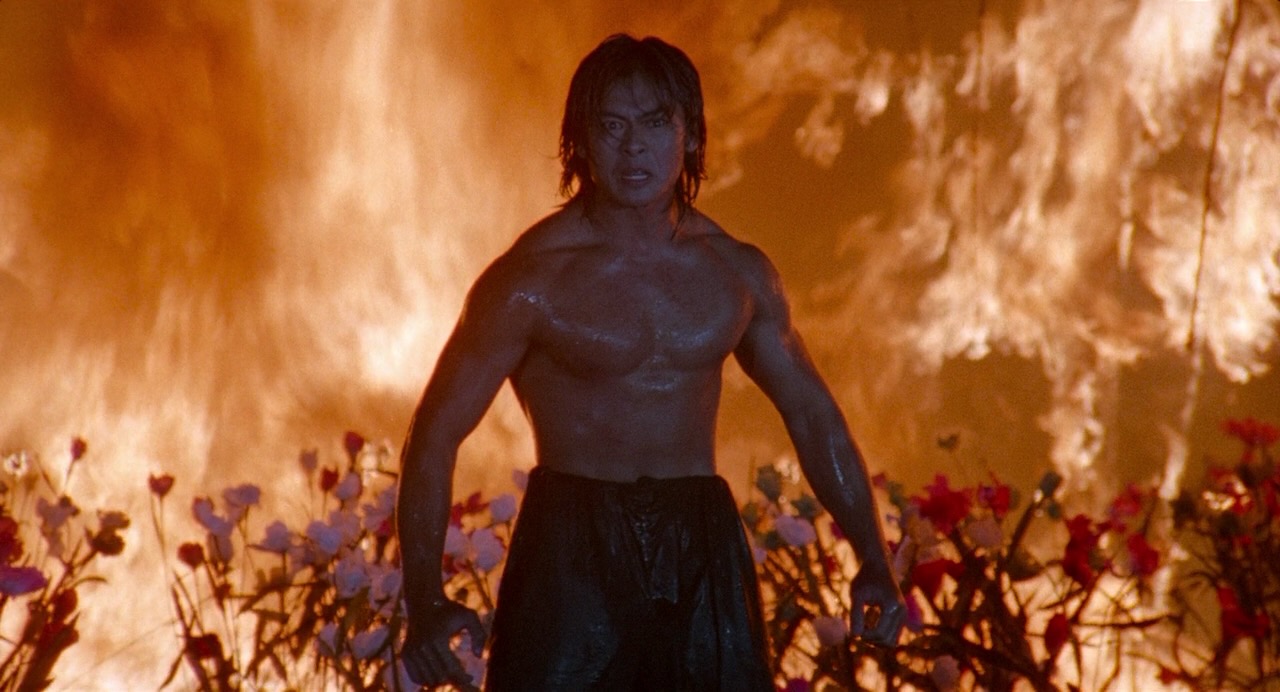
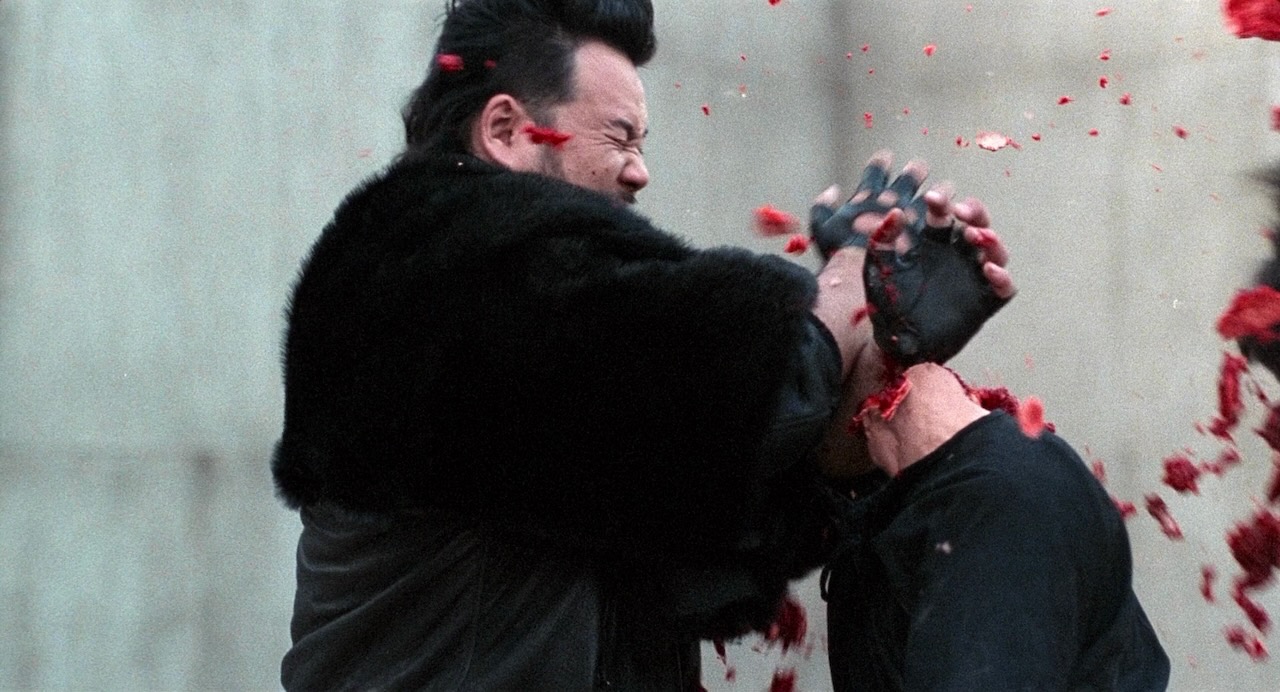
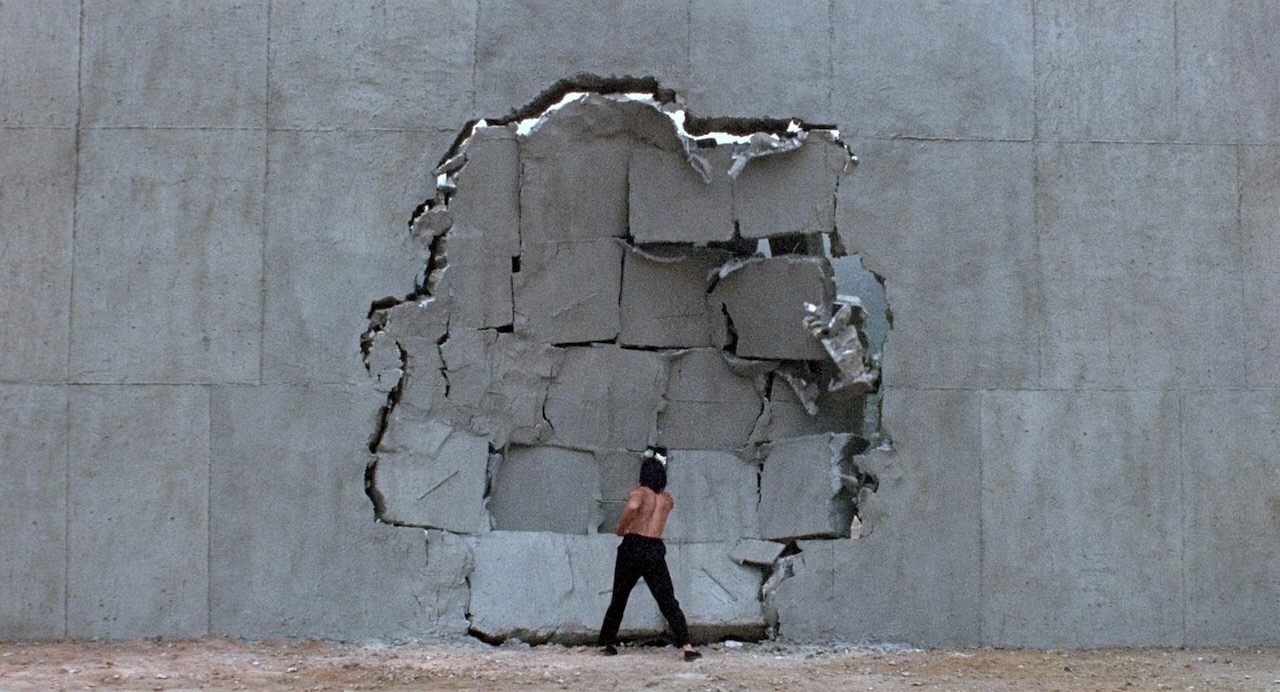
The local toughs try to set the new guy straight, but Ricky beats the absolute hell out of them, quickly escalating matters to the higher toughs – there are so many toughs in this prison, really brutal dudes, and Rick One-Punch-Man‘s most of them into gory blood fountains. Somebody has Dead Alive‘d Brawl in Cell Block 99.
The assistant warden has a nice library of pornographic videotapes:
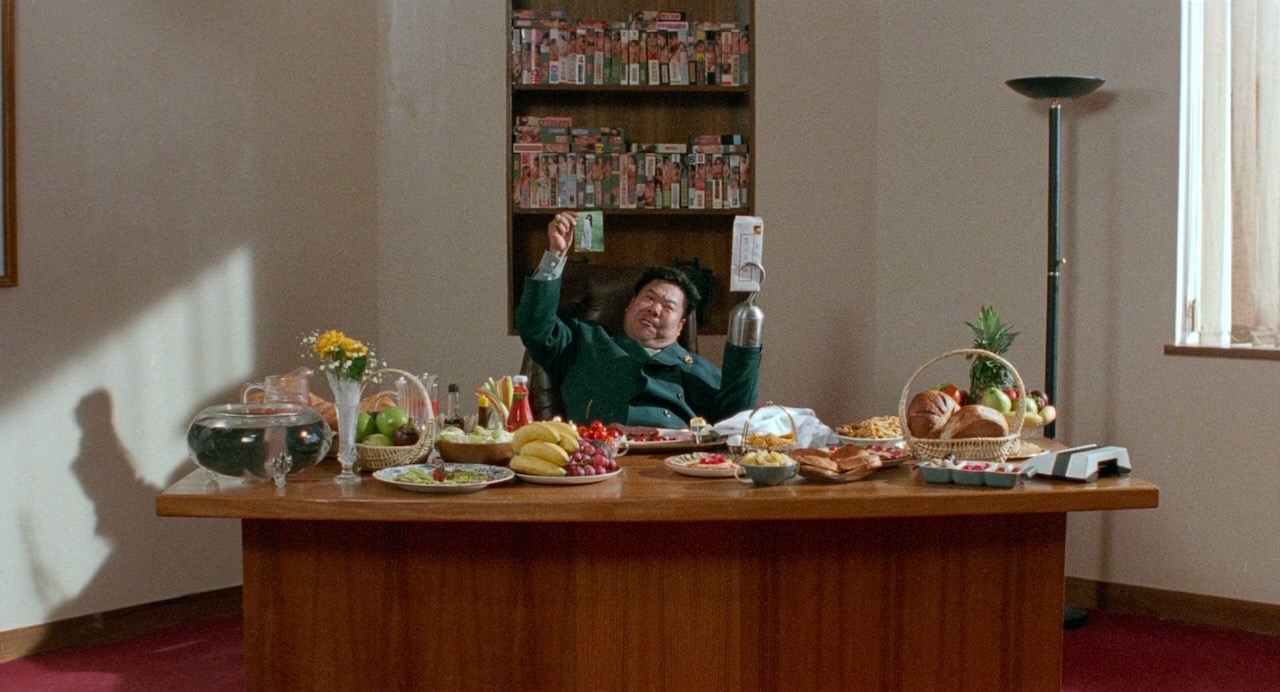
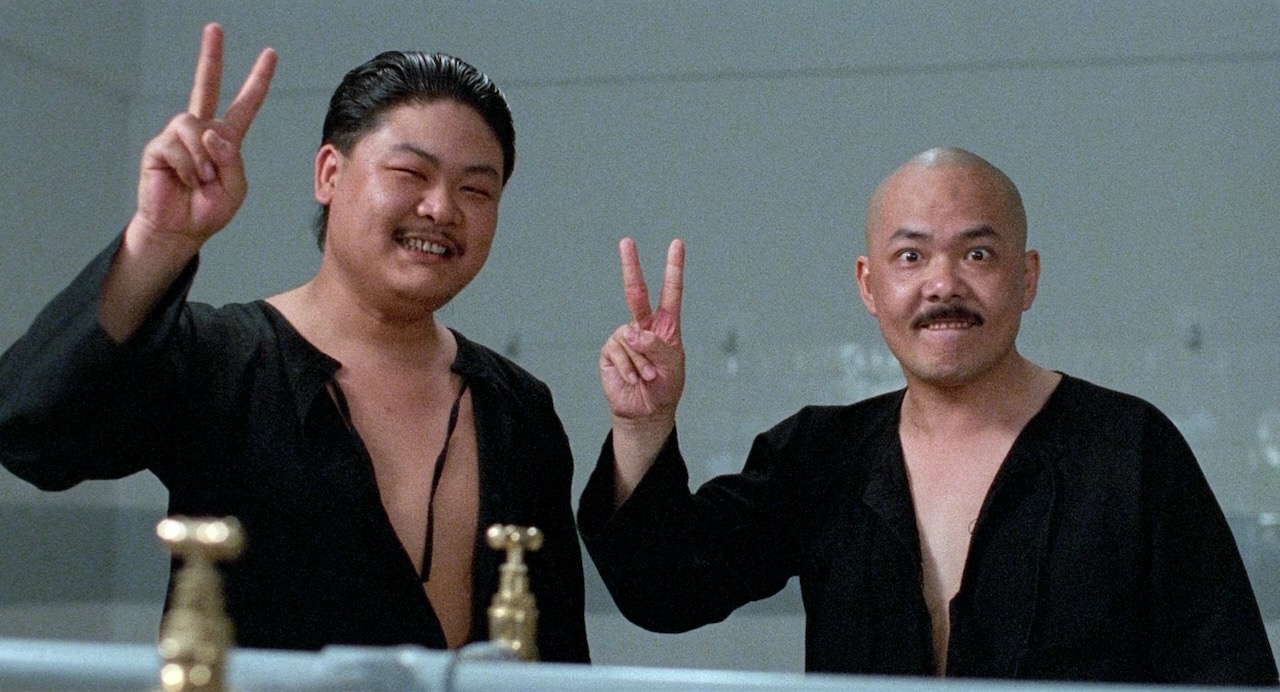
Of course Ricky has a flashback flute that triggers his backstory, and of course the toughs have various alliances and secret weapons and side plots. “The warden is the best kung fu fighter of a private prison,” so he transforms into a beast then is quickly crammed into the meat grinder by invincible Ricky, who sadly got no sequels. Ricky would go on to Supercop 2, some Donnie Yen movies, and Flying Swords of Dragon Gate. Eighteenth-billed Lam Suet would go on to twenty of my favorite Johnnie To films. Wouldn’t be a bad idea to watch the director’s other movies: a Maggie Cheung skeleton-fighting jungle curse adventure, a cat from outer space, something about opening the gates of hell, and one called Erotic Ghost Story.
Mouseover to punch your way right out of prison:
Shorts Month 2026: D
Let’s Make Love and Listen to Death from Above (2022, Ayanna Dozier)
Warholian: a couple making out is only seen from the knees down, then the camera gradually moves up, but I guess the viewer has to provide their own Death From Above since my copy was silent.
–
Mindscape (1976, Jacques Drouin)
Terrific light-and-shadow landcape. A painter stendhal-syndromes into his own canvas, which then becomes a slideshow of different scenes, each morphing and shifting. Charcoal… oh no, it’s pinscreen, this must have taken a hundred years to animate.

–
They Caught the Ferry (1948, Carl Dreyer)
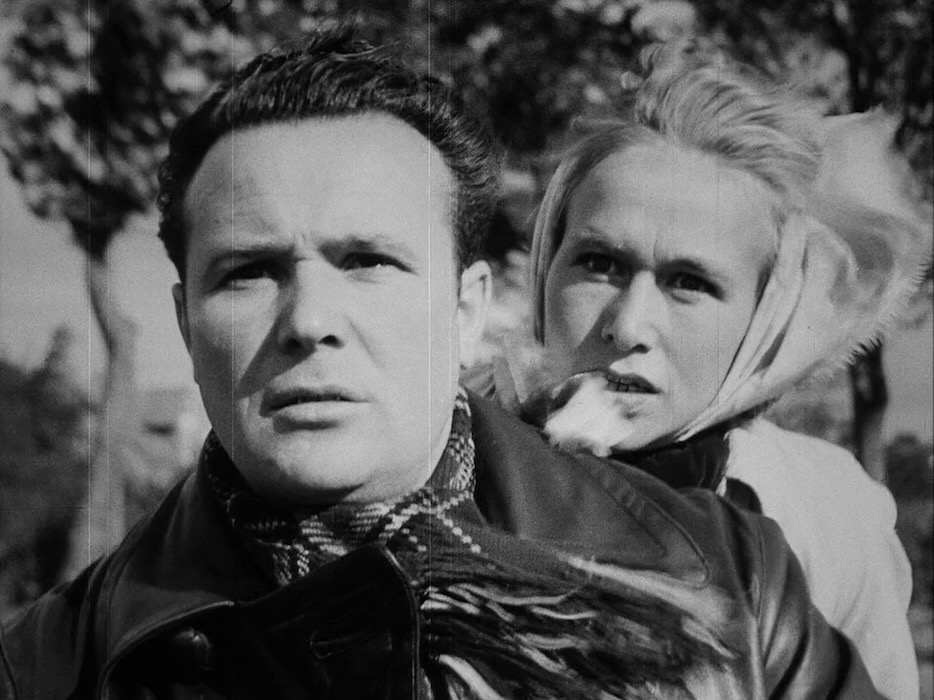
Motorcyclist getting off a ferry is determined to ride fast enough to catch another ferry. Even though this guy is supposed to be in an impossible hurry, he’s more respectful to the ferryman and gas station attendant than anyone in my city would be. Ultimately it’s the most action packed Dreyer film, and perhaps his only road safety movie. Rosenbaum: “Devoted almost exclusively to the tension and exhilaration of speeding down a country road, it is once more demonstration that Dreyer’s art, principally praised for its spiritual qualities, in fact rests on its concrete realisation of material experience.”
–
Woton’s Wake (1963, Brian De Palma)
More movies should open with a ballad. Woton is a silent-comedy maniac running through the streets and rooftops. He does some harmless pranks wearing different wigs and grotesque false noses: stealing women’s earrings with his long tweezers, spying a couple having sex through a skylight and roasting them with a flamethrower, the music all tape loops of junkyard horns. One day he creates a live woman in his laboratory, seemingly by accident. Ends in nuclear war, predating Dr. Strangelove by a couple years. The cloudy cinematography and flabby editing are familiar from other student shorts, but this team reeally went for it in the makeup and music departments. Heavy Seventh Seal and King Kong references, with lots of pie throwing (another influence on Strangelove).

–
The Responsive Eye (1965, Brian De Palma)
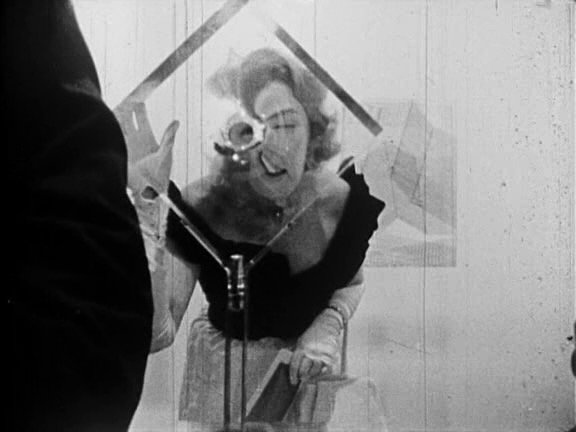
Listening to guys talk nonstop about an art exhibit of perceptual / optical illusion works. Every once in a while they’ll say something that makes the exhibit seem deeper than a Magic Eye book. The movie would be a great supplement after walking through the gallery yourself, but as a standalone experience you’re missing a whole lot, especially when they talk about the color effects we’re watching in black and white. A bit of De Artificiali Perspectiva in there. One group of critics say the exhibit is neat but they don’t think it counts as art – this would be unfortunate foreshadowing for the rest of De Palma’s career. The actress who played the pregnant teen in One, Two, Three makes an appearance. My favorite bit was when the curator bragged that the artists in this room come from all over the world, and his examples were: English, American, English again.
–
Blueprint of a Pleasure Machine (2022, Amit Dutta)
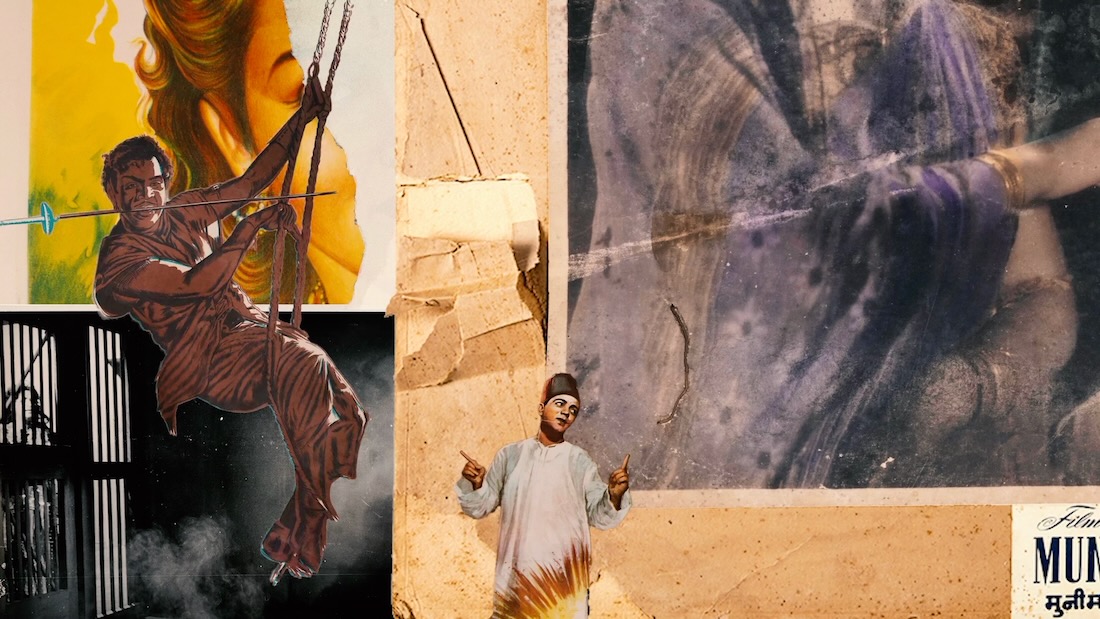
Art museum commissioned Amit to make a Klahr-style cut-up montage from their film advertisement collection. I couldn’t make much sense of the voiceover spy monologue, but the animation was fun.
–
Nightangel (1987, Jacques Drouin & Bretislav Pojar)
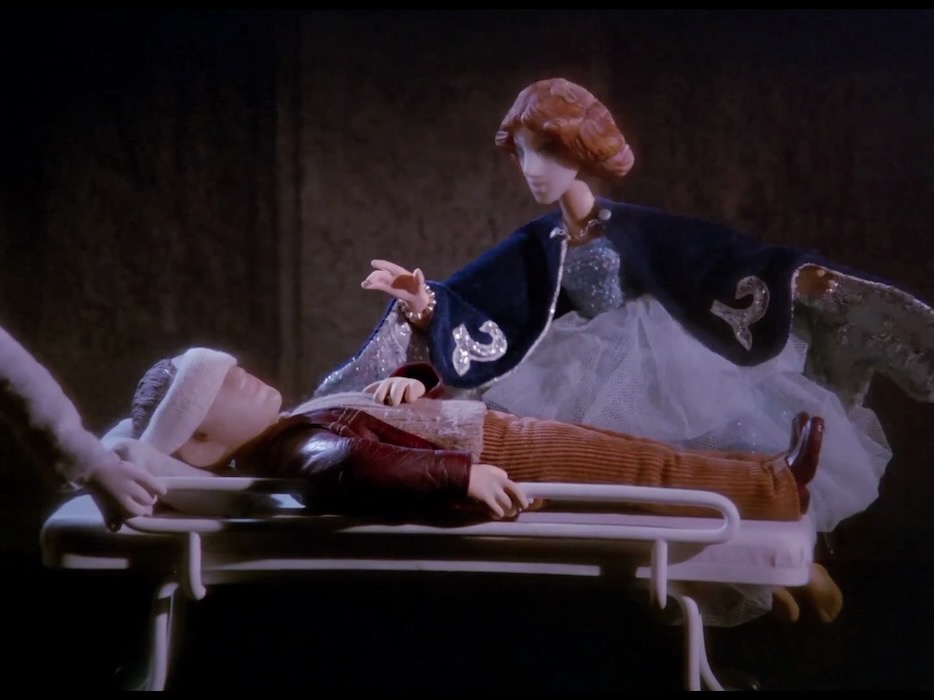
Jiri Trnka stop-motion, Alexieff pinscreen, National Film Board of Canada collab. Little guy sees the nightangel out his apartment window and runs out to meet her, is hit by a car and blinded for a few weeks. They use lighting so that we don’t see his surroundings until he perceives them, for instance, the table above his head is invisible until he bangs into it, the stairs aren’t there until he’s falling down them. The nightangel watches and helps when things get out of control, and when he can see again, they make out.
–
Review (2015, Dustin Guy Defa)
A girl inadequately narrates the plot of Taxi Driver to her friends, just like how I inadequately describe movies in the blog.

–
Lamentations (2020, Nathaniel Dorsky)
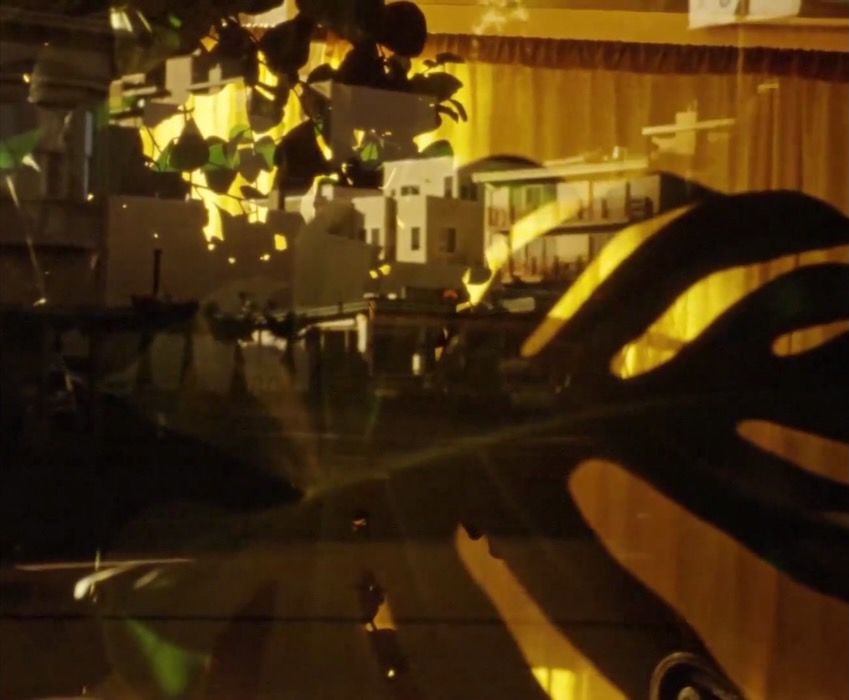
Looking at stuff silently through filters and screens. Messing around with focus. I tried to nap.
–
Permutations and Combinations (1976, R. Bruce Elder)
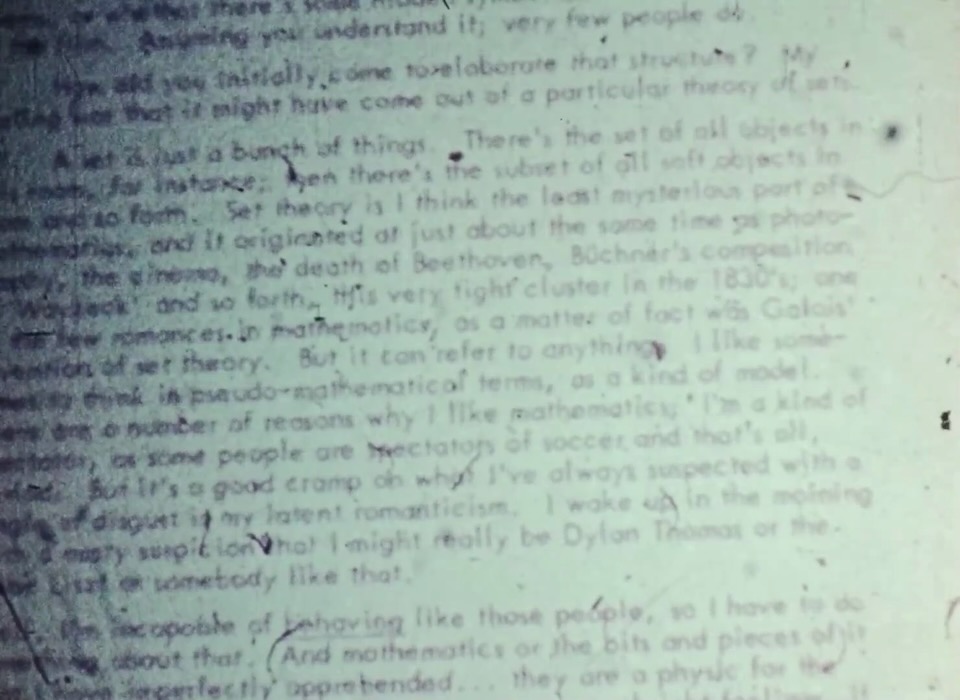
We are shown some images, including comic book panels, a page of text, and we’re played a few audio clips that sound like someone cycling through ringtones. Then the movie flickers these things at us relentlessly, not always in the same order. If he’s spelling out secret messages using the editing, with each frame representing a letter, it goes too fast to make out – Zorns Lemma this ain’t. I tried to see if you can read the page of text by focusing in advance on the next word each time it appears, but nope.
–
Noir et Blanc (2006, Tacita Dean)
Inside some noisy machinery, light and matter seem to warp and shake.

–
Islands of Fire (1955, Vittorio De Seta)
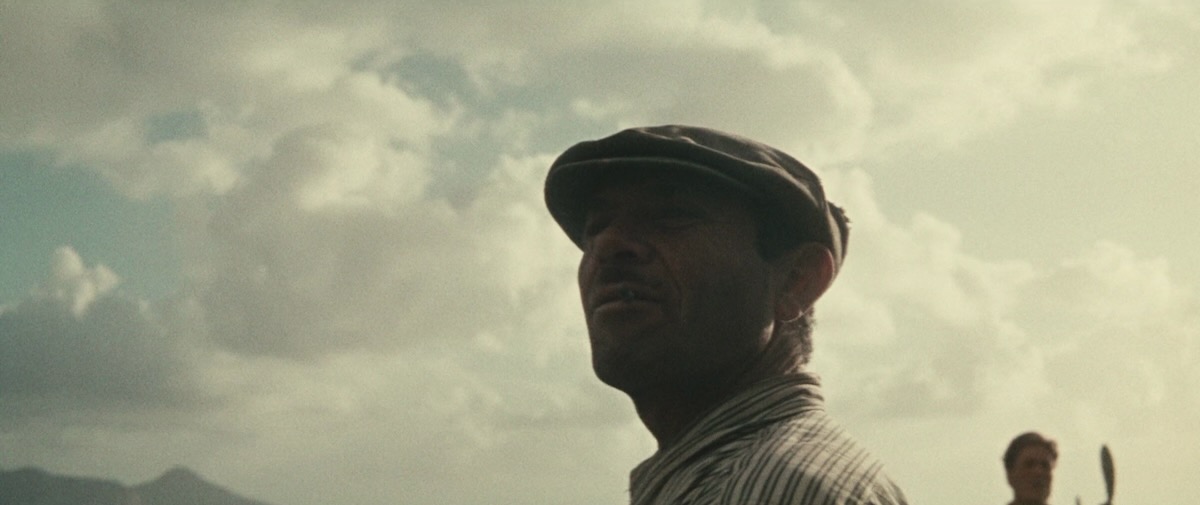
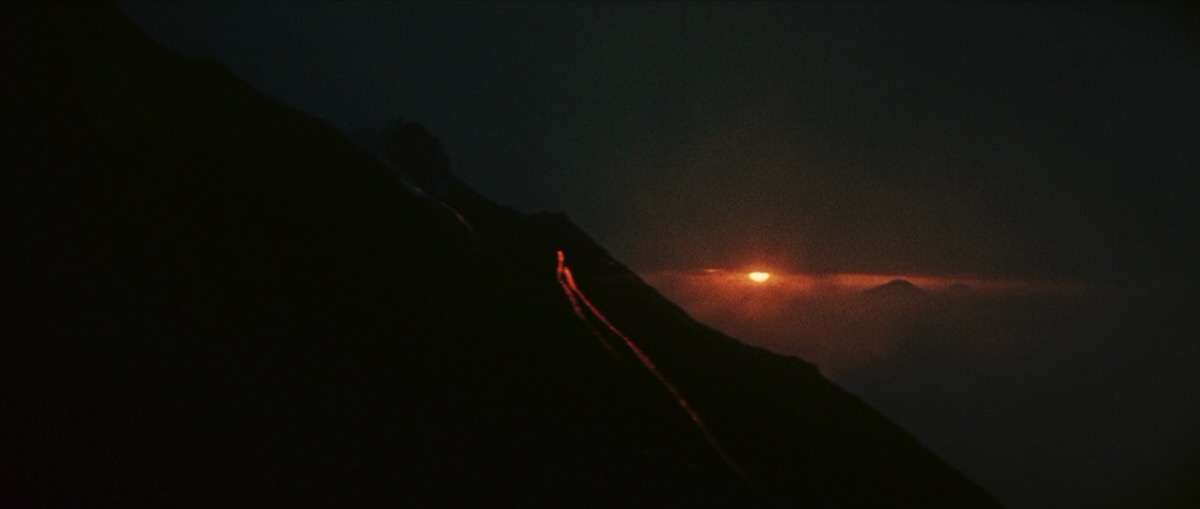
Filmed during volcanic eruptions, he shows a fishing community thriving, then everyone running for cover one stormy evening with threats from wind and water and volcano, then upbeat music as everything returns to normal the next day. Jake Cole: “we are merely the unruly, overstayed houseguests of this planet.”
–
Surfarara (1955, Vittorio De Seta)
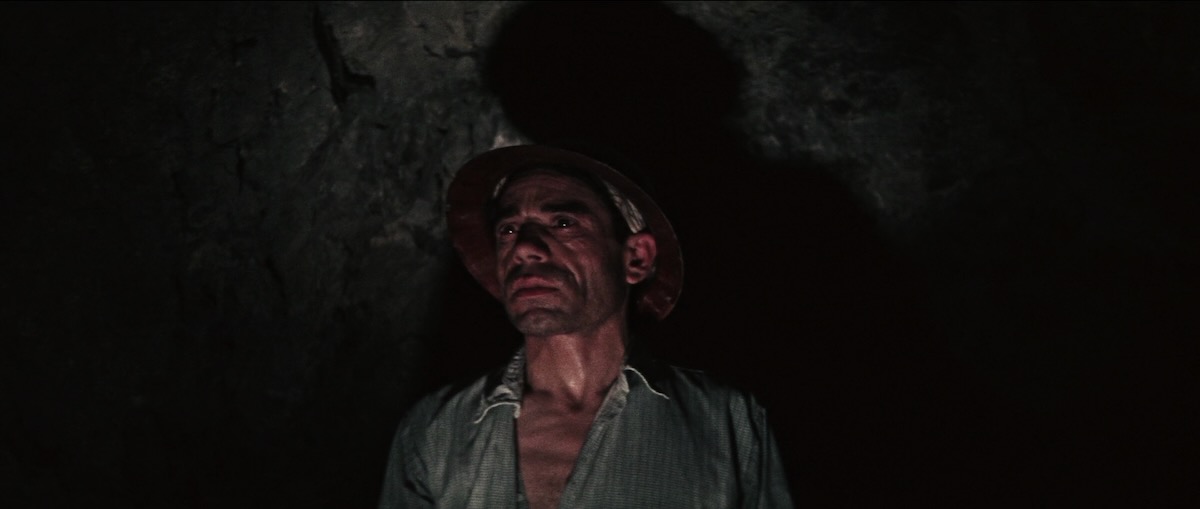
I guess this non-seafaring film of sulfur miners fits with De Seta’s theme of showing people at work outside the cities. He gets to play with the editing towards the end, but there’s not much opportunity for beautiful image making inside a sulfur mine. Someone get these guys some gloves, and probably some face masks!
–
Chantal Akerman (2013, Ricky D’Ambrose)
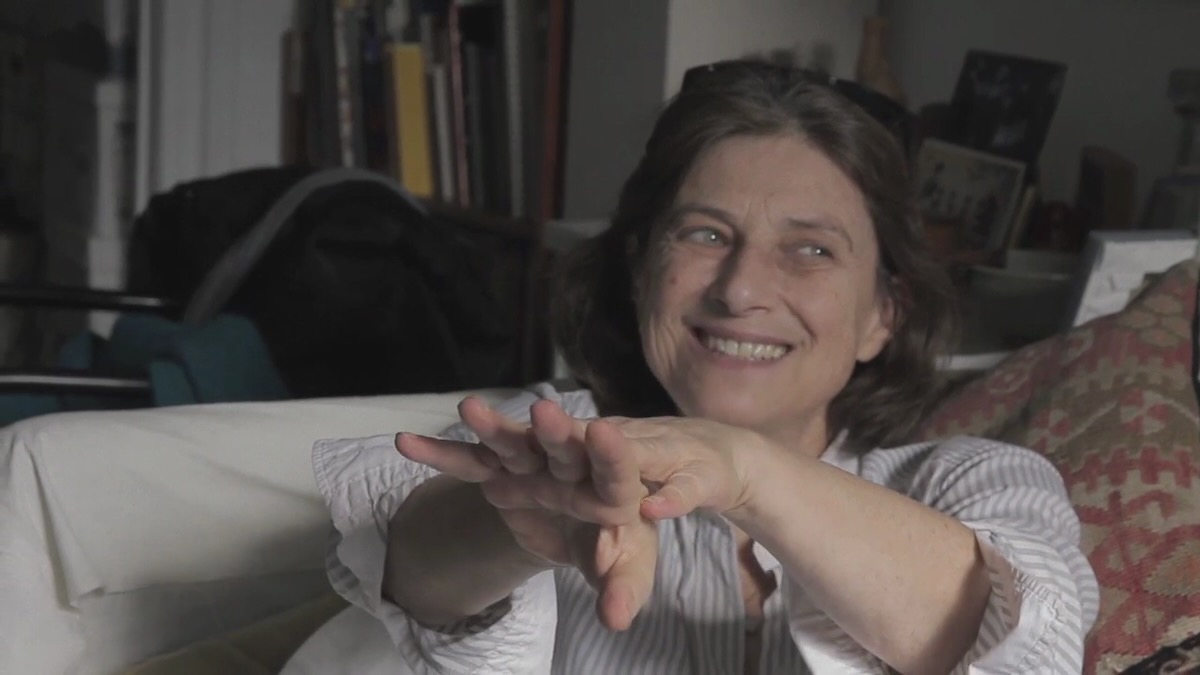
Handheld-shot interview in Nov 2013, covering News From Home, early inspirations, mother and Jeanne Dielman, and editing rhythms. Might’ve been more edifying if I hadn’t spent the afternoon reading a whole damn book on Akerman covering these same topics.
–
Colophon (2018, Nathaniel Dorsky)
He finds a light array on a window display, some kind of digital advertisement I guess, and he stands too close so you see the pixels instead of the intended design, with street life in the background. Then after five minutes he goes to the garden and casually plays with focus, light, time, and watery reflections. The first couple minutes (figuring out what is going on with the light display) and last couple (when he starts rack-focusing to some water bugs) are cool. I let it play silent, which didn’t do it any favors.

–
The Interview (1978, Michael Dudok de Wit)
Kid with tape recorder attempts to interview everyone in sight, but they all get annoyed. After flashing back on all the interactions of the day, the kid concludes it’s not him but the tape recorder that is annoying, and drops it into the ocean. Cute primitive animation with music and gibberish-speak, Michael’s art-school work.

The Fall of Otrar (1991, Ardak Amirkulov)
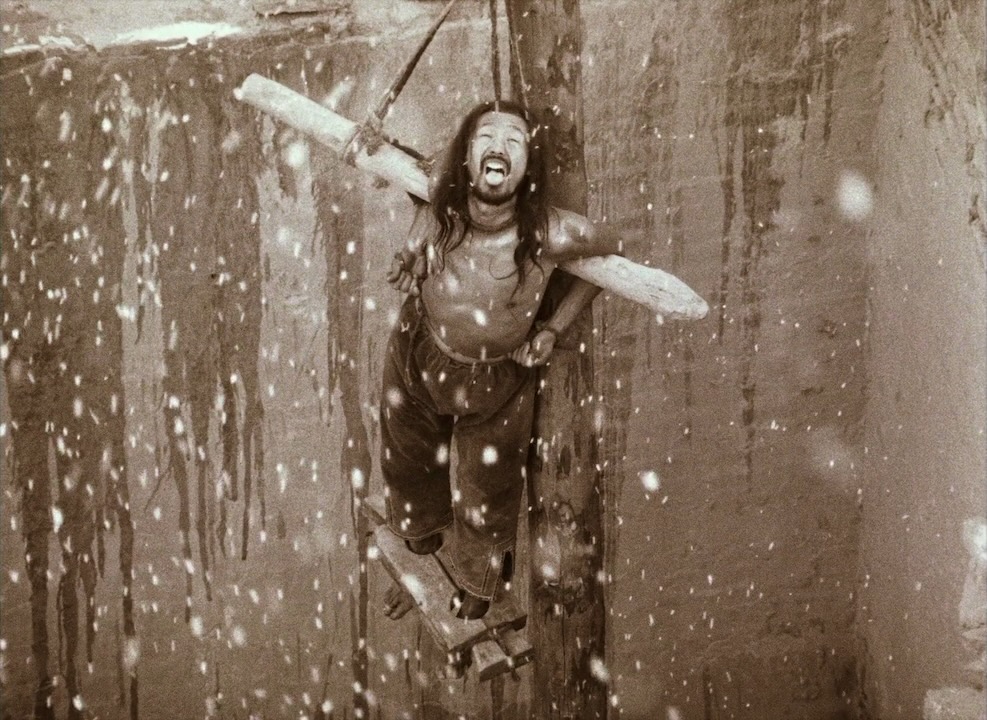
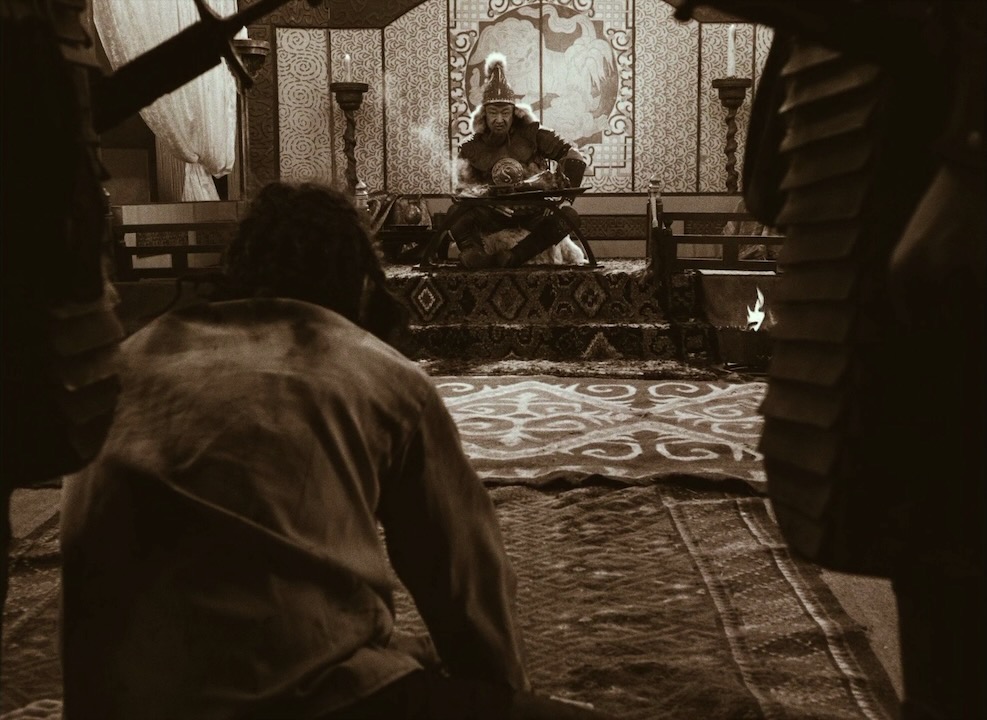
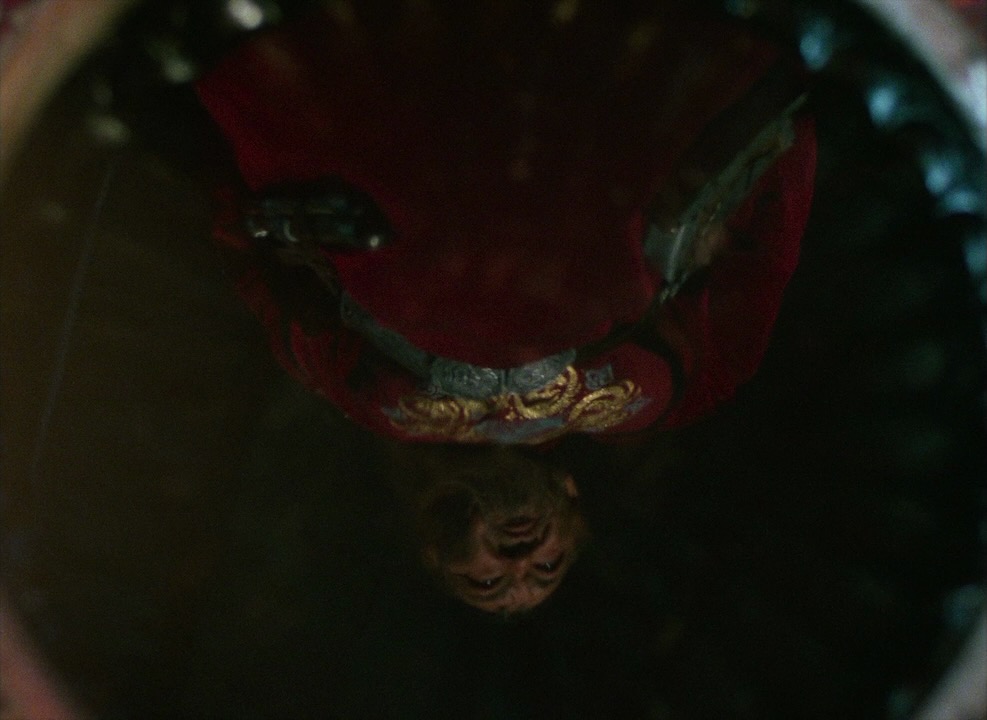
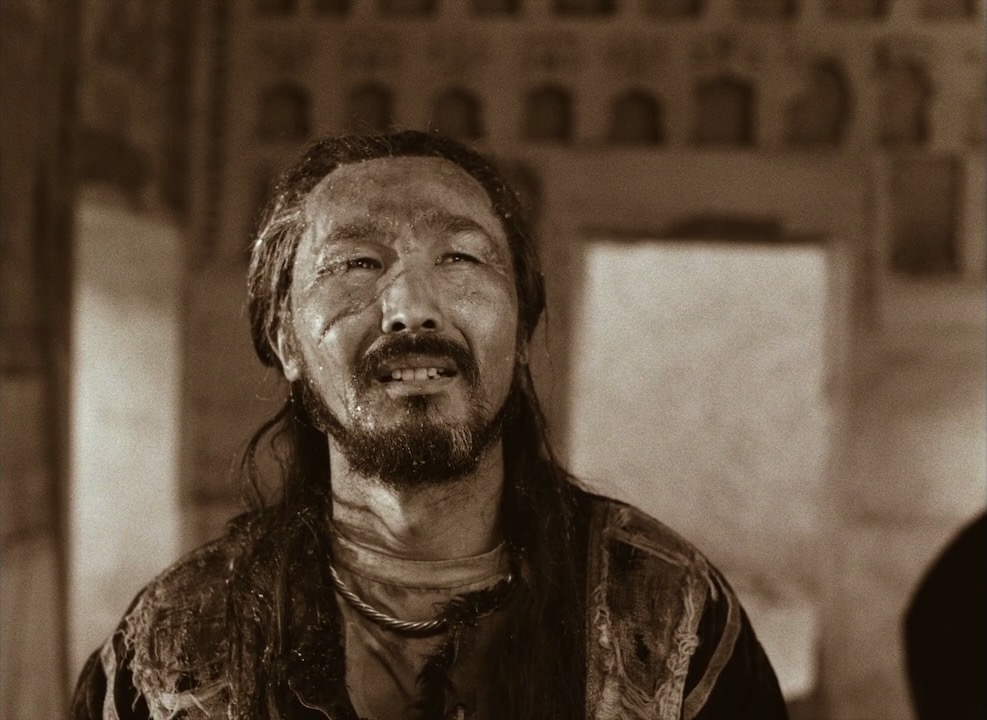
The Odyssey from the Trojans’ POV. Guy with an eye injury arrives in town and does everything he can to get the king’s ear and warn everyone about Genghis Khan (the actor also played a Khan in Andrei Rublev), but is tortured and mocked for his troubles. The ruler destroys a caravan and finds a merchant with Genghis’s secret symbol, then kills Khan envoys, bringing total destruction upon his town, if it hadn’t been coming already, while the eye guy watches it all happen. Filmed in Kazakhstan over four years with great difficulty with finances and sets, my second movie this month like that.
Paul Duane gets it.
The narrative energy in The Fall of Otrar, just as in Khrustalyov, is generated by a beleaguered but headstrong character trying to cut through layer after layer of resistance to knowing the painful truth — the vanity of Kairkhan as a supreme leader, the duplicity of his Chinese advisers, the reflexive human habit of disbelief, and above all the sheer fact of torture and humiliation as the common currency of everyday life in this Eastern medieval world. If someone utters a thought that suggests a bad outcome, if they make a move or speak a word that somehow implies a violation of the absolute supremacy of the leader or the state, if they are even faintly suspected of anything at all, they are hung with chains from a crossbar in the blazing sun, burned with a hot iron, beaten to a pulp, or pushed to the ground and relieved of their tongue with iron shears.
…
In [Alexei] German’s films, and in Otrar as well, we are dropped into a mazelike world with no apparent points of entry or exit, where nothing is certain and where nothing makes complete sense apart from absolute power and its merciless enforcement. As the films unfold, the horizontal narrative progression is overtaken by a vertical accumulation of details, repetitions, strange proclamations and rituals, sudden capricious assaults, and coded transactions, layer upon layer of unease gradually evolving into horror.
Obsession (2025, Curry Barker)
First the Spielberg and now this: the summer movies love to reference The Rehearsal. It’s never subtle either – our guy is delivering his romantic confession to a stranger, practicing to unleash the real thing on his bar trivia friend. The point is to set up how hopelessly awkward he is, so terribly bad at verbal communication (and decisions in general) that he can barely make a phone call or talk to his actual friends, so when things get uncomfortably supernaturally murdery, he’s even worse. The movie gets in a couple of good jokes about this, but unfortunately it’s a pretty dialogue-heavy story and we’re stuck with him for the endurance. Hopefully the kids will get over their love of terrible awkwardness and we can swing back to coherence.
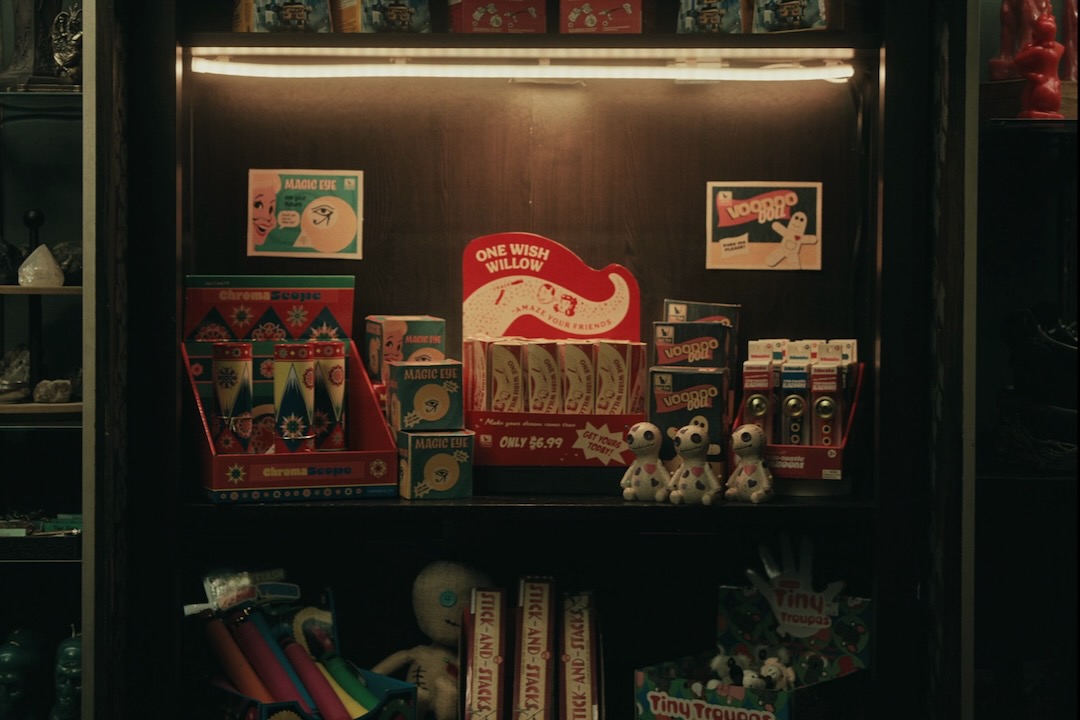
Should Obsession 2 be Stick-and-Stacks or ChromaScope?
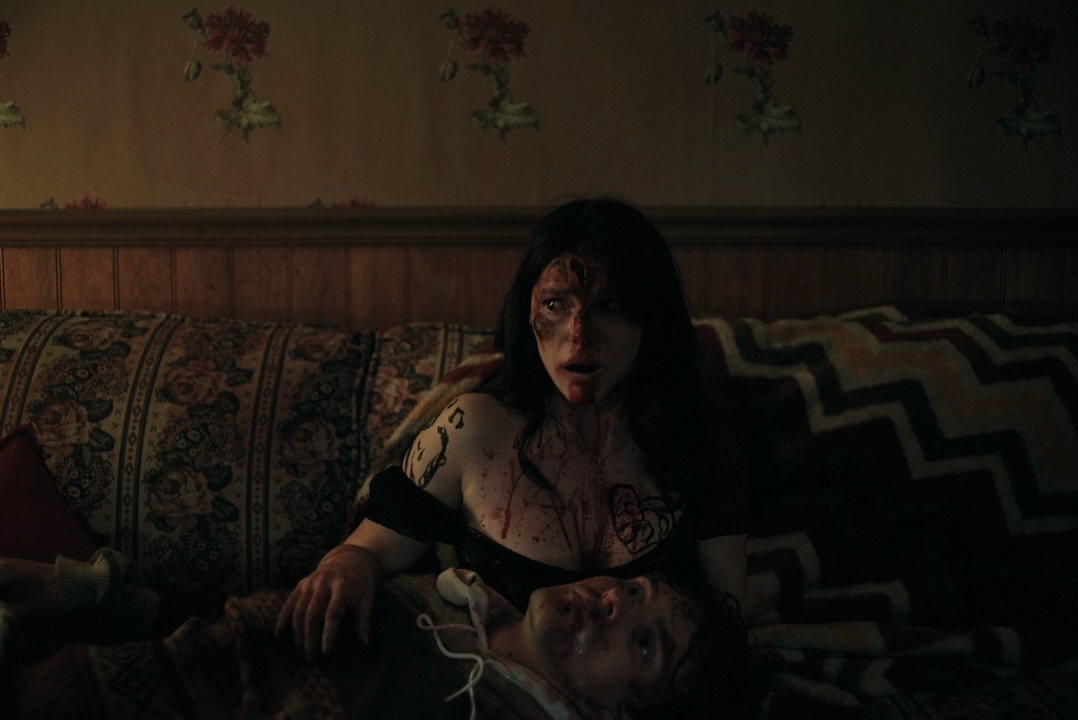
Great performance by Inde Navarrette, the bar trivia friend who becomes a horrifyingly clingy girlfriend after Bar Trivia Bear makes a wish that she’d love him. Apparently the real Inde is locked away in some hell dimension, replaced by the singlemindedly obsessed Girlfriend Inde until one of them dies. I noted the early setup of “I’ve got pills that’ll kill you” and “I know where dad keeps his gun” sidelined for 80 minutes, until they become Bear’s prime suicide options. The wishing thing is great, folding the supernatural into the everyday as smoothly as Weapons did. Best friends/casualties include the cute smart girl who actually likes him, and his doofy bestie Cooper – fortunately only young people get butchered, so Andy Richter is left alone.
Apparently there was much discourse, and most people (Sicinski, Marsh) disliked it, but my most trustworthy horror guy Adam Nayman said it was pretty good, so I watched it on the exercise bike, and it was pretty good.