Coming Apart (1969, Milton Moses Ginsberg)

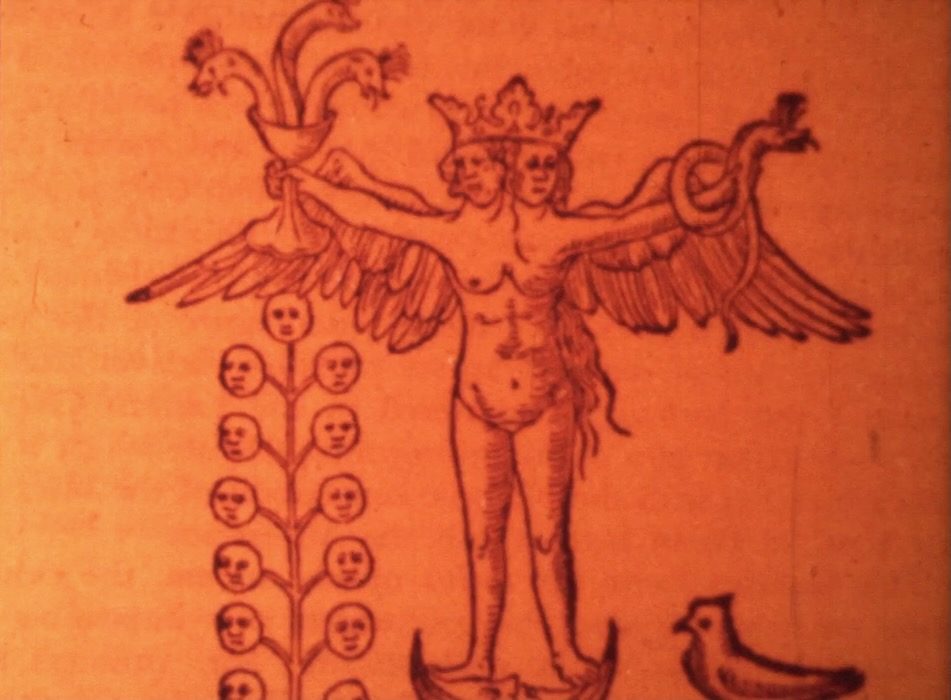
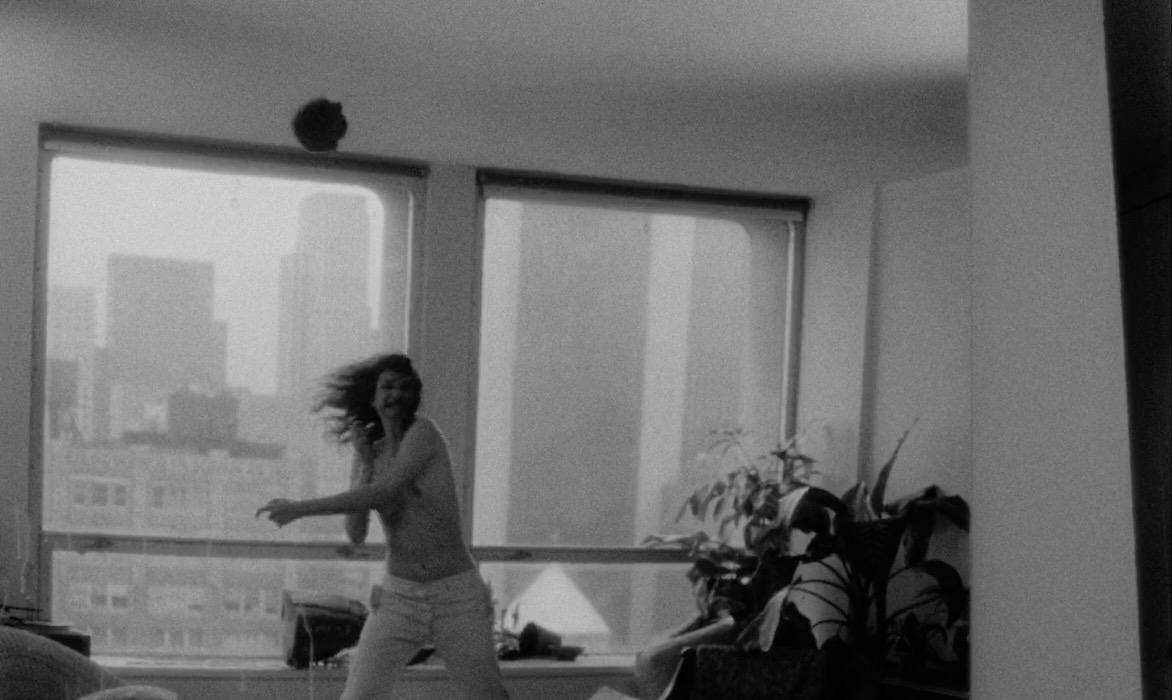
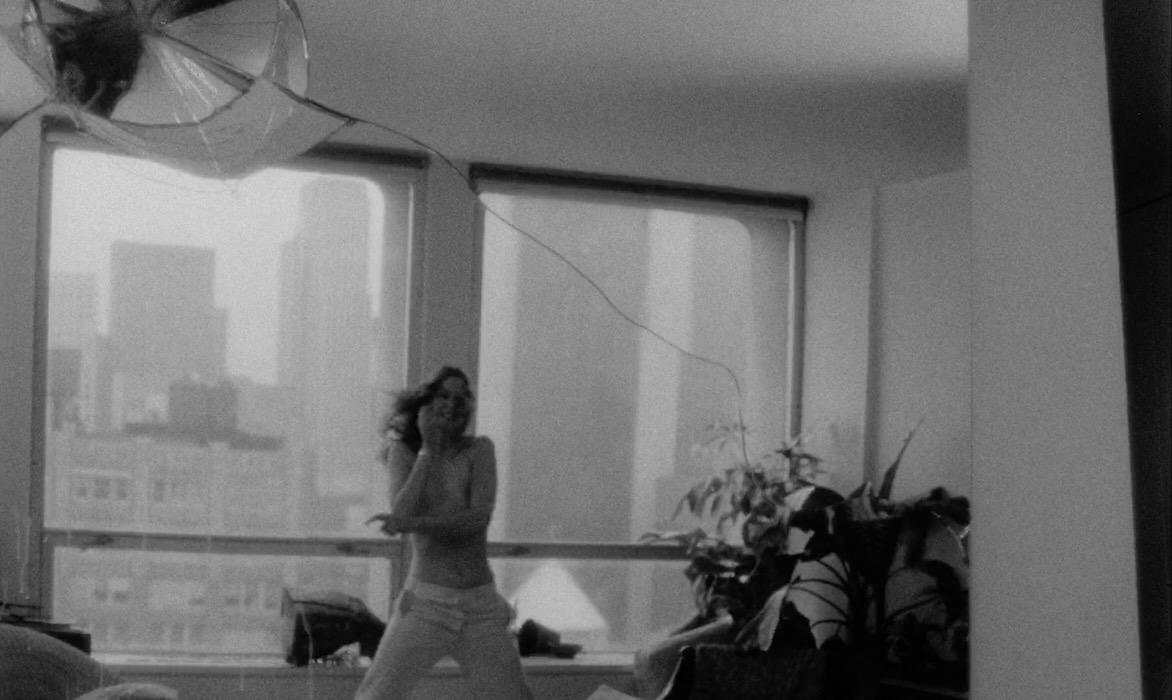
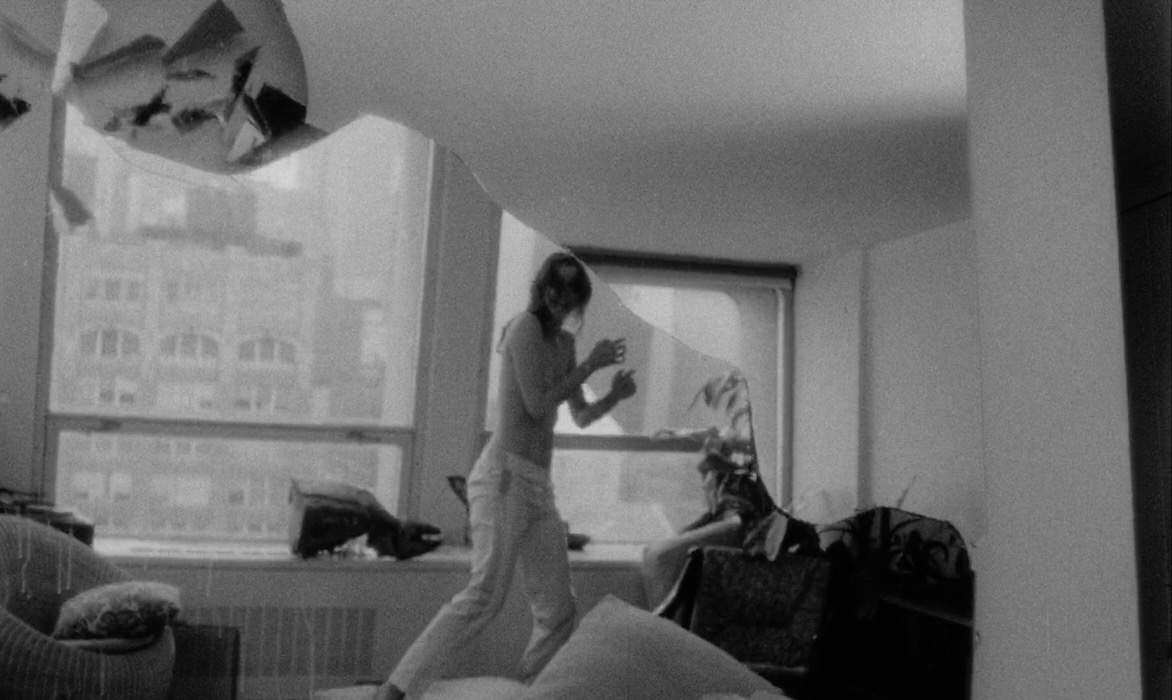
“Where would we get a duck? I don’t even have a dresser.” Pervert Month continues, as psychologist Rip Torn sets up a hidden camera to watch him have sex with all his neurotic patients, and anyone else who knocks on his door.
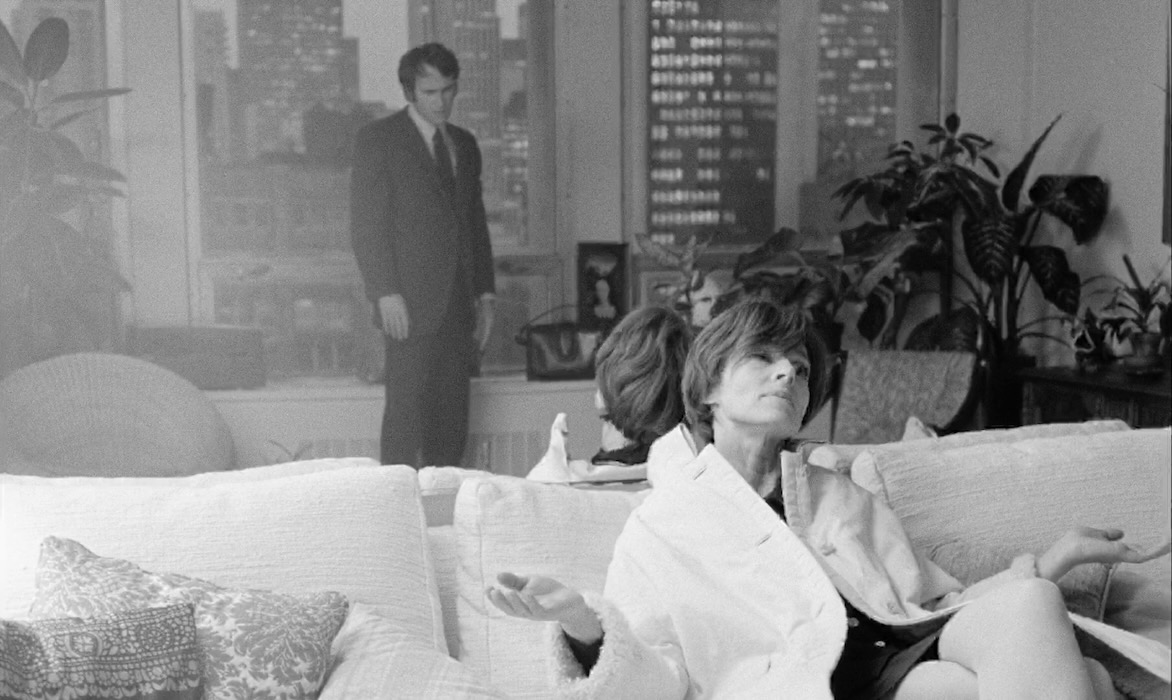
Women who join Rip include Julie “daughter of John” Garfield (Ishtar)… Viveca Lindfors, the Swede in Run For Cover… and Sally Kirkland of Demme’s Crazy Mama. The online plot description say Rip induces his own mental breakdown, but it’s Sally who aims a gun at herself then trashes his office in slow-mo at the end. Rather than emphasizing breakdown, Amos Vogel tells the story as Rip’s “increasingly problematic sex life.”

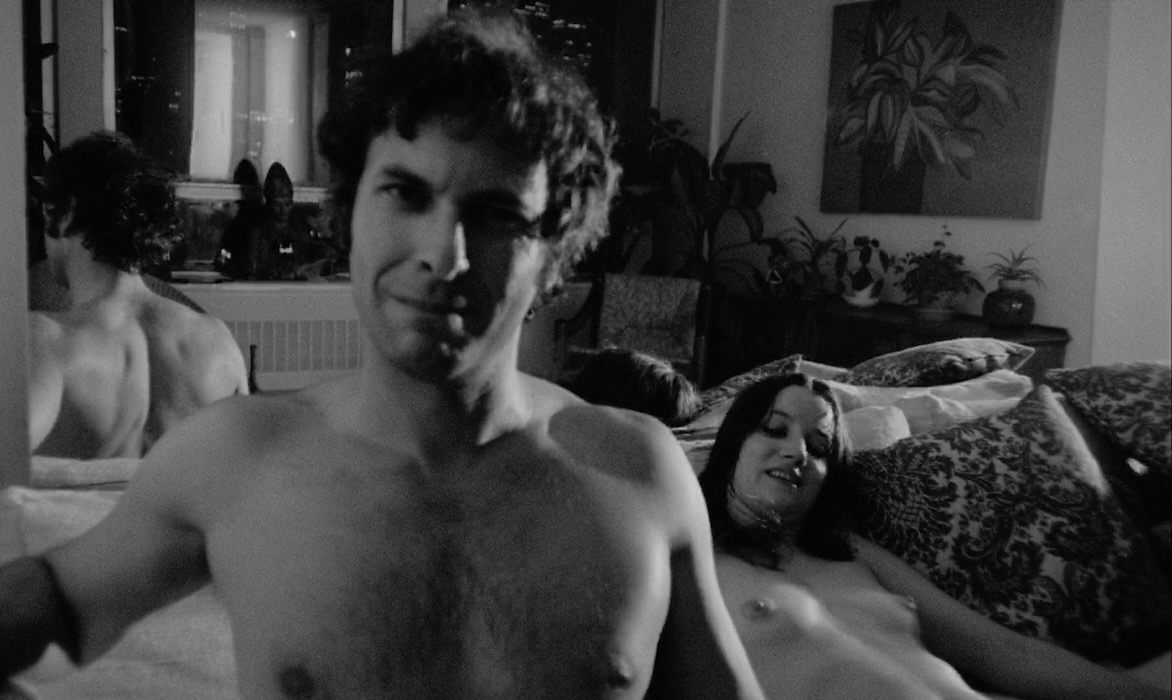
From Film as a Subversive Art: The End of Sexual Taboos: Erotic and Pornographic Cinema, Vogel goes on and on (usefully) about censorship laws. “One can only hope that eventually arousal of erotic feelings in the cinema will take the place of the aggression and violence predominant in films today,” sorry sir. The director is better known for Werewolf of Washington, a movie so notorious that pd187’s review of it was removed by a moderator.
The Bed (1967, James Broughton)

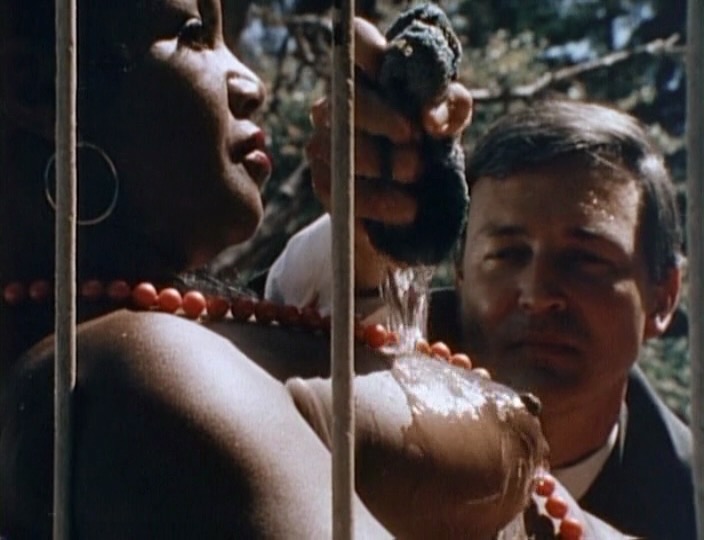
A bed romps stop-motion through a field, then a nude couple materializes and romps around the bed. More and more people appear through the magic of editing, some of them nude. The music is ghastly electro-harpsichord.

Favorite scenes: a woman reads to her dog… lizard crawls out of a guy’s mouth and transforms into a girl… wild girl with horse tail rides old Colonel Sanders guy until he runs away.
Vogel:

The actors, who exuberantly perform scenes of the human comedy, include Imogen Cunningham, Alan Watts, and other San Francisco artists and writers. While even avant-garde nudity seems often to betray an absence of joyful or uncomplicated sex, The Bed displays a smiling, polymorphously-perverse eroticism.

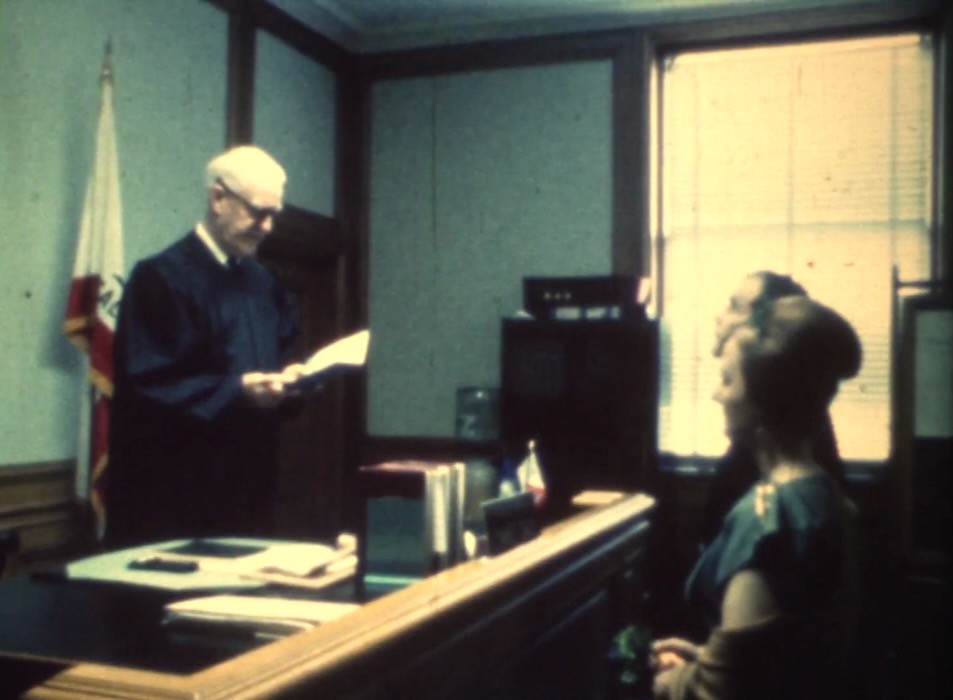
Nuptiae (1969, James Broughton)

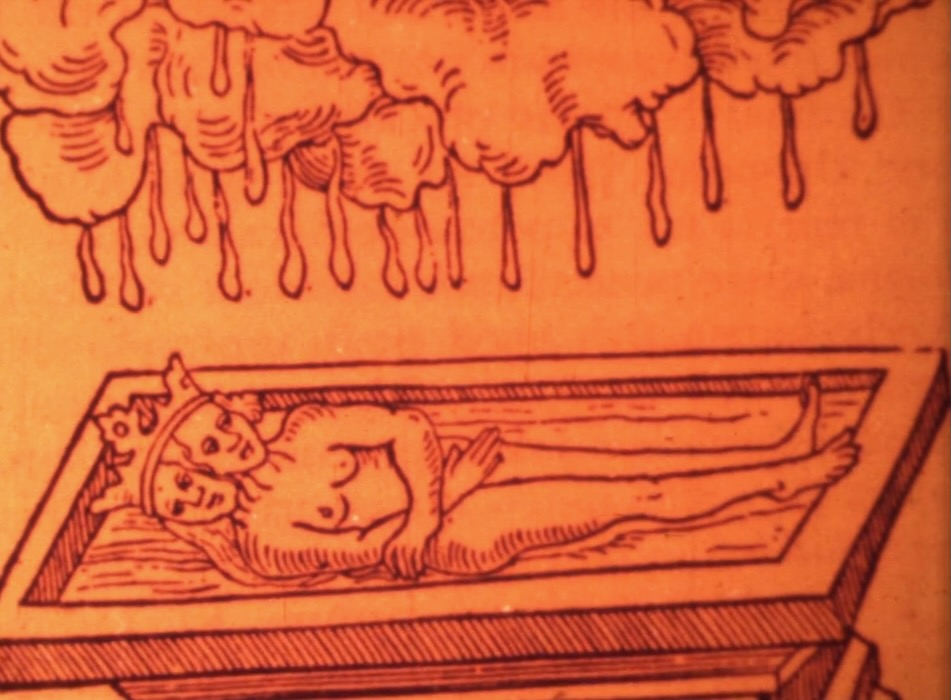
Sound is awful again (panpipes and poetic narration) but concept is good (legal government marriage ceremony juxtaposed with ancient/traditional portraits of marriage). Incredible that you could hire Stan Brakhage to photograph your little movie. “The union of opposites, the wedding of pleasure and pain,” oh, is this a Hellraiser thing?
Forgot what a sad movie this is. Bowie falls to earth, finds a patent lawyer (Get Smart creator Buck Henry), makes more money than Steve Jobs, but the government interferes in his plan to return home with water for his desert planet and he ends up a secluded musician, discovered in hiding by his stalker/employee Rip Torn.

The 1970’s were the kind of ridiculous time when Rip Torn could be a sex symbol, starring as Henry Miller in Tropic of Cancer – that I’ve come to accept. And I can accept Bowie as a sex symbol, too. But seeing them both naked in the same movie is just confounding. I suppose that’s Roeg’s point, making Bowie that much more alien by casting him with Torn. Also somewhat confounding is Candy Clark (of Q: The Winged Serpent) as Bowie’s earth girl. She’s a housekeeper at a bad hotel who becomes Bowie’s main source of human comfort – not the brightest bulb but maybe he decides that makes her less of a threat.

Good variety of music – only one Bowie song. The old-age makeup is markedly better than Julie Christie’s in The Go-Between. Hard to imagine how this got released without copious explanatory voiceover added. For instance, shots of Bowie’s home planet/family seem to be subjective, their present situation as Bowie imagines/hopes/fears, but of course this is never discussed. Not that I’m complaining – I like it the way it is, full of Roegian trickery. Bowie gives a blankly contemplative look almost all time, detached, Bowie-like, in other words. Why is Buck Henry thrown through a window at the end, and Bowie imprisoned in a mansionous hotel suite by badmen who don’t seem to know what they want from him? Something to do with Bernie Casey, I think.

One program Bowie watches on his array of TVs is lions fucking, which I found funny since the night before I’d watched The Lion King. Remade for 1980’s television with Wil Wheaton and Beverly D’Angelo. Bowie failed to grab an oscar nomination for playing his thin white alien self, but picked up a golden scroll from the sci-fi academy.

G. Fuller:

As critic Tom Milne has suggested, [Bowie’s] defenselessness is central to the exchanging of identities and the shifting of power dynamics between the characters in The Man Who Fell to Earth. This also occurs in Performance, Walkabout, Don’t Look Now, Bad Timing, and Track 29, the other films on which Roeg’s reputation as an auteur is based. As Newton becomes progressively more human, he becomes susceptible to the same vices that taint his intimates: the aggrandizement of power and wealth (Farnsworth), alcoholism and emotional dependency (Mary-Lou), abusive sexual behavior (Bryce). They, in turn, in Milne’s words, “rediscover something of that vulnerability,” shedding their protective carapaces even as they variously let Newton down, because, as humans, that is what they are fated to do.