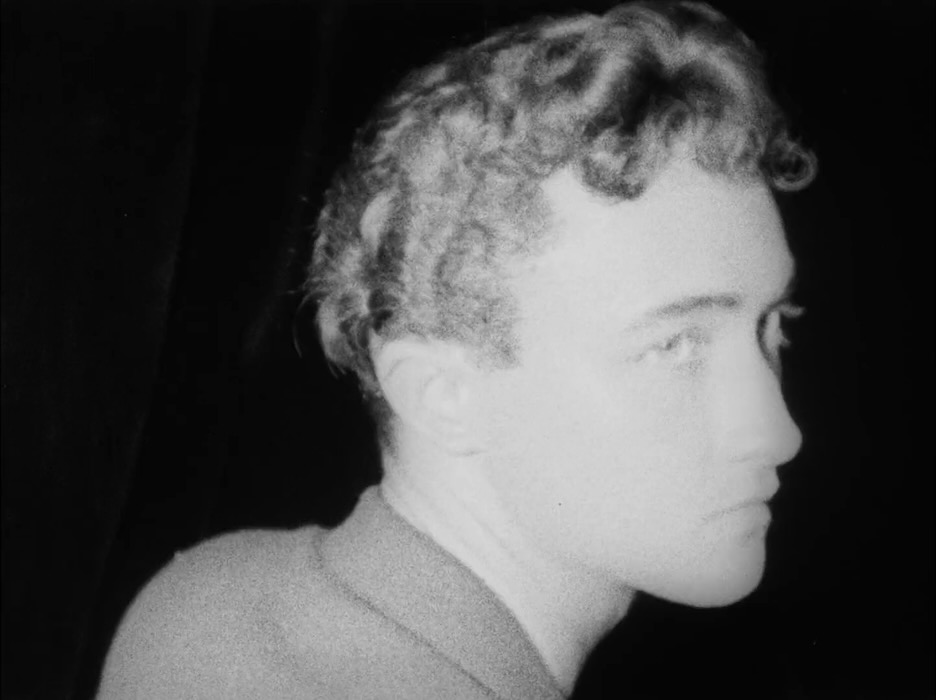
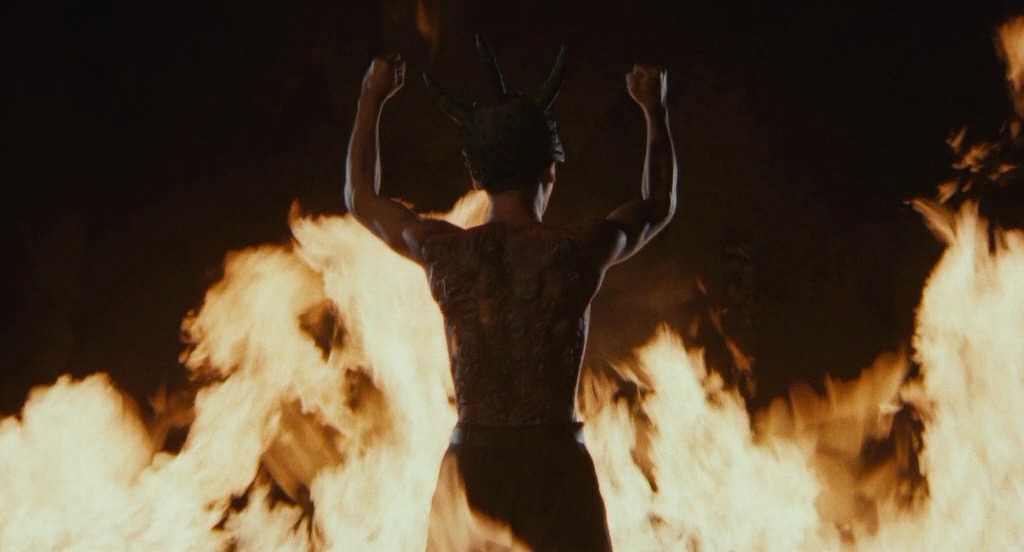
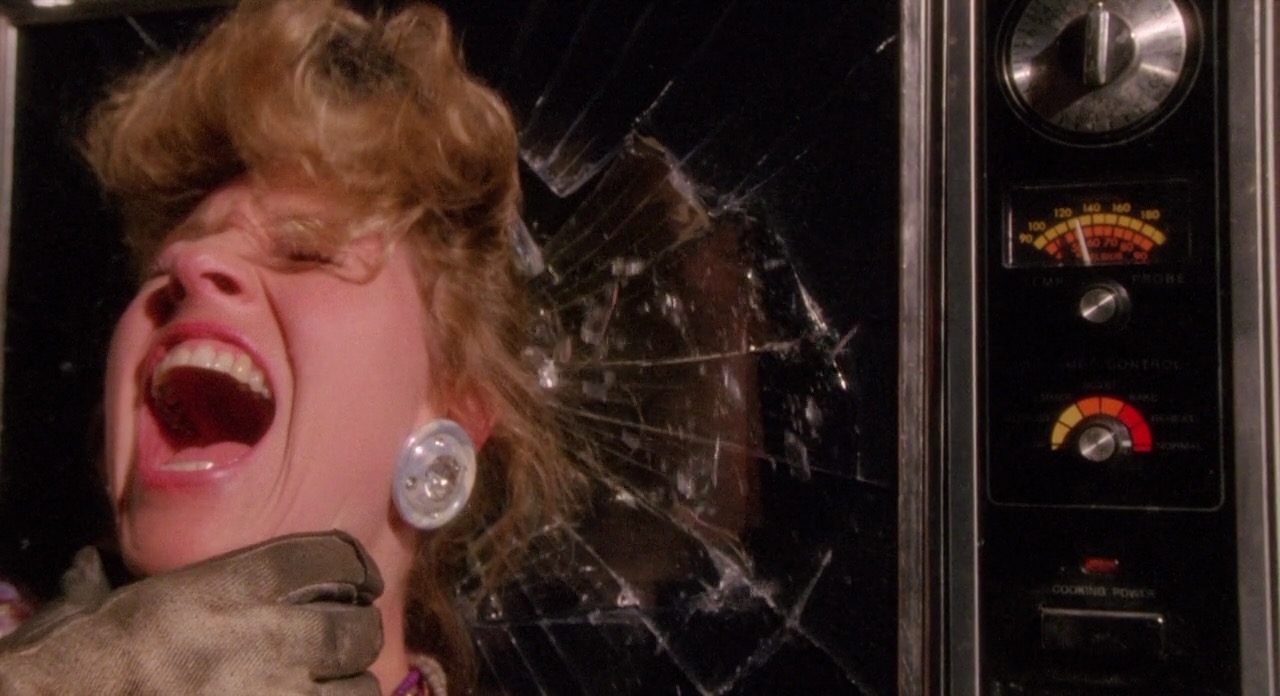
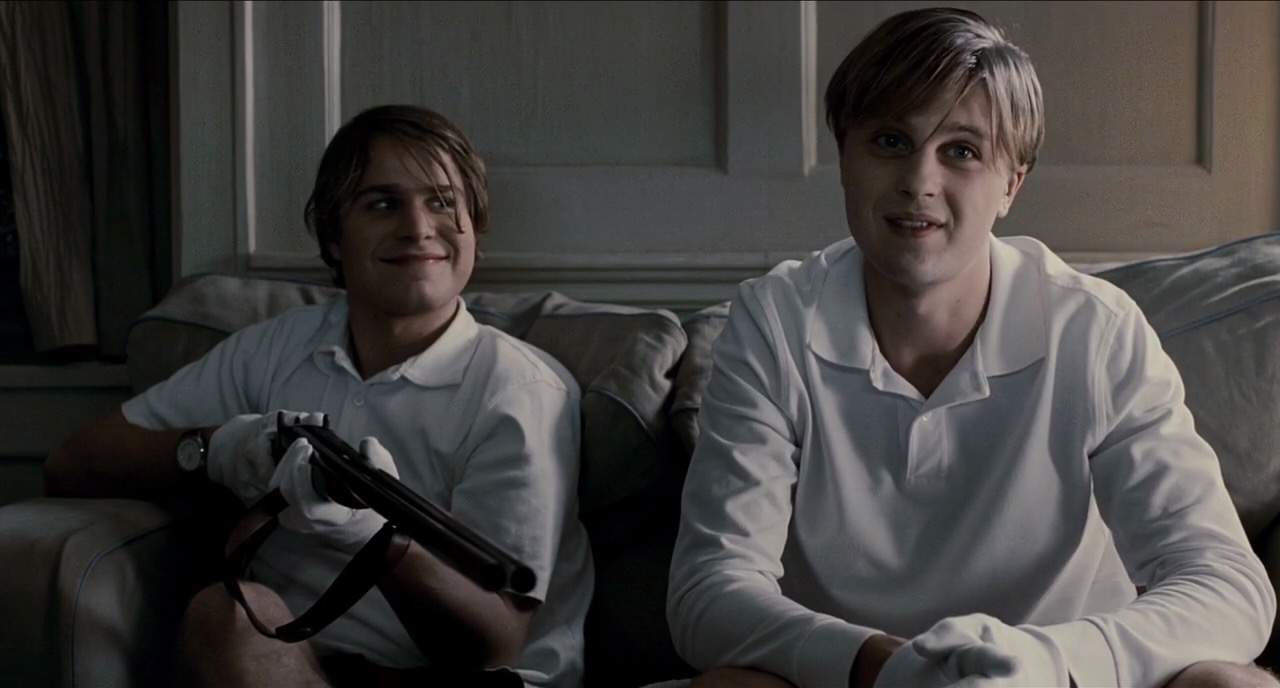
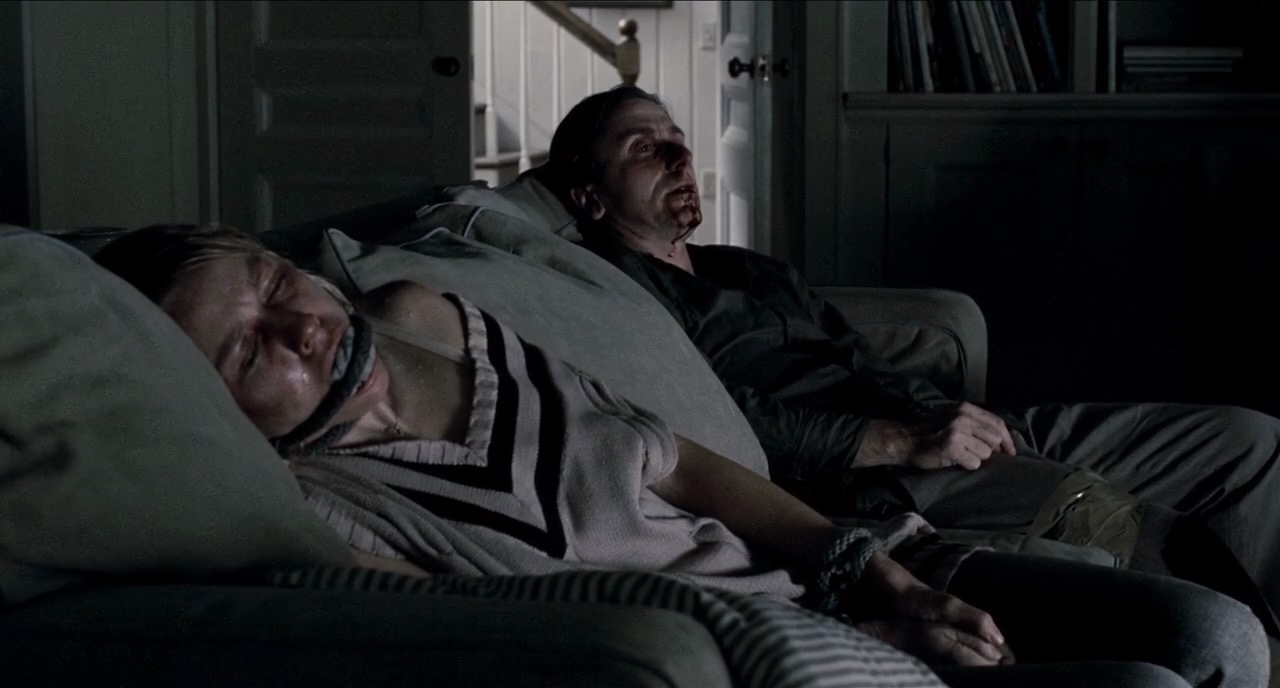
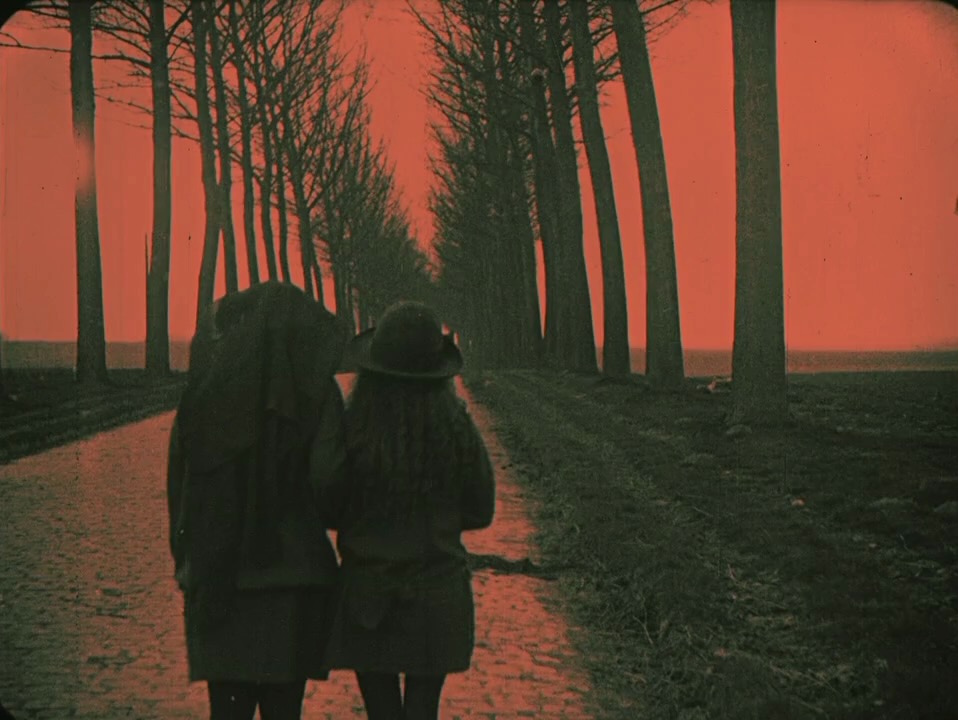
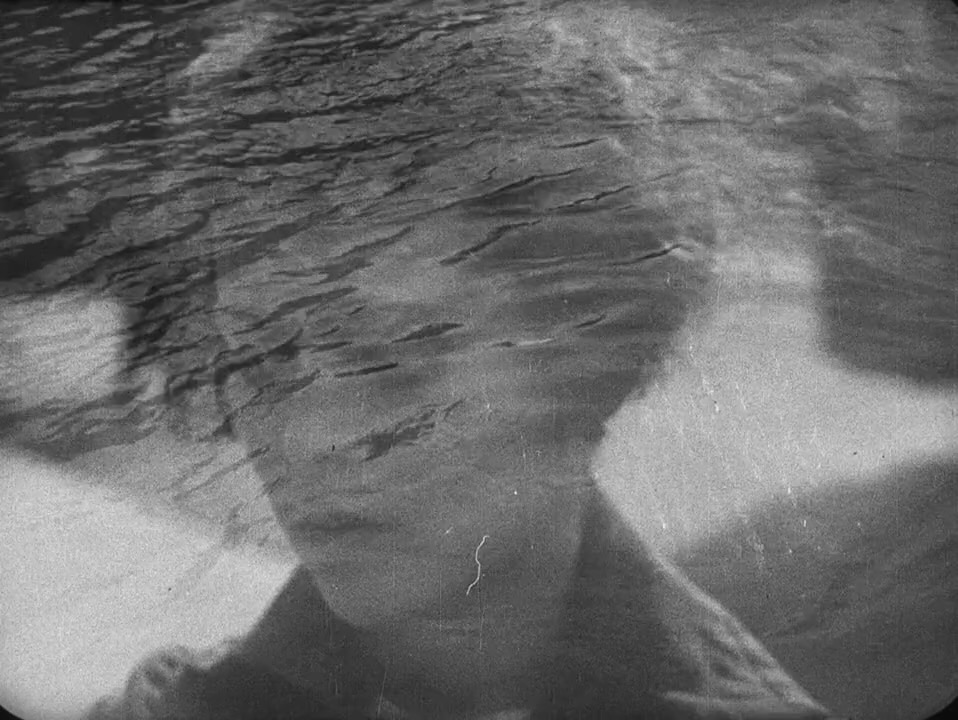
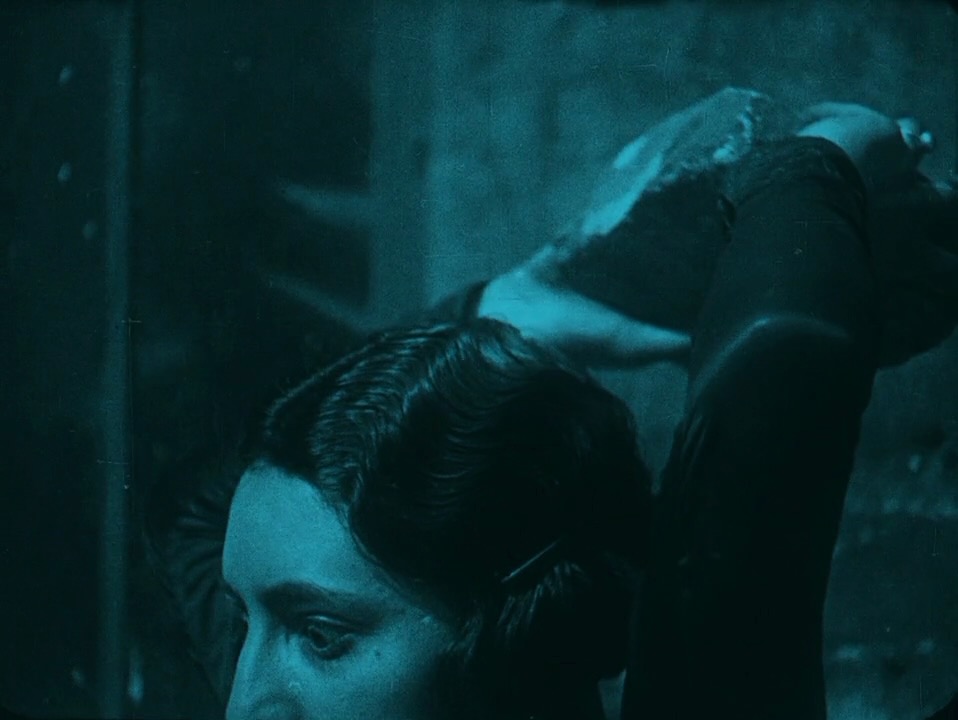
Would’ve made a good One Battle After Another double-feature. A wanted couple is staying on the move, low on resources and comrades. Their teenage daughter is starting to become a liability, acting impulsively and attracting attention. In increasing order of importance, the daughter just wants: cigarettes, stability, a boyfriend, a girlfriend, trip-hop. A boy she meets tells her about his parents vacant modernist house, so the family moves in and plans one more bank job. Surely if they can pull this one off they’ll be home free.

Dad ended up in the teen trilogy Vampire Sisters. Mom would return as the mom in Miroirs No. 3, and the girl would go on to be stunt-cast in Carlos.

Ray Milland, even younger than in The Big Clock and hardly looking like his X-Ray self – supposedly quit drinking a week ago and is acting outraged that anyone would suspect him of falling off, while he’s busily hiding bottles around the apartment. Looking crazed and desperate from the start, he steals the maid’s money and hits the town, staying at the bar late enough that his brother and wife leave on their planned trip without him. Ray is so happy with his booze – why would anyone deprive him of this?

A half hour in, he starts flashbacking, and even in his happy (but still drunken) past he’s being rude to his girl when they first meet at the opera. Meanwhile, present-day Ray is running low on booze and needs more people to rob or precious objects to pawn. The movie’s not completely miserable, Wilder adds levity, but all addiction stories end up the same way. Of course “The Drinking” by Robbie Fulks came to mind – can’t think of any other country songs about getting drunk but there’s probably one or two. The Miklós Rózsa soundtracks on both of these Wilder movies are good, and they look great at least. Winner of all the oscars except score, which is only forgivable because Rózsa lost to himself for Spellbound. At the first Cannes festival this joined the 11-way tie for best picture, one of which was somehow not Cocteau’s Beauty and the Beast.

German and British forces and some chaotic individuals are shacked up together in an understaffed desert hotel in Egypt, like a WWII Dragon Inn. The Five Graves are where Rommel’s archaeologist friend buried advance supplies for the nazis to take Cairo. Escaped British soldier masquerading as hotel worker Franchot Tone (Phantom Lady) hopes to use his position to kill Rommel (Erich von Stroheim), but his captured compatriots instruct him to escape with the map details to foil the African campaign. During the escape, our guy steals a gun from a loud Italian general (Fortunio Bonanova, actually Spanish) and kills handsome, talkative Lt. Peter van Eyck (billionaire of 1000 Eyes of Dr. Mabuse). Local girl Anne “Eve” Baxter stays behind and takes the blame, and gets executed. It’s dark, but these are Necessary Wartime Sacrifices (see also: This Land Is Mine). Wilder’s second or third feature (depending who’s counting) is good, with the best Rommel you could ask for.

Eve and hotelier Akim Tamiroff:

A noirish Tone:

Follow-up to Soldier of Orange features another bunch of young male friends. These guys ride bikes together and have literal dick-measuring contests, and most of them will meet bad ends. Rutger’s getting too old to play a teenager so he’s the local motorbike champion they idolize. Still too plotty and obvious, but the great 4th Man was up next and Paul’s next couple of decades would be very good.

Rien with his girl in the good early days:

The girl on the poster is future 4th Man star Renée Soutendijk, running a food truck with her gay brother. When she sets up at a bike race, all three of the young dudes fall for her, and though she would appear to be out of their league, she sees them as a possible way out of the food truck life, dating each guy at different points.

Do not get caught ripping off a food truck:

Rien starts winning races and getting paid, then crashes on the highway because dudes in cars can’t stop littering, ending up in a wheelchair. Rien considers Jesus but settles on suicide (again on the highway). Mechanic Eef has been earning cash for his trip to America by mugging gay guys at the mall, until they catch and gang-rape him. Hans is not the greatest racer, gets mocked by Rutger on TV, but apparently still earns enough to buy a local bar after it gets trashed by bikers. This seems at least more stable than the food truck, so the girl stays with Hans and her brother moves on. Multiple Blondie songs on the soundtrack is the movie’s real highlight – also a good fake-sex-noises scene early on.

Eef considers a flasher’s offer:

Rutger can’t stop winning:

Good manic pervert movie, like a euro-arthouse John Waters, with rapid banter and exclusively eccentric characters. I’ve seen Kurt Raab in four other Fassbinder movies, always in minor roles. Here he’s the lead, a broke poet, having become violent and desperate with writer’s block. His put-upon wife and shut-in brother (a fly-plucker whom Kurt once calls a guter junge, hmmm) are supportive, but he finds a devoted fan of his work in Petra von Kant. Illness, murder and fake murder all follow, as Raab starts plagiarizing a famous poet and acting as if possessed by that poet, until pulled back to earth by his mess of a family.

A writer contemplates his work:

Kurt’s parents are… pleased? to see him:

A writer attempts to channel a better writer:

Good twisty wartime spy story from Paul “subtlety is for cowards” Verhoeven. Not one of his best movies – too plotty and obvious – but clearly crucial to his whole deal (it wouldn’t be his last film about resistance fighters betraying their own people for profit).

Rutger and his college buds bond over his hazing experience by entering WWII (“a spot of war would be quite exciting”), ending up on different sides, then bumping into (and/or killing) each other. Guus (4th Man star Jeroen Krabbé) becomes a bigwig friend of the Queen, sleeping with her secretary Susan (of psychic horror Patrick), while Robbie becomes a Gestapo collaborator to save his skin. Guus and Rutger team up in England, running missions back into the Netherlands. Only Rutger and his friend Paul from Turks Fruit survive (no definite word on the cockatoo).

Pre-war college dickheads:

Post-war, a dickhead in an outhouse is about to eat this grenade:


Feest! (1963)

Since I’m watching early Verhoeven movies, I dug up this short. Slick b/w little near-drama about a schoolboy who likes a girl. After days of glances and whispers, they hang out at the school dance, dancing occasionally but with nothing really to say to each other. Meanwhile up in the tower the older boys are playing a blindfolded couples kissing game, our couple plays along but she’s not into it, slaps him and runs off. The movie’s highlight: a boring assembly speaker is named Albert Vogler.

Electro-Pythagorus (2017)

Apparently Fowler makes interview/essay docs about oddball musicians. This one’s about synth wizard / music professor Martin Barlett. Both Martin and the filmmaker seem to enjoy small homemade things and handwritten letters – much of the movie is letters and papers being read aloud.


The Way Out (2003)

And this one is about another music weirdo, Jim “Xentos” Welton. I couldn’t tell if the Coven-like dubbed staged scenes in unfocused small-gauge film were a put-on, turns out they’re Xentos originals. People are interviewed, and sometimes Fowler will play a CD while the camera looks at a crack in the wall.

Despite seemingly an hour of runtime spent goofing around with ghosts, and the last hour of the movie being exhausting nonstop fights, this movie finds time for a surprising amount of plot twists.

Jackie Chan is a kung fu monastery flunky as usual, when their most powerful secret book of killer moves is stolen and handed off to murderous enemy James Tien. Now James is unstoppable, as the only moves that can counter him are written in a long-lost book, which Jackie easily discovers while pissing on some ghosts. The ghosts torment everyone for a while, then help Jackie defeat a cute girl.

But while he is screwing around the cute girl’s father gets murdered by assassin spies. The Blind Monk knows something fishy is going on, and that’s because their own head monk Li Tong-Chun has been deep undercover for decades, plotting to capitulate the whole kung fu school to his secret son James Tien. Unfortunately for their dastardly plan, prankster ghosts have been training their flunky in the secret counter-moves, and Jackie comes tearing out of the building, able to take on eighteen pole fighters at a time and still have the energy to whup the two killers.

Good angle:

Former alien abductees Emily Blunt and Josh O’Connor have to avoid the evil murderous secrecy corporation run by mastermind Colin Firth and hitman Henry Lloyd-Hughes and deal with their doubtful spouses (traitorous Wyatt Russell and loyal Flora) then journey to meet Colman Domingo at his Rehearsal house and deliver an extraterrestrial message to humanity.

Heavy influences from Steven’s other films: the alien ones plus A.I. and Minority Report, I am not kidding about The Rehearsal, the final moments of Lost in Translation, maybe some Arrival or Midnight Special in there. Nuns (led by Old Mattie of True Grit) take pains to tell us that alien existence is no big deal to Christianity. The first Hollywood movie I’ve seen in theaters this year, felt great to fall into the big screen and get caught up in adventure. But thirty years after Jurassic Park, it’s shocking to see the state of the CG creatures in this movie. I’m not talking about the aliens, but the fox and moose and especially the horrible cardinal who silently visits Emily, kickstarting her hidden alien memories/powers. I’ve seen the opening title sequence of Sparrow four or six times – don’t tell me it’s impossible to film a bird flying into a room, standing on a table, then flying out again (across multiple edits, no less), that it’s worth the time and expense and horrid visual outcomes to create a computer bird instead.