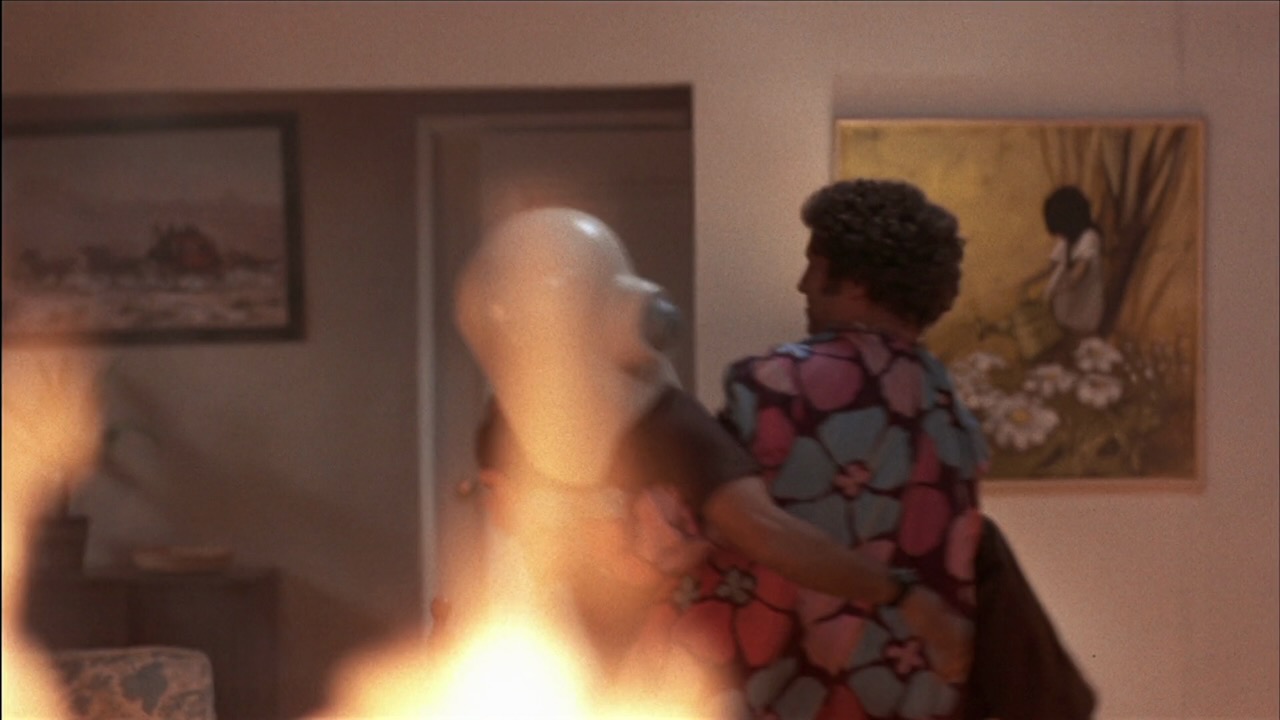
Brooks-as-himself tells the people of Phoenix he’s capturing real life, so not to play up for the camera while his crew films the Charles Grodin family going about their daily business. His psychologists turn against him, Brooks makes everything about himself as usual, and finally burns Grodin’s house down to create drama for his film. Brooks imploding for 90 minutes is a little tedious – fortunately the movie is saved by the camera-headed people, who are funny every single time I see them.

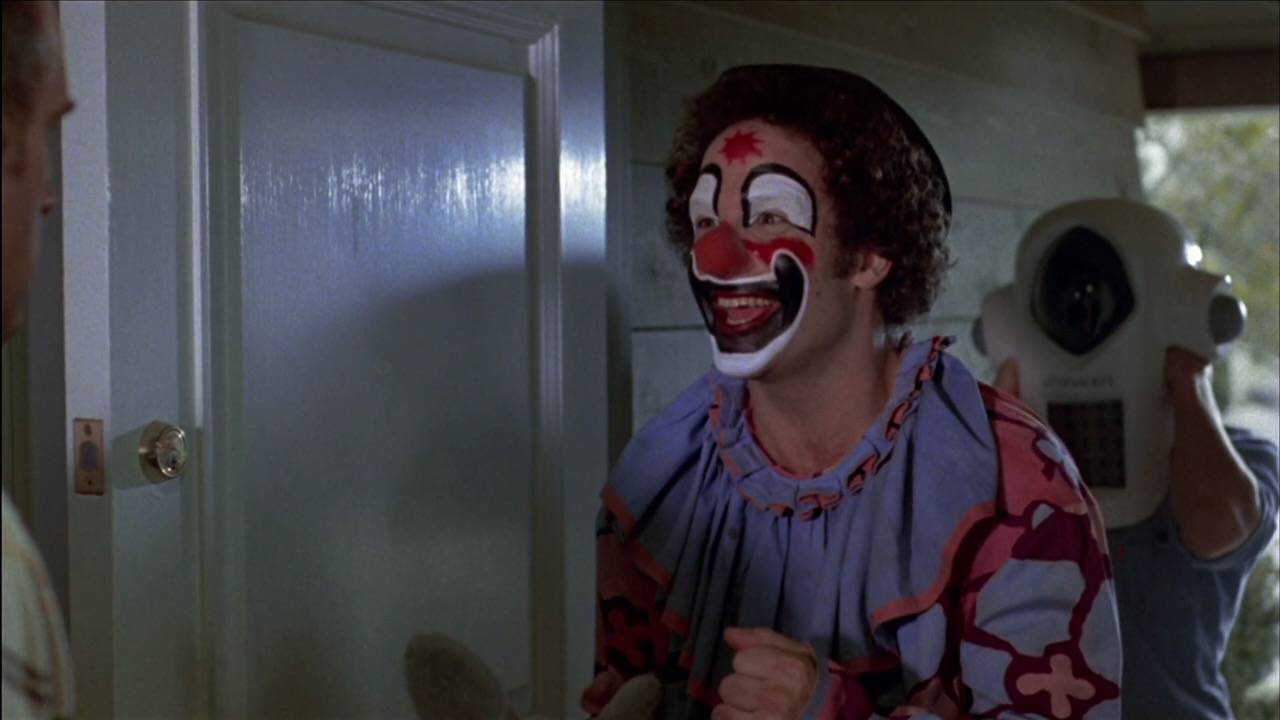
Dave Kehr:

With its deliberate avoidance of punch lines and insistent drift into darkness and disaster, Albert Brooks’s 1979 film left audiences baffled when first released. It now seems like one of the most innovative comedies of the decade, suggesting a hundred different ways in which movie comedy could escape the gag-heavy, character-destroying styles imposed by television (if only it wanted to).
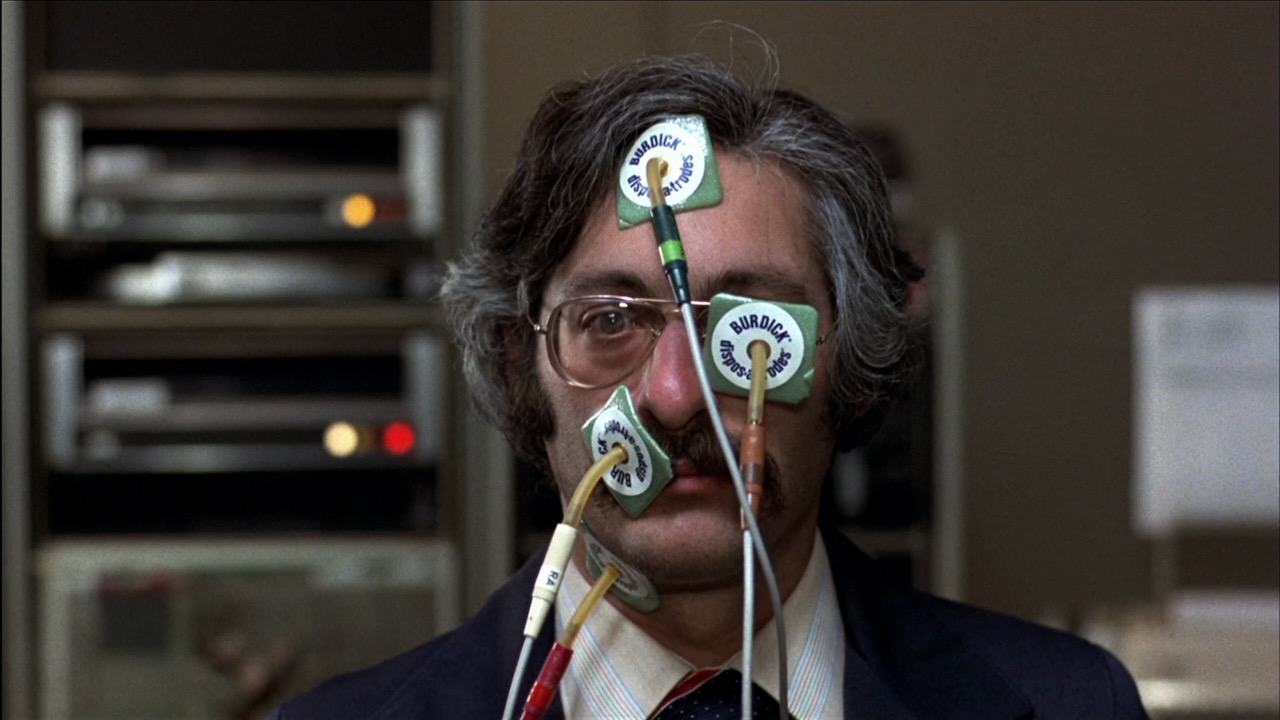
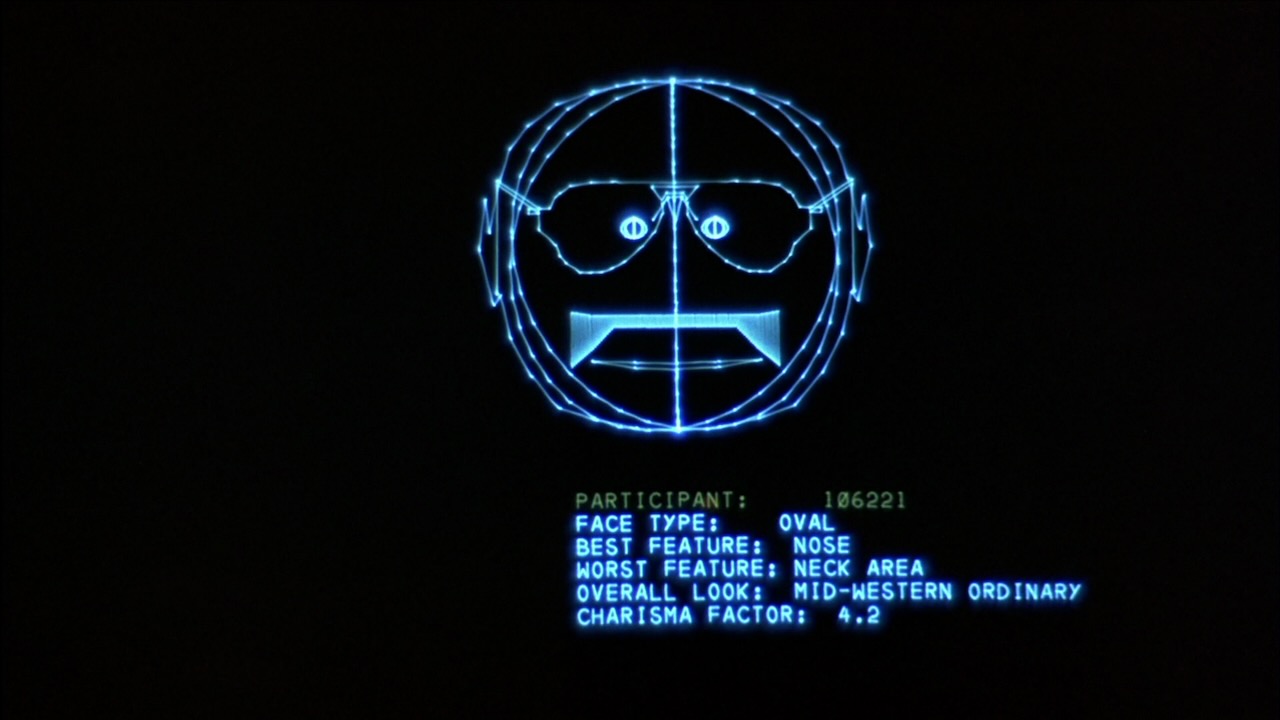
I read Mad Magazine in the 1980s, I know this is the worst movie ever made, but what this post presupposes is… maybe it isn’t? At first I thought it’s a “bad movie” because the lead guys are playing cheesy songwriters, and people weren’t used to hearing “bad” music in a movie? Turns out it’s because behind-the-scenes drama, power struggles, and budget overruns made it a laughingstock before it even opened, a boring reason to pile on a movie.

Our guys are ditched by their girls (Tess Harper of No Country for Old Men, and Carol Kane) and take a deal to do shows in the titular city (country?), where they’re immediately accosted by spy Isabelle Adjani whose murdered boyfriend has hidden a treasure map. Beatty is helping her, while Hoffman is spying for CIA Charles Grodin. There’s an overly helpful local kid named Abdul, because it was 1987. Cute movie.

In Cinema Scope, Christoph Huber calls out the

brilliantly “believably bad” songs composed for the film by Paul Williams (whose work here rivals his inspired compositions for Brian De Palma’s Phantom of the Paradise, another long-underrated satiric dismantling of the entertainment business — though Ishtar in some ways one-ups it with its critical allegory of Hollywood colonialism via the fusion of entertainment and politics).

Memorial screening for Charles Grodin and Yaphet Kotto, here playing a criminal banker and an FBI agent with his identity stolen, respectively. Robert De Niro is the bounty hunter returning Grodin from NY to LA. It’s a wacky crime comedy road movie, with the cops and the gangsters (led by Dennis Farina) and RdN’s rival hunter Marvin (John Ashton of Beverly Hills Cop) all after them, so it’s sufficiently incident-packed to be a hugely successful commercial hit. Throwing in a sad visit to RdN’s family, and morally letting the criminal off the hook at the end turns it into a solid 80’s classic (pretty sure I saw it in theaters on first release) and also a semi-remake of Remember The Night. Got tired of Marvin, didn’t buy that the criminal snipers would open fire on the cops, otherwise lives up to the legend.