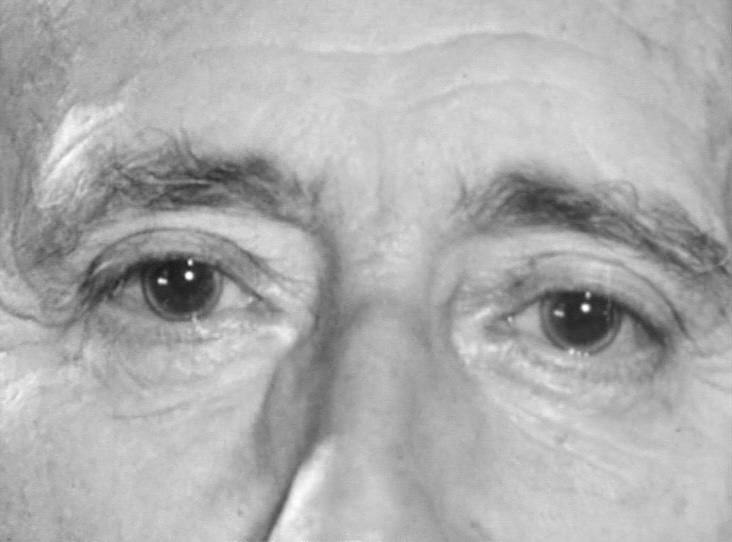
Secret Weapons (1972, David Cronenberg)
In a 1977 future during the North American civil war, a drug company has taken over the country and “the holy police are experts in psychic attack.” Weird Jazz on the soundtrack, my favorite genre of late. Not bad, definitely feels like a Crimes of the Future (1970) followup. Inventor slips away and meets with the motorcycle gang resistance, some kind of TV pilot setup for a brainy urban sci-fi warfare thing that never came to be (unless you count the entire rest of Cronenberg’s career)
–
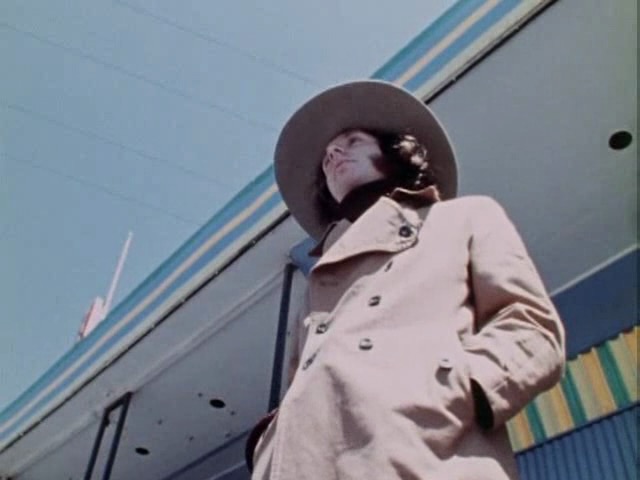
Days Before the Death of Nicky (2024, Denis Cote)
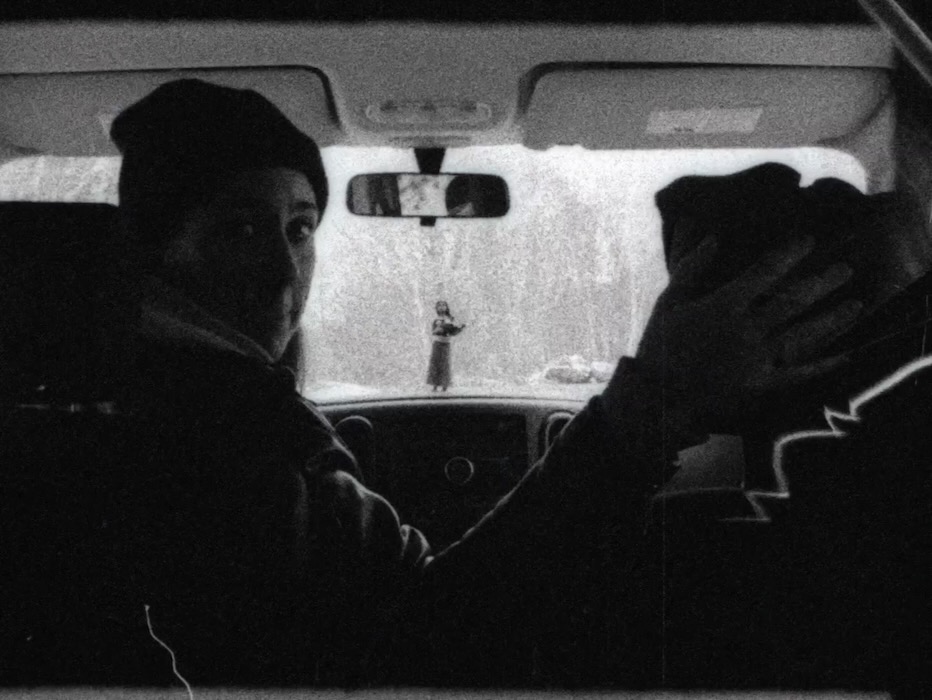
Woman is driving. Cuts are accompanied by brief blackouts and quiet static, then each new shot rotates to a different type of film or video camera, always affixed to the middle of the back seat looking forward. It’s ten minutes before we hear a voice – her singing to herself. A few times we see the camera adjusted or acknowledged, a few times we see someone else, including the last scene when she’s gone missing and some guy discovers the car.
–
Cruel Optimism (2017, Paul Clipson)
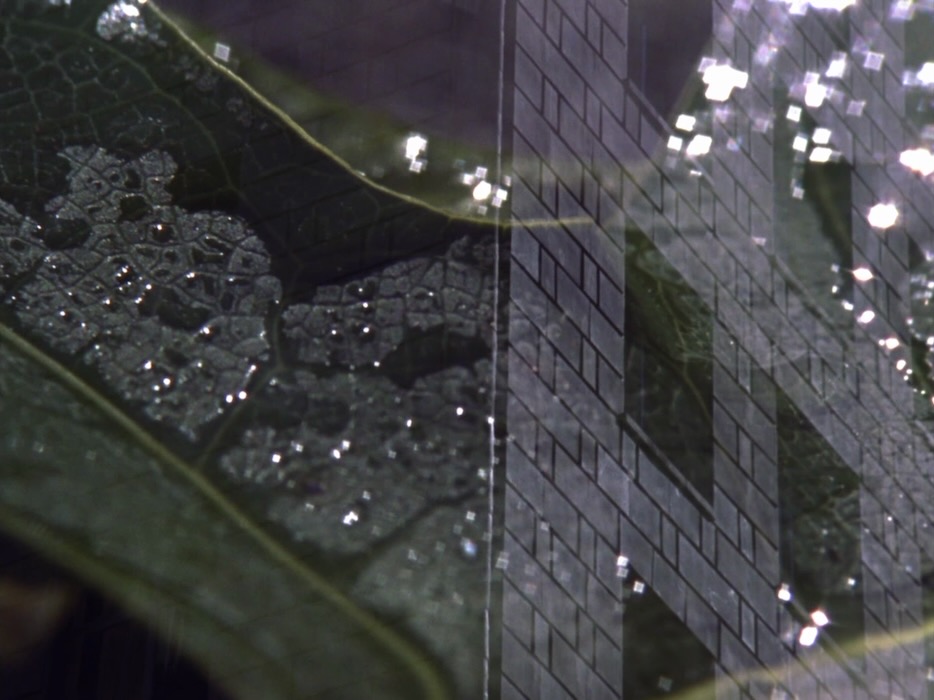
A tough one to blurb. Loud ambient music as brightly colored grass and clouds turns into skyscrapers and neon and back again, always with layers and particles and patterns flying every which way. Perfect HDTV demo material for some alternate reality avant-garde Best Buy. The music is by Lawrence English, an Australian who knows Merzbow and Xiu Xiu.
–
Light Year (2014, Paul Clipson)
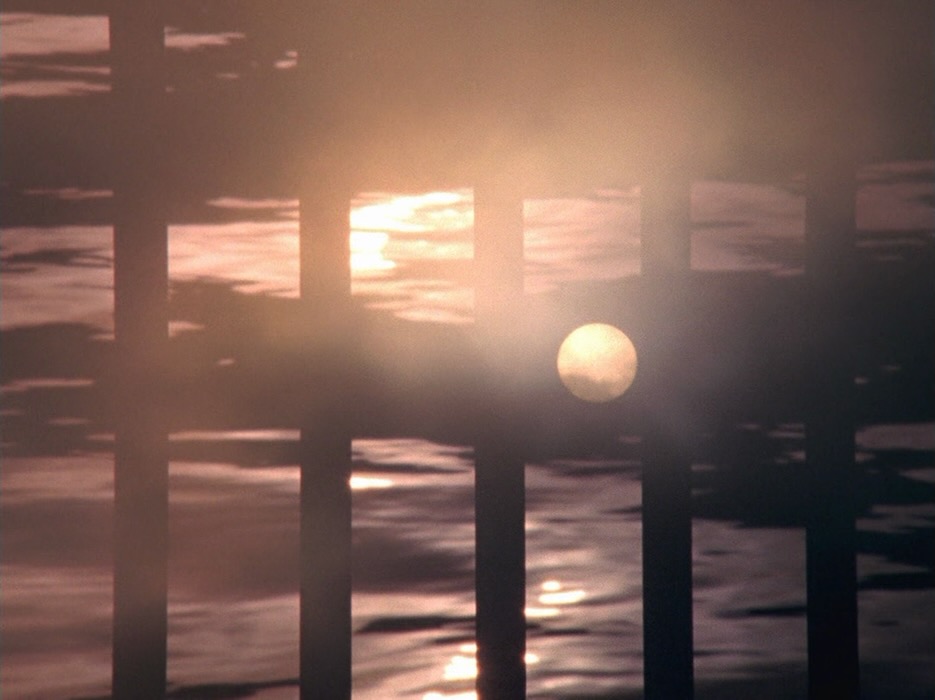
Ambient grumbling string music this time. The focus is on light glistening off river water as seen through various metal bars and fences. Even if it doesn’t fit the theme of the film, he can’t help himself from rushing into the neon city night again towards the end. So far everything I’ve seen by Clipson has been great. Music is by Tashi Wada, a Californian who knows Julia Holter.
–
Ten Second Film (1965, Bruce Conner)
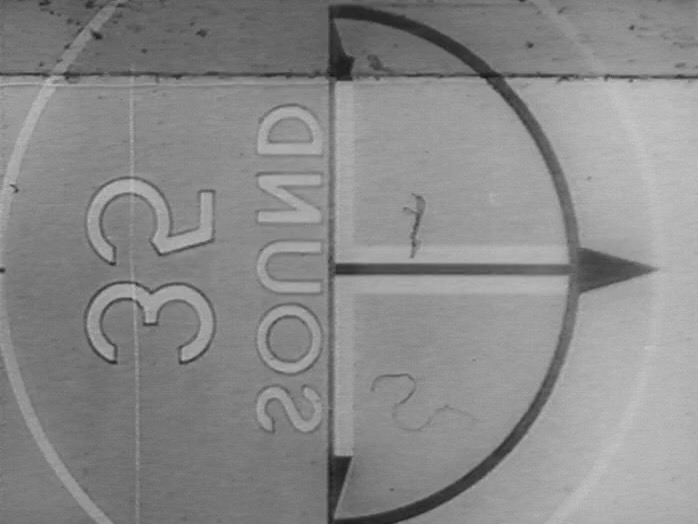
Ten seconds of rapidly edited film leader and demo stuff, nice.
–
Permian Strata (1969, Bruce Conner)
Scenes from a bible movie where people get stoned set to Bob Dylan’s “Rainy Day Women” Do you get it? I hope so, because that’s all there is.
–
Take the 5:10 to Dreamland (1976, Bruce Conner)
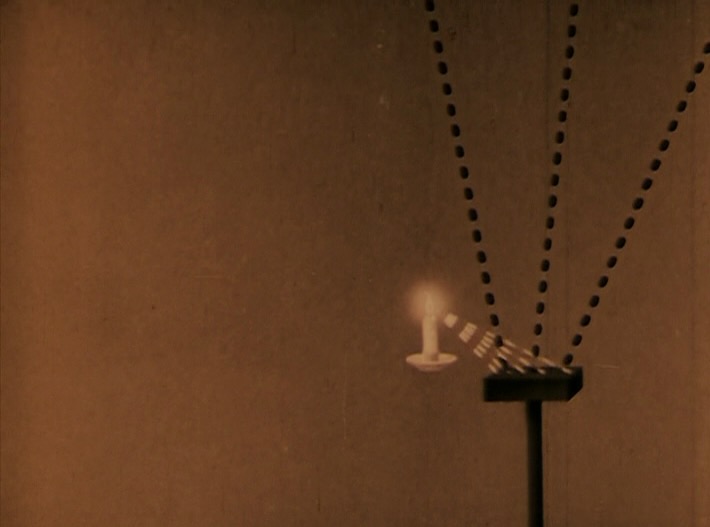
Slow sepia-toned scenes of things grounded and heavenly and spectral, while foreboding ambient music plays. Real good, my favorite since Cosmic Ray.
–
Cosmetic Emergency (2005, Martha Colburn)
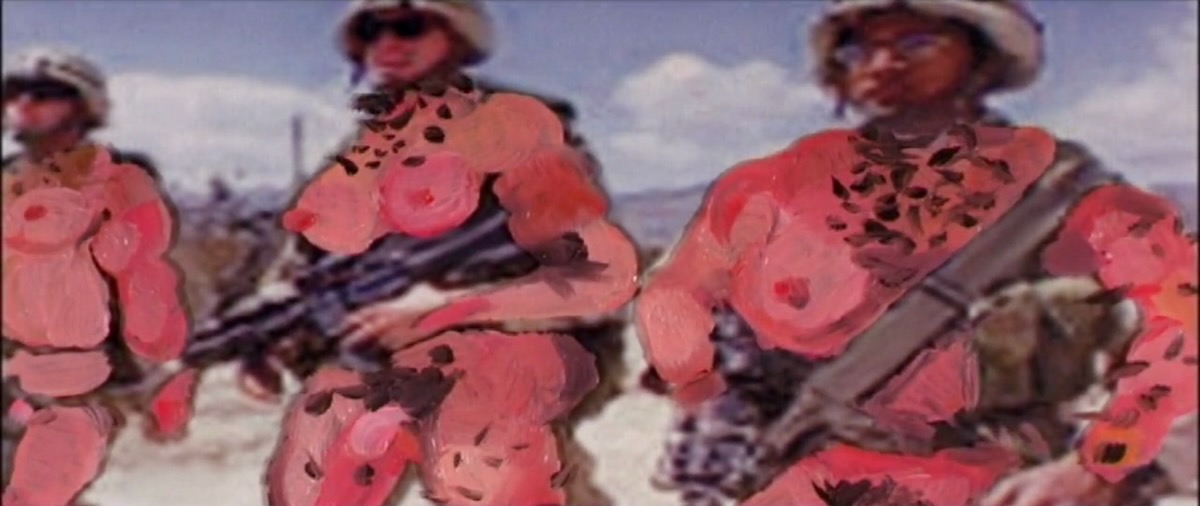
She adds disfiguring layers of paint to magazine models, then finds a quote that the US military gets free cosmetic surgery so she adds breasts and lipstick to pictures of army guys. One of the only movies to feature a Jad Fair song.
–
Time Travelers Overture (2024, Martha Colburn)
Another musical cutout collage spectacular, this time to an antic Brian Marsella track. Besides making really fun animations, Colburn has some of the best music taste in the business.
–
The Nail Clippers (1969 Jean-Claude Carriere)
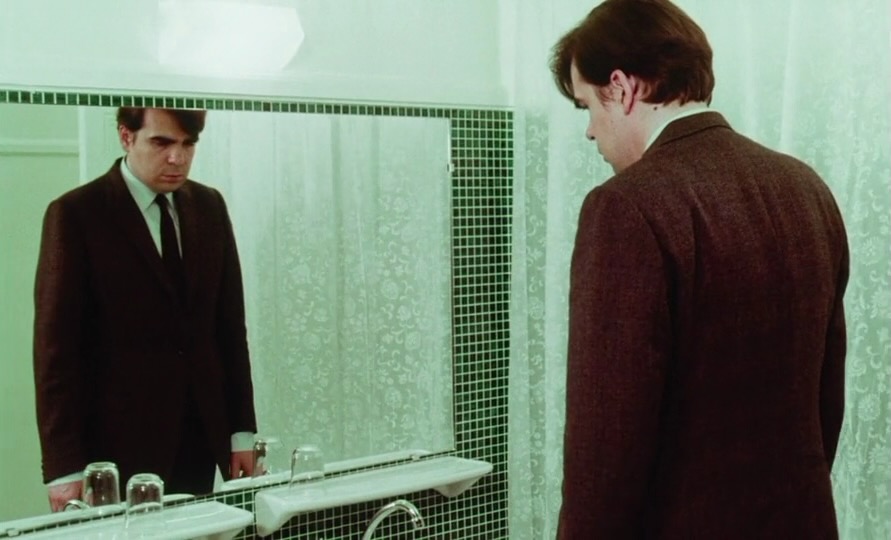
Michael Lonsdale checks into a hotel with his wife, and things start vanishing as soon as he looks away from them, including soon all his possessions, his wife, then himself. Carriere was mainly a writer, alternating at this time between Luis Bunuel and Pierre Etaix – and it shows.
–
As Long As There Is Breath (2020, Emily Chao)
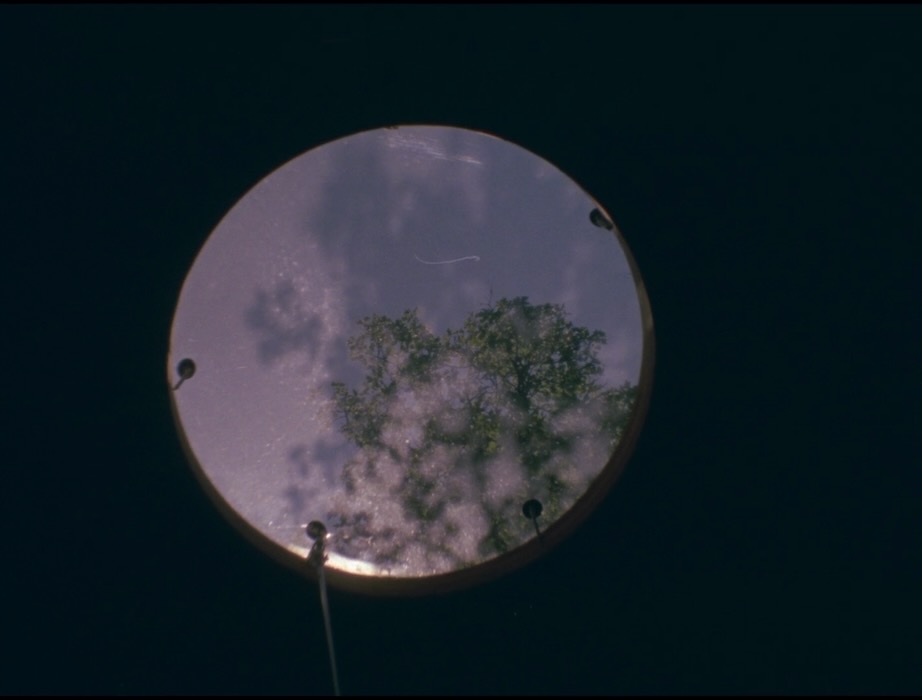
Looking out windows, whooshing around, the soundtrack whooshing too. At only two minutes, it felt like a trailer for itself.
–
No Land (2019, Emily Chao)
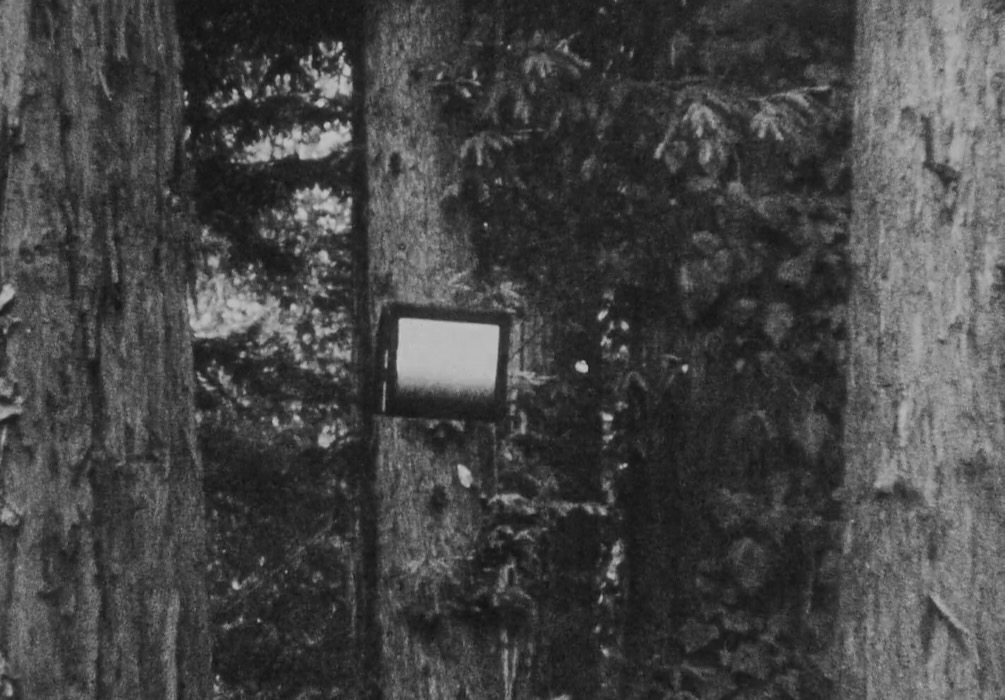
Two more minutes, a slow zoom in and (reversal) out of a tree-mounted TV playing a flicker film. Maybe the challenge was to reference Wavelength and Arnulf Rainer at the same time? Silent.
–
Baby Blue Benzo (2024, Sara Cwynar)
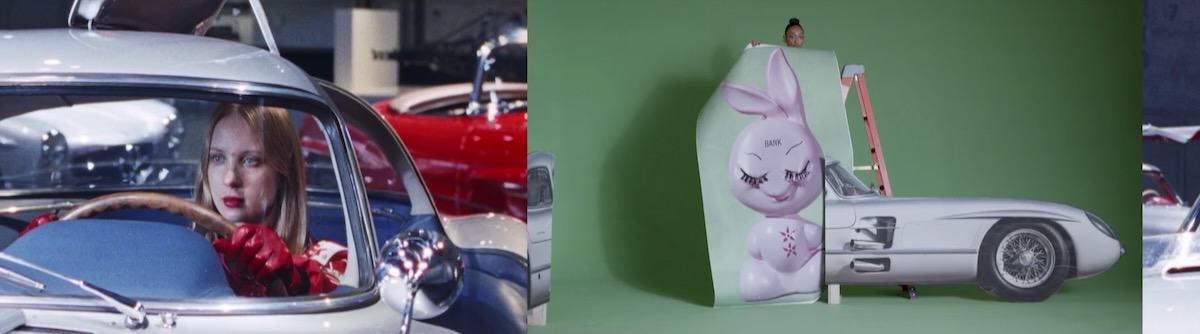
On the widest screen possible she constructs another self-conscious super-montage with overlapping narrations about desire, consumerism, images, automobiles.
–
Jean Cocteau Addresses the Year 2000 (1962)
Wow, Cocteau sits in La Villa Santo Sospir, faces the camera, and talks for 25 straight minutes, the camera cutting closer and closer to his face. It’s no The Human Voice. I got distracted and looked up whether the villa is still standing – yes, they did a pandemic-era restoration of the place, but it’s hard to get details from their broken website: “Today, the restoration is ne few final details left to perf living tribute to its remarka blending modern updates Jean Cocteau’s visionary ar his work as relevant and ev.”