Secret Weapons (1972, David Cronenberg)

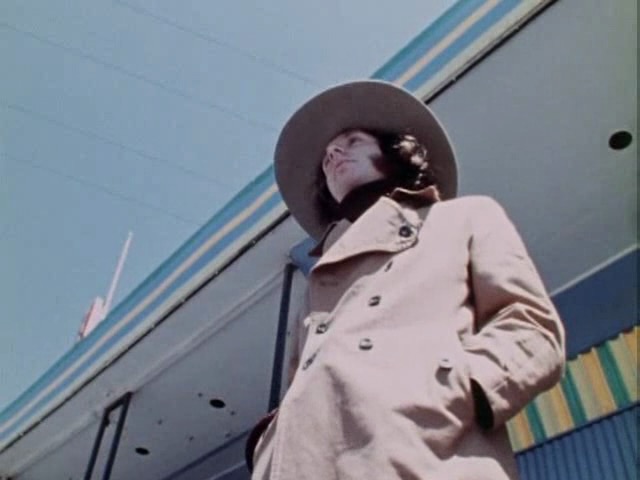
In a 1977 future during the North American civil war, a drug company has taken over the country and “the holy police are experts in psychic attack.” Weird Jazz on the soundtrack, my favorite genre of late. Not bad, definitely feels like a Crimes of the Future (1970) followup. Inventor slips away and meets with the motorcycle gang resistance, some kind of TV pilot setup for a brainy urban sci-fi warfare thing that never came to be (unless you count the entire rest of Cronenberg’s career)

Days Before the Death of Nicky (2024, Denis Cote)

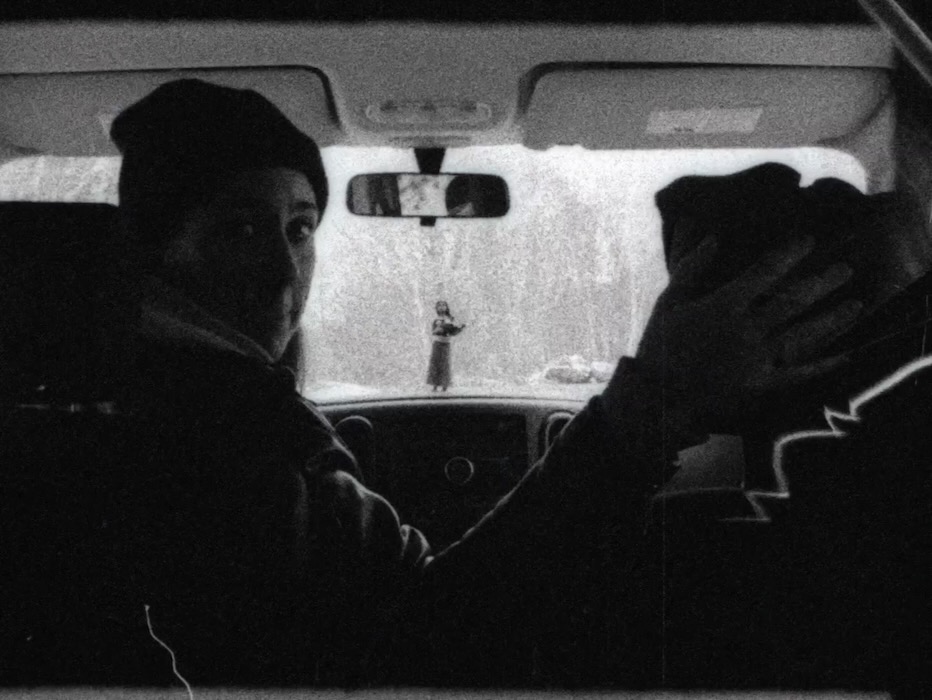
Woman is driving. Cuts are accompanied by brief blackouts and quiet static, then each new shot rotates to a different type of film or video camera, always affixed to the middle of the back seat looking forward. It’s ten minutes before we hear a voice – her singing to herself. A few times we see the camera adjusted or acknowledged, a few times we see someone else, including the last scene when she’s gone missing and some guy discovers the car.

Cruel Optimism (2017, Paul Clipson)

A tough one to blurb. Loud ambient music as brightly colored grass and clouds turns into skyscrapers and neon and back again, always with layers and particles and patterns flying every which way. Perfect HDTV demo material for some alternate reality avant-garde Best Buy. The music is by Lawrence English, an Australian who knows Merzbow and Xiu Xiu.

Light Year (2014, Paul Clipson)

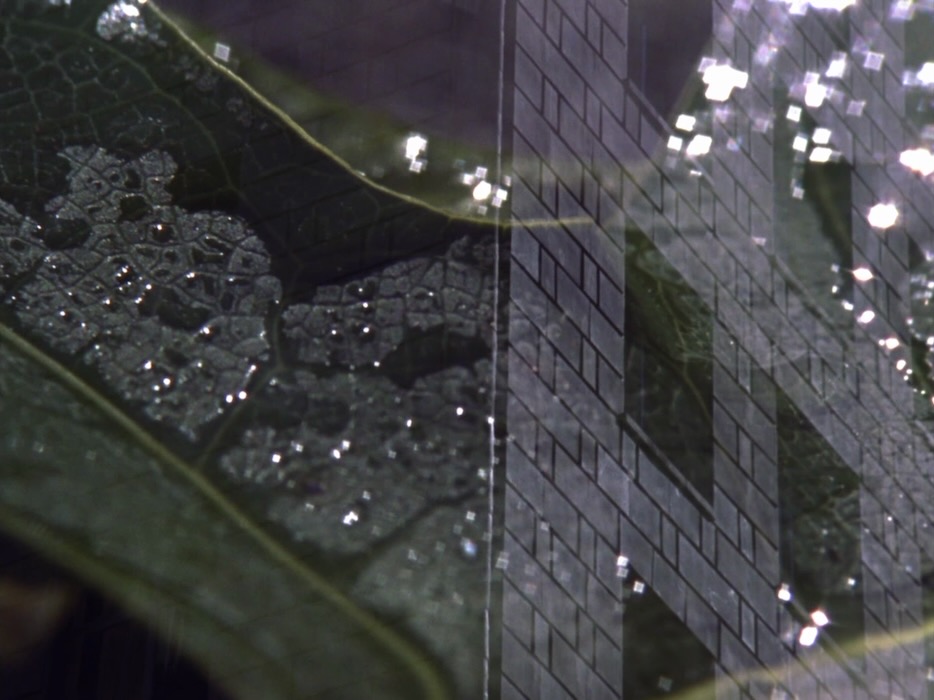
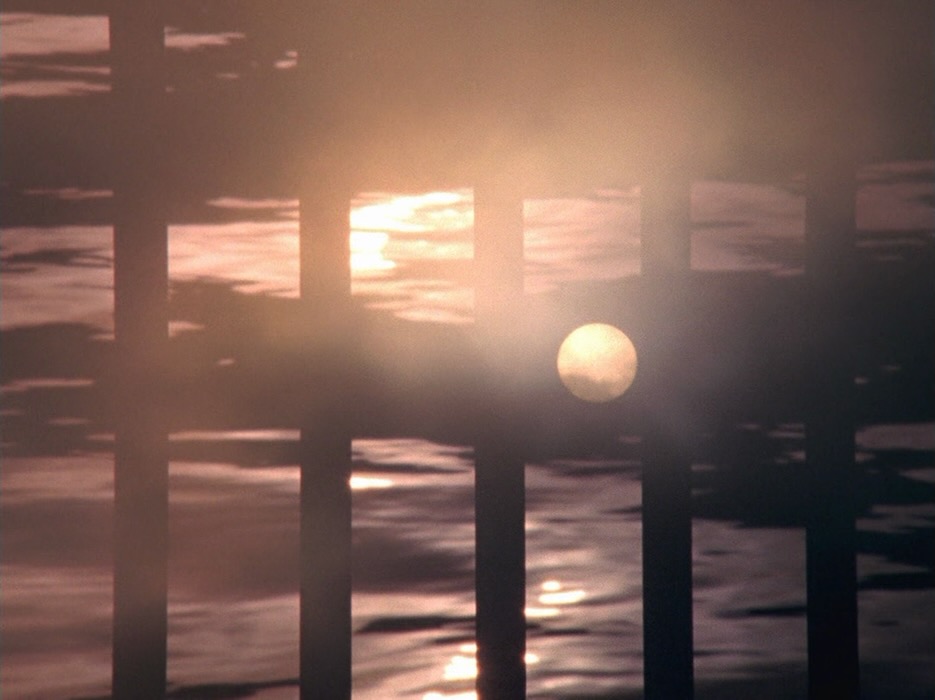
Ambient grumbling string music this time. The focus is on light glistening off river water as seen through various metal bars and fences. Even if it doesn’t fit the theme of the film, he can’t help himself from rushing into the neon city night again towards the end. So far everything I’ve seen by Clipson has been great. Music is by Tashi Wada, a Californian who knows Julia Holter.

Ten Second Film (1965, Bruce Conner)

Ten seconds of rapidly edited film leader and demo stuff, nice.

Permian Strata (1969, Bruce Conner)

Scenes from a bible movie where people get stoned set to Bob Dylan’s “Rainy Day Women” Do you get it? I hope so, because that’s all there is.


Take the 5:10 to Dreamland (1976, Bruce Conner)

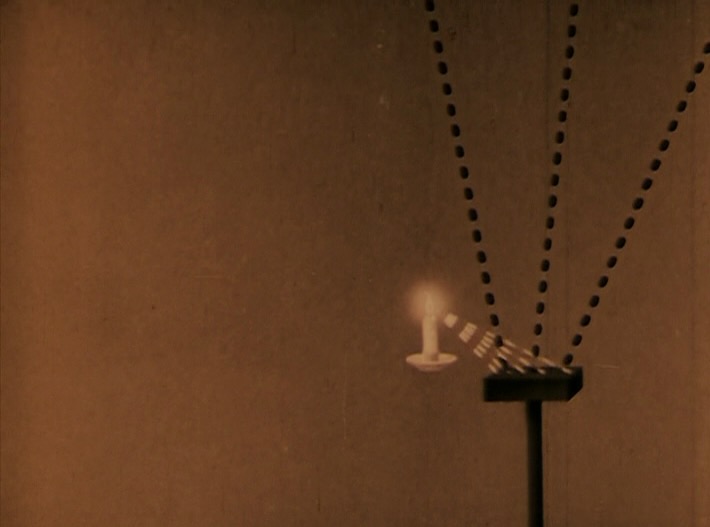
Slow sepia-toned scenes of things grounded and heavenly and spectral, while foreboding ambient music plays. Real good, my favorite since Cosmic Ray.

Cosmetic Emergency (2005, Martha Colburn)

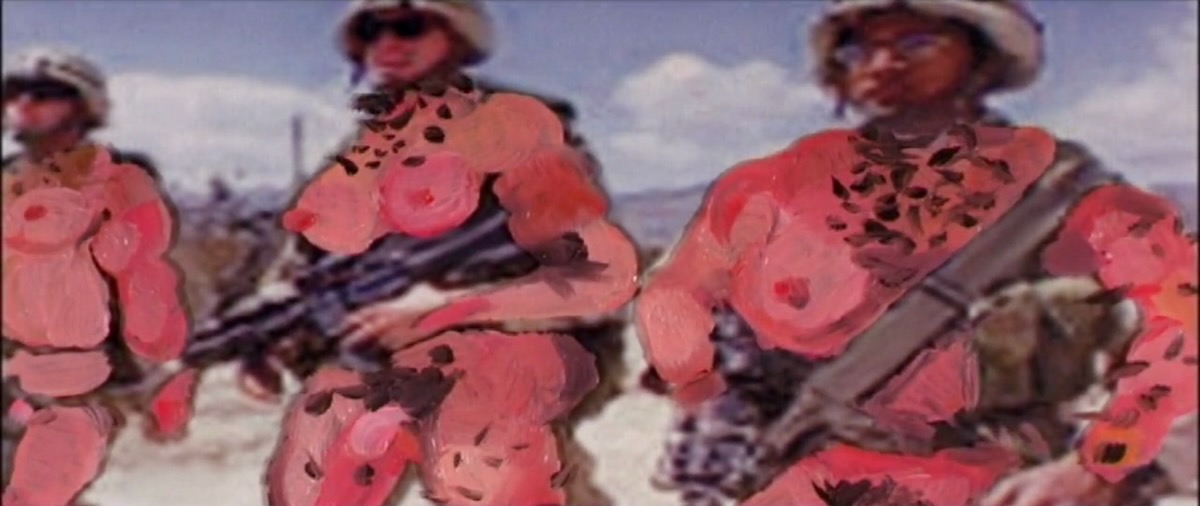
She adds disfiguring layers of paint to magazine models, then finds a quote that the US military gets free cosmetic surgery so she adds breasts and lipstick to pictures of army guys. One of the only movies to feature a Jad Fair song.

Time Travelers Overture (2024, Martha Colburn)

Another musical cutout collage spectacular, this time to an antic Brian Marsella track. Besides making really fun animations, Colburn has some of the best music taste in the business.


The Nail Clippers (1969 Jean-Claude Carriere)

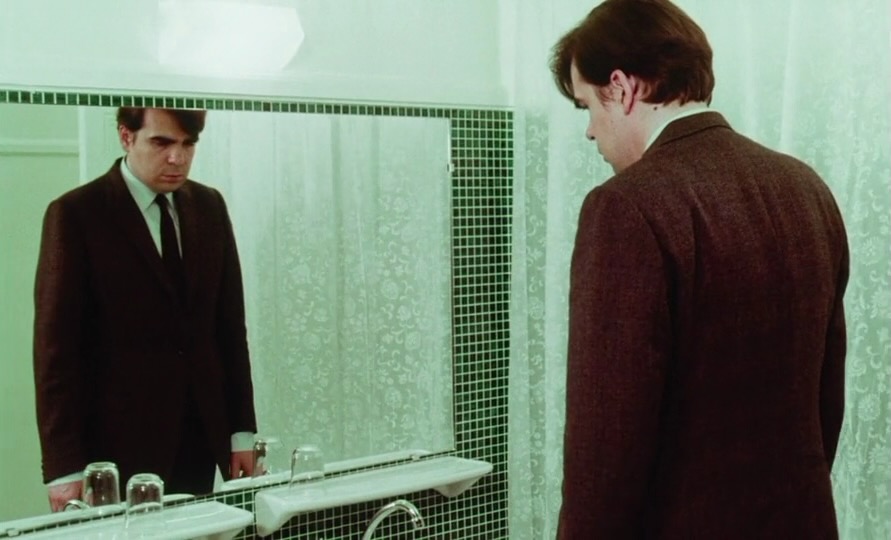
Michael Lonsdale checks into a hotel with his wife, and things start vanishing as soon as he looks away from them, including soon all his possessions, his wife, then himself. Carriere was mainly a writer, alternating at this time between Luis Bunuel and Pierre Etaix – and it shows.

As Long As There Is Breath (2020, Emily Chao)

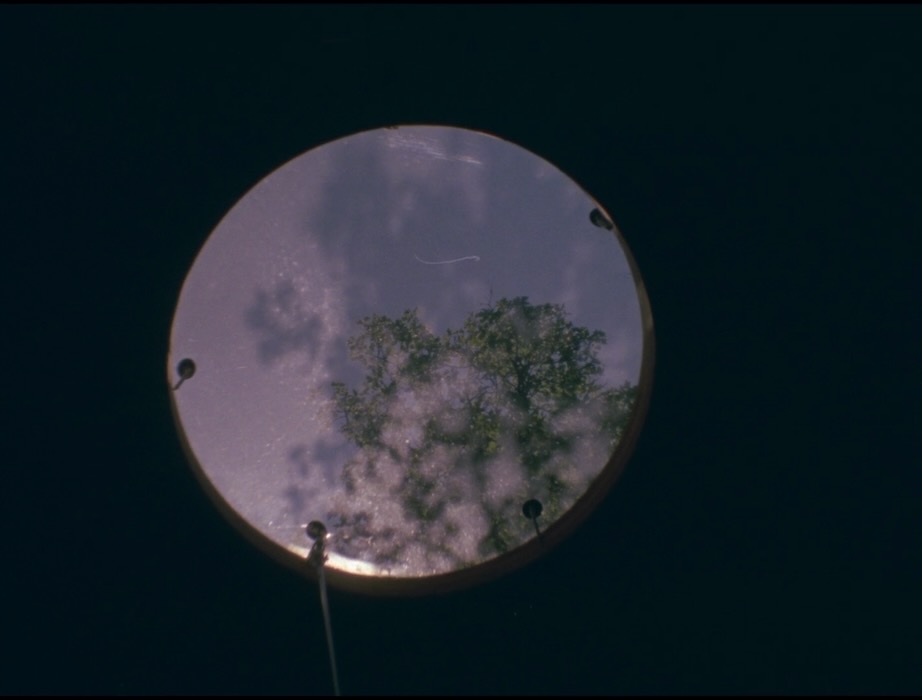
Looking out windows, whooshing around, the soundtrack whooshing too. At only two minutes, it felt like a trailer for itself.

No Land (2019, Emily Chao)

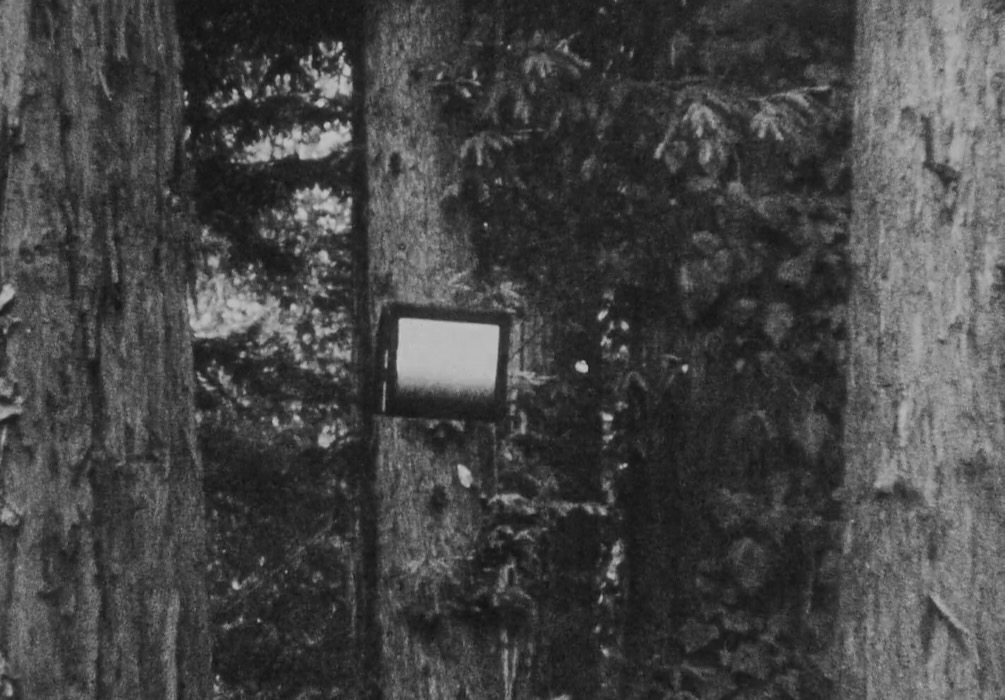
Two more minutes, a slow zoom in and (reversal) out of a tree-mounted TV playing a flicker film. Maybe the challenge was to reference Wavelength and Arnulf Rainer at the same time? Silent.

Baby Blue Benzo (2024, Sara Cwynar)

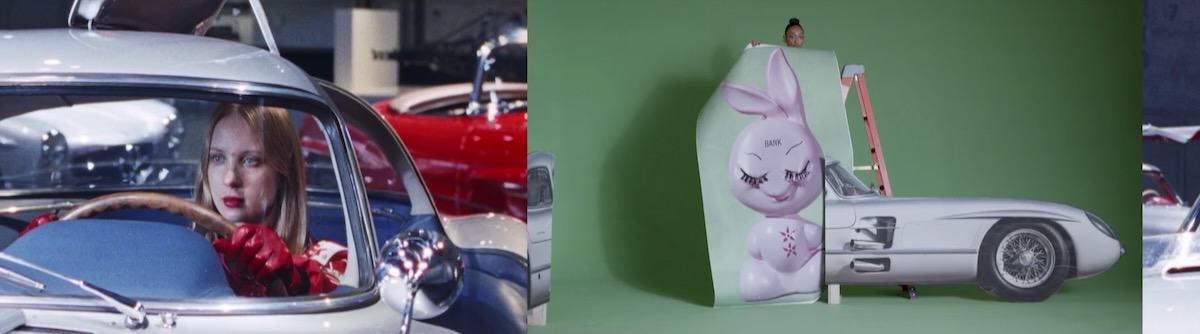
On the widest screen possible she constructs another self-conscious super-montage with overlapping narrations about desire, consumerism, images, automobiles.

Jean Cocteau Addresses the Year 2000 (1962)

Wow, Cocteau sits in La Villa Santo Sospir, faces the camera, and talks for 25 straight minutes, the camera cutting closer and closer to his face. It’s no The Human Voice. I got distracted and looked up whether the villa is still standing – yes, they did a pandemic-era restoration of the place, but it’s hard to get details from their broken website: “Today, the restoration is ne few final details left to perf living tribute to its remarka blending modern updates Jean Cocteau’s visionary ar his work as relevant and ev.”

Love’s Refrain (2016, Paul Clipson)

Measured zooms and pans through textures of nature, always overlapping and dissolving, set to an ambient groove with a steady beat. As the music gets blurrier and the beat recedes, the picture focuses more on streaks of light swishing past the natural photography, and finally the music turns into an insistent blare and the picture becomes abstract light squiggles. Clipson died last month, which is how I first heard about his work. My first thought is I’d like to see this in a theater, projected large, maybe in some kind of weekly screening program before a feature, and imagine how lovely that would be, and how nobody who sat through it would ever return.


Describe What You Heard (2017, Joe Callander & Jason Tippet)

“Tips on how to better describe your next mass shooting experience,” reacting to how people in news interviews are always saying “pop pop pop.” Jumps back and forth between shooting story footage and a guy providing a better sound effect vocabulary. This played True/False last year, now on vimeo.


Pure Flix and Chill: The David A.R. White Story (2018, Anthony Simon)

The week God’s Not Dead 3 came out I watched this half-hour doc on its star and studio founder, thanks to a Filmmaker article. Simon uses visuals from Pure Flix features and interview audio from White to craft a hilarious montage about the Christian entertainment industry and one of its biggest stars.


Idiot With a Tripod (2010, Jamie Stuart)

Jamie went out into a New York snowstorm, caught images of the city and edited them rhythmically to a Reznor/Ross song from the Social Network soundtrack. I watched this to see if I need to watch his feature A Motion Selfie, but I still don’t know!


Koko Trains ‘Em (1925, Dave Fleischer)

The earliest Fleischer I’ve seen, and it’s ambitious. An animator (Max) dressed in a suit is trying to impress a fashionable woman at his studio by drawing her dog, but the drawing keeps mutating into Koko the Clown. He puts Koko aside, they wrestle over the fountain pen, and the animator draws the dog next to Koko setting up a circus scenario. Not sure why the fashionable woman would want to see her dog break into pieces while doing flips and impersonate Teddy Roosevelt at the behest of a whip-wielding clown, but I never claimed to understand the 1920’s. Ends with Koko jumping out of the paper and riding the actual dog. Wikipedia says nearly 120 of these “inkwell” cartoons were made, that Dave’s job as a Coney Island clown inspired Koko, and that the dog named Fitz evolved into Betty Boop’s boyfriend Bimbo.


The Heat of a Thousand Suns (1965, Pierre Kast)

One of the few Chris Marker-related movies I hadn’t seen – he’s credited with editing. Sci-fi animation about a rich, bored space explorer with a robot crew who travels to a planet in another galaxy and fails to have a major romance with the beautiful girl he meets there since he does not understand how their relationships work. The animated movement is limited, but the drawings are lovely and unique. There’s a Jules & Jim reference, a cat, and a utopian society that is possibly into orgies.

It closes with a montage of real-life Earth women, including future Sans Soleil narrator Alexandra Stewart, who appeared in most of Kast’s films. This was his final short – he also directed features including an Easter Island sci-fi mystery, a Stéphane Audran cancer drama, and one in which scientist Jean Marais shrinks his female lab assistant to pocket-size. For Marker this was three years after La Jetée. Shot by Willy Kurant the year before he’d jump very impressively into feature films with Masculin Féminin, Trans-Europ-Express and Les Créatures. Played Locarno 1965 alongside The Koumiko Mystery.


La Legende dorée (2015, Olivier Smolders)

“God is a mediocre idea.” Librarian who hasn’t slept in 57 years claims his mother was conjoined twins, his dad a farting musician cannibal. He is fond of talking straight into the camera and showing off his scrapbook of tragic historical figures including a castrato, some torturous murderers, and Simon of the Desert – repeating and changing his story. Watched this to see if I want to see more Smolders, and… maybe?


Disintegration 93-96 (2017, Miko Revereza)

Either I am tired or the narrator has the kind of voice that it’s impossible to concentrate on – it’s something about this kid’s memories of hating his dad in 1993, his words illustrated with period VHS footage cropped to widescreen. Something about being illegal aliens in America, something about work and philosophy and class. If it was written, I’d have to reread some sentences, skim others, process it in my own time – but it’s spoken at a rapid, droning clip while I’m mostly trying to follow the visuals. Sponsored by Laika!


Muta (2011, Lucrecia Martel)

Someone’s been watching The Ring! Horror movie fashion models, faces unseen, creep around a yacht like an Under The Skin insect alien convention. I guess it’s an ad for a clothing company, like that Leos Carax short, but I appreciate these luxury brands giving great filmmakers a budget and letting them get deeply weird.


Things that aren’t shorts, but aren’t TV or movies exactly:

Hannah Gadsby’s Nanette is quite the journey… a middling comedy special for the first half, which turns into something more serious and interesting. Some early bits I’d noted as clunky and overserious turned out to be gradual setup for the later parts. I mean I hope it’s not the future of comedy, but as a singular show, it’s really well-constructed and I felt all the things.

I watched the whole Fred Armisen comedy thing about drummers, and I love both comedy and drumming, so I rather enjoyed it a lot.

And it seems like ages ago, but we saw Distant Sky, the second Nick Cave/Bad Seeds movie I’ve seen in theaters since moving here, and it was just as transcendent as the last one. Well-made concert movies can be better than actual concerts, and they’re easier to tour around the country, so why aren’t there more of them?