J.S. Bach Fantasy in G Minor (1965)

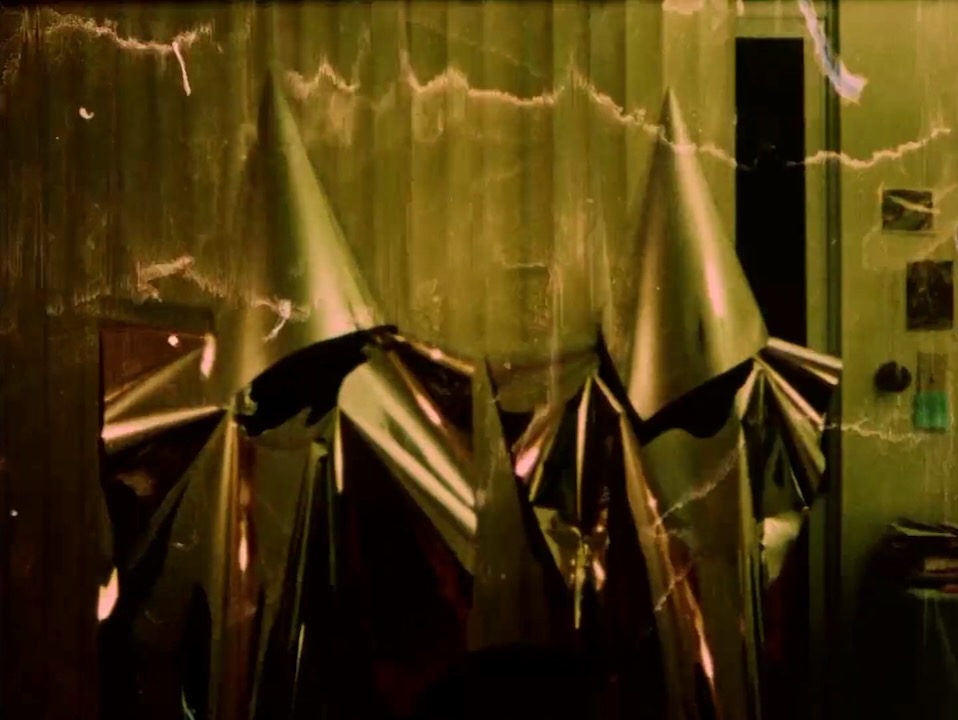
Organist wedges an apple in his mouth and gets to work. The rest is a Bach music video, focused on decaying walls, locks and grates, with stop-motion interludes of gashes and holes appearing in pulsating rows. Finally all the doors are thrown open and the camera rushes into the streets, confronted with a whole new world of decaying walls and locks.


Et Cetera (1966)

Exuberant little movie with better music than the Bach (sorry). Three parts in seven minutes, each piece an action that reaches a loop point then fullscreen letters exclaim ETC, ETC, ETC. Of course the film begins with FINE so when it reaches the end, the entire piece is a loop, ETC ETC, until the film material melts in lovely stop-motion.


Punch and Judy (1966)

Incredible, two puppets fight over the price or possession of a live guinea pig, burying and mutilating each other in turn. Jan’s editing and close-ups have never been better.


Historia Nature Suite (1967)

Different families of animals in rapid montage (birds obvs. the best segment), combining artistic/scientific drawings, taxidermy, and live creatures into an edited whirl, each part ending with an extreme closeup of a guy eating creature-meat.


The Garden (1968)

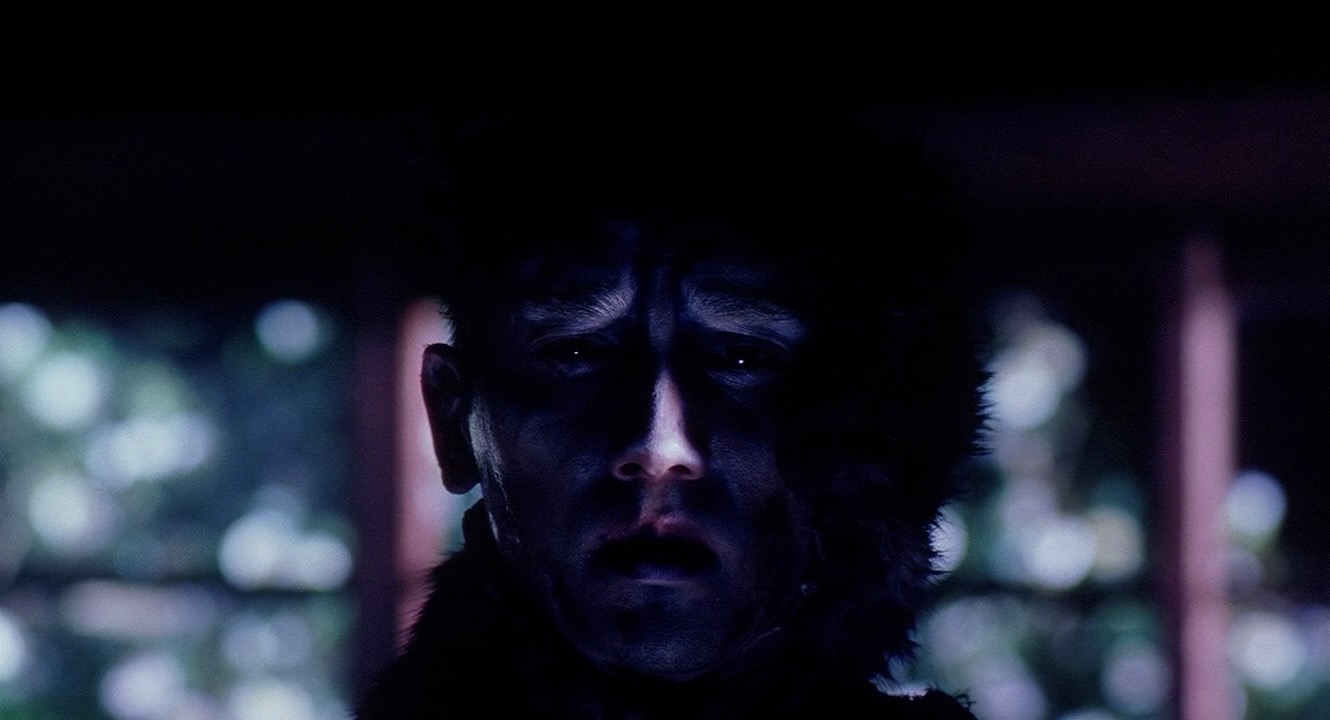
Gardener takes his guest Fred home, tries to show off his prize rabbits but Fred is too distracted by the garden’s living fence (a chain of humans around the property holding hands). The gardener tells some secrets about the fencemen, unheard by us, and the guest immediately joins the fence. Live actors and the vaguely folk-horror scenario set this one apart.


Don Juan (1970)

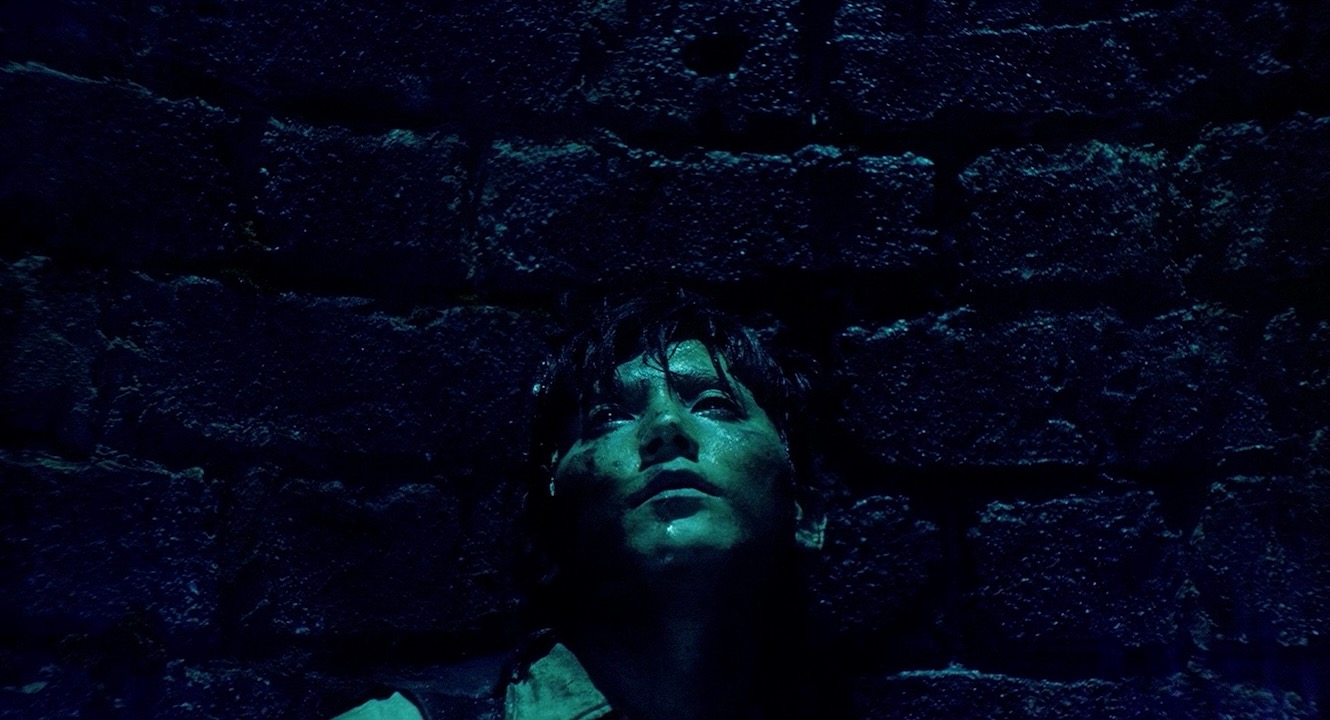
Juan’s dad won’t lend him money, so the Don smashes his dad’s head in. Juan’s chosen girl’s dad disapproves, so the Don cuts the old man’s face off. Juan’s brother Felipe, beloved of the girl, seeks Juan in the forest to take revenge, so the Don stabs his brother full of holes. Then the girl’s dad returns as a vengeful ghost who sends Don Juan to hell. Some of the usual delights, and the effect of actors wearing giant eyeless marionette-suits is fun, but much of this is the people/puppets standing around and announcing their dialogue.


The Castle of Otranto (1977)

Documentary interview with a researcher who discovered that a Czech castle was the setting for an old Italian novel, with nearby caves and secret passages and armor fragments matching those in the book. Svank and the viewer grow tired of this at about the same time, and he switches focus to animating the book’s illustrations, retelling the story of a young woman being chased around by all the castle’s men until the castle is destroyed by a giant, who also interrupts the (fake) interview.


Another Kind of Love (1988)

Music video for a bland-looking British singer (Hugh Cornwell of The Stranglers) who seems to have been patient with the stop-motion process and allowed his clay doppelganger to be hilariously mutilated. Snappy editing.


Virile Games (1988)

Viewer watches a soccer game on TV but it’s a harlem-globetrottin’ version of soccer where points are scored by attacking the opposing players’ faces with foreign objects until their clay heads implode. The ball gets kicked through the viewer’s apartment window and the game is relocated to his cramped living room, not that he notices. Also: the viewer, the ref, and all the players are the same actor.

Look like somebody wanted to remake Resident Evil 6 – this looks more similar to RE6 than any other movie looks to RE6, even other Resident Evil movies, and Milla is even named Alice again. There’s some Monster Hunter thrown in (they are in the wasteland hunting monsters) and some post-apocalyptic Mad Maxisms. I haven’t been going out to the movie theater this year, missing important big-screen pictures like Nickel Boys and The Brutalist and Mickey 17, but prioritized this because I thought it would be… not great exactly, but fun/cool, and I nailed it.

Deep Lore sourced from an early George RR Martin story, Milla plays a cursed(?) magic mind-control witch, hunting a mighty werewolf alongside softie tough-guy Dave Bautista who thinks he’s hiding his werewolf identity from her, at the behest of Queen Amara Okereke (British theater actress), pursued by fanatical church assassin Arly Jover (Blade). Some good train action, including an escape from dangling railcars that doesn’t hold up great against the last Mission Impossible, some good fire, and too many CG snakes. The queen’s rival for control of the people “the patriarch” is Fraser James of Shopping, Anderson’s longest-running actor. Bautista’s girlfriend is Deirdre Mullins of Mandrake, her equally doomed business partner is the Polish Sebastian Stan. I said if this turned out to be good then I’ve gotta watch Pompeii, and I guess I’ve gotta.

Toothache (1983)

I hurt my tooth on a potato chip, so what better time to catch up on some early Kiarostami films. I’ve had the Koker blu box set for a couple years now, so it’s time to watch that, but first checking out the films he made just before Where Is The Friend’s House.

This would be a completely uninteresting educational short – first half follows a kid who doesn’t like to brush his teeth, and second half is a lecture from his dentist. The one thing that gives it an edge is that during the entire dental lecture you can hear the kid and other patients squealing and crying while getting poked and drilled.


Fellow Citizen (1983)

Stress-inducing condensed hour at work with a traffic guard tasked with preventing people from driving into the city center unless they have a permit or a special exception. Guess what, it turns out every single automobile driver in the city is a very special person with very special circumstances who deserves to be let through. Our guy lets them all through but feels increasingly taken advantage of and starts denying access more and more, among nonstop yelling and honking. Ends with a pure frustration montage set to the most psych-rock song of any Kiarostami film.


First Graders (1984)

After an attendance-taking intro, we spend the day in the principal’s office doing conflict resolution. Unlike the people at the traffic stop, the participants here seem unaware of the camera. They are little kids with undeveloped concepts of right, wrong, truth, etc., and you can see their big puzzled thinking faces in closeup. Halfway through, the camera unexpectedly follows the kid on crutches home, getting a bicycle lift from his dad. Overall some suspiciously posed/staged camera angles for a straight doc. It also follows an American Beauty plastic bag, as AK keeps changing his mind about what kind of movie to make.

“Nobody likes a cop.” A woman picks up her husband’s gun in the first second of the movie post-credits, what would Chekhov say about that? Robert Ryan (between The Set-Up and Clash by Night) is very tame for a supposedly short-tempered, violent officer on the trail of two cop killers. His team catches the guys, but Ryan is sent away to the country to cool off, where Ward Bond is on a rampage, promising to kill his daughter’s murderer without a trial. The suspect’s sister is blind Ida Lupino, so the movie stops its killer pursuits to hang out while these two assholes torment her. Her brother surfaces and spares the two men from having to kill him by falling off a cliff while running away.

Ryan in the country with Ward:

Ryan is good, at least, relative to the rest of the movie. Country and city folk have perfect diction, nothing feels authentic or lived-in – a couple shots of great truth and intensity, but a phony movie. The title always reminds me of crap 90s Steven Seagal social-issues actioner On Deadly Ground, but it turns out there was also a crap 90s Rob Lowe social-issues actioner called On Dangerous Ground.

Ryan in the city with his jittery informant, Welles regular Gus Schilling:

After her foster mum’s death, Marianne Jean-Baptiste consults compassionate social worker Lesley Manville about finding her real mum. Lesley gives her some options, says this should be handled delicately, and of course don’t just show up at mum’s doorstep, but Marianne is out of patience and does exactly that, getting to know Brenda Blethyn (Keira K’s mum in Pride & Prejudice and Keira’s boyfriend’s mum in Atonement) and remaining her “work friend” to the rest of the family until all the titular secrets get blurted out at a birthday party.

Brenda’s brother is Timothy Spall, his wife who nobody likes is Phyllis Logan, and mum’s other daughter (and birthday girl) is Claire Rushbrook of Adler’s Under the Skin, who brings along her boyfriend Paul. Poor Paul seems nice enough, has nothing to do while caught in this massive unloading of grudges, and when the fourth family secret within 15 minutes drops, he makes a facial twitch that justifies his entire existence in the film. As for Blethyn, she and the movie won top prizes at Cannes in a stacked year (Crash, Fargo, Breaking the Waves, Three Lives, Drifting Clouds). She’s excellent throughout, but one line delivery in particular, which I won’t detail here because I’m trying to stop thinking about it, had me upset all week. I planned to catch up on a few Mike Leigh films – maybe Meantime or High Hopes – before watching MJ-B’s comeback Hard Truths, but maybe stacking these in a single month would be overwhelming.

Josh Lewis: “So funny to make a movie as nihilistic and troubling as Naked and then immediately follow it up with Timothy Spall in this who is a contender for the nicest, warmest character in the history of movies.”

Relaxed film, supposedly a full rehearsal of the Chekhov play in a disused theater, director Andre Gregory and the small audience only seen at the beginning and during act breaks. Camera crew is onstage, so it’s an immersive drama that doubles as a distancing experiment. Everyone loves the important professor, come to his country home with hot new wife Julianne Moore, but as the days go on, all the men fall for Julianne and lose respect for the professor, who plans to repay their years of work on his estate by selling it off and making them homeless. Local doctor who never seems to go home is Larry Pine, the professor in Q, and thankfully I didn’t recognize this movie’s professor as the Police Academy commandant because that would have been so distracting. MVP Brooke Smith (the girl who puts the lotion in the basket in Silence of the Lambs).

Wallace Vanya with Moore and Lynn Cohen:

The effects hold up less well than Starship Troopers but they’re illustrating a cool concept (mammals becoming visible from their veins outward) – and I’m sure they were closer to cutting-edge at the time, but now when lab leader Kevin Bacon invisibles himself and becomes a skeleton I get the song “Money for Nothing” in my head.

Bacon is a science genius but kind of an asshole – his first order of business when becoming invisible is to sexually harass coworkers – so his ex Elisabeth Shue and her square-jawed labmate Josh Brolin are understandably hiding their relationship from him. Not taking the news well that he can’t be re-visibled, Bacon goes out and rapes his neighbor, kills his boss (Bill Devane of Rolling Thunder), then comes back to trap and slaughter his entire team (including Zero Effect‘s Kim Dickens). Hit or miss, still better than the last invisible man movie I watched.

The opening mashup is as good as people said, then between each ad break they pick a particular focus: Lonely Island, hip hop, star-making performances, the dangers(?) of live television. They take pains to tell us what an honor it is to play such an important show, how vital is SNL to our culture, and if you don’t agree with this premise then it all starts to feel hollowly self-promotional, but there’s sure some good music along the way.