Mostly standard talking-heads rise-and-fall music doc. Sometimes the interviewees address the subtitle topic, sometimes they use a deep-1980s Sly interview, sometimes there’s concert footage, and all those things are very good. Surprisingly given all the past-tense involved, Sly really does live (update: RIP Sly).

I struggle with Jia’s movies sometimes, but when they’re great, they are great. Catching up with his most major work I hadn’t yet seen in anticipation of Caught by the Tides, and it is major indeed. An interview doc with Chengdu former factory workers, but some of the interviews are being reenacted by actors. The woman talking about gaining inspiration from a Joan Chen movie… I think she’s Joan Chen.

Jake gets it. Neil analyzes further.

Sean Gilman: “Factory Leaving the Workers”

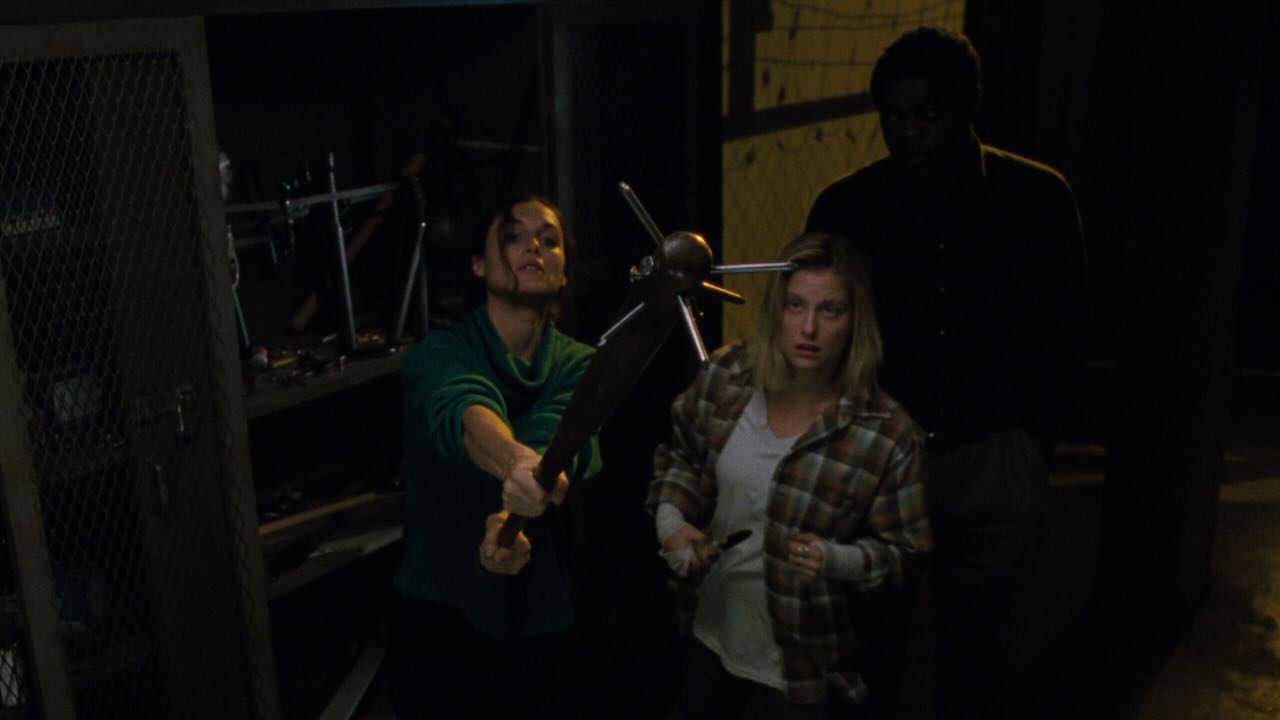
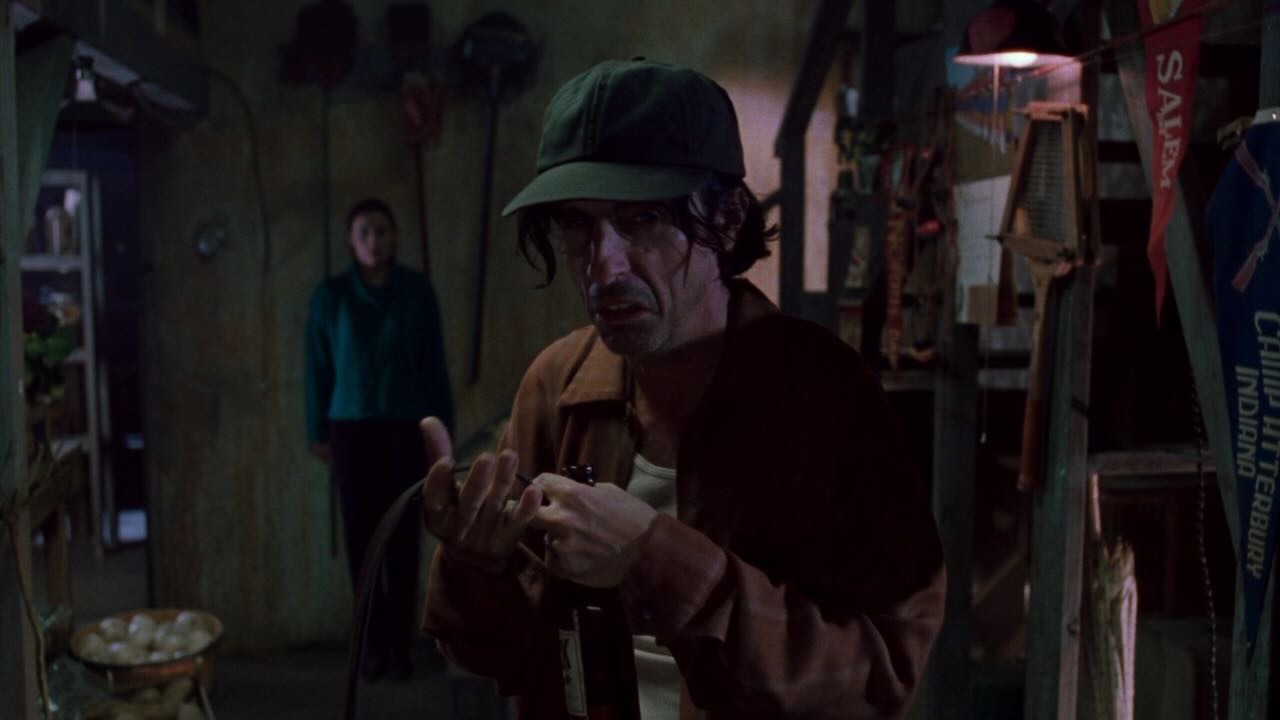
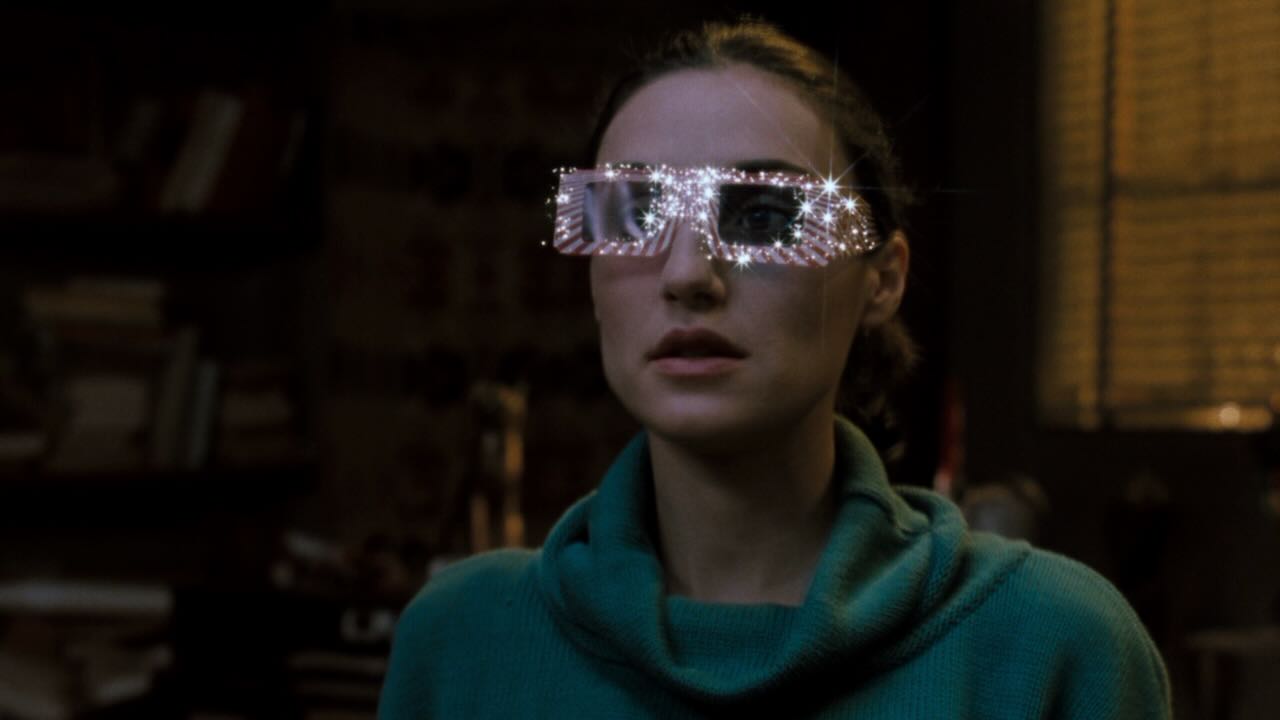
Mastroianni plays our director’s stand-in again. Following a hot woman off a train in the middle of nowhere, he stumbles into a hidden hotel hosting a theatrical feminist convention. The women drive him into the night in a crazed caravan until he’s rescued by a dude with plenty of weapons and dogs… sees a telekinetic performance… descends a giant slide while reminiscing about various hot chicks… then the women put him on trial for sexism, ho hum.

No part of this is realistic, all dream-logic. Does it play circus music whenever things get zany? Sure as hell it does. We love Marcello, and Fellini is good at filming beautiful people and things, but it’s a Petrov’s Flu situation.

Re-enactments upon re-enactments! A decade after watching Kandahar, I’m on a new Kiarostami kick but still haven’t seen most of Makhmalbaf’s work. I’m assuming the meta-cinema ideas came from A.K. via Close-Up, though Makhmalbaf had made a semi-autobiographical feature before then, and a couple of cine-referential features since.

The online synopses say the director tracked down the policeman he’d stabbed as a teenager, but the movie opens with the policeman coming to Mohsen’s house. After a casting call the two men select their young selves, tell the young actors their own stories, then figure out how to stage the big event, leading to the big final freeze-frame which became the movie’s poster and original title (Bread and Flower).

Honestly a documentary about homework, interviewing kids about their homework in order to make points about schooling and parenting. AK discusses not knowing what kind of movie he’s making at the beginning (“it’s not really a film, more a piece of research”), and at the end he breaks up the format to engage more deeply with a boy who didn’t want to be interviewed.

Two kids’ ambitions:

During the interviews (the central bulk of the movie) he cuts to the cameraman really frequently, presumably for sound edits. My main takeaway was the kids answering yes/no questions with a clicking sound, which I like even more than the “mmm!”-with-head-nod I picked up from anime.

Un Chant d’Amour (1950, Jean Genet)

Contact between adjoining prison cells. Almost narrative, then it doubles back on itself or fantasizes itself out of the prison, or introduces a murderous prison guard.

Basically the same image in Be Sure to Behave:


The Demands of Ordinary Devotion (2022, Eva Giolo)

Objects and processes, an excellent example of this sort of thing, nicely edited with a great focus on sound.


Stone, Hat, Ribbon and Rose (2023, Eva Giolo)

Scenes from bigger spaces, ambient outdoor sounds in less controlled environments, cut with short snips of people indoors making noises on everyday objects when used unusually. How does a horn sound when you rub it, or a plant when you hug it, videotapes when they’re stacked? “Stop filming a train station, you’re not Chantal Akerman,” I demanded of the movie, not realizing it was made as a tribute to her, part of an omnibus feature. Forgot I’d watched one of Eva’s a couple years ago. Her follow-up to this was filmed on an island and her latest short sounds anthropological, getting further from the enclosed spaces of Demands and Flowers.

Michael Sicinski makes the new one sound pretty fun, and writes that these two:

exhibit Giolo’s particular brand of editing, which tends to allow individual shots to play out before being replaced by an entirely different sort of material. Shots with humans tend to be followed by ones without, landscapes succeeded by interiors, brown, natural colors followed by saturated reds and blues.


The Other Side (2021, Nan Goldin)

One of the famous slideshows, and it is really a slideshow, a parade of images (sometimes images of parades) with short crossfades, set to a mixtape. I probably liked two of the seven songs and most of the images, many of which were in vertical formats ill-suited to my wide TV.

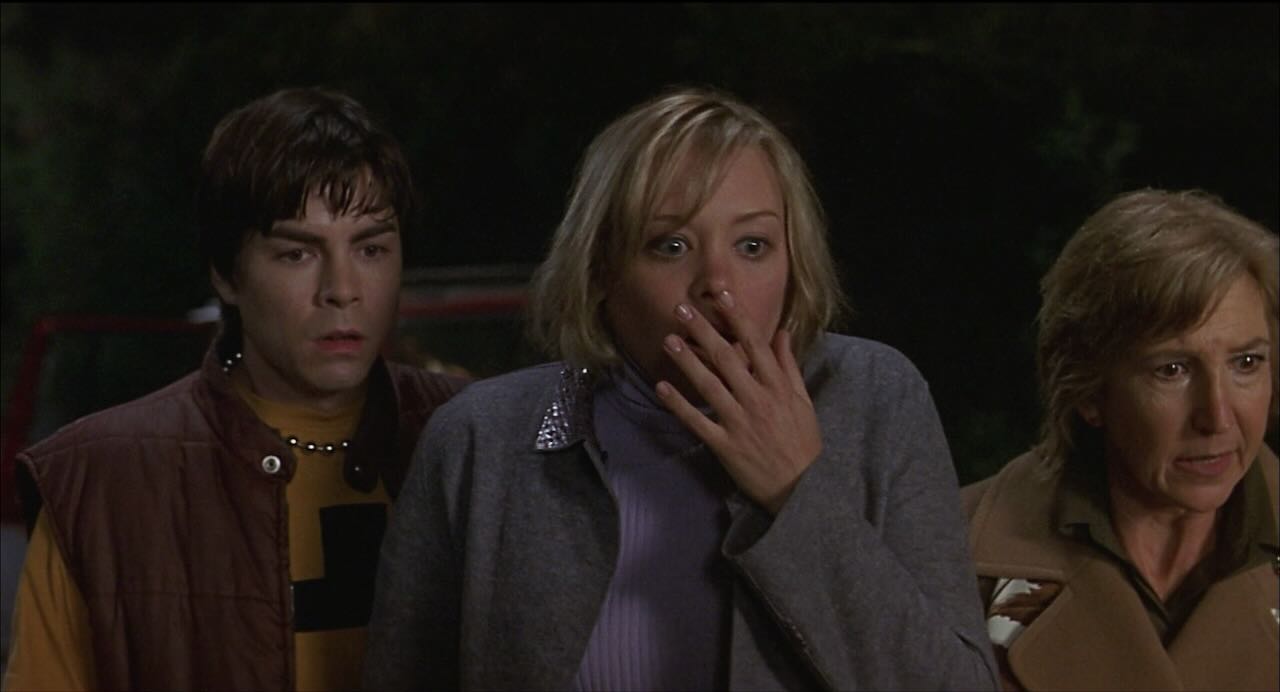
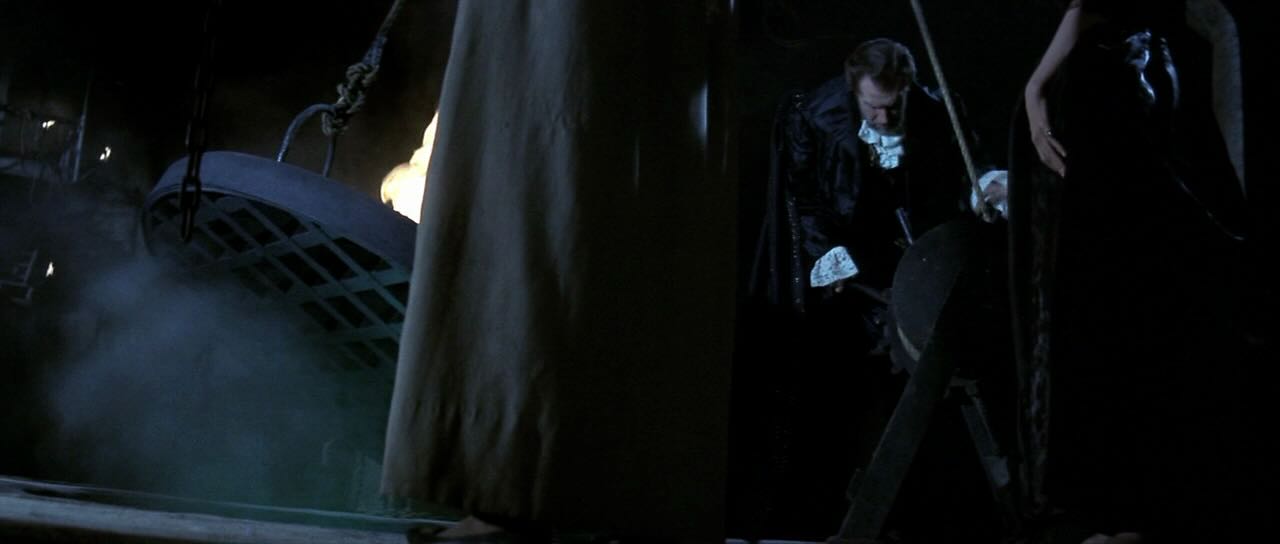
Dickensian intro in “Germany” with Warboy “Steve” Hoult as a green realtor sent to the Count’s castle. Sure are a lot of dream sequences in this. It’s got more narrative than the other versions, at least, and definitely more dream sequences, and references to Possession and The Exorcist. The music is very “Mica Levi but bad.” It must not feel great to have made the longest and worst Nosferatu movie, but if you rank it with all the Draculas it’s probably somewhere in the middle – I recall Dracula 2000 being quite painful.

Willem Dafoe plays an alchemist who knows the VVitch Dad. Lily-Rose sacrifices herself to free the town from a plague. At least the vampire’s death scene was good.

After the mine closes down, Turo hits the road in his convertible looking for a new life, finds a girl and then trouble. He and his cellmate Matti (Boheme, Tatiana) break out and find new trouble. Matti doesn’t survive but Turo and Susanna get hitched and escape onto the title ship to Mexico.

New AK motto just dropped:

Ryosuke and Akiko are a young couple driven by money (he’s new, she starred in Wheel of Fortune and Fantasy). He quits his factory job to get rich buying junk (like pricey Sailor Moon snowglobes) and reselling it online, guided by schoolmate Muraoka (the First Love guy) and with help from very loyal assistant Sano.

But somebody is after him from the beginning, laying tripwires in his bike path and throwing car parts through his window, and soon his online identity gets doxxed and a gang of aggrieved customers who got ripped off by his fake designer handbags are after him, breaking into his house and Serpent’s Path-ing him for revenge. I’m not sure what all this double-crossing gun intrigue adds up to, besides the dreamlike final scene which spells out that unchecked greed will lead you to hell.

The Arkanoid Conspiracy:

Vadim Rizov in Filmmaker:

The sound mix elevates the humming of Yoshii’s computer monitor, as if the digitally transmitted virus of Pulse were still going strong years later. The inexplicable proliferation of evil is often Kurosawa’s beat, which can help explain the derangement exhibited by Yoshii’s enemies, a portrayal of capitalism’s deleterious effects as ethics-overriding brainworms. Maintaining a surface tonal grimness while turning the screws on Yoshii, Cloud is nonetheless one of Kurosawa’s goofier outings, full of manic outbursts and violence whose extravagance borders on comic.