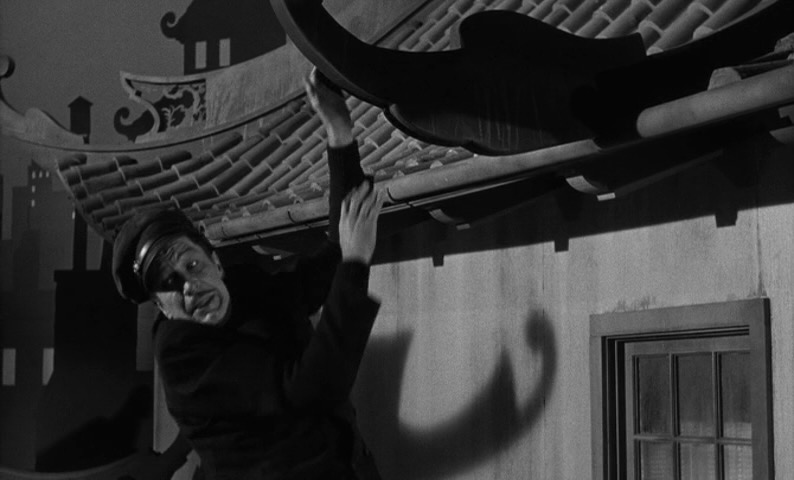
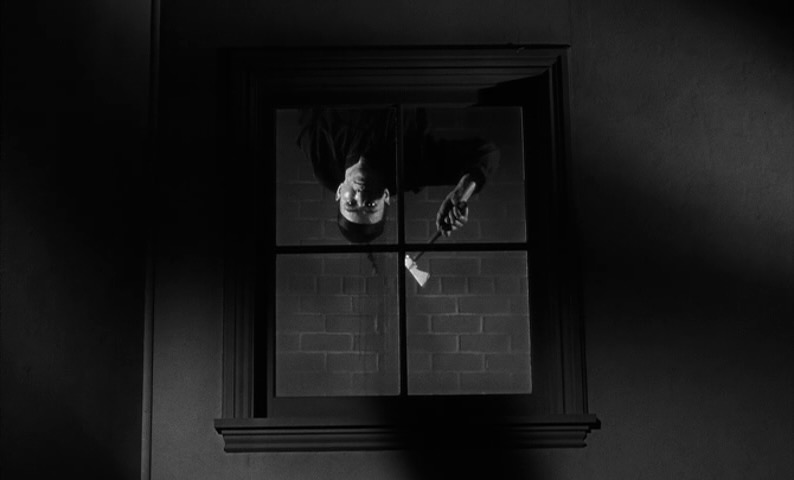
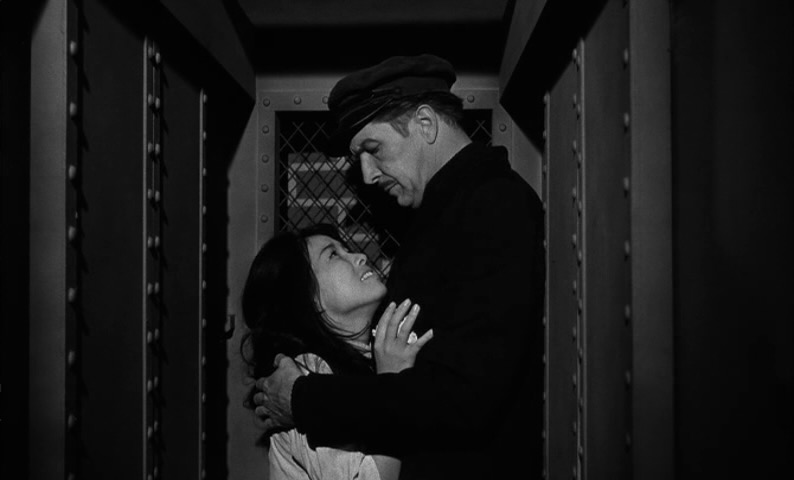
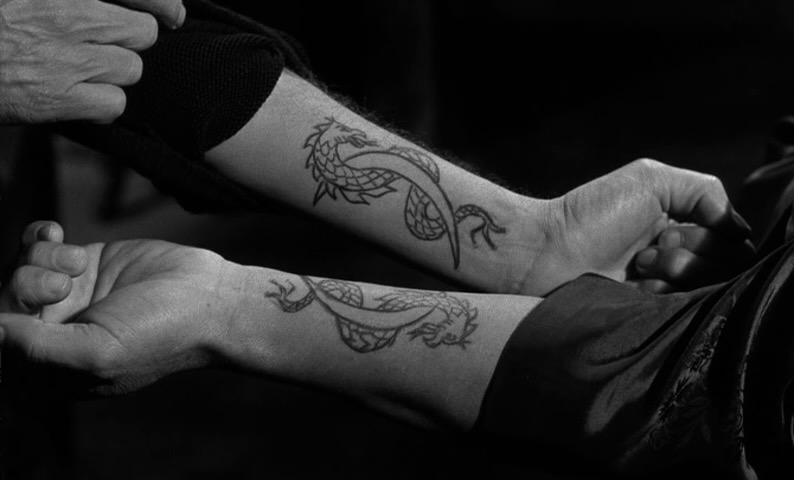
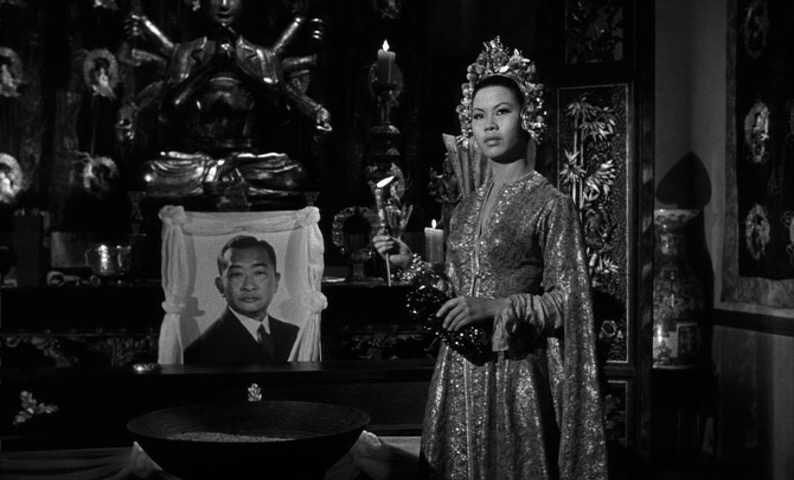
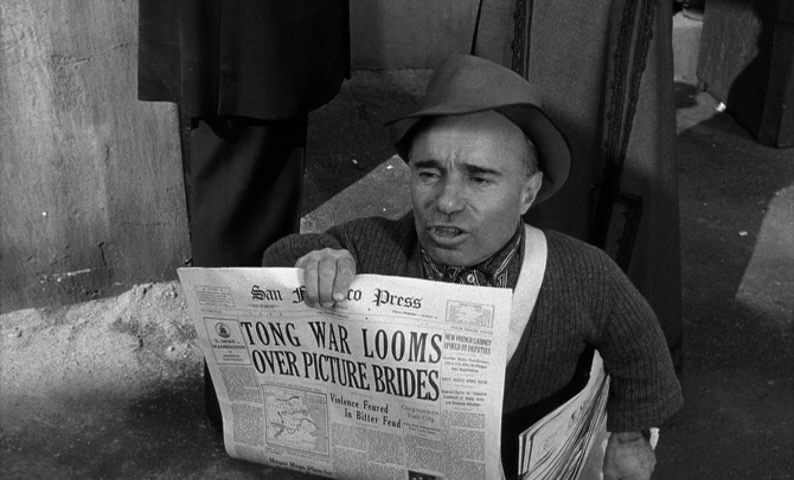
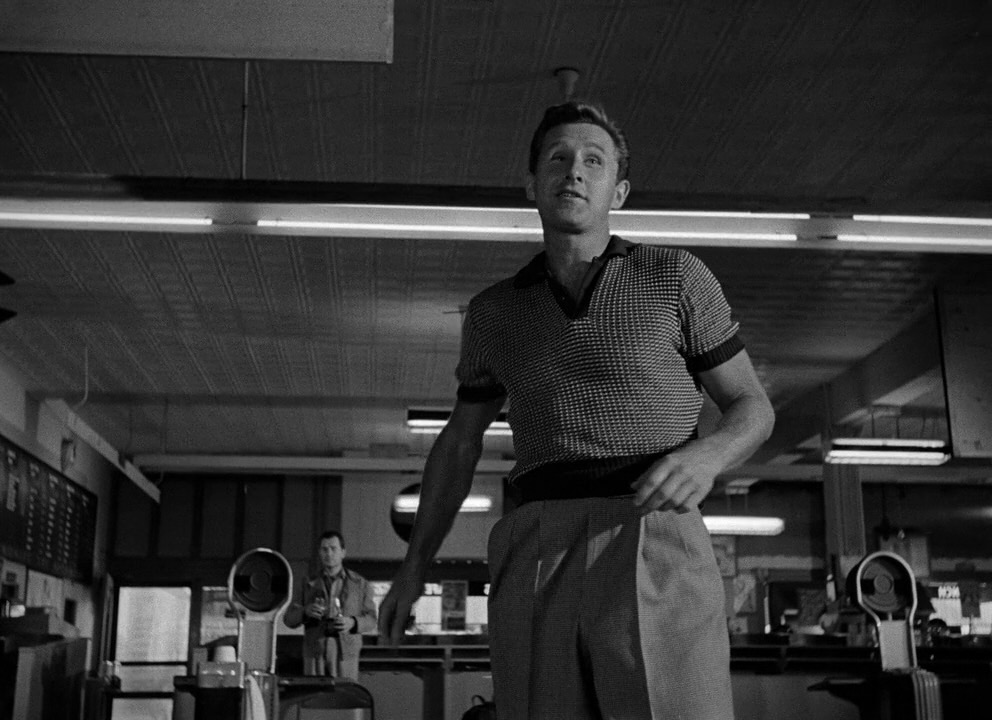
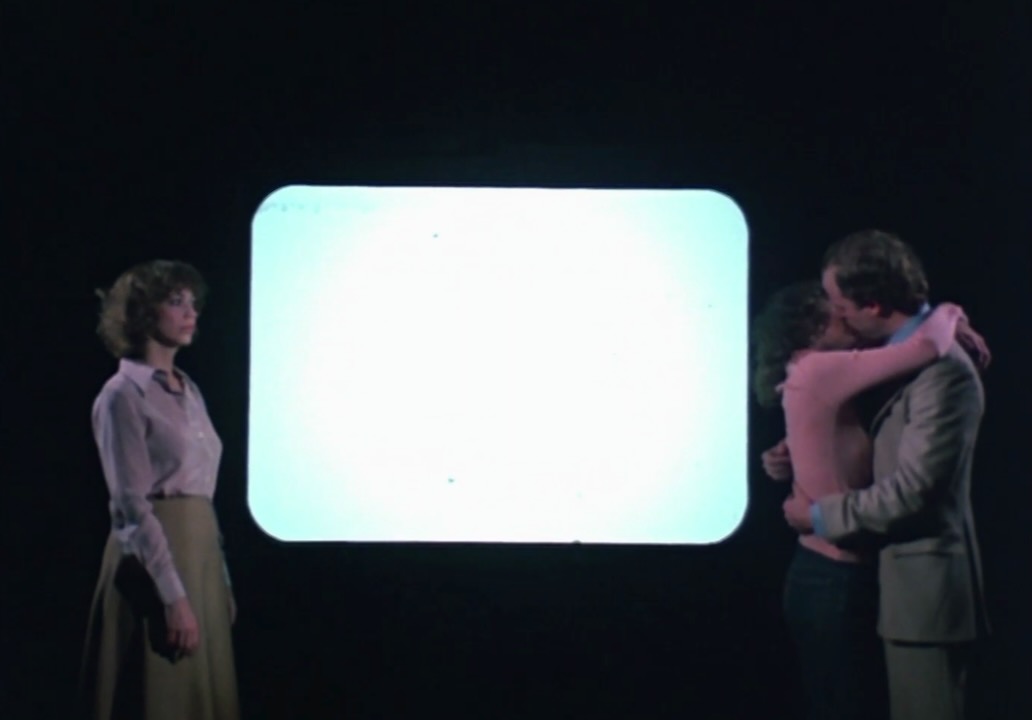
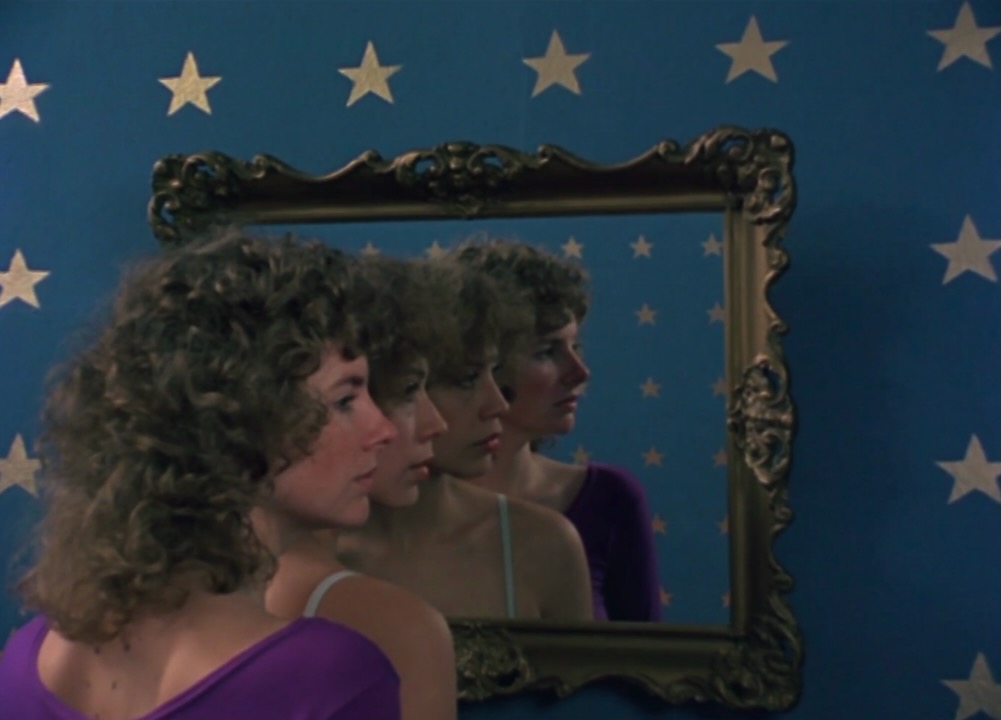
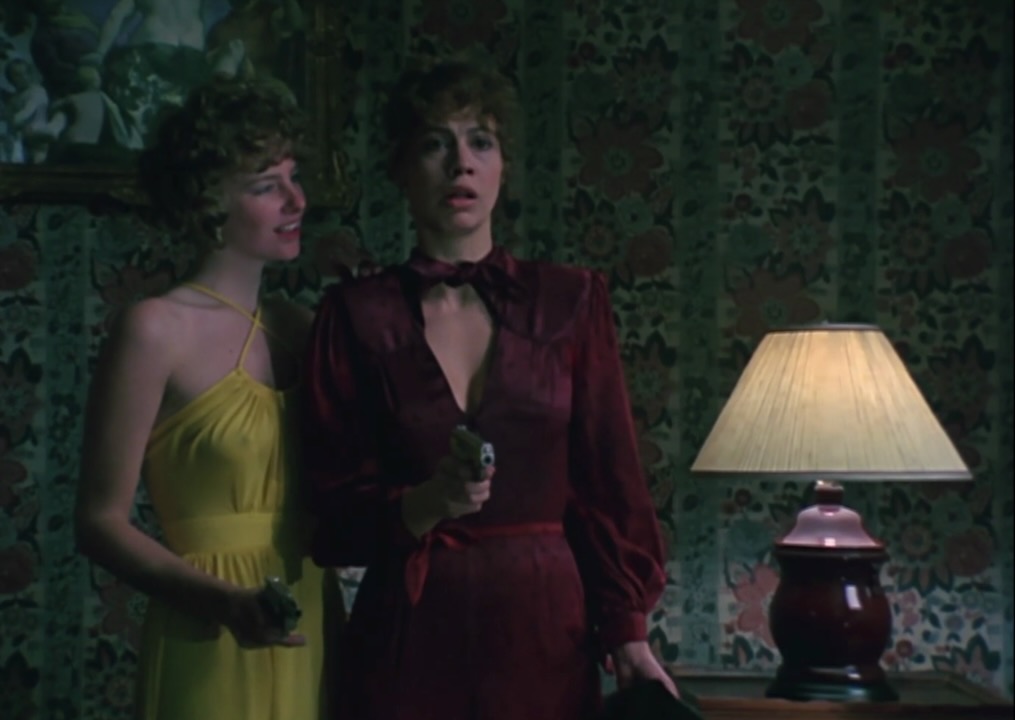
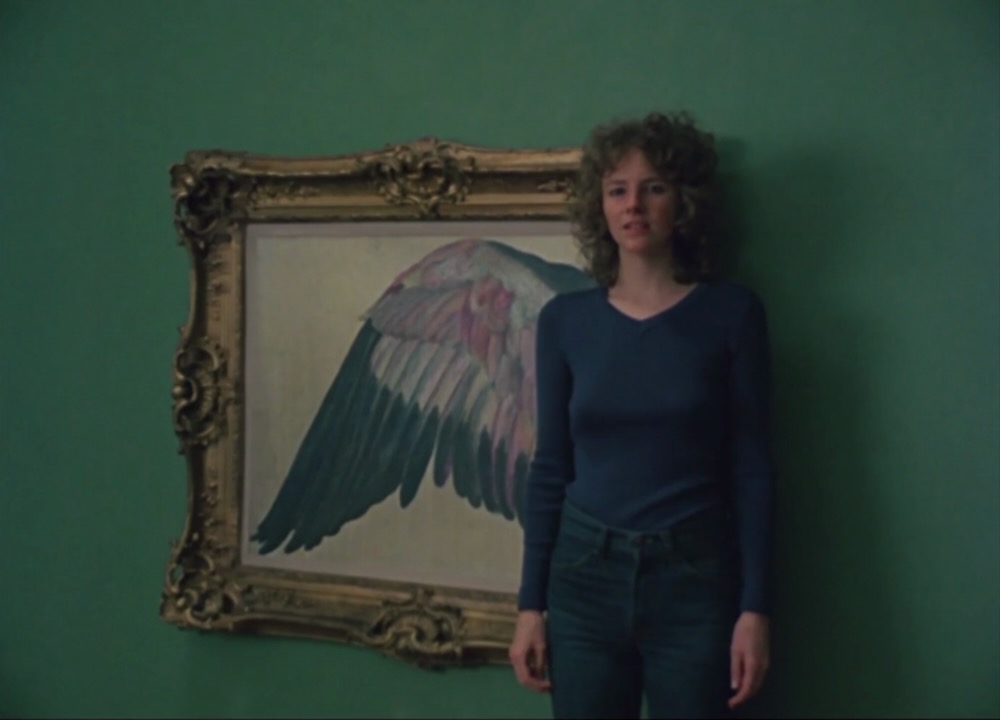
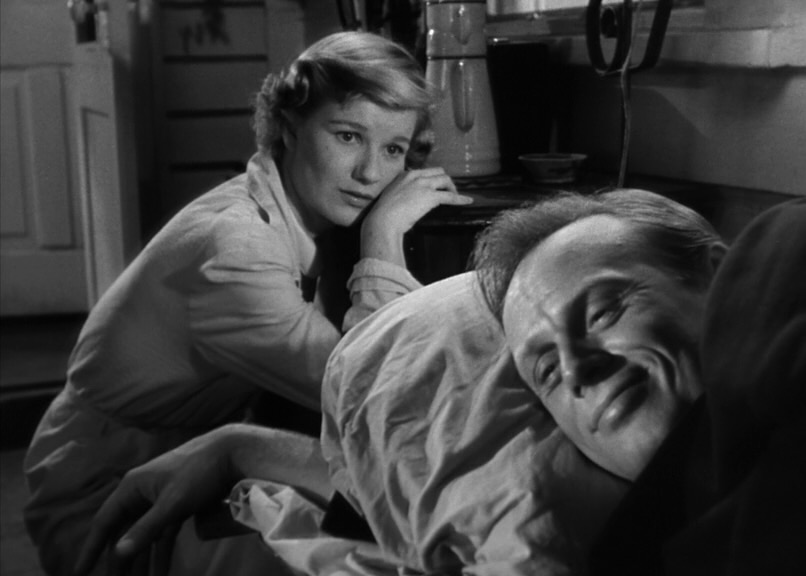
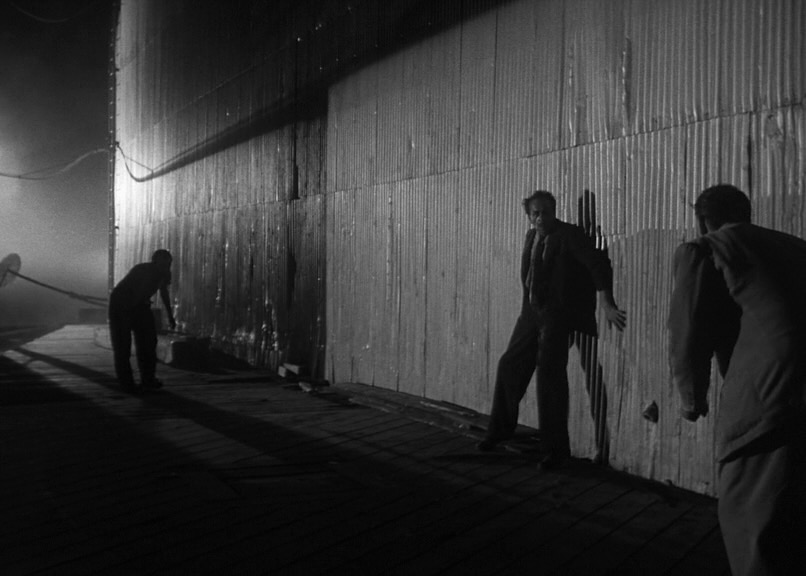
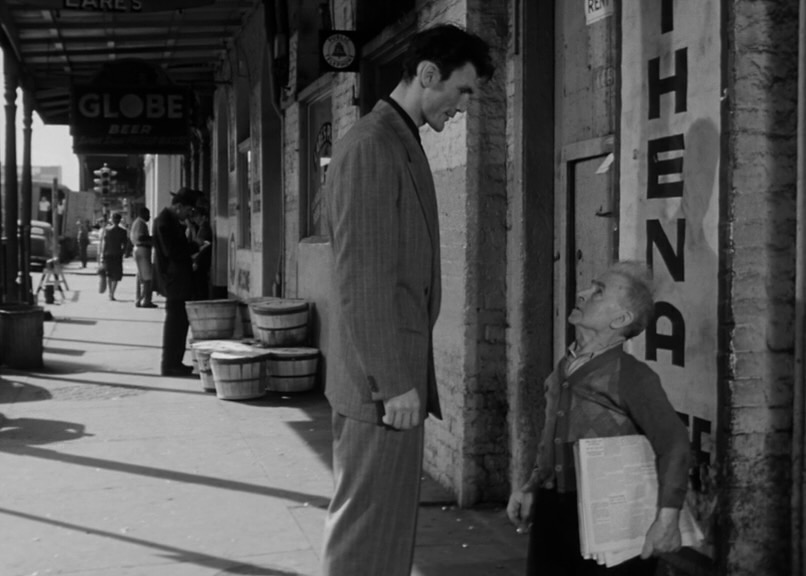
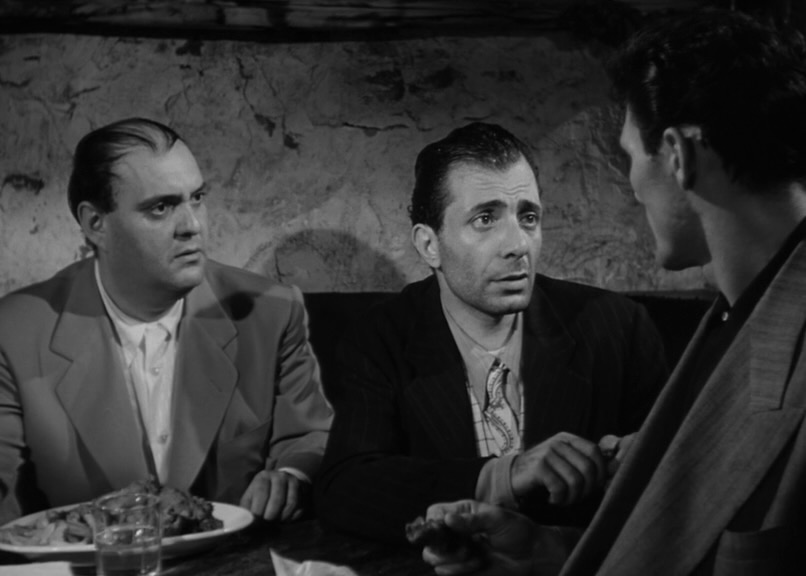
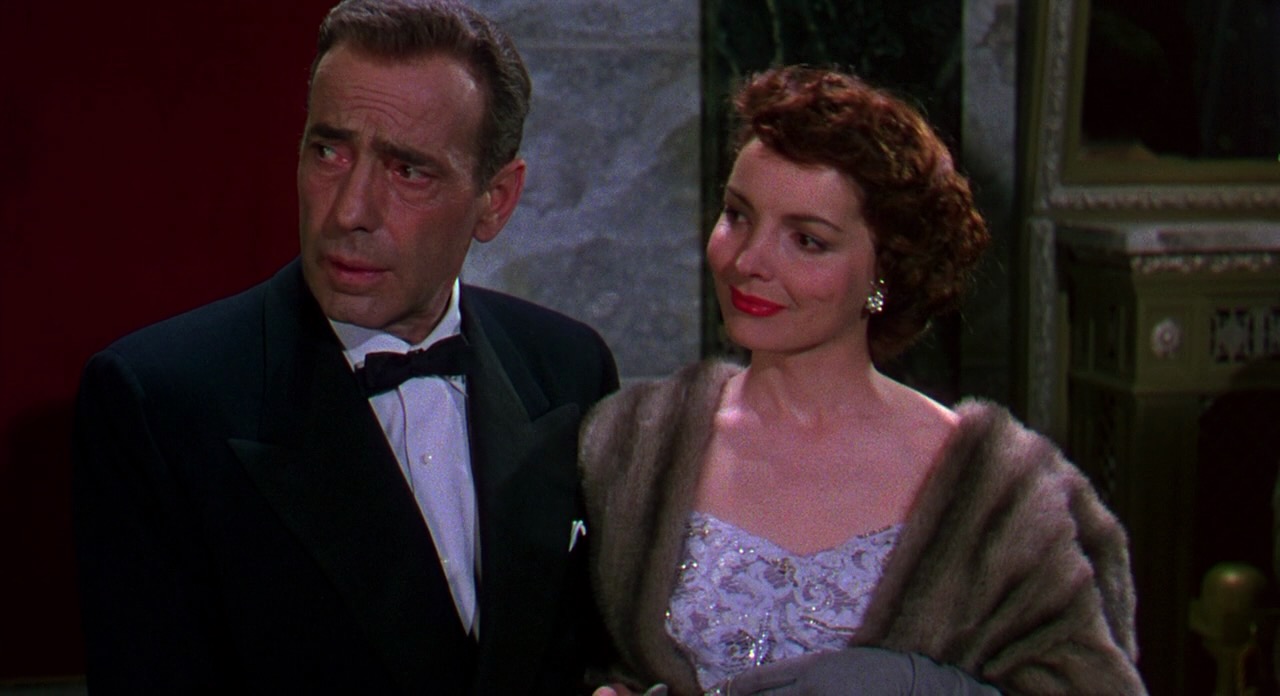
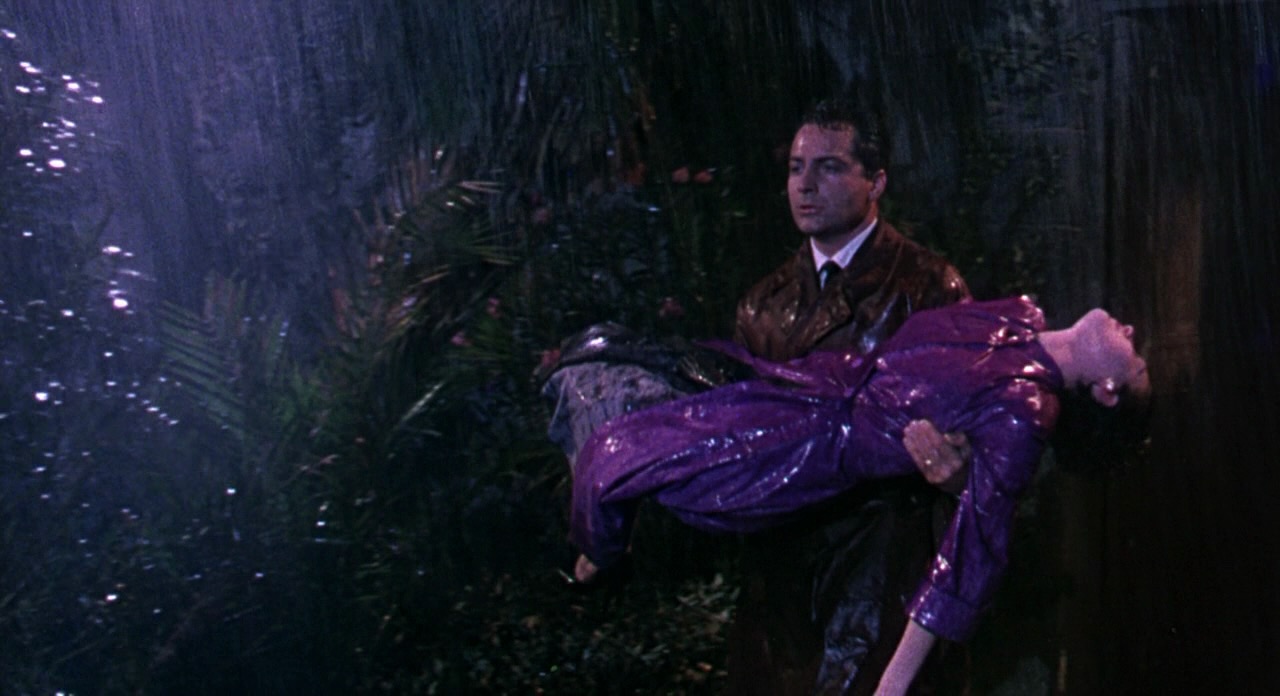
Rutger is an impulsive dickhead artist, until he meets redheaded Olga while hitchhiking and they get the amour fou. He does not murder her – that was a fantasy scene to set a sour doomed tone early on, but she does crash the car while he’s being reckless, my second one of those in consecutive weeks.

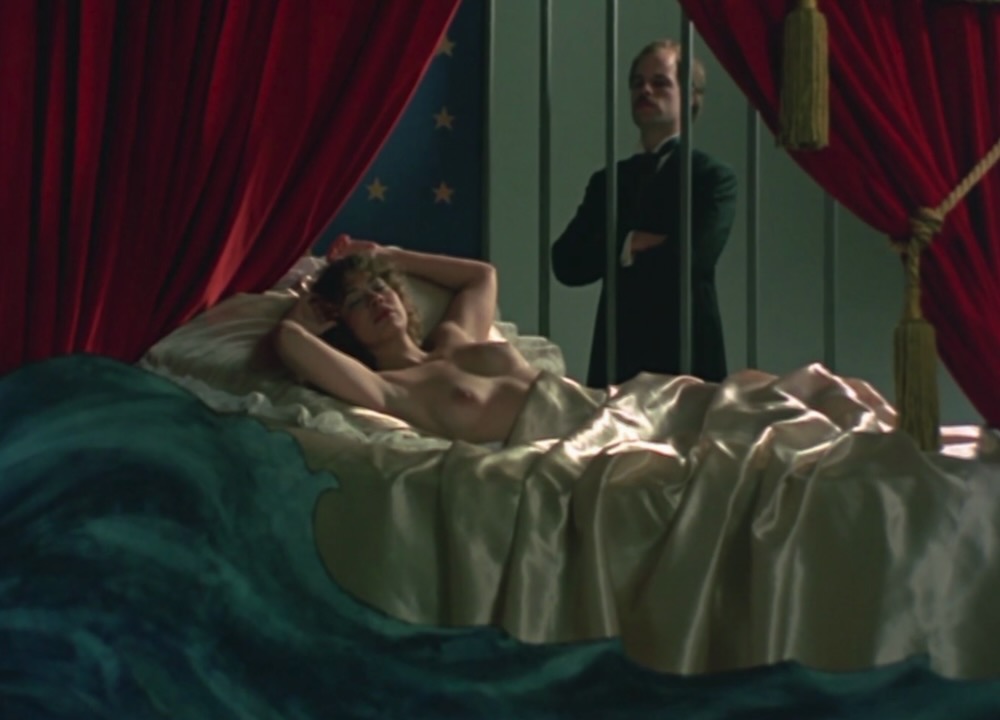
Rutger with a different girl and Jane Fonda:

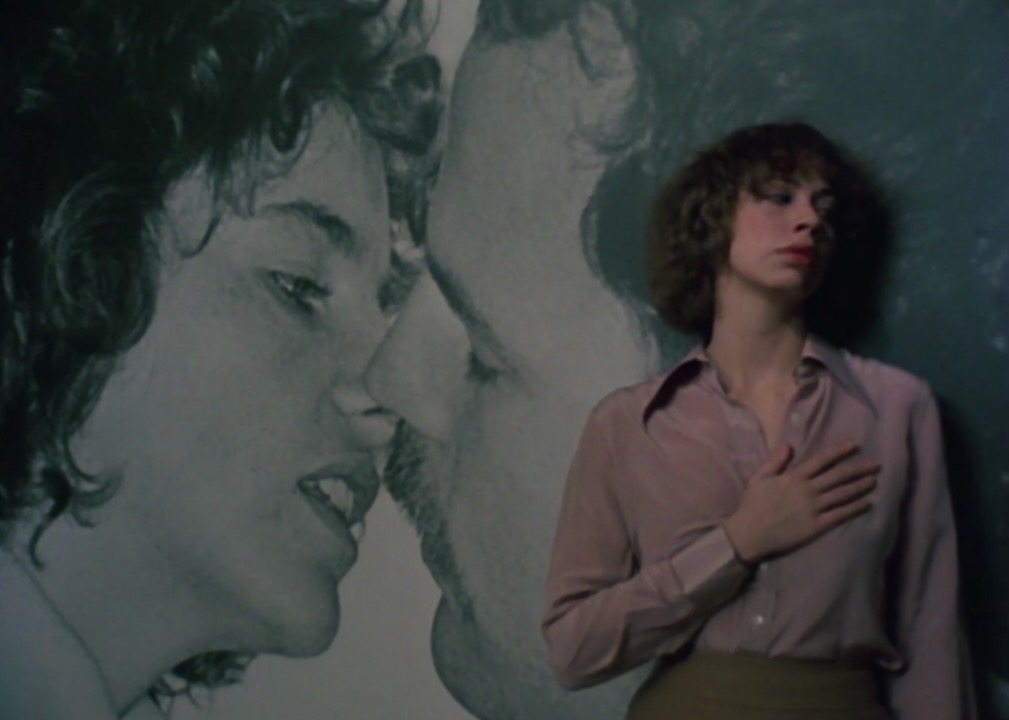
The couple with his friend Paul (Dolf de Vries, whose name was stolen for Black Book):

No normal scenes in this movie, there’s something intense or extreme in every one. Feature debut of both leads (who would reunite in Verhoeven’s Katie Tippel) and a bold statement of perversity from the new-ish director.

Our lovers get married, as the movie flits between body horror and sex comedy. Two years after the hitchhiking incident she leaves him when he’s horrible at a restaurant, vomiting on everyone, and the movie loops back to the beginning. Rutger has acted unforgivably to everyone he’s met for years, but he also helps an injured seagull one time, so we’ll call it even. They both clean themselves up, Rutger in particular becoming more civilized than ever, but she’s acting erratic, dying from a brain tumor.

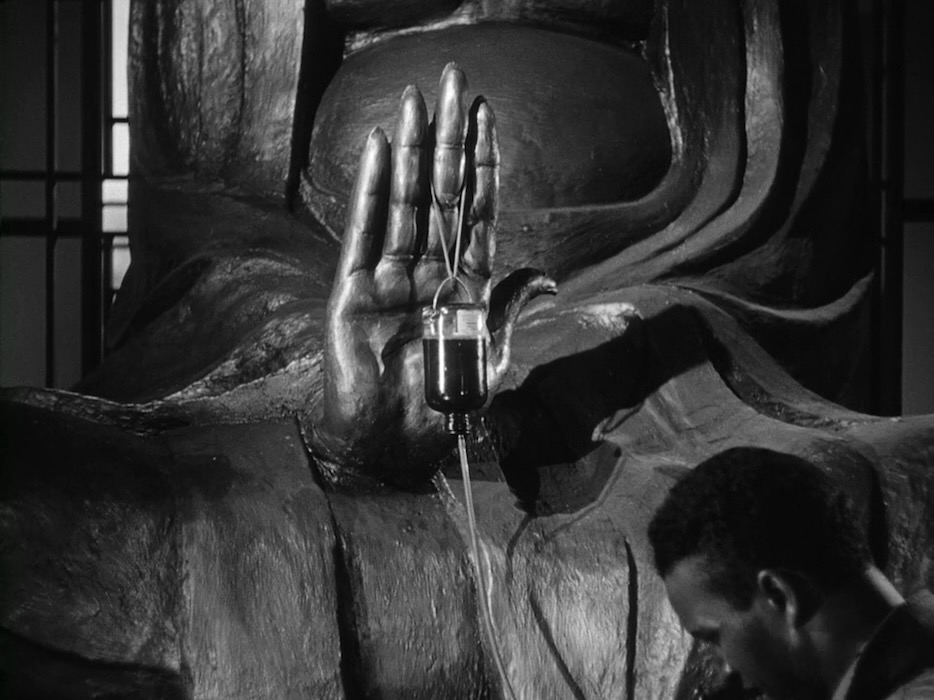
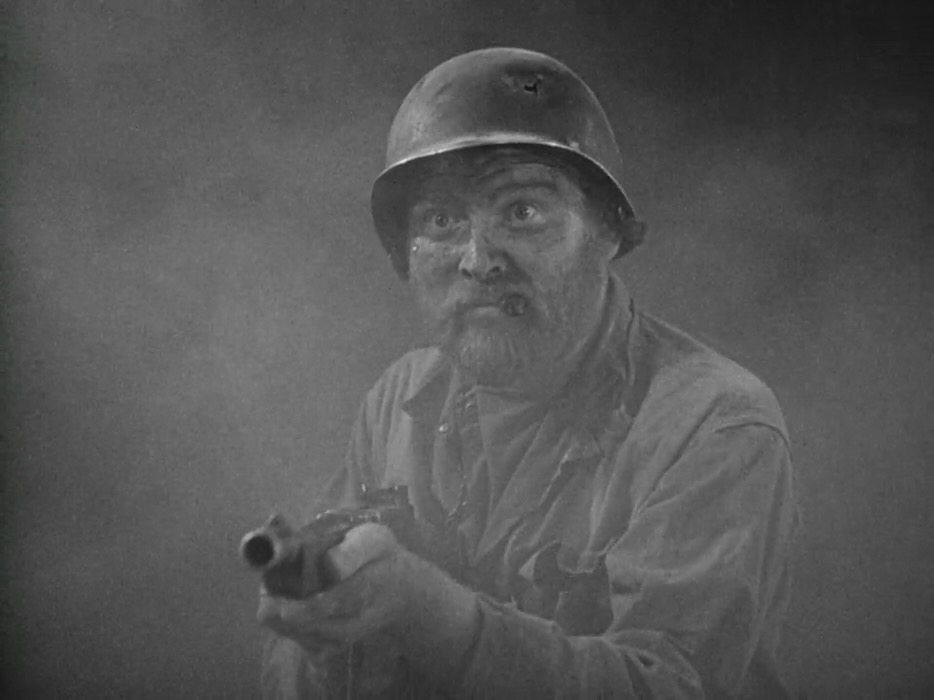
A difficult story to film, but major film artists keep trying for some reason: Bela Tarr, Joel Coen, Polanski, Kurosawa. Welles turns in one of the crazier versions, the actors having a great time with their Scottish accents then lipsyncing (very well) their own performances on an abstract paper-mache stage. The opening 8-minute overture over black would be impressive if it wasn’t big symphonic 1940s music.

Lady M would not become a star, but had decent parts in Ford and Lang films and voice roles in major Disney movies. Mac’s destroyer Macduff is Dan O’Herlihy, Bunuel’s Robinson Crusoe. Heir resurgent Malcolm is Roddy McDowall, unrecognizable from either Planet of the Apes or Fright Night. Mac’s short-lived witch-prophesied friend Banquo and the late King Duncan are original Welles Mercury players. The Joseph McBride commentary is much better than the Tim Lucas, from what I played of ’em.

Jonathan Rosenbaum:

Welles’ approach to the material is wildly neo-primitive and so expressionistic that one can never be entirely sure whether the action is taking place in interiors or exteriors; the same ambiguity persists in the spoken text, where off-screen internal monologue and on-screen external speech often seem only a breath apart. The witches’ foaming, bubbling cauldron and Macbeth’s equally unstable consciousness are the closest we can get to any continuous sense of location, and the unabashed B-movie artificiality of the sets confirms that Welles wanted to draft something closer to a charcoal sketch than a finished canvas.

The rare movie with a bird title that is not a metaphor, two guys (long-faced comedian Toto and the curly-haired young guy from every Pasolini movie, both of them very good) are sent by St. Francis to spread the good word to the hawks and the sparrows. They spend a year in a field until Toto learns to talk to hawks and tell them about god. Stalking sparrows in a churchyard, Toto attracts a following, getting overrun with townspeople building a festival around him, finally begs forgiveness then rampages through the place, pelting nuns with ricotta. When they see a hawk eat a sparrow, they inform St. Francis and he tells them to start over. Back in the present-day framing story, I don’t like how the film crew keeps pulling the talking communist crow by a string. Not sure if the plot disintegrated in the last third or if I’d had too many beers, but Toto gets as tired of the dubbed crow as I did, and eats it.

It’s not a serious movie:

St. Francis, also of Rossellini’s Cartesius:

Philosophy:

The credits roll over a long slow zoom into the back of a conductor’s head – someone has been watching Unfaithfully Yours – and later they’ll steal the Psycho music during a shower murder. It’s a cute mass-murder/mass-media comedy from Serbia, the director’s follow-up to How I Was Systematically Destroyed by Idiots. There are elaborate flashbacks, an opera, a music video, and an intertitled talking cat.

No one will be admitted during the thrilling shower scene:

The police inspector, having a bad day:

Strangler One is Pera, a flower salesman tormented by his mother, who falls into mad amnesiac rages when women insult his flowers. Spiro is an indie rocker who claims to be in touch psychically with the strangler, and writes a hit song about it. Women are just around to be strangled, until DJ Sofia bites off a strangler’s ear during the final struggle.

Is it coincidence, or was it planned,
that you can sing the words to Silkworm’s “Slow Hands”
to the tune of “The Weight” by The Band

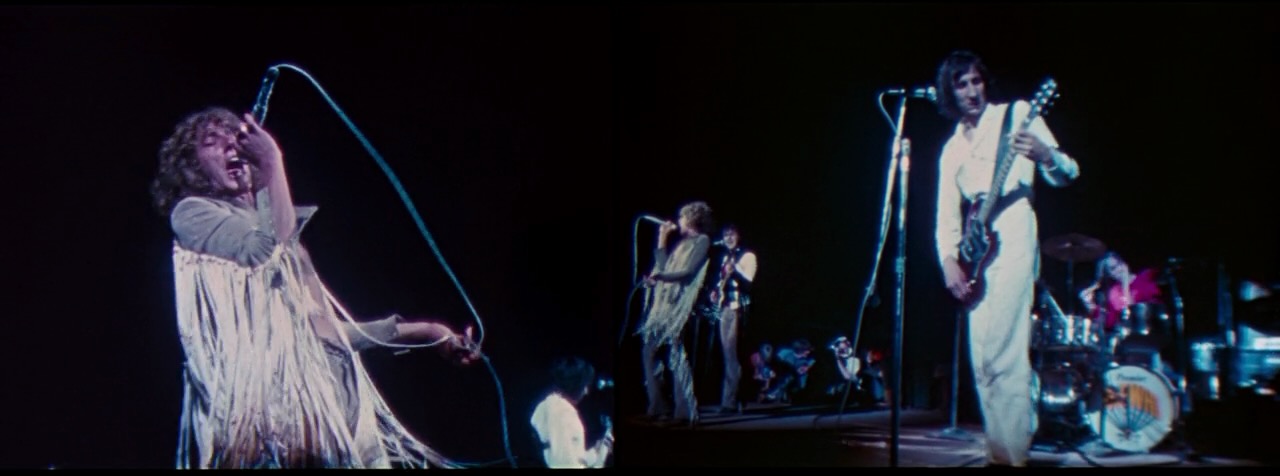
Went out in a thunderstorm and watched the movie by the band The Band. People who know the setlist take their bathroom break during Neil Diamond, but I’d argue if you can wait until Paul Butterfield is jamming on harmonica, he is even less essential. Dylan has finally gone the correct amount of electric (Very Electric) and sounds good. Joni Mitchell also comes off well as a rocker. The Staple Singers jumpscare “The Weight,” after the band plays the whole first verse and chorus without the cameras revealing anyone else is onstage then Mavis blasts into verse two. The cocaine isn’t even the worst part of Neil Young’s appearance – he looks like shit overall, but he has never sounded better. Only one Mekons cover (“Makes No Difference”). I’m annoyed to have finally found a Dylan movie that Joan Baez isn’t in, but Emmylou Harris makes up for it. I knew two thirds of the guests by face/voice, but the whole time Van Morrison was on I thought of him as The White James Brown. Good show – I can see why people come out declaring it The Greatest Rock & Roll Movie Ever Made, or at least why someone would want to put together a Levon Helm tribute night at the Hideout.

After La Chinoise and Weekend, JLG was hired to film the Rolling Stones for some reason. If the Stones were happy for this and Gimme Shelter to be released, then Cocksucker Blues must be really bad. Are there any movies where this band actually comes off well? Guess that’s what Shine a Light will be. What we do get is beautiful color film of the recording of one of their most famous songs, first as a restrained folk-rock number, repeatedly practicing the delicate intro before the drums come in, finally turning the song into a hootfest with your granny on bongos. The Heinz Emigholz motorik doc wasn’t kidding around when it stole this movie’s title.

In between studio recording segments are episodes that look like movie scenes but don’t behave like them, long takes with dialogue moving in trance loops. Black power, Vietnam war, Sexual revolution – Anne Wiazemsky (same year as Teorema) is being interviewed in the woods, he asks obscure questions and she answers only yes/no. “When the novel is dead then the technological society will be totally upon us.” Then sometimes a narrator will read us comic stories or pornography.

Lawyer William Hurt meets Kathleen Turner on a hot week in Florida and goes absolutely sex mad, ultimately buying bombs from Pyro Mickey Rourke and murdering Kathleen’s older husband Richard Crenna (of MST3K flick Marooned) so they can be (rich) together, but she vanishes with the money, letting Hurt get busted by his cop friend J.A. Preston (Remo Williams) and prosecutor Ted Danson (the year before getting buried in the sand in Creepshow).

The director’s and Turner’s debut, with Hurt fresh from Altered States, and some good quippy dialogue. Filipe called it genre autopsy. I had high hopes, but this week I’d just seen better craft in The Stunt Man, better dialogue in The Jerk, and more perversion in Turks Fruit.

Steve Martin, grey-haired at 33, is raised by a Black family in Mississippi (mom from Ganja & Hess, dad from Across 110th Street) until one day he hears white music on the radio and goes to St. Louis to find its source. He gets hired by Jackie Mason at a gas station until madman M. Emmet of Blood Simple chases him into a traveling circus, where he’s taken home by the daredevil (Catlin Adams, later a director who discovered Ben Affleck). He meets cornet player Bernadette Peters and they move out west, getting rich off his glasses invention until sued by crosseyed Carl Reiner. Homeless, he tells his story to the movie camera, then is immediately reunited with his family.

Not a rapid-fire gag machine, but a few of the jokes are extremely good, including a couple of extended Martin routines: one about the precise math of “days feel longer when we’re together,” and one mopily collecting objects from the house after losing his fortune, leading to the poster image. Steve and Bernadette are cute together, and would costar in the even better Pennies From Heaven. The director of Car Wash made a Martin-less sequel to this, which nobody has ever watched.