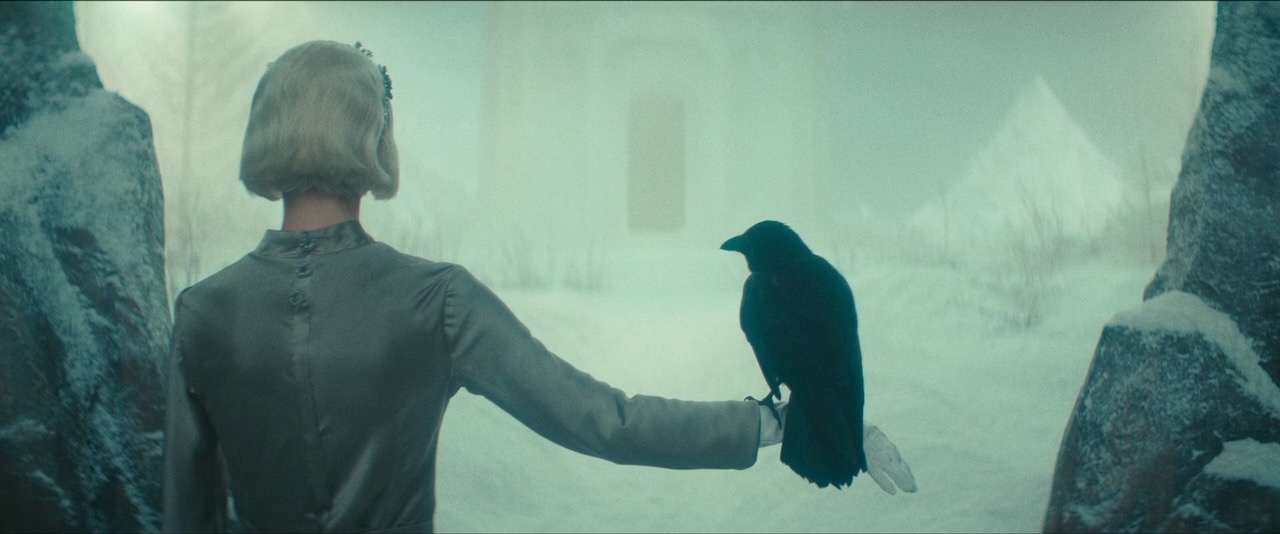
Strange Codes (1975)

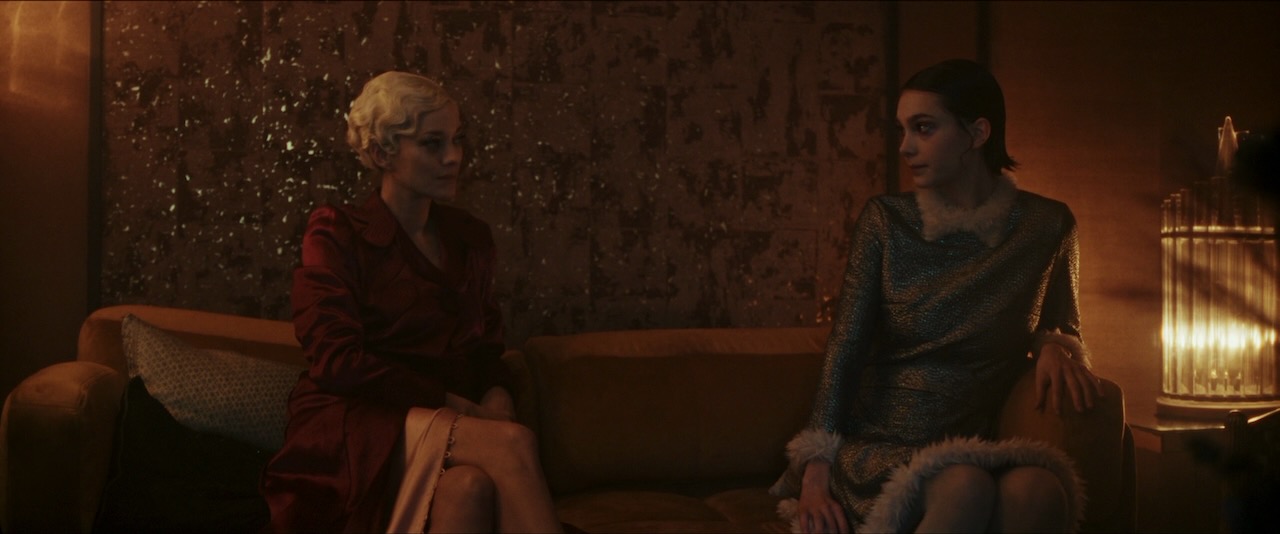
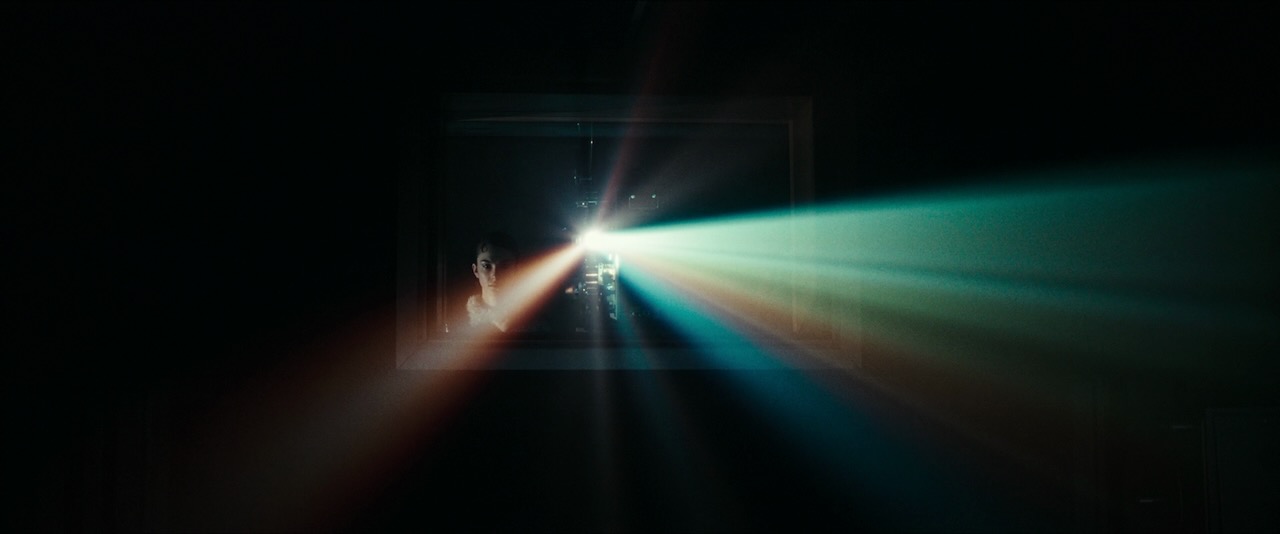
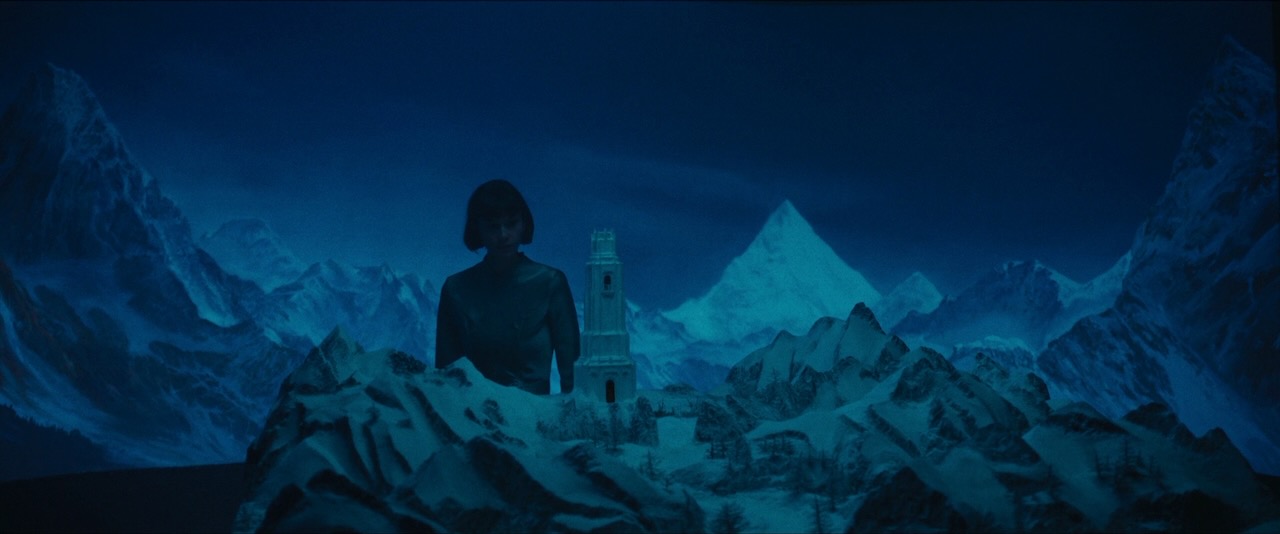
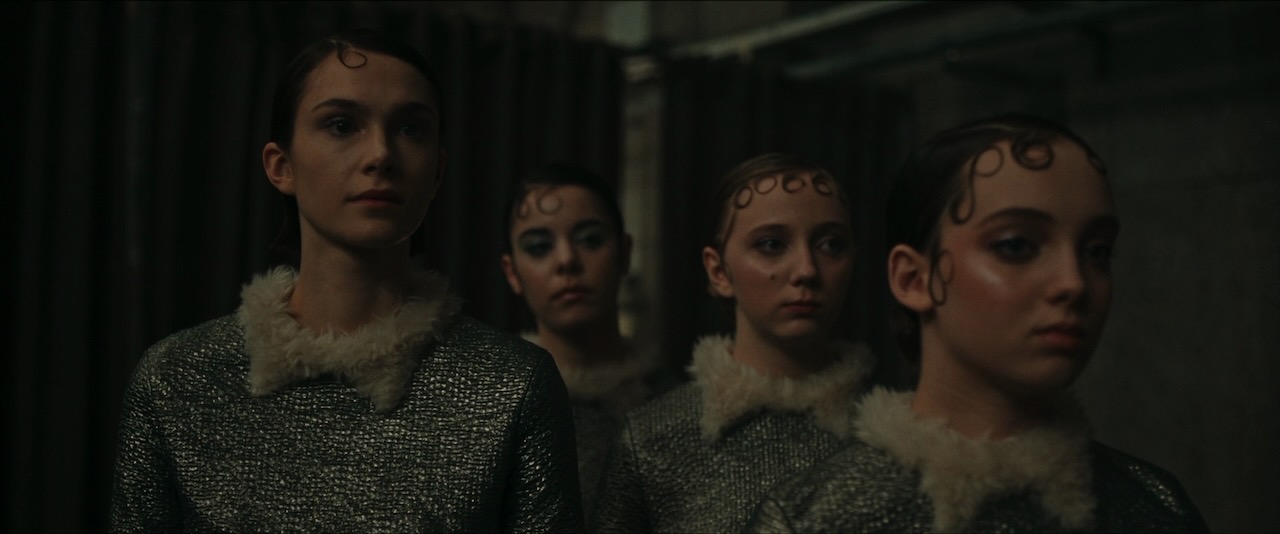
I meant to pair this with Everything Everywhere Again Alive but fell behind, so put together a little Lipsett fest instead – good thing, too, since I fared better with the earlier shorts. Lone eccentric makes a film at home, playing with all his props and displaying his collection of weird objects and games and papers, without coming up with an exciting way of presenting these thing cinematically. The sound alternates between Chinese opera and a cut-up monologue about 1962 computer technology. “Maddeningly impenetrable,” raves Cinema Scope. Will Sloan watched the extras.


Very Nice, Very Nice (1961)

Audio and photographic montage, good fast editing and very nice photo choices, I’m into it.


21-87 (1964)

The montage technique (not as flipbook-fast as Very Nice) with motion footage, a great 1960s time capsule with a cut-up audio track that keeps returning to religious music/topics.


Free Fall (1964)

Highly variable cutting speed, from flipbook to long-held stills, now mixing photos with motion footage while intercutting human and animal/insect portraits and behaviors. A lotta fun, especially on the audio track.

Naked Blue (2022, Mati Diop & Manon Lutanie)

Not actually naked, but wearing a blue skeleton suit, a girl is hanging around a studio, then the smoke machine turns on and she dances for a camera, but not ours, which seems more of a low-fi behind-the-scenes angle, giving the sense of a backstage parent filming their kid’s motion capture performance for a video game or music video. No sync sound, big classical music slapped on top of it – oh, now I see the music is the whole point of this, it’s a new piece by Devonté Hynes. The dancing girl is the daughter of Valeria Bruni Tedeschi and Louis Garrel.


Five Days Till Tomorrow (2022, Lewis Klahr)

Klahr does more of his thing, this time to a minimalist piano piece. There are recurring characters but I couldn’t come up with a story except maybe “Luchador at the World’s Fair is haunted by circular objects.” I like how he uses cut-out characters with missing edges or word-bubble fragments, character art perfection not being the goal, also dig the subliminal flash-frame edits.


Om (1986, John Smith)

This guy again. Really good gag short, a misty monk turns out to be a barber’s cig-smoking customer, his tape-looped infinite om doubling as the sound of the electric razor.


Atman (1975, Toshio Matsumoto)

This is the Funeral Parade of Roses director pulling out some Takashi Ito moves, spinning around a seated demon in a breezy outdoor space, the camera moving and zooming at every speed from freeze-frame to freak-out. Pretty nice weirdo-loop music by Yoko Ono’s first husband.


Relation (1982, Toshio Matsumoto)

Another short from the long gap between Funeral Parade and Dogra Magra. Early 80s video art that actually holds up. Starts with an ocean scene split-screen at the horizon line, with the sky in fast-motion over a slow sea, then adds more frame splits and pictures-in-pictures after replacing the clouds with a left-to-right scrolling graphic finger, making the ocean look like a claw-machine of the gods.


How to Conduct a Love Affair (2007, David Gatten)

Crossfaded shots of (perhaps) large wrinkly paper sheets with charcoal drawings hanging under a slight breeze. Then bottles and hands, a bit of a nice green color after I’d thought it was a black and white movie. Opens with still text about patience in love affairs, ends with crossfaded sentences on black about colors and waiting, all silent.


Swain (1950, Gregory Markopoulos)

Young man is freaking out at the zoo so he goes to the sculpture park instead and has a nice wholesome time. He moves on to the botanical garden, but he’s being chased by a bride. Pretty sweet despite the quality of my copy – don’t suppose I’ll ever have the chance to see this properly. The Maya Deren vibes are pretty strong. Silent, so I played the first three tracks of Def Jux Presents volume 1, as the director no doubt intended. What ever happened to Cannibal Ox… oh wow, their third album came out this year and nobody liked it.


Bliss (1967, Gregory Markopoulos)

Vacation slides cut into vertical strips and visually jukeboxed together, flashing and overlaying, then joined by burning icons. I turned off RJD2 because this one has brief barnyard sounds over black halfway through, but then it’s back to silent church strobing for the second half.


Dance Chromatic (1959, Ed Emshwiller)

Ed edits a dancer in time and space across the screen, turning her into a graphic element, then does motion paintings in response to her moves. Very cool, somebody get Norman McLaren on the phone. Clangy percussion score.


The Bones (2021, Cociña & León)

Oh hell yeah. It’s got the house-destruction and wall-paint-creep from Wolf House and the walking-in-place trick from the PJ Harvey video, but the focus this time is stop-motion puppets. A girl unearths a pile of bones, reverse-burns them into a jumble of fleshy body parts, then Mr. Potato-Heads them in various configurations, marries them to each other, and disappears. Presented as if it were a reconstructed film from 1901, but even if so, there was no need to distress the soundtrack (increasingly disturbed piano music) since they didn’t have audiotape in 1901. Also, having just watched Leaves from Satan’s Book (1921), I can vouch that movies back then were not as satanic as this one.

Zero Kama in the studio:


Conversations of Donkey and Rabbit (2020, Ildikó Enyedi)

Are there really 20+ of these? I don’t think so. Long distance conversation: Rabbit has been reading Plato and is excited about birds and flowers, Donkey casually disagrees with her about how trees work. Nicely staged and photographed, very pandemic-feeling.

Little-mustached Col. Meekham brings his new genetically-enhanced soldiers to Gary Busey, who commands unenhanced soldiers raised by the military from birth, and the new guys win, so Kurt Russell, damaged and decommissioned, is dumped on a waste disposal planet which for some reason has breathable air, and gains a conscience when the locals who helped him recover start dying when their planet is used as a super-soldier training grounds. Admirably little dialogue, making the soldiers rarely speak pays off.

Lodge 49‘s Wyatt Russell plays Young Kurt, of course, and Kurt’s rival (“Caine,” of course) is Jason “Scott” Lee of Timecop 2: The Berlin Decision. Mustache is Jason Isaacs, who I just saw in A Cure for Wellness. Absolute bonanza of foreground stuntmen vaulting through the air while something explodes behind them. No opening credits, but if you explained to me over the final scenes that Paul W.S. Anderson directed this between Event Horizon (space mission gone badly wrong) and Resident Evil (a company soldier takes revenge upon her creators) I’d reply “shhh, I’m watching the movie.”

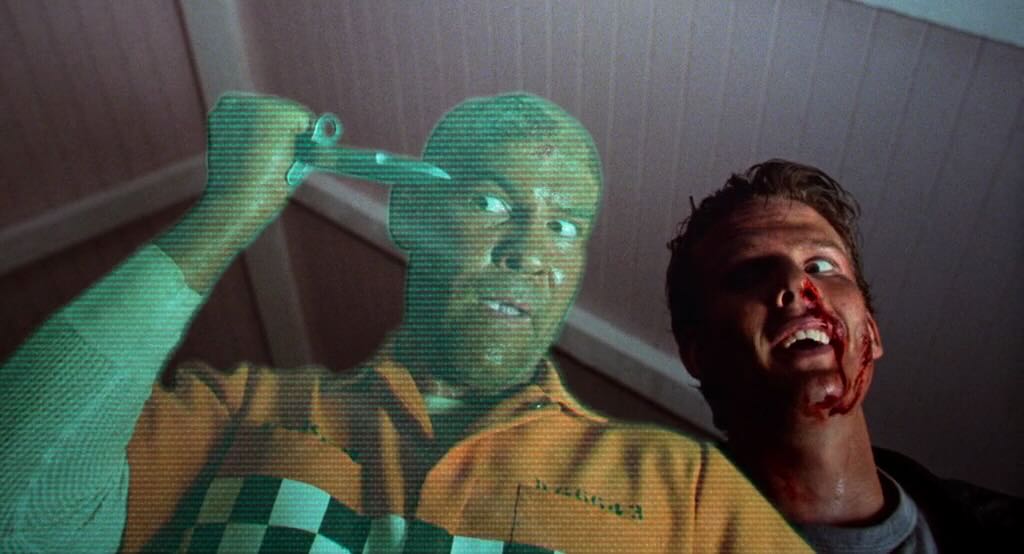
Satan and Judas:

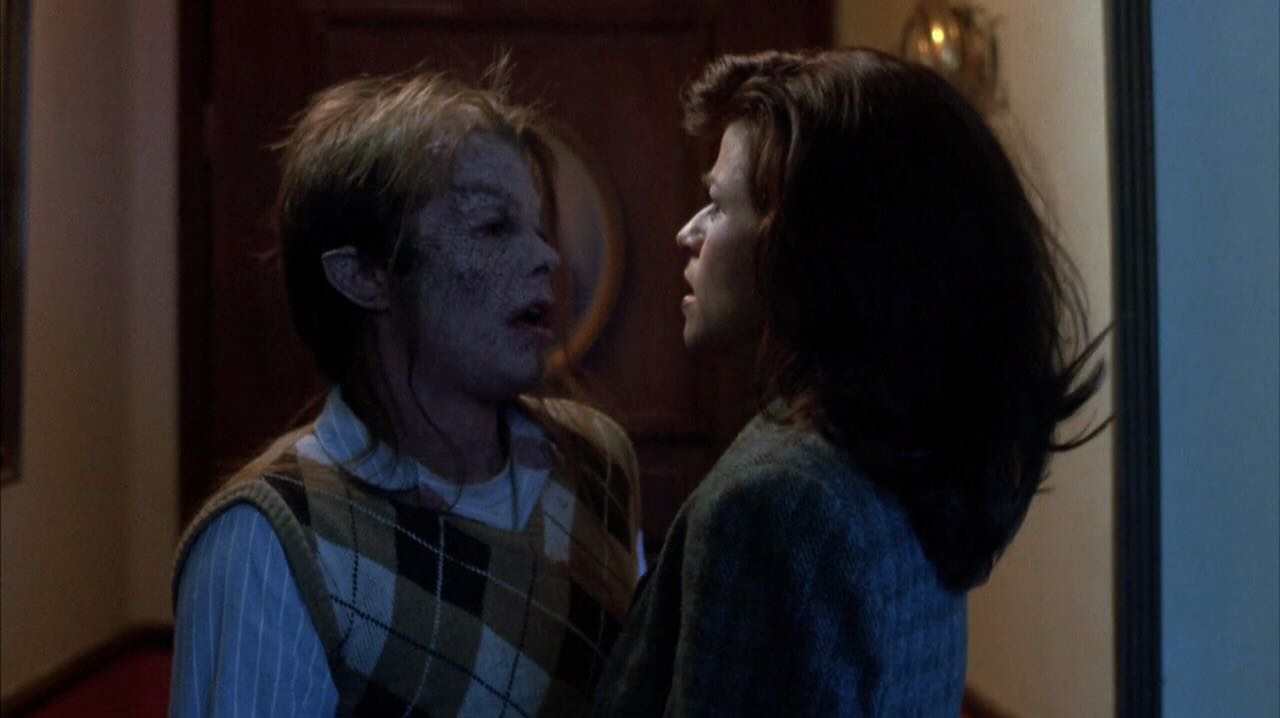
The Spanish Inquisition:

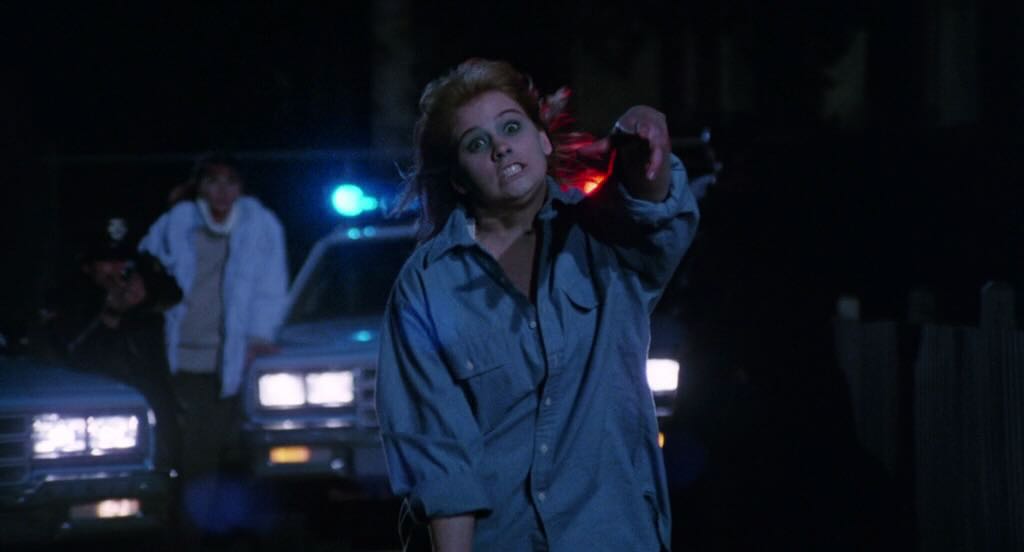
French Revolution:

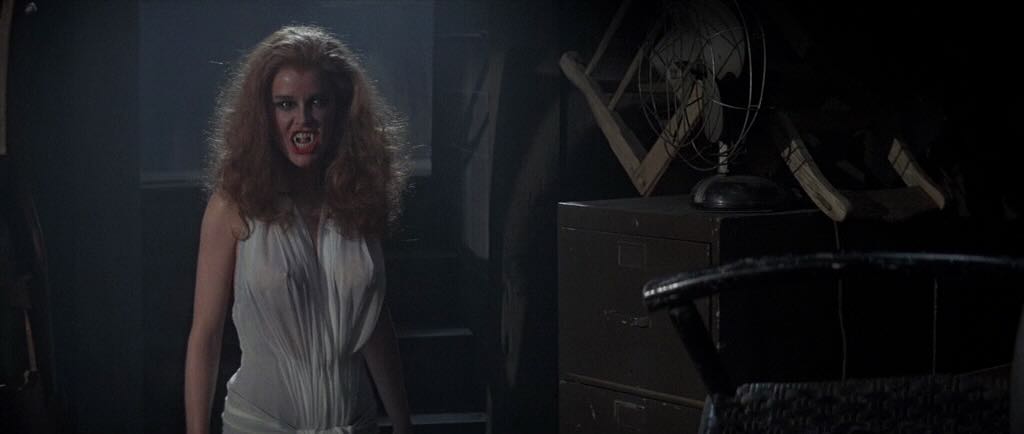
Russian-occupied Finland:

A Finn girl named Siri kills herself rather than fall into Russian hands, and this sacrifice releases Satan from his thousand-year punishment. Movie was pretty good, but I had an incredible time watching it while blasting the latest albums by:

    Ikue Mori
    Ches Smith
    Kris Davis Trio

Source Code (2011, Duncan Jones)

Off to a bad start, since justwatch says peacock has got the magician-heist Now You See Me movies, but I’m not seeing it on the damn roku… it brings up this instead, the Moon director’s train-bomber Quantum Leap time-loop thingie, so let’s just see. Donnie Darko is in a quiet moment, calling an army buddy’s dad, while Vera Farmiga discovers the real Donnie in a medical tube, I guess dreaming all this? His smiling girlfriend Michelle Monaghan doesn’t know he’s a chewed-up torso whose brain is running a simulation, but nervous lab supervisor Jeffrey Wright does, and is mad at Vera for pulling his plug, though Donnie’s dream continues – it’s all like if Deja Vu sucked. When the credits come up, the streamer thinks I should watch some incredibly unpopular (100 views) generic garbage, oh boy.


Victor Crowley (2017, Adam Green)

I think this is Hatchet 4. Four unpleasant actors are trapped in a crashed airplane while Vic attacks it with a circular saw from the outside until they flee into the swamp, hide, then fight back. One guy plays the same character he played in part three, but not the same one he played in part two or one, hmmm. “Oh no, he died.”


The Dark Knight Rises (2012, Christopher Nolan)

Prime still has ads, so I guess we’re stuck with HBO – let’s give this one 15 minutes since it’s a long movie by a best-picture winner. Marion Cotillard is evil, Anne Hathaway is good, Gary Oldman is kidnapped: we’re all caught up. Futuretanks and cybercycles and batdrones battle weightlessly on the city streets, the music louder than the explosions. It seems Oppenheimer wasn’t his first nuclear ride, as Batman nukes himself to save the city – OR DOES HE?


Man of Steel (2013, Zack Snyder)

Oh it’s very loud, as Supe (“Soup”) rescues Amy Adams from a black hole to a ruined city where evil Michael Shannon is angry and destroys the city even more, but he cannot hurt Soup because they’re both cartoons. Is he to be reached? He’s not to be reached! I like that it’s making little jokes amongst the big fights, reminds me of Supermen of yore and their friends Richard Pryor and Kevin Spacey. Shannon can survive hurling through exploding satellites in space, he can peel back the mountains, peel back the sky, stomp gravity into the floor, but he can’t take a classic Steven Seagal neck-snap move. Soup invents his Clark alter-ego in the movie’s final moments, exciting.


Batman v. Superman: Dawn of Justice (2016, Zack Snyder)

Same(?) ruined city but now Soup is dead and Amy Adams is sad. This is the problem with overlong movies: the last ten minutes are all coda, so I’ll never know what killed him. Also not sure what CG monster muck Jesse Eisenberg was dealing with when the army picked him up. The Daily Planet’s front page is pretty loose with punctuation. “Amazing Grace” at the funeral is giving me The Rehearsal flashbacks. At least there’s hardly any dialogue because everyone in the movie is so unspeakably sad, until Batfleck shows up to ask Wonder Woman to form The Avengers. I miss Bale’s batvoice, but Eisenberg is fun. A guy who started his directing career with a Living Dead remake can’t help but end on a jumping coffin.

It brings me no pleasure to report that the weird gay french movie is 10x better than the Cannes-winner. I really don’t mean to be contrarian, this only makes it harder to predictably find movies I’ll enjoy.

Jeremy the French Bill Hader-via-James McAvoy (actually Felix Kysyl, Gorin in the Hazanavicius Godard movie) is from Toulouse, returned to the small town where he used to live for a baker’s funeral. Jer stays with widow Catherine Frot (of the Belvaux trilogy), and his presence bristles deep-voiced Hermit Walter and especially the late baker’s Big Quinquin-looking son Vincent. The Vincent rivalry gets heated to the point that Jeremy ends up killing him with a rock in the woods, burying him in a shallow grave, which doesn’t seem great for the future of his relationship with V’s mom.

Enter Phillippe, the best movie priest of the year, who becomes a co-conspirator and helps Jer, who’d been making up new night-of-the-crime stories whenever his old ones got busted. Phillippe says that murder is fine, and achieves his goal of getting naked in bed with Jer, this scheme being more complex and better thought-out than the murder conspiracy itself. If I’m not making it sound strange enough, there’s a cop who keeps sneaking in at night and trying to get Jer to confess to the crime in his sleep.

Priest, Widow Martine, and Unwitting Widow Annie:

from his Film Stage interview:

I think that I work a lot on emotions and I work a lot on questions that I want to provoke in the spectator. But I always have the feeling, by the time the film is over, that I’ve somehow missed something … by the time I get to the stage where we’re at now, I don’t quite remember what my intention was from the beginning … I’m not sure that what I even had intended was doable or realizable from the start.

“Life is made of mistakes.” A family has a big few days harboring a fugitive. I think people are calling it Ruizian because of the pirates, but it’s truly very euro-arthouse, and I dig it. Rivettian in a few ways: long takes, long movie, creaky furniture and a cat following its own direction. I knew nothing about Monteiro a couple months ago, and now I’ve seen Silvestre and all his movies have been newly-restored on blu-ray, and why not watch them all?

Laura (the prolific Laura Morante of The Son’s Room and Coeurs) had moved her kids to Italy after her husband died suddenly last summer, is back on the Portuguese coast to visit her sisters-in-law (older Oliveira regular Manuela de Freitas, younger Teresa Villaverde, better known as a director) when an American washes up on the beach, so she takes him home to hide out. He successfully lays low during searches from police and pirates, then leaves them alone. “We’ll have to learn how to use up the remaining unhappiness.”

I don’t know whether the guy was named after Conan the Barbarian writer Robert Jordan on purpose, or if Laura’s last name being Rossellini is meaningful, but Sara recites from Doomed Love (she appeared in the film eight years earlier), and their cat is named Silvestre.

The lead actors staring at Monteiro:

The Joke (1969, Jaromil Jires)

The joke was a cynical line he wrote to a girl he liked in a piece of intercepted mail which got him sent to a tribunal and kicked out of college – I didn’t mean to program a monthly theme of getting kicked out of school along with Education and Downhill. The flashbacks are wonderful, nobody plays the lead character as a young man, the camera is his stand-in, and his memories overlap the present, so the words of his expulsion tribunal are dubbed into a church ceremony he’s wandered into.

In present day our guy (Josef Somr of Morgiana) meets up with Helena (of the 1984 AI horror-comedy Grandmothers Recharge Well!) with a revenge scheme, meaning to seduce the wife of one of his accusers. All goes smoothly, except that the married couple are separated so the husband is happy that she’s found a new man, and Helena’s assistant is in love with her, and when our guy tries to ditch her she attempts suicide (Canby found this part “very funny”).

when your girl Marketa says she will stand by you:

when your revenge plot has fallen apart:

It was banned for decades, of course… based on a novel from the writer of The Unbearable Lightness of Being… Jires’s followup would be Valeria and Her WOW.


Zid / The Wall (1966, Ante Zaninovic)

Decent little animation with hot music. Man in bowler hat sits patiently by a giant wall, until aggrieved naked man comes along and tries everything in his power to get through it, finally headbutting it and himself to death. Bowler man walks calmly through the new hole and waits at the next wall.


The Fly (1967, Marks & Jutrisa)

Yugoslavian animation. Impassive guy tries to squish a fly but it escapes and doubles in size every quarter minute until it’s large enough to annihilate the man’s world and send him hurtling through space. Aware of their power over each other, they decide to be friends? Someone had fun with the all-buzzing sound design. Not to be confused with The Fly or The Fly.


Be Sure to Behave (1968, Peter Solan)

Girl in prison solitary washes up, pees, paces, watched always by an eye in the door. She imagines scenes suggested by crack patterns in the wall. Then she’s dressed up all nice, blindfolded, escorted to a park and released. She narrates all this too – unsubtitled, whoops, but it’s a soviet psychodrama of some kind. Czech, Vogel had the subtitles:

In this film a woman prisoner, harshly incarcerated, is suddenly released as unpredictably as she had been imprisoned; “Stalin is dead,” she is told, and then, significantly, “Be sure to behave.”


Jan 69 (1969, Stanislav Milota)

Czech funeral doc, aka Funeral of Jan Palach. Jan has died young, burning himself in protest of Soviet occupation, and the people are all turning out. Silent, set to doomy choir music.


Don Kihot (1961, Vlado Kristl)

Not what I was expecting given the title. Confusing flying machines, a cross between WWII planes and faces with bristly mustaches, bustle about. This tall robot must be the Don, taking on all the mustache pilots at once, going rogue in a police state. Big showdown arrives and the Don pauses to make out with a magazine, then either wins or loses, I couldn’t follow the abstract character design. Some pointedly handdrawn backgrounds (no straight lines) and inventive prop stuff. Unreleased in its native Yugoslavia, Vogel: “Don Quixote has become mechanized and is threatened by a technological society bent on destroying his individuality. He defeats it by exposing it to the power of art and poetry; but the art work is itself ironically distorted, raising a question mark.”


Among Men (1960, Wladyslaw Slesicki)

Stray dog draws the attention of some kids playing war and they attack it. It’s sold to a medical research place but escapes. Rounded up and leashed by animal control, rescued and taken to a friendly animal farm, but flees again, hungry on the streets. This city is portrayed as a shithole, with nice photography at least. This predates Balthazar and some other stories of innocent animals in a selfish human world. Vogel: “The most important of the famed Polish Black Series documentaries which dared to touch on negative aspects of socialist society.”