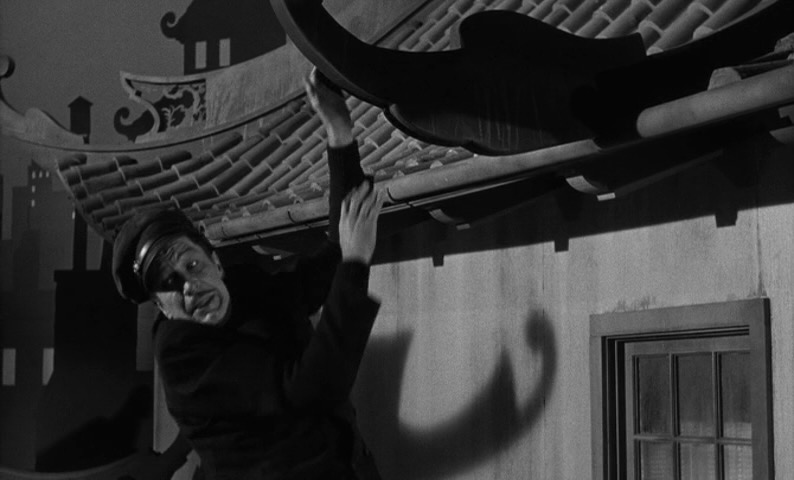
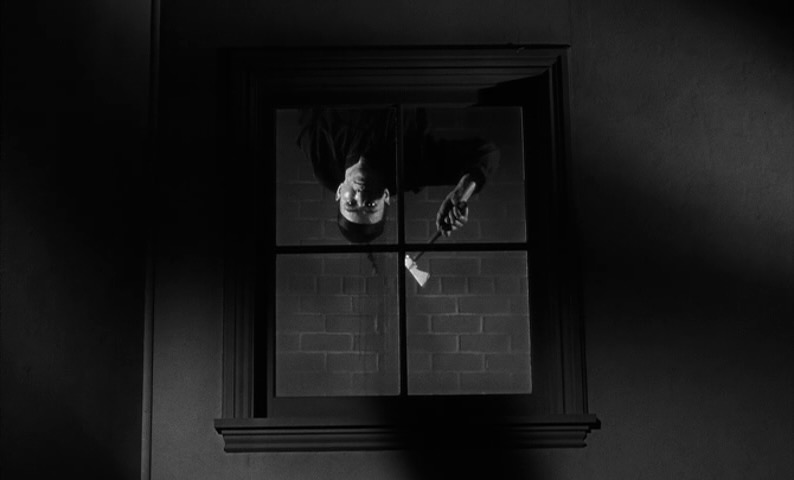
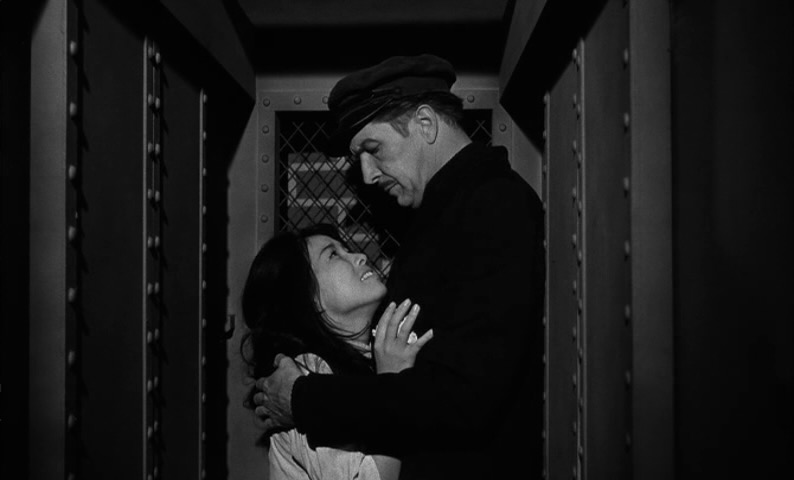
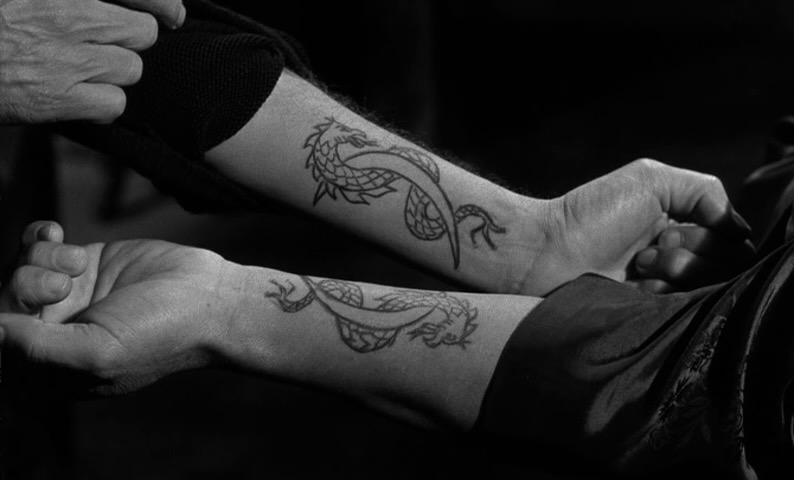
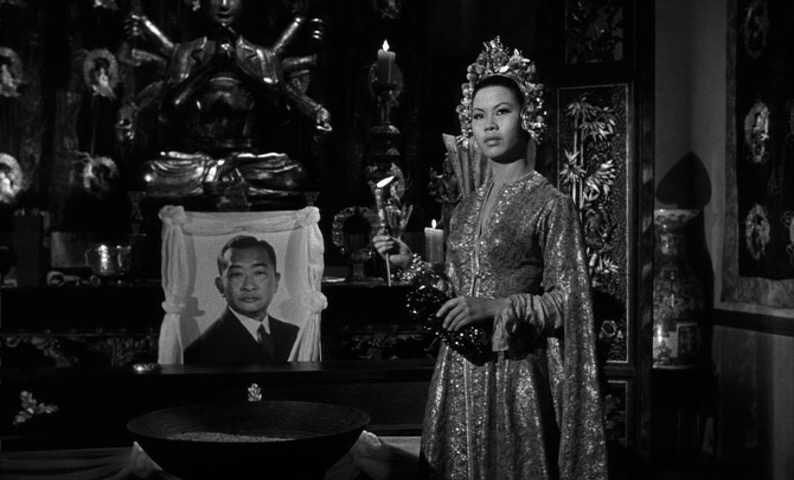
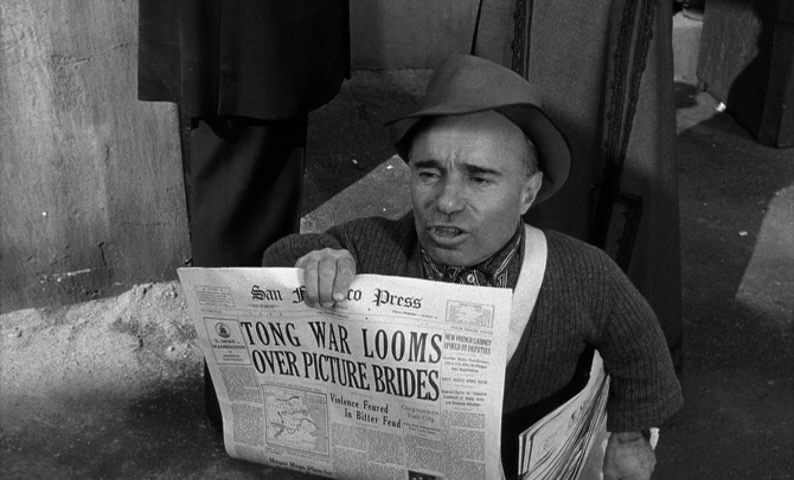
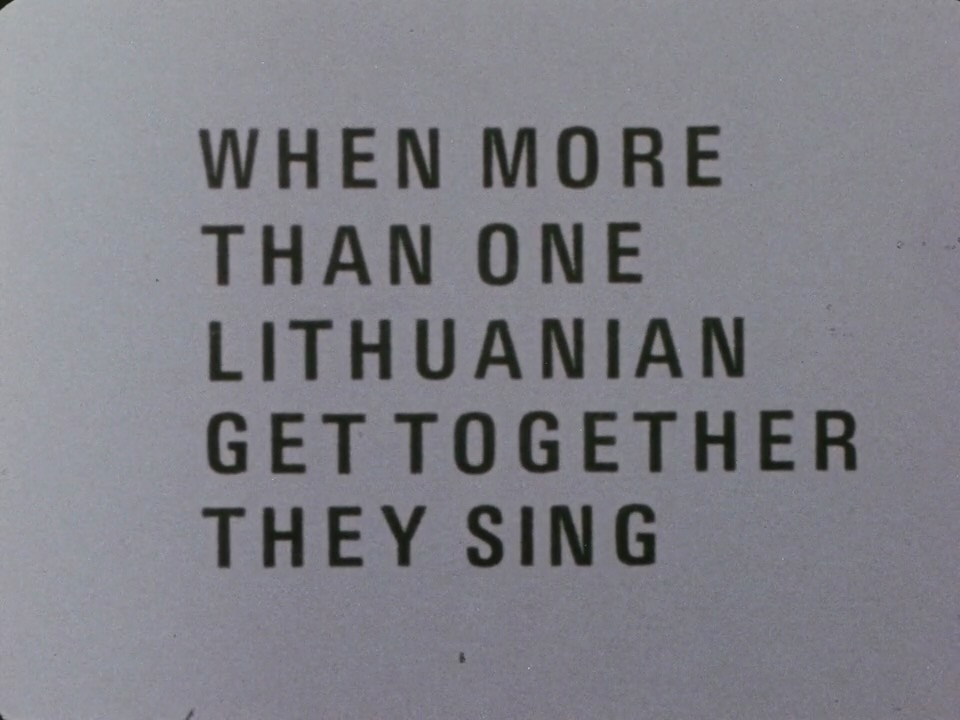
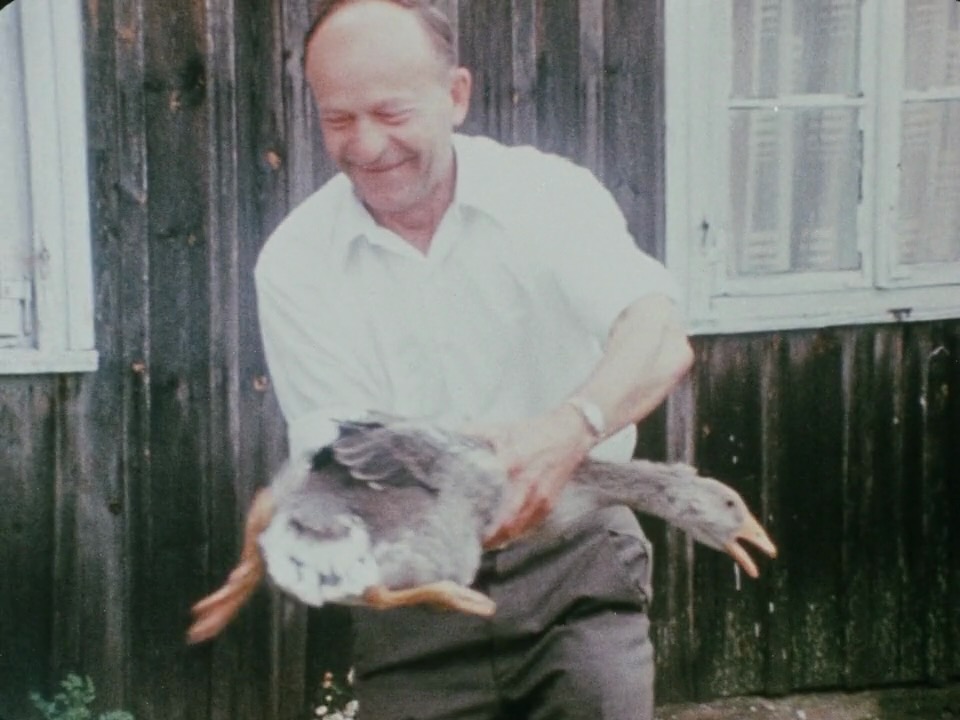
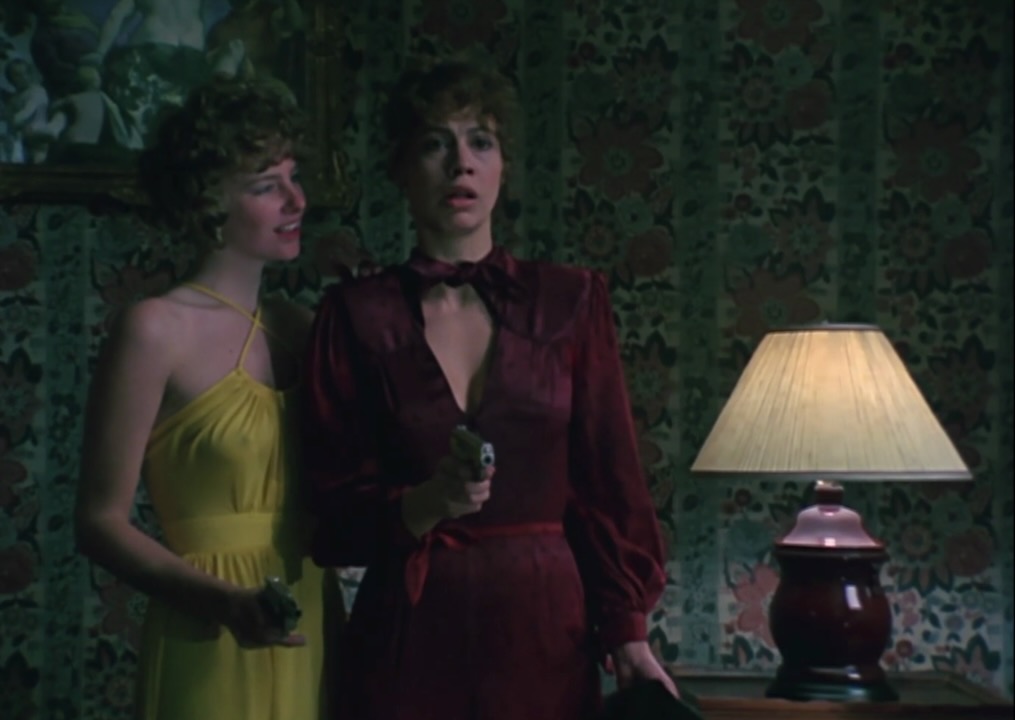
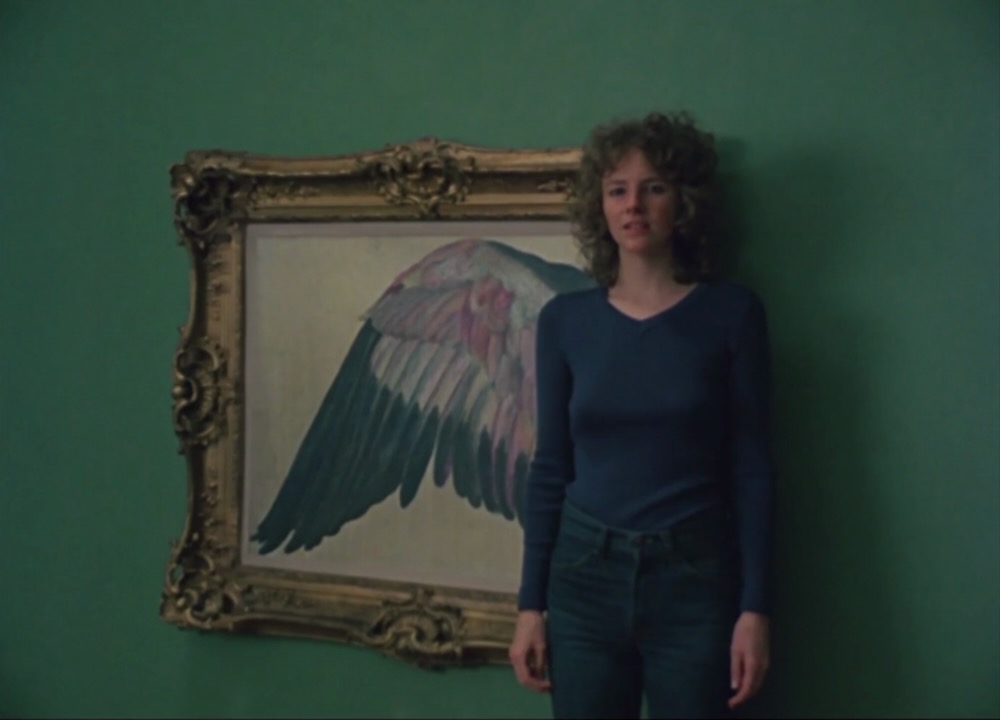
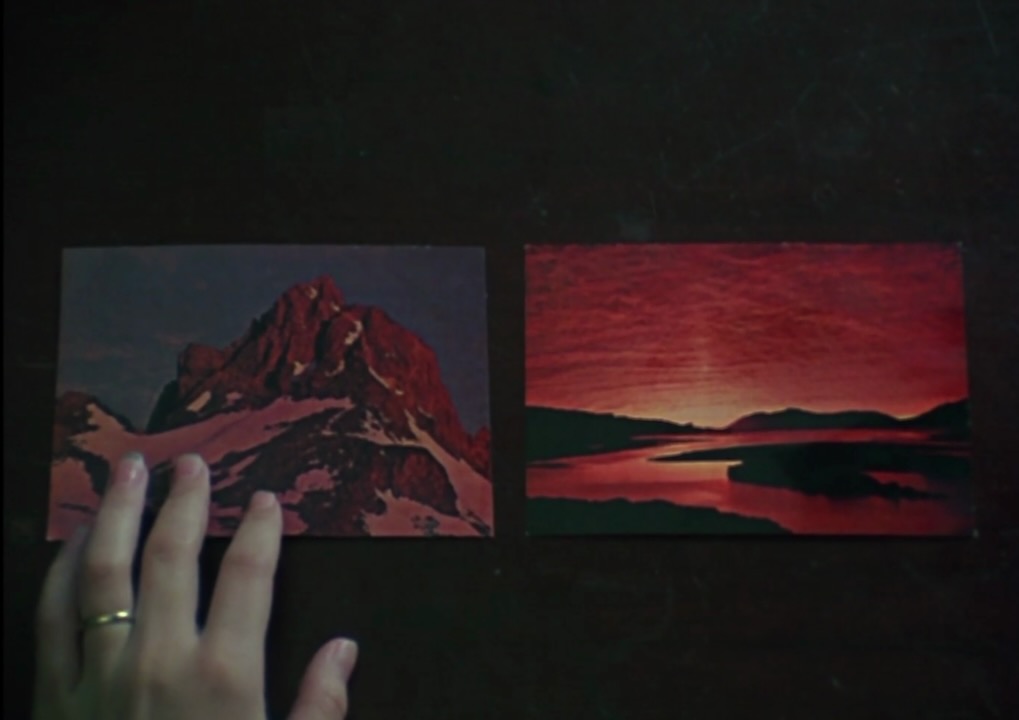
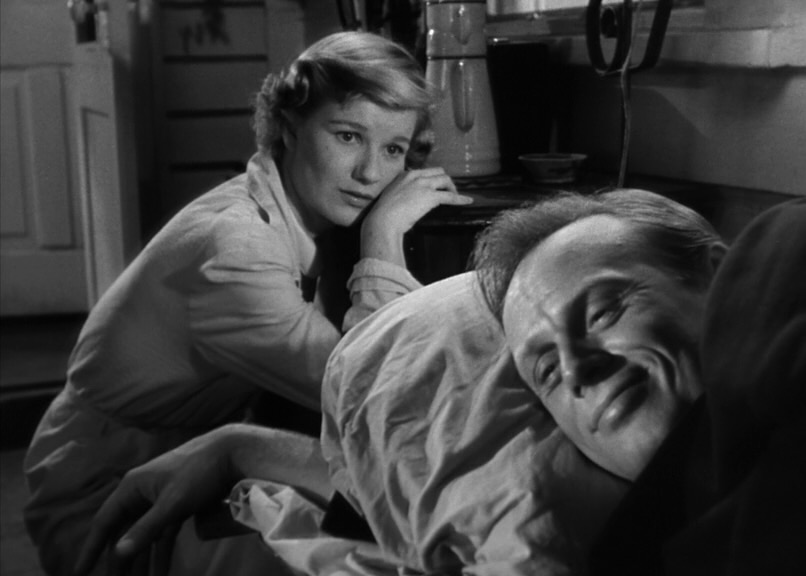
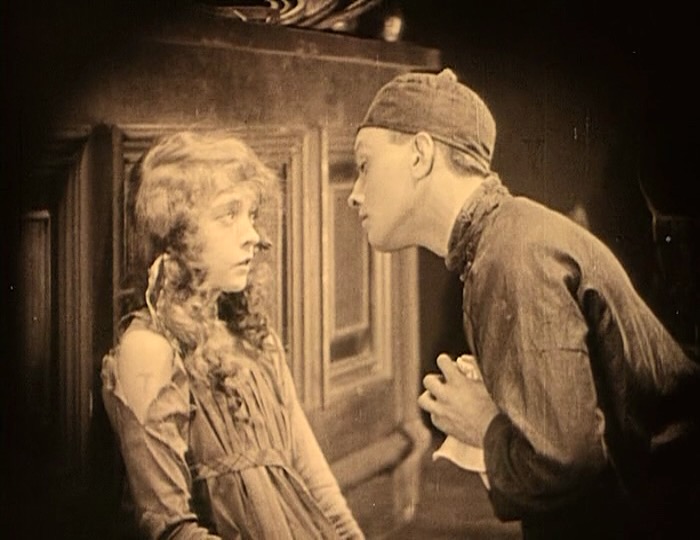
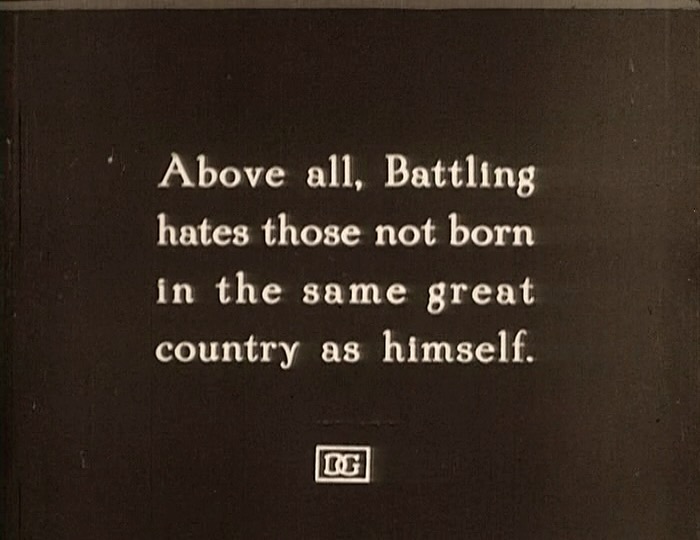
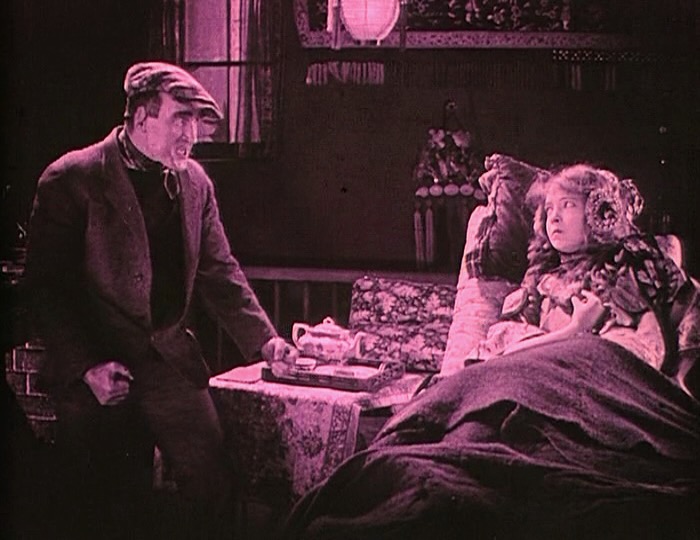
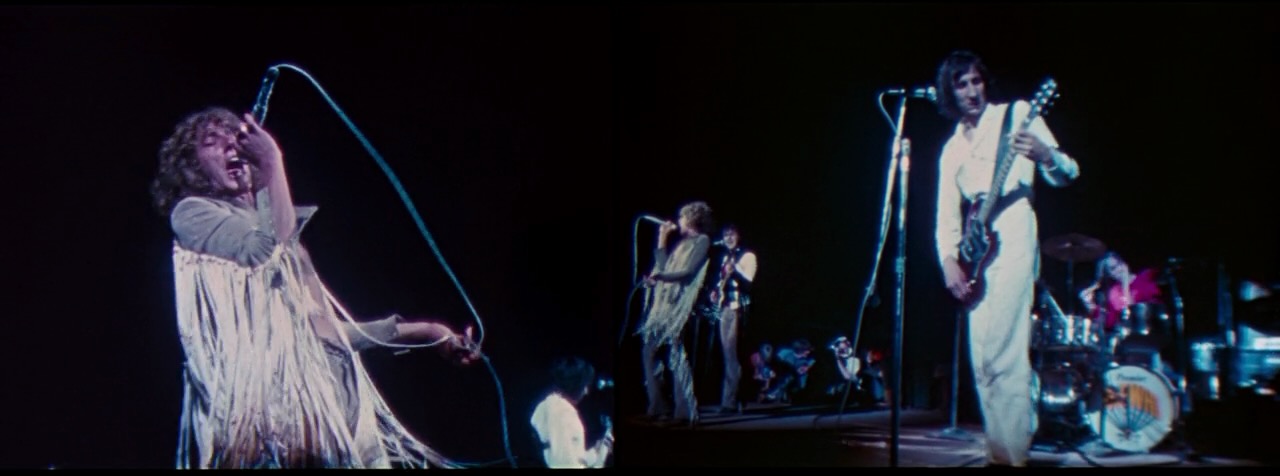
A couple years after earning his eyepatch, Walsh directed the first widescreen 70mm epic sound western, and gave John Wayne his first starring role. And it’s got title cards – I love title cards in a sound film. In the end it’s a bit awkward and overdone, but good effort.

Villains:

Wayne is on the trail of ugly murderer Red, who’s about to lead a wagon train west. Wayne gets himself invited along, so Red hires an evil blackhat cheating gambler as protection. There’s a girl of course, better known from Dracula’s Daughter and The Walking Dead, and a fake Swede, who played fake Swedes all his life. Red is Tyrone Power’s dad, in his final role before a fatal heart attack. He and the gambler (of Queen Christina) keep trying to murder Wayne even though he’s friends with the Cheyenne and arranging peaceful passage through their territory. Finally, grizzled John Huston-looking Zeke (of The Cat & The Canary) shoots the gambler.

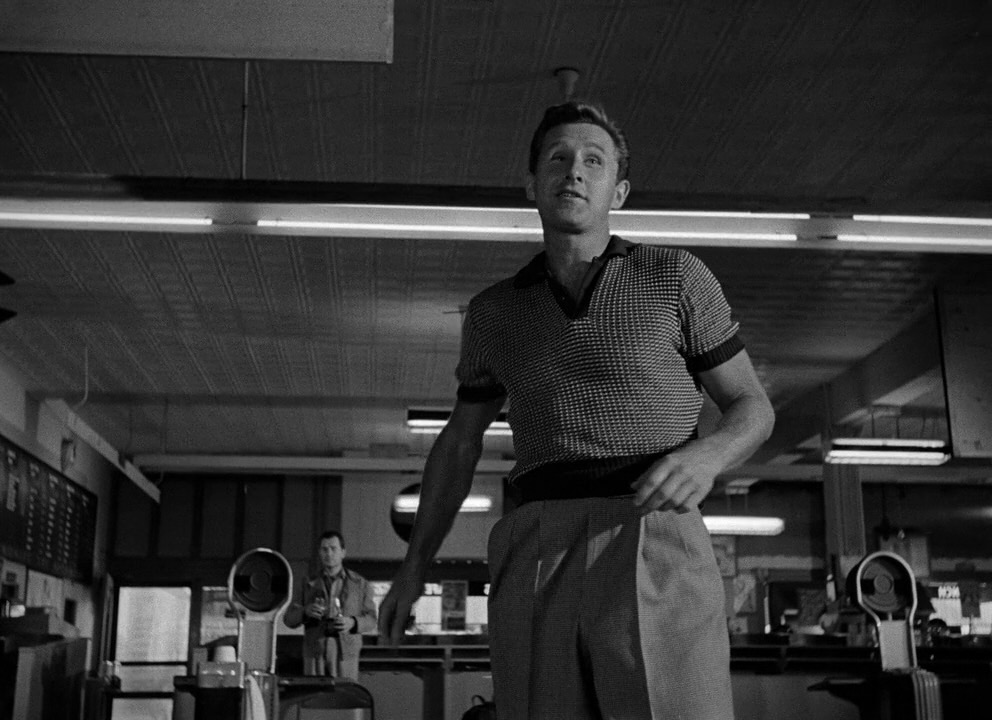
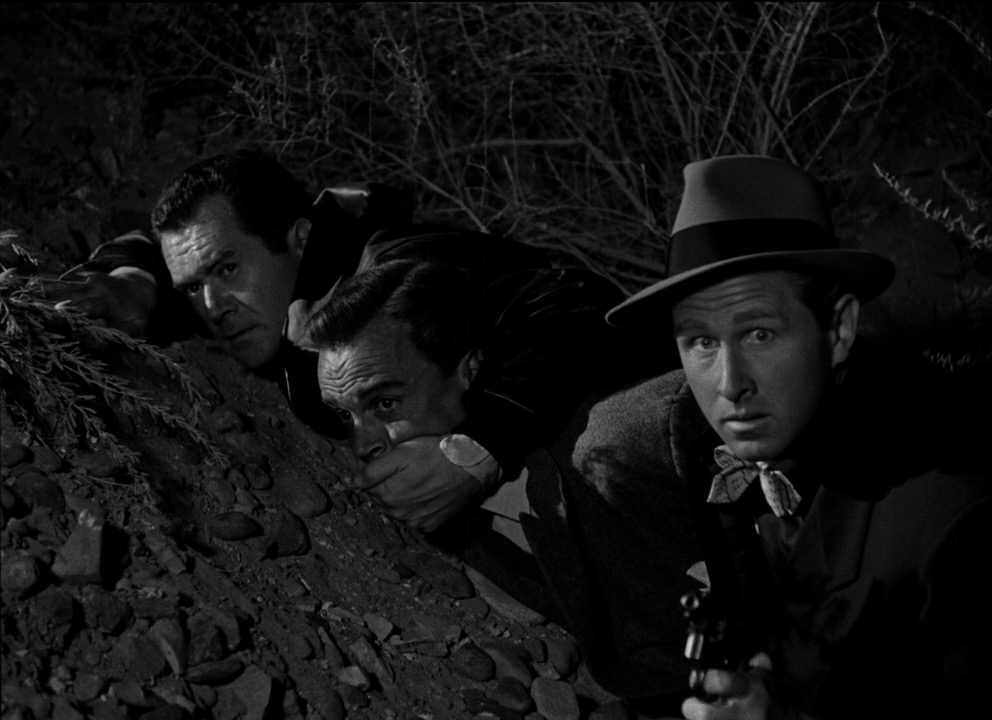
Watched this again on beautiful blu. The commetary points out all the political complications and contradictions in the thorny Indochina war where Fuller sets his yarn. Angie Dickinson (pre Rio Bravo) runs a mission with foreign legioners including sympathetic Nat King Cole and her less sympathetic baby-daddy Gene Barry. Excellent cast, including Captain Dubov of five other Fullers, and suave villain Lee Van Cleef.

Trains! Usually the tracks are at a wicked slant to the camera/landscape, the train going in different directions, taking up varying amounts of our field of vision. Couple seconds of black between shots, camera never moves, and trains are neither snakes nor funerals so he shoots in 4:3.

We hear train noise of course, and nearby nature sounds, a couple speeches (bible, american politics), a song, a baseball game on the radio. In addition to trains, we get good bridges, trees, buildings and cars, and of course Lakes and Skies. Sometimes the trains go on longer than seems realistic, once after much buildup we only get a railcar, and three times we get a special treat: multiple trains moving at once.

I’ve misplaced the Cinema Scope cover story, but we’ve always got Marshlands:

The surface pleasures here are ridiculous, occasionally hallucinatory, and the camera placement w/r/t what the trains conceal and reveal within the compositional duration makes my head hurt, jaw dropping stuff, choo choo motherfuckers this land is your land

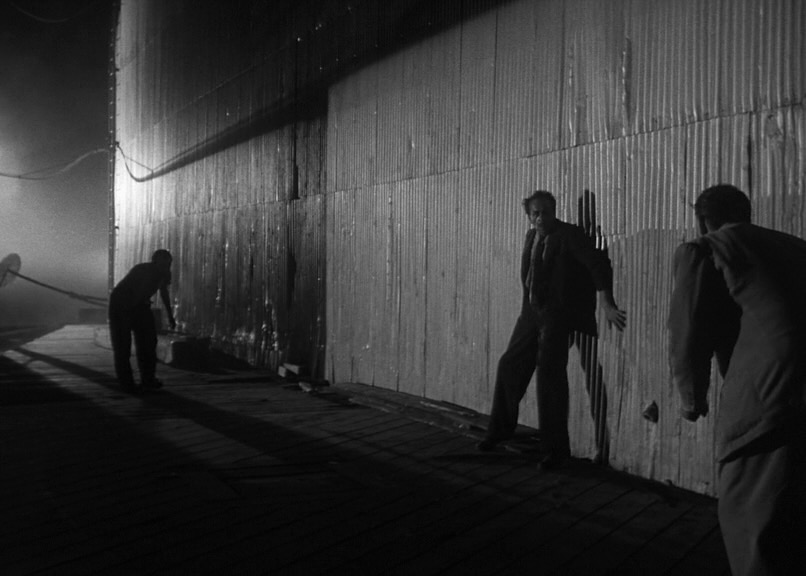
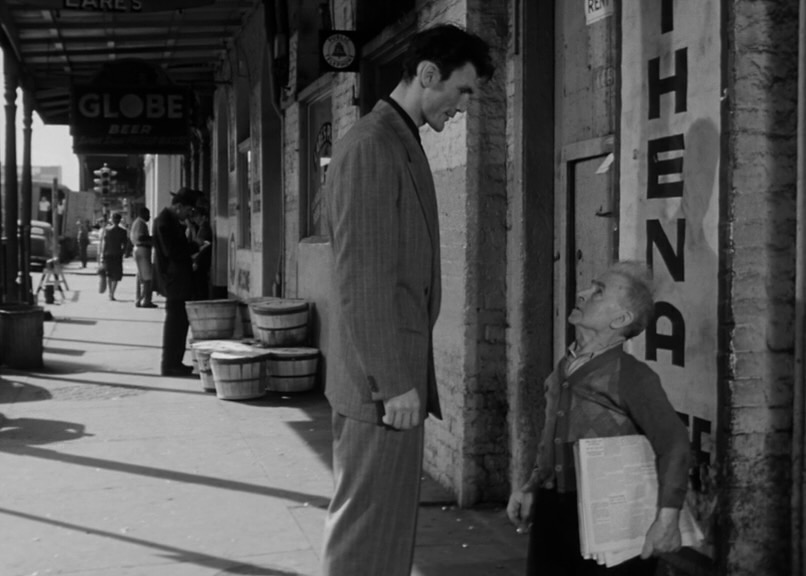
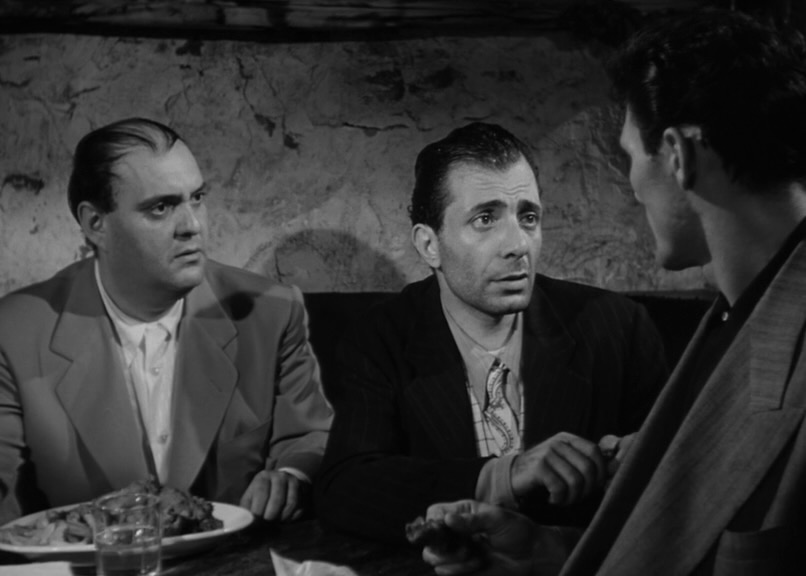
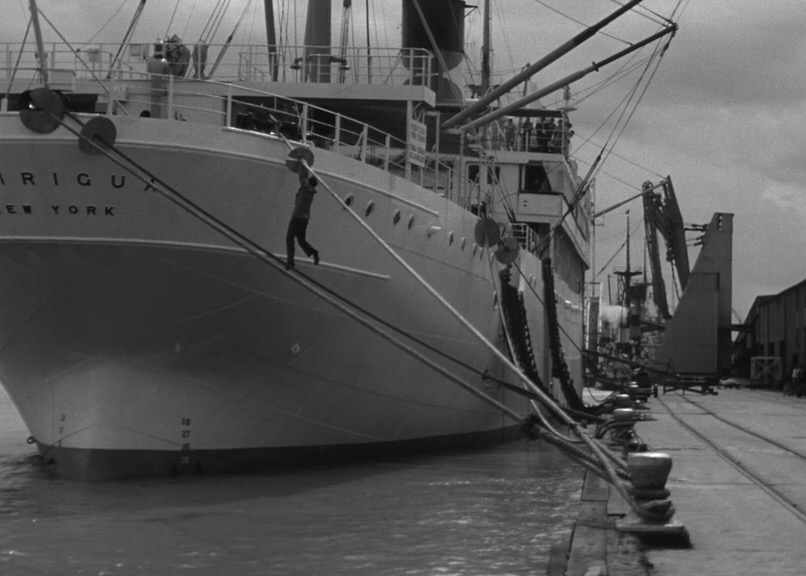
Depressing movie about policing within a corrupt system. Slow-burn investigation by officer Cristi culminates in a half-hour meeting with his boss (star of The Whistlers), who insists that he either arrest a bunch of kids for drug violations or quit the force, pulling out a dictionary and being as pedantic as [__ ___ ____].

These Encounters of Theirs / Quei Loro Incontri (2006)

I’ve grappled with these guys before, trying to figure out their whole deal in previous posts. Think they stated in the Pedro Costa doc their moral grounds for cutting sound with picture with no attempt towards soundscape continuity, but I don’t remember the details. Today I’m here not to grapple, just to space out on the couch with a couple of their late works.

Familiar setup: some people (not actors, we’re told) are declaring/reciting dialogue, their performances engaging and alienating at once. This all brings to mind Denis Côté’s Social Hygiene in the staging. They pause strangely in the middle of sentences, and at the end of a scene they face each other in silence, having run out of lines, the wind blowing their clothes. Their words were written for Greek immortals by depressed communist Cesare Pavese in the 1940s. Played in competition in Venice alongside eleven others I’ve seen – what a year.

Neil Bahadur gets it:

Huillet once said about Straub, “Jean-Marie is always looking for paintings.” Perhaps they wanted to show us that the world itself is a painting, a moving one, always alive. Here is a film about the beauty that the world is capable of, not just by humans, but by the shapes and patterns that sunlight makes when it passes through the leaves and the branches of a tree. The world is so beautiful, so ephemeral that even the gods wish to become mortal. We humans don’t know what we’re missing.


Itinerary of Jean Bricard (2008)

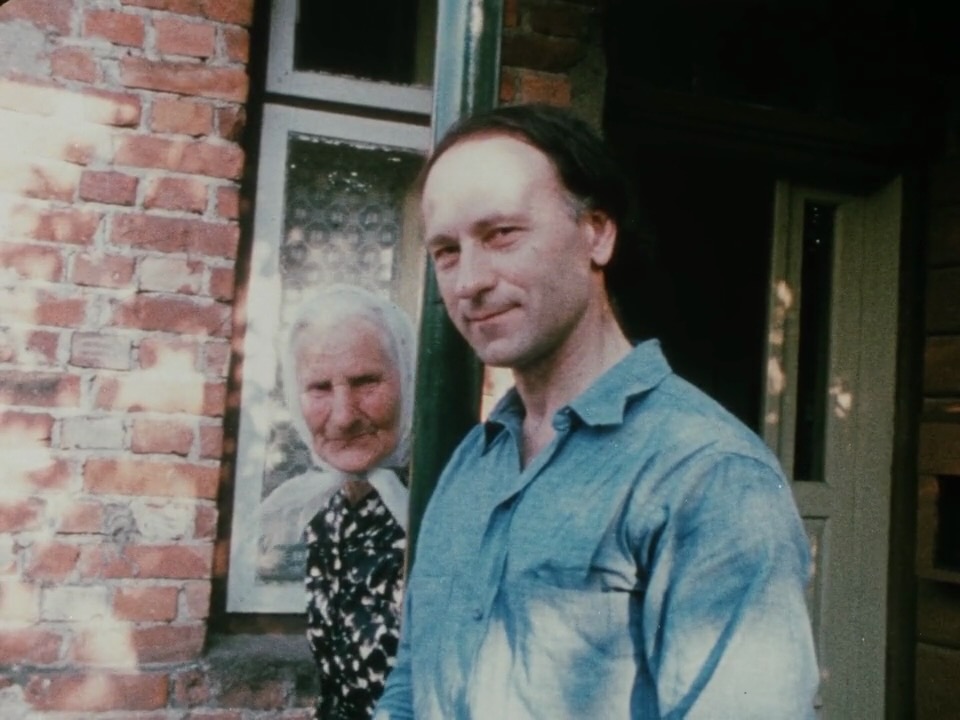
First we motorboat around Coton Island a couple times, looking at wintry trees in 4:3 b/w. I assumed this was to demonstrate the size of the island (small enough to circle twice in 15 minutes) but Bahadur sees impressionism, abstraction, a tribute to Cezanne. Then onto land while the titular narrator tells stories of the area’s nazi occupation and beyond. Jake Cole: “He also talks of postwar projects that have dramatically affected the entire ecology and terrain of the area, which further complicates the tranquil images. Left hanging in the air unspoken is the notion that, to the land, the French are every bit the ruinous occupiers that the Germans were.”

John Wick spinoff from the writer of Army of the Dead and director of Die Hard 5, oh boy, this is even worse than part three. Tried to half-watch this, which worked fine during the opening backstory, then it turns into a gang war that’s also a dystopian cult thing with not a couple minutes rest between each CG-assisted fight scene. Lotta fighting with hammers at first, then she escalates to an audacious grenade battle in an armory and a flamethrower finale. I didn’t believe a single thing that happened for a second, so the revenge aspect doesn’t register, but eventually Ana de Armas shoots Gabriel Byrne while he’s monologuing, and the guy from Blade lives, which are good outcomes. Only great shot was when Ana whacked a would-be assassin with a TV remote, each blow summoning a different classic action scene on the background TV.

de Armas vs. Buster Keaton:

Psalm I: The Lateness of the Hour (1999)

Blue flickers in the inky blackness, sometimes watery-reflective or anomene-textured, sometimes seemingly clips from other films with the Psalm III edge-enhancement filter. Apparently silent, so I played my own very groovy music, which was the highlight of the experience


Last Days in a Lonely Place (2007)

None of these movies have titles or credits, and these next two form a Grand Theft Auto trilogy along with Rehearsals for Retirement called In Memoriam (Mark LaPore). Predating the kids’ craze for liminal spaces, Solomon finds meditative room in some low-res 3D game engine. Yes it’s the dreaded machinima, but thank goodness that beyond these shorts and Grand Theft Hamlet, that craze never took off, so we can appreciate these as singular objects. Ambient music with Humphrey Bogart clips.


Still Raining, Still Dreaming (2009)

Mark LaPore codirected the short Crossroad with Solomon in tribute to David Gatten, and died that same year. This one’s even more ambient and liminal than before, though slightly less greyscale. Almst no movement except the shifting of digital daylight and video compression artifacts, the audio a bootleg Indian broadcast.


Psalm IV: Valley of the Shadow (2013)

More ambient than ever, leans too hard on its audio track: the closing monologue of The Dead, without any good video game visuals.

Good-natured and well-presented doc about a Scottish competition to make the best bowl of oats. Watched with K, who uses more ingredients than are permitted by competition rules to consistently make better bowls of oats than any of the ones in the movie.