Dixie (Toothpaste girl Phyllis Brooks) arrives in Shanghai from Brooklyn, immediately runs into trouble due to being broke and clueless, has to be rescued by hat-guy Vic Mature (before his postwar breakout in My Darling Clementine). At the casino, “Mother” is Ona Munson of Scandal Sheet (not that one). Neither of these gals are no Marlene Dietrich, though Ona does call herself Lily at one point – but the movie is rescued by a delightful Gene Tierney (year after The Return of Frank James), who is the lost daughter of bigwig Walter Huston.
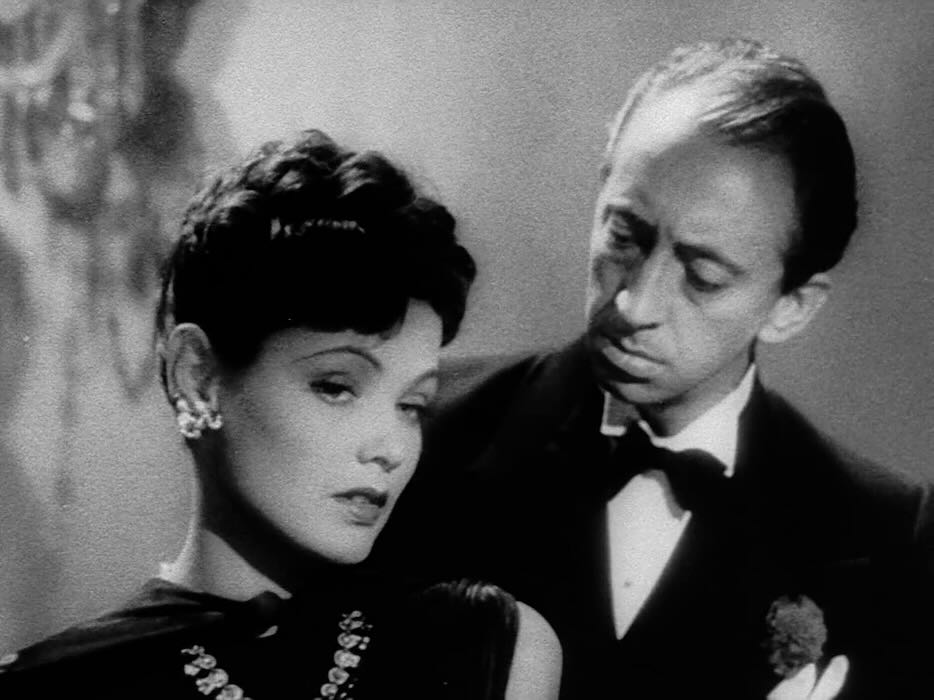
In fact everyone’s got Big Secrets and half the room wants to kill the other half when Mother invites all the major players to her new year’s table – between this and Mildred Pierce I met my melodrama quota for the month. Unfortunately these secrets and rivalries aren’t interesting, and the movie fizzles after a first half that was full of possibility. Rosenbaum: “Given the censorship of the period, much of the decadence is implied rather than stated.”

Mother has been watching Uzumaki:
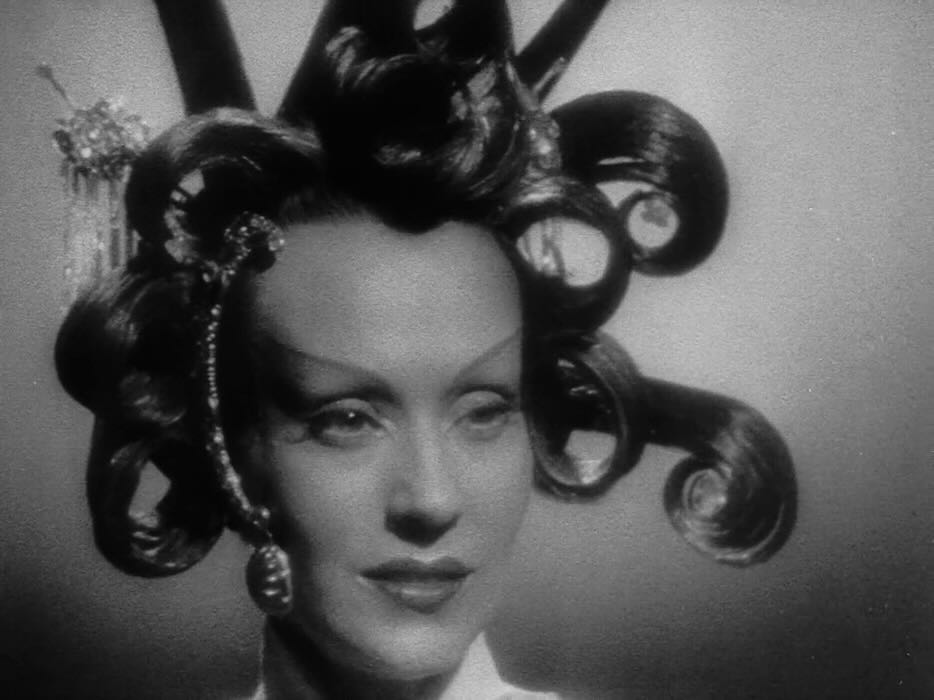
This movie needs a restoration, I demand one:
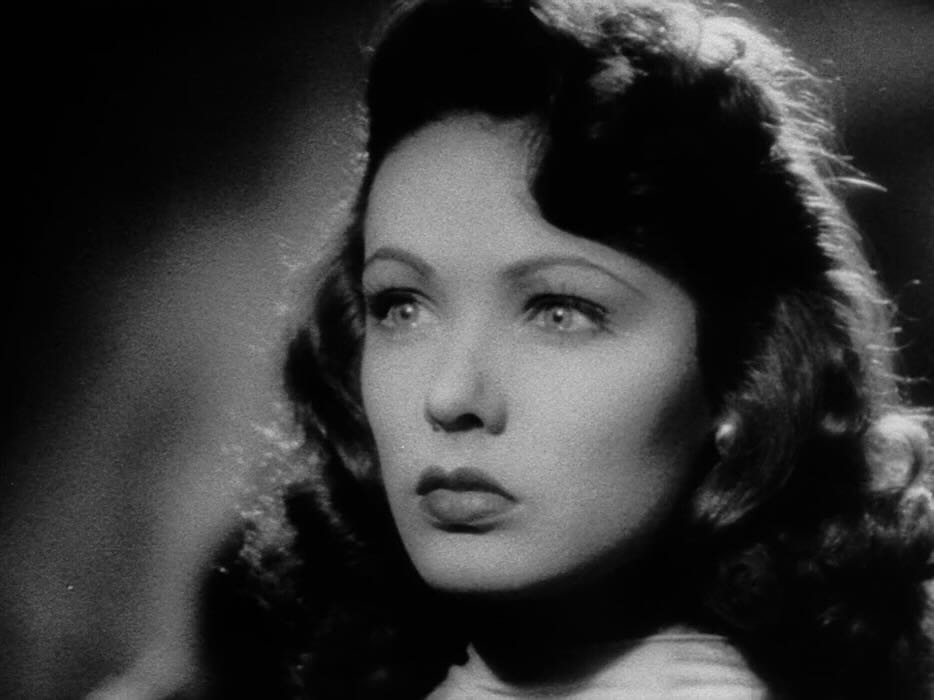
My second ghost story this month after Journey to the Shore, which also featured corporeal-looking ghosts with appearances signaled by lighting changes. Widowed Mrs. Muir (Gene Tierney at her cutest, also of ghost film Heaven Can Wait) gets a good deal on a haunted house. She soon runs into financial trouble, but rather than get rid of the housekeeper (Edna Best, the Doris Day of the original Man Who Knew Too Much), she teams up with house-ghost Captain Gregg (Rex Harrison, the My Fair Lady/Unfaithfully Yours lead shouter at his shoutiest) to ghostwrite his uncensored memoirs.

The living Mrs. Muir and dead Mr. Gregg learn to tolerate each other and gradually develop deeper feelings, but Gregg disappears after she starts dating a children’s author she meets at her publisher’s, creepy George Sanders (Ingrid’s husband in Voyage to Italy). When that doesn’t work out because he turns out to be married, she stays home staring at the sea for decades until death, when she’s reunited with her beloved captain (he could’ve come back sooner and kept her company, but it’s still a nice ending).

One of Joe Mank’s earliest movies, two years before A Letter to Three Wives. The story was expanded into a late-1960’s TV series with Laura Dern’s mom from Blue Velvet as the lead, and an Irishman from Caprice as the ghost.