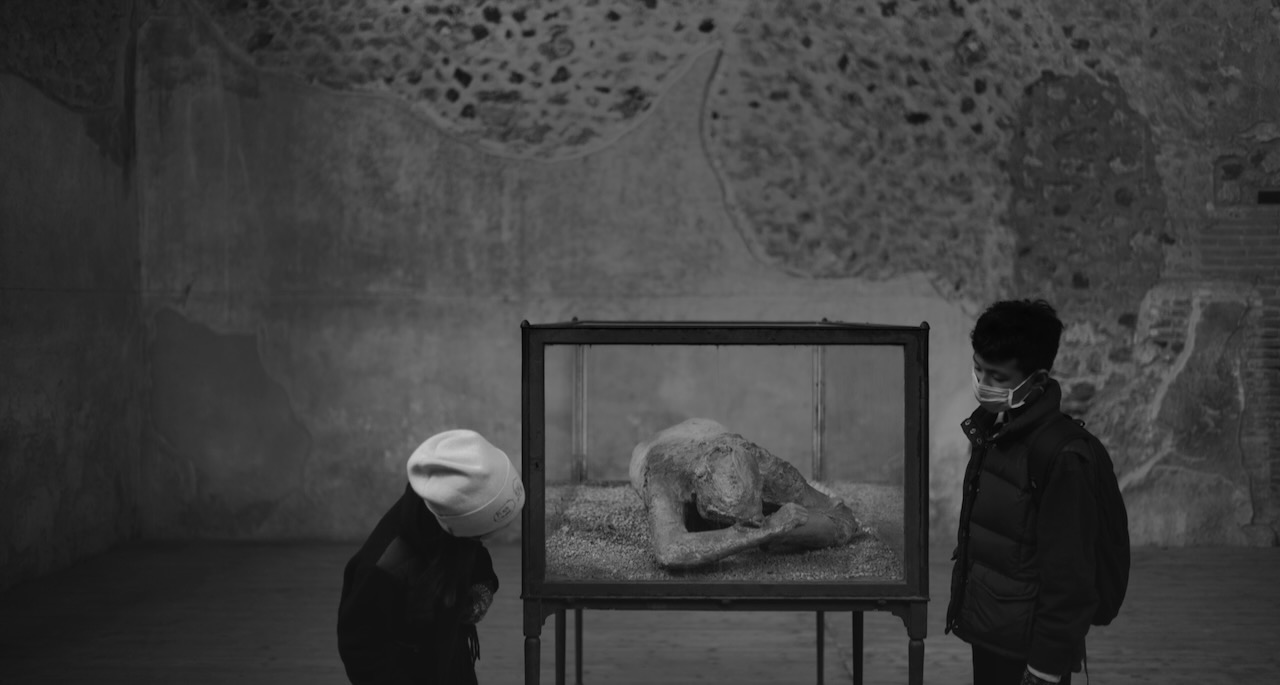
Let’s Make Love and Listen to Death from Above (2022, Ayanna Dozier)
Warholian: a couple making out is only seen from the knees down, then the camera gradually moves up, but I guess the viewer has to provide their own Death From Above since my copy was silent.
–
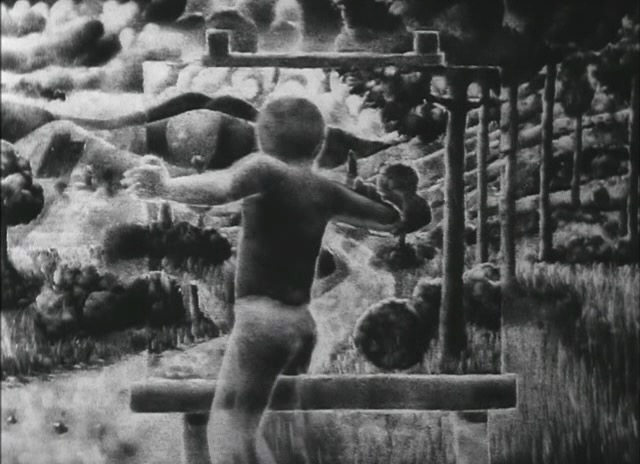
Mindscape (1976, Jacques Drouin)
Terrific light-and-shadow landcape. A painter stendhal-syndromes into his own canvas, which then becomes a slideshow of different scenes, each morphing and shifting. Charcoal… oh no, it’s pinscreen, this must have taken a hundred years to animate.
–
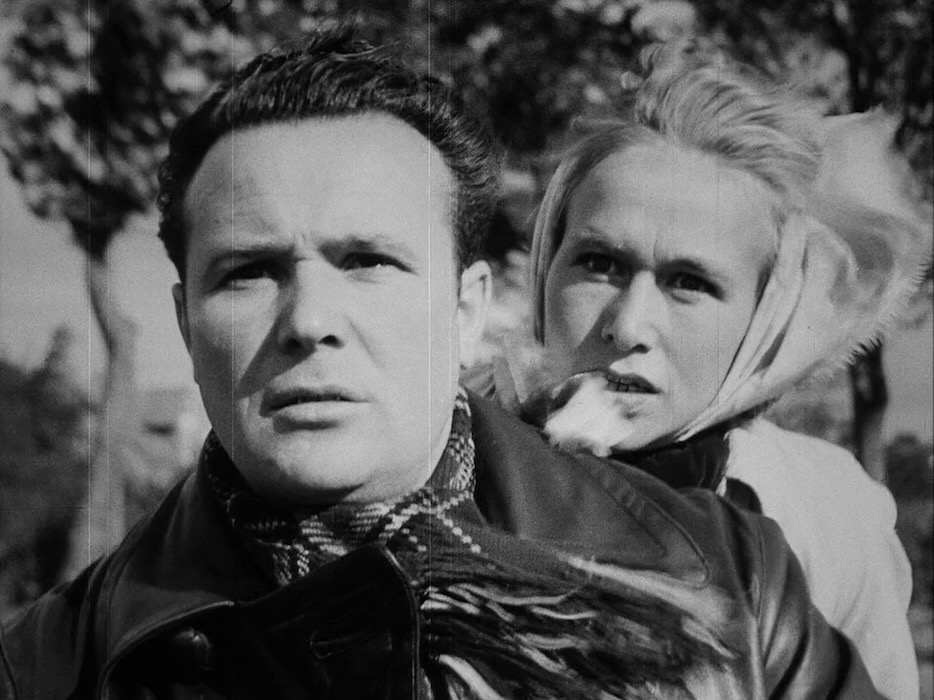
They Caught the Ferry (1948, Carl Dreyer)
Motorcyclist getting off a ferry is determined to ride fast enough to catch another ferry. Even though this guy is supposed to be in an impossible hurry, he’s more respectful to the ferryman and gas station attendant than anyone in my city would be. Ultimately it’s the most action packed Dreyer film, and perhaps his only road safety movie. Rosenbaum: “Devoted almost exclusively to the tension and exhilaration of speeding down a country road, it is once more demonstration that Dreyer’s art, principally praised for its spiritual qualities, in fact rests on its concrete realisation of material experience.”
–
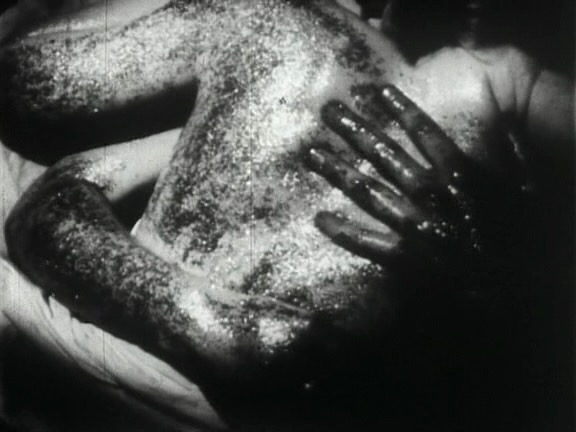
Woton’s Wake (1963, Brian De Palma)
More movies should open with a ballad. Woton is a silent-comedy maniac running through the streets and rooftops. He does some harmless pranks wearing different wigs and grotesque false noses: stealing women’s earrings with his long tweezers, spying a couple having sex through a skylight and roasting them with a flamethrower, the music all tape loops of junkyard horns. One day he creates a live woman in his laboratory, seemingly by accident. Ends in nuclear war, predating Dr. Strangelove by a couple years. The cloudy cinematography and flabby editing are familiar from other student shorts, but this team reeally went for it in the makeup and music departments. Heavy Seventh Seal and King Kong references, with lots of pie throwing (another influence on Strangelove).
–
The Responsive Eye (1965, Brian De Palma)
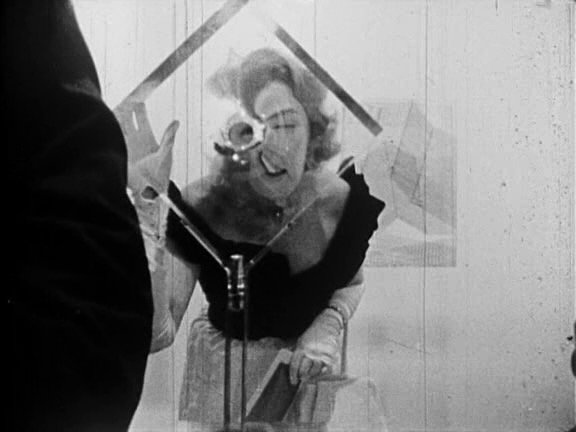
Listening to guys talk nonstop about an art exhibit of perceptual / optical illusion works. Every once in a while they’ll say something that makes the exhibit seem deeper than a Magic Eye book. The movie would be a great supplement after walking through the gallery yourself, but as a standalone experience you’re missing a whole lot, especially when they talk about the color effects we’re watching in black and white. A bit of De Artificiali Perspectiva in there. One group of critics say the exhibit is neat but they don’t think it counts as art – this would be unfortunate foreshadowing for the rest of De Palma’s career. The actress who played the pregnant teen in One, Two, Three makes an appearance. My favorite bit was when the curator bragged that the artists in this room come from all over the world, and his examples were: English, American, English again.
–
Blueprint of a Pleasure Machine (2022, Amit Dutta)
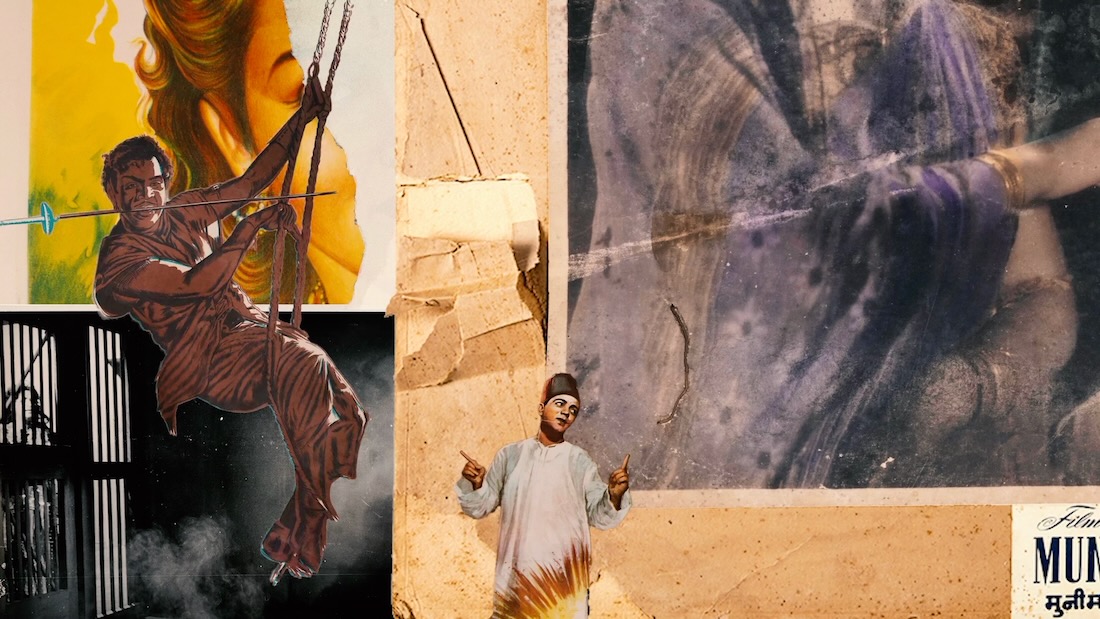
Art museum commissioned Amit to make a Klahr-style cut-up montage from their film advertisement collection. I couldn’t make much sense of the voiceover spy monologue, but the animation was fun.
–
Nightangel (1987, Jacques Drouin & Bretislav Pojar)
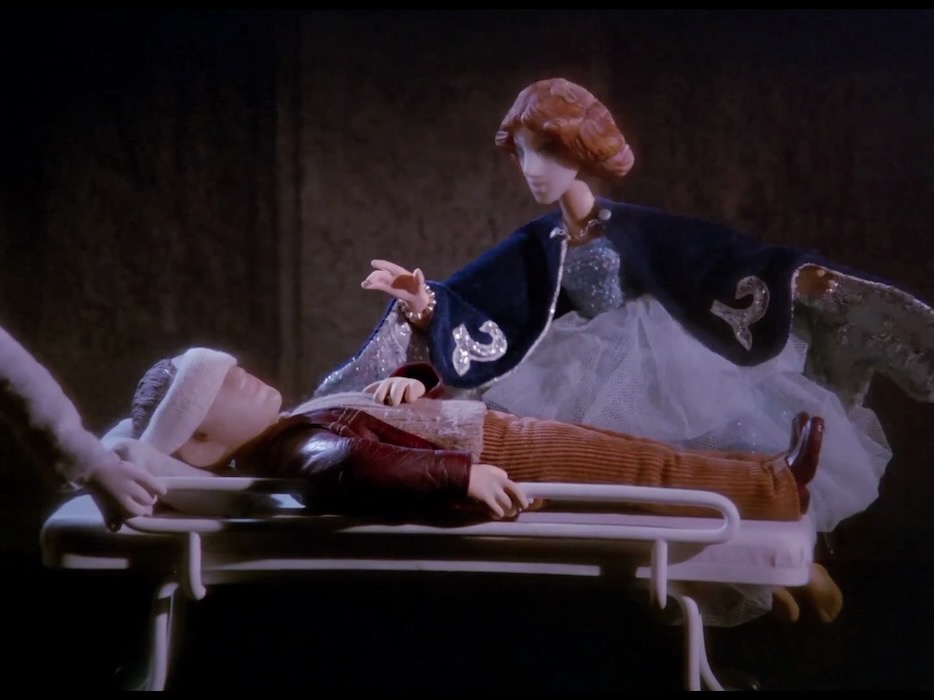
Jiri Trnka stop-motion, Alexieff pinscreen, National Film Board of Canada collab. Little guy sees the nightangel out his apartment window and runs out to meet her, is hit by a car and blinded for a few weeks. They use lighting so that we don’t see his surroundings until he perceives them, for instance, the table above his head is invisible until he bangs into it, the stairs aren’t there until he’s falling down them. The nightangel watches and helps when things get out of control, and when he can see again, they make out.
–
Review (2015, Dustin Guy Defa)
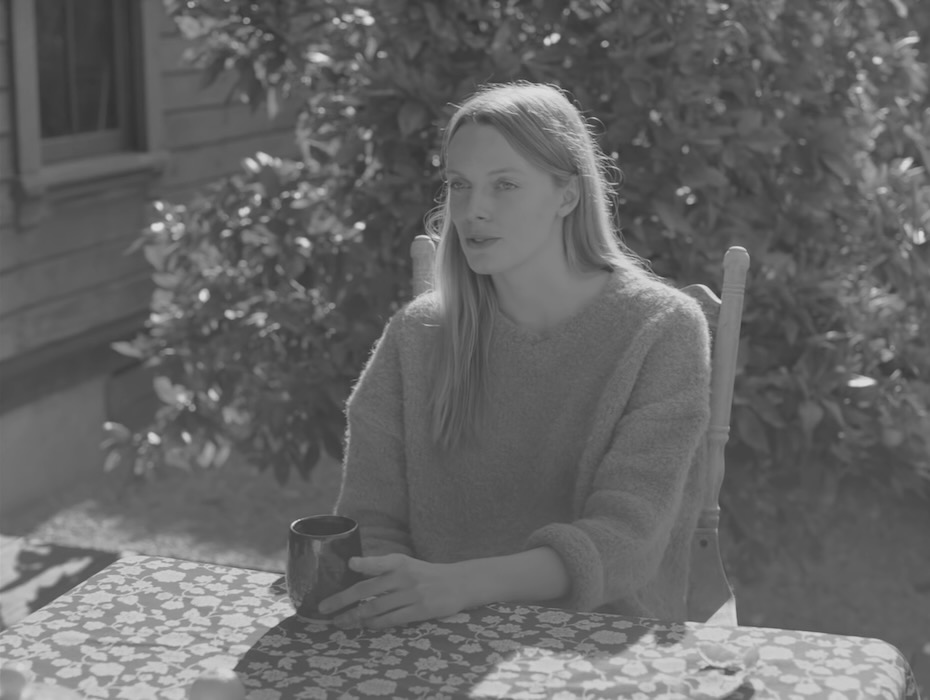
A girl inadequately narrates the plot of Taxi Driver to her friends, just like how I inadequately describe movies in the blog.
–
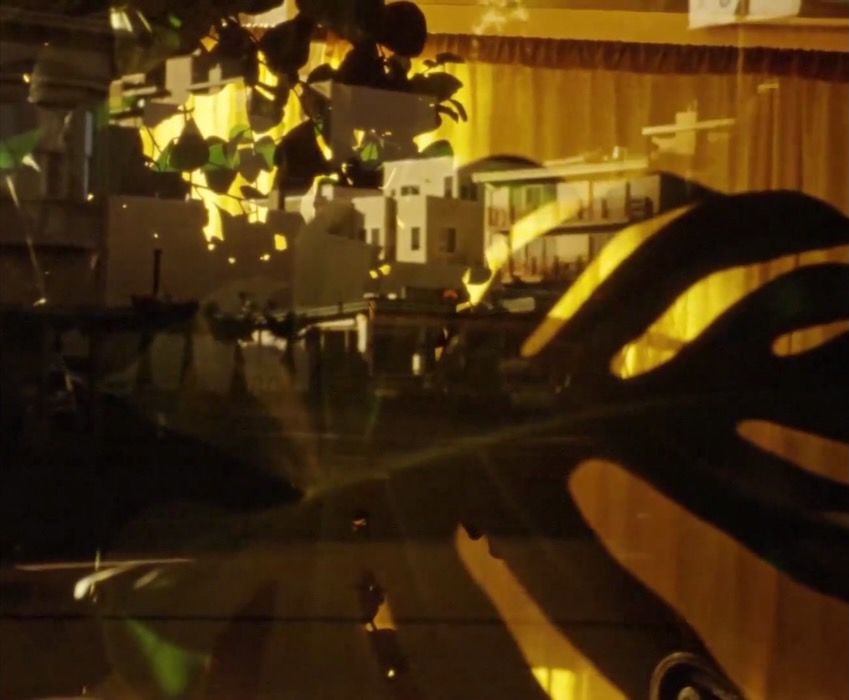
Lamentations (2020, Nathaniel Dorsky)
Looking at stuff silently through filters and screens. Messing around with focus. I tried to nap.
–
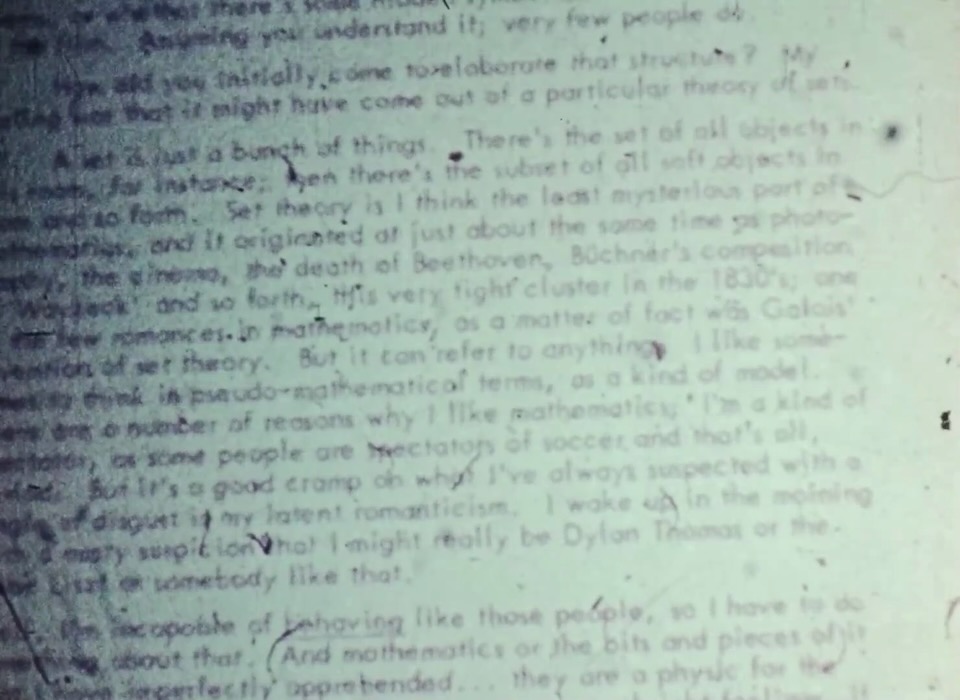
Permutations and Combinations (1976, R. Bruce Elder)
We are shown some images, including comic book panels, a page of text, and we’re played a few audio clips that sound like someone cycling through ringtones. Then the movie flickers these things at us relentlessly, not always in the same order. If he’s spelling out secret messages using the editing, with each frame representing a letter, it goes too fast to make out – Zorns Lemma this ain’t. I tried to see if you can read the page of text by focusing in advance on the next word each time it appears, but nope.
–
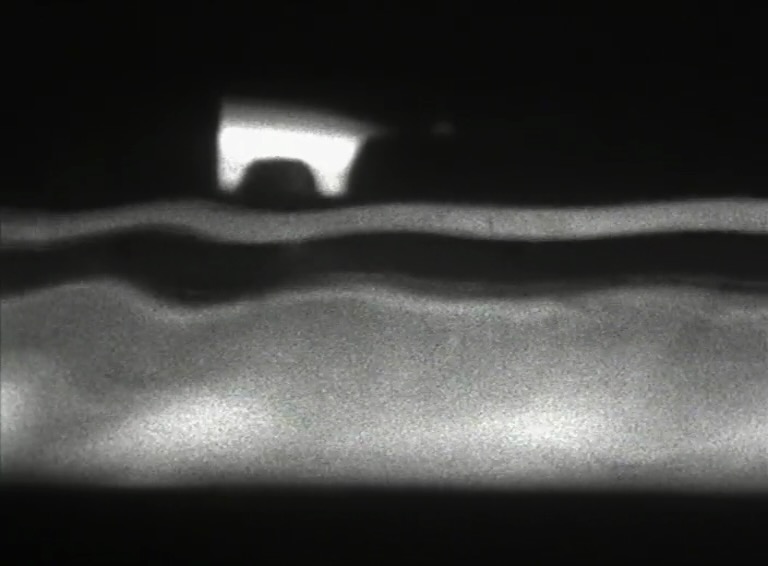
Noir et Blanc (2006, Tacita Dean)
Inside some noisy machinery, light and matter seem to warp and shake.
–
Islands of Fire (1955, Vittorio De Seta)
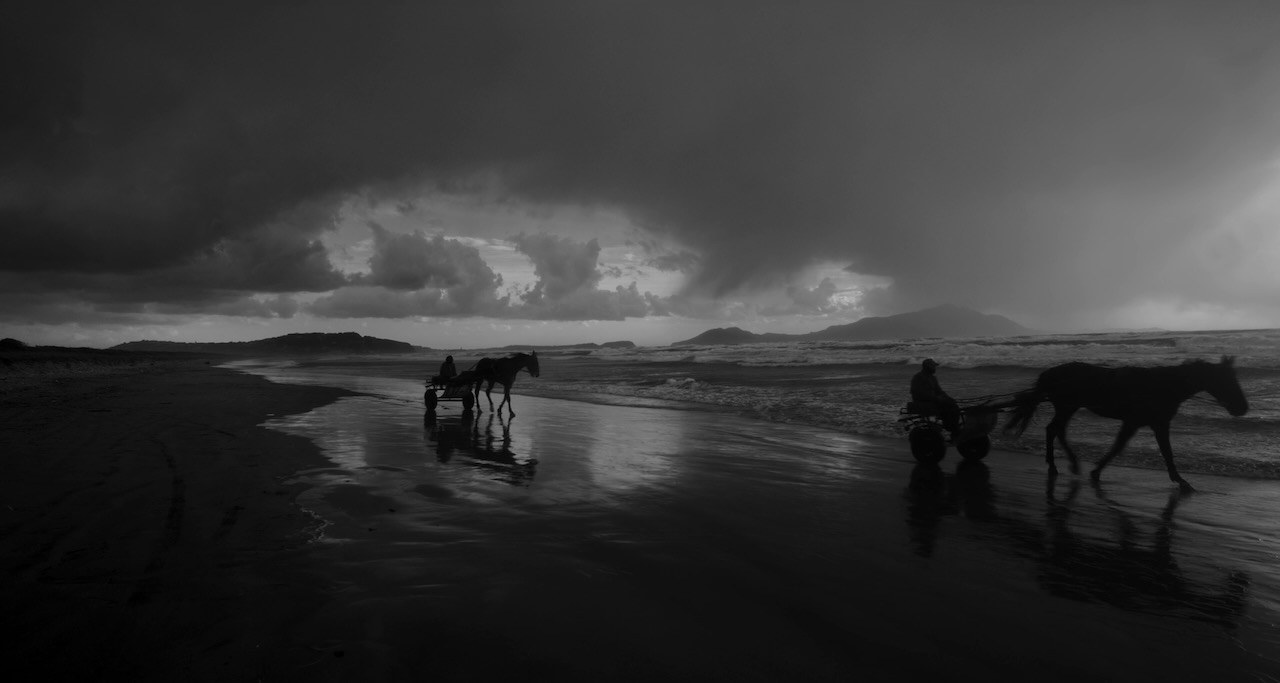
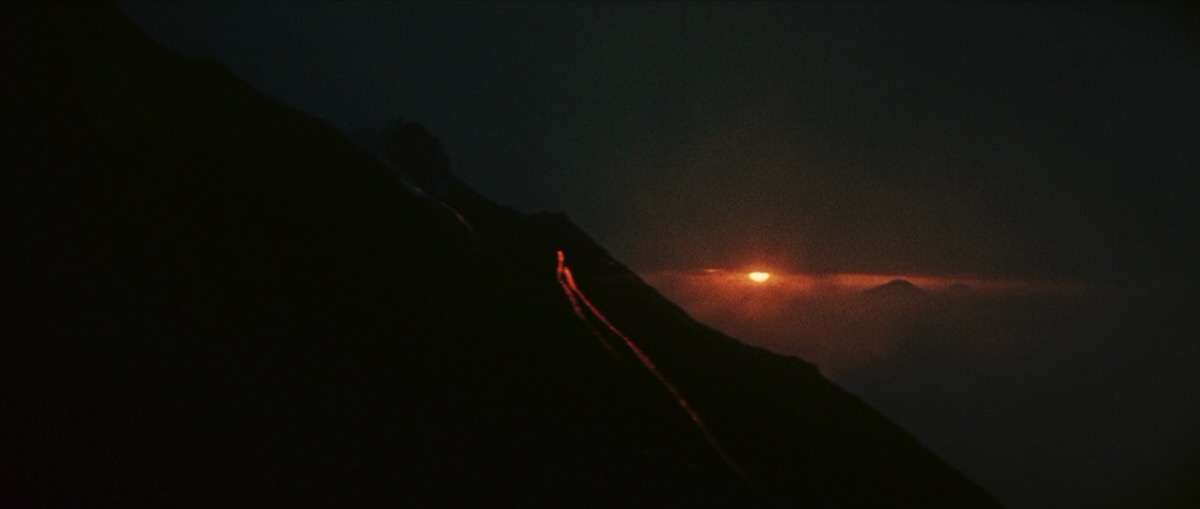
Filmed during volcanic eruptions, he shows a fishing community thriving, then everyone running for cover one stormy evening with threats from wind and water and volcano, then upbeat music as everything returns to normal the next day. Jake Cole: “we are merely the unruly, overstayed houseguests of this planet.”
–
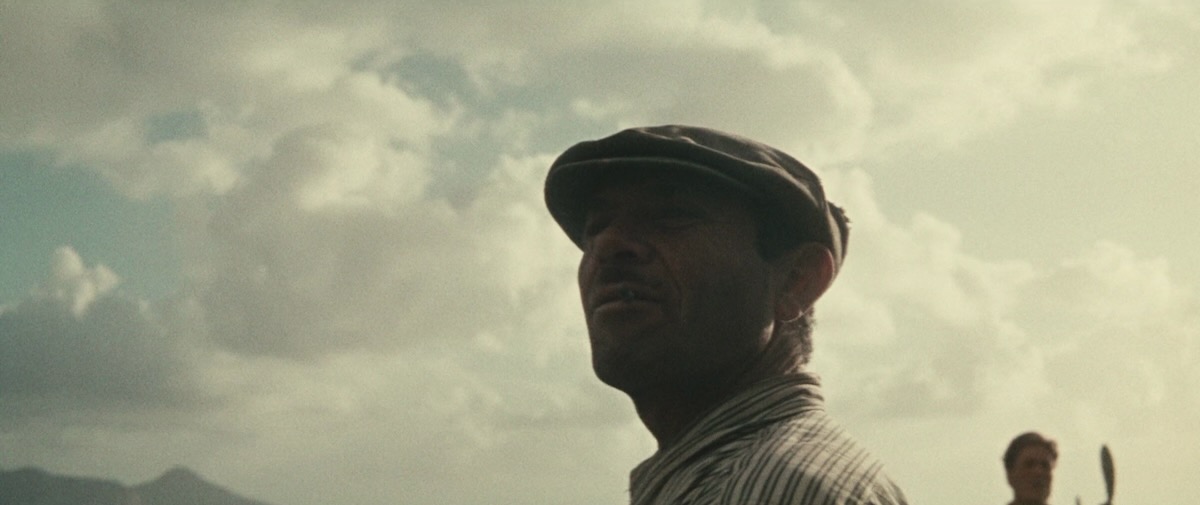
Surfarara (1955, Vittorio De Seta)
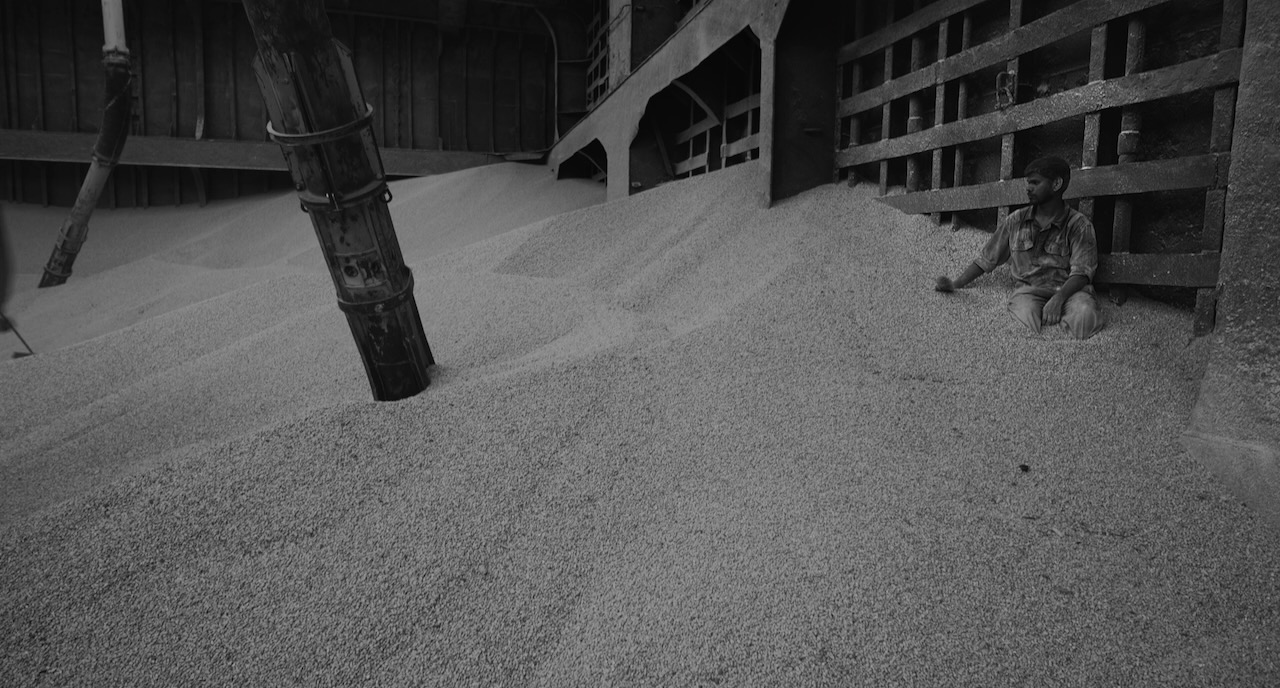
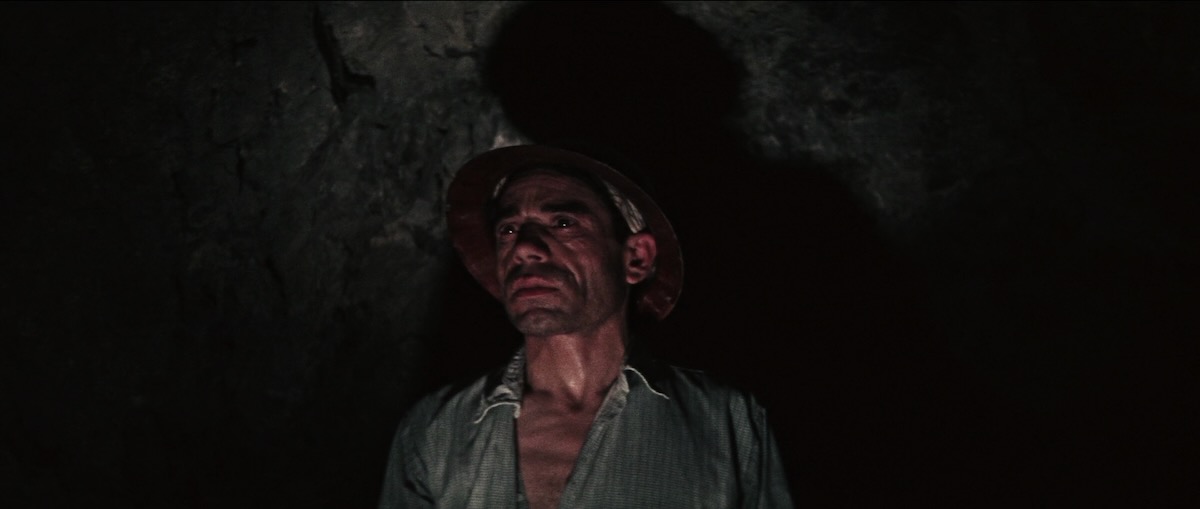
I guess this non-seafaring film of sulfur miners fits with De Seta’s theme of showing people at work outside the cities. He gets to play with the editing towards the end, but there’s not much opportunity for beautiful image making inside a sulfur mine. Someone get these guys some gloves, and probably some face masks!
–
Chantal Akerman (2013, Ricky D’Ambrose)
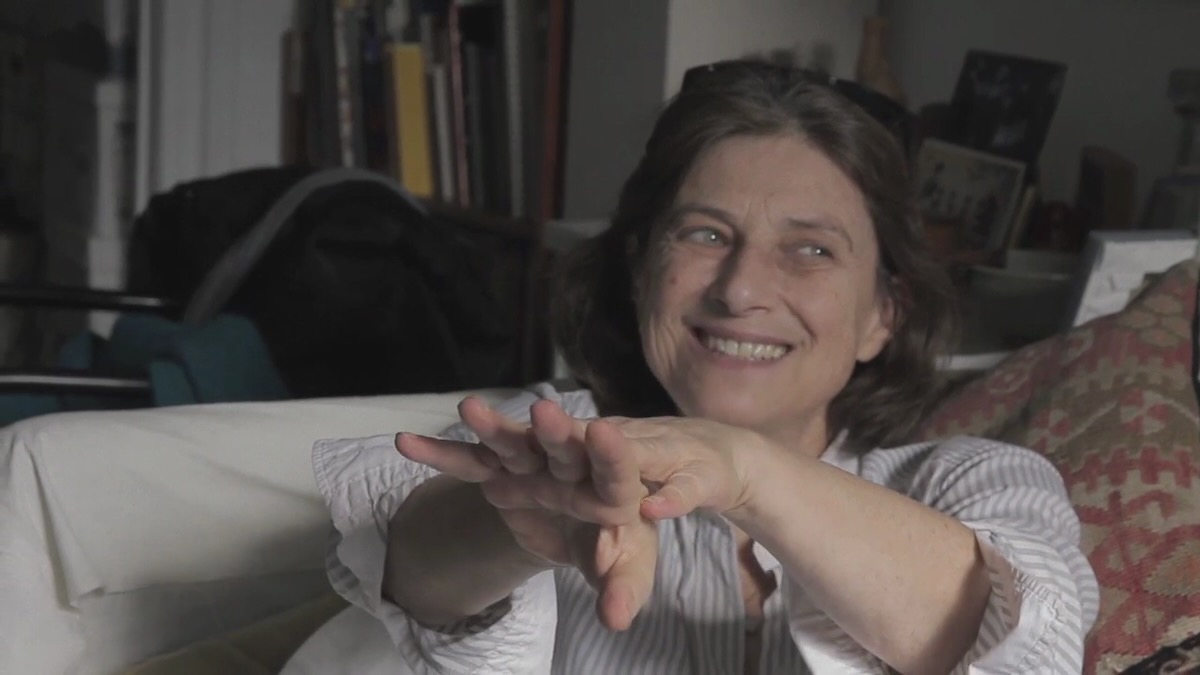
Handheld-shot interview in Nov 2013, covering News From Home, early inspirations, mother and Jeanne Dielman, and editing rhythms. Might’ve been more edifying if I hadn’t spent the afternoon reading a whole damn book on Akerman covering these same topics.
–
Colophon (2018, Nathaniel Dorsky)
He finds a light array on a window display, some kind of digital advertisement I guess, and he stands too close so you see the pixels instead of the intended design, with street life in the background. Then after five minutes he goes to the garden and casually plays with focus, light, time, and watery reflections. The first couple minutes (figuring out what is going on with the light display) and last couple (when he starts rack-focusing to some water bugs) are cool. I let it play silent, which didn’t do it any favors.

–
The Interview (1978, Michael Dudok de Wit)
Kid with tape recorder attempts to interview everyone in sight, but they all get annoyed. After flashing back on all the interactions of the day, the kid concludes it’s not him but the tape recorder that is annoying, and drops it into the ocean. Cute primitive animation with music and gibberish-speak, Michael’s art-school work.