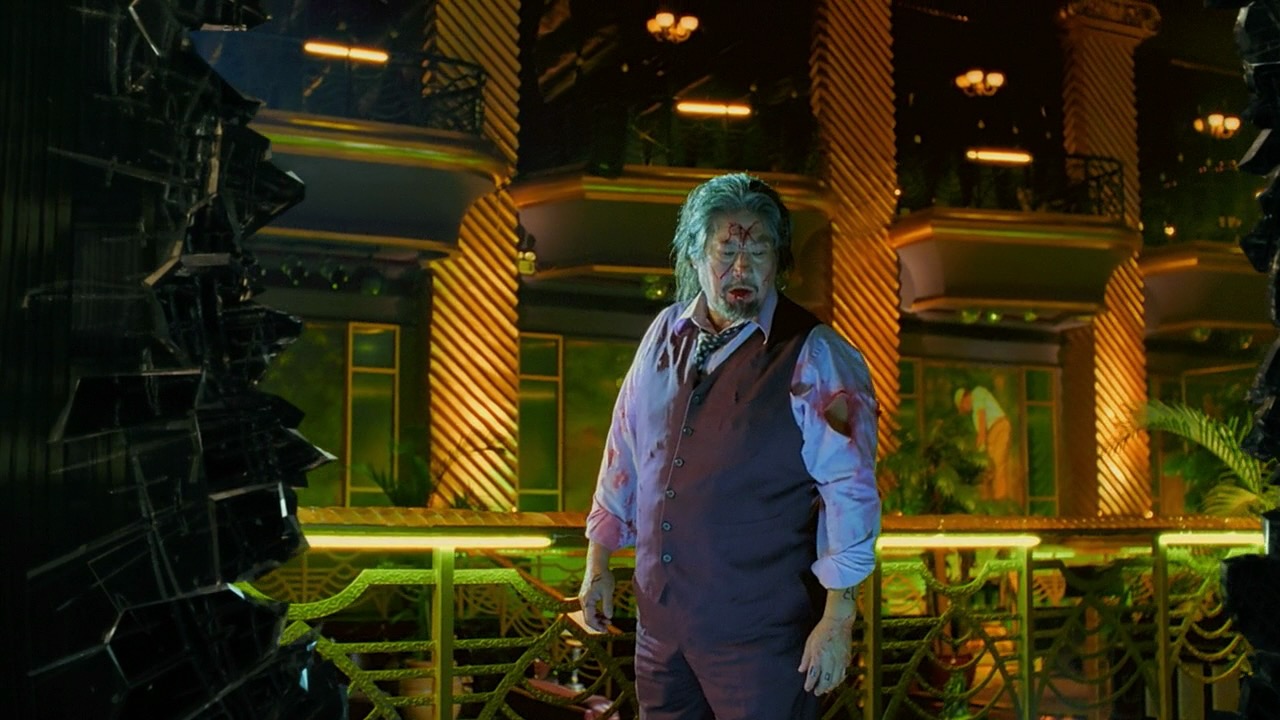
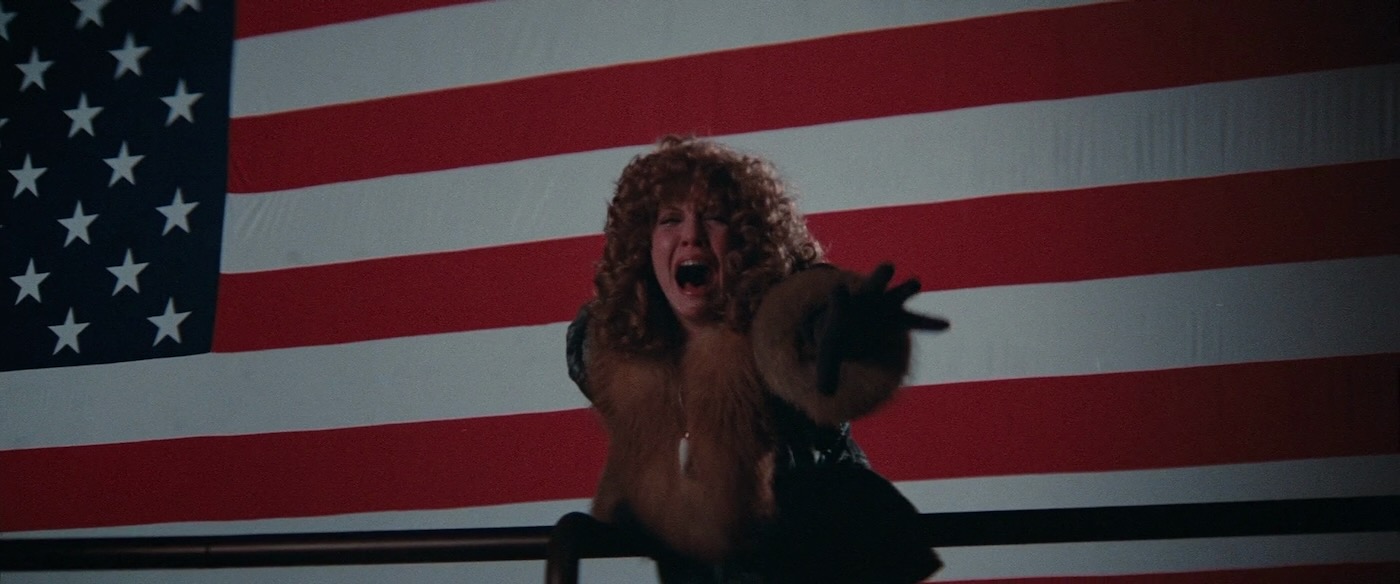
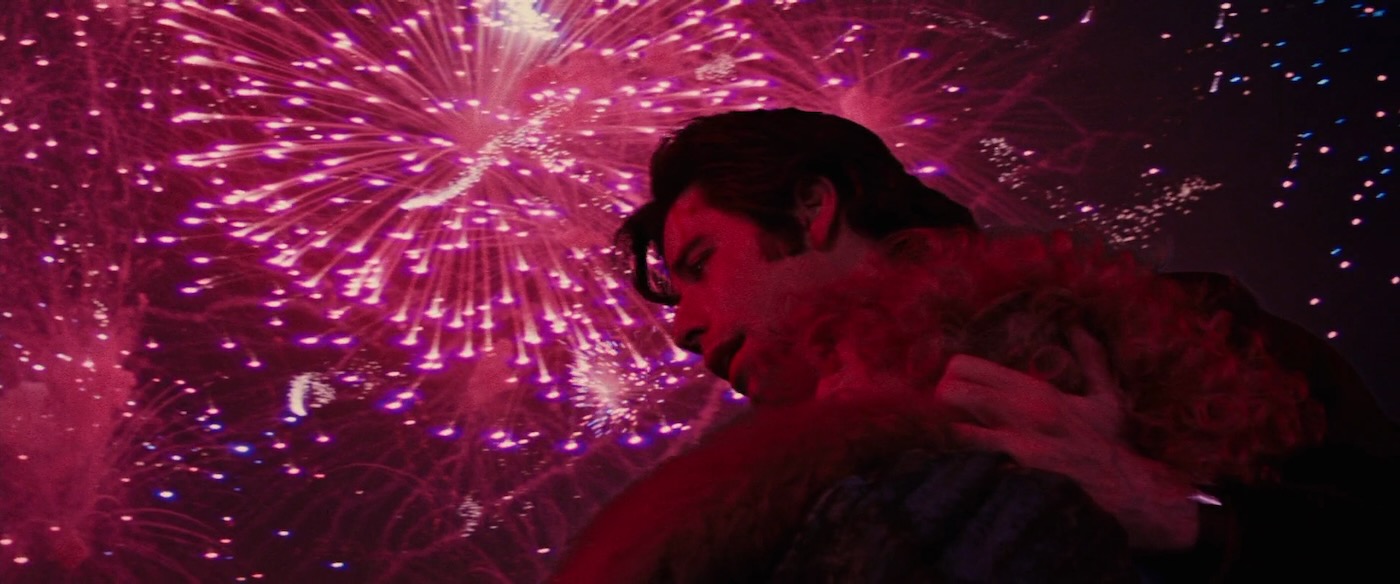
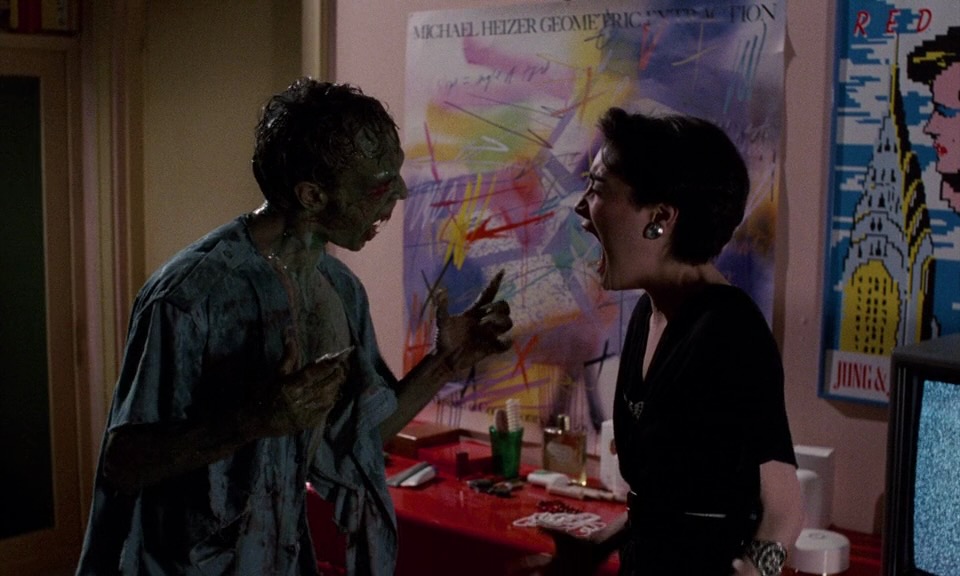
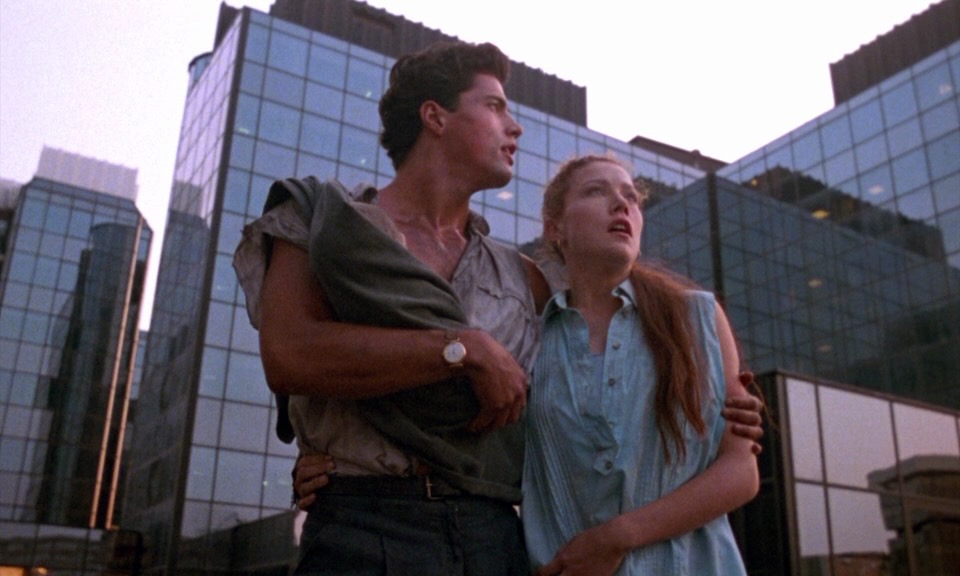
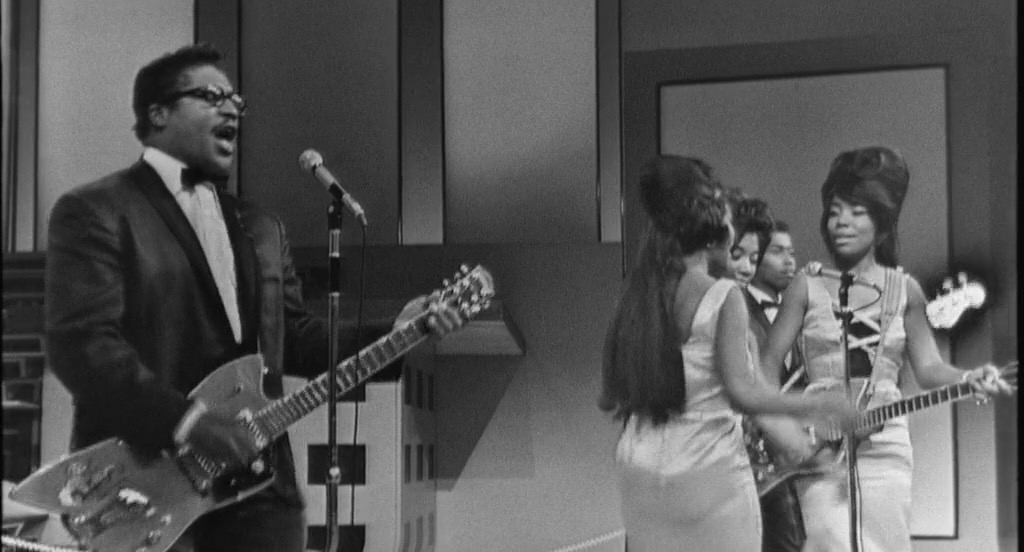
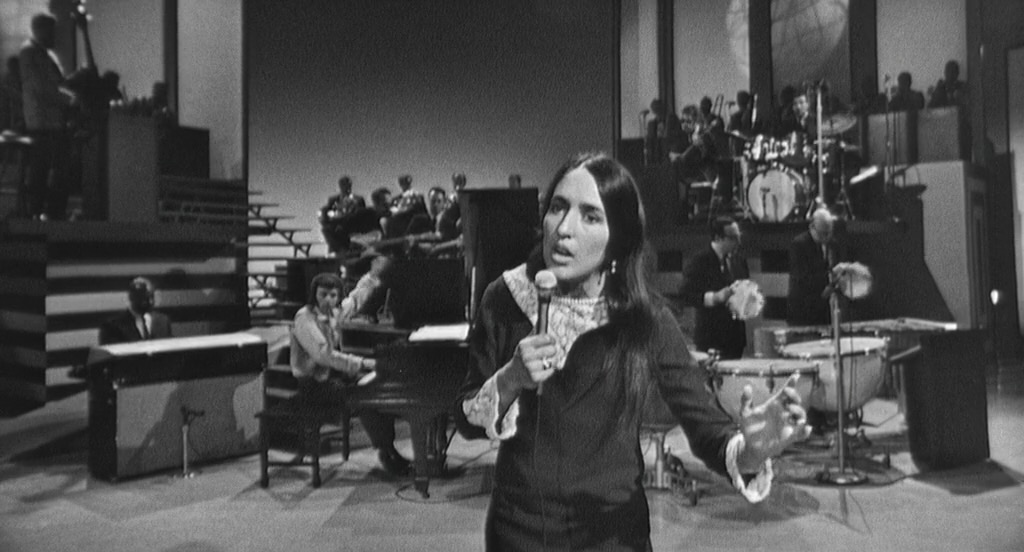
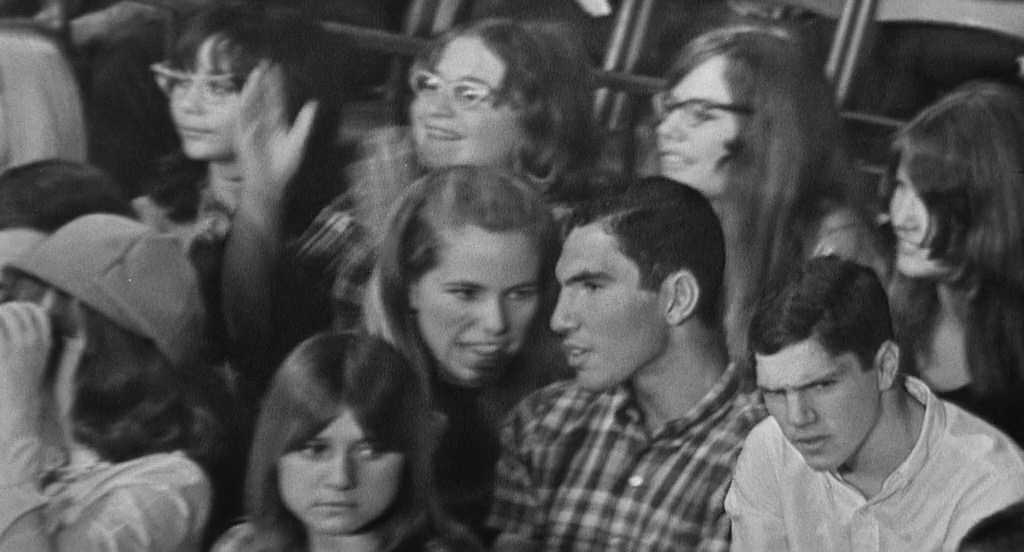
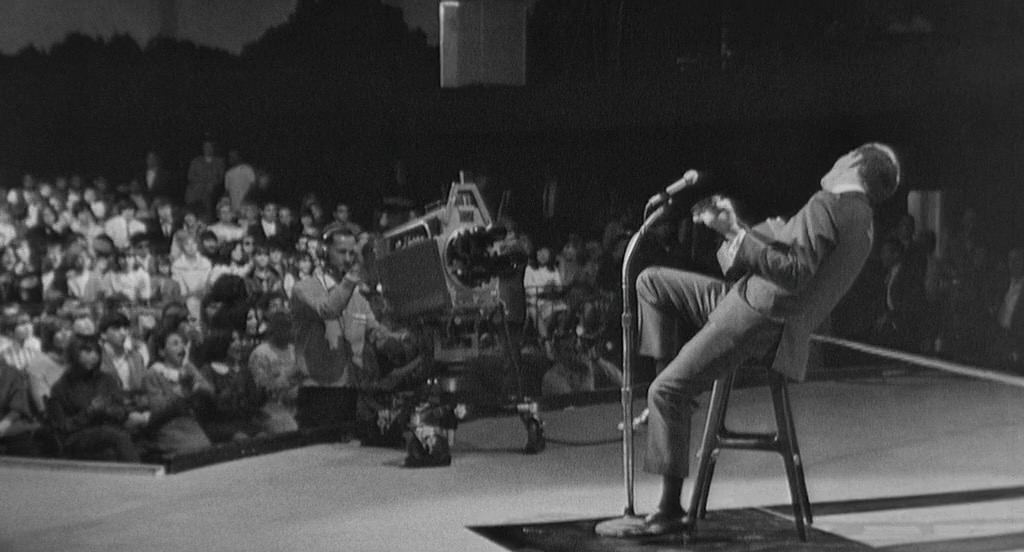
We got another The Hole situation, a girl living alone one loose floorboard away from the catatonic guy (played by short-haired Lee) in the apartment underneath. Meanwhile a local guy (this is Malaysia, where Tsai comes from) takes in a foreigner (played by long-haired Lee) who got himself beat up in the street, has to wash the mattress whenever the foreigner soils it, which is often. Overall more grime and desperation than usual (preceding the great Stray Dogs) though it ends with a lovely dream

The woman upstairs is Chen Shiang-Chyi of Stray Dogs, ticket taker of Goodbye Dragon Inn. Chris Fujiwara wrote of people “staying human under the most hostile conditions” in the final writeup of the Defining Movies book.

Key & Peele season 1 (2012)

Holds up well. President’s anger translator… adjusting one’s blackness… how white guys fight… cinephiles talking loud at the movies… magical negro battle… making fun of Jaden Smith… food competition show contestant gets stabbed… Lil Wayne gets stabbed… insult battle with mom’s doctor… rapid-fire code-switching… Peele expressing enthusiasm about the movie Candyman a decade before remaking it… “I said biiiiiiiitch.”


I Think You Should Leave season 1 (2019)

Most of the jokes come down to Tim talking too much and digging himself into deeper holes (or: a hotdog man in a car accident). Elderly Will Forte botches his lifelong plan to take revenge on Tim on a flight… Fred Willard is an inappropriate organist at a funeral… Tim Heidecker is a music snob at a party.


Upright Citizens Brigade season 1 (1998)

The hot chicks room, the bucket of truth, the unabomber… protection poo-stick… the title and titular line, writing nonsense lyrics for Disney movies, Dee Snider cameo… ass pennies… teamster puppet show… mixing taped performances with live shows with guerilla theater… Amy playing every female character.

Feel-good story of a short-lived British band whose albums lived on for decades on the dance floors and they belatedly got their recognition via a reunion tour. If that sounds like the recipe for a very standard rock doc, yep, that’s exactly what we get. I don’t see a lot of dancing at Big Ears, so let’s wait and see what venue they’re playing in ’26 before making any decisions – a Mill & Mine show might be really fun.

It’s me, the cynic who didn’t love After Life, a movie which appears to have stolen Brain Candy‘s plot of people re-living their happiest moment and turned it into a dry, quiet portrait of a bureaucratic limbo (and film studio). It’s also me, the guy who lost it at the end, when one of the counselors who’d refused to pick a happy moment for decades, relents: “I’ve learned I was part of someone else’s happiness. What a wonderful discovery.”

Viet Thanh Nguyen for Criterion:

One could ask all kinds of things about the functioning of this process: Who’s doing the recording, and where are the cameras? How extensive are the archives? Instead of a god, is there only an archivist or archivists, working endlessly without judgment? But these are questions that After Life quite happily declines to answer. Kore-eda refuses to get bogged down in unnecessary details that might be interesting in world-building but that are extraneous to his central focus on character and feeling, as well as on the decision-making that has enormous consequences for individuals.

Unusual tone: quirky people in absurd situations, but not a comedy, as signaled early on when mom drops off her two daughters at grandma’s then drives herself off a cliff. When Grandma dies a couple of ill-suited aunts take over, then eagerly hand off to wandering aunt Sylvie (Swing Shift‘s Christine Lahti, excellent), who moves in with the kids and (kinda) takes care of them. Still not a comedy, the kids grow apart as one wants to fit in at school and the other wants to stop even attending school. When things get tense in town, Sylvie responds per family tradition: by running away, taking the remaining kid with her.

Mom’s last ride:

Burning down the house on their way out of town:

O’er the Land (2009)

Military marching, war reenactments, an RV sales pitch, immigration cops, narration by a guy who ejected from a plane and bounced through a thunderstorm.

Guys who refer to machine guns as “freedom”
Firefighters, flamethrowers, waterwall

Wild birds in some kind of audio experiment
If i understand the credits, the archival-sounding stories were performances


Ray’s Birds (2010)

Ray runs a raptor center – Stratman films his public demonstrations and splinters them into fragments.


Hacked Circuit (2014)

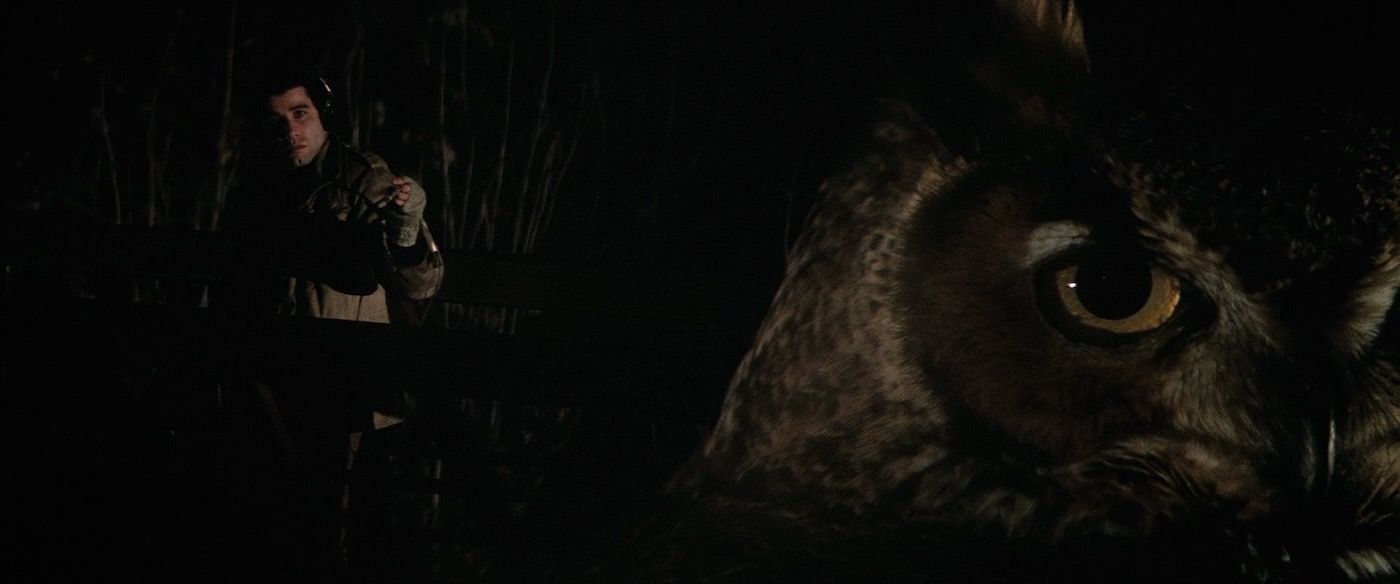
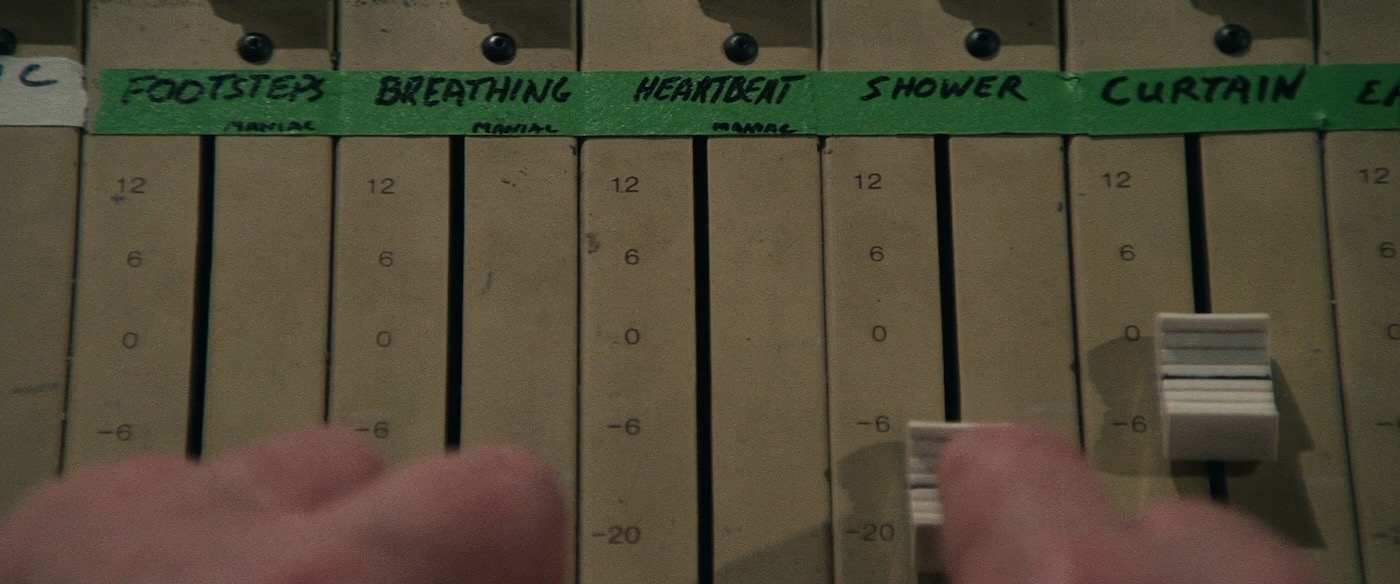
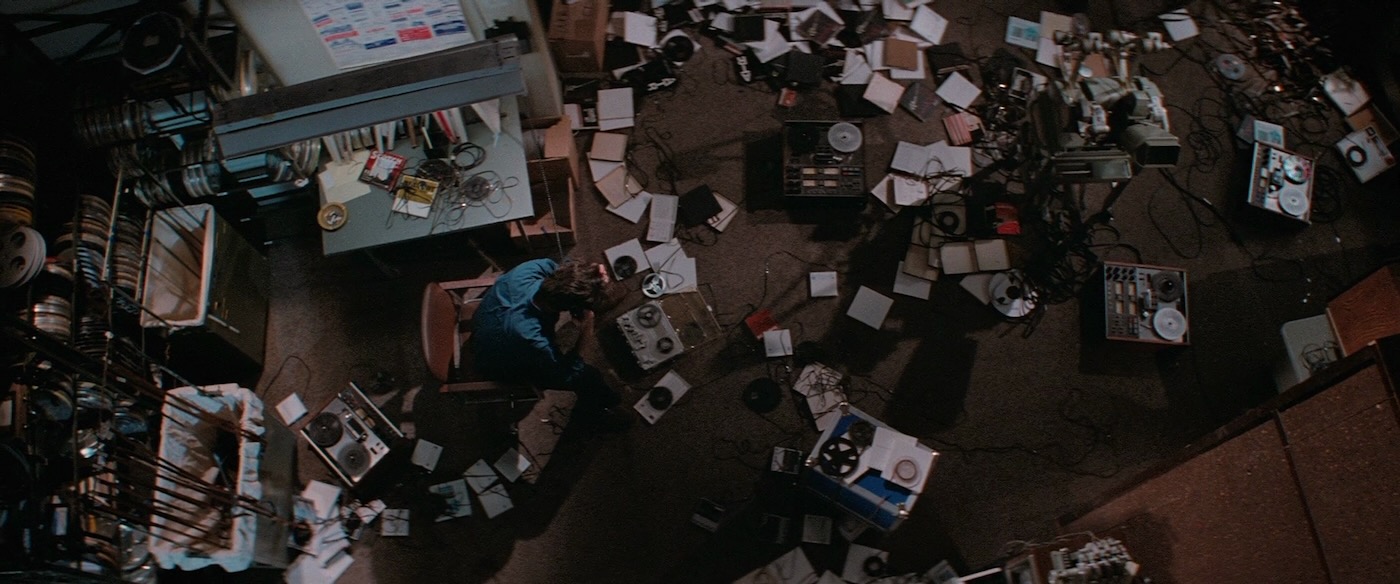
The first voice we hear is someone getting a crank call from a flock of birds, so there are birds in all her movies. High-tech studio where a foley artist is recreating sounds from The Conversation. Our camera roving, invisible, goes into the studio and back outside in a loop, and jeez, that wasn’t a single take, was it? Michael Sicinski saw it at True/False.

In a noir mood, and this made up for The Big Knife being mid. Monte dies in the opening shot, Mildred runs, considers jumping off a bridge, settles for trying (unsuccessfully) to pin the crime on slimeball Wally.

Rewind to MP’s home life with hubbie Burt, young tomboy kid and older pretentious Veda. Burt has a very bad day, getting fired by partner Wally and thrown out of the house for cheating. Burt will agree to a divorce the day of MP’s big restaurant opening, after she buys property from the charismatic Monte, who then flits around with the extremely spoiled and shitty Veda (her younger sister having coughed once in an early scene, then died suddenly of pneumonia). Turns out MP married Monte for business reasons, caught Veda smooching on him, then V killed her own stepdad-boyfriend and mom was trying to cover-up for her criminal daughter.

Parrots keep popping up in scene backgrounds, and you know I love that. Crawford won the oscar, her business manager Ida and daughter Veda split the vote for best supporting, and The Lost Weekend won writing and picture. Veda is Ann Blyth of Brute Force, Bert is squaresville Bruce Bennett (olympic athlete-turned-Tarzan actor), Monte starred in Bunuel’s The Young One and Renoir’s The Southerner, and Wally would have his moment in the mid-50s with Red Garters & A Star is Born & Dangerous When Wet.

The nominees:

Strange focus and framing, really attractive. Amalia’s dad is having twins with a new girl, while her mom Helen is hosting a doctor conference at her hotel. One visiting doc presses his dick against Amalia in a crowd, and later when Dr. Jano has become friendly with mom, Amalia recognizes him as the street pervert. Amalia’s friend gets busted with her boyfriend and tells the adults Amalia’s secrets to distract them. The holy part fades away, and movie ends before either revelation drops – real “formal excellence plus narrative withholding.”

The girl went on to direct A Family Submerged, which played Locarno. Mom is from La Cienaga and costarred in a couple Gael Garcia Bernal movies.

Blake Williams in Cinema Scope:

Like La Ciénaga, The Holy Girl ends with sensorial obscurity, this time with sound, smell, and even weightlessness. As in the former’s conclusion, the setting is once again a swimming pool. Amalia and her best friend Josefina take a dip, and we witness a wave of uncertainty and disturbance briefly overcome Josefina. “Do you notice that smell?” she asks, and Amalia does. “Orange blossom.” Josefina promises to take care of her like a sister would, and the two recline. Floating in the water, an unidentified woman approaches to ask them both, “Did you hear?” which ends the film. It’s a startlingly open-ended and fitting conclusion to this tale of spiritual non-awakenings — cinema as a transitory state, elongated into permanence, stagnation, and aimlessness.

Not a Buster Keaton movie, just a drama he starred in because Douglas Fairbanks was too busy, playing a pretty useless rich guy who gets mixed up in the affairs of a useless less-rich guy whilst trying to marry his adopted sister. Keaton adds minor gags where he can, but was heading down a different path, his own One Week released a few days earlier.

Shitty Mark is married to Buster’s sister, their moneybags businessman dad leaves town for a day and Mark trashes the business to distract from the discovery of his secret second family in Nebraska, who he’s pinned on Buster on the guy’s would-be wedding day. Boring business stuff ensues, while Buster blows off steam knocking off people’s hats on the stock exchange and unwittingly saving the day, and Mark literally dies of shame. Writer June Mathis also wrote Ben-Hur and Greed, was considered a major force in Hollywood when she died suddenly in 1927.