We visited my aunt Dolly the week Dolly Parton died and somehow it never came up. A week earlier I saw the Lily Tomlin Snow White fantasy sequence from this movie at a Hard Light pre-show and didn’t recognize it at all from having seen snippets of this on TV through the 1980s, back when everybody knew who Dabney Coleman was. Sterling Hayden doesn’t show up until the very end, after they’ve kidnapped their boss and improved the company without him. Dolly somehow got three Globe nominations for one movie, was beaten by Sissy Spacek (fair), Nastassja Kinski (??), and the song “Fame” (booo).
Vogel 22: Birth, Death, and Homosexuality
The End of Sexual Taboos: Homosexuality and Other Variants
“Sexual permissiveness – certainly destructive of established mores – has been an aspect of the ideology of the avant-garde from its inception. For this movement is forever at war with society and its values.” He calls necrophilia “one of the unconquered areas of liberated cinema.”
–
The Bloodthirsty Fairy (1968, Roland Lethem)
Delivery men unleash the title character, who goes out and beats a man to death, strangles a nun, blinds a boy. She’s collecting severed penises in jars, and they’ve got a metaphorical way of showing her chop a guy’s dick off, which unfortunately involved killing a chicken. I’m not wowed by the church organ soundtrack, and why the nazi credits? Vogel just says “The swastika that opened the film changes into Nixon,” while Lightcone points out nazi stuff in his other films.

–
Fragment of Seeking (1946, Curtis Harrington)
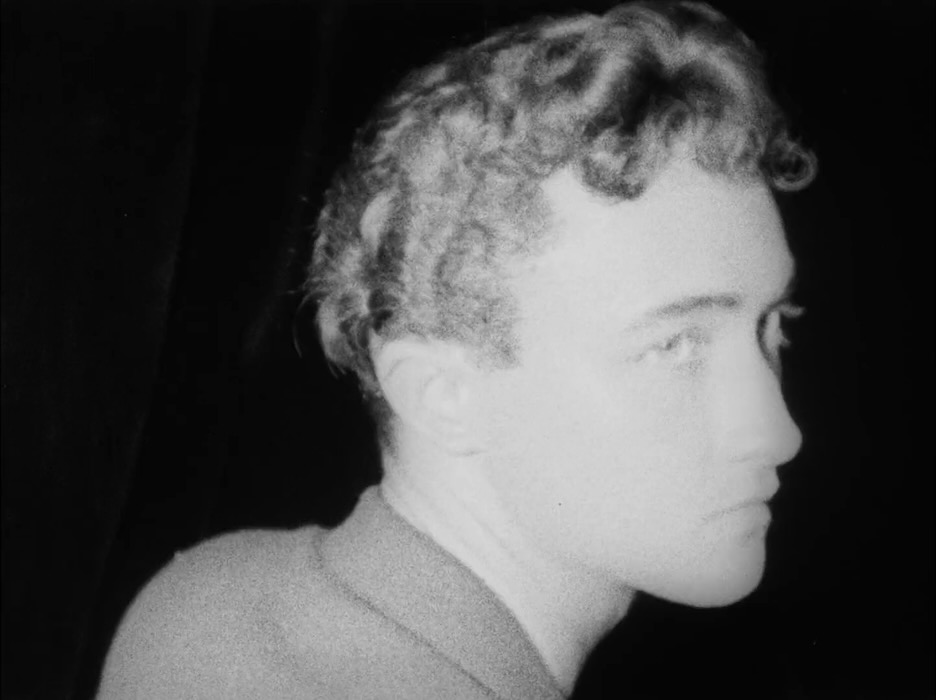
Wow, I was not expecting that. Overdressed Guy creeps around to dramatic music, observing all the women and one smiley man in the vicinity, all sharp compositions. He goes inside and takes off the raincoat, hat and glasses, and wanders into a girl’s room and kisses her – and she becomes a skeleton. He goes back outside, the smiley man is unresponsive and all the women are skeletons. Goes in another door and someone inside slowly turns their head towards him – you expect another skeleton but it’s himself, wearing a wig. My first by Harrington, who seems like a Ken Anger-caliber 1940s weirdo (complimentary).


Mouseover to turn your lonely-boy self into your wig self:
–
The First Mystery: Birth
It is difficult to believe that until about two decades ago, films of this process were not permitted to be shown publicly. Hollywood provided euphemistic or fraudulent paraphrases of birth, occurring either off-screen (with shots of anxious relatives waiting outside) or confined to the woman’s face, sometimes showing genteel and manageable discomfort; blood or screams were missing, except in the case of “loose women” who had to be made to suffer.
Kirsa Nicholina (1970, Gunvor Nelson)
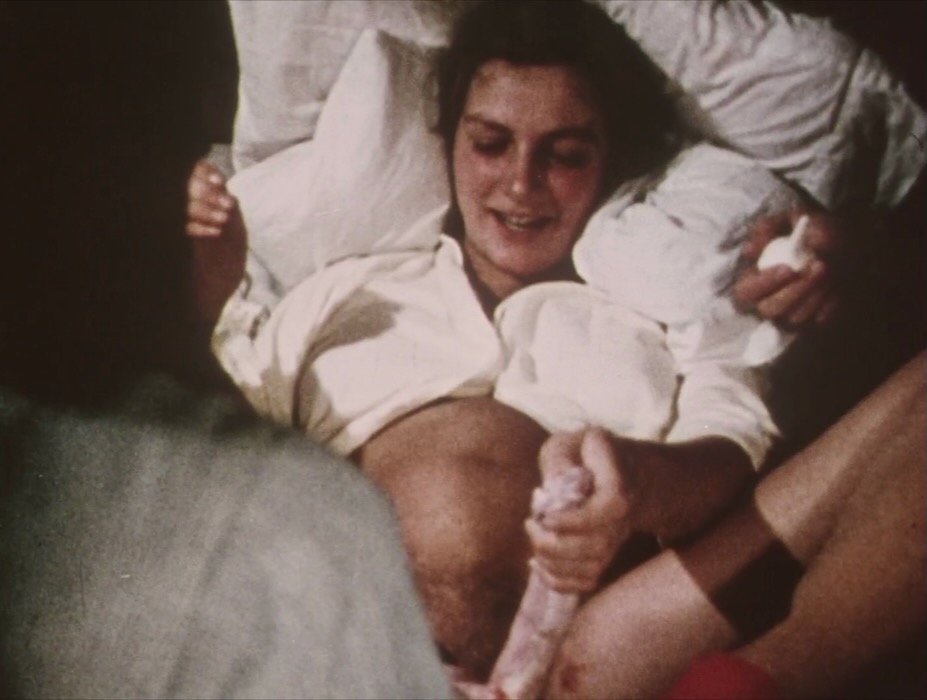
Somewhere out there is a person in their fifties who I just watched being born. Soundtrack is folk music performed by the father, oh no.
Vogel:
As the baby, still half in the mother’s body, begins to emerge, the mother smilingly takes its hand in her own and holds it. This tender gesture would not be possible in a hospital delivery because of drugs and antiseptic precautions. Perhaps, indeed, life should be lived as an open-ended adventure and “security” cast to the winds if we want to become human.
–
The Ultimate Secret: Death
Necrology (1971, Standish Lawder)
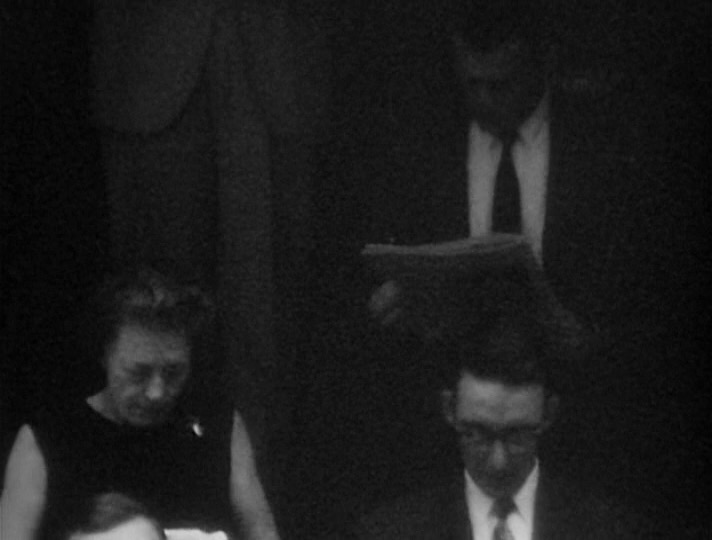
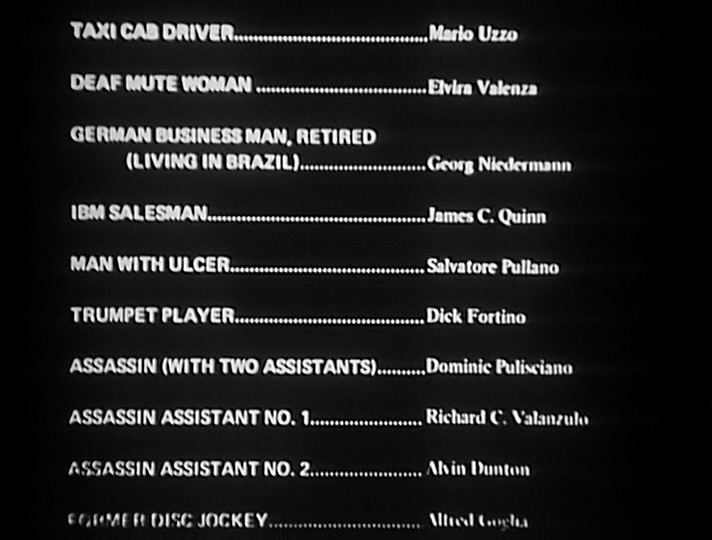
I think he’s filmed a crowd of people on a busy down-escalator and reversed the footage, so it looks like a column of people ascending, facing us. What I thought would be a grim work turns out to be a gag film with joke credits.
Vogel, after commentary decrying the lack of contemporary nazi-made concentration camp documentaries, refers to Necrology’s “endless victims… in unbroken, heart-rending succession, to heaven, hell, or oblivion.”
Exit 8 (2025, Genki Kawamura)
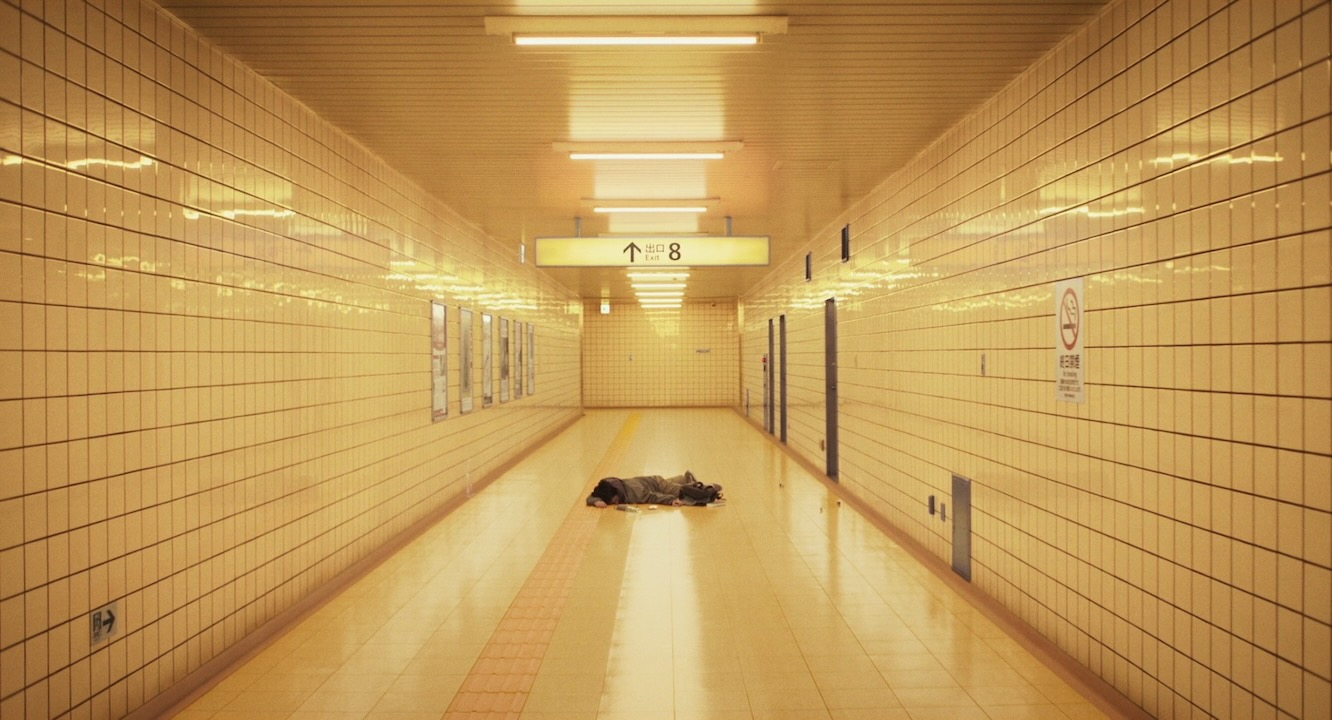
Long-take digital cinema about people stuck in an endless videogame maze of subway tunnels. Not since A Quiet Place has a movie spelled out its rules this clearly on signage, and not since Cube has the puzzle been solved by a late-arriving autistic guy (a kid, in this case).
When a body meet a body passing through the tile. I picked the poster behind them as anomaly, but Escher’s first name really was Maurits:

You have to go through the loop correctly (turn back if you see anomaly, proceed if not) eight times in a row. We switch perspectives from Guy 1 to Kid to Guy 2. Each guy has parental anxiety and they keep stopping to get emotional or else the movie would be shorter. I liked the loop concept more than the psychological details. One run is all anomalies, peaking in an Atonement tunnel flood.
Is God Is (2026, Aleshea Harris)
Good production design – I thought about The Black Phone which opens “DENVER 1978” and spends the next 90 minutes painstakingly creating Denver in 1978, while this one feels free to follow its own rules (they drive a 1970s car, use modern music and speech, nobody has cellphones).
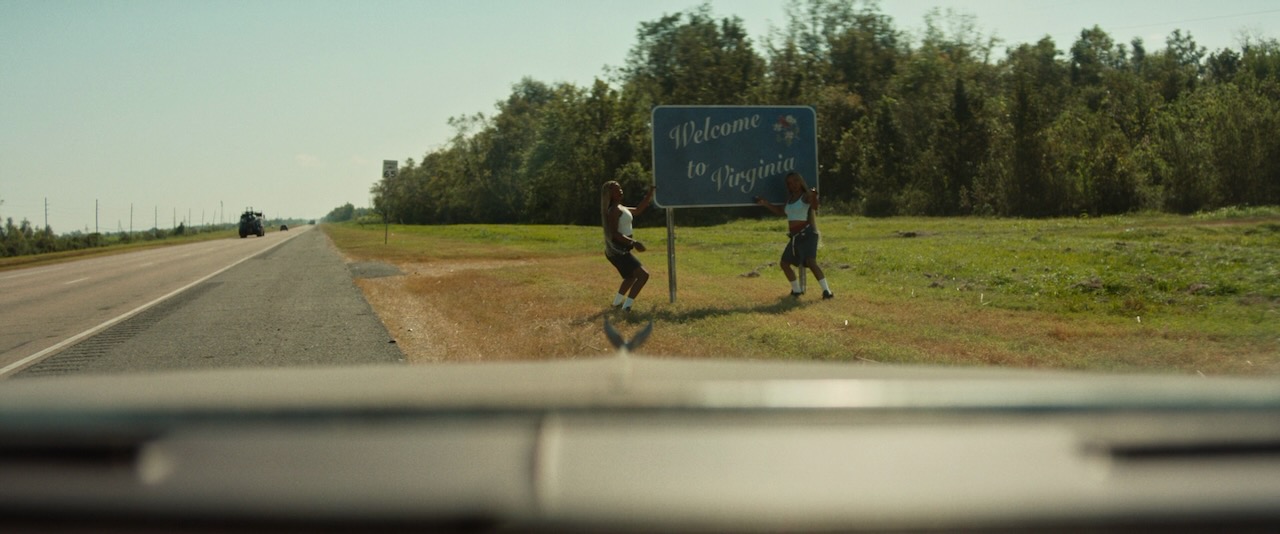
Scarred twin sisters (from Kindred and I’m a Virgo) meeting their real mom Vivica A. Fox for the first time in memory, she says your dad ruined our lives. They track him via a mute strongman lawyer who pays people to beat him up (Don King in Ali) and find he’s got a new life with battered hotwife Janelle Monae and perfect twin boys. The girls follow their path and kill everybody. I didn’t think it was necessary for the dad to grab Racine while he’s burning to death, but I guess revenge is gonna have a cost.

The Cremator (1969, Juraj Herz)
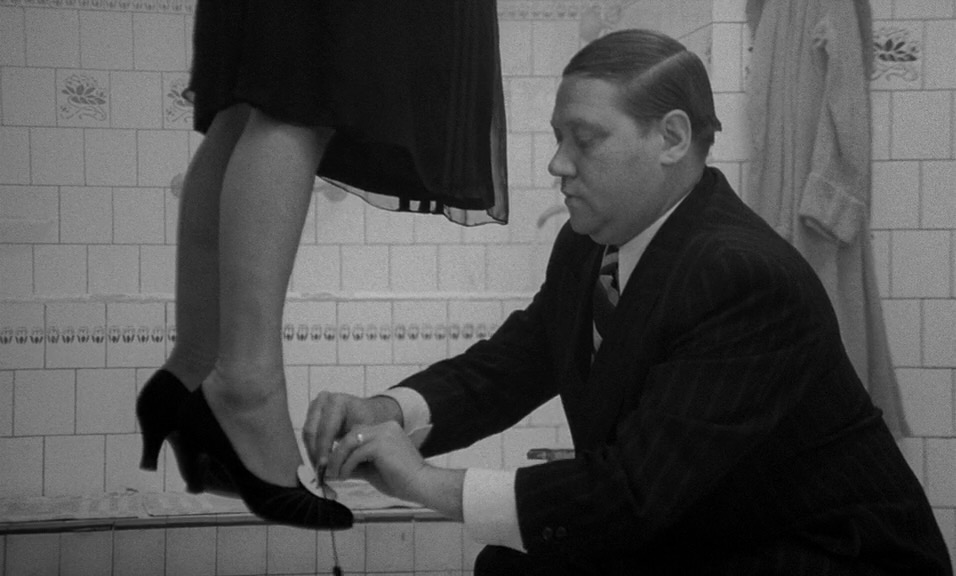
Practically a monologue by our lead guy, who becomes more demented and self-obsessed, devolving from a family man to a family-murdering nazi. He’s a recognizable type too, always talking in circles but without anything of his own to say, picking up outside ideas, internalizing and amplifying them. Sure we got grotesque lenses and fast cuts, but the thing that turns this from a series of scenes into one years-spanning monologue is the terrific transitions, where some Rope-like camera move will have him finishing a thought or a sentence in a new location or month than he started it. Herz would go on to even weirder things, like the vampire car movie.
Cremator vs. cat:
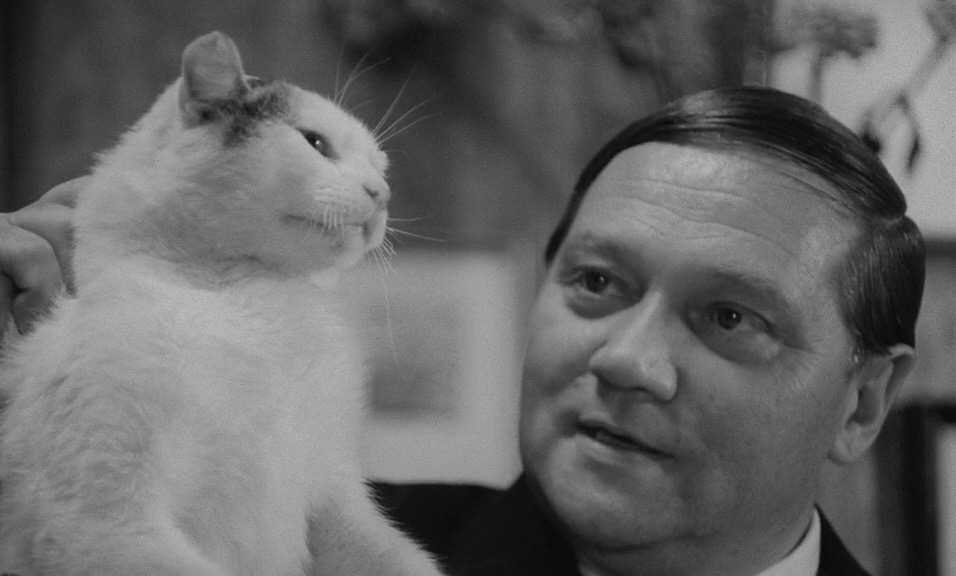
Cremator’s innocent son with his goofy smile:

Wax museum:
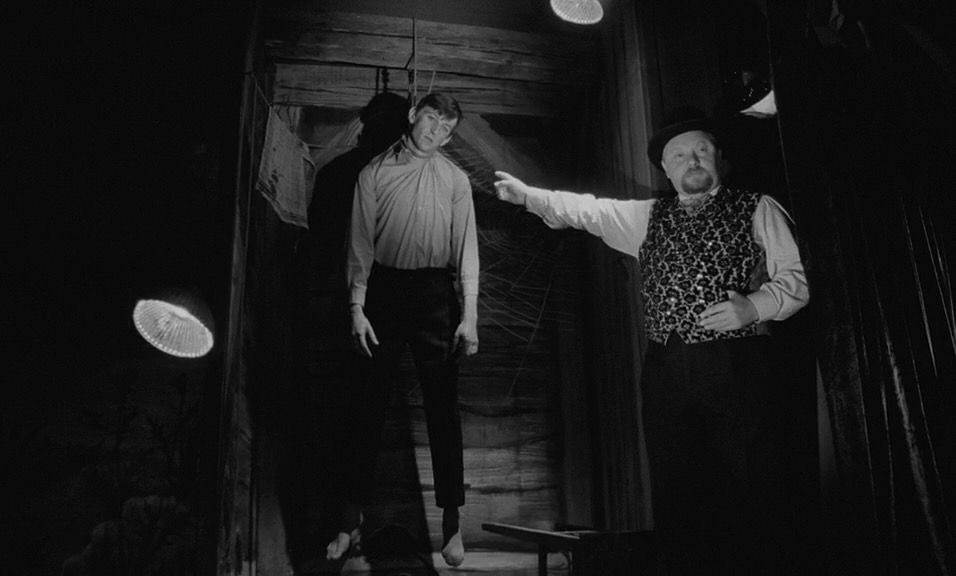
Unfortunately not a wax museum:
Hokum (2026, Damian McCarthy)
Movie’s lesson is to bring a cutting tool wherever you go, and that despite The Monkey we should continue making Adam Scott horror movies. McCarthy’s Oddity was a slow burn with a delicious ending, he follows it up with a mostly fun movie with a bum ending, oh well.

Adam is an ornery writer staying at a rural hotel to scatter his parents’ ashes and/or finish his dreary conquistador novel and/or commit suicide. When he gets out of the hospital the hotel is closing for the season, the girl who’d rescued him is missing, and everyone suspects Psilocybin Jerry (David Wilmot of every Irish movie, also sinister boss of Little Joe) of kidnapping her but nobody can find Jerry (Adam strolls up to Jerry’s van and there he is).
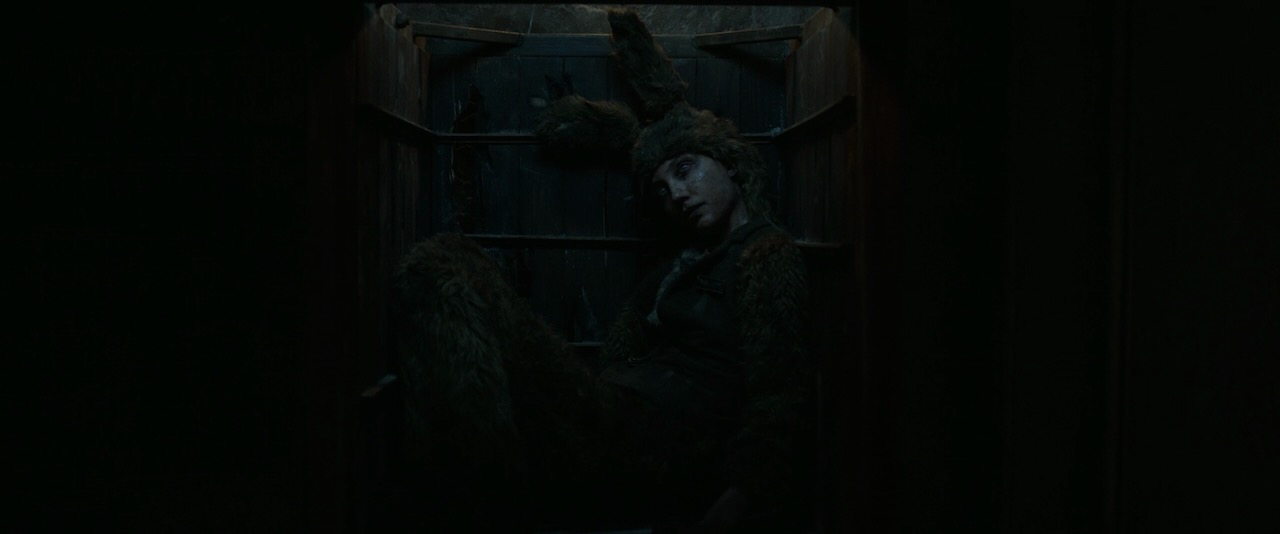
I got a couple guys named Fergal and Mal mixed up, but obviously if one character is named Mal he’s the killer. Later on Mal has stuffed the girl in a dumbwaiter, shot Jerry with a crossbow and locked Adam in the burning hotel, all of which is complicated by ghosts in the honeymoon suite and witches in the cellar. Not only is the attempted real-world explanation of Adam’s spooky ordeals bad (he was drugged all along), they also try to make us care about the amended ending of his novel.
Rose of Nevada (2025, Mark Jenkin)
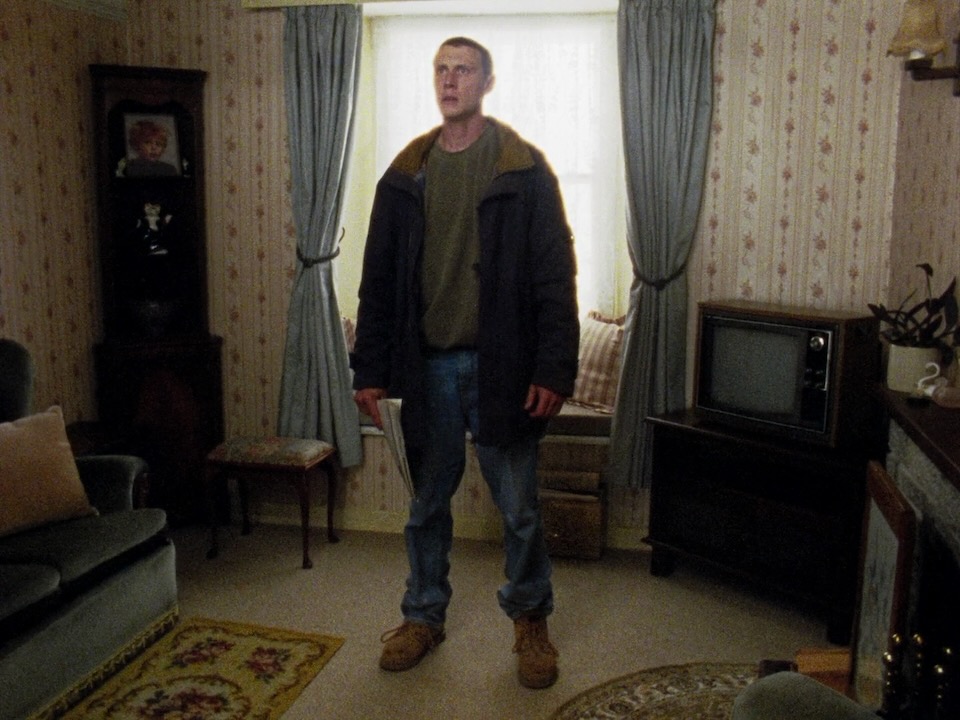
Fishing boat time-warp story drifts from mysterious to calculated and back. George MacKay is a young family man who returns from a few days at sea to an alternate timeline where his wife isn’t around, while his loser/loner coworker (Green Room punk singer Callum Turner) returns to the loving family he never had. This is part of some whispery conspiracy set in place by the locals, aware of the ship’s power, replacing their lost son with an unhappy MacKay. It’s all fine story setup, but after Enys Men I’m mostly here for the colors and textures, and they don’t disappoint.

MDFMDF liked it, Sicinski not as much:
Jenkin still uses apparent light spills at the end of scenes to provide both punctuation and transition … one gets an interesting sense from Jenkin’s films, both formally and thematically, that they are deliberate throwbacks to older ways of life. Compare Rose of Nevada to a film like Leviathan (the fishing one), and you immediately notice how rusty and dilapidated this world, how it’s all on the verge of falling apart. Jenkin is a Cornishman, and so he has an understandable commitment to a rural, minoritarian way of life that must militate against its own extinction. Then again, depicting traditional methods as a ghost story, something long dead but haunting the present, seems like an odd way to make the argument.
Shorts Month 2026: Toons
I intended for “shorts month” to be a single month, but it has jumped the fences, and now we have Infinite Shorts Month.
–
Hittin’ the Trail for Hallelujah Land (1931, Rudulf Ising)
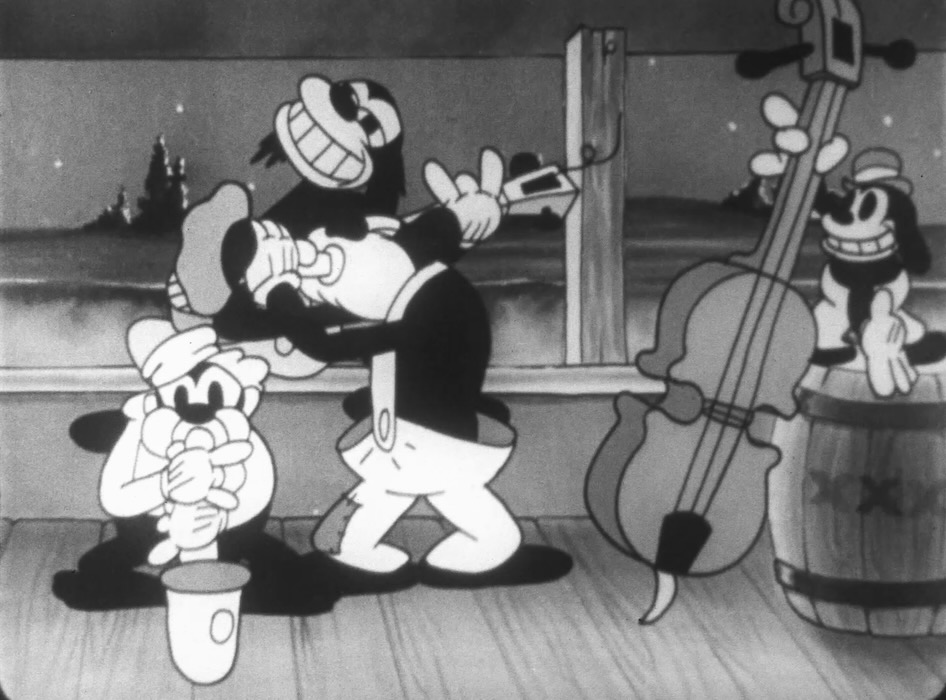
Some Steamboat Willie action, Black-coded animal creatures sing and dance, but either there’s nothing in here worth banning this cartoon for 100 years, or my version is edited. Finds time in its seven minutes for multiple overboard rescues, a girl’s Uncle Tom getting spooked by graveyard skeletons, and a dastardly kidnapper.
–
Sunday Go to Meetin’ Time (1936, Friz Freleng)
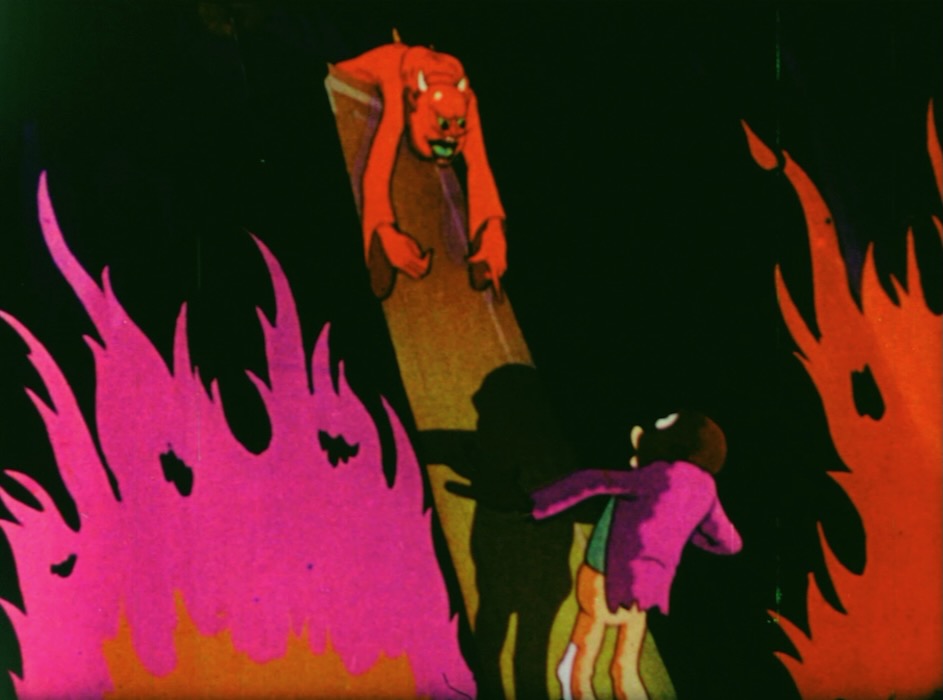
Okay this one is significantly worse, all chickens and dice, with at least three Fetchits in the cast. Guy named Nicodemus conks his head, dreams himself in hell for skipping church, awakening after a Satan serenade. Fun fact: the very evil GoToMeeting app was named after this film.
–
Uncle Tom’s Bungalow (1937, Tex Avery)
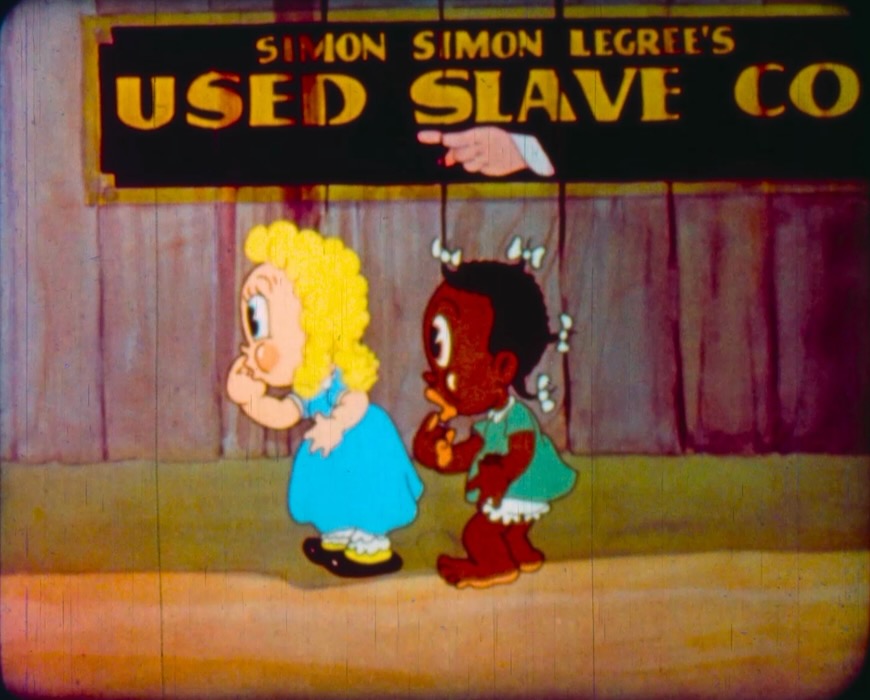
Long metafilm setup and some good Tex body-deforming animation can’t save this one, about a slave dealer trying to repo Uncle Tom after a couple of four year-olds buy him then fall behind on their payments.
–
Isle of Pingo Pongo (1938, Tex Avery)
Pretty good, as far as rubbery character animation goes, but mostly in service of dumb puns and boring stereotypes. Stars a pre-Porky stuttering guitarist.

–
Porky’s Building (1937, Frank Tashlin)
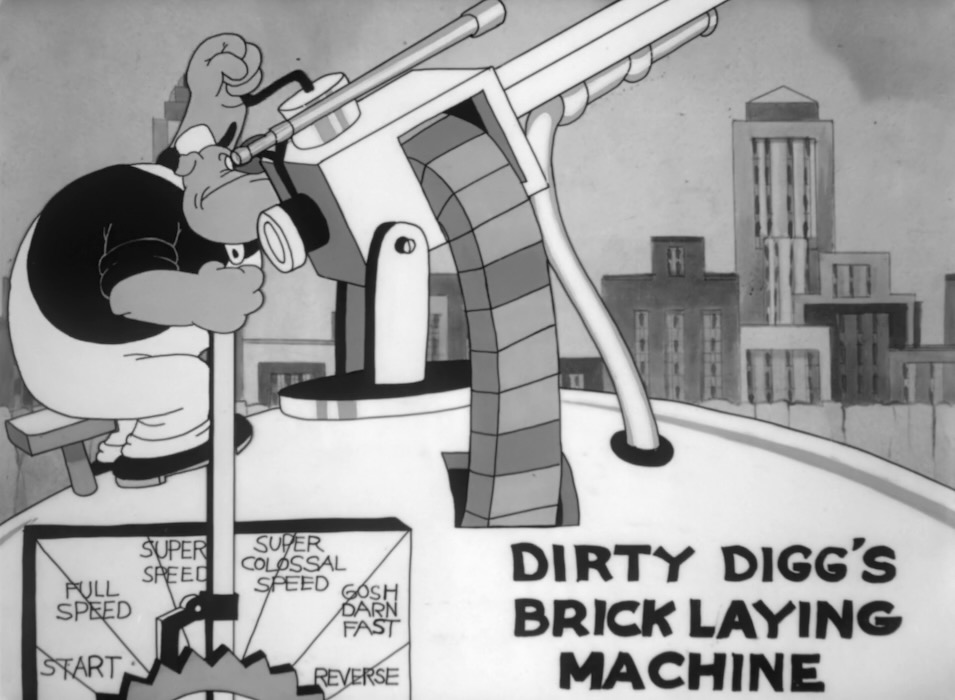
Porky and his competing contractor bid the same amount for the new city hall, so the city awards them both the contract. This is a new loophole I wasn’t aware of! It’s man rabbit vs. machine, but the other guy gets greedy and his equipment explodes.
–
Porky’s Railroad (1937, Frank Tashlin)
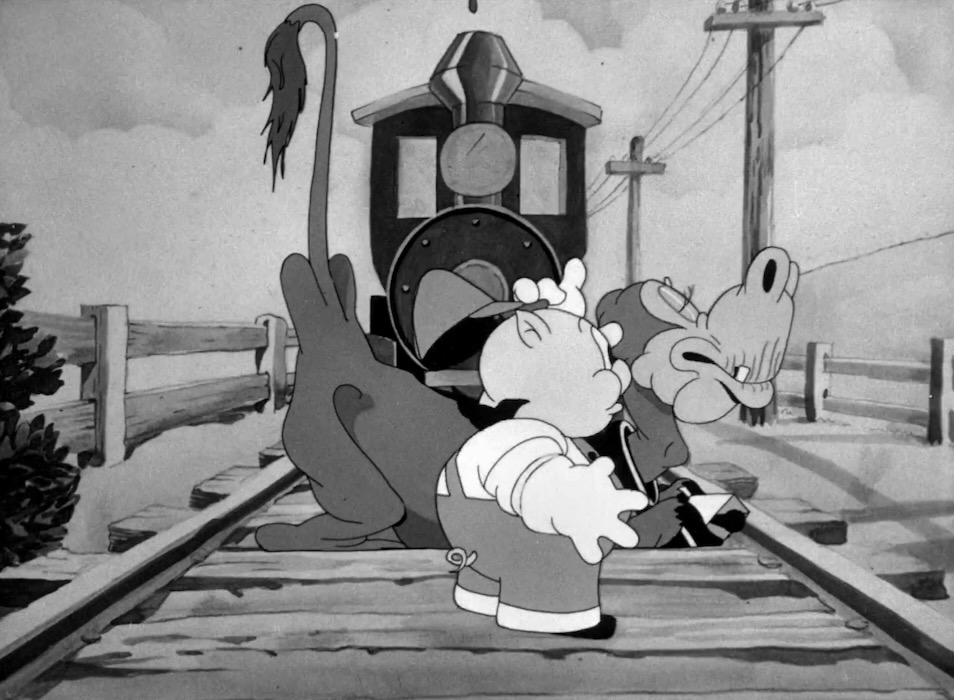
Porky’s old steam engine is being retired in favor of a sleek new model, so he challenges the new guy to a race. Second one of these in a row to remind me of the John Henry steel-drivin’ man. A bull speaks in a Popeye voice. Animation by Bob Bentley, of the Philadelphia Bentleys.
–
Scaredy Cat (1948, Chuck Jones)
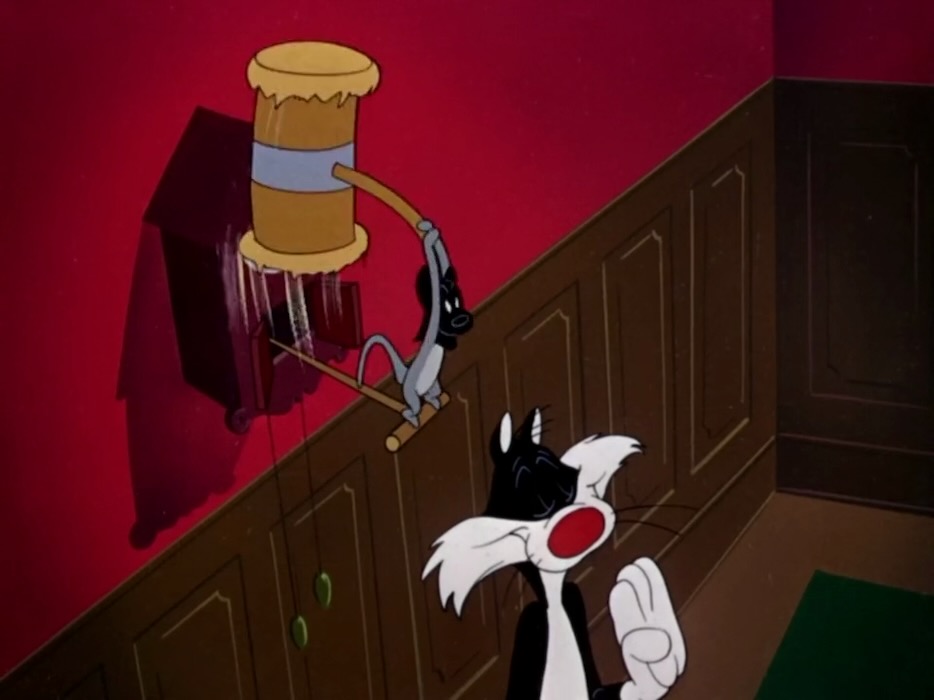
Late Porky, with Sylvester afraid of their new mouse-haunted house.
–
Beep, Beep (1952, Chuck Jones)
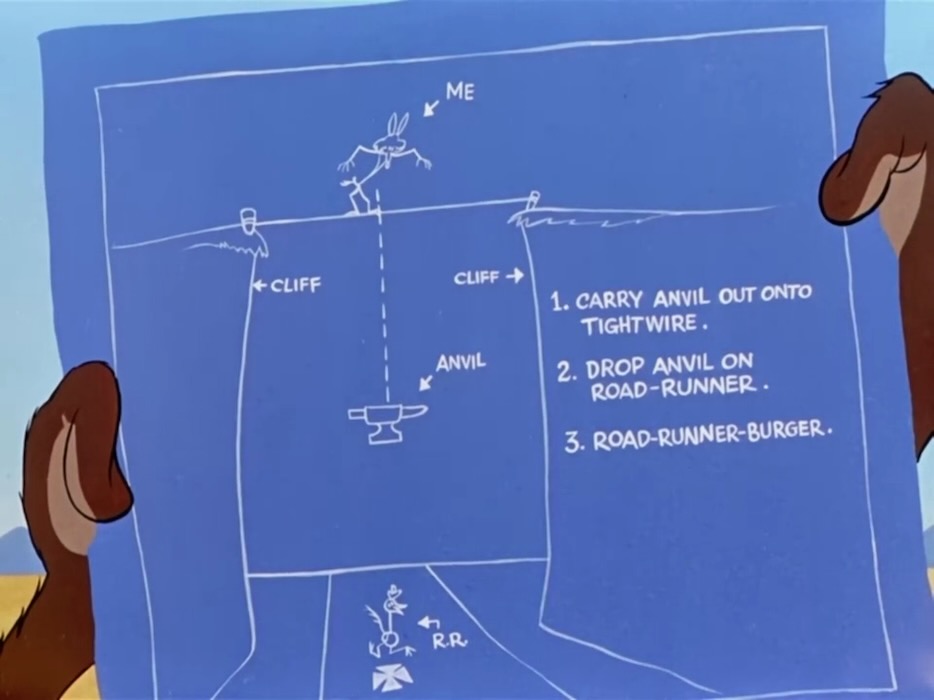
Timely: Coyote’s back in theaters this week. Second Road Runner cartoon, possibly first appearance of Acme?
The Black Phone (2021, Scott Derrickson)
Set in 1978 Denver, this is one of those movies where the bulk of the effort was put not into scares or the story making sense, but in lovingly recreating 1978 Denver. Young “Albert” Finney is a bullied baseballer schoolkid with a typically drunk/abusive dad (Jeremy Davies of Spanking the Monkey), when all the kids in town start getting abducted by Ethan Hawke, who then grabs Finney. Now the kid has to escape from the basement before he gets murdered.
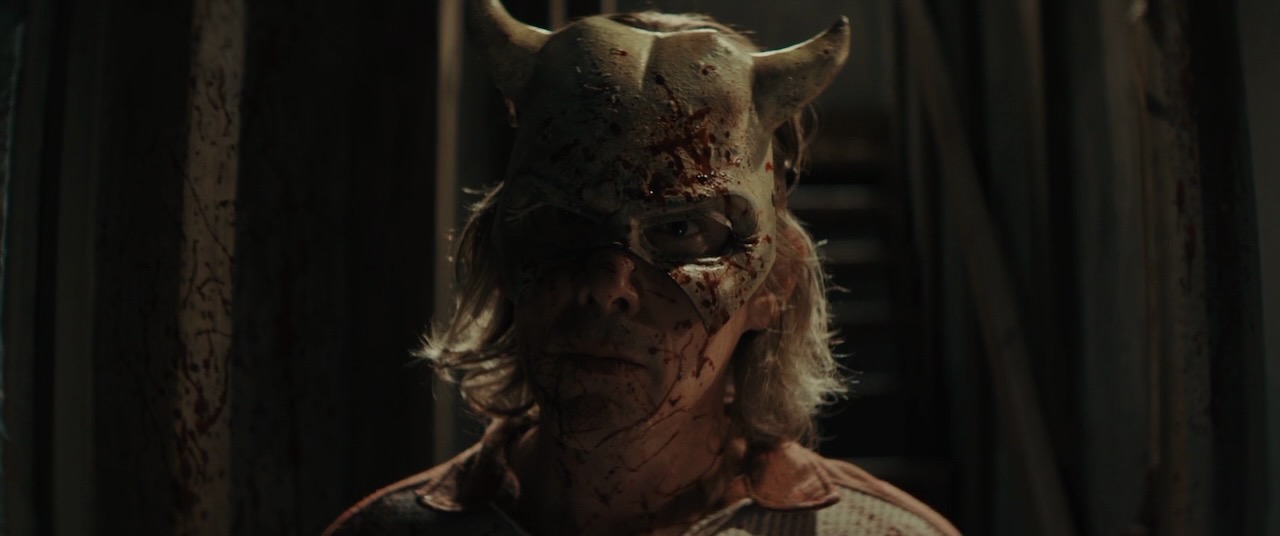
Best part of the movie is Grabber’s mask, which has a different expression every time we see it. Worst part is the titular phone, through which the kid’s dead classmates call and offer clues that help him escape, while the police are being as useless as they were in Weapons. Why did Grabber even install that ghost phone down there? Glad to see Ziggy as Grabber’s brother, a conspiracy nut who lives above the child-dungeon and gets killed for discovering it (?). I was only half paying attention, playing with my new glasses. Derrickson initiated the direct-to-DVD era of the Hellraiser franchise, and this is at least his second Ethan Hawke missing-children serial-killer movie after Sinister.