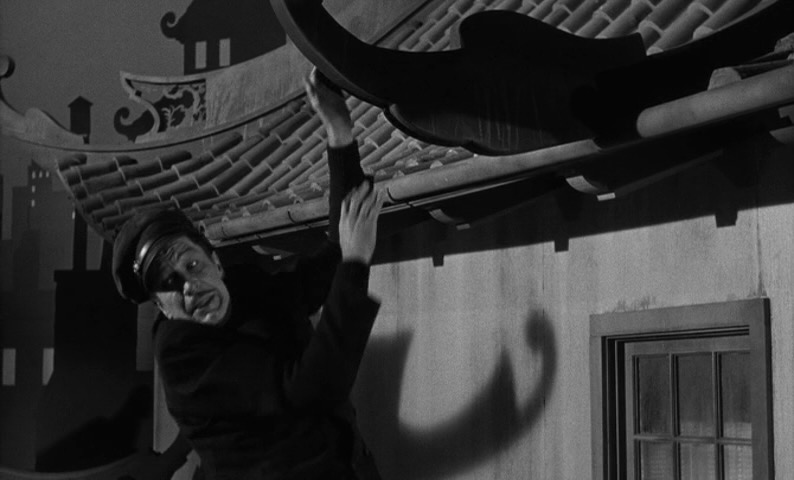
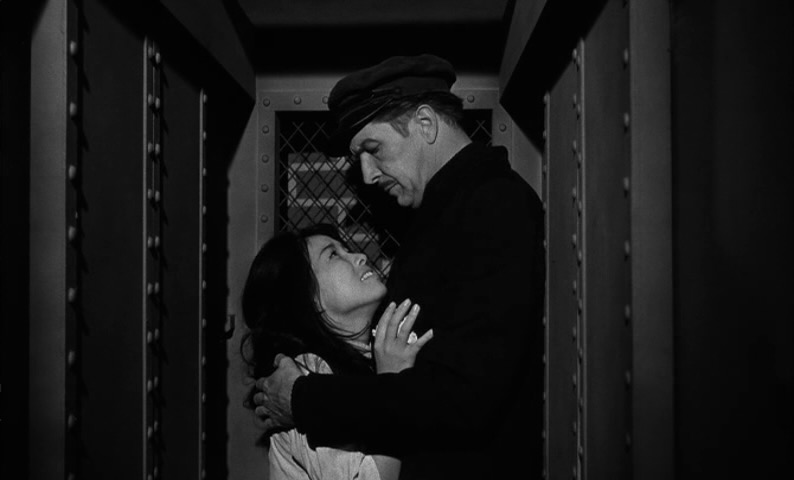
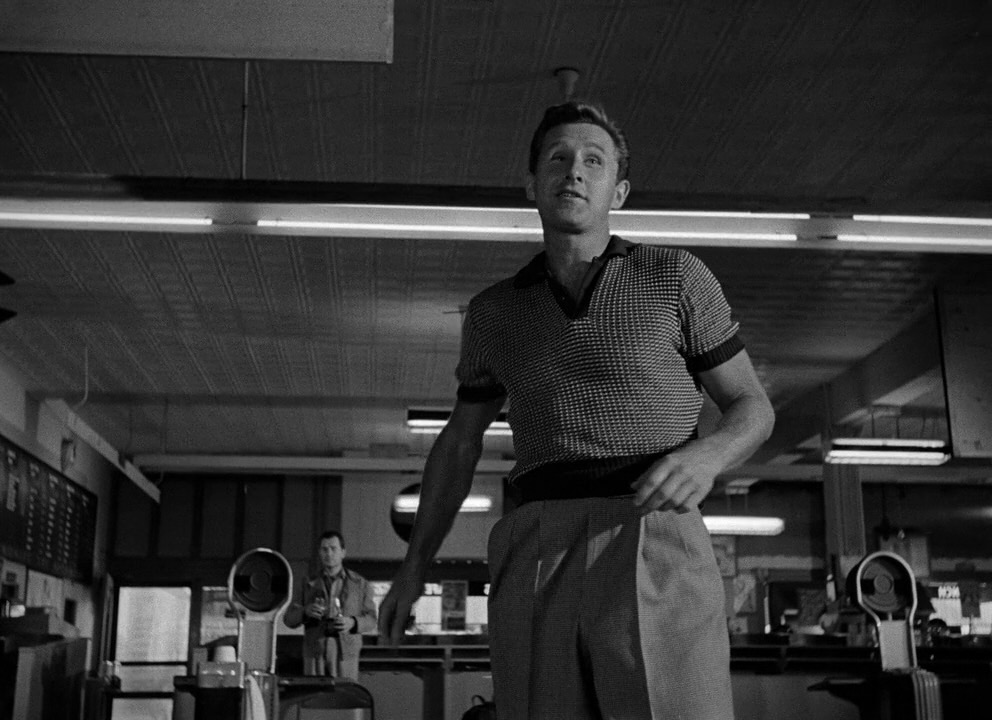
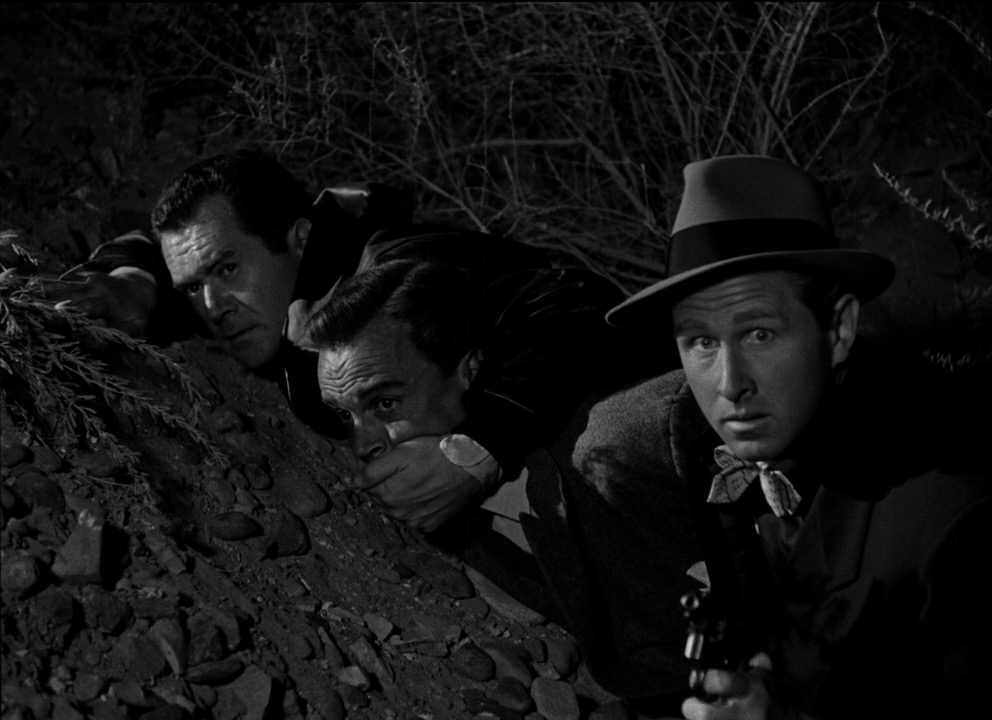
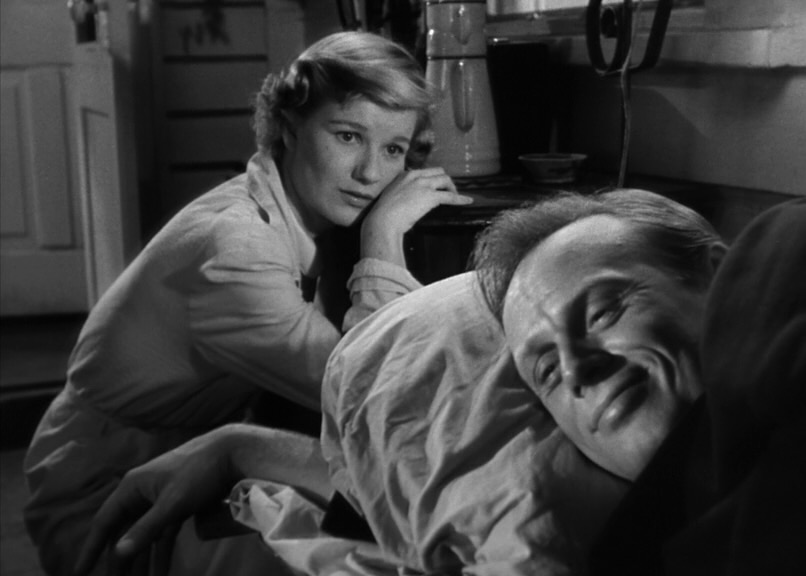
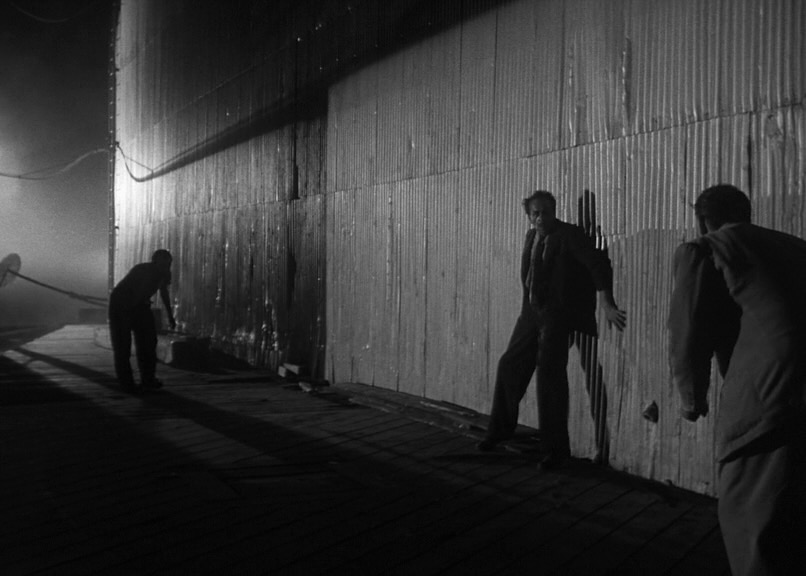
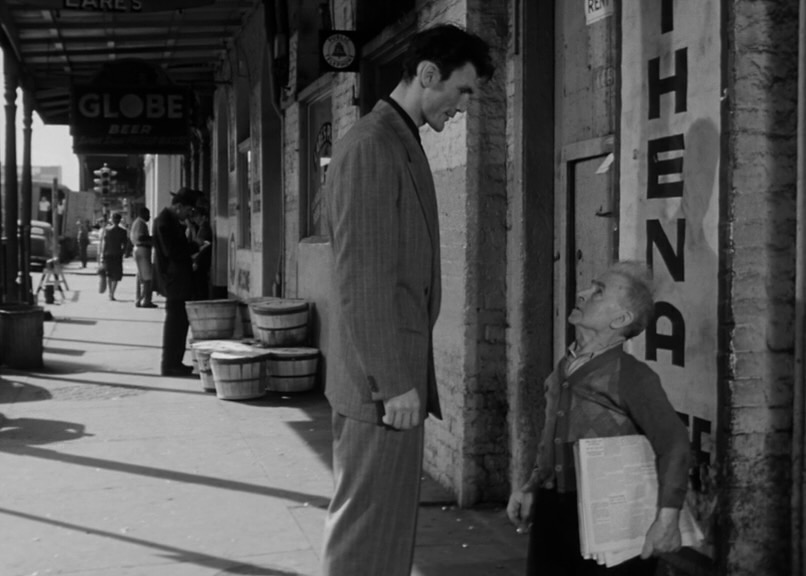
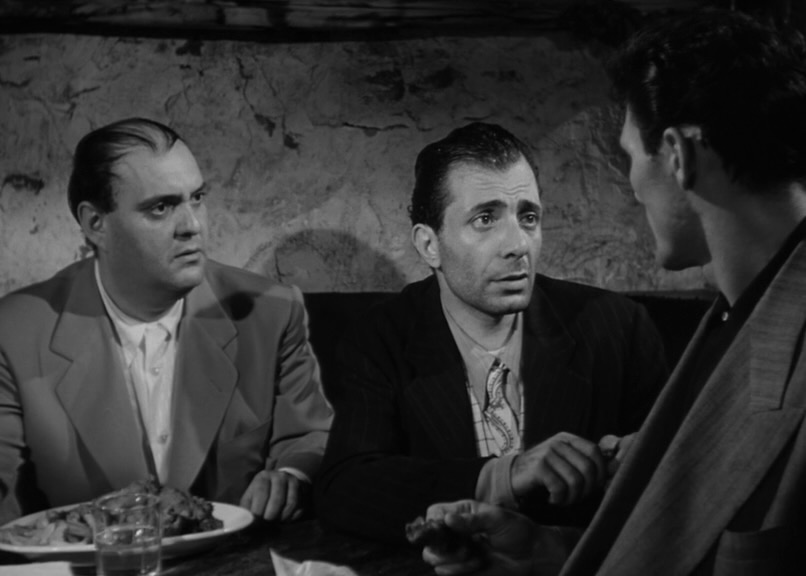
WC Fields is a grocer with a horrible family. His daughter is serious about a boy (“John” of Dick Tracy’s G-Men), but dad is moving them to California to run an orange (or kumquat) grove. Nothing important happens, but I enjoy WC’s mumbling antics and it passed the time on a holiday afternoon.

For our final movie of 2025, K wanted to watch a better doc than Predators and… we didn’t quite manage. Good badminton scenes, at least. Wife hires a consultant/confidante/spy who finds excuses to get alone time with husband and his mistress in order to (successfully) talk them out of their relationship.

We love when a documentary immerses us in a world of scumbags and creeps then offers no comforting answers, don’t we folks?

Mike D’Angelo:

Less enthused about Osit’s personal angle, largely because expecting a meaningful, peace-imbuing response to “Help me understand” seems painfully naïve … and the climactic Hansen interview’s kind of a bust, for more or less the same reason that Errol Morris got little of genuine interest from Donald Rumsfeld — his quarry came well-armed with practiced soundbites, and Hansen’s far better than Rumsfeld at making them sound sincere. (Maybe they even are, a little.)

Opens with some nice blue skies, acoustic guitar, and text advocating for worker revolution. He starts into a history of Butte MT over some Dirty Three music, tying it into the novel Red Harvest. IWW/Wobblies vs. the Anaconda mining company in early century. The company wins, destroys the unions and lords over evil conditions. Mine runs full-tilt during WWI until a horribly fatal fire sparks renewed union interest… enter Wobbly Frank Little, arriving from Bisbee, making this the Che Part 2 to the Greene film. While he’s sleeping among the workers, the company breaks in and murders him. “All the we know of Frank Little’s time in Butte and all that we know regarding his murder comes from company papers and company spies. Thus official history is company history.”

A couple of Low songs “Mass arrests and deportations begin almost immediately” after the government declares war on organizers. Movie is ingeniously designed to make me angry, ending with the poisoning deaths of hundreds of birds. The company continues to assure residents that the water is safe.

from Cinema Scope 13:

Jason McBride: “Butte’s history – and Wilkerson’s film – is bound up with the entire history of the American left, the rise of McCarthyism, the destruction of the environment, and even the birth of the detective novel … Elegant, almost-still lifes shot by Wilkerson himself recall the work of his former teacher, James Benning.”

Wilkerson: “I’ve always been excited by the Third Cinema … something that took from the high and low culture and was highly politicized, raw, a little less perfectly finished, often with social goals that outweighed pure aesthetics. They would always argue for this notion of imperfect film – a film that was perhaps not aesthetically perfect, but perfect along the lines of what they were striving for.”

After a shooting during a Buñuel movie, aggrieved pizza guy Liberto Rabal goes to jail while his mom Penelope Cruz is dying of cancer and his crackhead girlfriend Francesca Neri marries the cop Javier Bardem who the pizza guy put in a wheelchair. This all makes the pizza guy crazed for revenge, so he plans to ruin everyone’s lives (also everyone has sex with everyone else).

Crackhead, Pizza Guy:

Josh Lewis:

If for nothing else this should be on your radar for the excellent early Javier Bardem performance as the sexy Madrid cop turned paralympic basketball star who spends most of the movie in various Tasmanian Devil t-shirts while he goes voyeur-detective mode on this guy he suspects is Cape Fear-ing him and his wife, and instead unraveling all kinds of secret affairs, domestic abuse and sexual obsessions that the characters eventually start pointing guns at each other over.

One of those studio flops that nobody talked about except for Jonathan Rosenbaum, who called it Lumet’s most entertaining feature and rated it one of the top films of the year:

What makes it for me so timely and relevant a satire is what it demonstrates about our unacknowledged complicity with criminals — how much we enjoy them and how much we forgive them for their crimes, at least if they put on a good show for us, regardless of what we claim. Lumet, who coscripted this subversive tale himself, forces the issue by making this thug so likable and the forces of law and order so corrupt that we constantly have to reflect upon what we’re actually buying into.

Vin is very likable indeed, and goes around shooting down criminal conspiracy charges by saying gee-whiz stuff like “I guess if you’re Italian you should be in prison,” while a big jazz soundtrack keeps the energy high. The lighting looked made-for-TV but maybe that’s the sacrifice for setting your entire story in government buildings.

Vin constantly defends Big Boss Nick (Alex Rocco of The Godfather and Eddie Coyle) even though the others have disowned Vin and think he’s tanking their case. Peter Dinklage is Nick’s lawyer semi-collaborating with Vin, Annabella Sciorra (Cop Land) is Vin’s wife, Linus Roache (Nolan-Batman’s dad) the prosecutor, and Ron Silver (Heat Vision & Jack) the judge.

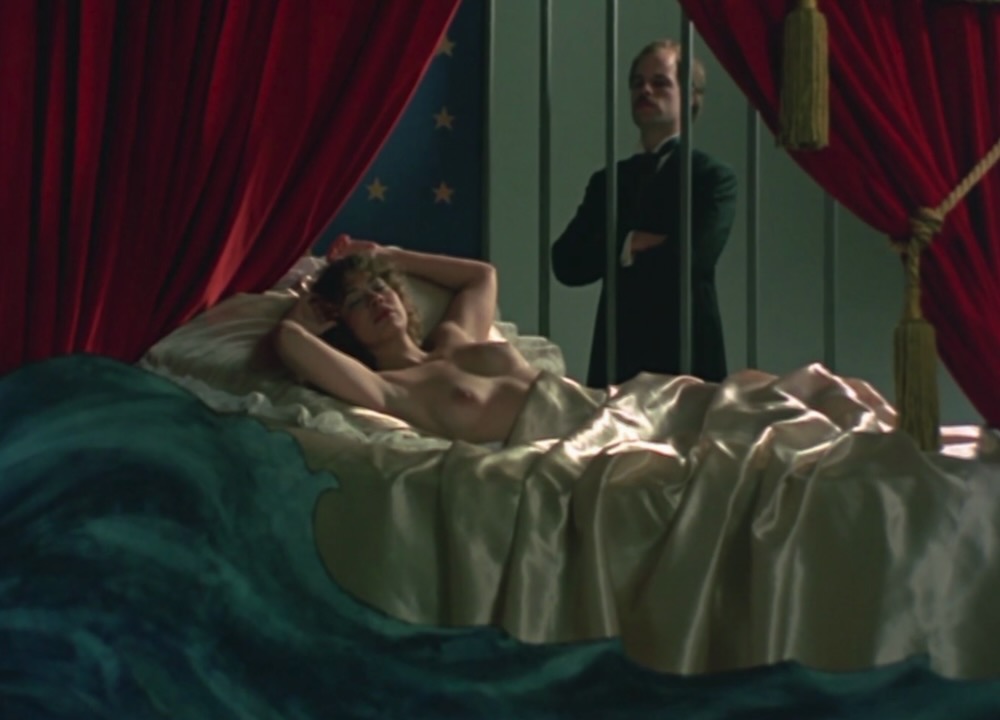
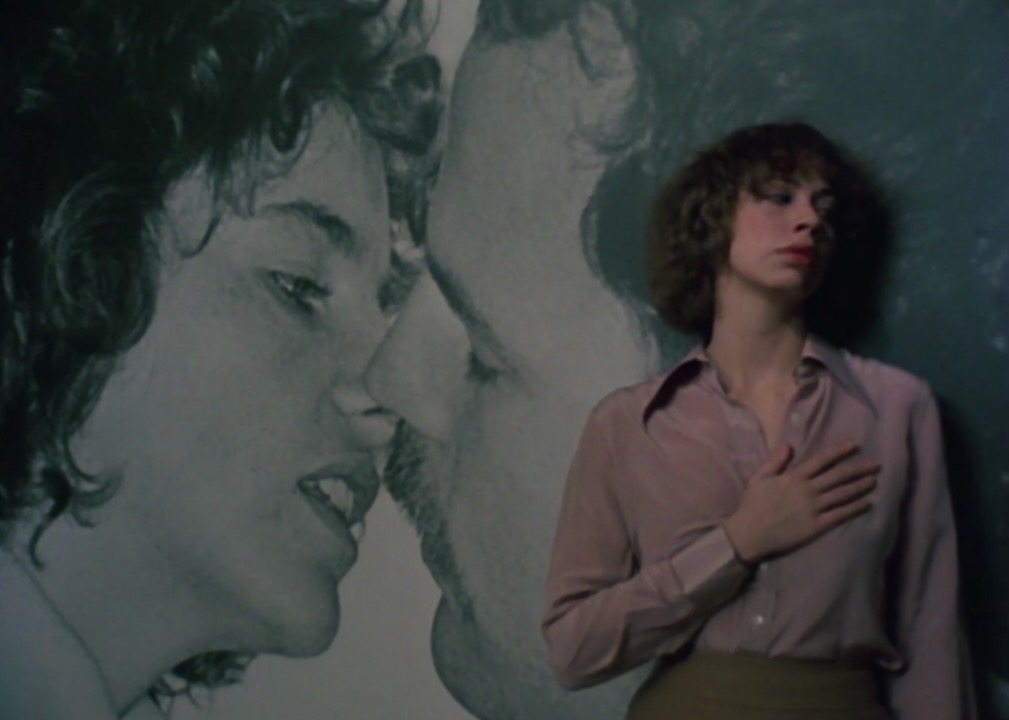
Wasn’t expecting this to start with a baby’s-eye-view of being born. Movie is like “human values for beginners” – a highlight is a date on a rowboat where the participants’ apparent age changes with each line they say. The Hubleys are good at using natural dialogue and finding unusual angles and perspectives, and great at body and facial poses. Based on the work of a famed psychologist, this was the feature film debut of both Georgia Hubley and Meryl Streep.

I just read A Complicated Passion by Carrie Rickey, rewatched Les Créatures in HD, and caught up with all the remaining Varda films I can find (with subtitles). Now to celebrate by… rewatching some Varda films?

The Features:

La Pointe-courte (1956)
Cléo from 5 to 7 (1962)
Le Bonheur (1965)
Les Créatures (1966)
Lions Love (1969)
Nausicaa (1970)
One Sings, The Other Doesn’t (1977)
Daguerréotypes (1978)
Mur Murs (1981)
Documenteur (1981)
Vagabond (1985)
Kung-Fu Master! (1987)
Jane B. by Agnes V. (1988)
Jacquot de Nantes (1991)
101 Nights of Simon Cinéma (1995)
L’Univers de Jacques Demy (1995)
The Gleaners and I / Two Years Later (2000)
The Beaches of Agnès (2008)
Agnès de ci de là Varda (2011)
Visages, Villages (2017)
Varda by Agnès (2019)

Certain shorts and extras:

L’Opéra mouffe (1958)
Du côté de la côte (1958)
O saisons, ô châteaux (1958)
Salut les cubains (1963)
Elsa la rose (1965)
Uncle Yanco (1967)
Black Panthers (Free Huey) (1968)
Plaisir d’amour en Iran (1976)
Ulysse (1982)
7p., cuis., s. de b., … à saisir (1984)
Les Demoiselles ont eu 25 ans (1993)
Le Lion volatil (2003)
Ydessa, les ours et etc. (2004)