The effects hold up less well than Starship Troopers but they’re illustrating a cool concept (mammals becoming visible from their veins outward) – and I’m sure they were closer to cutting-edge at the time, but now when lab leader Kevin Bacon invisibles himself and becomes a skeleton I get the song “Money for Nothing” in my head.

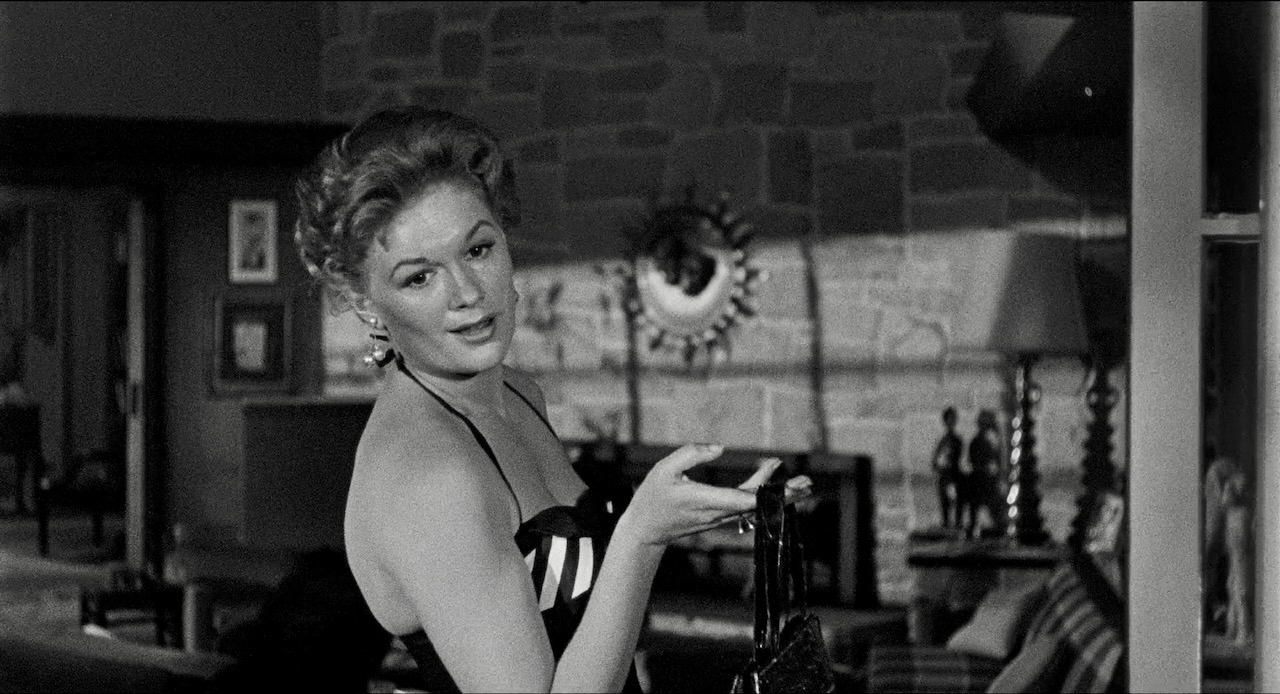
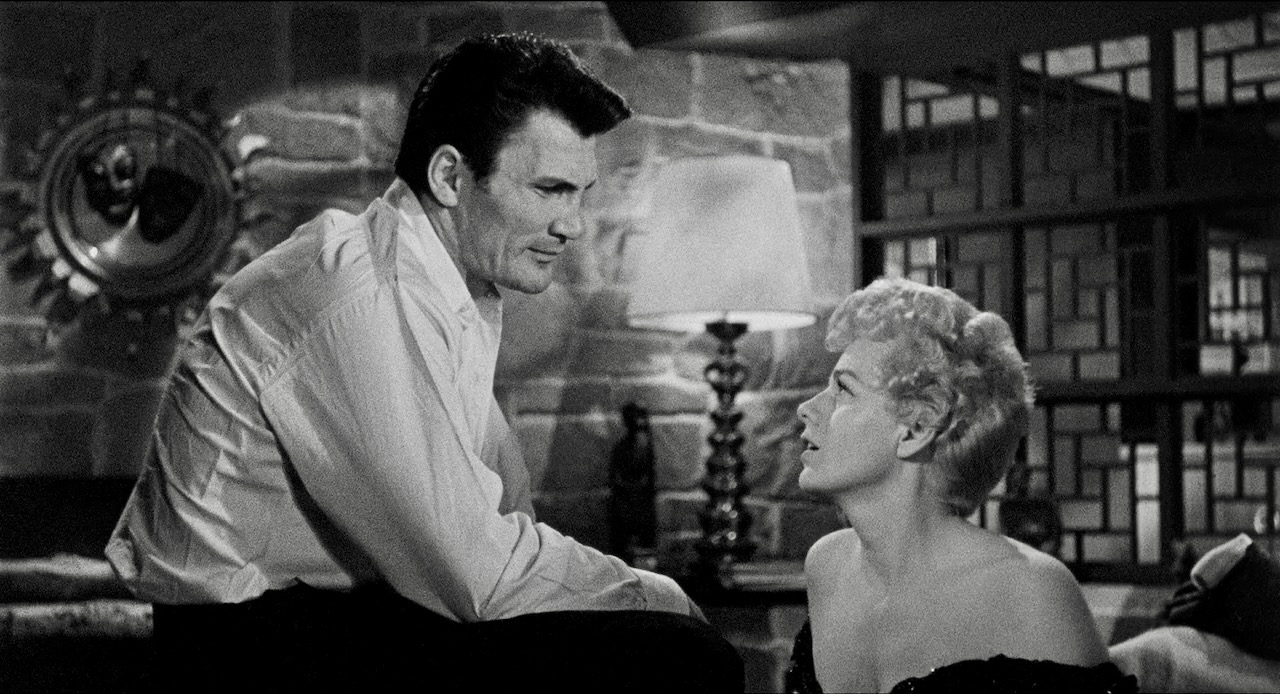
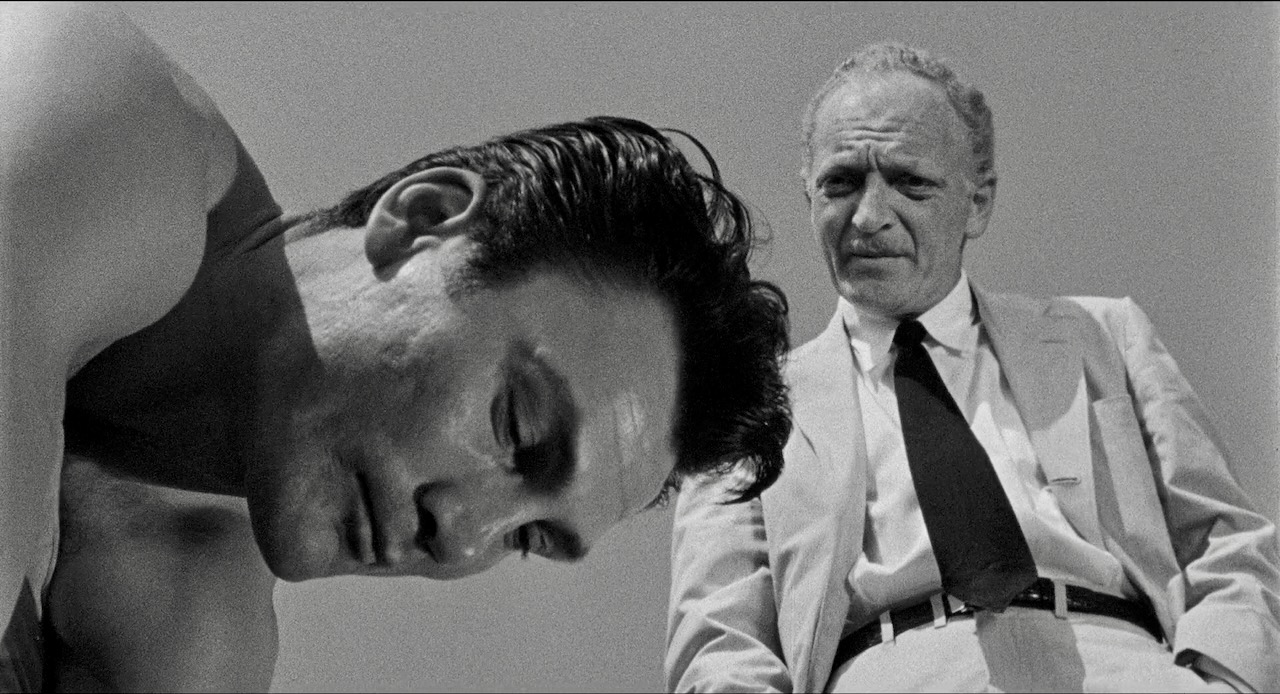
Bacon is a science genius but kind of an asshole – his first order of business when becoming invisible is to sexually harass coworkers – so his ex Elisabeth Shue and her square-jawed labmate Josh Brolin are understandably hiding their relationship from him. Not taking the news well that he can’t be re-visibled, Bacon goes out and rapes his neighbor, kills his boss (Bill Devane of Rolling Thunder), then comes back to trap and slaughter his entire team (including Zero Effect‘s Kim Dickens). Hit or miss, still better than the last invisible man movie I watched.

The opening mashup is as good as people said, then between each ad break they pick a particular focus: Lonely Island, hip hop, star-making performances, the dangers(?) of live television. They take pains to tell us what an honor it is to play such an important show, how vital is SNL to our culture, and if you don’t agree with this premise then it all starts to feel hollowly self-promotional, but there’s sure some good music along the way.

Valerian “Val” DeHaan travels to a secluded German manor to work out a contract for his employer – is this based on Dracula? Upon arrival he signs some papers without reading them, then starts mad hallucinating, taking too long to realize what kind of movie he’s in. Gore’s ability to illustrate a creepy horror thing with big striking images makes me wonder if I should rewatch his Ring remake.

I guess Val dreams his mom dies after his limo crashes into a Very Digital Deer. Mia Goth plays the weird girl wandering the grounds, but then, everything is pretty weird. Val finds micro-bugs in the water, later panics when his scuba therapy becomes eel-infested. He sees eels everywhere, then tries to rally the patients to revolution but instead they zombie-attack him and the doctors pump Val full of eels – in the end, this is like The Matrix, but with eels instead of technology. I guess the incestuous mad doctor/baron Jason Isaacs (military guy in The Death of Stalin) is Mia’s dad, and they are 200 years old, kept alive through eels, until Val snaps out of his zomb-eel stupor and foils their plan. Partly based on Thomas Mann’s The Magic Mountain, which the guys who wrote Shutter Island may have also read. Someone should program a Cure for Wellness / Road to Wellville double feature.

Rainer, a Vicious Dog in Skull Valley (2023, Bertrand Mandico)


We Barbarians (2023, Bertrand Mandico)

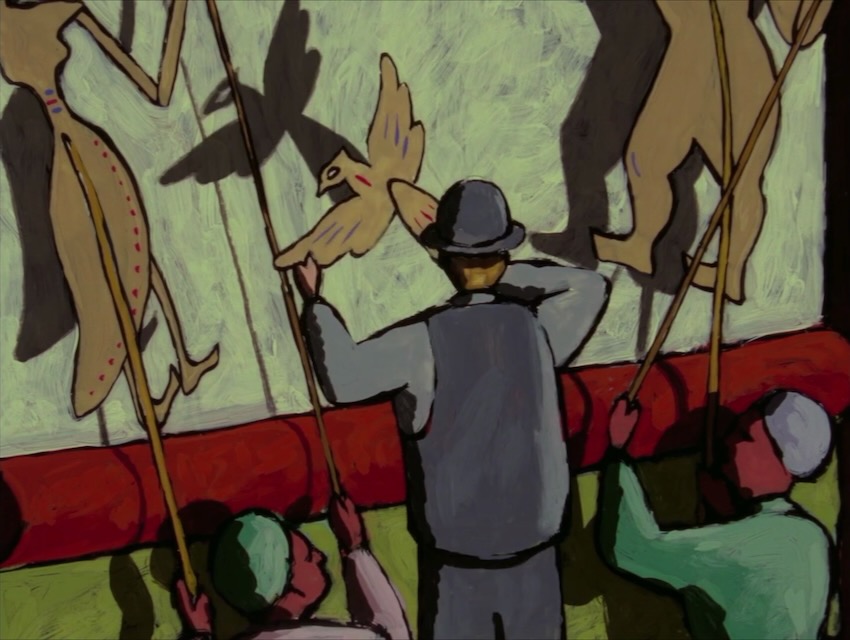
These are backstage meta-Conan spinoffs, the first one cycling through playwright trance-purgatory, the second a series of character monologues, always ending in hell and death.


Healthy, Wealthy and Dumb (1938, Del Lord)

Curly is entering slogan/jingle contests like it’s Christmas in July, and he wins for “coffin nail cigarettes.” Three hot girls in their same hotel plan to marry them for the money, but alas, everybody is lying and poor.


Violent Is the Word for Curly (1938, Charley Chase)

They work at a gas station and dance around a car saying “super service!” while destroying the vehicle and its posh occupants. Then after they are mistaken for those three automobile-owning visiting professors, there is a musical number, which had me briefly enraged until I gave in to the gleeful idiocy. The weird title is a play on the now-forgotten oscar-nominated drama Valiant Is the Word for Carrie about a Southern prostitute moving north.


Three Missing Links (1938, Jules White)

They go to “Africa” and tangle with a gorilla and (another) lion… okay, that’s enough of these for now.

Diary of a Chambermaid (1946, Jean Renoir)

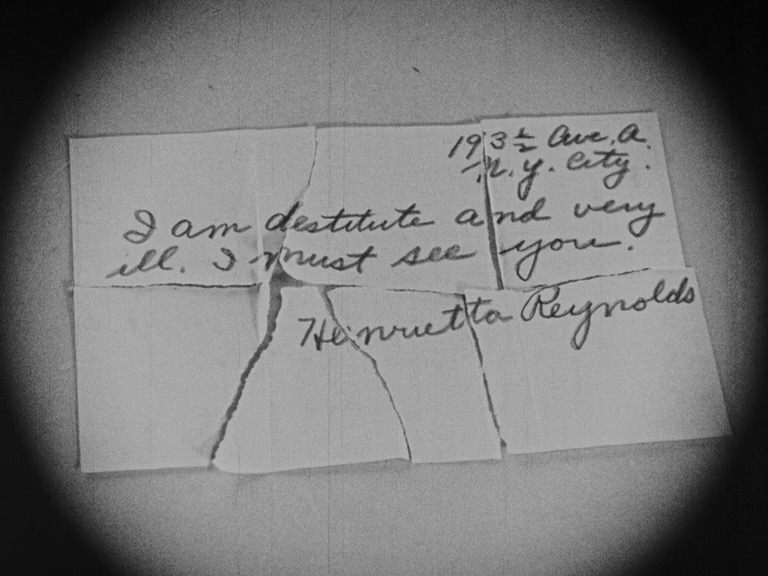
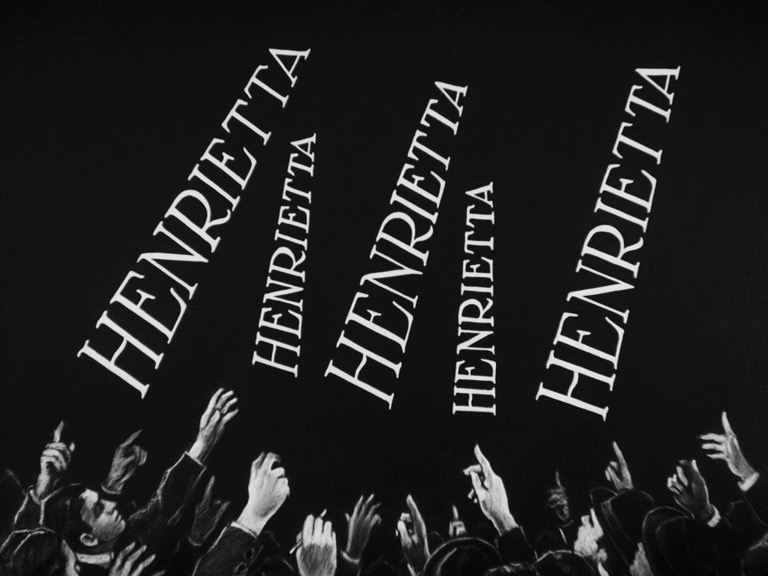
New maid Paulette Goddard (Modern Times) gets off on the wrong foot with mistress Judith Anderson (a chambermaid herself in Rebecca) by joking with the bearded master (Reginald Owen, the 1938 Scrooge), not realizing who he is. She meets desperate maid Louise, cook Marianne, and asshole valet Joseph, and gets to work. But this place is annoying and creepy: the valet (Francis Lederer, who started out in Pandora’s Box) is after her, the mistress is dressing her up for a visit from long-lost son George (sickly, secretive Dorian Gray), and the next door neighbor (Goddard’s husband Burgess Meredith) keeps breaking the family’s windows and eating their flowers. She announces she’s quitting and the valet goes mad, announces that he’s stealing the family’s treasures, then robs and murders the neighbor while the police are having their annual parade. Weird that I’d follow up Murder a la Mod with another movie that opens with a diary and features icepick murders.

Paulette, Burgess, and squirrel:


Diary of a Chambermaid (1964, Luis Buñuel)

The French director had made an American film, then the Spanish director makes a French one. Now the maid is less headstrong, and has been hired to care for Madame’s dad, who wants to grab her leg while she wears special boots and reads to him. For Buñuel’s whole career everyone blabbered about surrealism, while he just wanted to put women’s legs on the big screen.

Everything is darker and more explicit in this version – Master Piccoli is allowed to sleep with the maids as long as he doesn’t get them pregnant, and Valet Joseph wants to open a Cherbourg cafe and pimp out the maid to soldiers. The valet is still a celebrated bird torturer, also a racist activist, whose 1934 “down with the republic” march gets the movie’s final words (while Renoir’s parade featured “vive la republique” fireworks). Instead of robbing the neighbor, he rapes and kills a local girl, the same day the old man dies. The maid works on helping the cops convict Joseph (and fails), but there’s no son to swoop in and save her from these awful men, so she ends up marrying the neighbor – no escape, no justice.

Madame in her laboratory:

Unlike the Renoir this one has no pet squirrel, but we do see a mouse, a frog, ants, a boar, a rabbit, a basket of snails. Supposedly Buñuel’s only anamorphic widescreen movie – maybe he regretted its mind-warping effect whenever he moved the camera. Starring Jeanne Moreau the year after Bay of Angels, and Master Piccoli after Contempt… Valet Joseph is also in A Quiet Place in the Country, Madame in Chabrol’s Bluebeard. Watched these on oscar night… they won no oscars, but Moreau got best actress at Karlovy Vary.

The Mirbeau novel was adapted again in France with Lea Seydoux, but directed by a notorious pedophile, so it’s both tempting and not tempting to watch. The book has the girl’s (not the neighbor’s) murder and Joseph stealing the family silver, then unlike both of these movies, the maid marries him and moves to Cherbourg. Randall Conrad in Film Quarterly compares the films, championing the Bunuel over the Renoir (which has no eroticism and a “deficiency in conception”):

At the least, Celestine is a moral witness to the bestiality of Joseph, something she tried to stop and couldn’t. But perhaps her secret attraction, her fear of it, and her individual powerlessness make her an accomplice to Joseph’s rise. In that case, Joseph’s assertion – “You and I are alike, in our souls” – takes on full meaning … [Buñuel] returned in his film to the France he left in the thirties, and created its portrait … The film has the closed structure characteristic of Buñuel: the end is a beginning. An individual’s gesture toward freedom not only fails but lays the ground for still worse oppression. The era that has begun, as the [fascist] demonstrators turn the corner and march up a street in Cherbourg, is the one we are still living in.

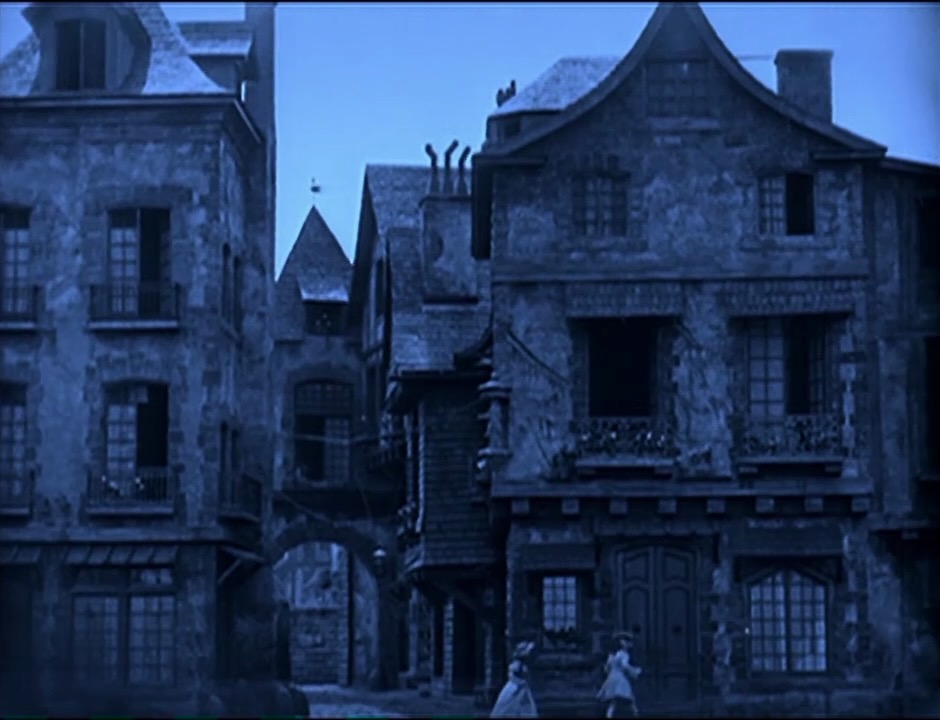
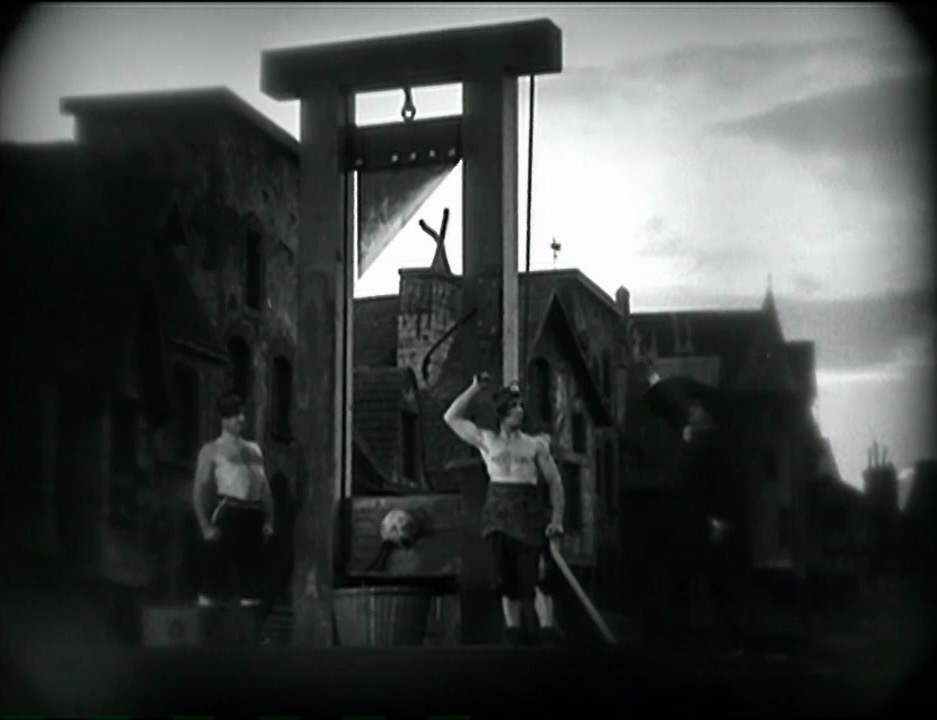
A tale of two icepicks and a handful of murders, in De Palma’s first Blow Up remake. Jumping back and forth in time, we follow Karen, who’s dating reluctant pornographer Chris, and her friend Tracey, who is withdrawing all her family valuables from the bank and putting them in an envelope under the seat of her illegally parked car then leaving the windows open. Introducing a creepy voyeur in a way that feels as if either De Palma or we the viewers might also be creepy voyeurs, and finally the movie’s secret weapon Otto, an undercranked maniac prankster, but not (on purpose) a murderer. Right as the murder mystery was escalating, Otto’s silent comedy bit takes over, his racing thoughts narrating the action.

Decent music, nice photography – the DP went on to shoot Basket Case and Brain Damage for Henenlotter. Against all odds, some of these people worked in movies again. Tracey is in Desert Hearts, Chris starred in a Fulci picture, and Otto became a De Palma regular, most notably starring as The Phantom of the Paradise.

The DVD has a music score, but in interviews towards the end of his life DW Griffith said he intended for this film to play in sync with Coil’s The Golden Hare With a Voice of Silver. Despite my issues with Coil soundtracks in the past this worked out nicely, with a barn dance set to “The Anal Staircase” a special highlight.

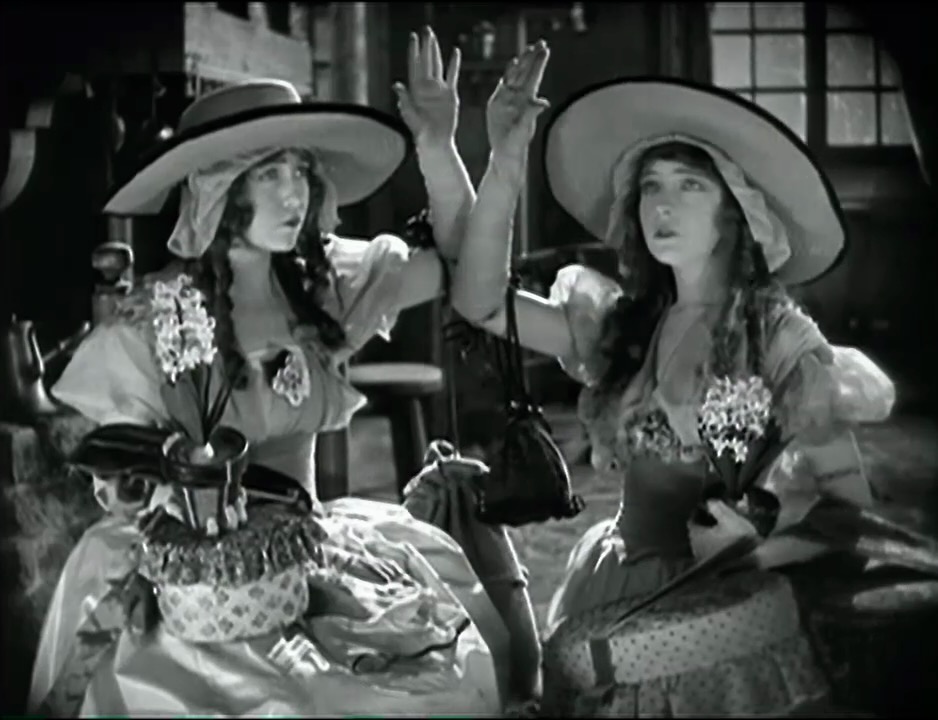
A Lillian Gish desperation spotlight – she’s betrayed by a man who pretends to marry her, then after her baby dies she moves to another town to start over, but not far enough away from the local busybodies. Now handsome Richard Barthelmess (disgraced flyer of Only Angels Have Wings) is falling for her, and the heel is after Richard’s ex-girl Kate, who is beloved by comic-relief butterfly professor Creighton Hale (The Cat and the Canary). It all works out, ending in an absurd triple wedding.

The Prof, Kate, and hat-rack cow:

Rightly known for its climax, when Gish runs into the frozen wilderness and passes out on an icy river which breaks into chunks heading for a waterfall until daredevil Richard rescues her, this being before stunt doubles had been invented. An editing quirk I noticed throughout: we’ll see a character action in a medium shot then it will cut to a wide shot and we’ll see the same action again, as if whenever our perspective pulls back we have to rewind a couple seconds.

Gish finally fingers the heel:

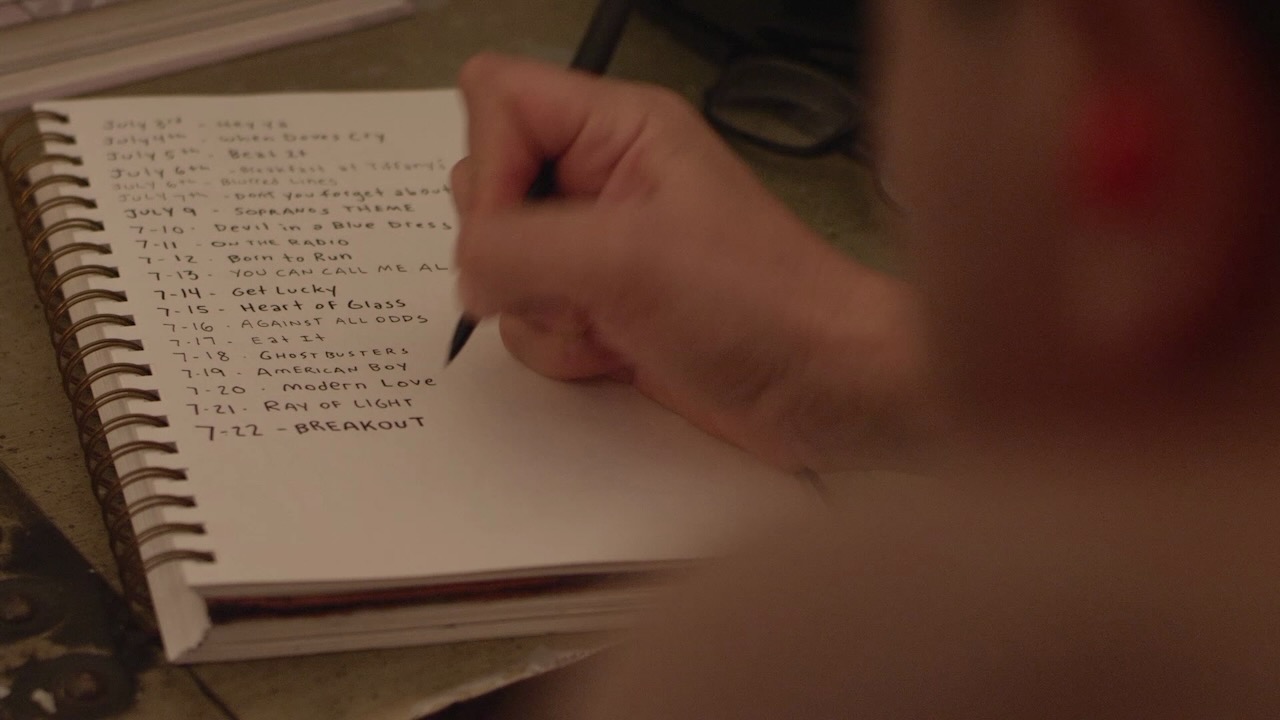
Introducing Chris with clips from his film The Target Shoots First, he fast-forwards his life since, getting to keep working behind the camera while starting a family. But to his regret, “I direct tons of commercials, hundreds of them, but I don’t finish even one of my own films.” So, he starts shooting Flipside Records where he worked when he was a teen, but fortunately that’s not the movie, since we’ve got enough record store docs. Instead he stitches together his partial docs into a Cameraperson meta-doc about lessons from human experience, and the art life. Upsetting to learn that I once lived 20 minutes from Flipside – of course I couldn’t drive then, so we never explored further than Boonton.

Wilcha in interview with Vikram Murthi, whose enthusiasm got me to watch this:

[The Target Shoots First] was made at CalArts, on those machines and with the help of my mentors who would watch cuts. A lot of these people were serious artists — like, for instance, James Benning. His advice to me at one point was, “Make 60 one-minute sequences,” which is so James Benning.

Vadim Rizov:

When, early on, Wilcha shows that cult TV icon Uncle Floyd is a regular crate-digger [at Flipside], I flashed to my only real reference point for him, David Bowie’s “Slow Burn” from 2002’s Heathen (no contrarianism intended, one of my favorite Bowie albums). An hour later, Wilcha drops the song as performed live in concert, not cutting away for over two minutes as my heart briefly stopped at this unexpected treat.

“I always had this feeling that the world was gonna forget, and that I was somehow in charge of remembering.”


Knock Knock, It’s Tig Notaro (2015)

Funny, when Wilcha talks about never finishing a documentary since Target, this road-trip stand-up doc never comes up. Sure he’s a co-director, but he’s got other Flipside/This American Life crew members, so it seems like a Wilcha joint. Documents Tig’s tour with Jon Dore (star of movie The Pickle Recipe) to houses, farms, and other venues proposed by fans.