Street Musique (1972 Ryan Larkin)

Intro of street musicians, then a set of short songs illustrated in fluidtoons style, from pens to watercolors, absolutely gonzo and excellent.


Symphony Hour (1942 Riley Thomson)

Mickey predating the opera-conducting Bugs. Their sponsor Mr. Macaroni puts their orchestra on live radio but Goofy has trashed all the instruments on the way over, so they sound like a cartoon (or PDQ Bach) and to the sponsor’s surprise it’s a huge hit. Newly restored in HD to bring you the only known scene of Mickey threatening Donald with a gun.


Moving Day (1936)

While the Mickey disc is out, let’s play some from Jerry Beck’s list. Mickey and Donald are deadbeat roommates being evicted by the sheriff and Goofy is an ice delivery man enlisted into helping them. Someone rings their doorbell till it falls off, which I just saw happen to Laurel & Hardy. Largely this one’s about how Goofy should not be hired to help you move, or even deliver your ice, as he duels with a piano possessed by trickster spirits, but also a fair bit of time devoted to Donald getting things stuck on his ass. A Ben Sharpsteen joint, a couple years after his Two-Gun Mickey.


Thru the Mirror (1936)

Mickey falls asleep reading Lewis Carroll and dreams himself into a sort of Pee Wee’s Playhouse version of Wonderland, bearing no resemblance to the version Disney would make fifteen years later. There is a battalion of playing cards, which is all in good fun until Mickey gets cheeky with the queen. David Hand directed, the year between Who Killed Cock Robin and Snow White.

Why don’t you pass the time by playing a little solitaire?


Mickey’s Trailer (1938)

Mickey and buddies ride their House of Leaves fully-automated trailer across the country. An early warning against self-driving vehicles. Ben Sharpsteen directed, between Clock Cleaners and Dumbo.


Lonesome Ghosts (1937)

Mickey shorts weren’t really on TV in the 80s, but I know their Ghostbusters story well because we had the talking-pages storybook. The fully produced version is much less scary for some reason, though it does have Mickey waving guns around again, and more Donald ass-trauma. The ghosts telephone our guys themselves just to mess with them. Burt Gillett directed, the year before Brave Little Tailor.


Bad Luck Blackie (1949 Tex Avery)

Mean dog torments little kitty until kitty hires the titular Blackie, who crosses the dog’s path causing objects to fall on his head. An exoeriment in all the shapes a dog can be bent into while still being recognizably the dog. Sorry, this is many times better than any of the Disneys. Weird Kitty Foyle reference.


Porky’s Spring Planting (1938 Frank Tashlin)

We’re planning our own spring planting, let’s see if this is instructive… (1) get a hat with eyeball window wipers, (2) get dog to do the work for you, (3) neighborhood birds end up eating everything. Weird social security joke, and Porky pronounces asparagus “ass-pah-RAH-gus.”


Hen Hop (1942 Norman McLaren)

Short hand-drawn cameraless chicken dance synched to music – McLaren was the commercial Stan Brakhage.

Feather Family (2023 Alison Folland)

Mashup of backyard children home movies (distressed film) and glitchy 3D bird-based video game (clipping, strobing). The hawk eats a pigeon, the kid’s broom has googly eyes.


Mockingbird (2020 Kevin Jerome Everson)

Watching the watcher: very shaky handheld of a Mississippi Air Force guy looking through binoculars. Sadly, no birds appear, at least none I could make out.


Ornithology 6 (2021 Bill Brand)

Ugly green fence footage splintered into pieces, vaguely in the shape of a flock of birds. Silent, endless.


NYC RGB (2023 Viktoria Schmid)

Static shots of interior/exterior buildings with light and shadows refracted into rainbows, really cool effect, ambient soundtrack. Clouds and traffic are not immune to the rainbowing.


A Portrait of Ga (1952 Margaret Tait)

Her mom smokes outside while gardening and hanging out, and she smokes inside while having a half-melted hard candy. Light narration, nice color, file alongside Mr. Hayashi.

Cayley James in Cinema Scope:

A series of portraits and close readings of the places she called home, Tait’s “film poems” (as she called them) invite the viewer into a familiar but altogether hypnotic vision of everyday life. While there is an air of the home movie about the movement of her handheld 16mm camera, there is something far more exploratory here than in the average diary film … In this foundational early work, Tait’s camera is drawn to things that would become her visual vocabulary throughout her career — hands, bird calls, flora and fauna, the cut of a dress — while eschewing the easy route of picture-postcard views afforded by Orkney’s windswept landscapes.


Information (1966 Hollis Frampton)

More like interlaced-formation, ugh. The intended image is lost by being broken into video-stripes, but the intended image is just wiggly white flashlight dots on a black background, silent.


Prince Ruperts Drops (1969 Hollis Frampton)

A lollipop is licked in extreme closeup, then from the other angle. We give a guy a lot of free passes on stuff like this when the guy also made Zorns Lemma. Halfway through it switches to first-person basketball dribbling, in approx. the same rhythm as the licking. The title refers to strong glass beads formed by dropping (dribbling?) molten glass into cold water.


A and B in Ontario (1984 Hollis Frampton & Joyce Wieland)

1967 home movies of these two taking home movies of each other, pausing only to reload. The game of camera warfare escapes the house and spills into the yard then all through town, hiding behind cars and lampposts, then to a park by the water. Casual back-and-forth editing until the last couple minutes when it takes some big swinging camera moves and shatters them into each other. Interesting edit overall, since you’re watching someone filming then cutting to their POV but usually/always at a different time, not to the reverse angle you’d expect.


From Soup to Nuts (1928 Edgar Kennedy)

In Laurel & Hardy’s first couple minutes on the job they ruin a meal, attack the chef, and break a pile of plates. Long sidetrack of the hostess attempting to eat a cherry atop her fruit cocktail, lot of cake-smashing and banana peel-slipping. Finally they’re straight-up punching their boss.

The hostess is L&H/Charley Chase regular Anita Garvin, her tall husband was featured in Modern Times. The tail end of silent comedy, fun music with sfx on the DVD. Appreciate that the traveling camera following the hostess’s wiggly ass is repeated to follow Stan when he comes out to serve (“undressed”) salad in his underwear.


Nocturne (2006 Peter Tscherkassky)

More classic film destruction for The Mozart Minute project, this time scenes of a masked ball and a girl escaping out her window, the Mozart soundtrack creatively degraded to match the picture.


Parallel Space Inter-View (1992 Peter Tscherkassky)

Not conveyable with screenshots since it’s a flicker film, alternating frames between parallel spaces. Intertitles are typed live onto a Mac word processor, like the closing credits of my own Godzilla 2. Good soundtrack, ambient noise loops. Halfway in, we get our classic narrative film footage quota, silent and strobed into some psychotronic nude woman.


Hotel des Invalides (1951 Georges Franju)

Fanciful little doc focusing on a war museum within the grand veterans hospital in Paris, made a couple years after Blood of the Beasts.

They saved Napoleon’s dog:


In Order Not to Be Here (2002 Deborah Stratman)

Opens with refilmed video of a police arrest, proceeds to a glaring spelling error in the title text, and we’re not starting out promisingly. The rest is good, a narration-free video essay on fences, walls, gated communities, surveillance – commerce centers at night. Halfway through the police presence returns, culminating in an epic chase, all (per the credits) staged.


Pitcher of Colored Light (2007 Robert Beavers)

Everyday backyard light and shadow, cutting every couple seconds. Like if Portrait of Ga had fewer life details and was five times as long. This one is rare, anyway. The short that convinced me to stop watching shorts. Anachronistic, that timeless 16mm color makes it feel like the 60s or 70s, you would never guess 2007.

The titular pitcher:

Watched this in mid-Feb, not intending it as a Gene Hackman memorial screening, but here we are. Great detective plot, Gene a two-bit private eye who finds the missing girl a half hour into the movie then sticks around as new smuggling/murder plots continue to unfold, until the girl (Melanie Griffith a decade pre-Body Double) is dead, movie stunt coordinator Ed Binns (Sixth Angry Man) is dead after two crashes and trying to murder Gene, giggling stuntman Marv dead underwater, mechanic James Woods floating in the dolphin pool, stepdad John Crawford (DEI-enforcing mayor of The Enforcer) guilty possibly dead, and tough Florida girl Jennifer Warren, whom Gene and I were both really getting to like, head smashed by a plane. Side plot of Gene discovering his own wife’s affair (via an Eric Rohmer movie date) then trying to repair his marriage, which doesn’t go too well, as he keeps returning to this case. Matt Singer gets it, and Filipe points out that “everything plot related happens offscreen.”

20 Feet from Stardom (2013, Morgan Neville)

Expertly put together, a great show. Attempts a late swerve into pathos because all of their solo stardom didn’t take off, which clashes with the early sentiments about being all about the music. In the discussion of who treated the singers better or worse, Jonathan Demme and Joe Cocker and Sting and Luther Vandross come out well, Ike Turner and Phil Spector less so. I thought about Kelly Hogan at least every couple minutes.

“Rock and roll… saved our lives.”
“You get hooked on music, you’re fucked.”


Trances (1981, Ahmed El Maanouni)

An ambient rock doc – if it’s not self-evident that the music is good, if you don’t know why these guys are big, nobody’s gonna tell you. The band is called Nass El Ghiwane, and we get a mix of performance, rehearsal, and, not exactly interview, but pointing the camera at a band member until he starts talking.

I dunno about “a free-form audiovisual experiment” or “pure cinematic poetry” per the Criterion press, but it’s got nicely edited archive film and some really good closeups. The group (with two original members) was still playing as recently as last year.

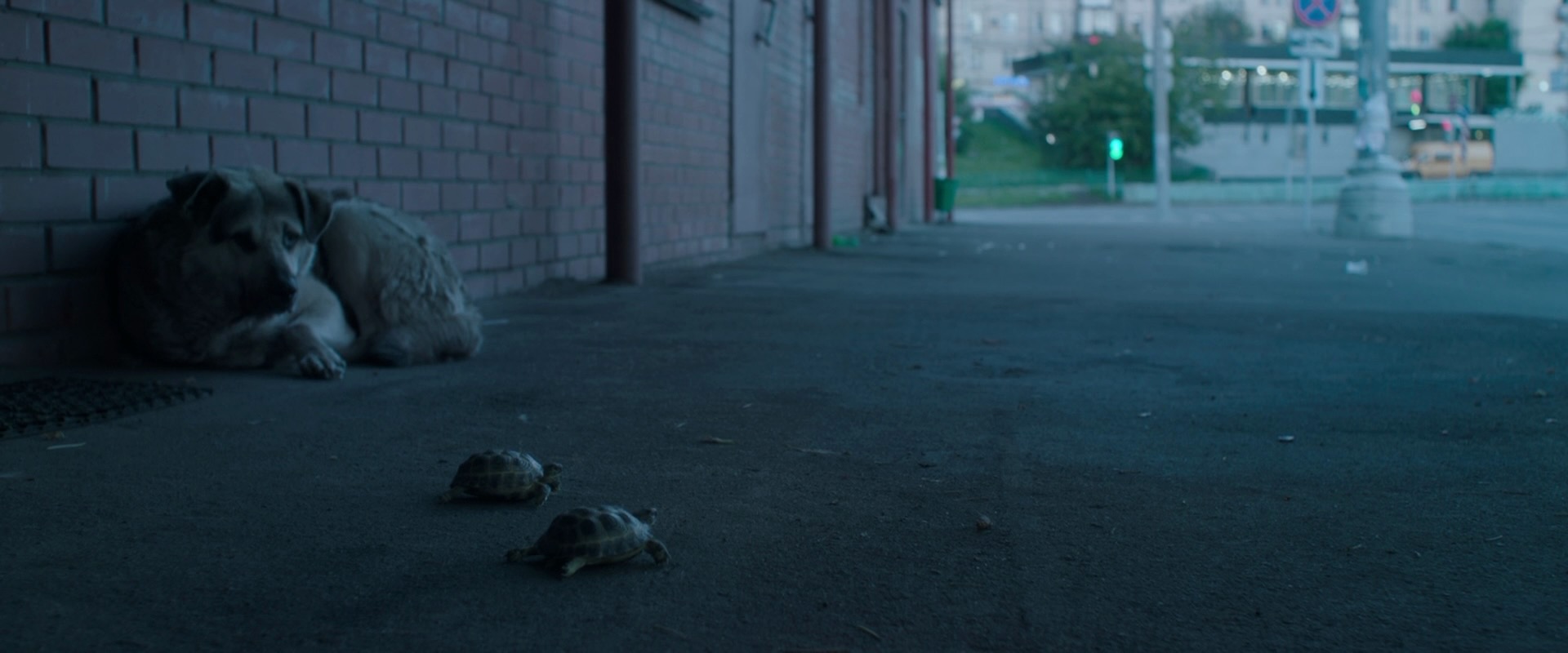
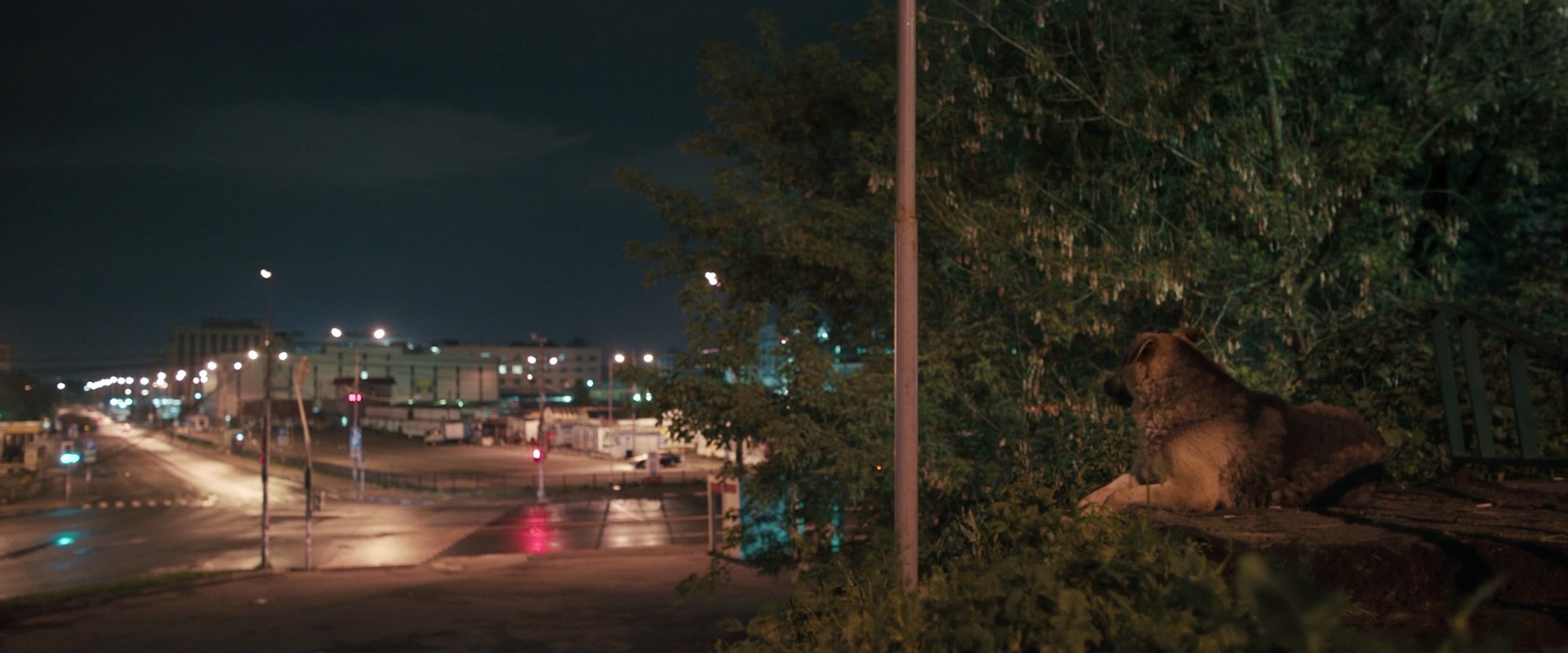
Wordless nighttime portrait of a restless town. Opens with rotting corn, ends with a rollerskate couple making love in the cornfield. An hour-long pillow-shot between Ham on Rye and the new Christmas Eve thing.

Is this the first movie I’ve watched in full after previously watching its last ten minutes? It’s not the first time I’d watched the end of a movie and thought “this isn’t bad, I should see the rest of it” – that’d be Waxwork. This one I simply lost track, and ended up half-watching while working on something, looking up whenever someone got killed in super-slow-mo (they’re taking hummingbird-brain drugs). Some good violence, if nothing else. I noted all the important details last time – in the years since, Judge Urban has gotten involved in all the major properties, Psychic Thirlby was in Lousy Carter, Villain Headey did Game of Thrones, and the writer and DP made Trainspotting 2 together.

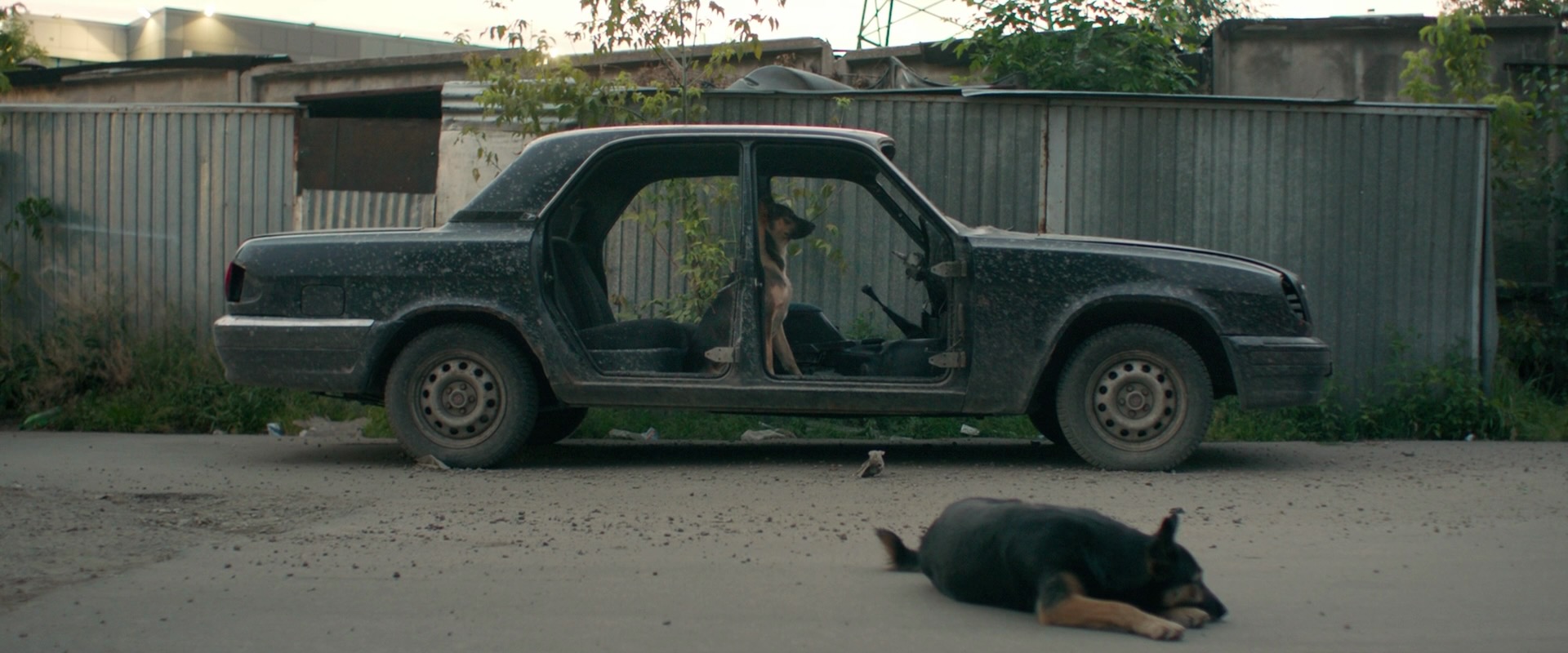
Zooted Dawg:

Slow-mo final boss plummet:

Aka The Job, I watched this to see what it must be like to have a job (it sucks). Older brother goes to Milan to find work so maybe his little bro will be able to stay in school. First you gotta pass the interview, which seems to be one easy math problem, then a physical, which weeds out the desperate old guys. Then you’re mercifully given a post with nothing to do as a delivery boy’s assistant, and eventually a desk, along the way attending the saddest company holiday party ever, and attempting to connect with a hot girl who’s also the only person around your age.

After work:

Forgot I’d already seen something by Olmi – he did the best segment of Tickets. This was gloriously shot, a poetic upgrade to the early neorealists. Per Lawrence: “A collection of brilliant moments, some fleeting and improvised, others punchy and precise, fused together with an outlook at once generous and satirical”

Desk anxiety:

Kent Jones:

To say that Olmi identifies with Domenico, the young hero of Il Posto on the verge of a “job for life,” is to put it mildly. The pull of his narrative is fitted to Domenico’s inner turmoil, his curiosity and his romantic longing, like two pieces of wood joined by an expert carpenter. Even the lovely section in which the story veers off course to examine the private lives of Domenico’s future office mates (there are oddly similar tangents in Jacques Rivette’s Paris Belongs to Us and Jean-Luc Godard’s Band of Outsiders, made around the same time) feels like an illumination of Domenico’s own perceptions: these hushed vignettes represent the lay of the adult land, as well as a set of possible futures.

Coasts purely on VIBES, which is frankly losing me, everyone croaking their lines glacially, TV-Glowing too hard, all whispering portent, nothing ever happening, until the patient explodes an employee. Reminded me more than once of The Catechism Cataclysm.

The patient is Eva Bourne, and the mad doctor was appropriately in We’re All Going to the World’s Fair. He smooshes the face of his wife, or perhaps his mom, who cares. In the end he falls down and busts his head.

Not the most compelling story, but the film itself is so lovely. It’s been a minute since I watched an Oliveira but this has got to be among his greatest color cinematography, shot by Mário Barroso who’d soon move on to Monteiro films when Oliveira started working more in French and English. Came out between Non and Inquietude – there are seven other 1990s features I need to catch up with. The actors wait patiently while the narrator speaks their thoughts or backstory, or talks about them telling stories or doing actions we don’t see them doing, then they carry on with their scripted business.

Doctor Luís Miguel Cintra is set up with the beautiful young Ema, who is really too young until her aunt dies and she turns into wide-eyed Leonor Silveira. Time accelerates, and soon enough she’s sleeping with violinist Narcisco who is her daughters’ age. Nobody figures out how to have a successful relationship or marriage, eventually all of them die.

Leonor/Ema with Luís Lima Barreto and young Diogo Dória:

Moments before Luís tosses this cat straight into the camera:

Per Rosenbaum:

“This is a lyrical film,” Oliveira has aptly written. “It is so in the way a woman resists men, who represent power, on the strength of her poetic outlook on the world, even if it is mere illusion… This is the theme of Abraham’s Valley: how poetry will lead Ema to her own agony, how she will construct her death on the basis of a poetic view of the world and finally, how she will, step by step, organize such agony poetically.”

Young Ema:

I thought I was a bad viewer getting time periods mixed-up, but Michael Sicinski:

Part of what makes Oliveira’s cinema so constantly disarming has to do with this auteur’s disarming use of time, a factor that became much more pronounced in his later years. Take Abraham’s Valley, a film more than three hours in length. The characters in the film, particularly married couple Ema and Carlo and their servants, scan as aristocratic holdovers from another age, the same type of subjects who so often populate Oliveira’s cinema. Looking at their dress and behavior, one would place them in the mid-19th century. But only after 90+ minutes of screen time is it affirmed that Abraham’s Valley takes place in the present day (1993).

Unhappy Family: