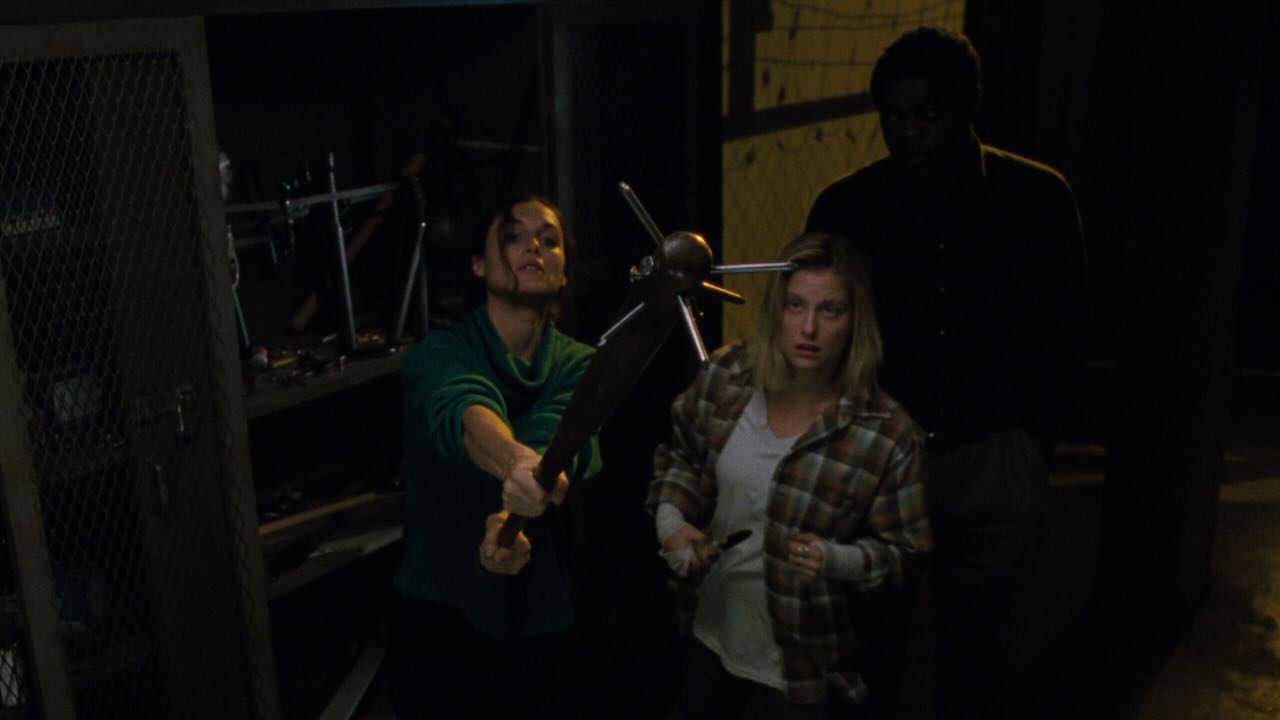
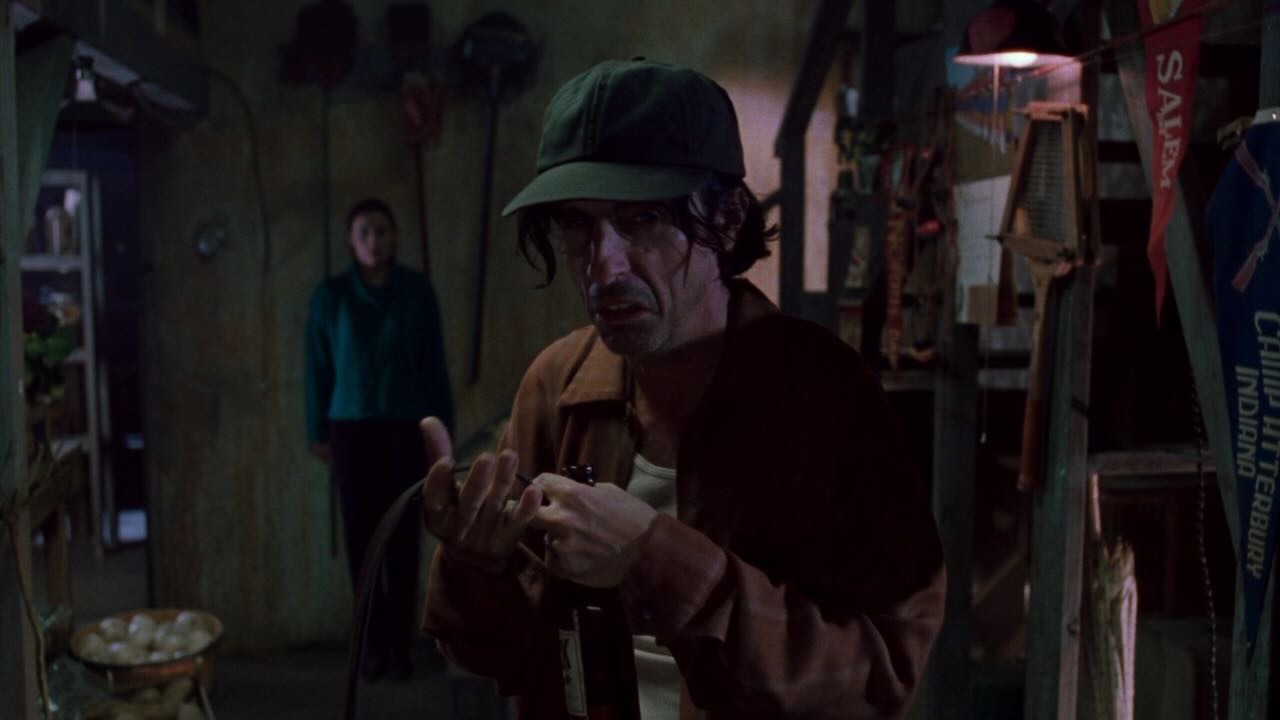
Kathleen Turner and Sam Waterston and Ricki Lake and Matthew Lillard are the perfect family, except mom has started making dirty anonymous phone calls to her supposed friend Mink Stole, then she escalates her naughty behavior by murdering her kid’s teacher with her car, and expands her victims list to anyone who annoys her for not rewinding videotapes, or not recycling. Turner and Waters are on top of their games here, and it’s a great movie, but if it was made as an answer to Falling Down then it might be the greatest movie.

Good Hair Scotty is Andy from Child’s Play 3:

Mom gets arrested at an L7 show:

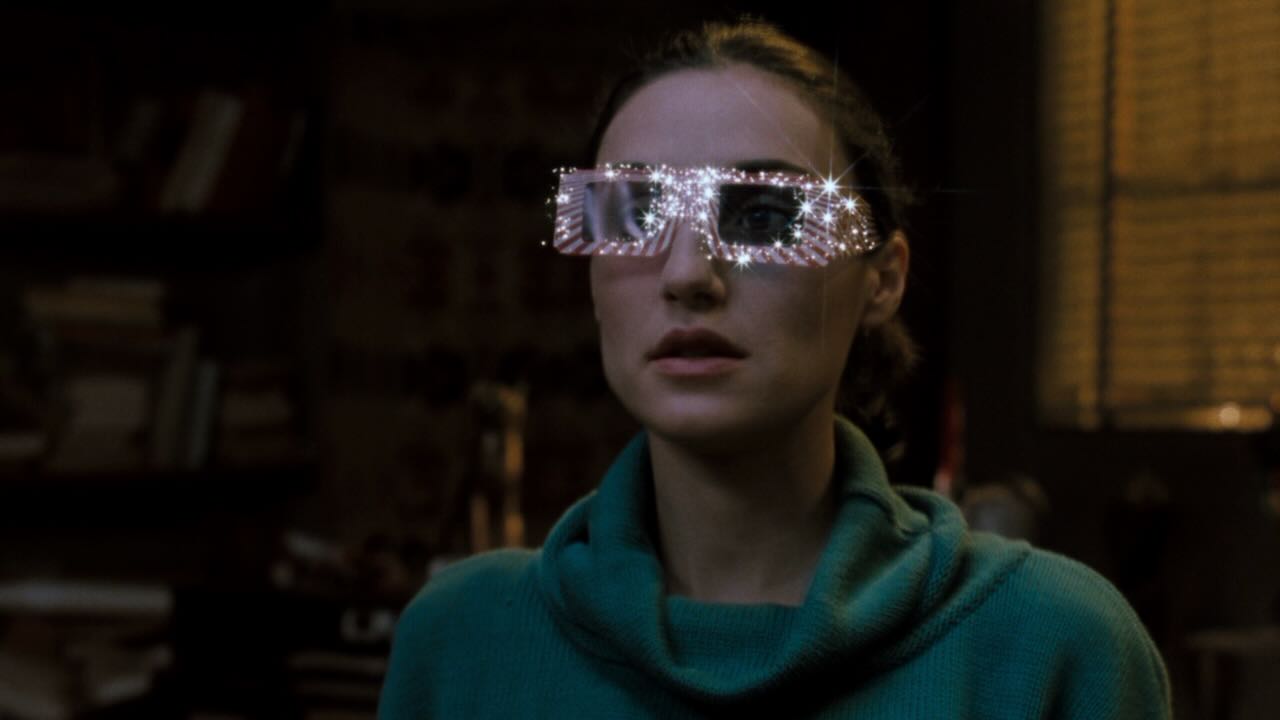
It’s me, the cynic who didn’t love After Life, a movie which appears to have stolen Brain Candy‘s plot of people re-living their happiest moment and turned it into a dry, quiet portrait of a bureaucratic limbo (and film studio). It’s also me, the guy who lost it at the end, when one of the counselors who’d refused to pick a happy moment for decades, relents: “I’ve learned I was part of someone else’s happiness. What a wonderful discovery.”

Viet Thanh Nguyen for Criterion:

One could ask all kinds of things about the functioning of this process: Who’s doing the recording, and where are the cameras? How extensive are the archives? Instead of a god, is there only an archivist or archivists, working endlessly without judgment? But these are questions that After Life quite happily declines to answer. Kore-eda refuses to get bogged down in unnecessary details that might be interesting in world-building but that are extraneous to his central focus on character and feeling, as well as on the decision-making that has enormous consequences for individuals.

Indie drama wih peppy editing, handheld segments, swish pans. Pica is too iconoclastic to succeed in her photography class, meets April, who dresses like a boy to avoid harassment and joins P at her night job pasting up photos after P finds her friend Malik murdered by a serial killer. It’s all cute, creative and contrived in equal measure, and gives no indication of the far-out places Smith would end up in her latest shorts.

“a tribute to the richness of what can be made with little and shared without limit” – Yasmina Price’s Criterion essay is good.

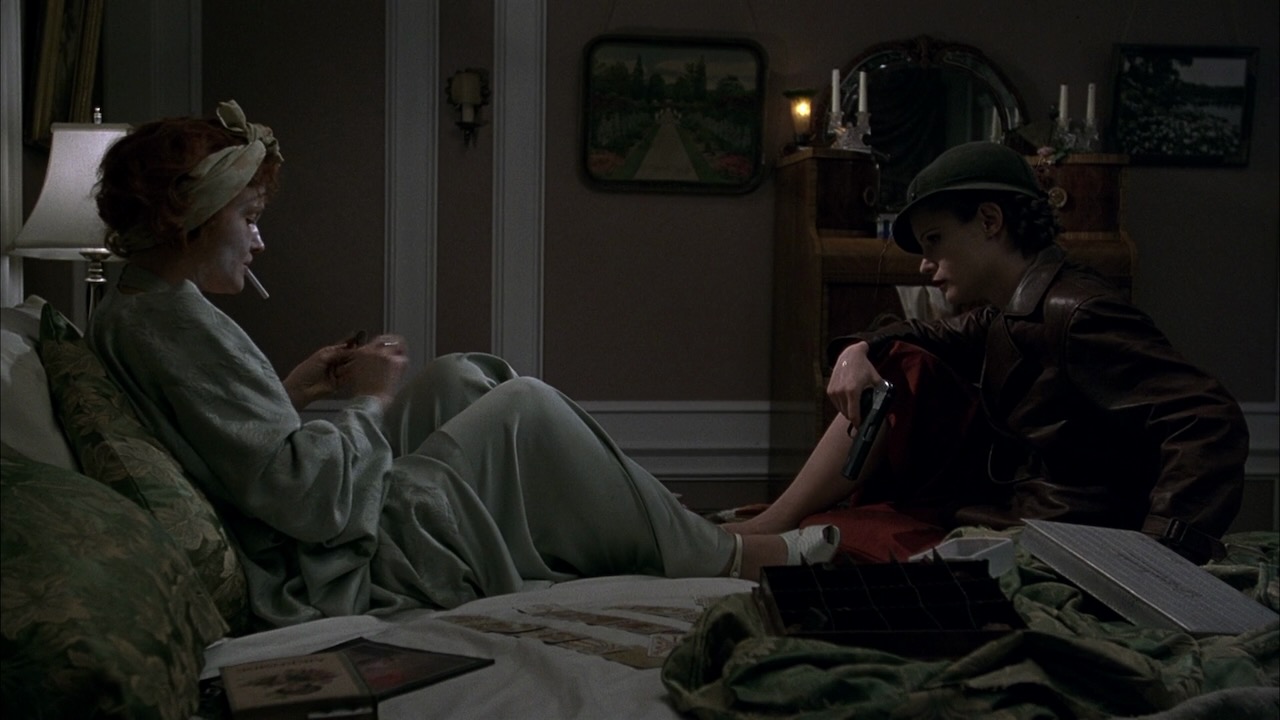
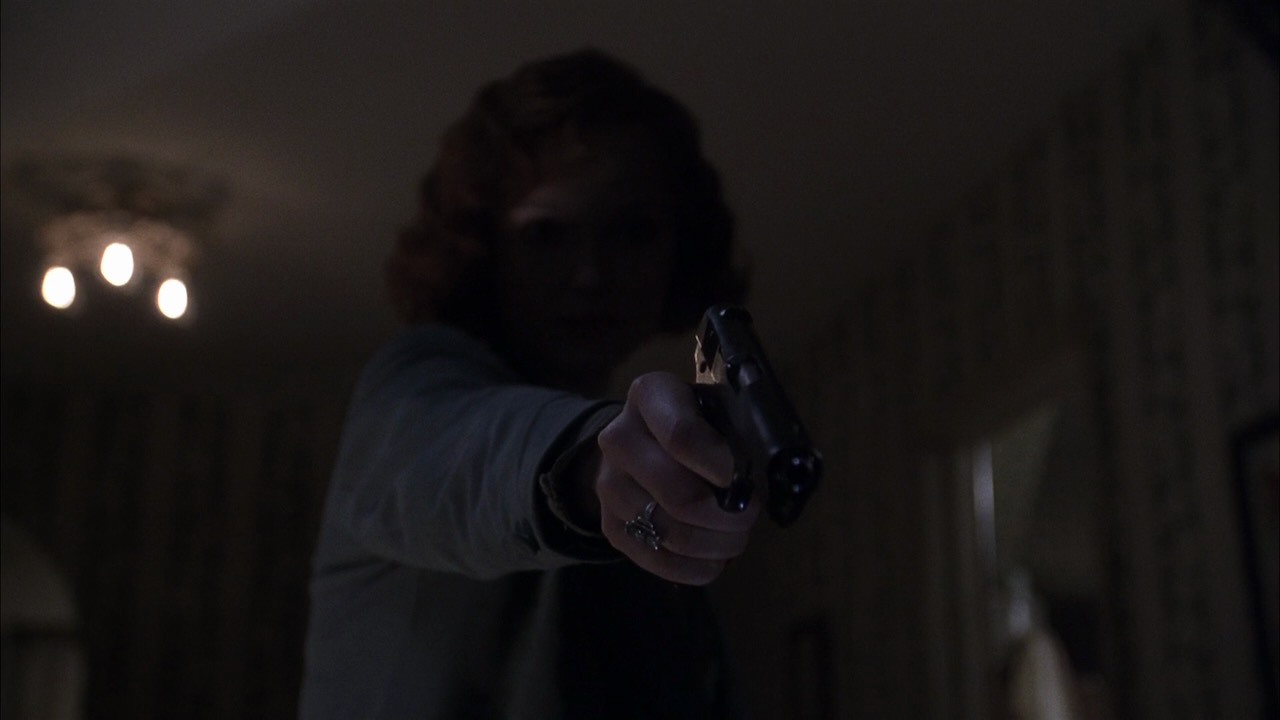
Finally a period movie that acknowledges that everyone is named Johnny. Altman took note of Jennifer Jason Leigh in the Hudsucker Proxy‘s 1930s and cast her in his own 1930s flick. It’s less a follow-up to Hudsucker than a precursor to Uncut Gems (someone tears around town making a lot of noise and pissing people off until they are shot in the head).

Rosenbaum calls the story “borderline terrible”:

It counts on the dubious premise that a gangster (Harry Belafonte) would fritter away a whole night deciding what to do with a thief who rips him off — thereby enabling the thief’s significant other (Jennifer Jason Leigh) to kidnap a society lady (Miranda Richardson) and Altman to crosscut to his heart’s content as he exposes the inner workings of a city on the eve of a local election.

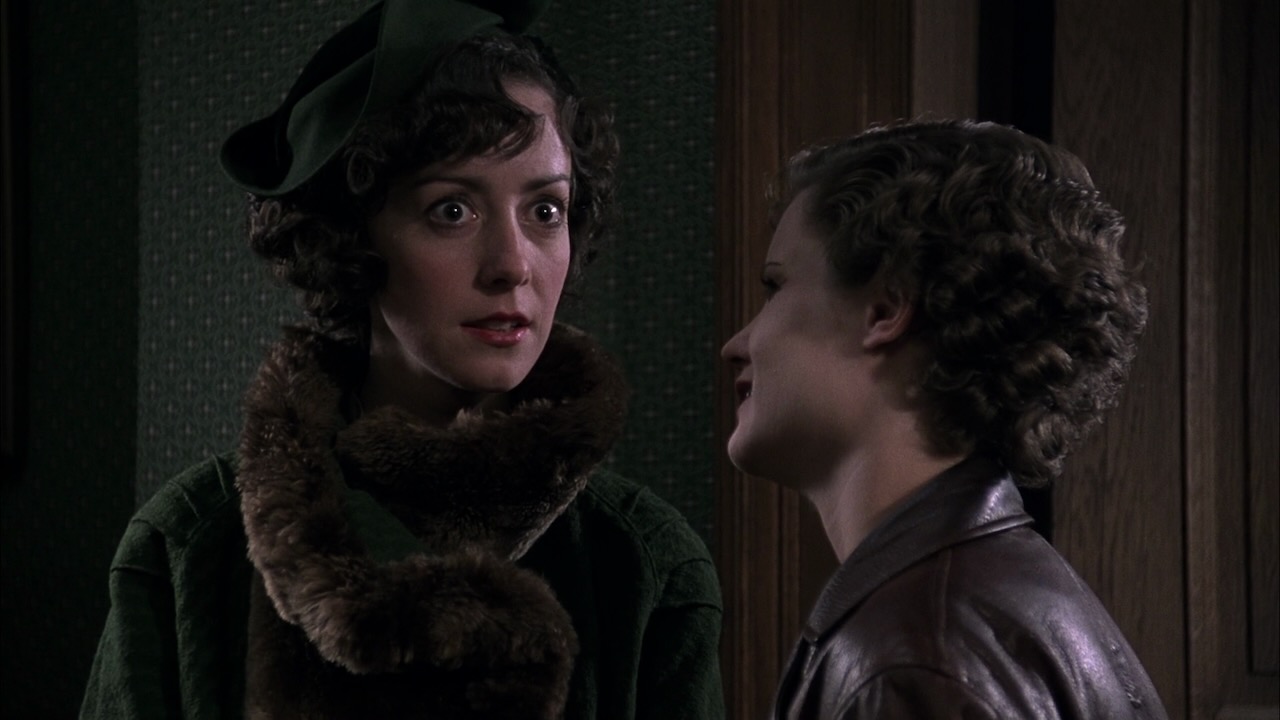
“Democrats: they’re whatever they’re paid to be.” I could take or leave the Belafonte plot with Dermot “Johnny” Mulroney or the election rigging plot with Steve “Johnny” Buscemi (another actor cribbed from the Coens’ period films), but greatly enjoyed hanging out with Leigh and Richardson, the stars of Cronenberg’s eXistenZ and Spider.

Jane Adams:

Christian McBride:


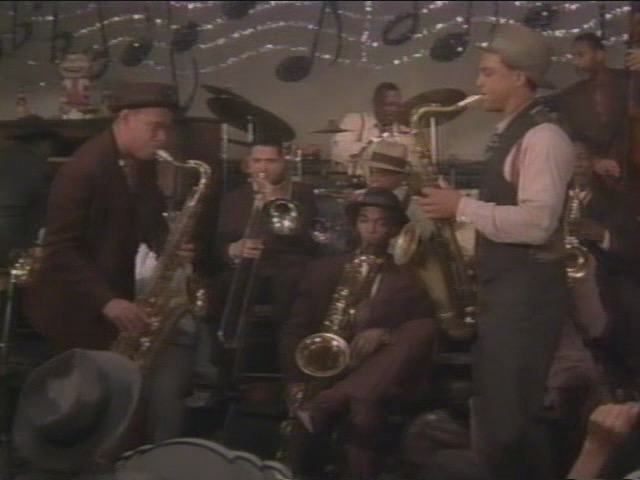
Jazz ’34

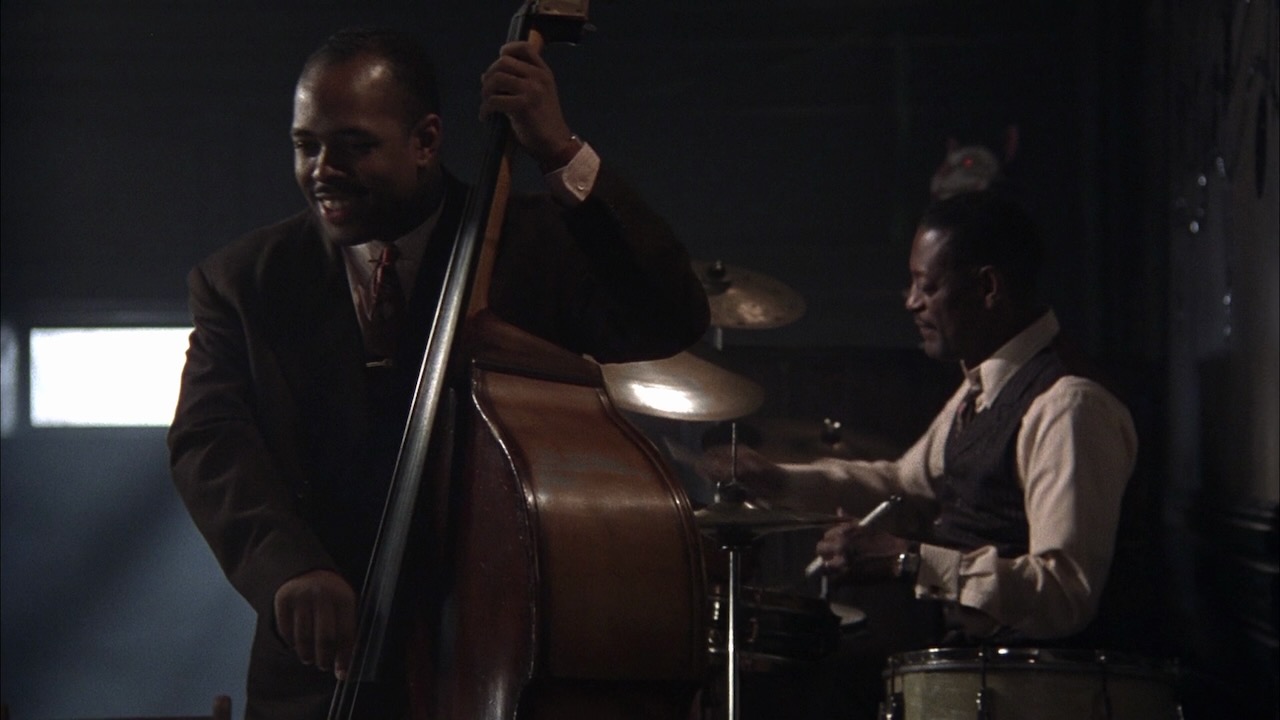
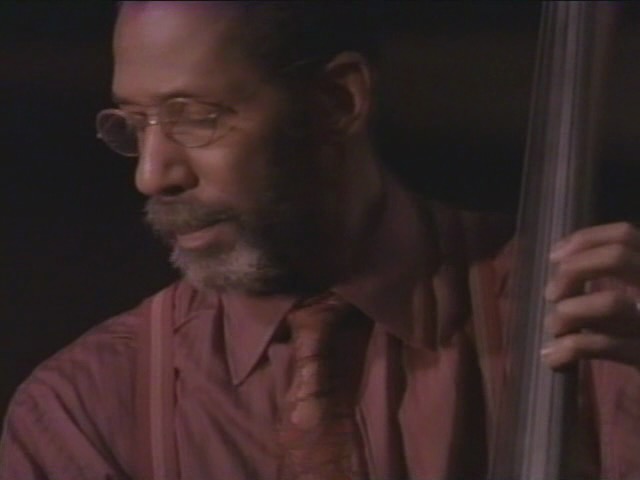
All the music performances from Belafonte’s club in Kansas City allowed to run at their full length, with multiple narrators giving context. Not exactly a rock doc, but not far off – 1990s jazz guys pretending to be 1930s jazz guys, but they’re actually playing the music, so it’s a concert film. It is popular to say that this movie is better than parent film, but only I have the bravery to say: they are both good.

Ron Carter:

Eclectic mix of good songs on the soundtrack, which is fortunate since we’re mostly following him tool around in his vespa and listening to music. It’s very False/True: half the movie is him/us just viewing the Italian scenery from the bike, but he finds time to stop for silliness (he gets insulted by Jennifer Beals, funny bit at Stromboli asking american tourists about soap opera developments). Moretti thinks he can literally coast through an entire feature on scenery, music and charm – and he’s right. Rosenbaum

Yukio (Bird People In China star Masahiro Motoki) is a doctor who detests poor people.

Rin (Ryo of Harmful Insect and Scabbard Samurai) is his wife, has lost her memory.

They sleep like this:

One day, the doctor’s fur-lined bloodshot-eyed doppelganger arrives and kills the doctor’s parents.

Then the doppelganger throws the doctor down a well.

He torments the doctor, reveals the truth about their parents and the wife, all the plotty drama less convincing than the excellent visuals and cool music.

A True/False Poto and Cabengo: twins were raised without ever being let out of the house or taught anything useful (such as language), then are set free by a social worker, who locks the dad into his own house until he agrees to cut it out. Outside, the sisters meet other kids their age, including a boy who fishes for girls with an apple on a string. Rosenbaum liked it.

Not sure if it was worth two whole hours just to see Ving Rhames revive I.B. Bangin’ (played by Paul Simon’s son, who exec-produced Pavements), but the movie also has other pleasures.

Mary Beth Hurt is the nurse who debriefs the patients, asking why they deserve help.
Hospital security guard Griss, who wears sunglasses and third-persons himself, has been in everything from Sankofa to the worst(?) Terminator sequel. The Wire‘s Kima and Omar get a minute of screen time each before they’re killed.

Cage and Arquette are both sleepwalking addicts, wearily observing the chaos of the city, until he takes decisive action by mercy-killing her life-supported dad. Cage’s haunting by a girl he couldn’t save is achieved by some Scorpion King-caliber CG face replacement. The dealer who gets fence-impaled was a Sunshine spaceman and the manic suicidal neighbor who Tom Sizemore maybe murders is pop star/NFL owner Marc Anthony.

Seven year-old Richie Beacon shot his dad then flew off the balcony, filmed in color news-reportage style, the picture stretched out horizontally.

Nancy Olson interrupts Dr. Graves, who then ingests pure, distilled sex-drive potion and becomes the leper sex killer, in 1950s b/w.

A thief goes to jail for the umpteenth time, meets old acquaintance Bolton. “I still could not take lightly the idea that people made love without me.”

Rosenbaum:

The most exciting moments in Poison are those that create a momentary confusion about which of Haynes’s three stories one happens to be watching — moments of vertigo during which two or more of the three stories seem to fuse (or, perhaps more to the point, “bleed” together).