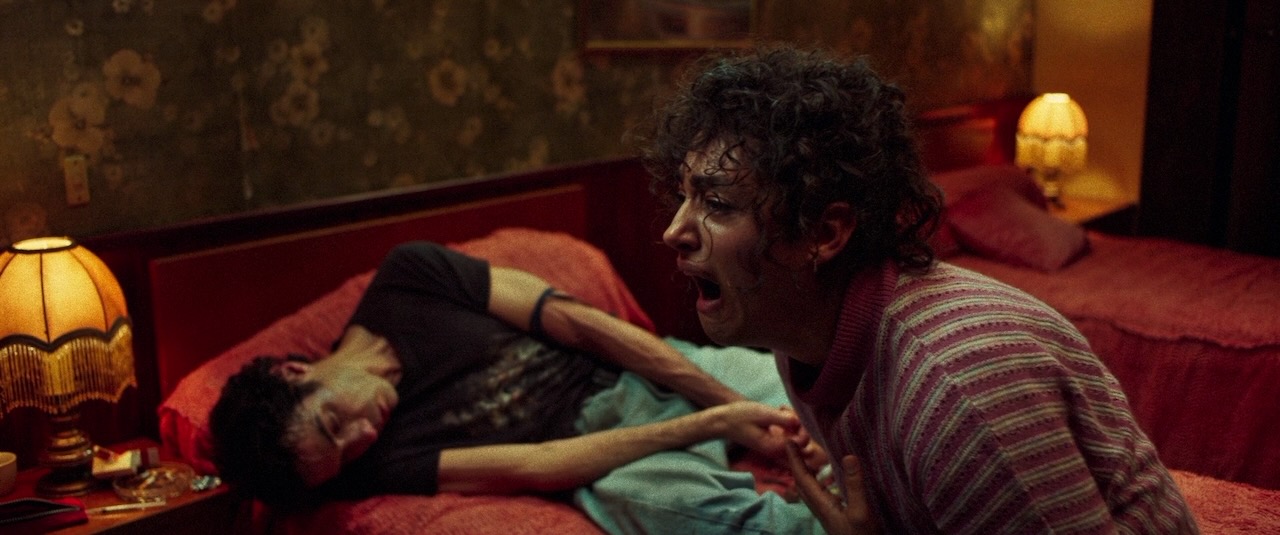
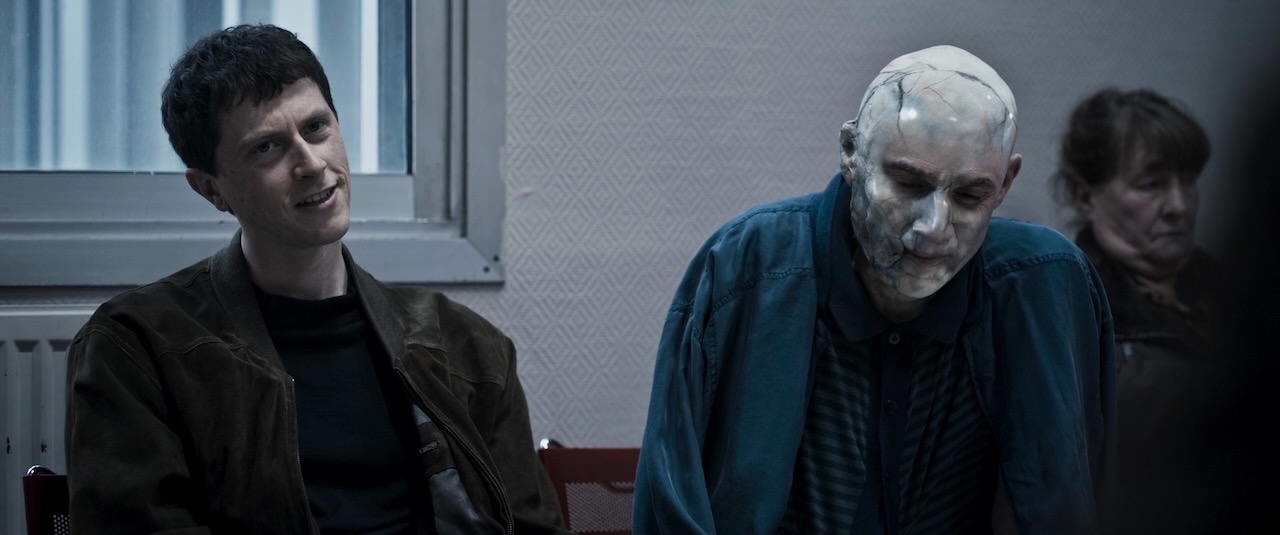
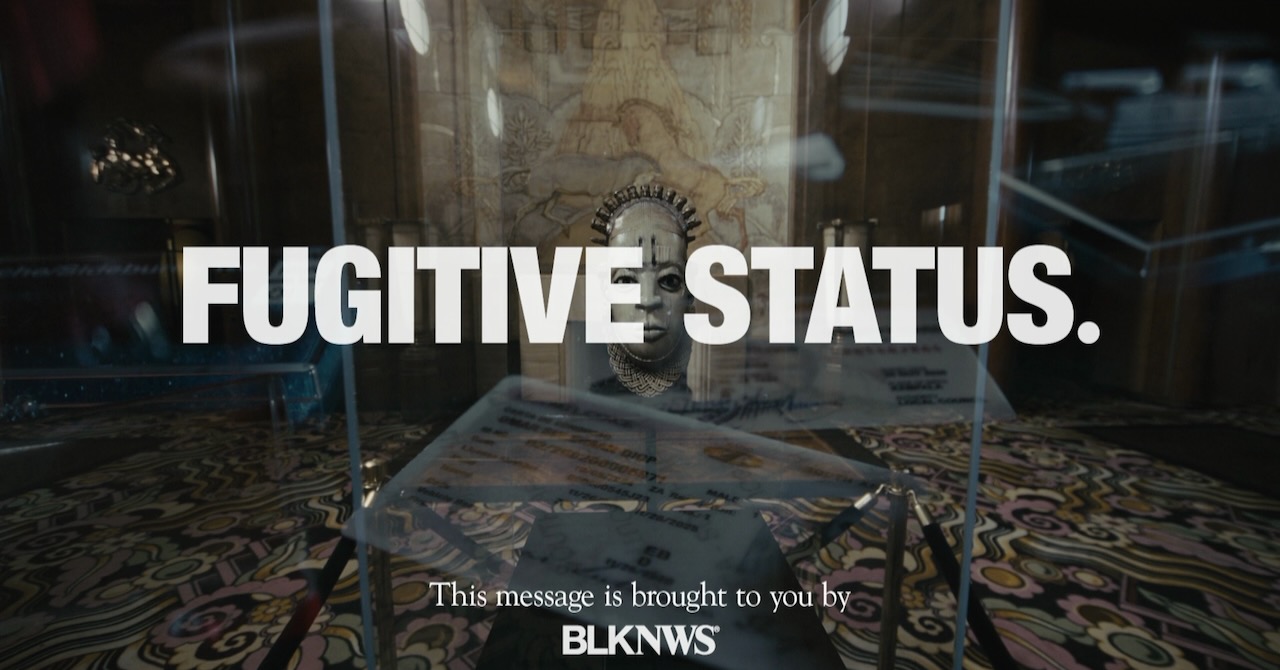
A daring thing to say in January but I’ll be surprised if we see a better pig sacrifice scene all year. Justin Chang compared this to Zama, but I dunno. This was less phantasmagorical, more of a bio/history pic than I wanted, and sitting up front at the digital screening felt like “TV in public.” Still some undeniable imagery here (with Serra’s DP, looking like Pacifiction) and Gael entering his Viggo era.

Lav in Slate:

It’s just one film for me—one whole thing. This is a continuing discourse. It’s all dealing with the suffering of other people, and not just particularly [that of] the Philippines.

I studied cinema as well, all the theories and everything. It’s very distracting, but it helps with discourse. Before you go into the process of filmmaking. It helps when you talk about the rigidness of Antonioni, the spirituality of Tarkovsky, and the humanism of Ozu. You mix all those perspectives and then just destroy them.

A ton of cool stuff here, absurd costumes and masks, a large variety of setups: scrims and screens, organics meet computer graphics – every song is the most bananas shit you’ve ever seen. Not my favorite arrangements of Bjork songs (woodwinds and beats) but I melted at “Hidden Place” a cappella with a whole school of choir kids. Icelandic film director capturing stage production by the great Lucrecia Martel.

Other arguably non-movies watched lately: Aparna Nancherla Hopeful Potato, and Demi Adejuyigbe Is Going to Do One Backflip, both excellent.

For our final movie of 2025, K wanted to watch a better doc than Predators and… we didn’t quite manage. Good badminton scenes, at least. Wife hires a consultant/confidante/spy who finds excuses to get alone time with husband and his mistress in order to (successfully) talk them out of their relationship.

We love when a documentary immerses us in a world of scumbags and creeps then offers no comforting answers, don’t we folks?

Mike D’Angelo:

Less enthused about Osit’s personal angle, largely because expecting a meaningful, peace-imbuing response to “Help me understand” seems painfully naïve … and the climactic Hansen interview’s kind of a bust, for more or less the same reason that Errol Morris got little of genuine interest from Donald Rumsfeld — his quarry came well-armed with practiced soundbites, and Hansen’s far better than Rumsfeld at making them sound sincere. (Maybe they even are, a little.)

Priest Josh Brolin, Gardener Thomas Haden Church, and Doctor Jeremy Renner conspire with Glenn Close to perform a miracle, but she kills them all, confounding disheveled priest Josh O’Connor until our guy Blanc figures it all out.

The bar with a hell theme has a Ricky Jay poster:

After Don’t Look Now and The Church, I’m on edge when there’s an artist on scaffolding in a movie. Pinocchio (the puppet) is a real horror, created in a drunken rage. Fascists insist that P go to school, but carnie Christoph Waltz wants to kidnap him into the circus instead.

When you are being puppeted by a monkey:

The technical “perfection” doesn’t work in the movie’s favor – it doesn’t look handmade, but composited. Feels like the voices are on one plane, visuals on another, and they are not in unison. At least Waltz (who cannot pronounce Italian names) is having a flamboyantly good time. And have I mentioned it’s a musical for children?

Have I mentioned Pinocchio is Jesus Christ:

When you meet Dragon Cate Blanchett in the afterlife:


Rudolph the Red-Nosed Reindeer (1964, Larry Roemer)

I had never seen this before, at least not in living memory. Mildly distressing to discover it has better songs, better voice acting, and better stop-motion than the Guillermo. Nobody ever talks about the team’s follow-up, a James Cagney Smokey the Bear movie.

Paula Beer is in a car crash, losing her family, in front of the house of a family who lost their daughter/sister, so she naturally falls in with them.

If I was properly caught up with my Petzolds I’ve have seen the mom in Yella and The State I Am In.

Babybel:

Regular family guy Josh O’Connor, haunted by his past life as an art thief in La Chimera, and in love with Arthur Dove, puts together a halfassed plan to steal four paintings from a local museum. All three of his accomplices turn on him (one drops out, one goes to the cops, and one goes to the mob, who re-steal the paintings), he borrows money from his parents that he can’t pay back, his wife is mad at him, the friends he’s staying with kick him out, he finally robs an old lady to afford a border crossing then gets randomly arrested while laying low in a protest march.

This has more of a commercial period genre feel than Reichardt’s other crime movies (Night Moves, First Cow, River of Grass) but with a pleasingly soft grainy look, and requisite time spent on important details (Josh laboriously negotiating a barn ladder while stashing the paintings). Rob Mazurek contributes the best score of the year.

Josh’s mom Hope Davis:

Robert Rubsam in Defector is really good.

The Mastermind is Reichardt’s third film in a row about a frustrated artist … These are lonesome characters, isolated by their means and their practice, persistently frustrated by the knowledge that they could accomplish something great, if only their true labor held any temporal or monetary value … Yet when it comes to his own heist, he’s more than happy to shunt the labor to his fuck-up friends, keeping his hands clean of criminal drudgery. You get the sense his career probably foundered long before the work dried up.

He seems infinitely more comfortable when stashing away the stolen goods than he does relating to his kids or pleading with his wife. Swaddled in the loving embrace of family and suburbia, he acts like a man living hand-to-mouth, creating new problems so that he — and the women in his life — can solve them. Like a cornered animal, he must do something, or die. It’s not so much a high-wire act as a slow ascent up a shaky ladder with no way to climb back down.