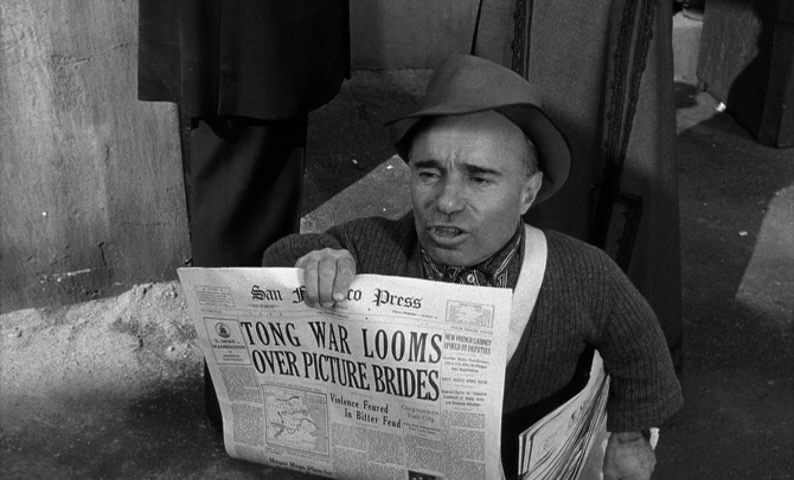
Watched this for its circular frames and I had an enjoyable time. The title is a translation quirk, the English-language equivalent of a notorious cheater, but movie is based on the novel I Did Not Kill My Husband which would’ve been catchier.

Mike D’Angelo compares it to the Zhang Yimou movies, and that checks out. Bingbing Fan (best known as a tax criminal, also 17th-billed in an X-Men movie) fake-divorces her husband as a real-estate scheme, and when he goes off with another woman instead of remarrying her, she pesters the government for decades (until his death) trying to get the fake-divorce reversed. By the end all the government officials are new people because she got their predecessors fired, and nobody knows how to stop this woman from causing a scene every year.

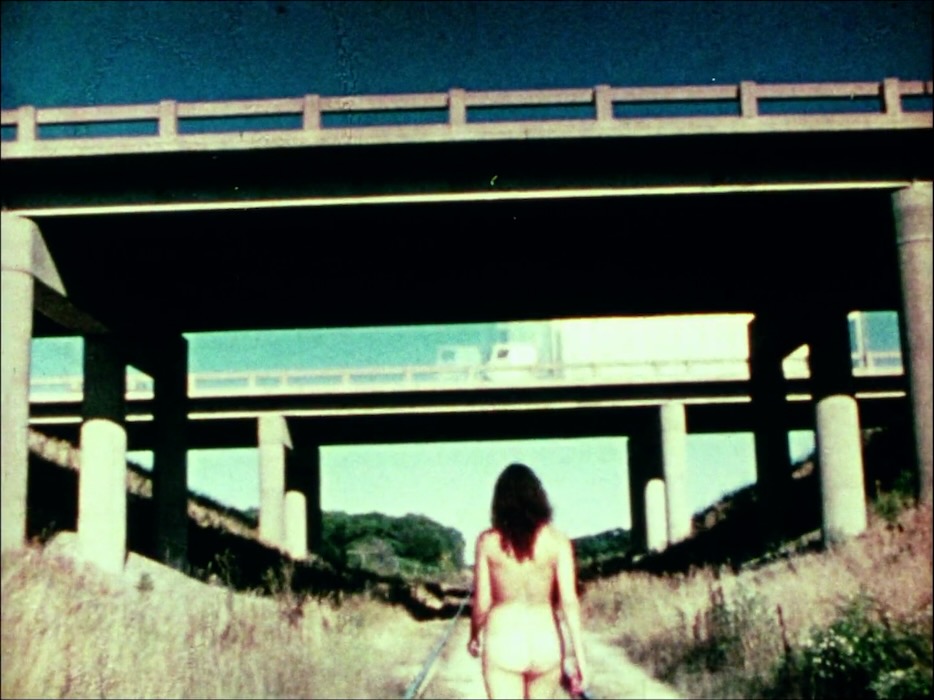
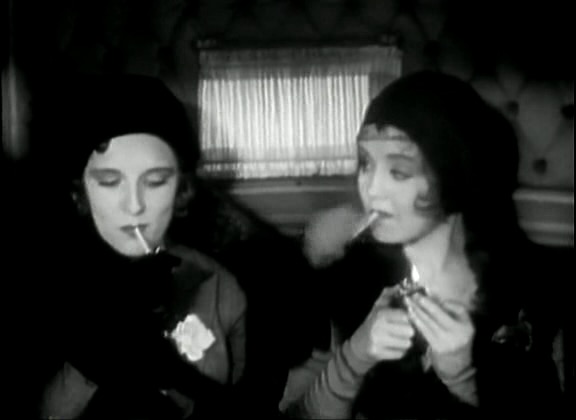
Beijing:

The Mayor was in Touch of Sin, her “cousin” Wang in Hidden Blade, seducer/traitor/rapist Datou was Andy’s rival cop in Blind Detective, and the court guy who hired the seducer starred in Cliff Walkers.

Another good downbeat movie about the last day on earth. Willem Dafoe very relatable on his last day: he complains about being allowed to sleep, he skypes some friends and when they start playing blues guitar he mutes them. Excellent scene with a delivery driver. Dafoe lives across from the old Essex Market location, over a Popeyes Chicken on Delancey Street. He fights with his ex, and his current girl (of Go Go Tales) freaks out. He sees his buddy Paul Hipp (Bad Channels) at a drug dealer’s apartment – there’s some last-minute grappling with drugs and sex and religion (all Ferrara hallmarks). I’m way behind on my Ferrara films – this came between some late-2000s documentaries and the 2014 Pasolini and Welcome to New York, none of which I’ve seen.

Al Gore whining about climate change, Willem Dafoe singing the blues:

When the world is ending and also your laptop battery is dying:

Before the world ends you should always check in with Natasha Lyonne:

Why did I have this listed as A Life Well Spent? Hangout doc with blues guitarist Mance Lipscomb. There’s a rock doc out there for everyone who ever picked up a guitar, and most are in the style of the Beatles or the Devo things, but we need more that are like this.

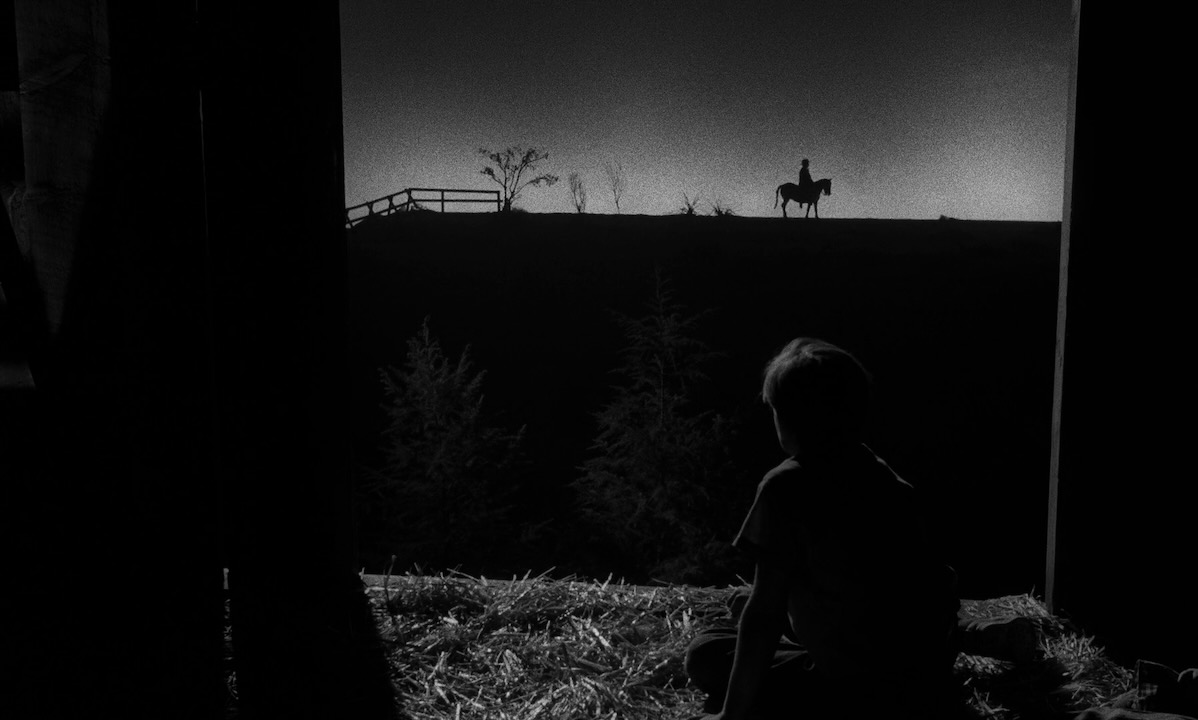
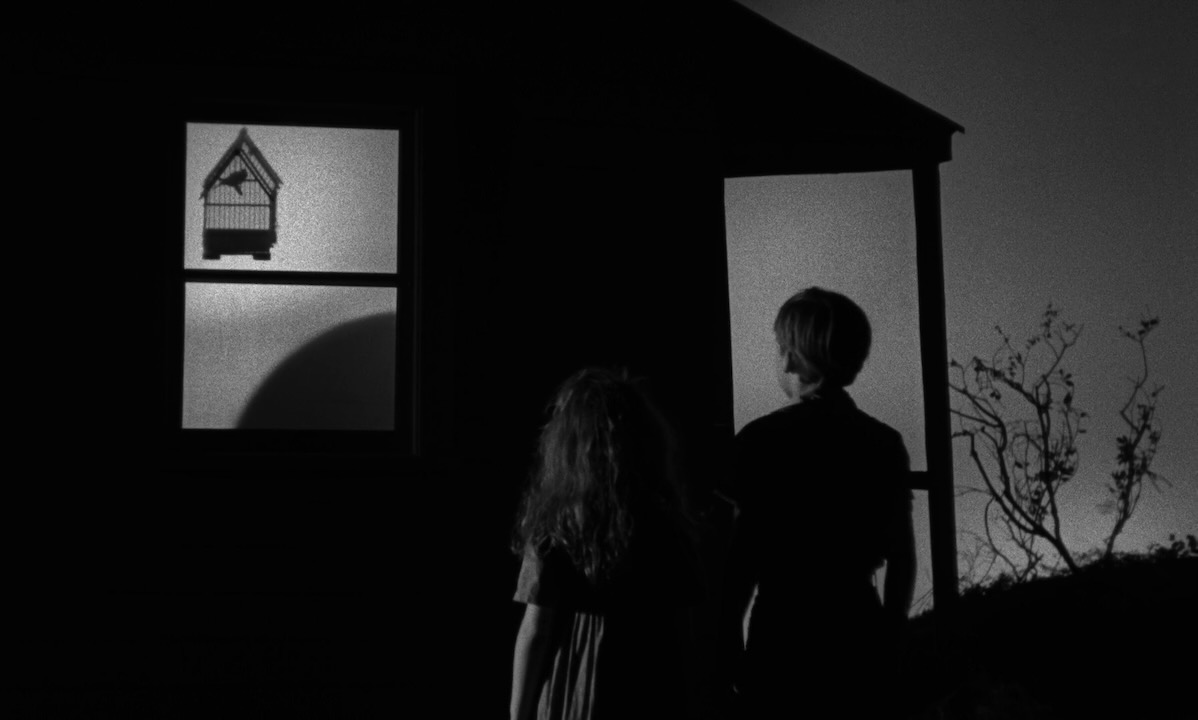
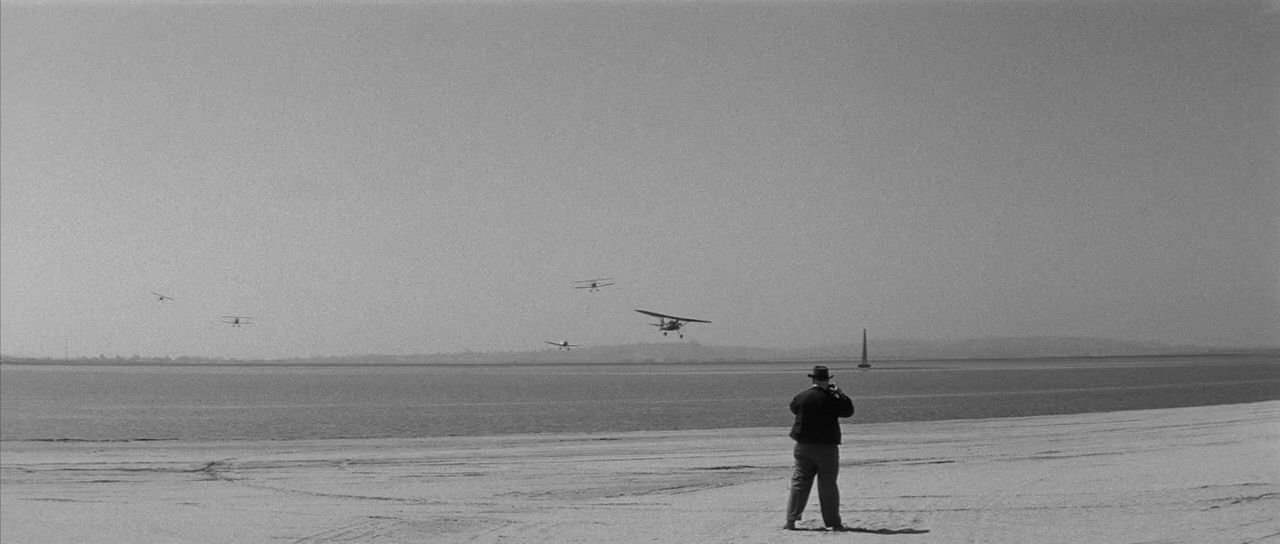
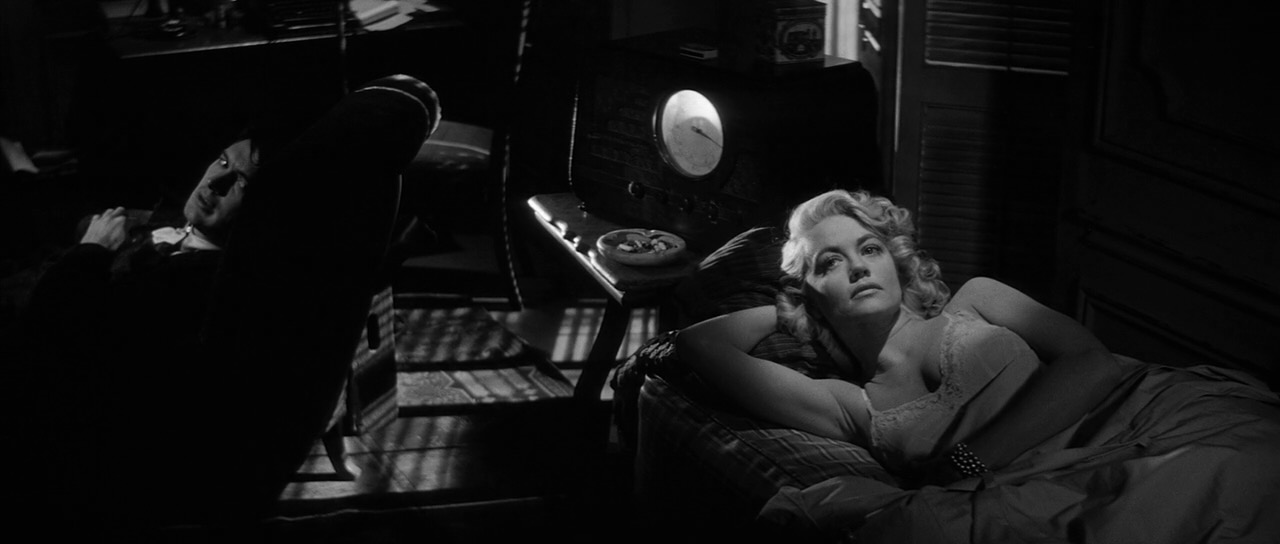
A couple years after earning his eyepatch, Walsh directed the first widescreen 70mm epic sound western, and gave John Wayne his first starring role. And it’s got title cards – I love title cards in a sound film. In the end it’s a bit awkward and overdone, but good effort.
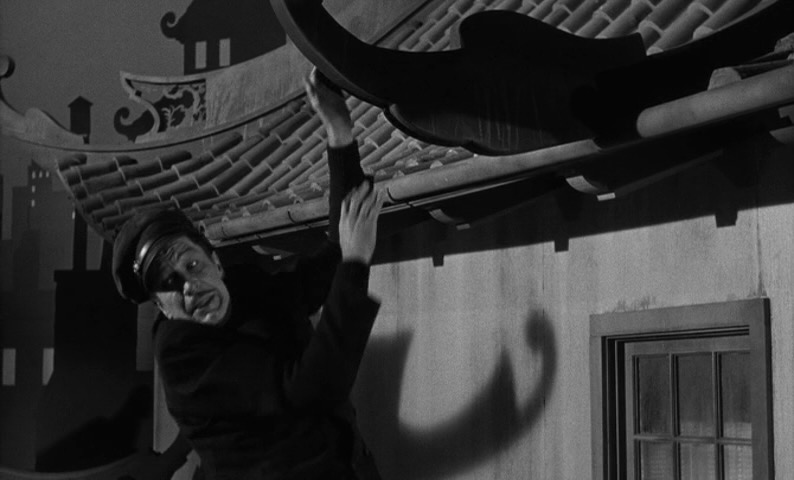
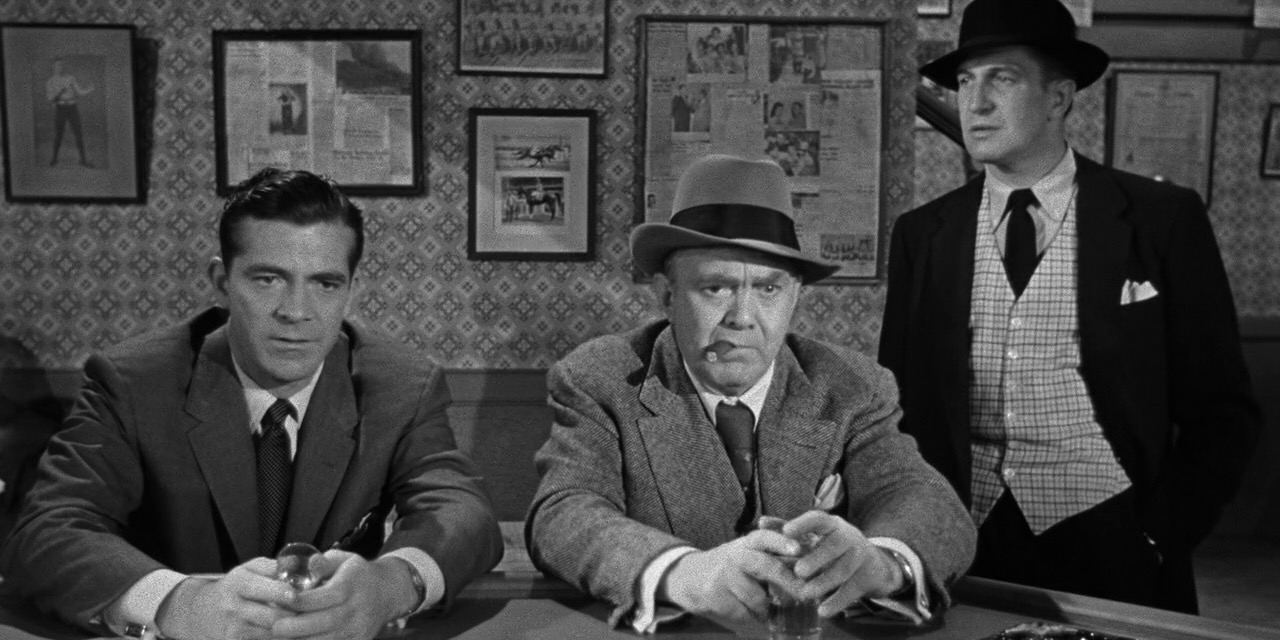
Villains:

Wayne is on the trail of ugly murderer Red, who’s about to lead a wagon train west. Wayne gets himself invited along, so Red hires an evil blackhat cheating gambler as protection. There’s a girl of course, better known from Dracula’s Daughter and The Walking Dead, and a fake Swede, who played fake Swedes all his life. Red is Tyrone Power’s dad, in his final role before a fatal heart attack. He and the gambler (of Queen Christina) keep trying to murder Wayne even though he’s friends with the Cheyenne and arranging peaceful passage through their territory. Finally, grizzled John Huston-looking Zeke (of The Cat & The Canary) shoots the gambler.

Watched this again on beautiful blu. The commetary points out all the political complications and contradictions in the thorny Indochina war where Fuller sets his yarn. Angie Dickinson (pre Rio Bravo) runs a mission with foreign legioners including sympathetic Nat King Cole and her less sympathetic baby-daddy Gene Barry. Excellent cast, including Captain Dubov of five other Fullers, and suave villain Lee Van Cleef.

Trains! Usually the tracks are at a wicked slant to the camera/landscape, the train going in different directions, taking up varying amounts of our field of vision. Couple seconds of black between shots, camera never moves, and trains are neither snakes nor funerals so he shoots in 4:3.

We hear train noise of course, and nearby nature sounds, a couple speeches (bible, american politics), a song, a baseball game on the radio. In addition to trains, we get good bridges, trees, buildings and cars, and of course Lakes and Skies. Sometimes the trains go on longer than seems realistic, once after much buildup we only get a railcar, and three times we get a special treat: multiple trains moving at once.

I’ve misplaced the Cinema Scope cover story, but we’ve always got Marshlands:

The surface pleasures here are ridiculous, occasionally hallucinatory, and the camera placement w/r/t what the trains conceal and reveal within the compositional duration makes my head hurt, jaw dropping stuff, choo choo motherfuckers this land is your land

Depressing movie about policing within a corrupt system. Slow-burn investigation by officer Cristi culminates in a half-hour meeting with his boss (star of The Whistlers), who insists that he either arrest a bunch of kids for drug violations or quit the force, pulling out a dictionary and being as pedantic as [__ ___ ____].
These Encounters of Theirs / Quei Loro Incontri (2006)

I’ve grappled with these guys before, trying to figure out their whole deal in previous posts. Think they stated in the Pedro Costa doc their moral grounds for cutting sound with picture with no attempt towards soundscape continuity, but I don’t remember the details. Today I’m here not to grapple, just to space out on the couch with a couple of their late works.

Familiar setup: some people (not actors, we’re told) are declaring/reciting dialogue, their performances engaging and alienating at once. This all brings to mind Denis Côté’s Social Hygiene in the staging. They pause strangely in the middle of sentences, and at the end of a scene they face each other in silence, having run out of lines, the wind blowing their clothes. Their words were written for Greek immortals by depressed communist Cesare Pavese in the 1940s. Played in competition in Venice alongside eleven others I’ve seen – what a year.

Neil Bahadur gets it:

Huillet once said about Straub, “Jean-Marie is always looking for paintings.” Perhaps they wanted to show us that the world itself is a painting, a moving one, always alive. Here is a film about the beauty that the world is capable of, not just by humans, but by the shapes and patterns that sunlight makes when it passes through the leaves and the branches of a tree. The world is so beautiful, so ephemeral that even the gods wish to become mortal. We humans don’t know what we’re missing.


Itinerary of Jean Bricard (2008)

First we motorboat around Coton Island a couple times, looking at wintry trees in 4:3 b/w. I assumed this was to demonstrate the size of the island (small enough to circle twice in 15 minutes) but Bahadur sees impressionism, abstraction, a tribute to Cezanne. Then onto land while the titular narrator tells stories of the area’s nazi occupation and beyond. Jake Cole: “He also talks of postwar projects that have dramatically affected the entire ecology and terrain of the area, which further complicates the tranquil images. Left hanging in the air unspoken is the notion that, to the land, the French are every bit the ruinous occupiers that the Germans were.”