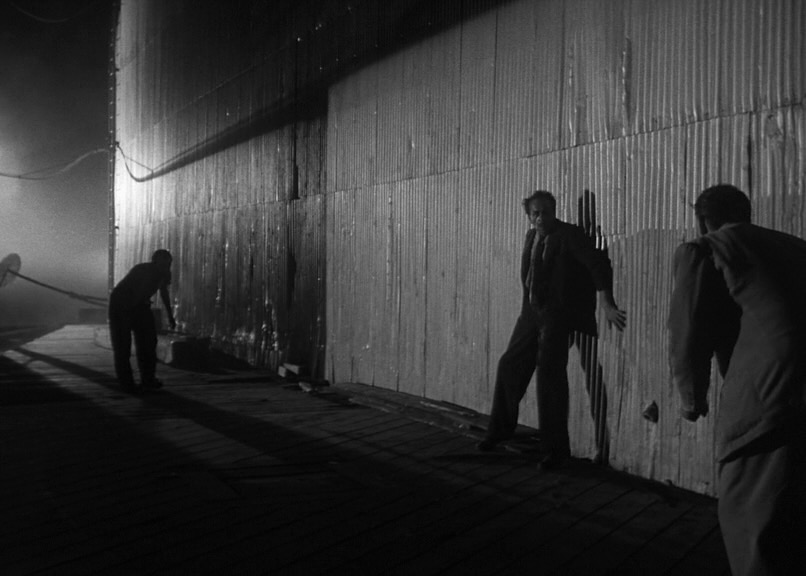
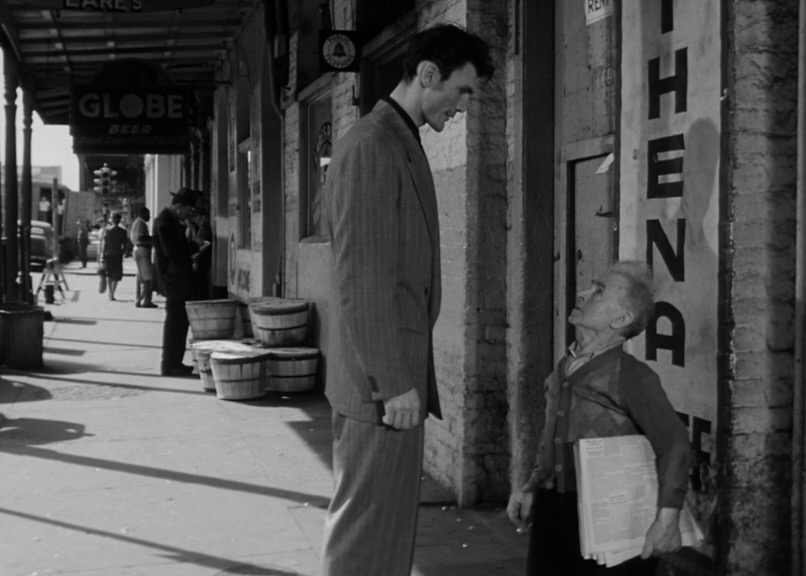
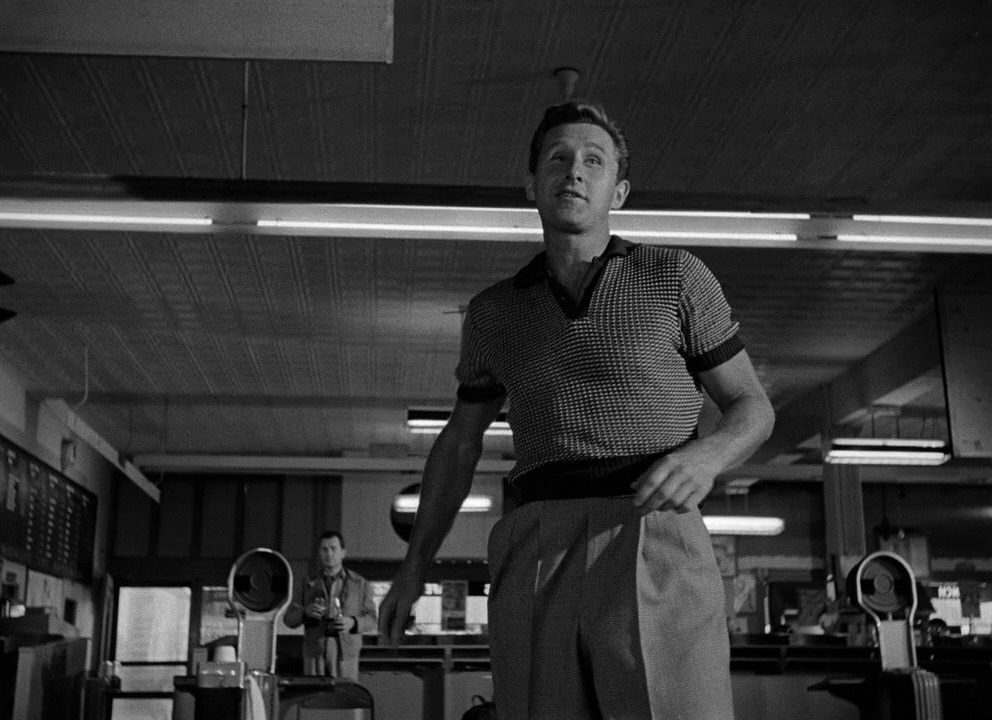
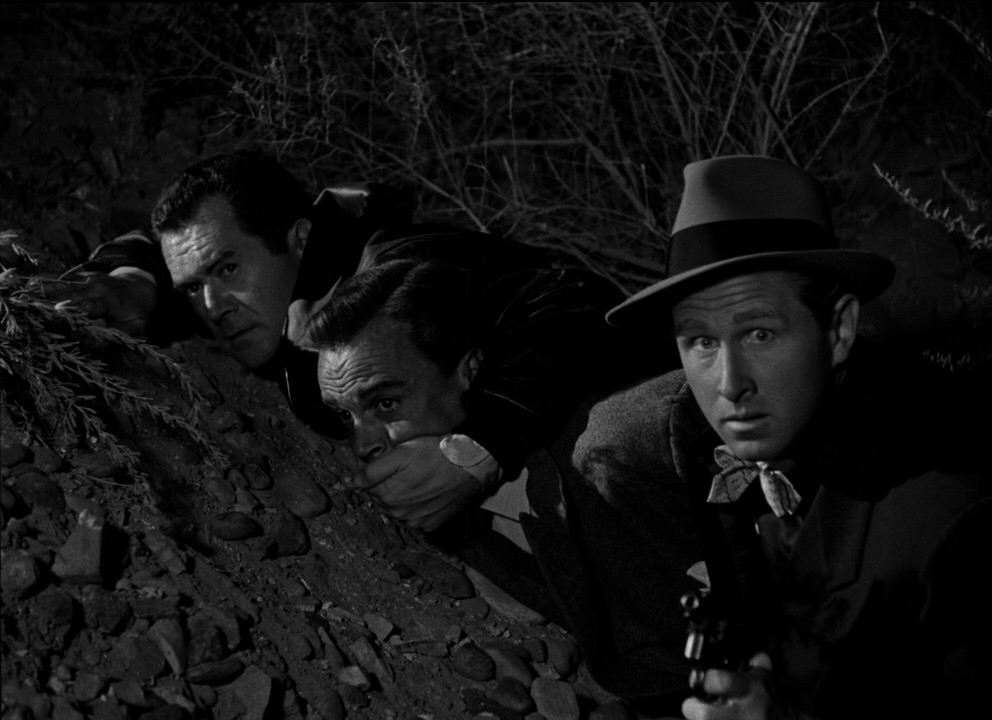
Ultimately a sappy social-issues message movie, worse than My Son John, ending up with an angry mob of college hunks assaulting the precinct. Everyone in this town should be in jail. But it had a promising enough beginning, when broke idiot Frank Lovejoy (played cops in House of Wax and In a Lonely Place) meets high-pantsed wealthy showoff Lloyd Bridges at a bowling alley and gets hired to drive for robberies.
Robberies are working out fine, so they try kidnapping a kid with a rich dad, but Lloyd kills the hostage. Of course Frank has been lying to the wife (Kathleen Ryan, still attracted to heist men after Odd Man Out), but he starts drinking heavily to kill his conscience, the movie blurring accordingly, then drunkenly gives up the plot to his new girlfriend. Per Rosenbaum, the last of Cy Endfield’s movies to be released before he fled the country because of the anti-commie goon squad.
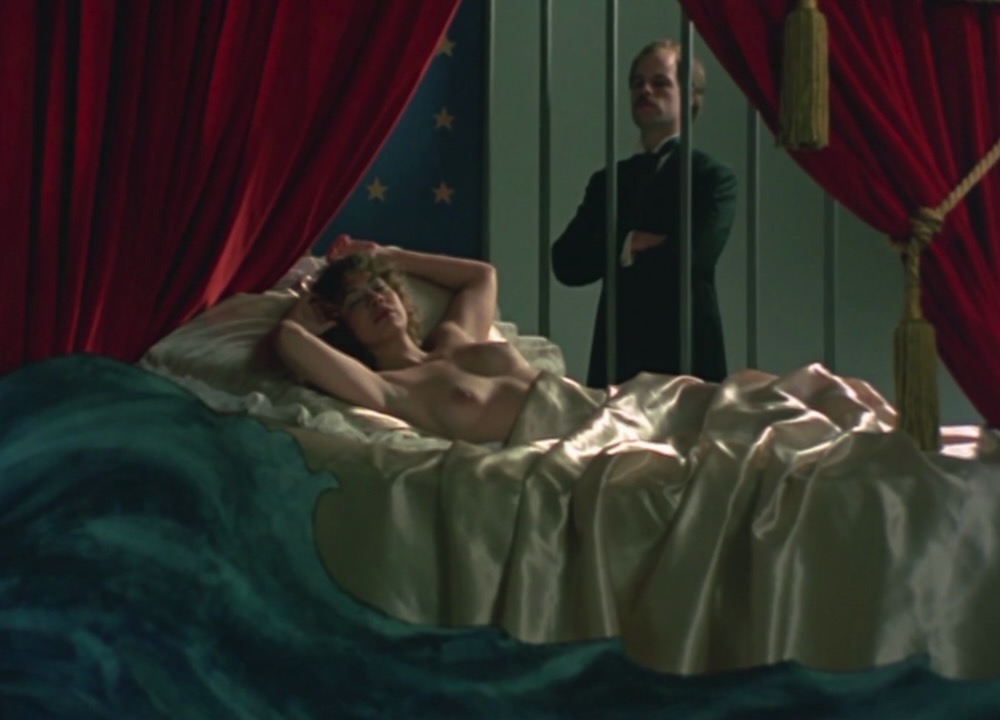
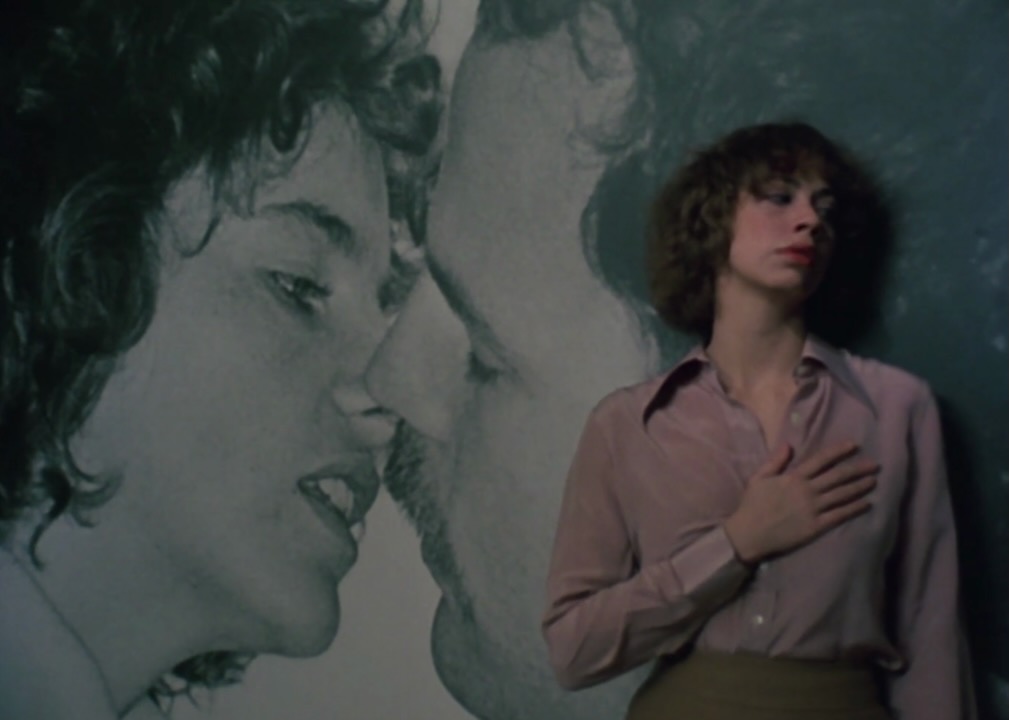
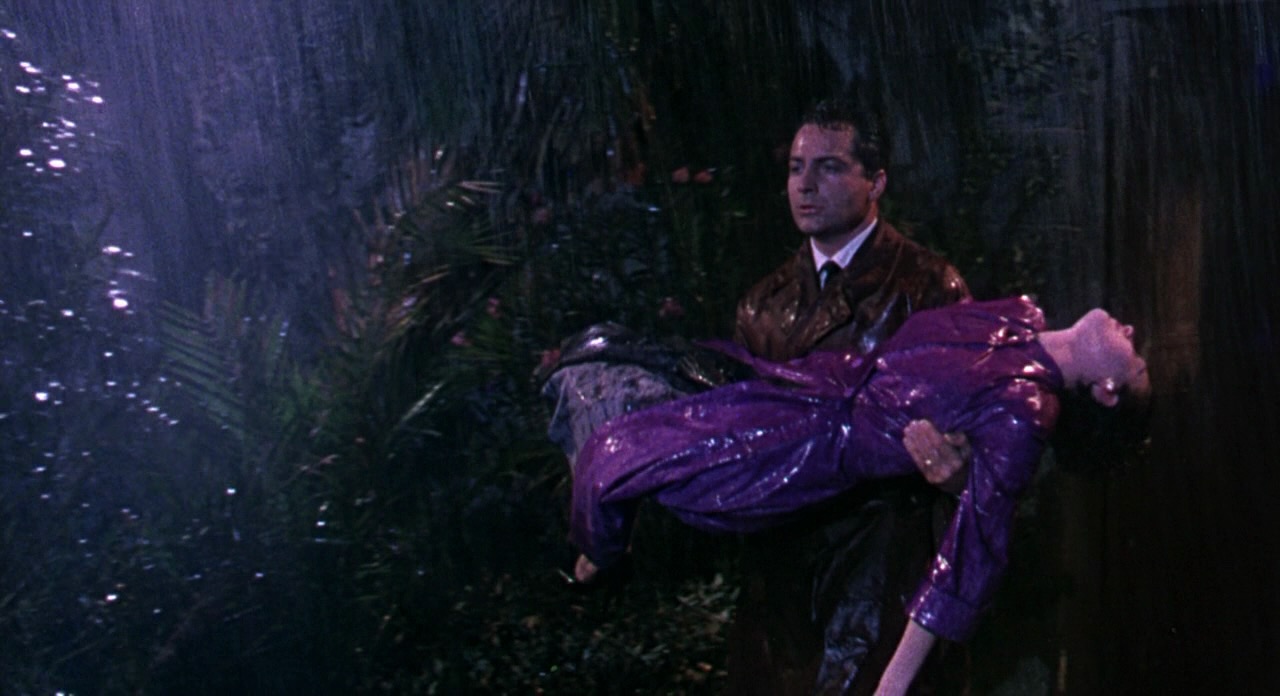
Dry Detached Experimental Arthouse Cinema but with a bit of dramatic heat, via heightened music, color, poses.

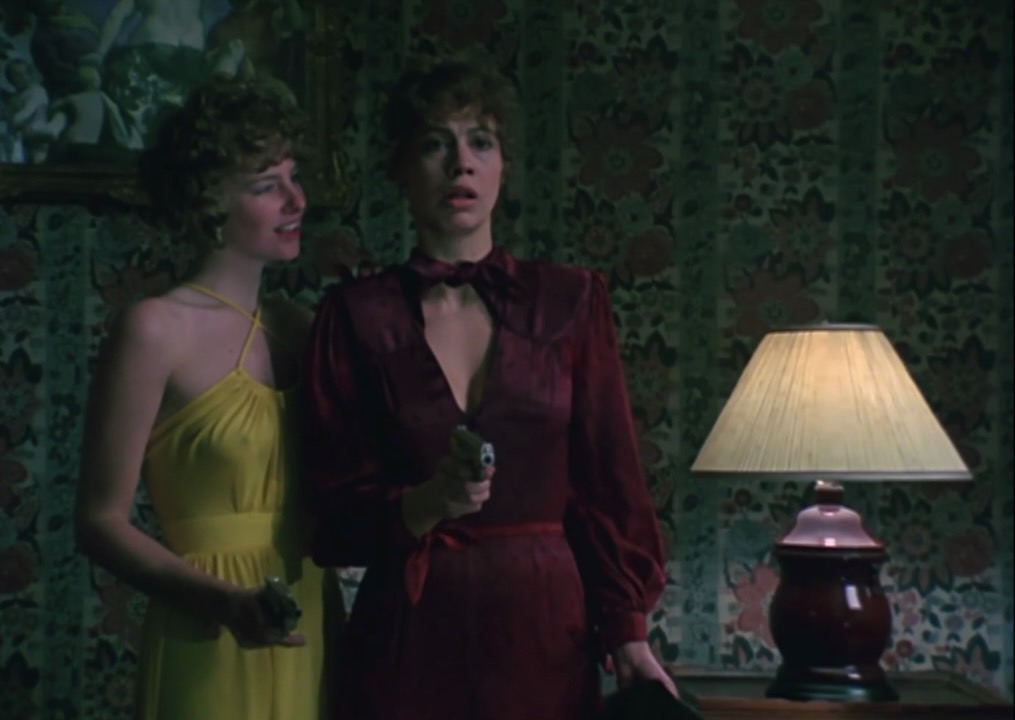
Estelle narrates from her notebooks. “I pretended I was malleable… I know it’ll happen again.” Her troublesome sister comes to stay, and they juggle two men between them – mostly Mustache Paul but also Estelle’s ex Jack, counting down until at least one of these men gets murdered.

They seem to have no life or interests besides men and each other. They all disco dance in the living room, because it is 1978. Eventually Paul tries to sister-swap, creeping into Estelle’s bed, not having listened to the backstory to realize this is how you get stabbed.

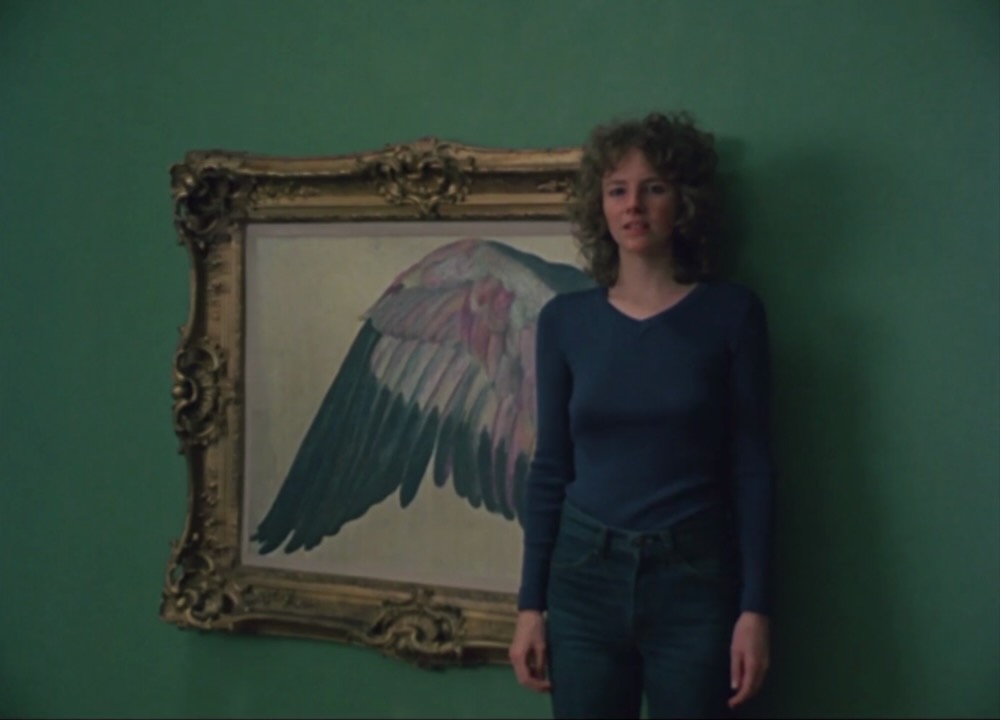
Mostly the movie isn’t a straight narrative but a Ruizian carousel of framing games. The DP has range, shot this and Girlfriends, Q: The Winged Serpent, The Dead, and Freddy vs. Jason. Mustache Paul is better known as a writer of Meet Joe Black.

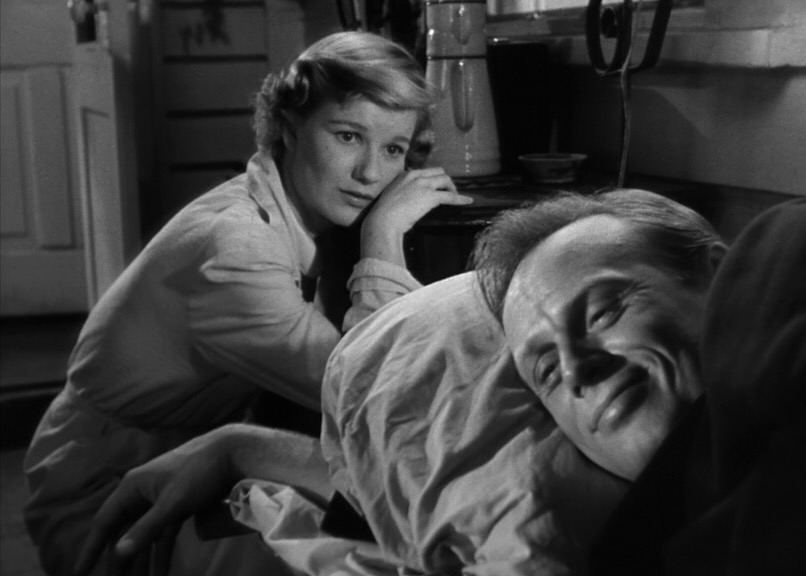
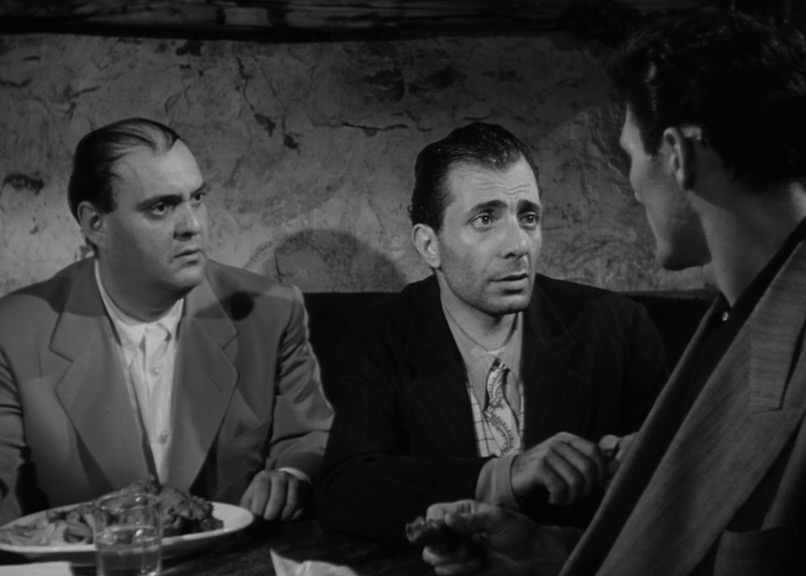
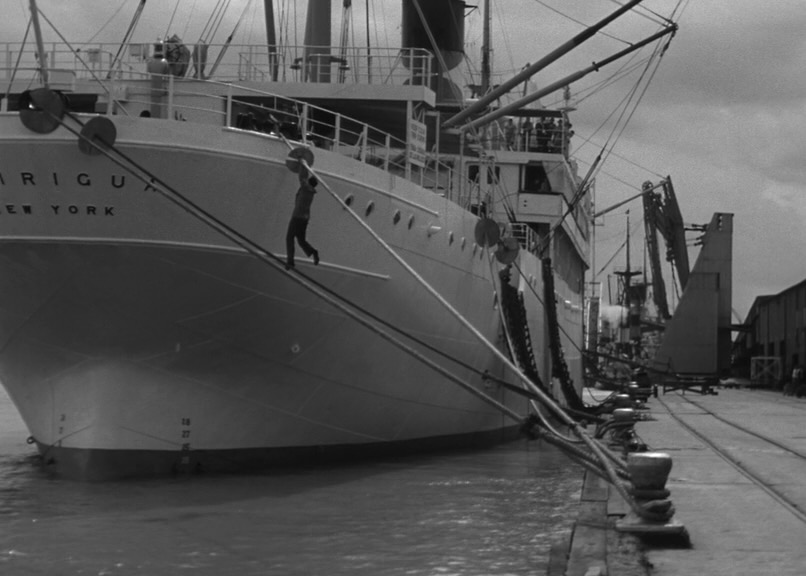
Another 1950s movie about an underpaid, overworked guy who neglects his wife in favor of his job. This time instead of a newspaper man, he’s a US health guy trying to save the country from a deadly outbreak, slightly more excusable. Our guy is Richard Widmark (same year as Night and the City and No Way Out) and the wife is Midge from Vertigo… he’s neglecting Midge! So, it’s back to being inexcusable.

Murderer Jack Palance (in his sharp-faced debut) isn’t about to let himself get caught, and he’ll throw any obstacle or friend under the bus to escape from the cops assisting the health guy, not realizing (or giving two shits) that the immigrant he knocked off was patient zero. I’m surprised his whiney friend Zero Mostel makes it all the way to the end. Their other friend Tommy Cook (American Guerrilla in the Philippines the same year), sick on a stretcher, gets hurled down the stairs as a diversion. Meanwhile, Widmark tries to convince any of the locals to help but everyone is uncooperative.

In the end, Jack Palance is defeated by a baffle on a rope, exactly the same way I stop squirrels from getting to my bird feeder.

My main takeaway is that I don’t see Richard Widmark often enough, and I could easily program a Richard Widmonth with ten good movies I haven’t seen before:
1947 Kiss of Death
1948 Road House
1948 Street With No Name
1950 No Way Out
1952 Don’t Bother to Knock
1955 The Cobweb
1961 Two Rode Together
1961 Judgement at Nuremberg
1964 Cheyenne Autumn
1968 Madigan

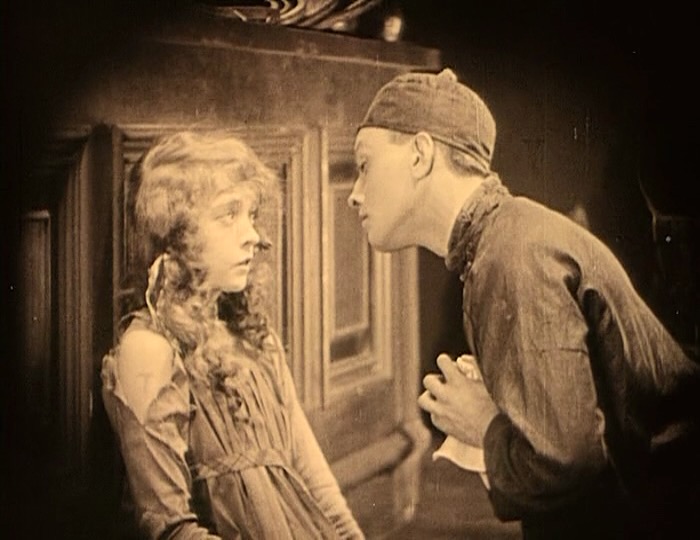
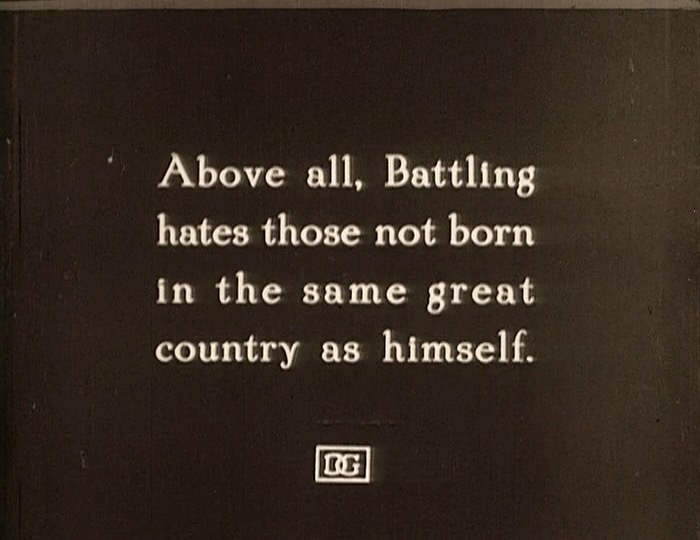
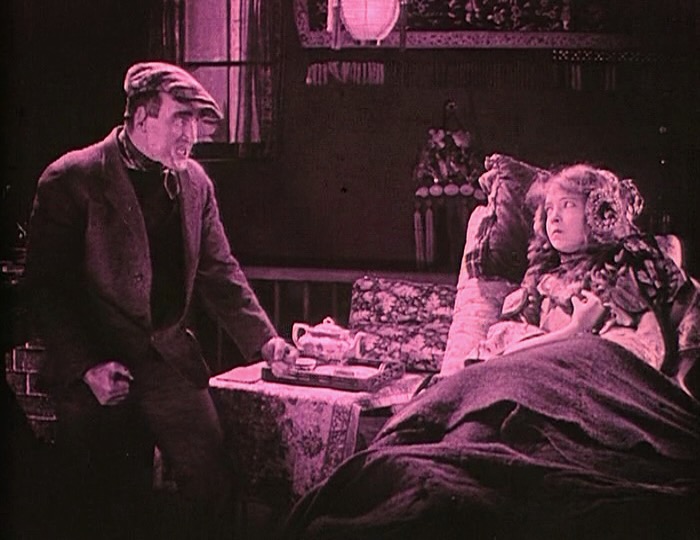
Local boxer beats his wife until she runs into the arms of an adoring Chinese shopkeeper. Multiple gossipy spies get involved, jealousy ensues, everyone dies. Nice story but the titles doing too much heavy lifting; they hadn’t invented cinematography yet.

Lillian Gish (who I just watched yesterday in Night of the Hunter) lives a dismal life here. A weak tree with branches for no birds, good for nothin’ in this old world, I spent half of the movie thinking she should jump into the river. Battling Donald Crisp would also be third-billed in a 1955 movie, as the ranch owner of The Man From Laramie. Fake Chinese Guy is Bat, the guy everyone hates in Only Angels Have Wings.

the famously anti-racist DW Griffith:

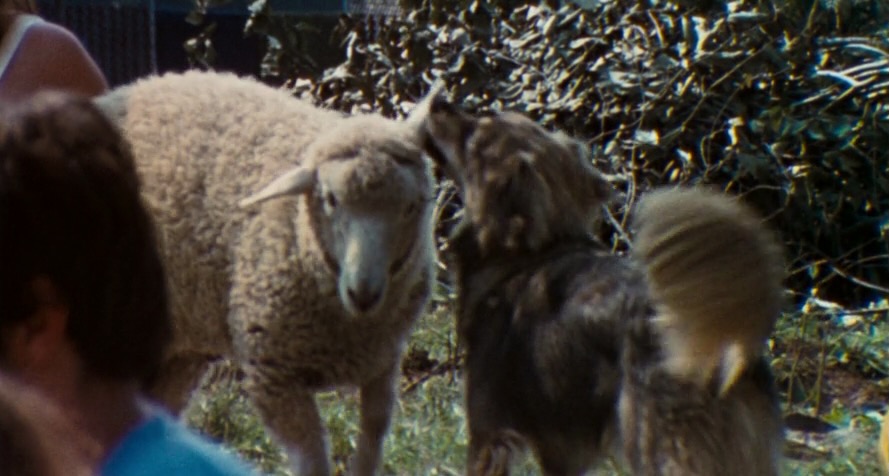
Real animals in this one, and oh that cyclops design, that makes up for a lot. And there’s a lot to make up for: three hours of battle scenes and whinging about the downfall of respectful society. Bunch of excellent actors and the Nolan bombast and the seat-rattling IMAX beat us into submission. MVPs: Cyclops, Travis Scott, the murderous giants, Elliot Page, Leguizamo, Pattinson, Agamemnon’s armor, Samantha Morton, the raven.

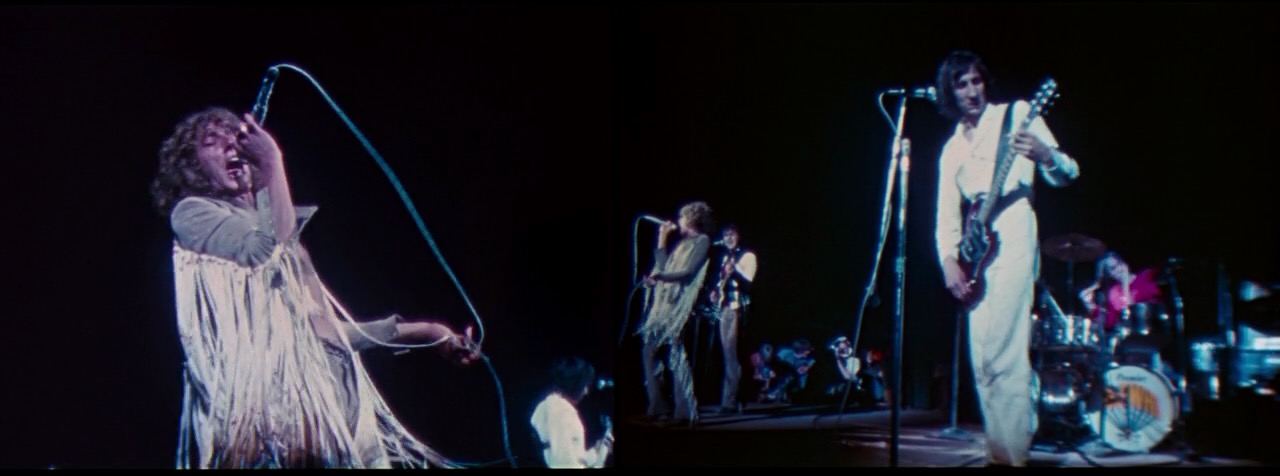
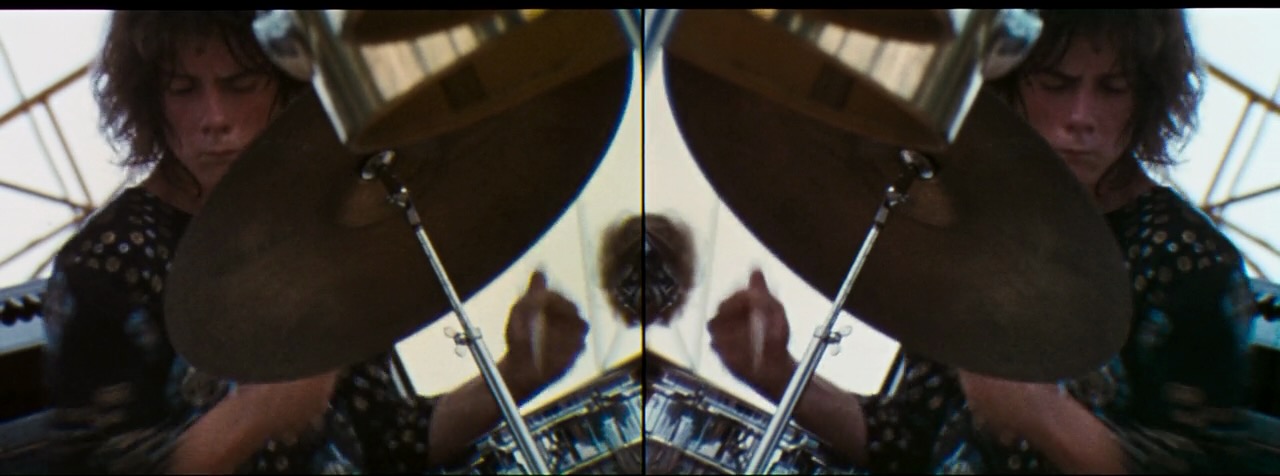
Long doc, full of split-screens to fit as much rock action into the widescreen frame as possible, and still manages to miss major events (Creedence) in favor of a portrait of the guy who cleans the toilets (a highlight) and reporters hounding the fest organizer over whether the fest is losing money. With 30+ hours of music recorded that weekend plus all the interviews and split-screens, this event would be a prime candidate for the Eno treatment.

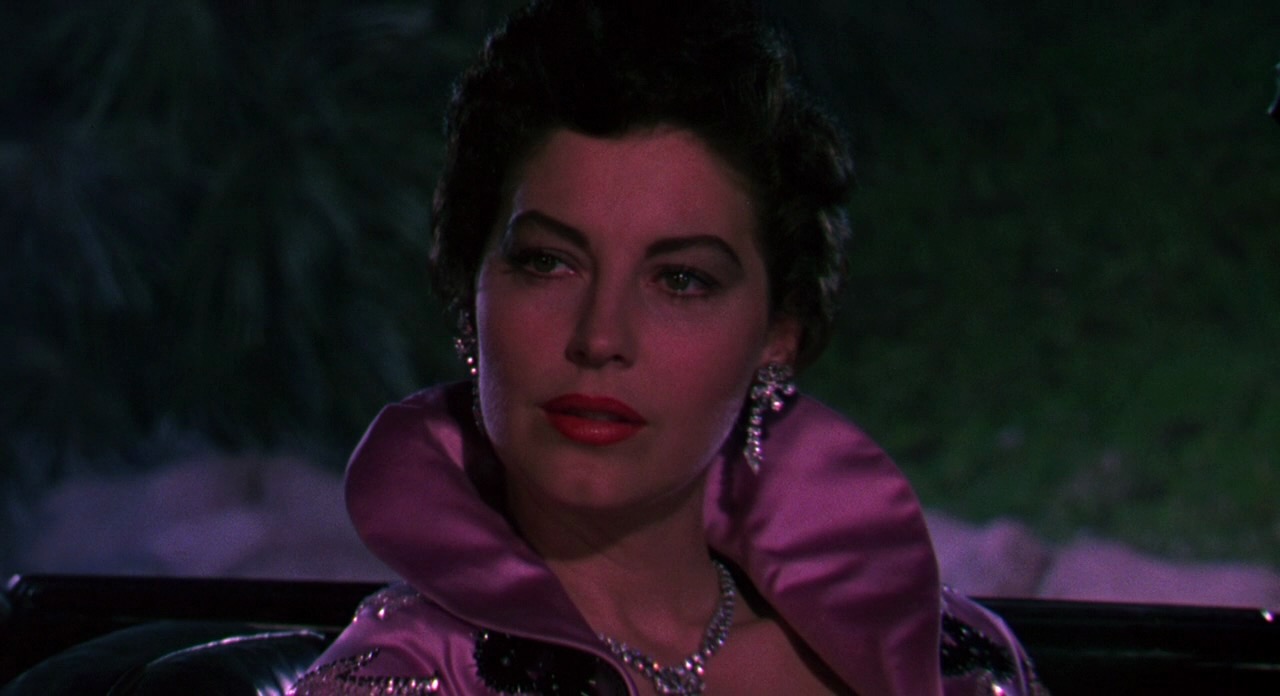
Four years after Sunset Boulevard, a movie that opens with the death of someone in the movie business then rewinds to show us the backstory. Our tragic contessa is Spanish Ava Gardner, last seen in the similarly-technicolored Pandora and the Flying Dutchman. It’s not a deal killer for a Hollywood movie but her Spanish is not good – what’s more important is she can speak English with a Spanish accent.

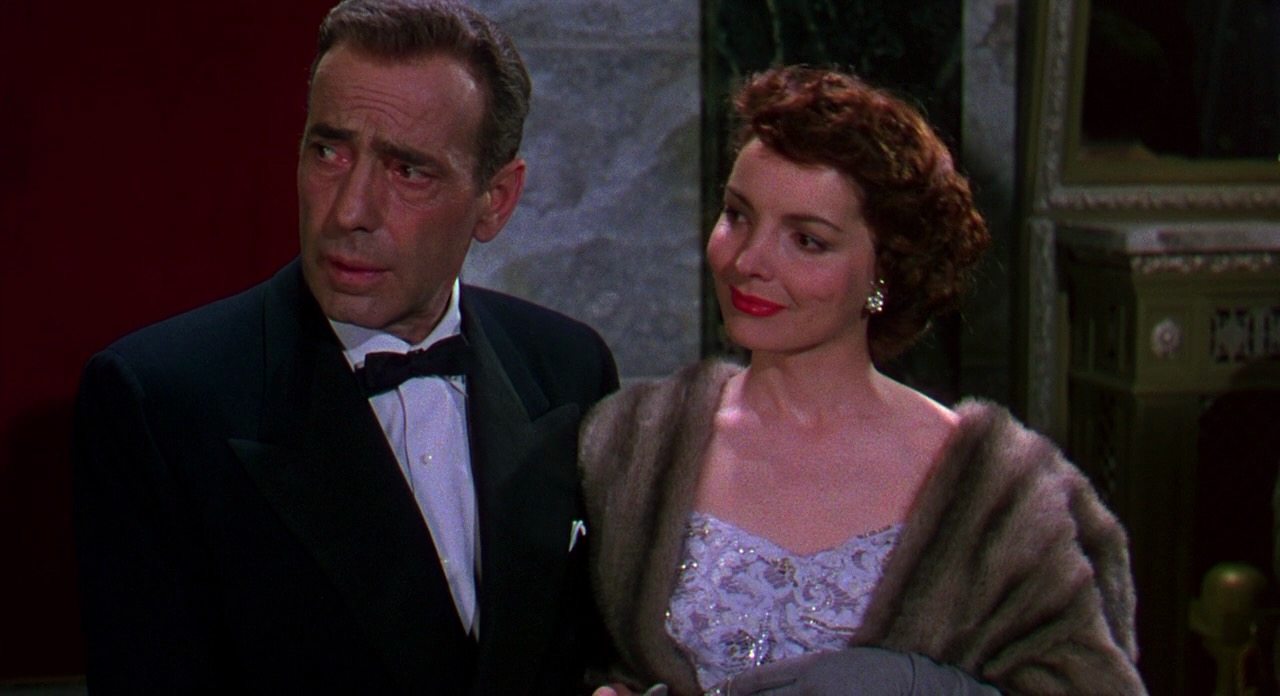
The guy who pulled Ava from her unhappy home (her father later murders her abusive mother) is filmmaker Humphrey Bogart, who then introduces us to his gang: rich bully Kirk (Forbidden Planet), lady Myrna (Summertime), and PR guy Fats Murdoch. These movie business guys talk about the movie business too much – so much dialogue and narration in this movie it’s like an audiobook. Fats won an oscar because all the guys from On The Waterfront split the vote, and the writing won an oscar because there’s so very much of it.

Looking good, Bogart:

Bogart and Ava get involved in different romances (not with each other). She finally finds true love with an Italian guy, but after they marry he gives her an army document explaining that his dick was blown off in WWII. She thinks it will be a wonderful surprise to her tormented husband if she gets pregnant by another guy, instead he shoots her dead.

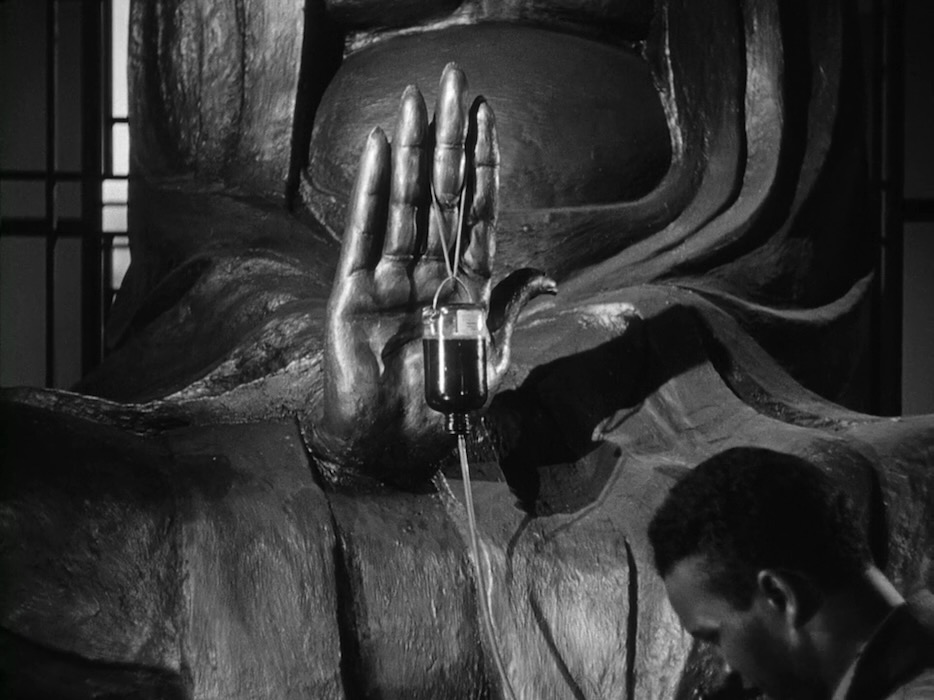
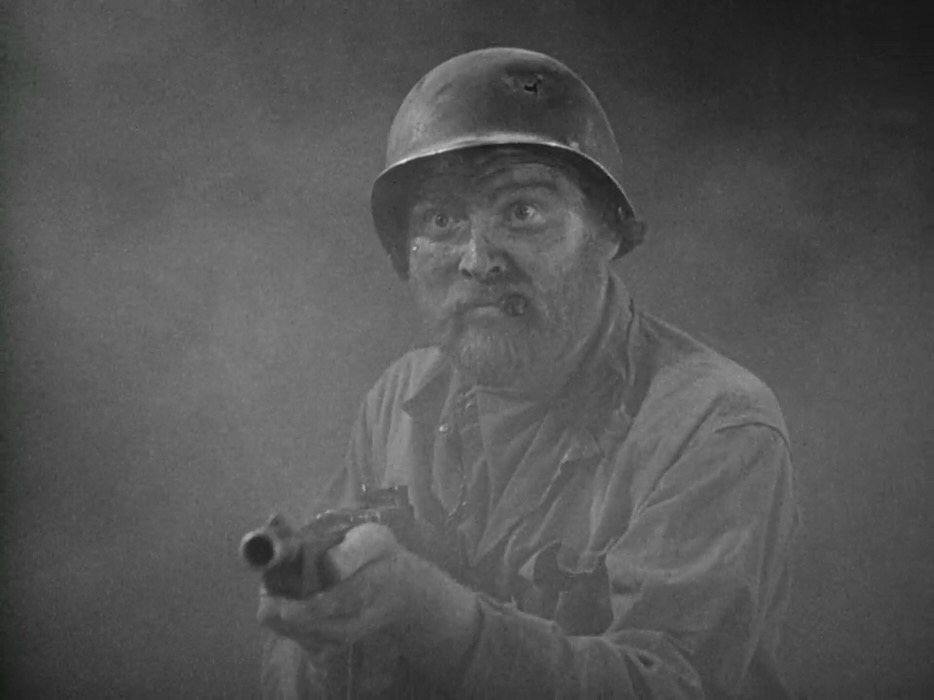
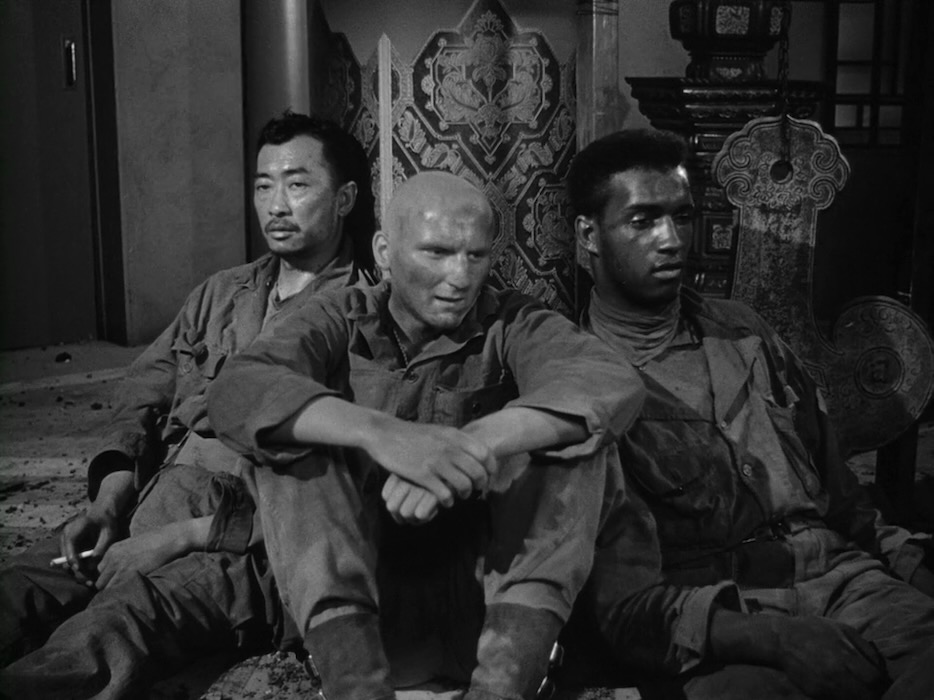
Fuller’s first great war movie. Fellow WWII vet Gene Evans plays a cigar-chompin’ slang-throwin’ tough guy, picking up a South Korean kid and a stray medic before linking up with a troop with an undercooked commanding officer. The men die off one at a time to traps and snipers and spies, then they die all at once during an all-out shooting battle at the temple where they’re camping.

Medic James Edwards is resourceful:

Our tough guy, through the clearing smoke:

Survivors:

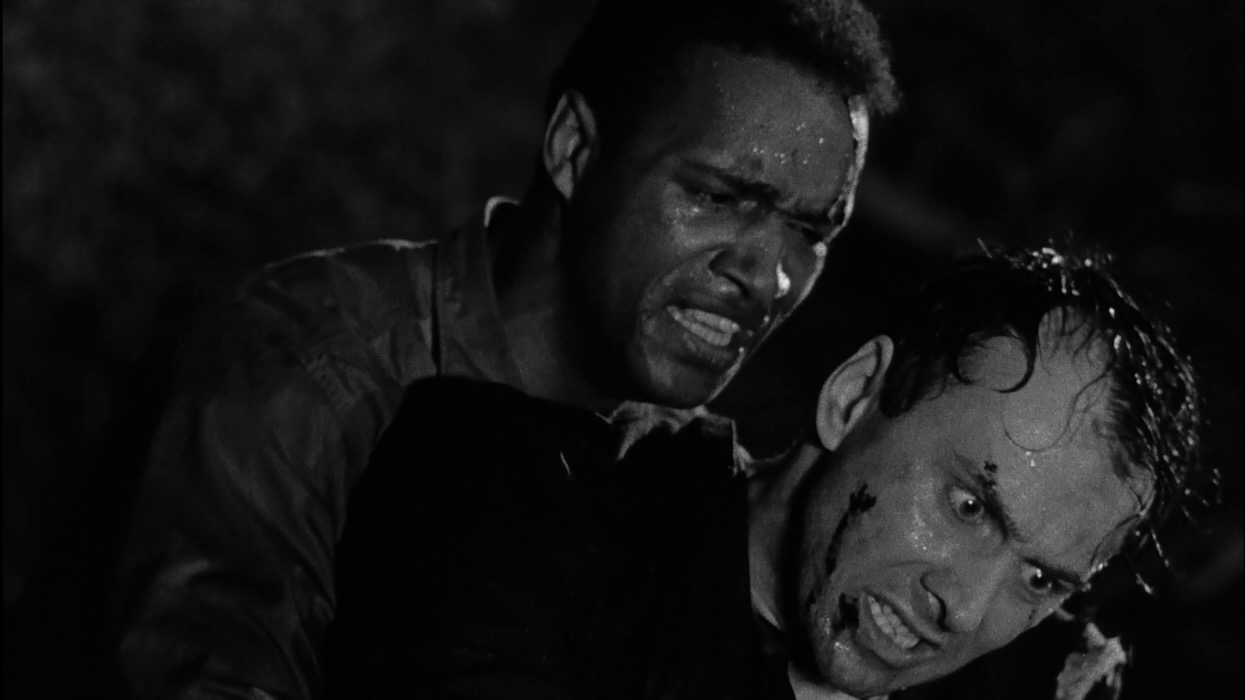
Opens with convincingly real and unrehearsed news interviews, which they empasize are real and unrehearsed, but is the interview guy not aware that he’ll be in a movie? Why’s he gotta be so dry? From this drab beginning, the movie gets increasingly brutal, as the local casino runs a terror campaign against the voters, press, and church.

Edwards stops John from killing a casino boss, too bad:

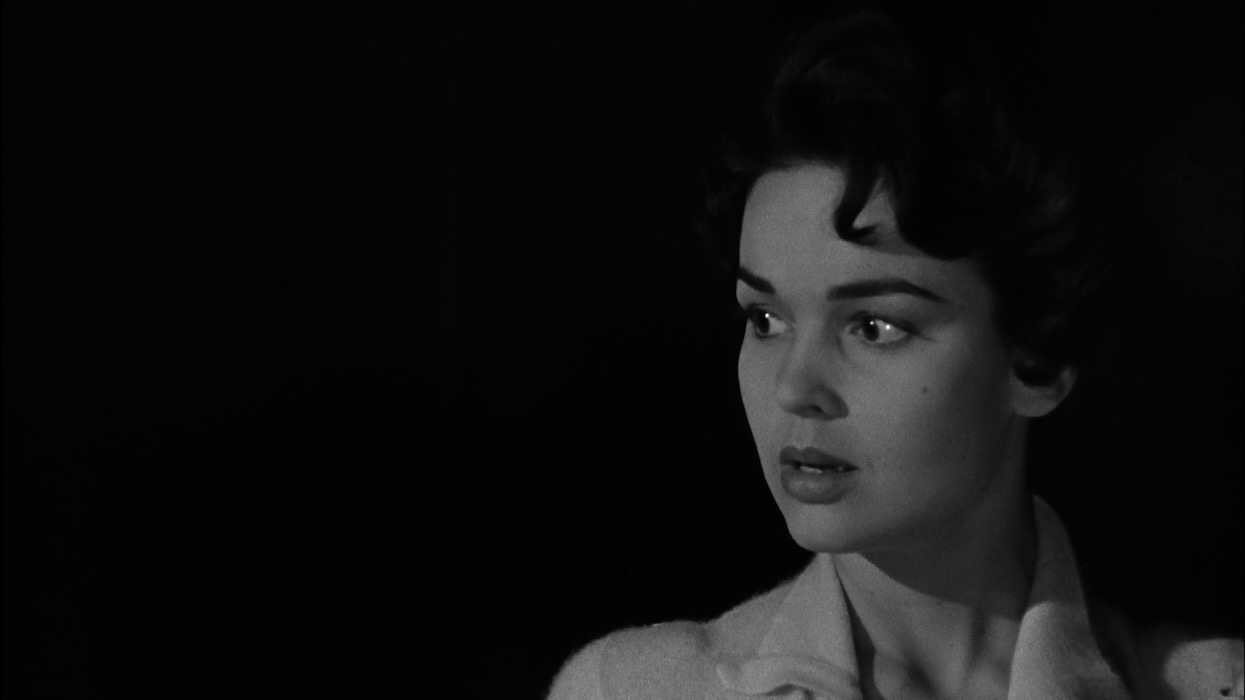
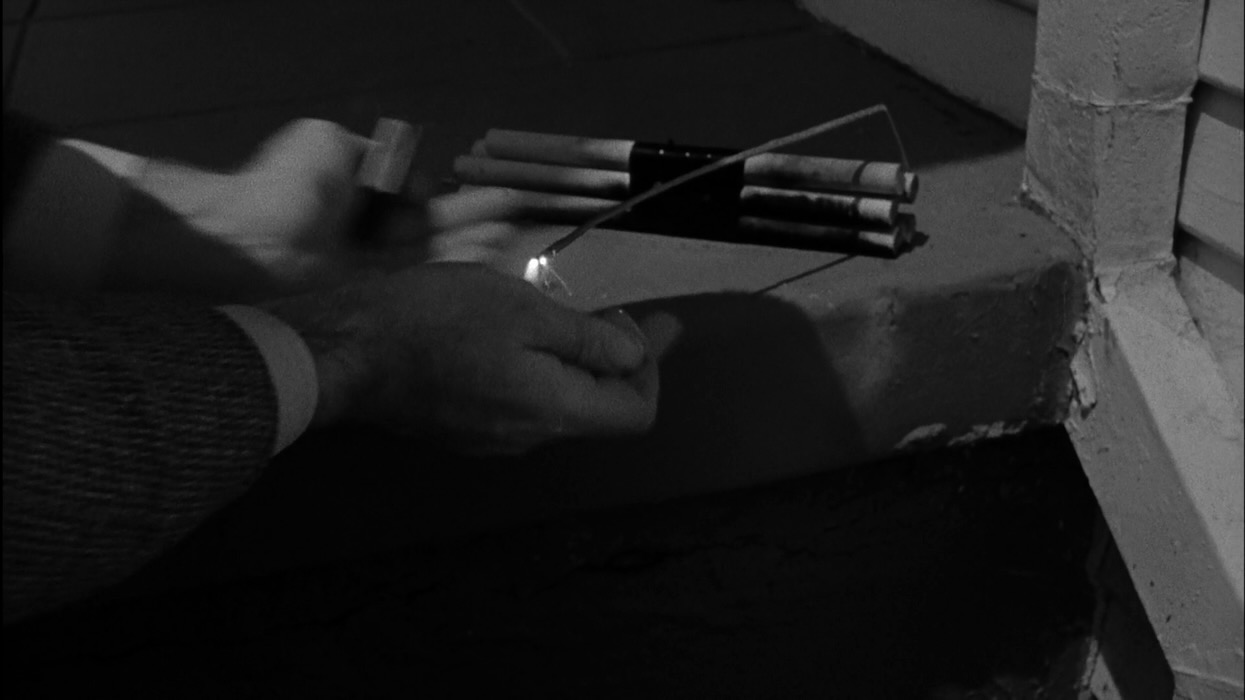
John (Pickup on South Street) comes home to Phenix with his girl, has been there a half hour before running into gang violence and police corruption. He and some others who are sick of the casino’s shit team up, and mostly get killed. RIP John’s lawyer dad, their casino worker mole friend Kathryn Grant (Anatomy of a Murder’s star witness), some do-gooder named Fred, and the innocent daughter of The Steel Helmet‘s James Edwards. The girl is Black so doesn’t even warrant a trial, but Fred’s killer is acquitted, leading to further escalations, until John calls in the national guard to shut the whole thing down. Arguably the Fort Benning army shitheads across the bridge funded all the murders and paid no consequences.

Witness:

What witnesses get: