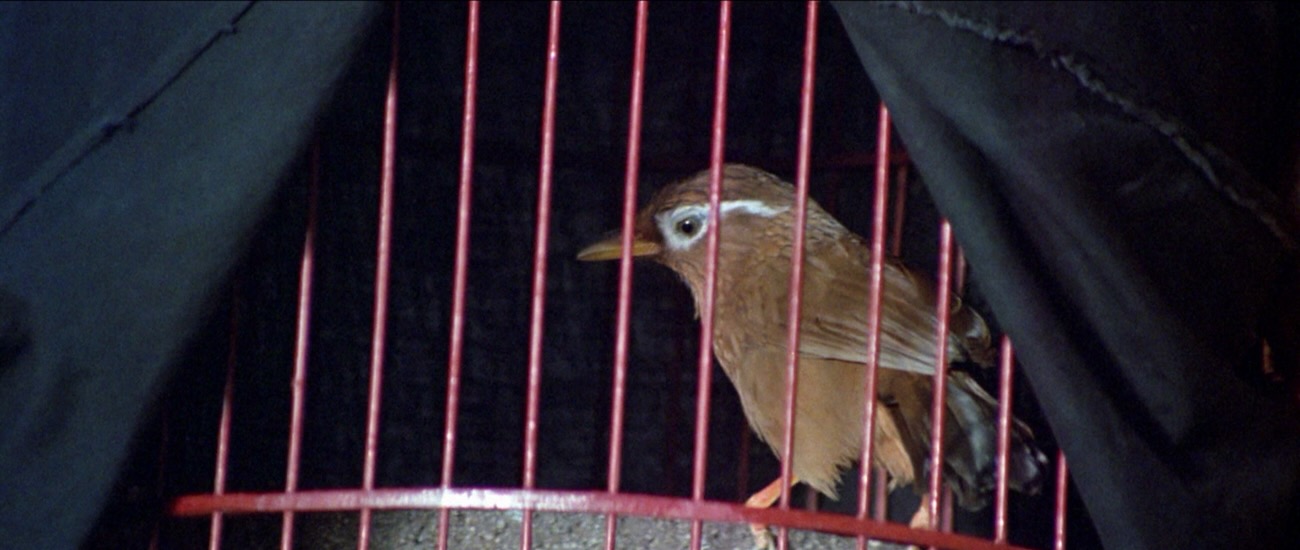
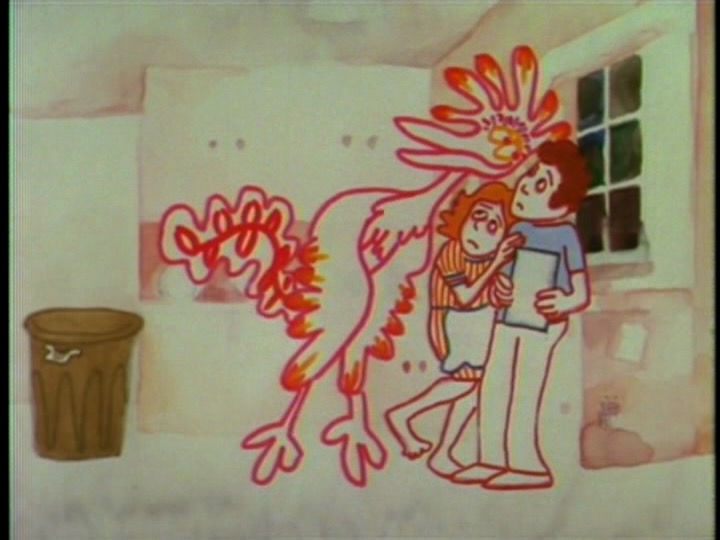
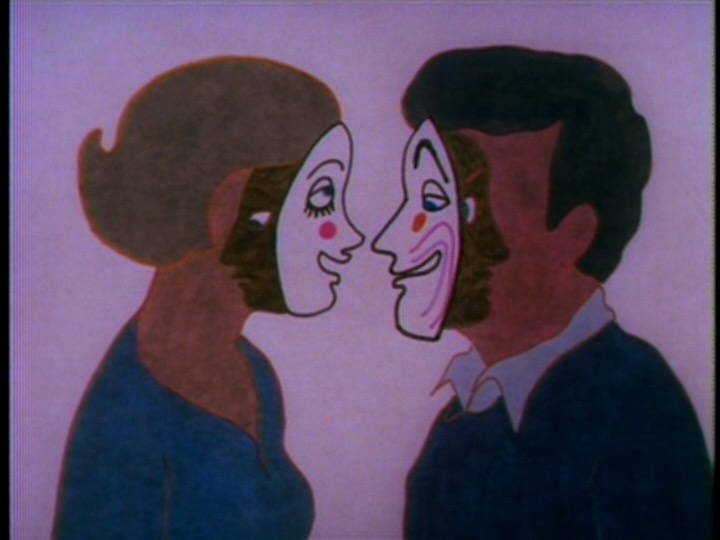
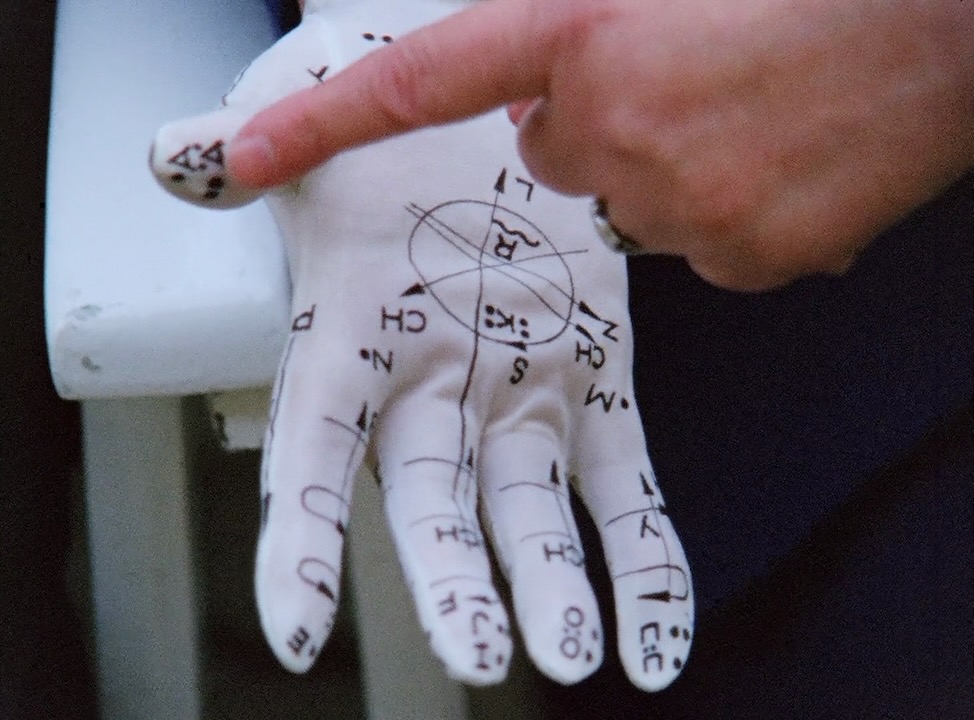
Obviously watched this in tribute to my own Adele H., but the two Adeles wouldn’t seem to have much in common.

Isabelle Adjani travels to Halifax from France during the American Civil War to stalk her ex Lt. Pinson (Withnail & I director Bruce Robinson), telling everyone different stories about who he is, lost in love with a loser gambler who doesn’t respect her at all. She takes to trying to ruin his life, bribery, hypnotism, hiding her belatedly-revealed identity as the daughter of Victor Hugo or using it as suits her needs, until she ends up getting rescued from her doomed quest and gets locked in an asylum for the next sixty years.

Reminded me of the Sternberg/Dietrich Morocco – before indie rock was invented people didn’t know how to process these feelings. Adjani is gorgeous, of course, and the movie often looks nice, but it doesn’t make a strong case for itself with the monotonous story and inelegant editing.

Dreaming of drowning:

Isabelle gone Barbados:

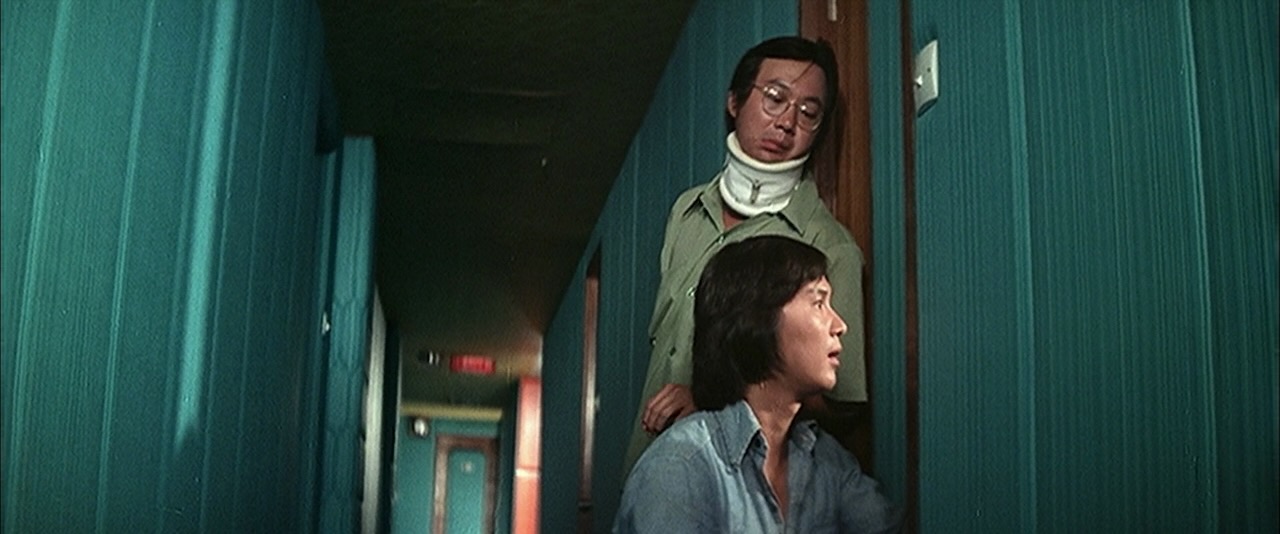
Coming a decade after Suzuki’s exile from studio film directing, and not long before his awesome Taisho Trilogy, I wasn’t sure where this movie stood in Suzuki’s career and I’ve put off watching it due to the dour title. Turns out it’s a real hoot, a brightly colored golf/advertising/stalker melodrama.

Taisho star (and a drunk pimp in Ronin Gai) Yoshio Harada plays the shitty boyfriend of a not-top-rated golfer, who hires trainer Takagi (of a handful of Ozu films I haven’t seen) to turn her into a golf champion, but only so an agency can sign her to a modeling contract. She succeeds, and on her first ad shoot they put her in all brown with a fluffy wig – I’d think they don’t know what they’re doing, then again it’s the 1970s.

Golfer Y?ko Shiraki was only in one other film:

The hot new star moves into a custom house with her little brother, where the neighbors don’t accept her, except for Ky?ko Enami (she starred in a Lady Gambler film series) who is starstruck, until she feels wronged by the golfer and the shitty boyfriend and turns dangerous. In the end the golfer is fired from her modeling job and getting pimped out by her stalker, the boyfriend is arrested (by Jo Shishido!) and goes violently mad on a golf course, then the little brother kills both women and burns the house down, all in high wild style.

From the writers of Naked Rashomon, Karate Bear Fighter, and Inflatable Sex Doll of the Wastelands, and the cinematographer of Female Teacher in Rope Hell. Japan is a source of neverending delight. The commentary promises to talk about “idols” in their culture, something that’s been bugging me since Perfect Blue, but I only listened to the first half hour.

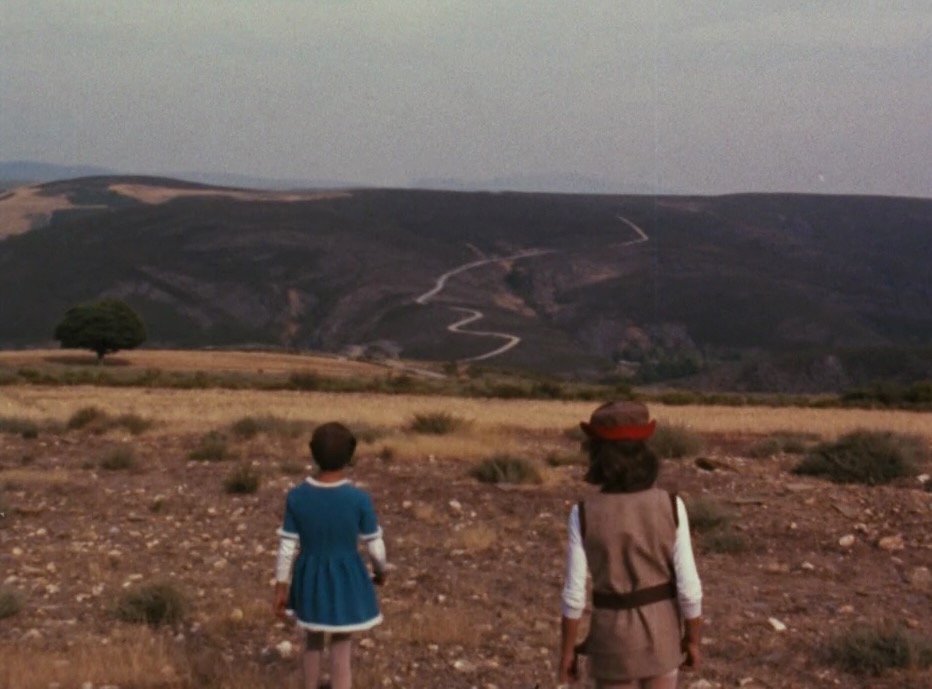
Trails aka Paths (1978)

Some kind of montage of folk tales, fables, poetry, with some gratuitous nudity.

White-haired guy is a relentless storyteller. A good section where a guy is running side-quests for a sheep thief, followed by too many scenes where admittedly cool-looking people stand still and recite lines. One guy gets imprisoned by gunmen for setting their slave-labor free. I got very tired and spaced out, but we reached present day somehow. The main(?) characters are a young couple in love, of course, or maybe multiple couples, since at one point she’s stabbed and thrown into the sea, and later she and her baby get killed by werewolves. Whatever’s going on here, Monteiro sure knows how to frame a shot.


He Goes Long Barefoot That Waits For Dead Men’s Shoes (1965)

Early short containing some of his later preoccupations (doomed couples, mirrors, Luis Miguel Cintra).

Live for no audience, the original pandemic livestream. The editing is out of control – there’s more picture-in-picture and rotoscoping than you would imagine, or desire. It’s lovely to see some pure uncut source material that inspired This Is Spinal Tap, the restoration is beautiful, and it all builds to the band’s improv blues song with a dog on guest vocals. Guess this was released as an hour-long concert film then they added 20 minutes of pre-Dark Side interview junk a year later, including a regrettable scene where Wright(?) gets defensive about the band running their technology and not vice-versa like some people say.

Color fields, electro-tones, patterned text onscreen, with the main camera action being Canadian farmers. A barn raising is interrupted by color fields. A pig is killed, but then, pigs are portrayed as horrible disgusting creatures (I thought the one playing with the dogs was cute). It’s an ambitious title for an experimental re-edit of your home movies from some months at the cabin, but I’m not mad that I spent the time watching this, and at least it will always be filed alphabetically next to an oscar winner.

Joshua Minsoo Kim in Cinema Scope:

At various moments throughout the film we hear minimal, humming synth tones, which were added because Lock felt he heard such sounds coming from the images themselves … It’s an elegant manoeuvre that is matched by another interesting strategy: graphics (shapes, numbers, a circuit diagram) are overlaid atop images. Formally, these feel in line with works by other Canadian filmmakers like Joyce Wieland and R. Bruce Elder, and they call attention to the surface of the film plane, as if inviting us to view everything as a spectacle behind glass.

A 1979 movie set in “the future”, which looks like… 1980. Cyrus is holding a conclave, wants to unite all street gangs to overthrow the cops and run the city, but so many gangs show up to the meeting and a Vincent Gallo-looking guy shoots Cy from the crowd then fingers the only witness as the shooter. After all this commotion the Warriors have to get back to their home borough with every creep gunning for them, but they don’t even figure out until the movie’s last 20 minutes why everyone’s mad at them. The action choreography is not great, nor sometimes are the goofy costumes (the overalls-and-rollerskates “punks” being the worst). But the comic-book Escape from New York adventure is compelling, and it was already giving West Side Story vibes with its gang stylings when I realized that the shooter is Jerry Horne, whose Twin Peaks costar Dr. Amp was in West Side.

Exactly the pose you make when you’re about to get shot:

Jerry Horne, cartoon version:

Warriors:

I’m going with the original title, since the English That Most Important Thing: Love has always annoyed me. Made between The Devil and Possession, the camera rushes and roams, the Delerue music rises and fades.

Seedy burnout photographer Fabio Testi (a Monte Hellman regular) interjects himself into the lives of fallen actress Romy Schneider (Inferno, The Trial) and her husband Jacques Dutronc (the Godard of Every Man For Himself). They’ve all got some intense half-unspoken feelings for each other, and strict rules around their encounters. Despite his own money problems, Fabio bankrolls a Shakespeare play with Klaus Kinski to get his new actress friend some self-respect. Feels very based-on-a-novel, and it is, but Zulawski and DP Aronovich (Providence, Time Regained) keep it interesting enough.

Fabio’s book collector friend:

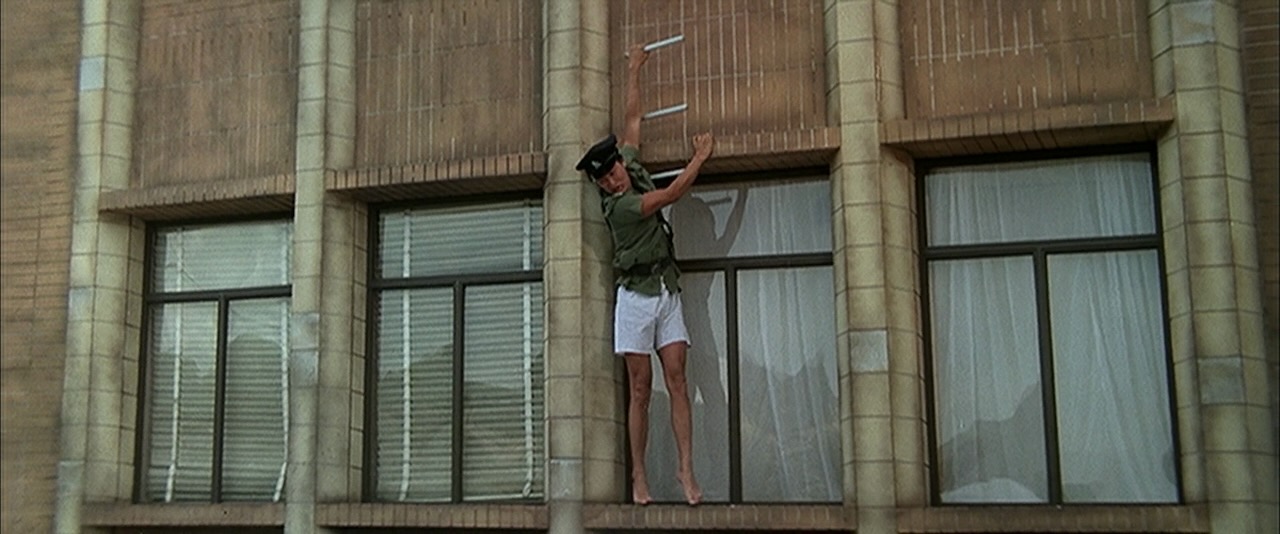
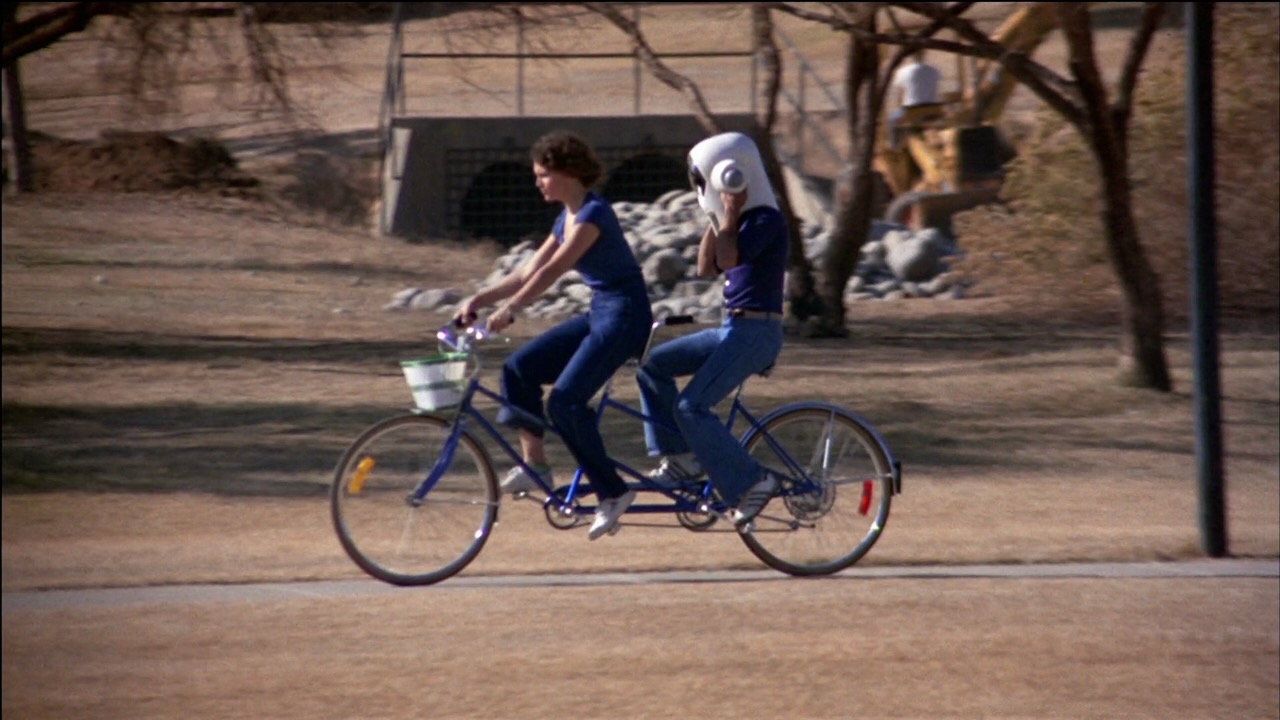
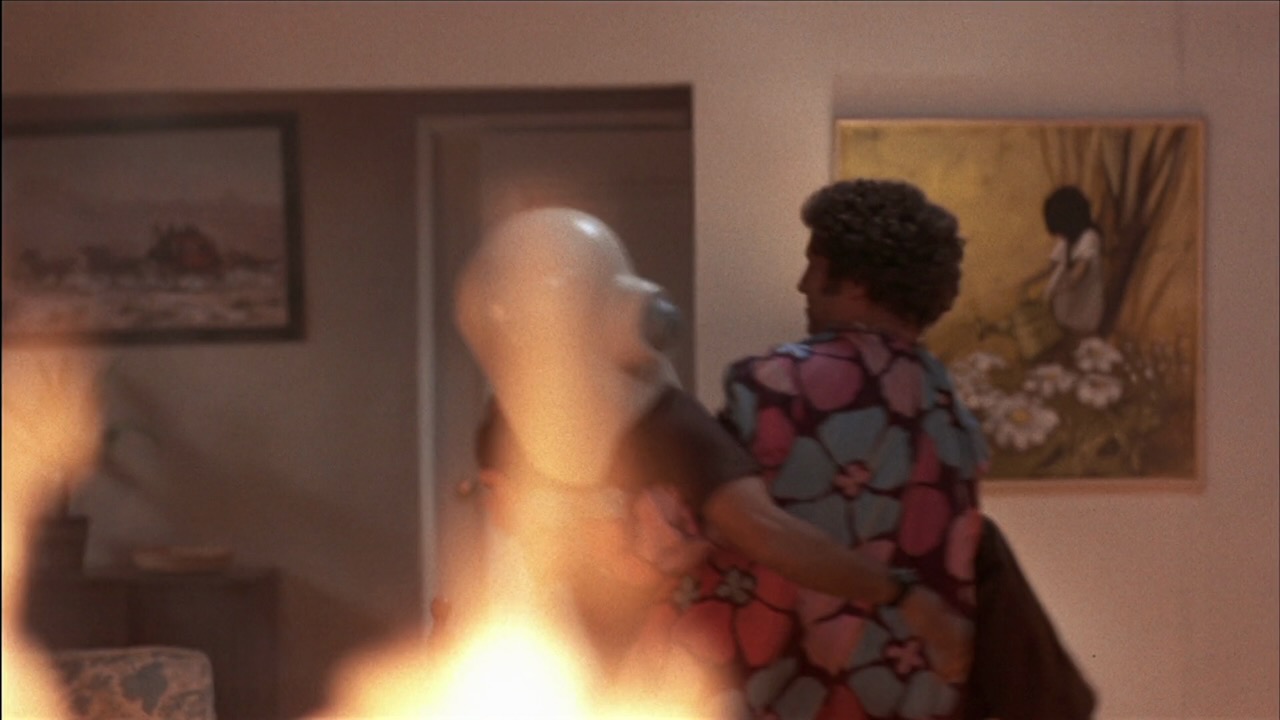
Watched this in mid-Feb, not intending it as a Gene Hackman memorial screening, but here we are. Great detective plot, Gene a two-bit private eye who finds the missing girl a half hour into the movie then sticks around as new smuggling/murder plots continue to unfold, until the girl (Melanie Griffith a decade pre-Body Double) is dead, movie stunt coordinator Ed Binns (Sixth Angry Man) is dead after two crashes and trying to murder Gene, giggling stuntman Marv dead underwater, mechanic James Woods floating in the dolphin pool, stepdad John Crawford (DEI-enforcing mayor of The Enforcer) guilty possibly dead, and tough Florida girl Jennifer Warren, whom Gene and I were both really getting to like, head smashed by a plane. Side plot of Gene discovering his own wife’s affair (via an Eric Rohmer movie date) then trying to repair his marriage, which doesn’t go too well, as he keeps returning to this case. Matt Singer gets it, and Filipe points out that “everything plot related happens offscreen.”

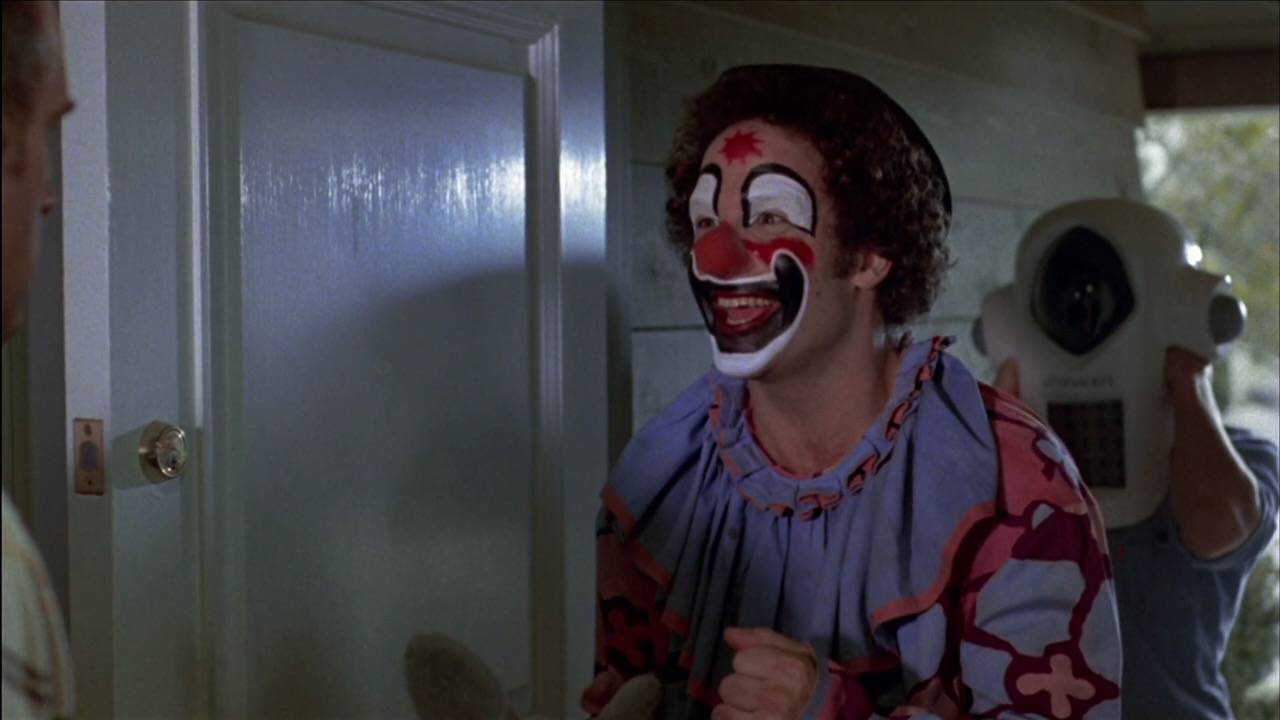
Before Schwarzenegger starred in The Running Man, before Stephen King even wrote it, Schwarz’s rival Stallone starred in a better movie about a deadly future game show (based on an Ib Melchior novel). In a totalitarian USA (I cannot relate) David Carradine is a clone puppet masked hero representing the establishment, targeted by the resistance but secretly also planning to destroy the president, as belatedly revealed to his navigator/spy Simone Griffeth. Stallone is his toughest competitor Machine Gun Joe – other quickly-dispatched competitors are Mary Woronov, nazi Roberta Collins (between Caged Heat and Eaten Alive) and Martin Kove (professional Karate Kid antagonist). Most get blown up, the nazi takes a Wile E Coyote detour off a cliff.

A familiar pose:

Frankenstein kills the president and so becomes president – is that really how it works? I’m not very smart now but I was even worse in 2012, so I won’t link to my review of the remake, which is probably fine though I’m not running out to rewatch/reassess it, and we’ll see if the rumored Running Man remake comes out. Am I hallucinating, or did Eric have an Amiga game based on this movie?

Bartel is protective of his creation: