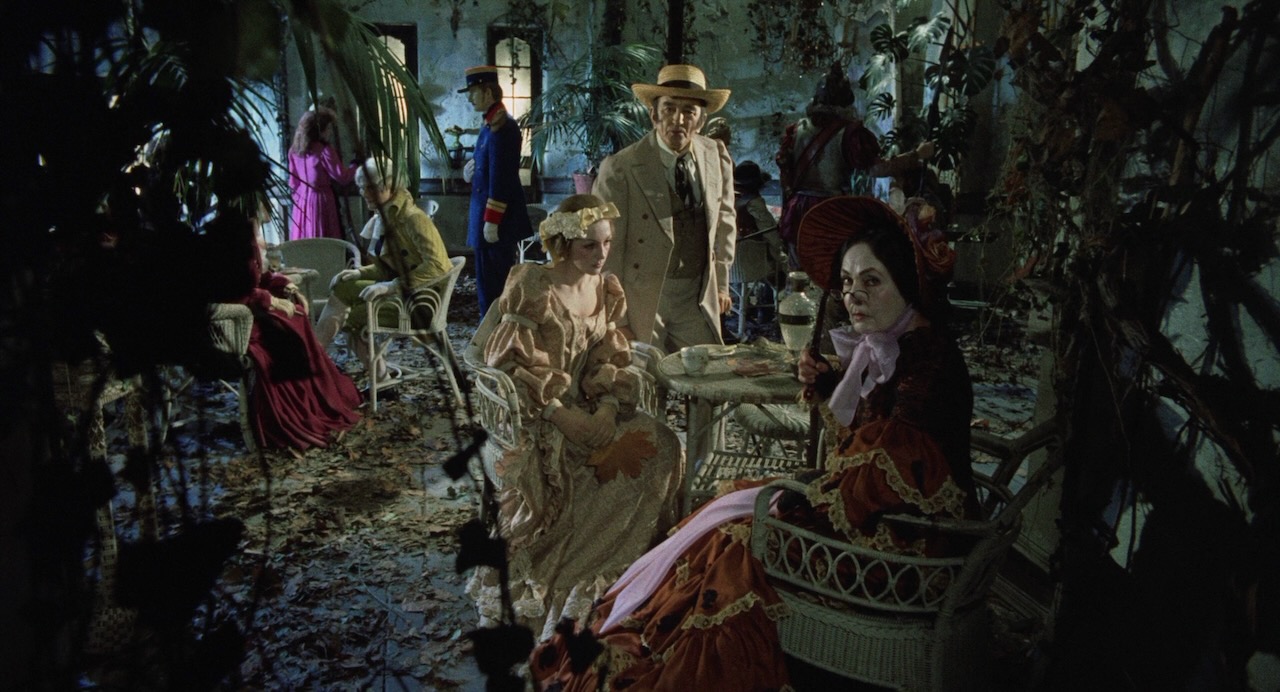
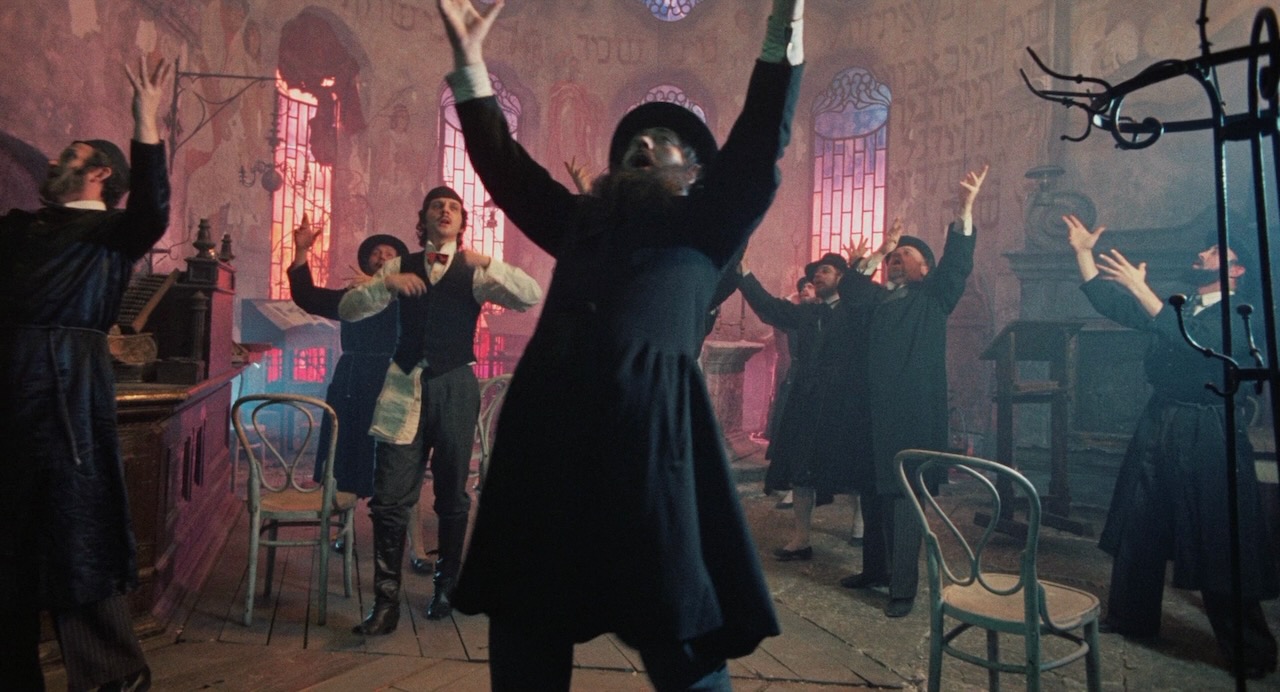
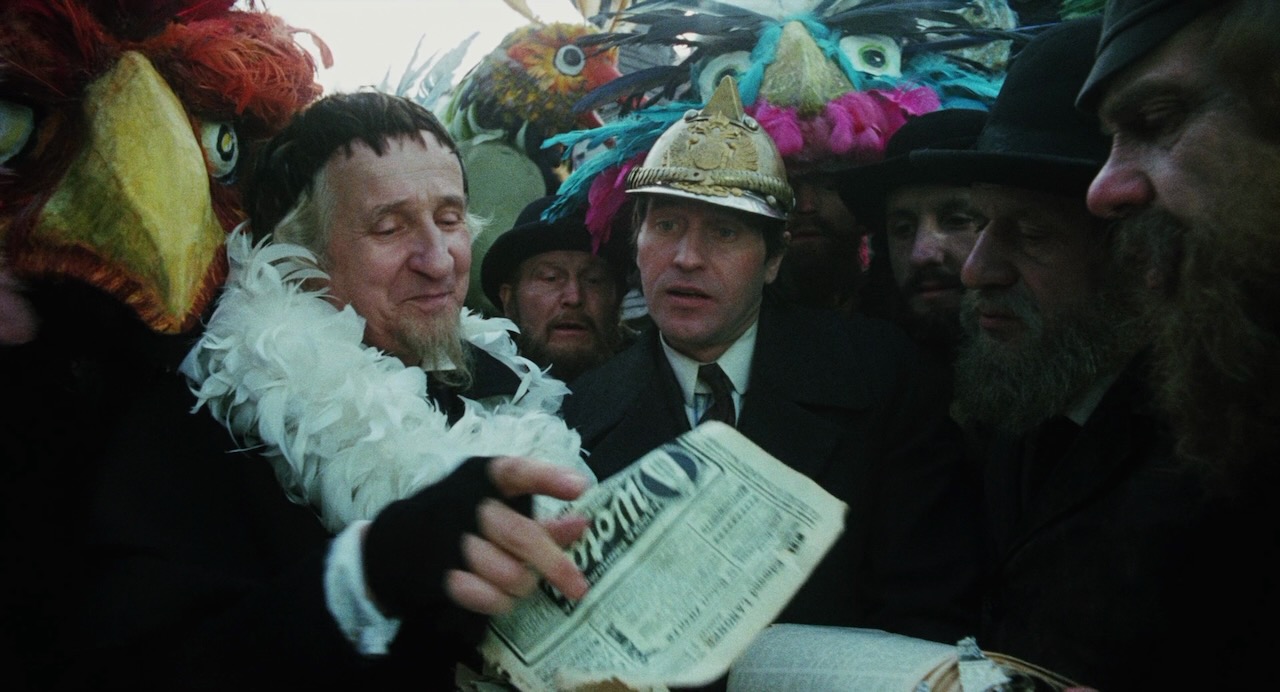
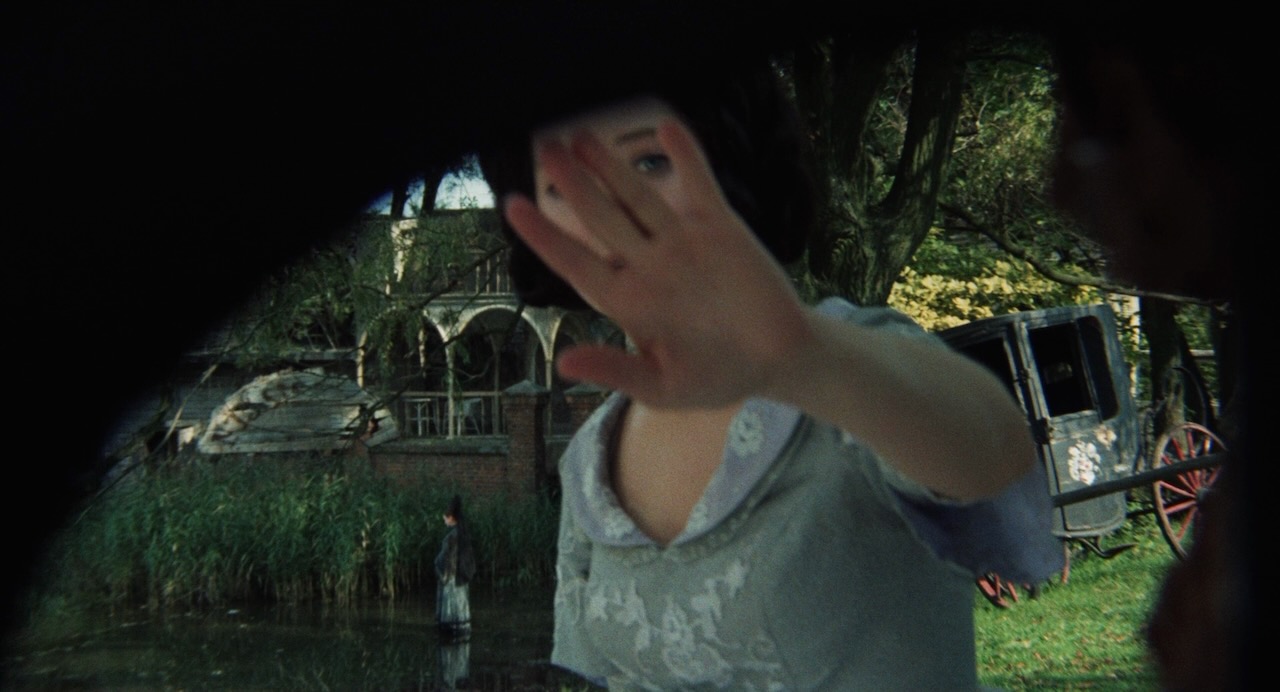
These Encounters of Theirs / Quei Loro Incontri (2006)

I’ve grappled with these guys before, trying to figure out their whole deal in previous posts. Think they stated in the Pedro Costa doc their moral grounds for cutting sound with picture with no attempt towards soundscape continuity, but I don’t remember the details. Today I’m here not to grapple, just to space out on the couch with a couple of their late works.

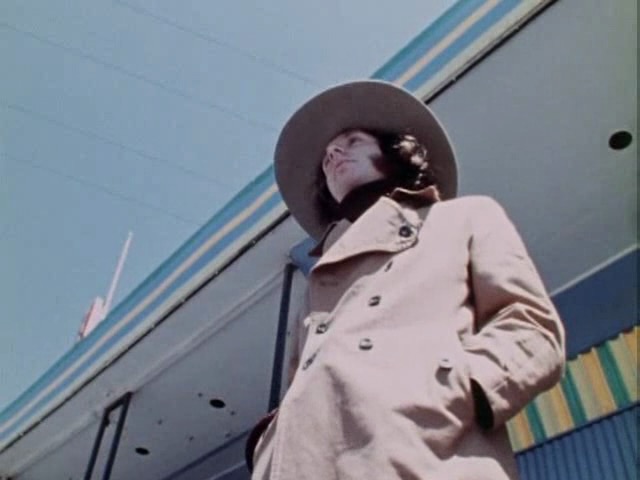
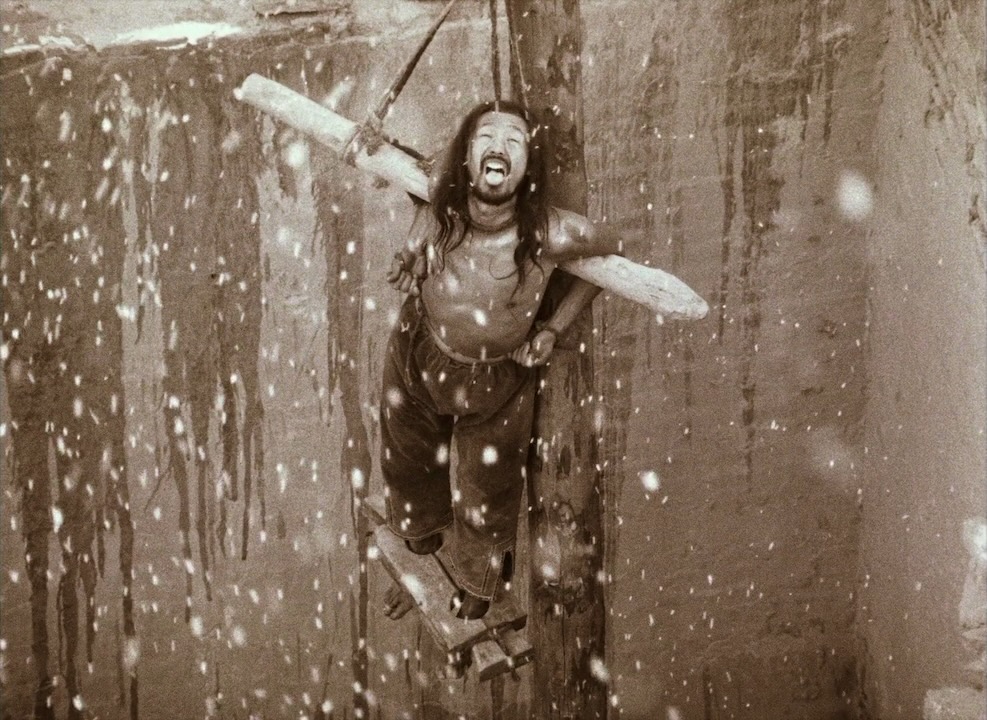
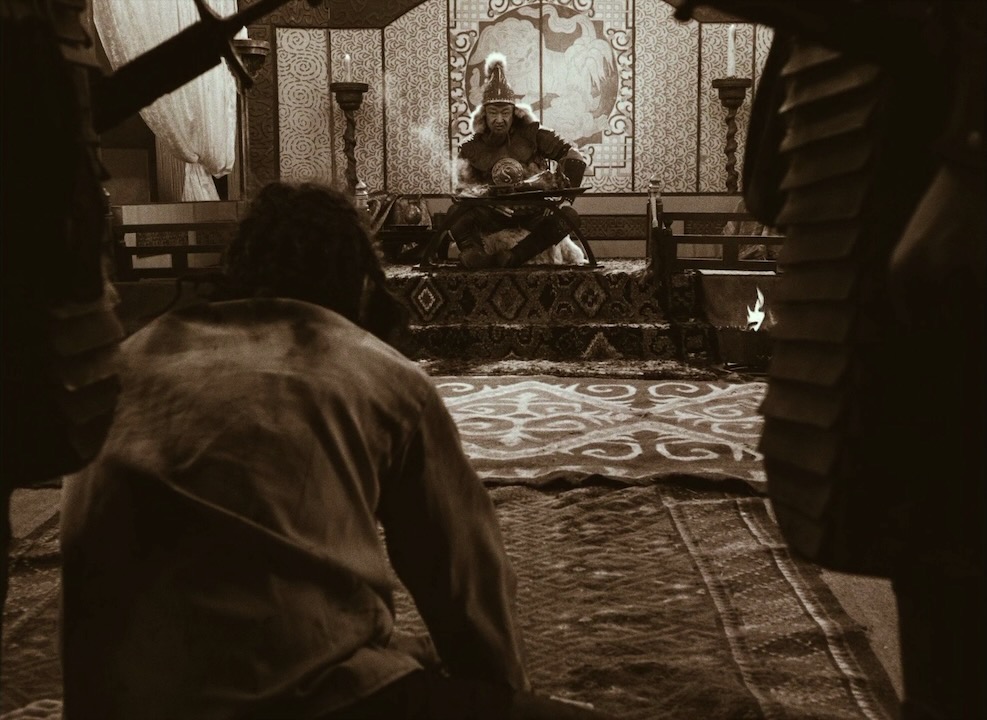
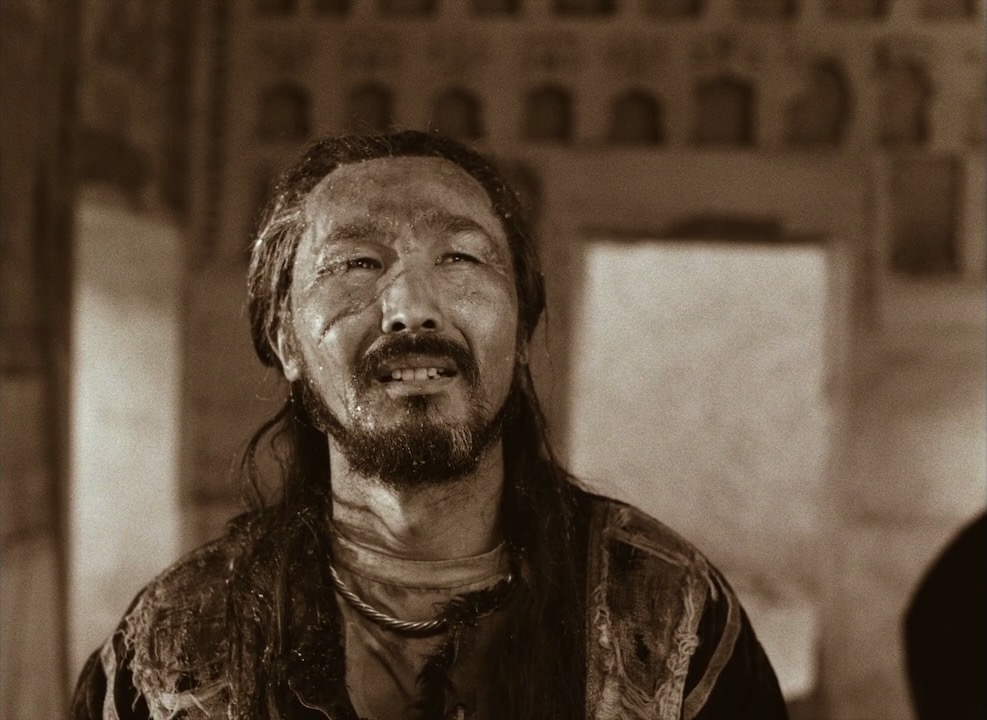
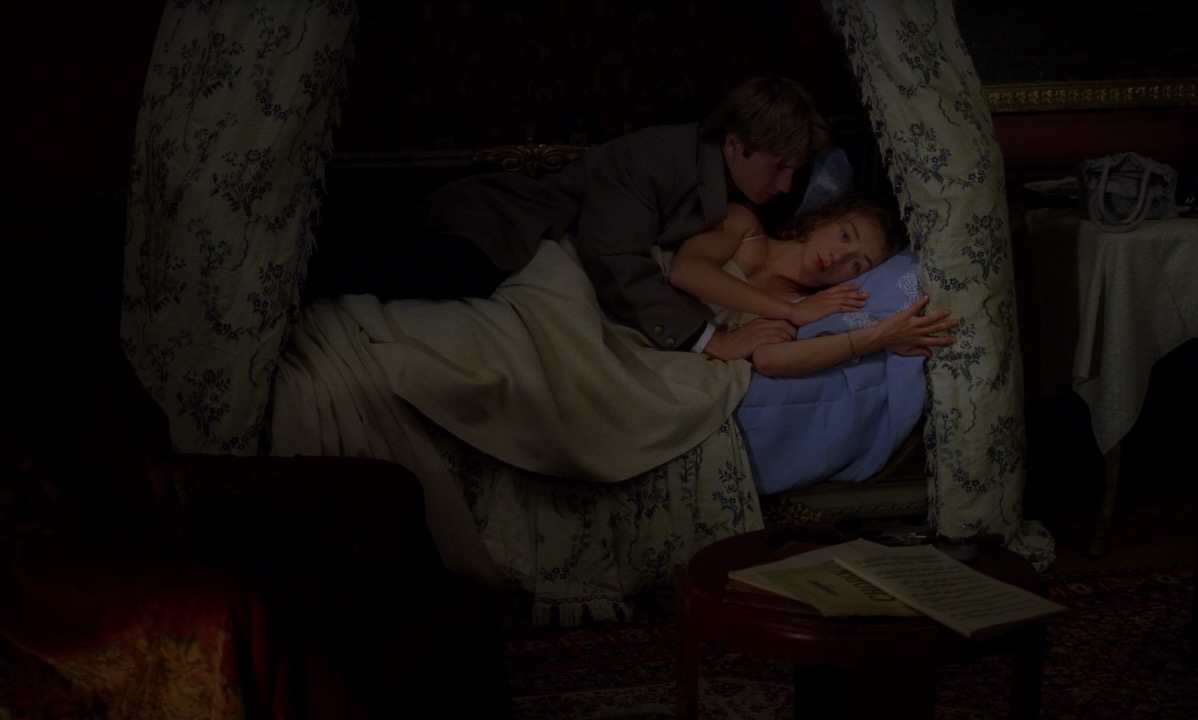
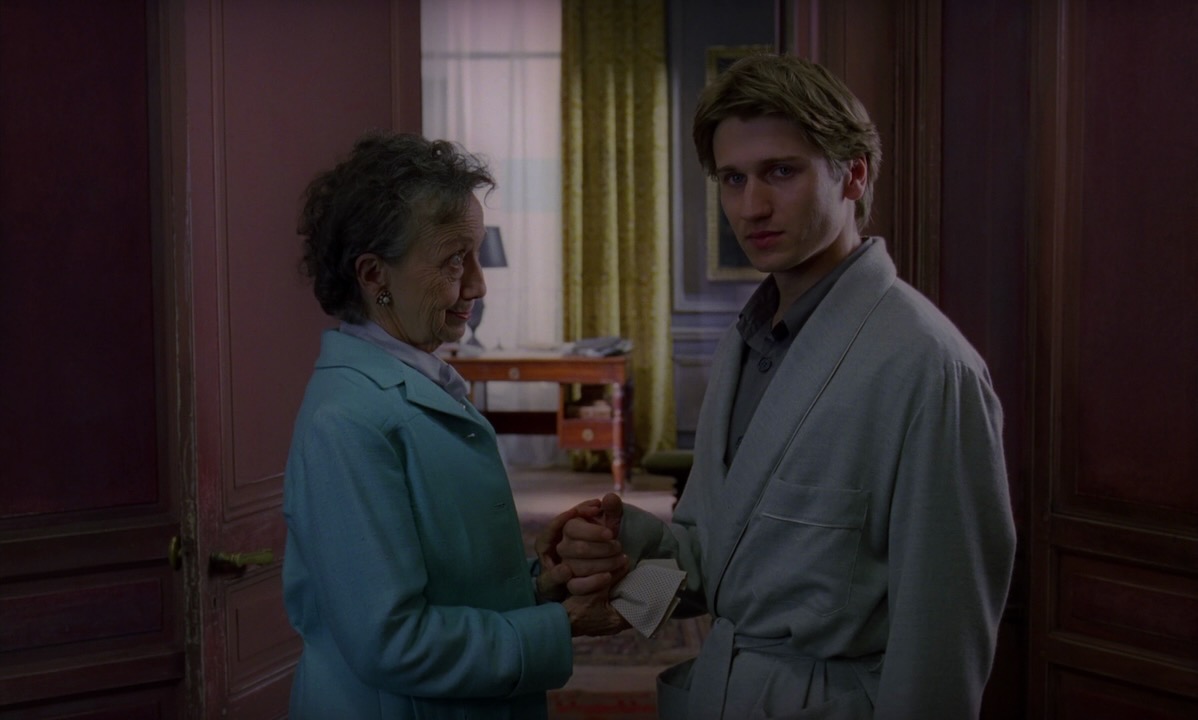
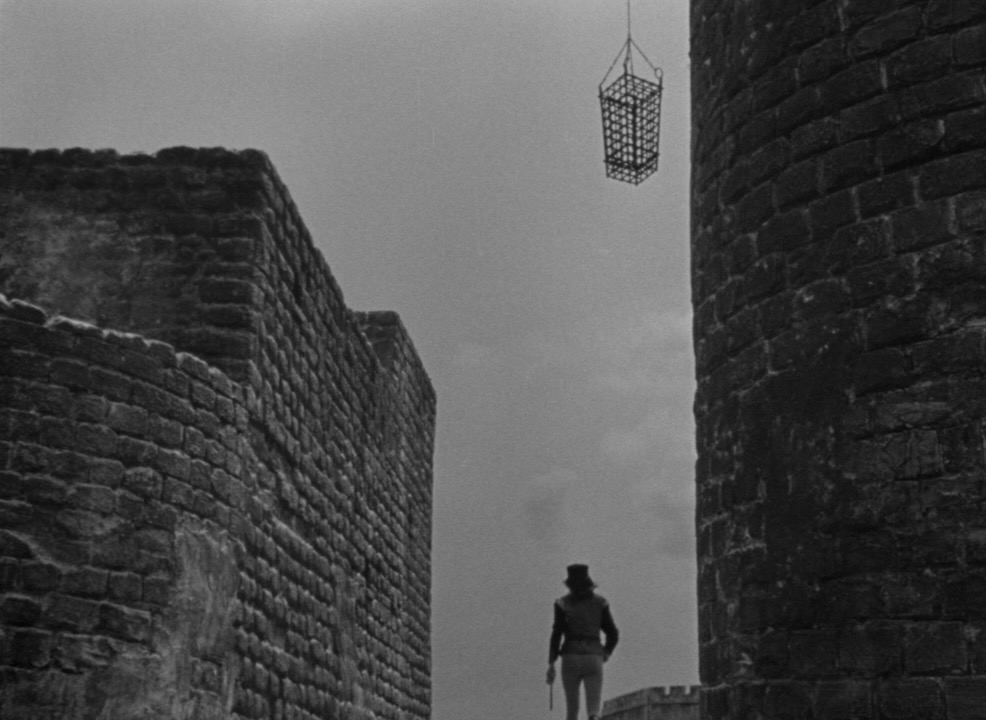
Familiar setup: some people (not actors, we’re told) are declaring/reciting dialogue, their performances engaging and alienating at once. This all brings to mind Denis Côté’s Social Hygiene in the staging. They pause strangely in the middle of sentences, and at the end of a scene they face each other in silence, having run out of lines, the wind blowing their clothes. Their words were written for Greek immortals by depressed communist Cesare Pavese in the 1940s. Played in competition in Venice alongside eleven others I’ve seen – what a year.

Neil Bahadur gets it:

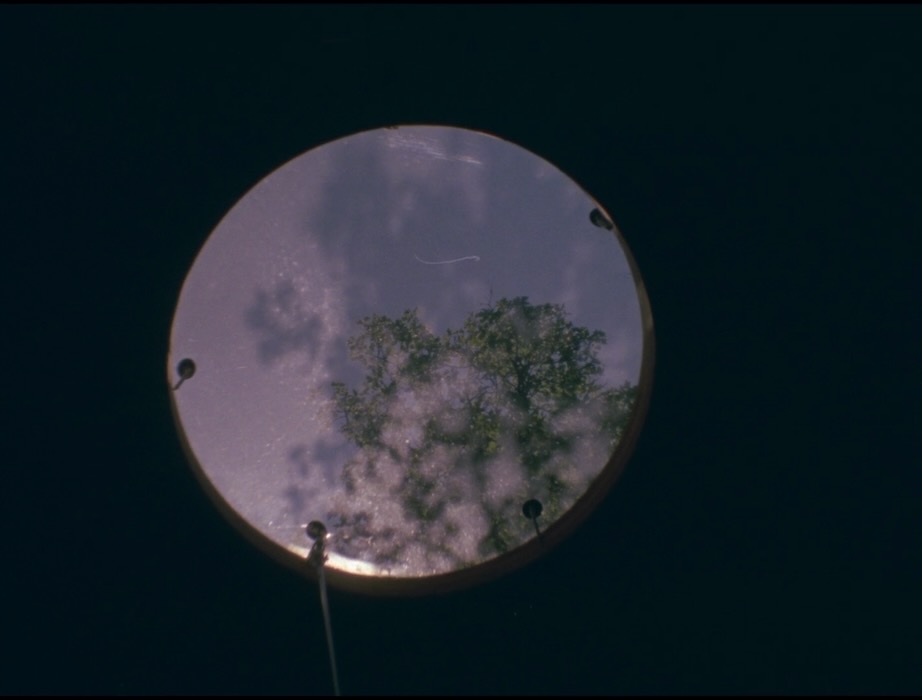
Huillet once said about Straub, “Jean-Marie is always looking for paintings.” Perhaps they wanted to show us that the world itself is a painting, a moving one, always alive. Here is a film about the beauty that the world is capable of, not just by humans, but by the shapes and patterns that sunlight makes when it passes through the leaves and the branches of a tree. The world is so beautiful, so ephemeral that even the gods wish to become mortal. We humans don’t know what we’re missing.


Itinerary of Jean Bricard (2008)

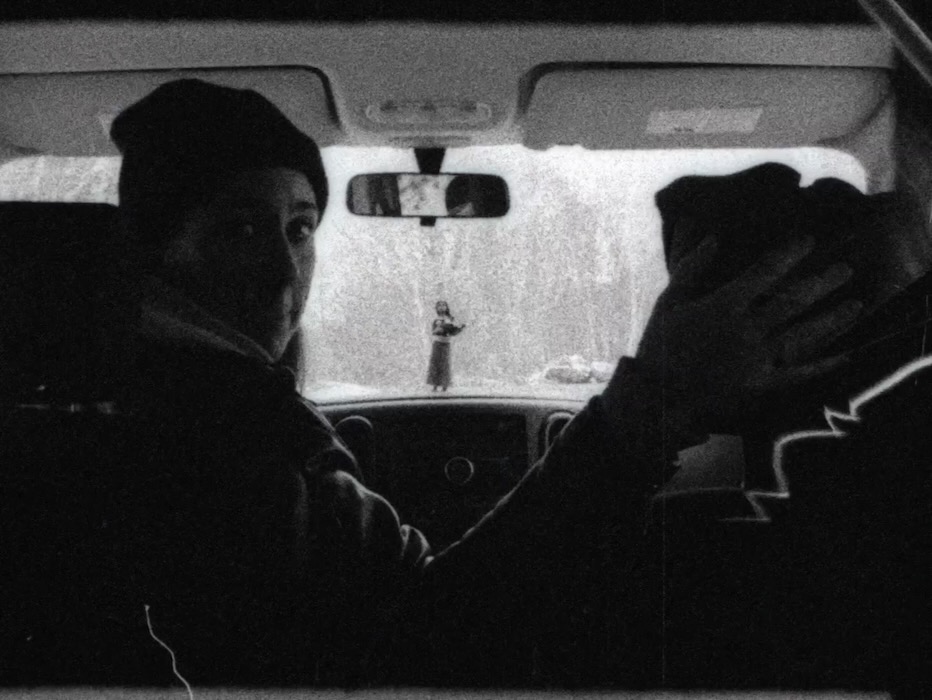
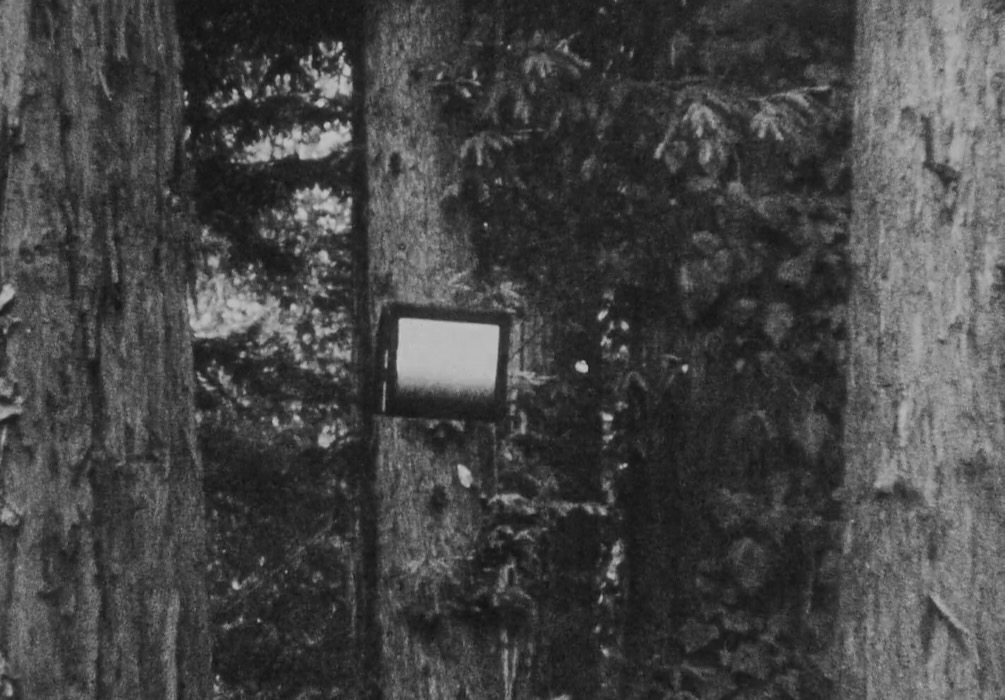
First we motorboat around Coton Island a couple times, looking at wintry trees in 4:3 b/w. I assumed this was to demonstrate the size of the island (small enough to circle twice in 15 minutes) but Bahadur sees impressionism, abstraction, a tribute to Cezanne. Then onto land while the titular narrator tells stories of the area’s nazi occupation and beyond. Jake Cole: “He also talks of postwar projects that have dramatically affected the entire ecology and terrain of the area, which further complicates the tranquil images. Left hanging in the air unspoken is the notion that, to the land, the French are every bit the ruinous occupiers that the Germans were.”

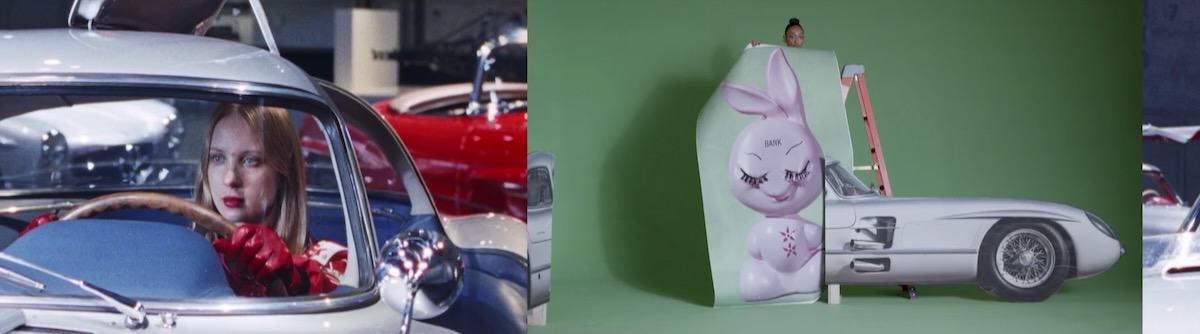
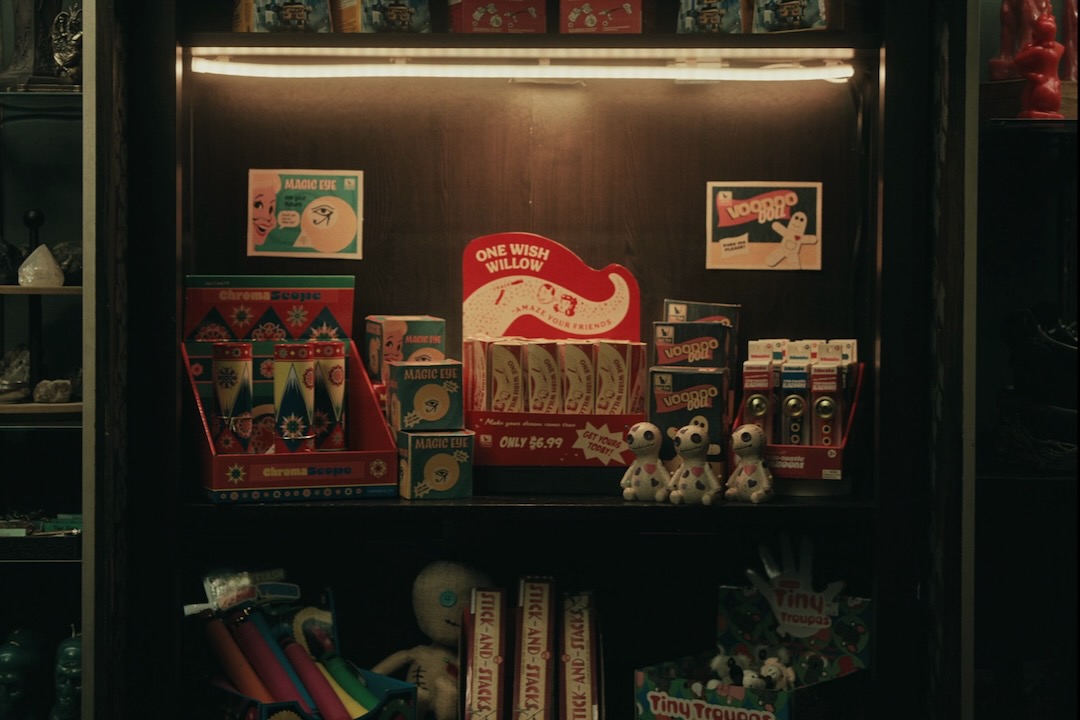
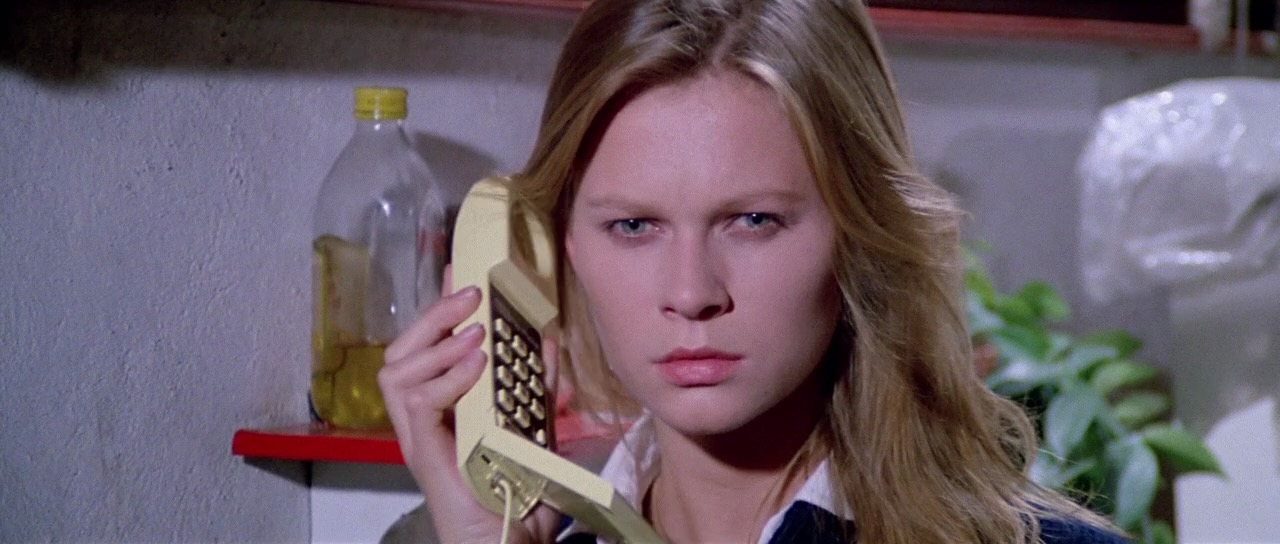
John Wick spinoff from the writer of Army of the Dead and director of Die Hard 5, oh boy, this is even worse than part three. Tried to half-watch this, which worked fine during the opening backstory, then it turns into a gang war that’s also a dystopian cult thing with not a couple minutes rest between each CG-assisted fight scene. Lotta fighting with hammers at first, then she escalates to an audacious grenade battle in an armory and a flamethrower finale. I didn’t believe a single thing that happened for a second, so the revenge aspect doesn’t register, but eventually Ana de Armas shoots Gabriel Byrne while he’s monologuing, and the guy from Blade lives, which are good outcomes. Only great shot was when Ana whacked a would-be assassin with a TV remote, each blow summoning a different classic action scene on the background TV.

de Armas vs. Buster Keaton:

Psalm I: The Lateness of the Hour (1999)

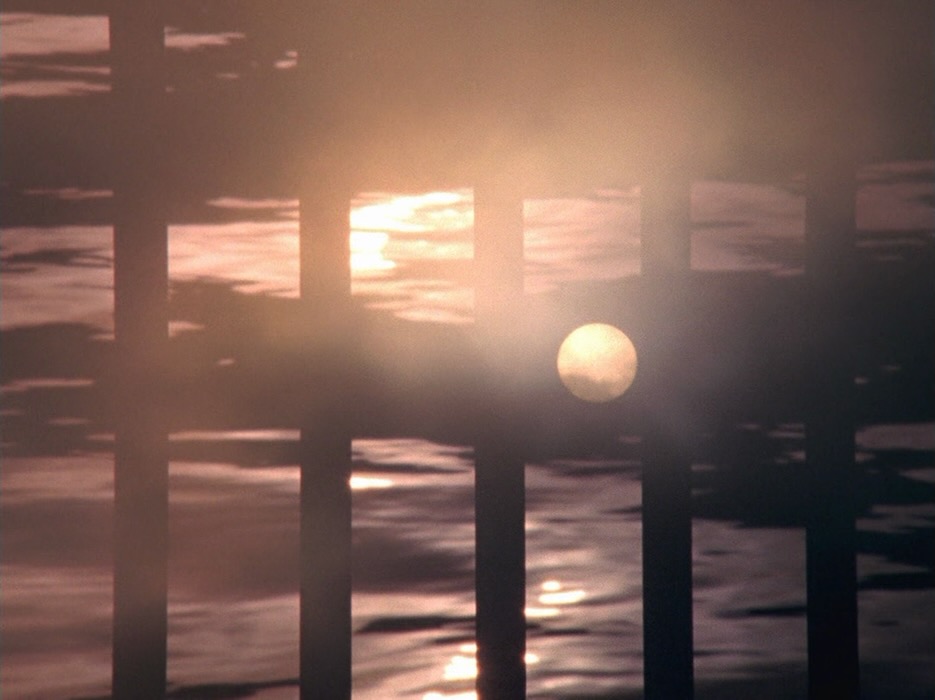
Blue flickers in the inky blackness, sometimes watery-reflective or anomene-textured, sometimes seemingly clips from other films with the Psalm III edge-enhancement filter. Apparently silent, so I played my own very groovy music, which was the highlight of the experience


Last Days in a Lonely Place (2007)

None of these movies have titles or credits, and these next two form a Grand Theft Auto trilogy along with Rehearsals for Retirement called In Memoriam (Mark LaPore). Predating the kids’ craze for liminal spaces, Solomon finds meditative room in some low-res 3D game engine. Yes it’s the dreaded machinima, but thank goodness that beyond these shorts and Grand Theft Hamlet, that craze never took off, so we can appreciate these as singular objects. Ambient music with Humphrey Bogart clips.


Still Raining, Still Dreaming (2009)

Mark LaPore codirected the short Crossroad with Solomon in tribute to David Gatten, and died that same year. This one’s even more ambient and liminal than before, though slightly less greyscale. Almst no movement except the shifting of digital daylight and video compression artifacts, the audio a bootleg Indian broadcast.


Psalm IV: Valley of the Shadow (2013)

More ambient than ever, leans too hard on its audio track: the closing monologue of The Dead, without any good video game visuals.

Good-natured and well-presented doc about a Scottish competition to make the best bowl of oats. Watched with K, who uses more ingredients than are permitted by competition rules to consistently make better bowls of oats than any of the ones in the movie.

Brooks-as-himself tells the people of Phoenix he’s capturing real life, so not to play up for the camera while his crew films the Charles Grodin family going about their daily business. His psychologists turn against him, Brooks makes everything about himself as usual, and finally burns Grodin’s house down to create drama for his film. Brooks imploding for 90 minutes is a little tedious – fortunately the movie is saved by the camera-headed people, who are funny every single time I see them.

Dave Kehr:

With its deliberate avoidance of punch lines and insistent drift into darkness and disaster, Albert Brooks’s 1979 film left audiences baffled when first released. It now seems like one of the most innovative comedies of the decade, suggesting a hundred different ways in which movie comedy could escape the gag-heavy, character-destroying styles imposed by television (if only it wanted to).

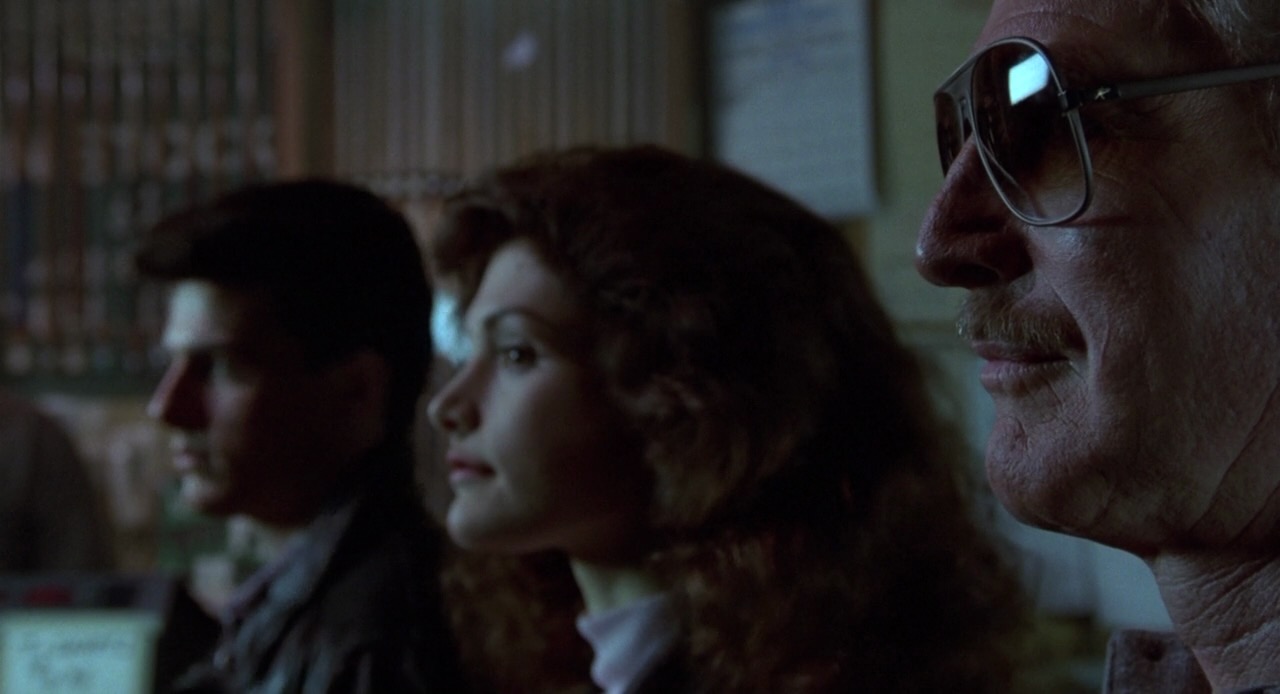
Normie-me often lets down cinephile-me. I’d love to feel the same ecstasy as the people with the five-star reviews blathering about “bodies in motion through space” or analyzing the use of color, but all I can see is Hollywood discovering psychology, Tippi Hedren’s childhood trauma prefiguring a million more tedious psych-dramas.

Tippi gets office jobs then robs the office and moves to another town. It’s a sweet gig until she’s recognized by Sean Connery, who has business with two of her employers. After two hours of Sean trying to figure out her deal with theft and horses and the color red, we’re rewarded with a flashback of her killing her mom’s abusive boyfriend Bruce Dern with a fireplace poker.

Connery’s sister Diane Baker starred in Strait-Jacket the same year, and in the mid-90s would play mother(s) to Matthew Broderick and Sandra Bullock. Tippi’s judgemental mom Louise Latham was in Sugarland Express. The mom’s neighbor girl Kimberly Beck would grow up to appear in a few Friday the 13th sequels, while Young Killer Marnie played in late-70s thrillers The Car, Piranha, and The Fury.

Trying to get out more instead of staying on the couch, so it’s funny to go out and see a movie about someone who never goes out. Movie was righteous – finally some representation for people who watch the news, feel very bad, then just stay home drinking and looking at starlings out the window. If I’d watched this on video I’d be pulling so many good quotes from the narration, but since I’m me, I can’t remember a single one of them now. Lovely to see Tzadik and related groups in the closing credits of an experimental film, since that’s the music I play during silent experimental films anyway.

Reeves in 2004:

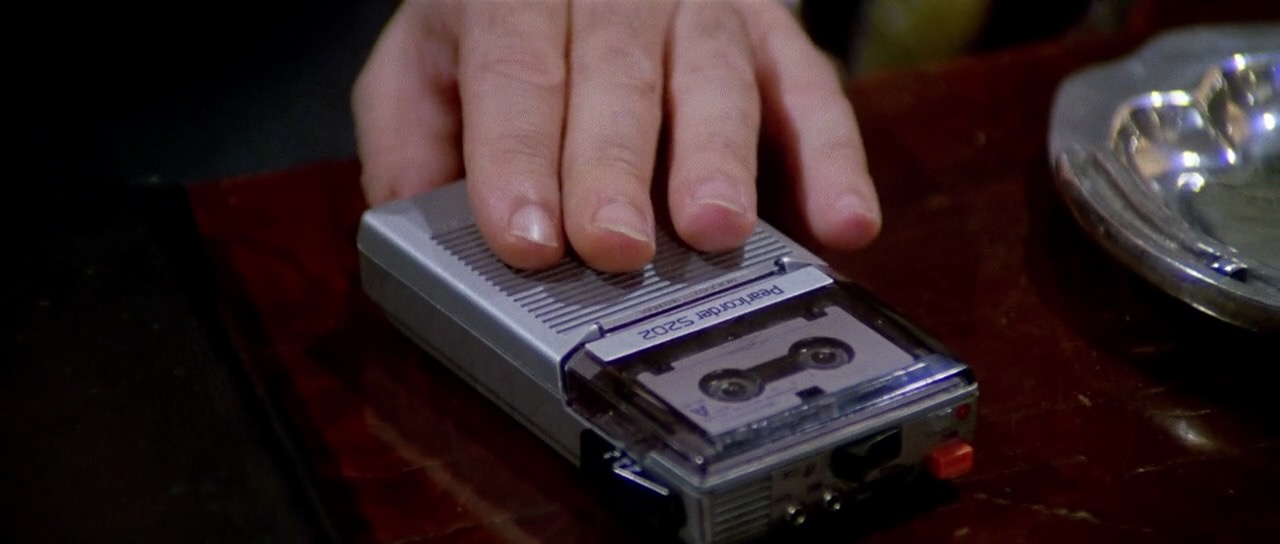
When I started shooting, without a script, I thought the film would evolve into a longish short film based on montage. I was inspired by Warren Sonbert’s work, and Jack Chambers’ Hart of London. I think the film grew into a longer narrative with montage elements, because I was going through about as many personal changes as the world was undergoing at that time. I worked on it between 1998-2003. There was a murder suicide next door, I moved, my father died, 9/11 happened, I ended a relationship and was alone, the invasion of Iraq happened. Original intentions or inclinations were not enough, almost irrelevant to me … My process was about wanting to weave together these different personal and universal themes which I felt were related, the idea of wanting to escape your reality … I’m also seeing the film as a product of fragmentation, in the flight from reality one mode of escape can fail, so then you’re looking for another kind of escape. Robyn’s job writing romance novels is one way of producing a fantasy life, of trying to have intimacy and sexuality. Remembering the past with great nostalgia is another escape from what’s going on right now: being an isolated shut in, violence nearby and militarism. I was trying to bring out the tension between wanting to be in the present and continually struggling to get out of it, out of the room.

Girls Daydream About Hollywood (1992)

Rapid-fire cut-ups of film and TV and sound clips, slowed down and distorted and strobed, about misogyny and other fun topics.


Monsters in the Closet (1993)

Stories of queer youth: sex, crimes, and sex crimes. Sound and visual are again subject to speed tampering and flickering.


The Girl’s Nervy (1995)

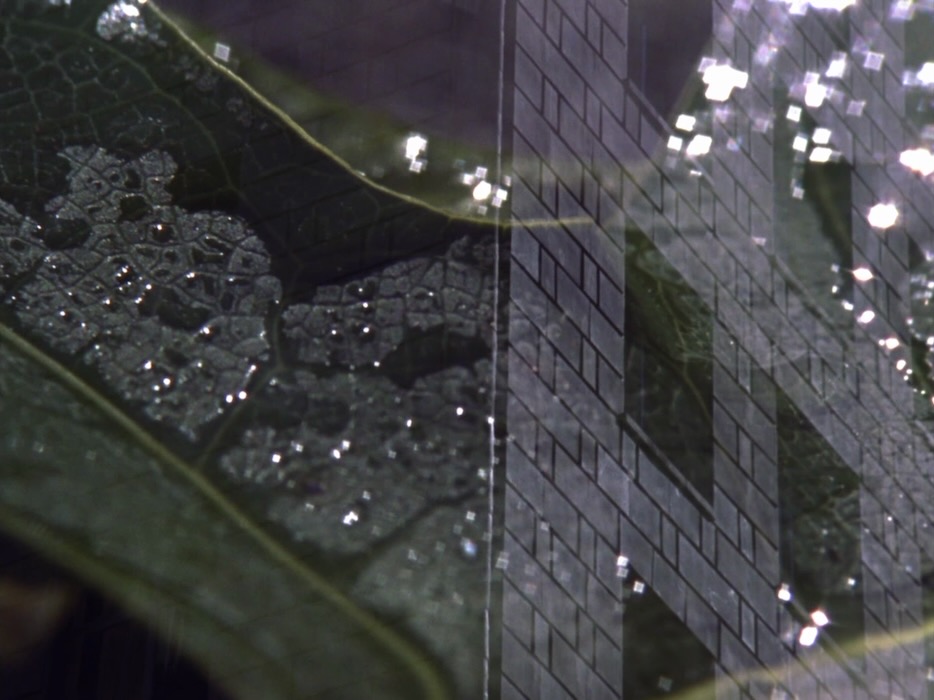
Single-frame flickers of beautiful colors covered in fractured-web patterns. Towards the middle a circular field in the frame makes me think nervy = optical nerve, then in the last segment we’re outside among flowers and the patterns look like veins in a plant leaf. Three 1930’s songs, the first of which sounds reversed.


We Are Going Home (1998)

More reverse audio, images that look embossed, or posterized, whatever that photoshop filter was called. Double(?) exposures turn people into phantoms or twins, pull them apart from the background, the color flitting from pink to blue like a 3D movie in collapse. People walk slowly, someone is buried, breasts and toes get sucked on.

Pear (2024 Joel Potrykus)

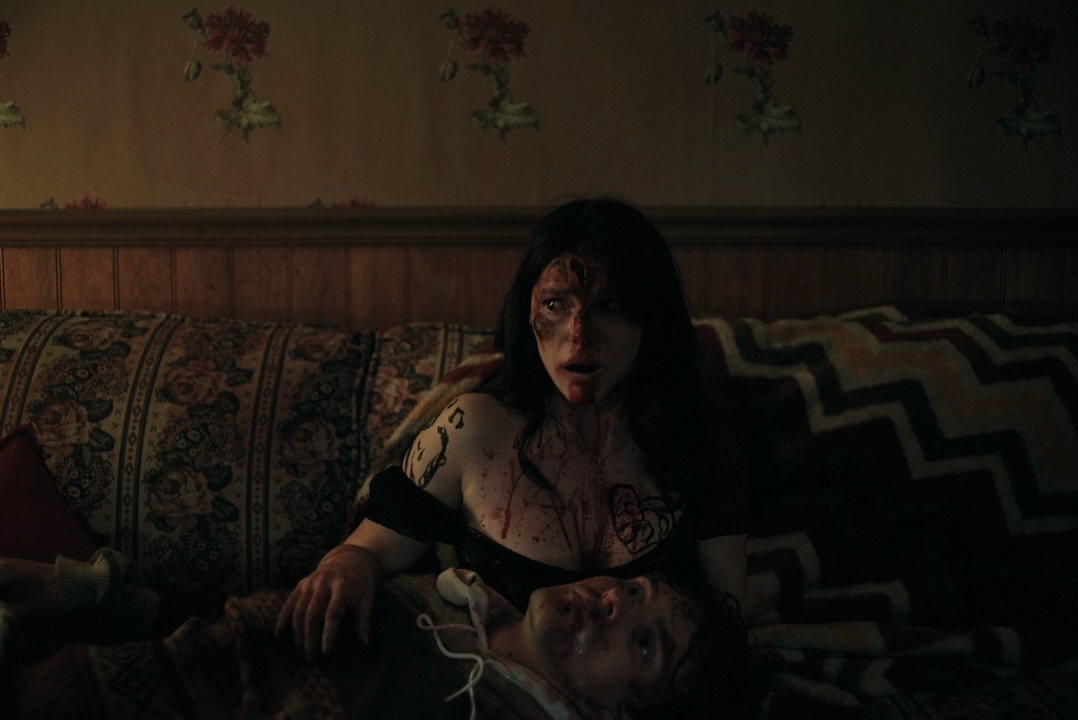
Two-hander about trauma, and Joel’s second movie of the year about suicide. Woman re-grows her dead husband in the back yard, but he’s not the same.


De Düva: The Dove (1968, Coe & Lover)

A silly-assed Ingmar Bergman parody in fake-Swedish (challenging Death to a game of badminton) has no business being this good.


The Cuckoo Waltz (1955, Emile van Moerkerken)

Processions of people (or zoo animals), some serious and some less so, speed-manipulated so they dance back and forth in slow-fast-motion. Cute.


Fashion (1960, Yoji Kuri)

No real build to this, just a five-minute boogie of film-scratch animation playing off some cut-out figures with an all-drums soundtrack for five minutes.


Love (1964, Yoji Kuri)

Absurd love story – tall woman chases short man with a butterfly net until she captures him and makes him her pet. Much dialogue, but only the word “hi.”


The Window (1965, Yoji Kuri)

Windows, more like it – apartment building with windows lighting up to follow the hijinks within.