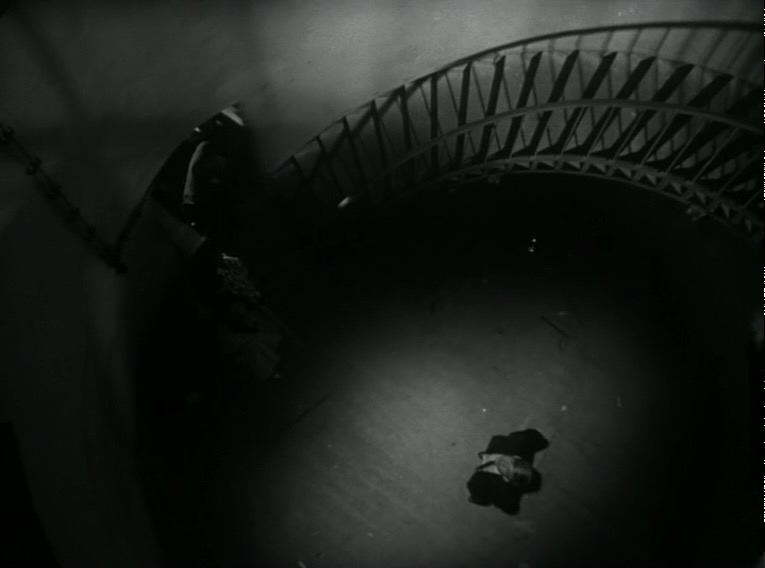
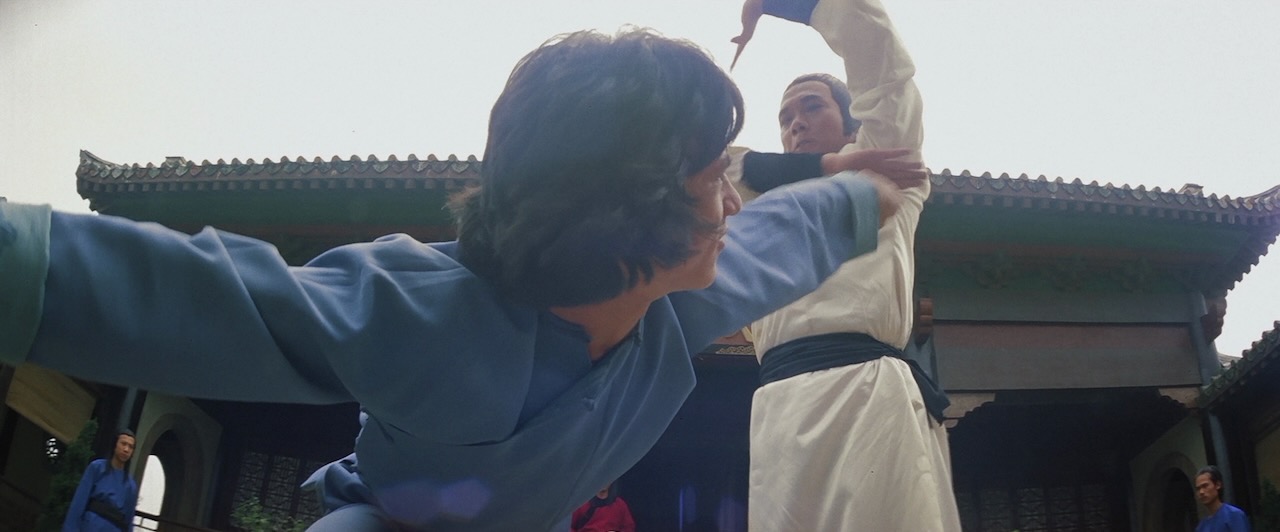
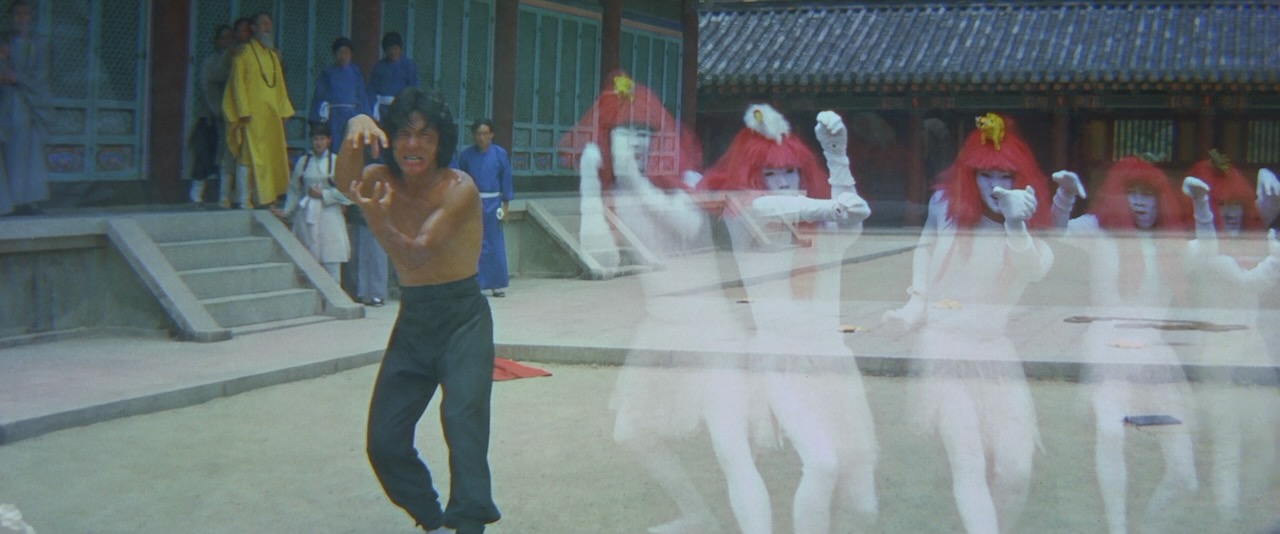
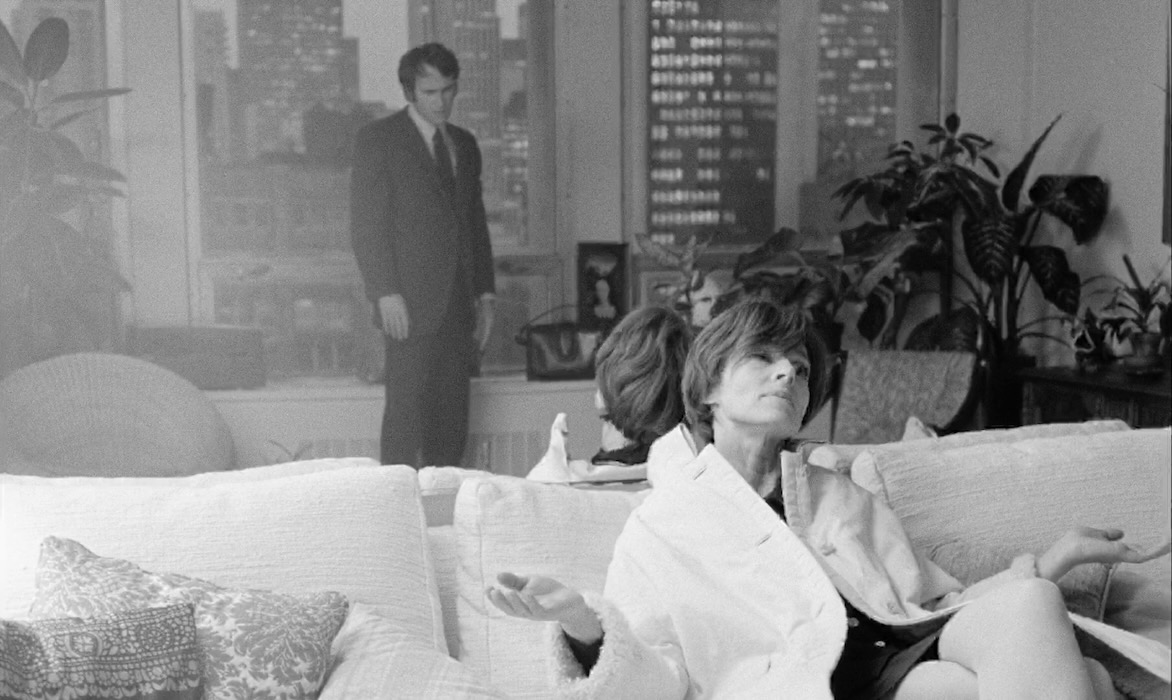
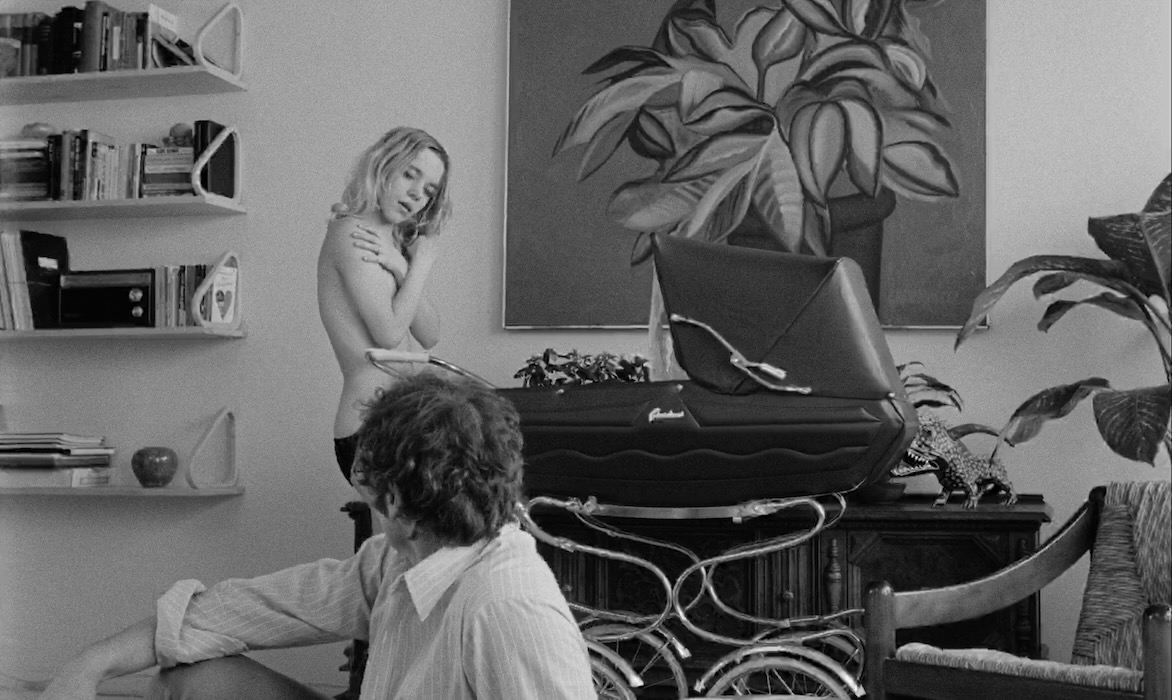
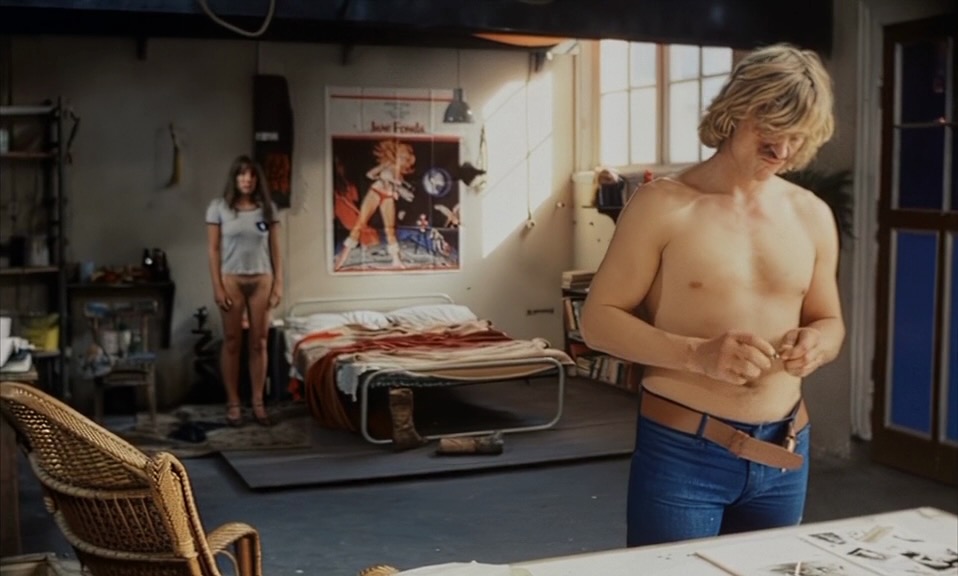
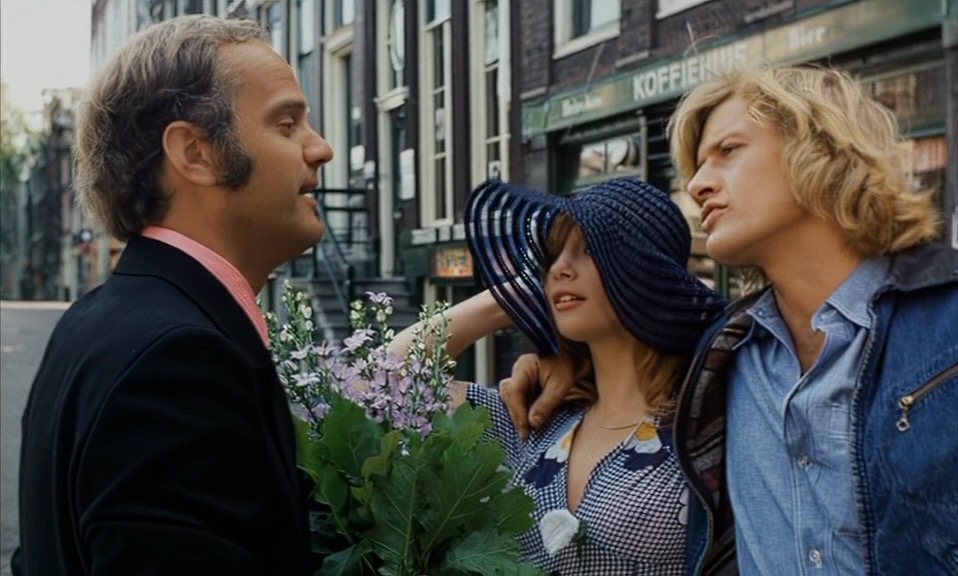
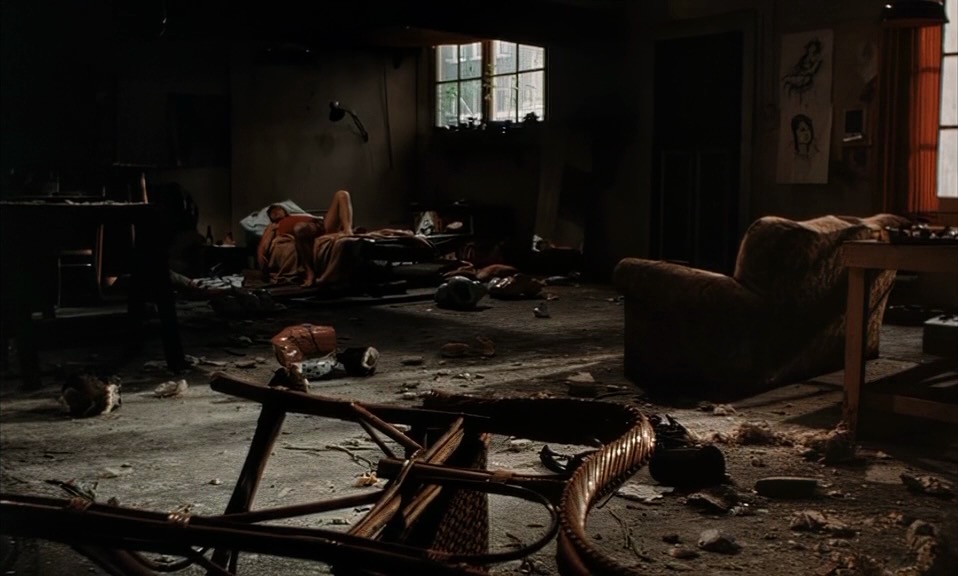
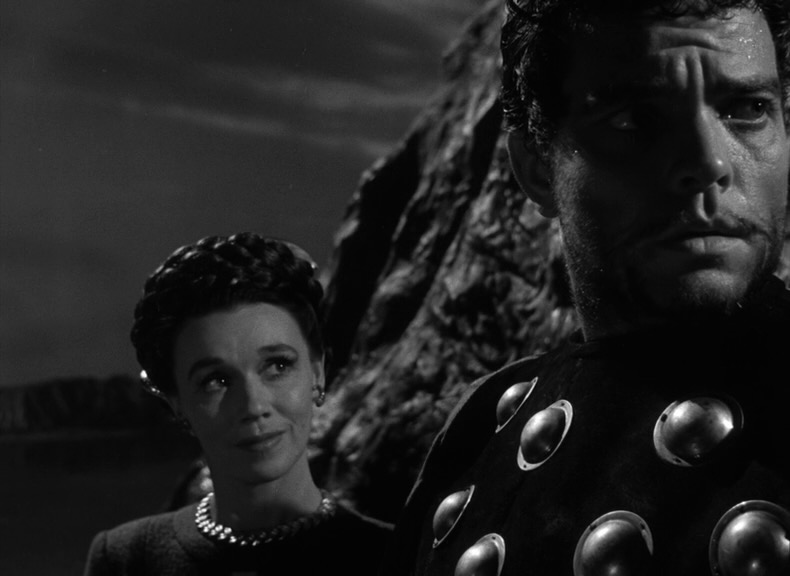
Kane’s death, then newsreel segment on him, then the news editor asking the reporter to find out more, seek the rosebud angle. So meek reporter William Alland (producer of 1950s monster movies) goes to see washed-up widow Dorothy Comingore (of Three Stooges shorts), who sends him away, then he finds his way into a chronological backstory with the help of others. Kane’s mom inherits a gold mine by chance, sends son away from an abusive dad to boarding school with rich guardian George Coulouris. The reporter meets boring old school friend Joseph Cotten and delightful newspaperman Everett Sloane, who tell of Kane’s takeover of the paper and his political aspirations. Kane’s run for governor is destroyed when rival Ray Collins reveals Kane’s affair with showgirl Dorothy while he was married to Ruth Warrick. Now that we’re caught up with her backstory, the reporter returns to Dorothy for his interview, but never finds his rosebud.

Rewatching for the first time in a long while… thought about listening to the four audio commentaries and watching the docs and reading two or three books on Welles, but the year’s almost over and I’ve got lists to make.

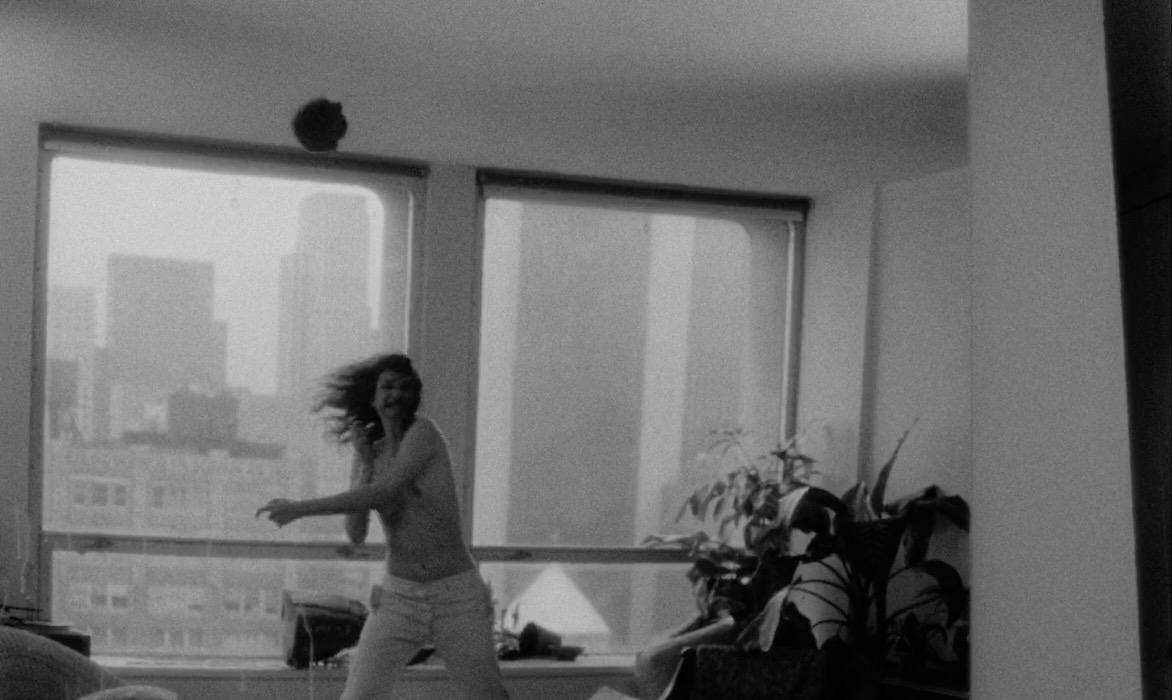
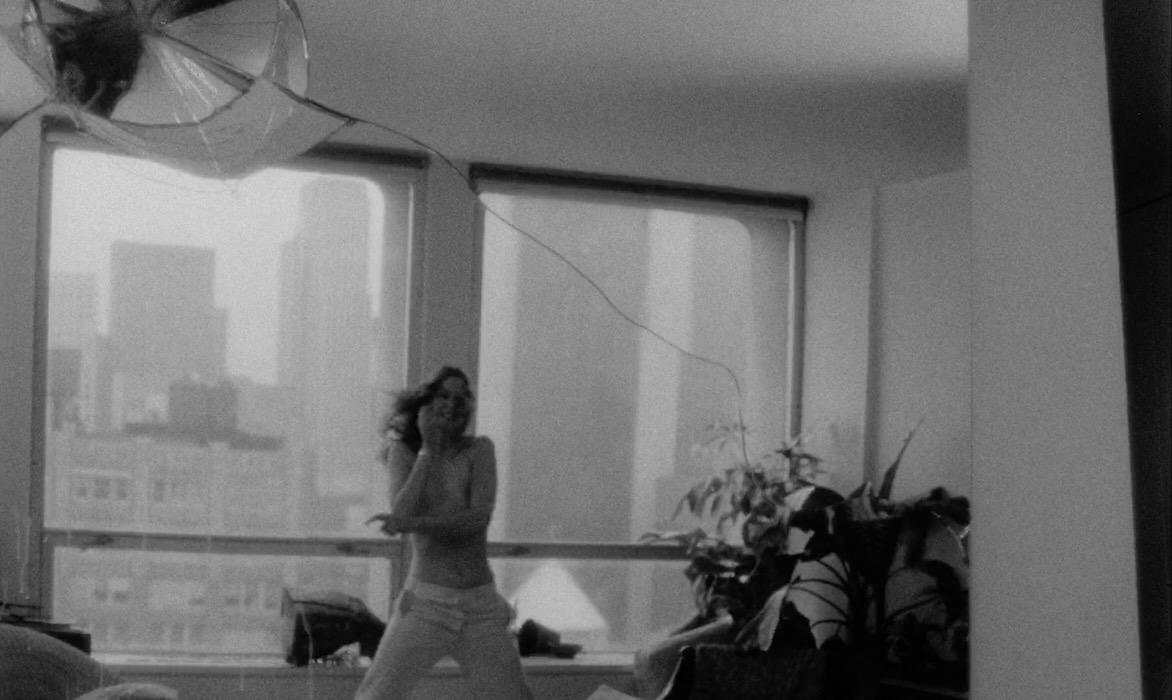
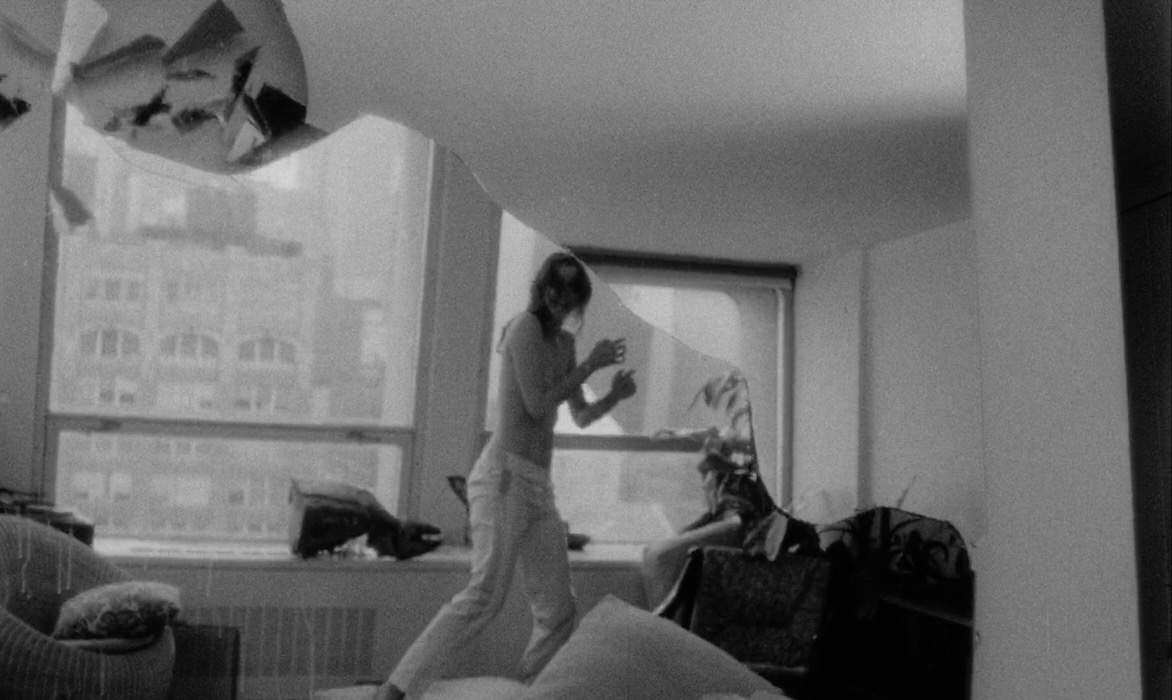
Lights & Mirrors:
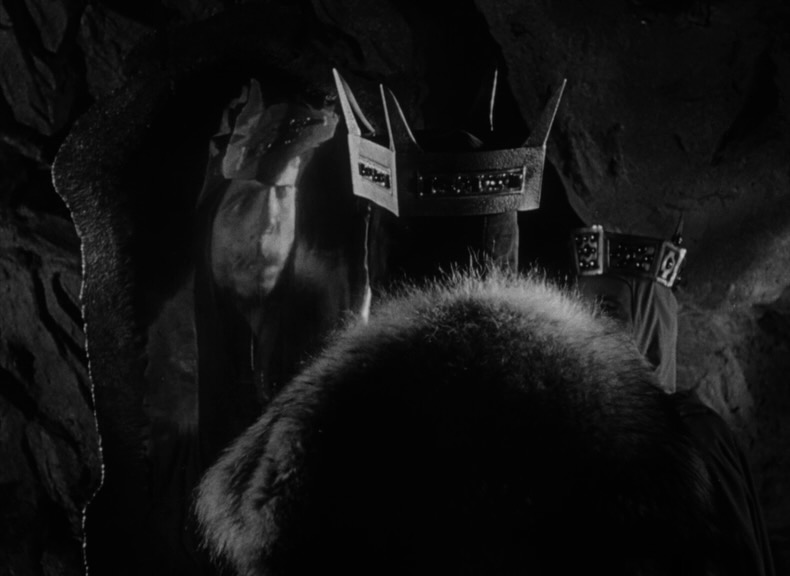
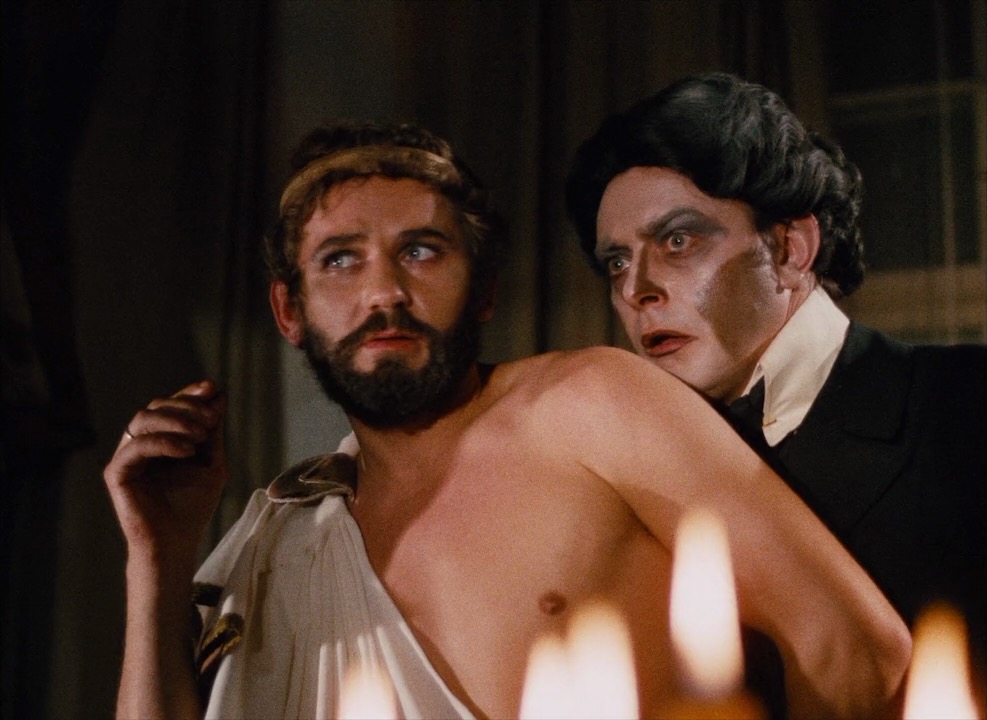
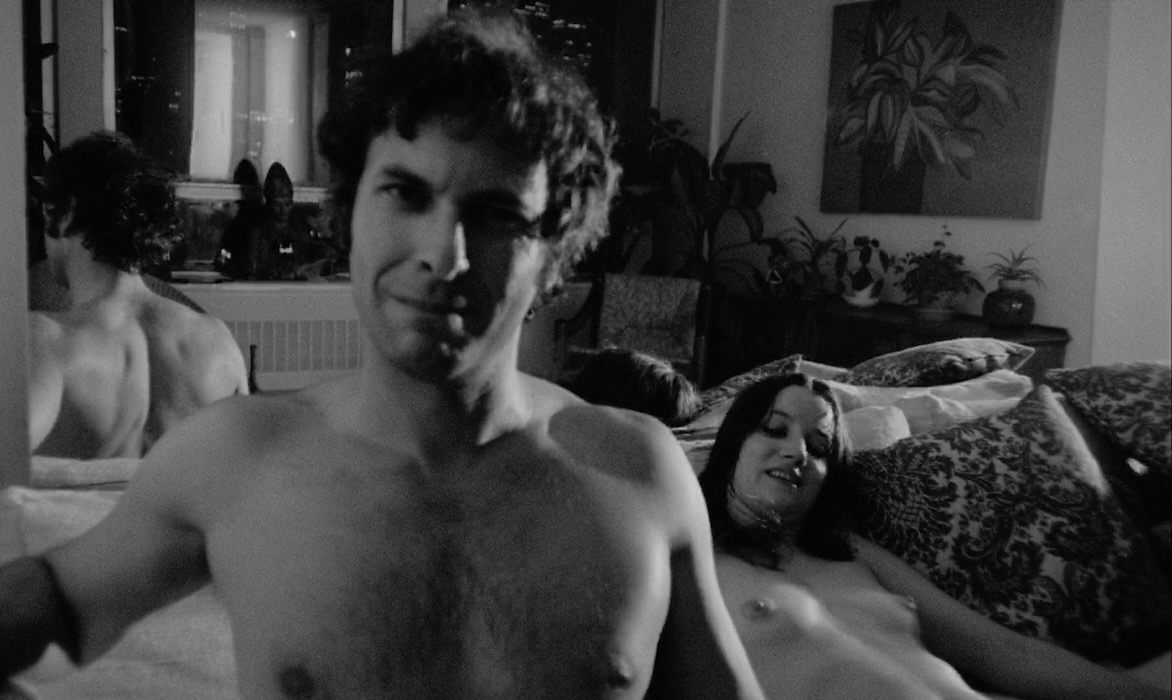
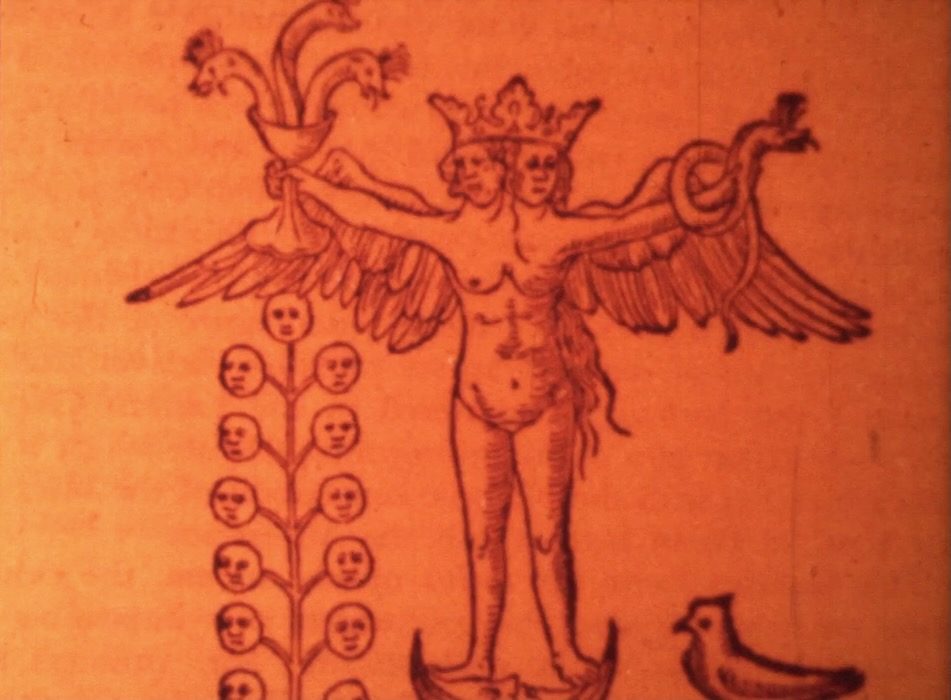
Mildly Lynchian, but some scenes play too much like theater, despite all the big-swing cinema in the other parts. I feel like there’s photography here, and performance, and a sort of world or story, but none of it gels. It’s generous to its unusual actors at least. Playlist called it a “half-remembered dream” which seems right.

Orchard Street (1955)

Doc with good color, up and down a short NYC commercial street, staring at the shops and the workers and patrons. Pretty wonderful. Watching some Varda films this week, so this brings Daguerrotypes to mind. These are silent so I’m testing my new music mix, had to cut some Orbital.


The Whirled (1961/63)

Different unreleased segments stitched together. In the first couple, Jack Smith prances through the streets of NYC. This has sound, but it’s generic silent movie music, so I thought it would be funnier to watch Jack prance to the new Nine Inch Nails Tron soundtrack. Then we get filmed-off-the-TV footage from when Ken appeared on game show Play Your Hunch along with Carolee Schneeman. Then Jack prances through a graveyard.


Window (1964)

Both the Les Rhinoceros and the LCD Soundsystem songs that shuffle chose were inappropriately high-energy for this camera test looking at and through a building’s window and other materials (mirrors and rainy tarp).


Blonde Cobra (1960/63)

We’ve reached Peak Jack Smith, as Ken films Jack doing face/body antics and also records Jack on an audio commentary doing voice/speech antics. “Mother, mother, mooootheeerrrrr.” Too much improv nonsense over black leader, I’ll be glad to be finished with Jack for a while. “What went wrong?!”

Plane Crazy (1928, Ub Iwerks)

The whole barnyard pitches in to build Mickey a rubber-dog-powered airplane, but it explodes immediately, so he sticks a propeller and a turkey tail on a jalopy to get some real power. After terrorizing everyone during takeoff, including some sweet first-person views that might account for this movie being on Jerry Beck’s list, he gets Minnie in the air in order to sexually harass her, but she ditches him mid-flight.


Balloon Land (1935, Ub Iwerks)

No spoken words in the Mickey, this one’s got singing. In a world where everyone/thing is made out of balloons except for the dreaded Pincushion Man, who threatens to pop our dim heroes who wander into the woods. He follows them into town and goes on a mass murder frenzy until the armed forces fight back with tree sap and knock him off the edge of the world. The young couple gets away with bringing grave peril into town since the only witness who could’ve fingered them was killed.


Music Land (1935, Wilfred Jackson)

Princess Violin of Symphony island and Prince Alto Sax of Jazz island have a tryst which starts a war, until the opposing sides chill out and hold a wedding instead. Great character design in this one, with the voice of each character “spoken” by the instrument it represents.


Mother Goose Goes Hollywood (1938, Wilfred Jackson)

Just a string of parodies of movie actors ending in a full-cast dance-off. Gross Katharine Hepburn blackface gag, good Marx Bros and Cab Calloway.


A Wild Hare (1940, Tex Avery)

The original Elmer vs. Bugs mind-game cartoon. Lost an oscar to The Milky Way.


Bugs Bunny Gets the Boid (1942, Robert Clampett)

Now a well-established character, Bugs faces off against a dim vulture (condor?), the bird version of Elmer. The buzzard’s voice was a parody of a well-known ventriloquist dummy, created by Edgar “father of Candice” Bergen, whose other well-known ventriloquist dummy was parodied in Mother Goose Goes Hollywood.


Screwball Squirrel (1944, Tex Avery)

Having co-created Bugs, Daffy and Porky, Tex fell out with the Looney producers and moved to MGM, where he appears to have created new versions of Bugs/Daffy (squirrel) and Elmer/Buzzard (dog) to torment with even wilder gags. Full of fun meta jokes, far beyond Screwy talking to the audience – the action hitches when a turntable playing the music score skips, he pulls back the screen to see what happens in the next scene, he interrupts the iris-out to extend the action. Has the same ending as The Palm Beach Story.


Baseball Bugs (1946, Friz Freleng)

Bugs in invincible trickster mode plays every position at once, singlehandedly takes on an entire baseball team – some good gags and frantic energy.


The Big Snooze (1946, Arthur Davis)

Fed up with being tormented, Elmer rips up his contract with the cartoons and goes off to take a peaceful nap under a tree. Bugsy Krueger takes sleeping pills and invades Elmer’s dreams, feminizing him and setting wolves after him, terrifying him into rejoining the chase. One of the shorts Bob Clampett left unfinished when he quit the studio and moved to Screen Gems, where he created Beany and Cecil.


Tweetie Pie (1947, Friz Freleng)

Another Clampett castoff, redesigned by Freleng. Sylvester (here named Thomas) is chasing an bird outside in the snow, which is then adopted by the cat’s owner. Dig the rube goldberg contraption. Ends with the bird just pummeling the cat with a shovel. The first Warner short to win an oscar (vs. a George Pal puppetoon).

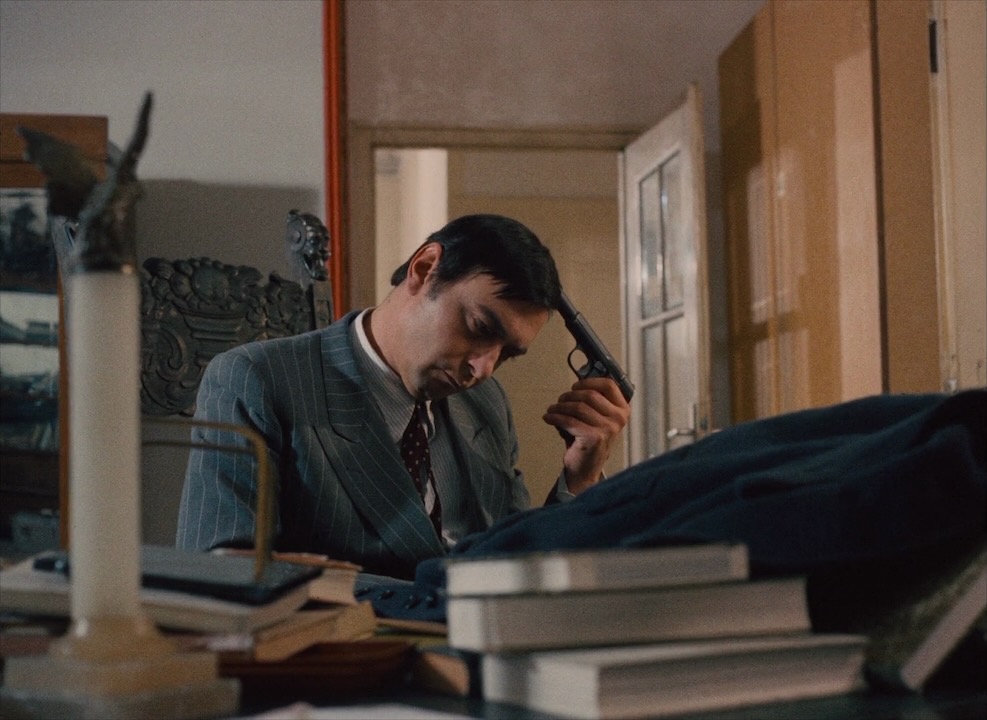
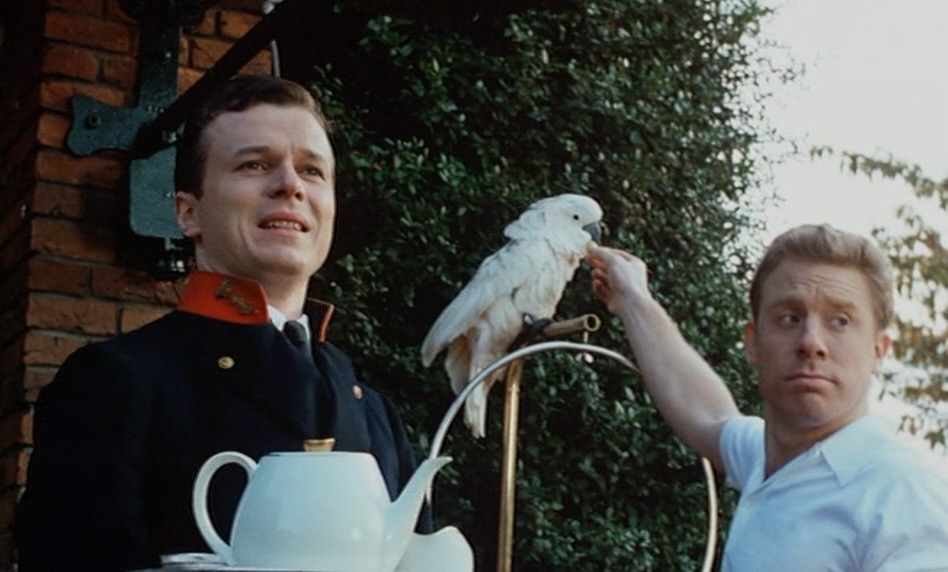
Parents in these movies are all stern, stiff and disapproving, eagerly disowning their kids for dating somebody. Jean’s dad drops dead rather than say goodbye. When Jean doesn’t show at the station due to his dead father, Edna gets on the train and goes to Paris without him. A year later she’s a rich society chick, kept in jewelry and hats by Adolphe Menjou, when Jean shows up to act all righteous then lose her yet again. After a defeated Jean shoots himself, Edna does what all penitent rich women do: open an orphanage.

Adolphe and Edna:

After meeting up again Jean is hired to paint Edna:

I know Chaplin wrote original music for this but I ran my silent movie playlist instead, and heard Cluster, Takako Minekawa, Sly/Family Stone, Shigeru Umebayashi, London Sinfonietta, Sir Richard Bishop, Seefeel, Jacob Mann, Sun Ra, Hania Rani, Squarepusher, Neu, Cyro Baptista, Bar Kokhba, Matmos, bunch of Zorn Book of Angels tracks. Good acting, good cast, good final scene – it seems like Chaplin was determined to prove himself in an area outside his wheelhouse, and unlike Polanski he succeeded.

End-times movie, as our characters drive through the desert of Morocco from one rave to another while WWIII appears to be starting offscreen. The main Spanish guy (from Pacifiction and Pan’s Labyrinth) loses his son while searching for his daughter, movie randomly ends up in a minefield where we lose half the remaining characters. Filipe calls it stupid and evil, I rather liked it but couldn’t figure out its point.

Mostly it’s a casting triumph – they take inventory of the new-wavers with onscreen labels whenever somebody shows up. I could say that this doesn’t have much value if you’re not already a Godard/Breathless fan, but I suppose in that case why would you be watching movies at all? It’s not the first Linklater movie that’ll mess you up with its postscript text. Everyone looks like they had fun – that’s what is important.

Ethan Hawke showcase, playing a songwriter whose partner has found success with a different partner. He flails around his favorite bar, chatting with bartender Bobby Cannavale and random patron EB White, waiting for Margaret Qualley to show up (script is based on letters they wrote each other), but she mostly wants to meet ex-partner Rodgers, the man of the hour. Feels more filmed-theater than Nouvelle Vague, besides whatever effect they used to shrink Hawke so everybody will dwarf him, but I had a better time with this one.

Nausicaa (1971)

Episodic in different styles, like The Silence Before Bach, and more engaging about Greece than her friend Chris Marker’s The Owl’s Legacy. A big improvement over Lions Love. Varda’s last movie before Mathieu was born and she took a few-year break, returning with Daguerrotypes.

Interview with Pericles, arrested and tortured in Greece after the 1967 coup. Flamboyant sketch about greek art led by advertising guy Mr. ID, jeered by an unseen audience when it ends. Salesgirl selling greek art books instead of bibles (of course you can pay in installments). Newscaster-like guy gives us a history lesson on the coup. Interview with a greek soldier who fled. A geologist found work as a night watchman, misses the sun and the sea, his friends and family now in prison.

Varda makes her first appearance in the next segment, a gathering of exiled Greeks, and a drama starts to come together. We get a recurring character in the salesgirl, and some scripted drama as a young Gerard Depardieu steals her books. The girl and her roommate are hosting a Greek refugee journalist in her apartment until he can get his own place.

Street interviews with tourists who love Greece and don’t think about the politics, and a visit to the Club Med office. A scene purportedly set in Greece, but the backdrop of sea and mountains is transparently fake. Narration by one of the guys who tore down the nazi flag from the Parthenon during WWII. Skit with a girl named Democracy being whipped by her authoritarian mother, asked to sign a loyalty oath.

Democracy hiding under the table:

Episode narrated by Varda about her family history. She talks about a harbor trip she took with the actor playing the refugee journalist, throwing her producers under the bus for not having enough crew to capture sound on their trip.

A factory secretary tell the journalist her secret family history – she turns out to be the mom of one of his hosts, the one from Golden Eighties. After he sleeps with the non-Eighties girl, instead of having them speak to each other, Varda reads both their lines from the script as narration.


Documenteur (1981)

A vaguely depressing one, made during Varda’s second Los Angeles residency, the same year as Mur Murs (and also interested in street murals). Sabine Mamou (Varda and Demy’s editor) and her son (Mathieu Demy) are in LA, she is a typist bouncing between residences, staying with friends until she gets her own place. The movie is very into watching local people, not clear where the actor/documentary line is drawn, with wordy narration, full of wordplay and association.


Pasolini/Varda/New York (2022)

Shot on a walk through NYC in 1966, with sound and editing done the following year, then lost until Rosalie restored it in 2022. Pasolini has essential thoughts about New York and filmmaking.


Ô Saisons, Ô Châteaux (1958)

Maybe her most picturesque movie, an elegant tour of fortresses and castles, with a light jazz soundtrack and poetry excerpts. Torn between thinking this is great and thinking it’s a piece with the tupperware advertisement she directed. Reading the Carrie Rickey book now, which says this was an important step in getting Varda connections and respect and funding for her next steps after La Pointe Courte.


One Minute for One Image (1983)

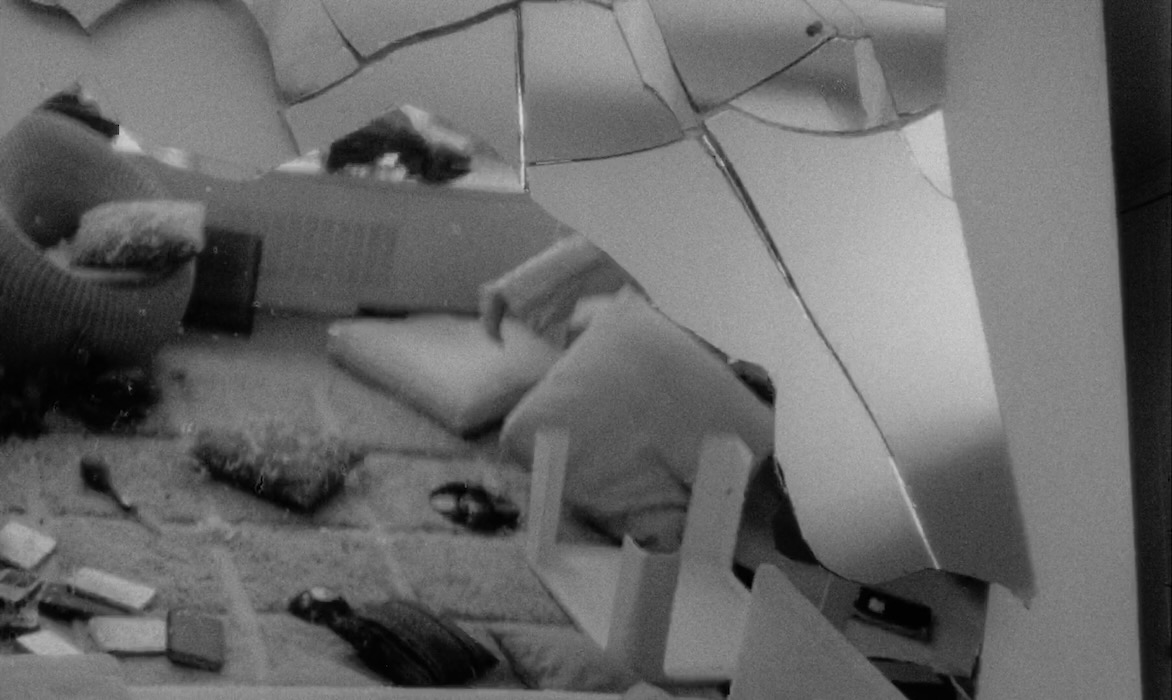
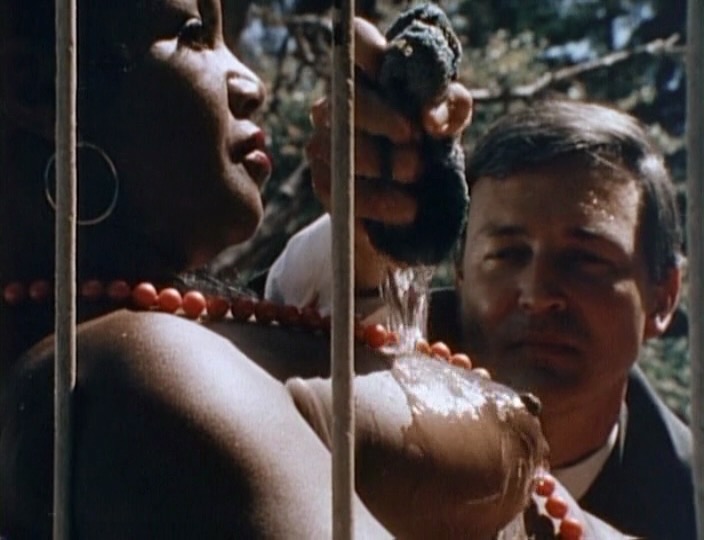
Commentary on photographs by (mostly) other artists. Old woman’s face, naked boy held by old women, boats with person in foreground, hand surgery, family in open house, mass grave (this has second narrator Jacques Monory), handshake with fish hand (below), family portrait (with guest commenter Agnes’s mom), mud wrestling, hippie facing soldiers, mirror shard and purse contents on street (a still from Cleo from 5 to 7), kids on a Chinese wall, nude mirror polaroids.


Les Enfants du Musée (1964)

Short doc of a youth program at the museum for aspiring artists.


Les 3 Boutons (2015)

No shade on Varda, this is just an overpriced fashion commission. Teen girl leaves her goat farm after receiving a package full of magic fabric, floating through the city in a robe, losing three buttons and gaining three wishes. Good color, nice focus tricks, and standard ugly CG. Also checked out the DVD extras/follow-ups to Daguerrotypes and a couple others – there is a wealth of material on Criterion.