Masterful mashup of different ghost movie premises, dead girl is forced to Monsters Inc before she Back to the Futures, joins a misfit team of has-beens and together they thrive.


Masterful mashup of different ghost movie premises, dead girl is forced to Monsters Inc before she Back to the Futures, joins a misfit team of has-beens and together they thrive.
After Alone, why not watch another girl get kidnapped by a serial killer and try to escape her fate. This time things are more complicated – we see other victims, there’s an attempted rescue, and the maniac is a boater who feeds captured surfers to sharks while filming them on VHS.


Surfer Zephyr (of Southbound) has a lovely time with new friend Moses, then she drives to the beach, gets kidnapped by a maniac and locked on his boat with fellow victim Heather. Really Good Guy Moses keeps searching for her, connects the clues, and arrives only to be kidnapped himself, then Z chews off her own thumb to escape from the cuffs Saw-style. Byrne is two for two, now I’ve gotta catch The Loved Ones. Everyone else who watches this already knows who villain Jai Courtney is – I’ve only seen him in Edward Furlong cosplay as a lead-in to Yoga Hosers.


Clooney is the bank robber who didn’t mean to kill anybody but absolutely will if they force his hand, Quentin is his idiot brother who kills as many people as possible and gets to suck whiskey off Salma Hayek’s feet. I would say the violence is distasteful, but I also just watched The Devil’s Rejects and Terrifier 2, so, shrug.


After they kidnap Harvey Keitel with daughter Juliette Lewis and son who doesn’t get to do much, and cross into Mexico to meet their contact at Salma’s vampire biker bar, fellow badass almost-survivors are Tom Savini and Fred Williamson. Between the shooting and cutting and action and makeup, all the craft is top-notch, so it’s a shame they throw in some dated morphing effects.

Rosenbaum raves: “if your critical horizons are low and you’re feeling in a nasty mood, you probably won’t be bored.”
Tito & Tarantula:

The future Machete:

Regarding my recent complaint that holding any two sticks together forms a holy-enough cross to ward off vampires, they reason that it worked for Peter Cushing.

Having watched a Laurel & Hardy short this year and checked out some Three Stooges shorts, might as well revisit these guys, who I haven’t seen since I was eight. I can remember Abbott is the straight man from the “Hey Abbott!” cries in Looney Tunes, but in person he’s got nothing going for him except the name – I’d trade him in for a second Costello.
Hey Ma:

Costello is an idiot delivery boy bringing crates to an upcoming House of Horrors (this part clearly inspired the first half of Salem’s Lot). He’s stalked by both Dracula and the Wolfman, while hotgirl Lenore wants his smooth pliable brain for her Frankenstein. It’s all tiresome and bad except for the use of animation in the vampire bat transformations, which actually look smoother than the CG assists in From Dusk Till Dawn.


Most straightforward story of the season: Jess is kidnapped by creepy mustache man (who recently played a cop in Companion), escapes getting serial-killed by fleeing into the woods, then jumping into a river, then playing the most dangerous game (with hunter Robert as collateral damage). She does manage to kill the dude and get rescued, but her biggest triumph is grabbing his cellphone and trash talking him to his wife (who thought he was on a business trip).


Opens with a Nightmare at 20,000 Feet scenario.
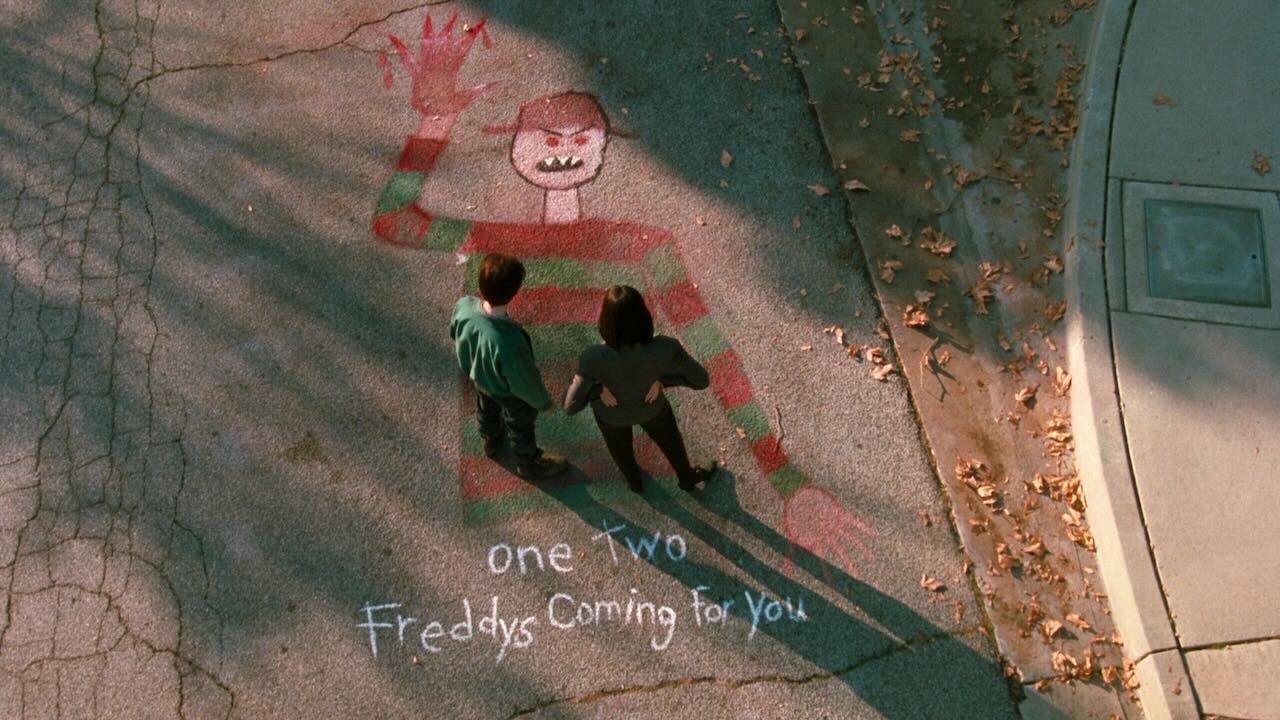
After a teenage apocalypse, 24 year-old Shon is the last living teenager in Ohio.
Fred keeps wizard-of-ozzing him, until Amnesiac Shon thinks he is the Anti-Freddy Messiah, then he gets dropped from a height onto a bed of spikes.
Dream Therapist Yaphet Kotto and Lisa “sister of Billy” Zane are counselors bringing a fresh batch of doomed teens to Freddytown. They immediately run into Roseanne and Tom Arnold, a bad sign.
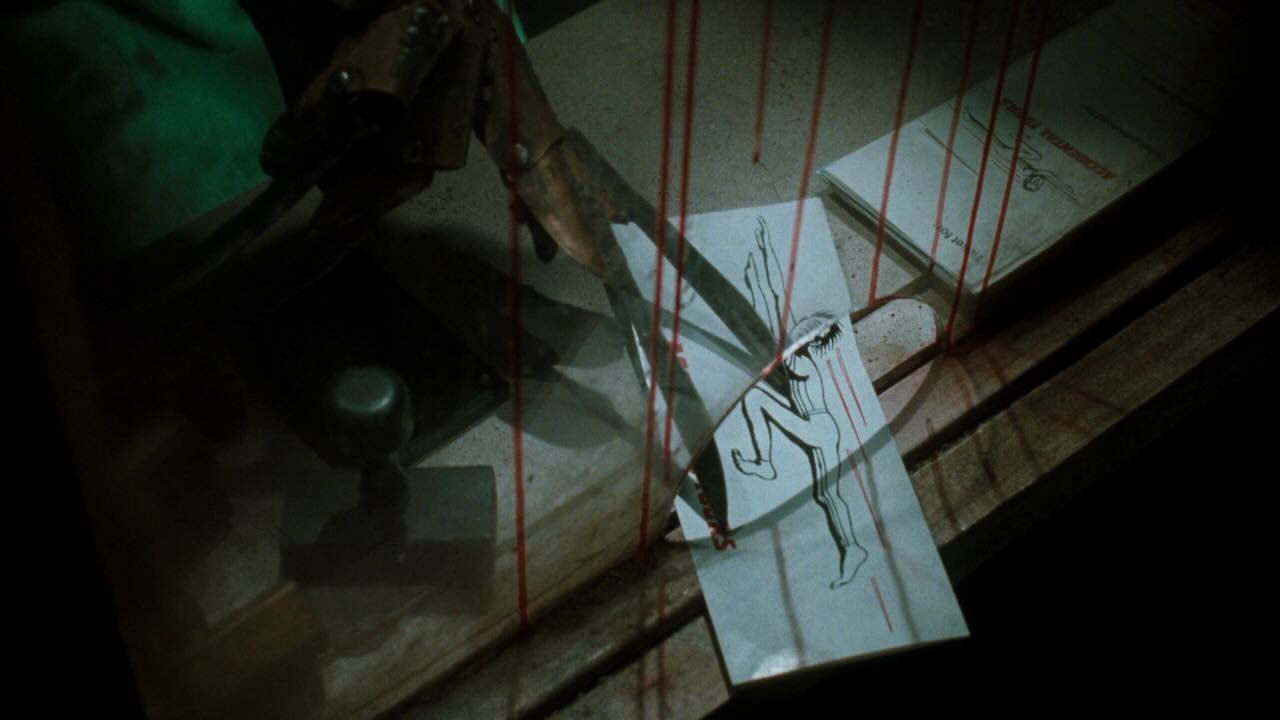
Deaf Ricky Dean Logan (Back to the Future Part II) is given faulty hearing aids and his head explodes.
Gamer Breckin Meyer (of Skeet Ulrich thriller Touch) goes inside the television and gets Super Mario’d in a series highlight.
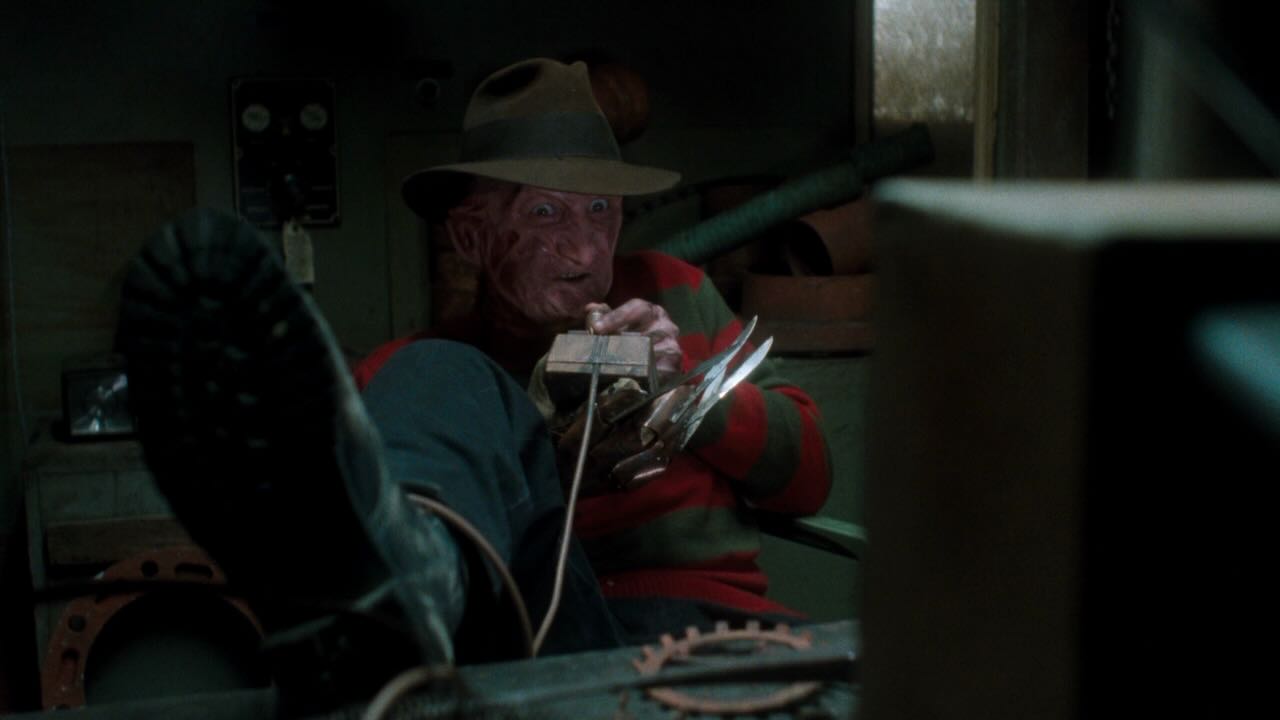
Boxer Lezlie Deane (of 976-EVIL) maybe survives along with the counselors?
Comin’ at ya:
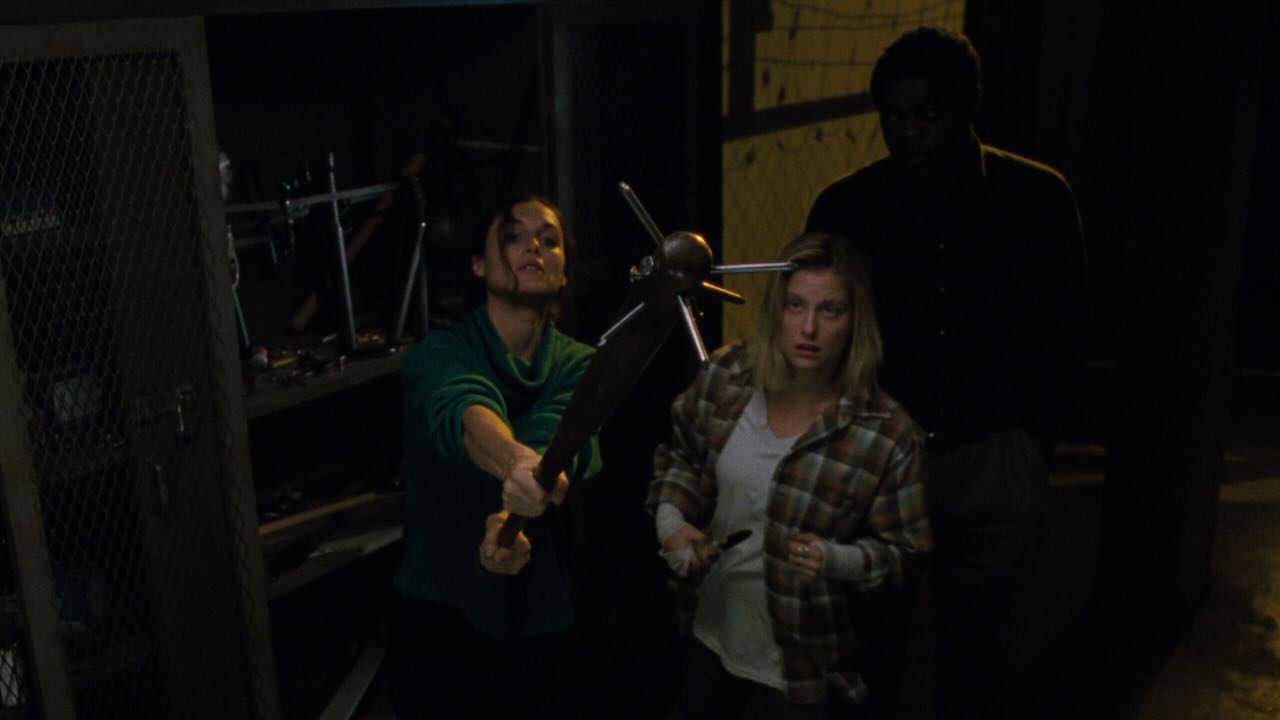
Little Fred turned bad because his father was Alice “Prince of Darkness” Cooper. Now he’s dead, like the title says. They got him with a grenade, he’s dead for sure.
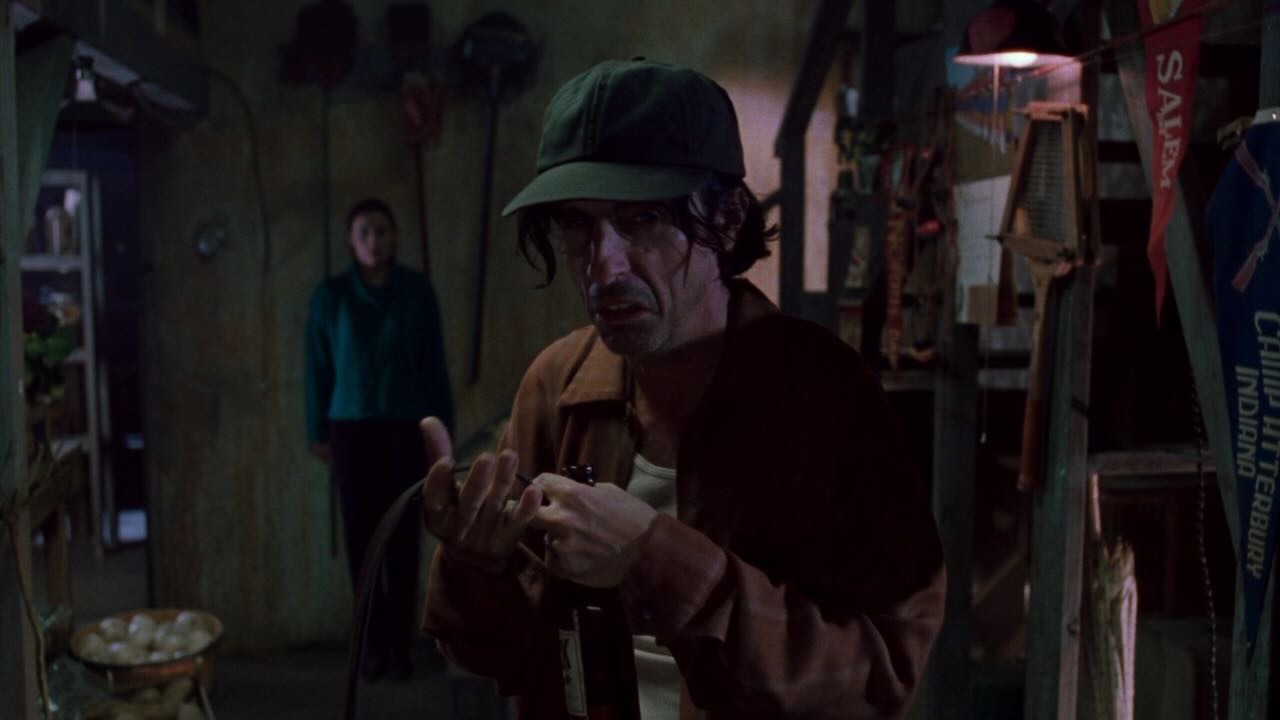
Talalay followed up with video store staples Ghost in the Machine (a mashup of Lawnmower Man with Pulse 1988) and Tank Girl.
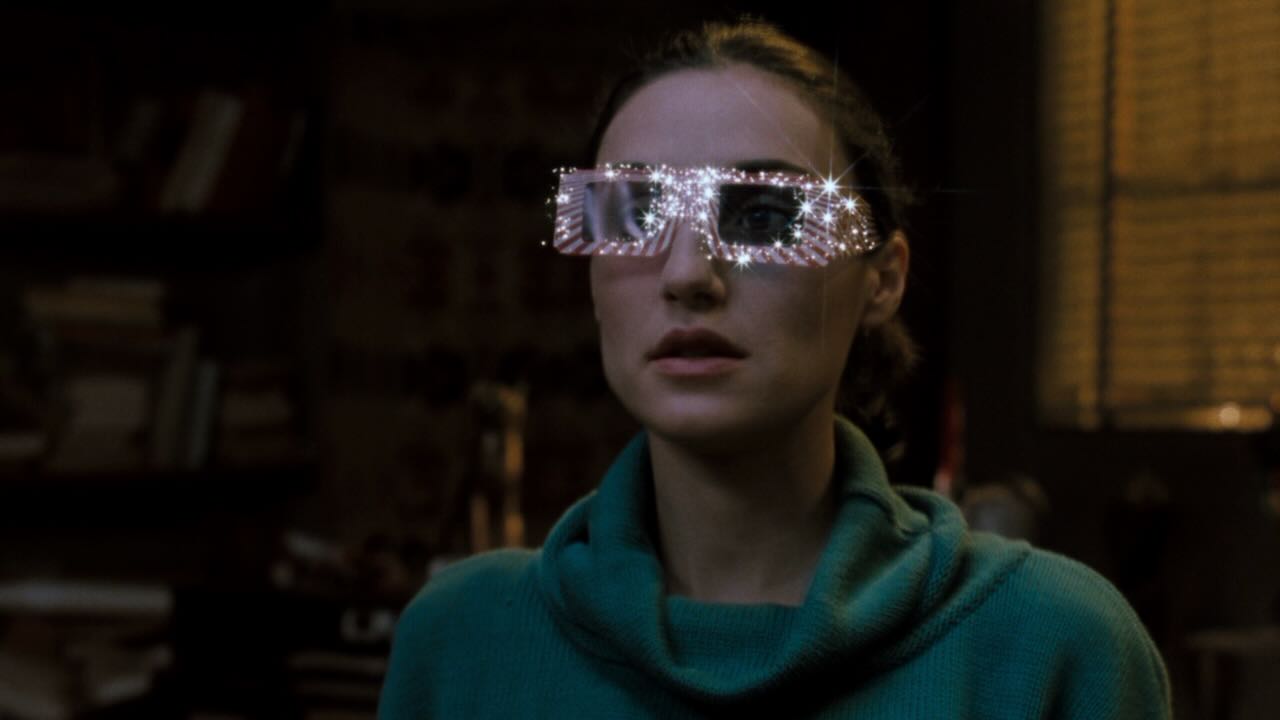
Comin’ at ya:
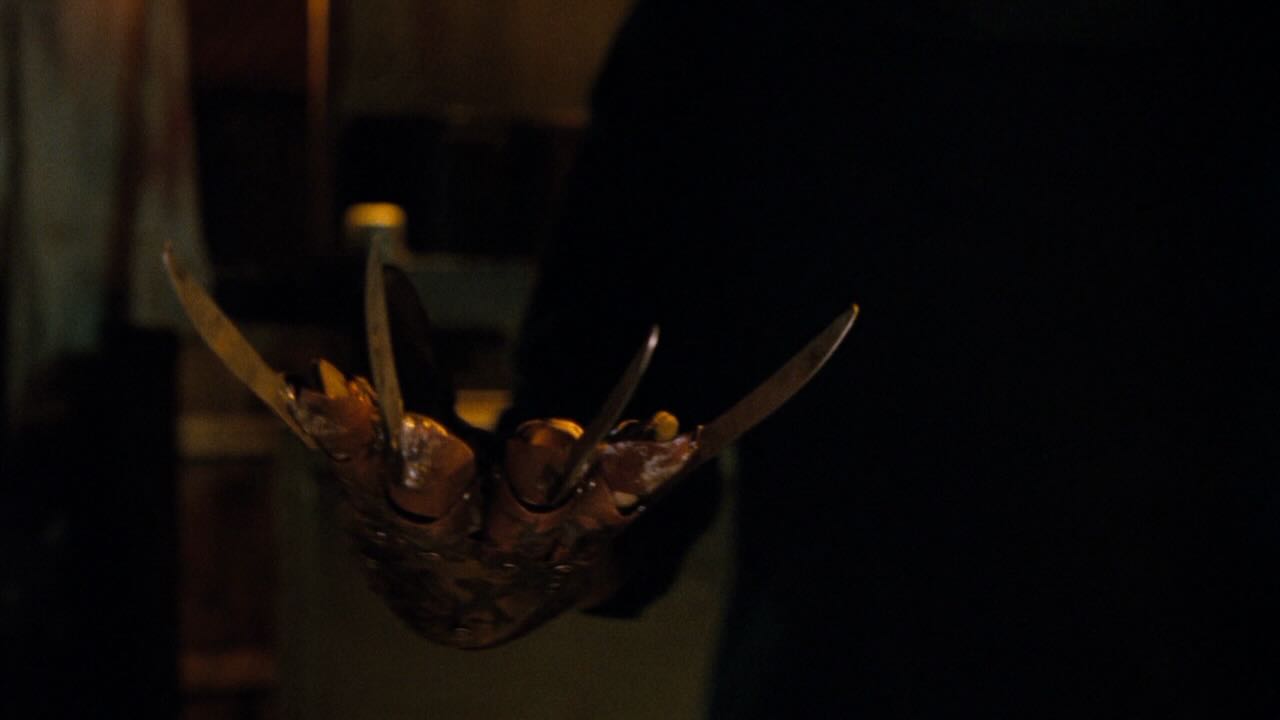
A Marilyn Manson joke in the movie’s opening seconds, paterfamilias Ray Wise driving his daughter Laura, the camera hovering over the center line – somebody’s got a thing for David Lynch. It’s a Christmas road trip movie, petty griping from the back seat, until the ordinary gets interrupted by a Woman In White holding a dead baby. Figuring out what to do about the WIW the family members get separated, then they find what’s left of the daughter’s boyfriend Brad aside the road.
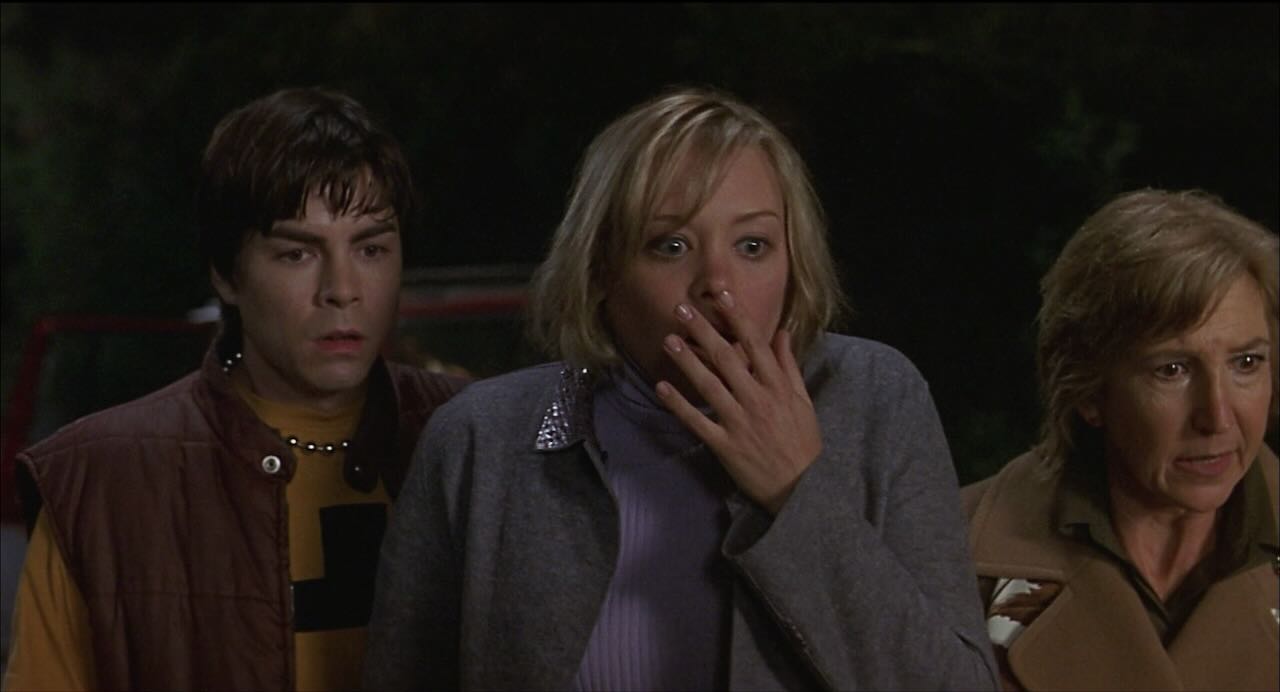
“This reeks of alien activity, you guys.” They appear to be on a loop road like the one in Freddy’s Dead, and whenever the Woman In White kills someone the survivors see them being taken away in a black car. After her son disappears mom goes nuts and shoots Ray in the leg, then she’s next. It all turns out to be a purgatorial fantasy when the daughter wakes up and is told she survived the car crash that killed the others.
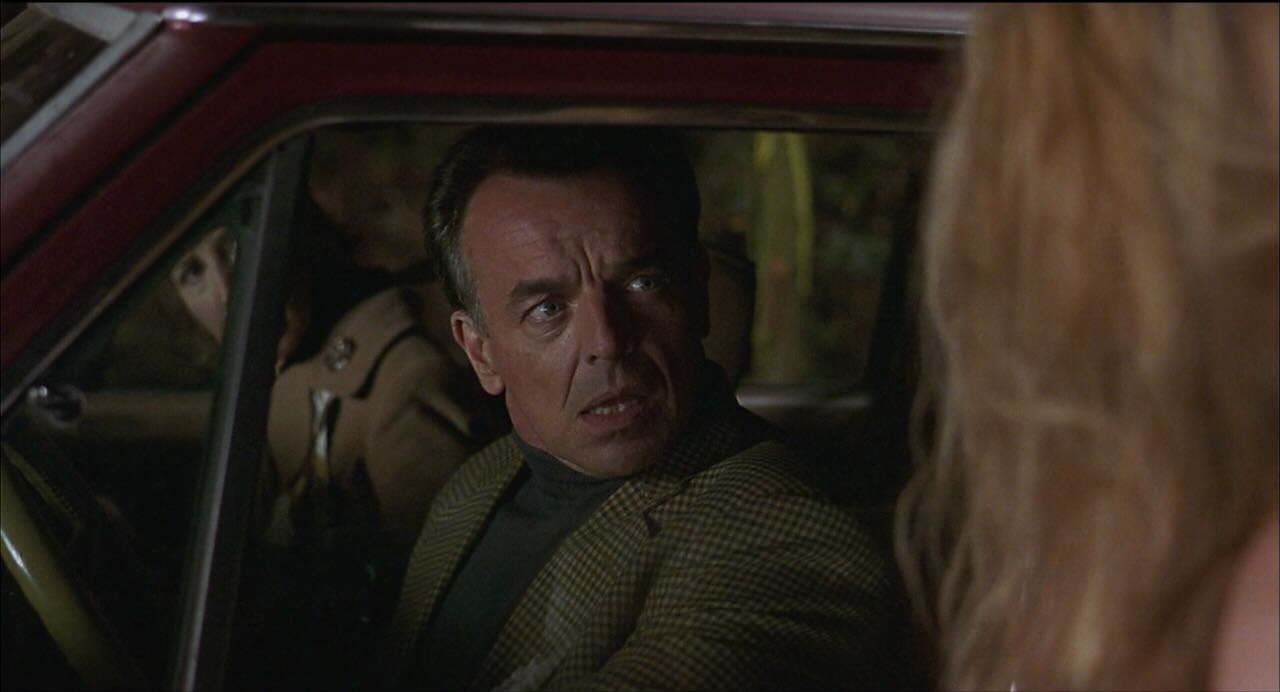
Not a bad movie, though the music is a great crime. Most of the people who made this never worked again. The DP did an Elijah Wood thing, an exec producer worked on Voyage of Time. The mom is horror regular Lin Shaye, in Critters and The Hidden and New Nightmare, the WIW was a beer spokesmodel, and the daughter was in a Sid Haig / Bill Moseley movie that Rob Zombie had nothing to do with.
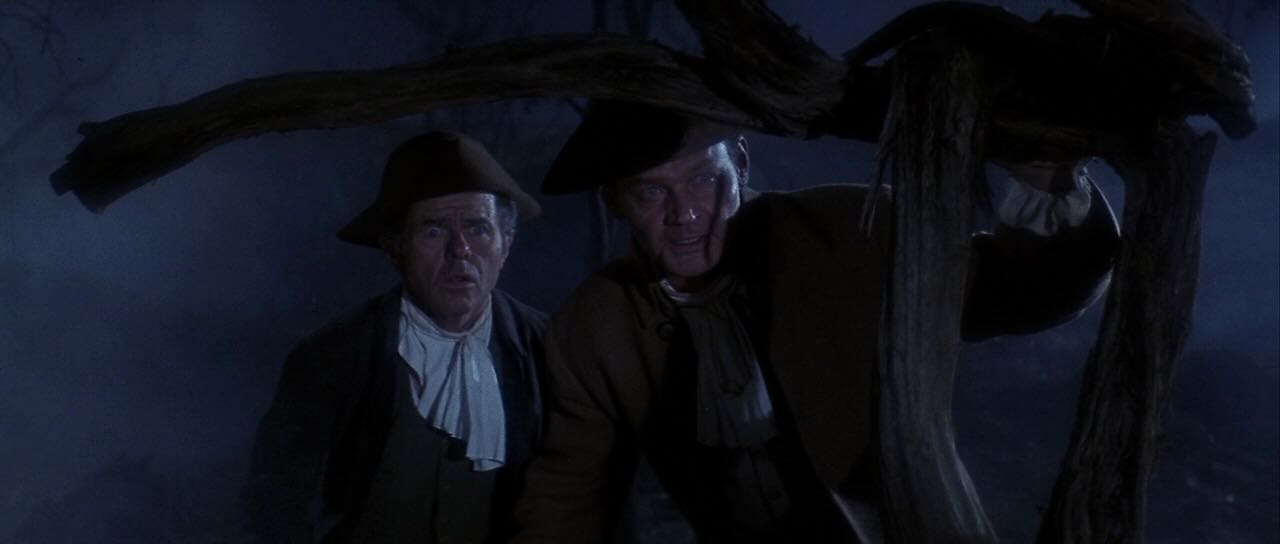
“One becomes accustomed to the darkness here.” Another year, another lovely Corman/Price/Poe movie, this one with some Lovecraft mixed in. The Raven came out in January, The Terror in June, X in July, and this in August – Corman was a powerhouse in ’63.
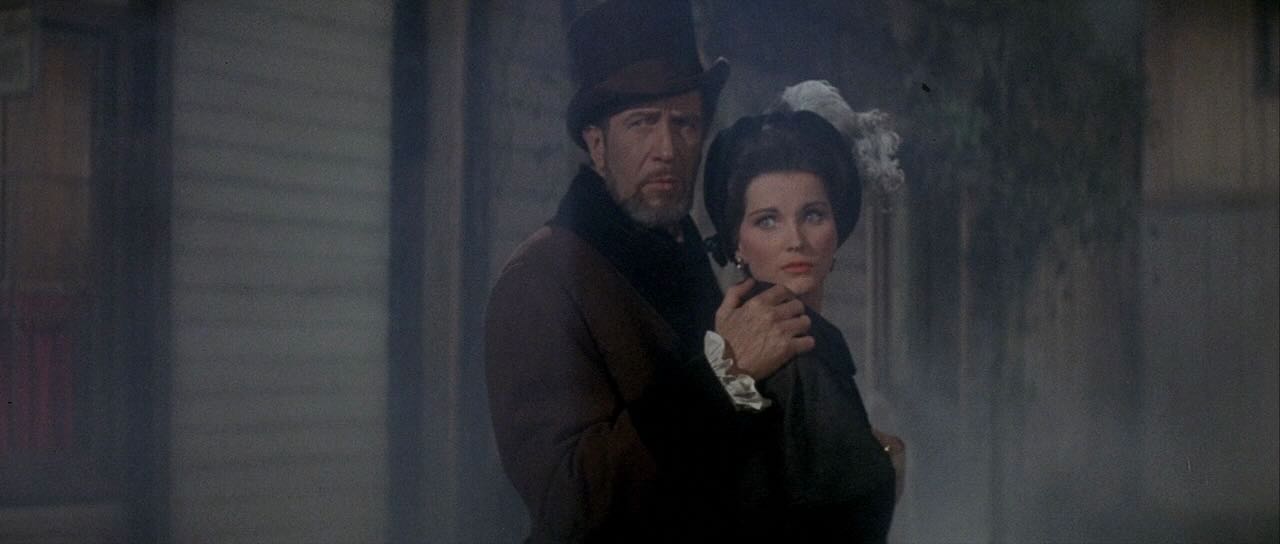
Vince prepares the waffle iron:
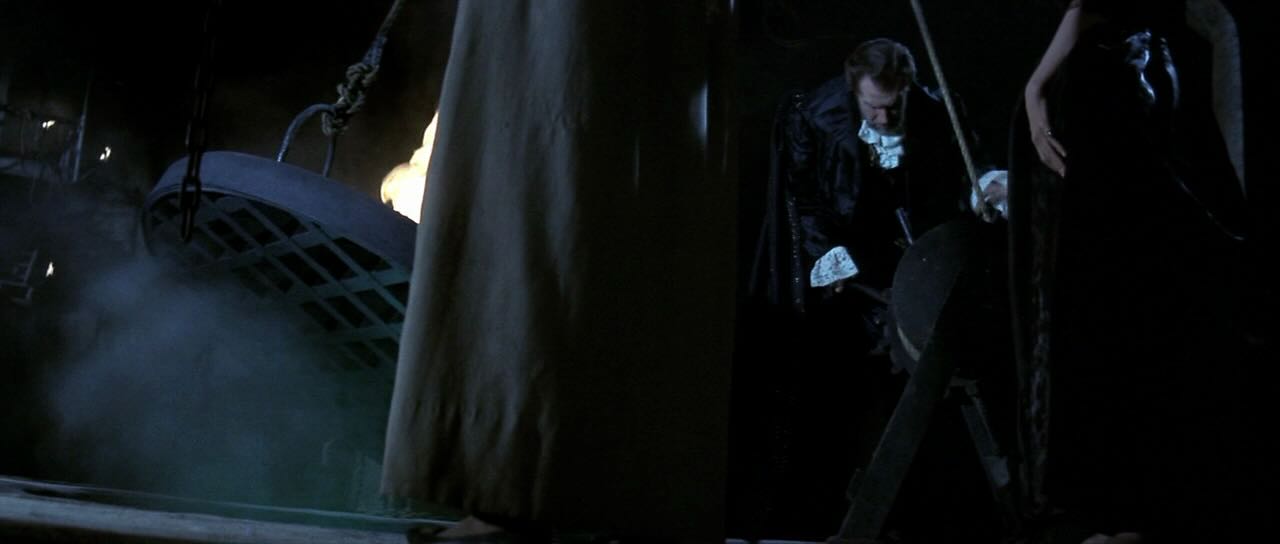
110 years after Vince got burned as a witch, his descendant (also Vince) comes looking for his haunted palace inheritance, along with his useless woman Debra Paget (of Tales of Terror, Lang’s Indian Tomb star). They find Lon “The Wolf Man” Chaney claiming to be the caretaker, but he’s standing in the dark and has cleared out none of the cobwebs.
Elisha debuts his famous wide-eyed stare:
Possessed Vince with Lon and their bald friend:
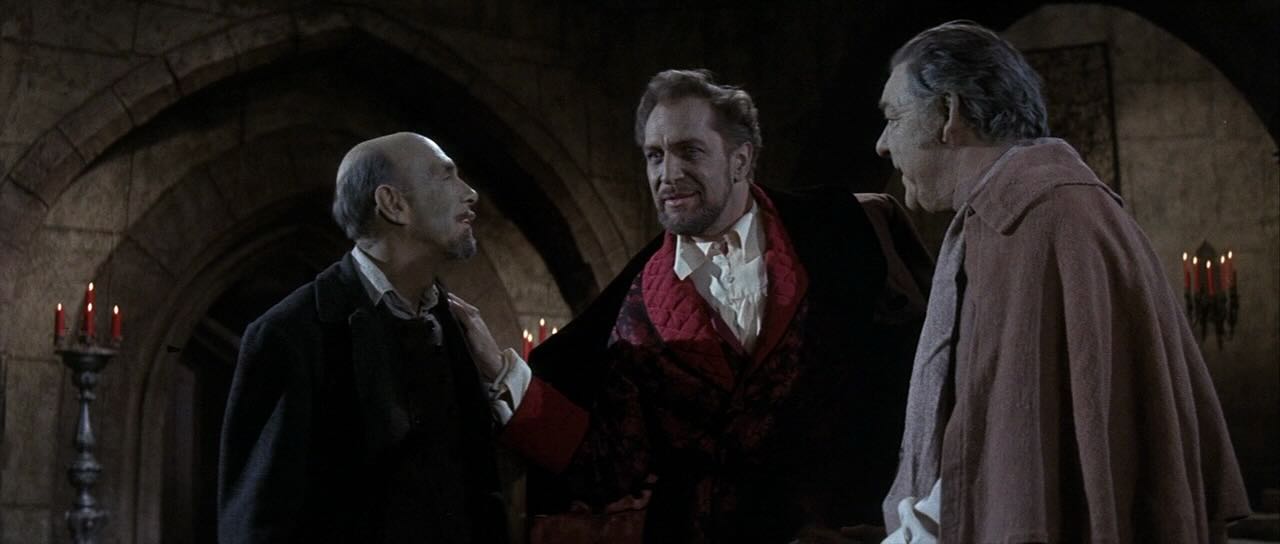
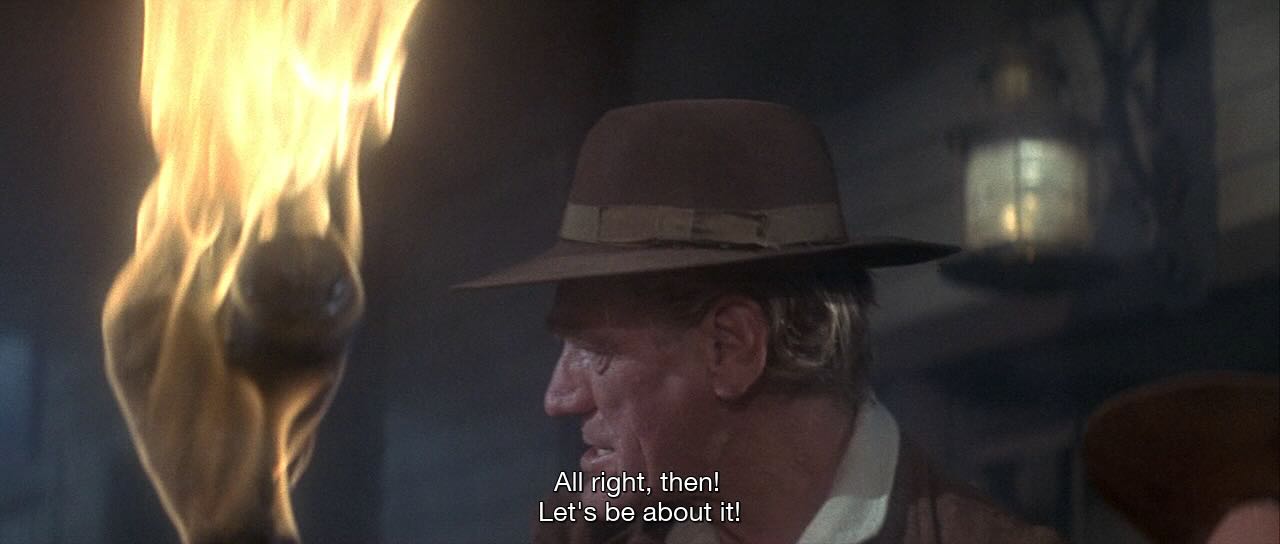
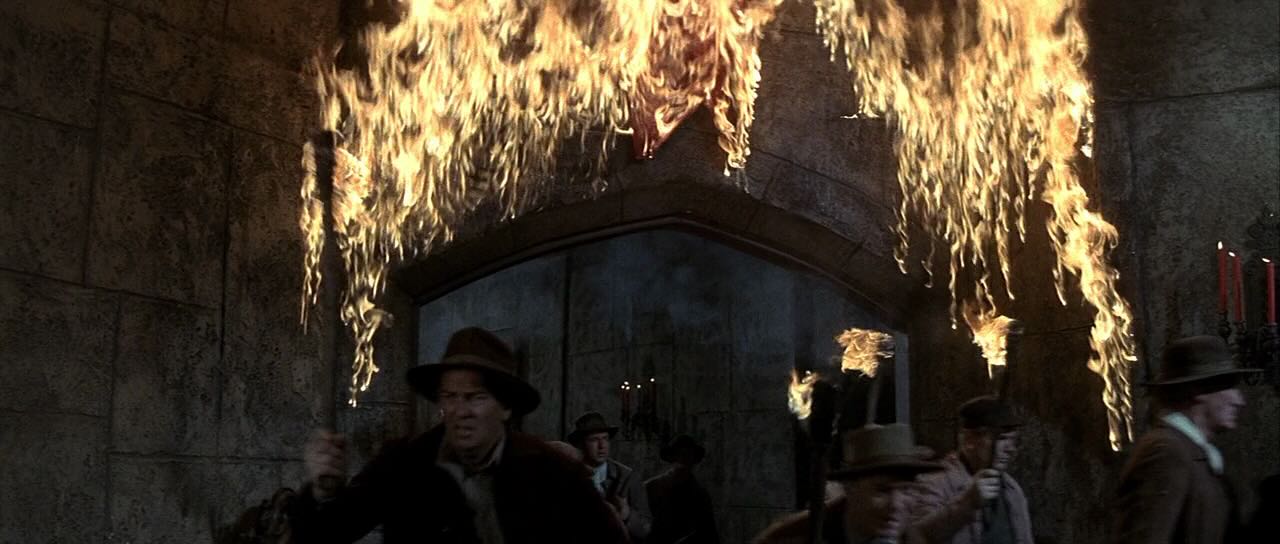
Ancient Vince had possessed the Necronomicon (this is a good movie to watch right after The Ninth Gate) and his vengeful spirit still lives in the basement. With Chaney’s assistance he possesses Current Vince and summons hellfire against his enemies’ families who all still live in town – first Leo Gordon (villain of Riot in Cell Block 11) then the great Elisha Cook Jr. (in his first of many demonic and scary-house movies). The only normal guy who advocates against revenge and mob violence is Dr. Frank Maxwell (also the only normal person in The Intruder), but you can’t stop mob violence – at least the townspeople pause outside the castle to call Vince’s name a couple times before they charge in and set the place on fire.
How people in New England say “let’s do this”
Pre-Big Chill William Hurt and Post-Close Encounters Bob Balaban are doing isolation chamber tests in 1967, Hurt appreciates the trippy demon visions he experiences in the tank, and shares his thoughts on the matter while his girl Blair Brown is trying to make love to him.

A decade later Blair is leaving socially awkward Hurt while he’s heading to Mexico to try mushrooms (to open ancient physiological pathways in human consciousness), which take him to another place that he can’t remember when he sobers up. So he heads back into the isolation tanks, enlisting angry skeptic Charles Haid (pre-Nightbreed!) to observe.


Now on mushrooms in the tank, Hurt witnesses the birth of mankind and bodily regresses to gorilla-state. None of the others (not even lab tech John Larroquette) can deny something crazy is happening here, so Hurt keeps it up, getting arrested for monkeying at the zoo. But he goes in too many times and hellraisers himself into a primordial vortex (even more impressive since Hellraiser hadn’t been invented yet), leading to some major fluid/space/video effects.


Honestly weird movie, surprising that Cronenberg didn’t make this. A small part of the runtime is rapid editing of trippy imagery, larger part is a guy turning into an ape and wreaking havoc, mostly it’s intellectuals talking rapidly at each other. Criterion says Russell was picked after 26 others had passed and the results made everybody mad at him, haha.