Orchard Street (1955)

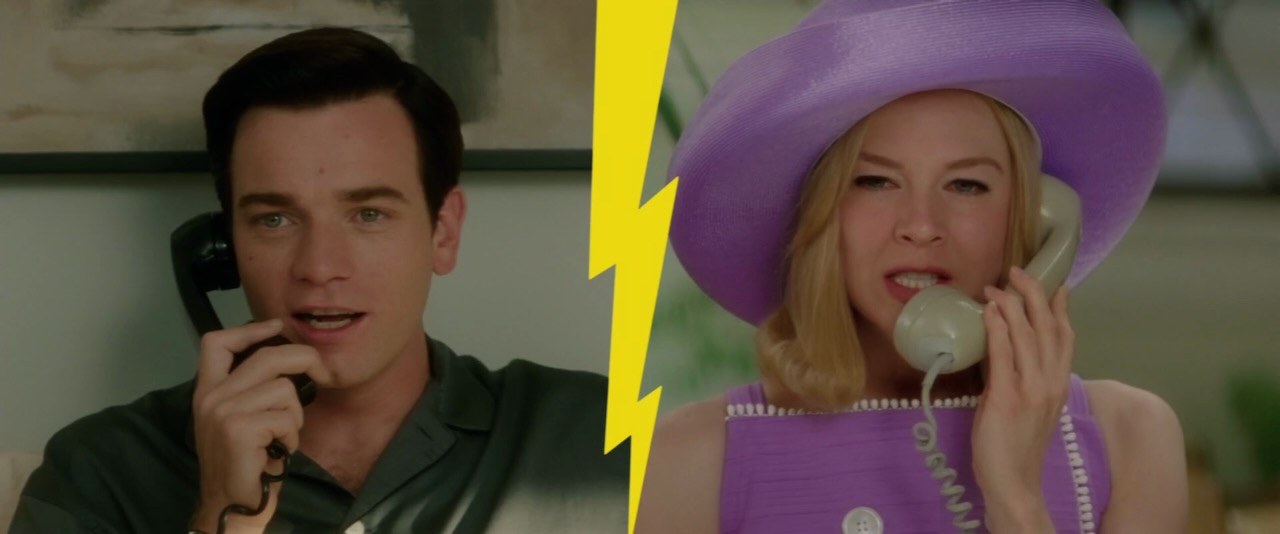
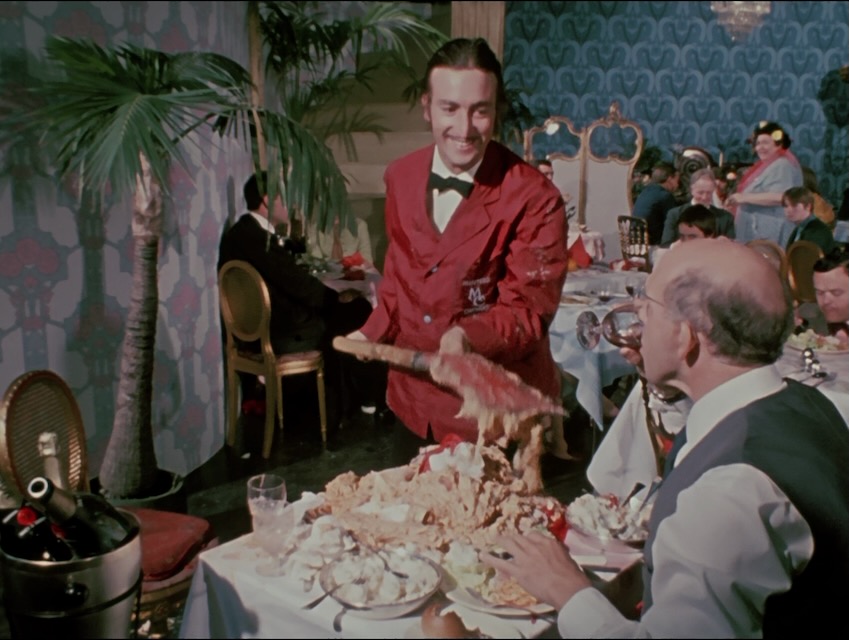
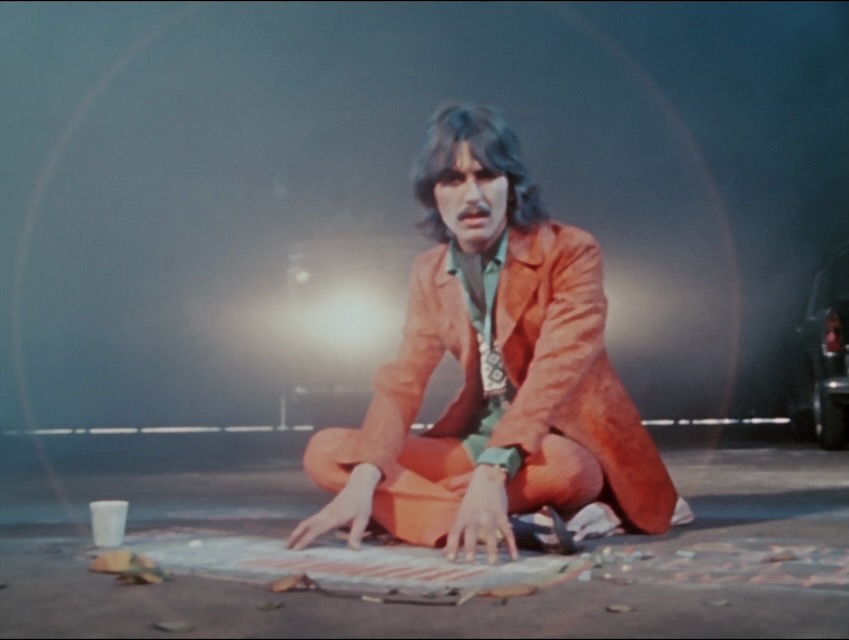
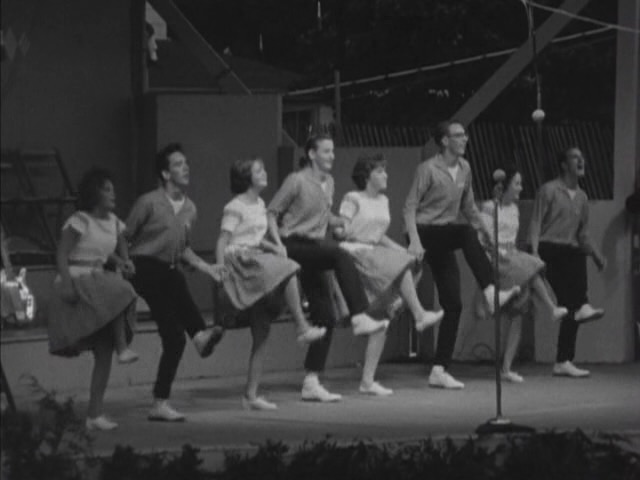
Doc with good color, up and down a short NYC commercial street, staring at the shops and the workers and patrons. Pretty wonderful. Watching some Varda films this week, so this brings Daguerrotypes to mind. These are silent so I’m testing my new music mix, had to cut some Orbital.


The Whirled (1961/63)

Different unreleased segments stitched together. In the first couple, Jack Smith prances through the streets of NYC. This has sound, but it’s generic silent movie music, so I thought it would be funnier to watch Jack prance to the new Nine Inch Nails Tron soundtrack. Then we get filmed-off-the-TV footage from when Ken appeared on game show Play Your Hunch along with Carolee Schneeman. Then Jack prances through a graveyard.


Window (1964)

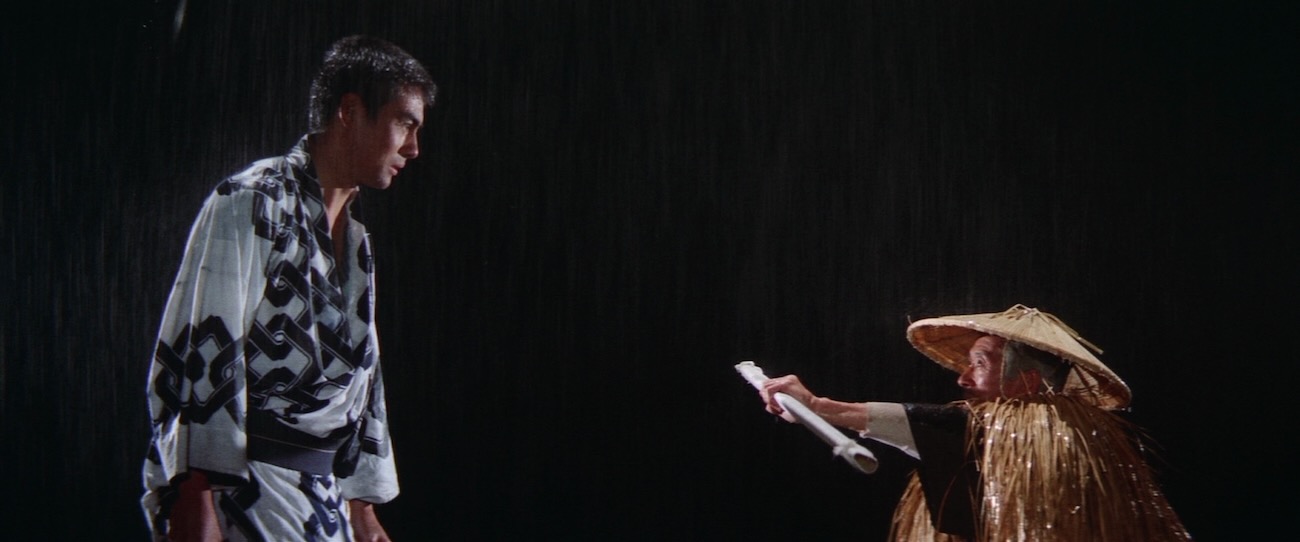
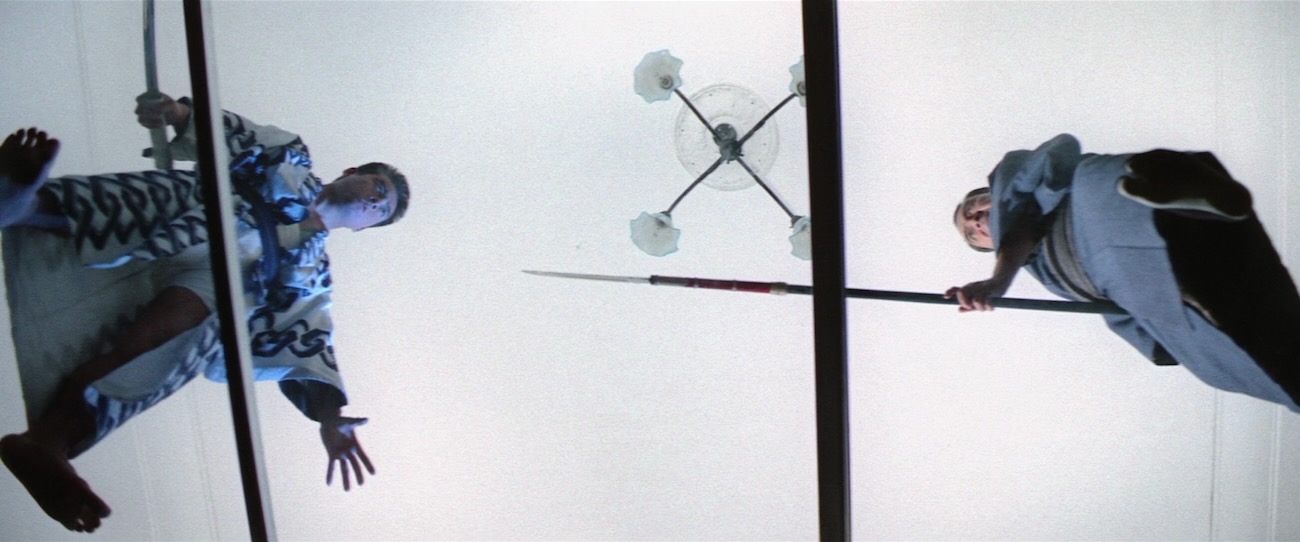
Both the Les Rhinoceros and the LCD Soundsystem songs that shuffle chose were inappropriately high-energy for this camera test looking at and through a building’s window and other materials (mirrors and rainy tarp).


Blonde Cobra (1960/63)

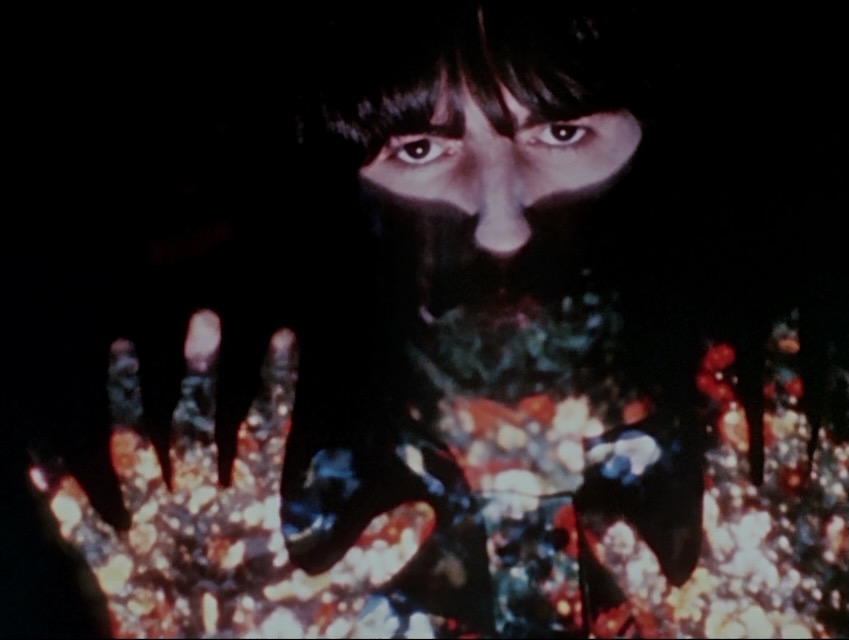
We’ve reached Peak Jack Smith, as Ken films Jack doing face/body antics and also records Jack on an audio commentary doing voice/speech antics. “Mother, mother, mooootheeerrrrr.” Too much improv nonsense over black leader, I’ll be glad to be finished with Jack for a while. “What went wrong?!”

“One becomes accustomed to the darkness here.” Another year, another lovely Corman/Price/Poe movie, this one with some Lovecraft mixed in. The Raven came out in January, The Terror in June, X in July, and this in August – Corman was a powerhouse in ’63.

Vince prepares the waffle iron:

110 years after Vince got burned as a witch, his descendant (also Vince) comes looking for his haunted palace inheritance, along with his useless woman Debra Paget (of Tales of Terror, Lang’s Indian Tomb star). They find Lon “The Wolf Man” Chaney claiming to be the caretaker, but he’s standing in the dark and has cleared out none of the cobwebs.

Elisha debuts his famous wide-eyed stare:

Possessed Vince with Lon and their bald friend:

Ancient Vince had possessed the Necronomicon (this is a good movie to watch right after The Ninth Gate) and his vengeful spirit still lives in the basement. With Chaney’s assistance he possesses Current Vince and summons hellfire against his enemies’ families who all still live in town – first Leo Gordon (villain of Riot in Cell Block 11) then the great Elisha Cook Jr. (in his first of many demonic and scary-house movies). The only normal guy who advocates against revenge and mob violence is Dr. Frank Maxwell (also the only normal person in The Intruder), but you can’t stop mob violence – at least the townspeople pause outside the castle to call Vince’s name a couple times before they charge in and set the place on fire.

How people in New England say “let’s do this”

The Quatermass movies are like Knives Out, not really sequels, just the continuing otherworldly adventures of Dr. Q – same studio a decade after the last one, but everyone here is new except the writer. The doctor (Andrew Keir, a Hammer guy who tended to play priests and professors) is recruited by a military bomb squad and taken to subway station Hobbs End (“hob was once a sort of nickname for the devil”) where ancient apeman skeletons and a mysterious vessel have been excavated. The film title evokes Poe, but the pit is just a subway tunnel.

Dr. Q and the Colonel

Doing Science:

After they uncover locust aliens who decompose into green goo when the air hits them, the military reluctantly admits this maybe isn’t a nazi bomb, and the doctor thinks Martian insects kidnapped abnormal prehumans and enlightened them. A worker goes down alone and a wind storm ensues, he comes prancing outside with his arms held out like a preemptive parody of Weapons, not clear if he is alien-possessed or just British-terrified – remember, a British person can be driven mad by the smallest inconsistency. The assembled scientists and priests agree that whatever mystery they’ve uncovered, it is Evil.

Roney poses with an artist’s rendering of a big-brained apeman:

Crystal mantis pods:

Reporter Barbara Shelley (Village of the Damned, The Gorgon) is sensitive enough to see the invisible martians so they put a brainwave helmet on her and videotape the psychic visions from her “susceptible brain,” then Dr. Q screens the tape (actually some kids’ home movie of plastic mantises fighting on a rockpile) and tries to convince the government that humans have got alien-inherited genocidal tendencies (partly true). “People don’t believe nothing nowadays unless they’ve seen it on the telly.”

Finally with the station full of TV crews and passersby the ship comes violently alive. The Colonel (Julian Glover, lately of Tar) gets hypnotised by the commotion and melts, everyone else starts doing mob violence, until Q’s science-friend James Donald rides a construction crane to electrocute Mantis Satan and save the world (these movies usually end with Dr. Q identifying some great evil then setting it on fire).

My fifth Roy Ward Baker movie, and if I ever watch a sixth then I’ve officially got problems. Though in its best moments this had shades of Carpenter’s Prince of Darkness.

The second time I’ve watched Tsai/King movies back to back, this time by accident. Pale guy in white robe (Chen Hung-Lieh) kidnaps the governor’s son Master Chang until Golden Swallow (Jade Fox herself) shows up to set things right. But she gets poisoned, then rescued by Drunken Cat (House of 72 Tenants star Elliot Ngok Wah), whose archrival Abbot Liao Kung (One-Armed Swordsman villain Yang Chi-Ching) teams up with the pale guy for a showdown. The action in this is slower and less fluid than usual, but the people on the internet say it’s actually great, so what do I know.

Swallow vs. Pale Guy:

Abbot vs. Drunken Cat:

Unique structure, starting with the girls in a crime town gazing at the local criminals, then spiraling into the lives of the criminals themselves. Who here is a Kanto wanderer, though?

Gutsy chick Hanako (Fukasaku regular Sanae Nakahara) gets sold into prostitution, sidelining the young women, while scarfaced Kat (Akira Kobayashi, between Rusty Knife and the Yakuza Papers) tries in vain to protect his boss while the rival gang’s warrior Diamond is on a bloody rampage. Kat is also hot for Diamond’s gambler-hustler sister (Hiroko Ito of Tattooed Life), flashing back to when he got his scar over her years earlier.

It’s a pretty okay story, but sometimes leads to great moments like this:

Still on the “Left and Revolutionary Cinema” chapter of the Vogel book, same as Que Hacer (considered a triple-feature with Mandabi). Loosely based on a major 1928 novel (narrated by a parrot), this is colorful and insane from the opening minute (when our hero is born fully-grown). After “growing up” in the jungle, his mother dies and he turns white and moves to Rio with his brothers. Ill-prepared for the city, Mac gives all his money to a street magician in exchange for a duck that shits money, gets tricked by another guy into smashing his nuts with a brick, scenes shot in public with passers-by grinning at the camera. He finally gets a sense of purpose, aiming to recover an amulet belonging to his late wife, now in possession of a man-eating giant. The adventure over, he returns to his crumbling home, alienates his brothers, tells his story to the parrot, then gets eaten by a mermaid.

Reed Johnson: “Brazilian audiences watching the movie could be counted on to catch its risque jokes and allusions to race relations, Brazil’s traumatic colonial history, the military dictatorship and other taboo topics.” Gustavo in Senses gives good context on Brazilian cinema and culture. “Ci, the forest queen who is the hero’s most important romantic conquest in the book, is cast in the film as an urban guerrilla, a revolutionary woman who also represents the counterculture and cosmopolitan consumerism.”

Black Mac starred in Rio Zona Norte, White Mac in Ilha Das Flores, brother Jigue was in Kiss of the Spider Woman, brother Maanape in Killed the Family and Went to the Movies, and the Giant starred in Entranced Earth. That covers all the Brazilian directors I’ve heard of (plus Kleber).

White Mac and his brothers:

Black Mac’s mom is played by White Mac, whose son is played by Black Mac:

Paging Werner Herzog:

1960s movie about the threat of artificial intelligence, shot in high style for a British spy drama, which is medium-low style for a Ken Russell picture.

Caine covering up Karl and Francoise:

Villain Ed Begley is a wacked out texas oilman whose computer tells him how to overthrow communism. Oskar Homolka is the KGB man trying to stop him from starting WWIII. Karl Malden and Francoise Dorleac are getting rich playing multiple sides, toting a carton of eggs injected with lethal viruses. Guy Doleman is the British spy boss trying to retrieve the eggs. And all of these groups befriend and/or kidnap special agent Michael Caine, who doesn’t exactly solve the case, but is at least present while it solves itself.

Nazi-coded Texan:

Bad-luck dummy Itsushi (guy with the writing on his face in the same year’s Kwaidan) loves his student Shoko (Pale Flower) but she marries someone else. Itsushi tries to protect her by pushing some guy off a train, but is spotted and blackmailed(??) by another dummy who stole a suitcase full of money and wants someone he doesn’t know to watch it while he’s in prison. Itsushi decides he’ll just spend it all on women and let the criminal kill him when his sentence is up. First he shacks up with Hitomi (Green Maya in Gate of Flesh), the ex of a gangster who catches up with her, at the cost of her pinky finger. Then he buys Shizuko (Eros + Massacre), sending the money to her shady husband, who eventually comes to take her back. Then he’s with Nurse Keiko, who feigns illness for a whole month to avoid having sex with him, then tries walking into the sea, then marries him but doesn’t stop hating him. Finally he buys sexy deaf-mute Mari from a thug, who tries to steal the rest of the money. And when his true love Shoko comes back to him in need, he’s just finished spending it all, so she turns him in to the cops.

Hitomi with knife, about to lose a finger:

The year before Violence at Noon, based on a story by the Samurai Reincarnation guy. I’m really enjoying all the pre-1971 Oshima movies, should maybe watch more of those.

Keiko:

Mari: