Paper Trail (2026, Don Hertzfeldt)

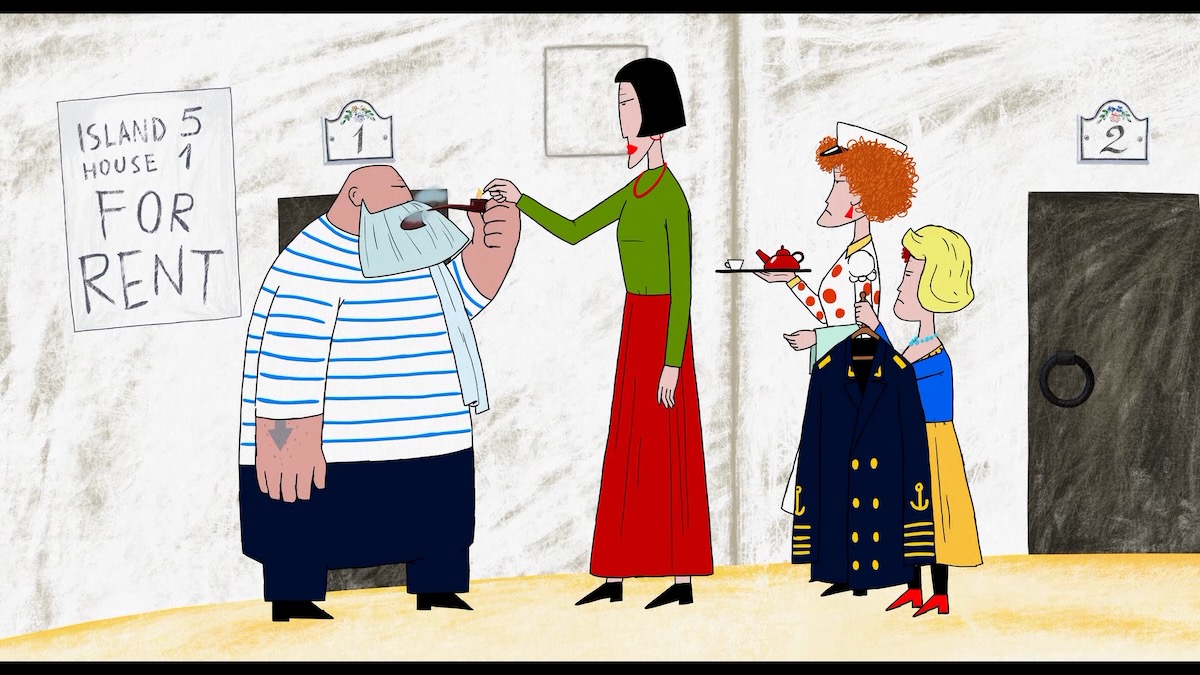
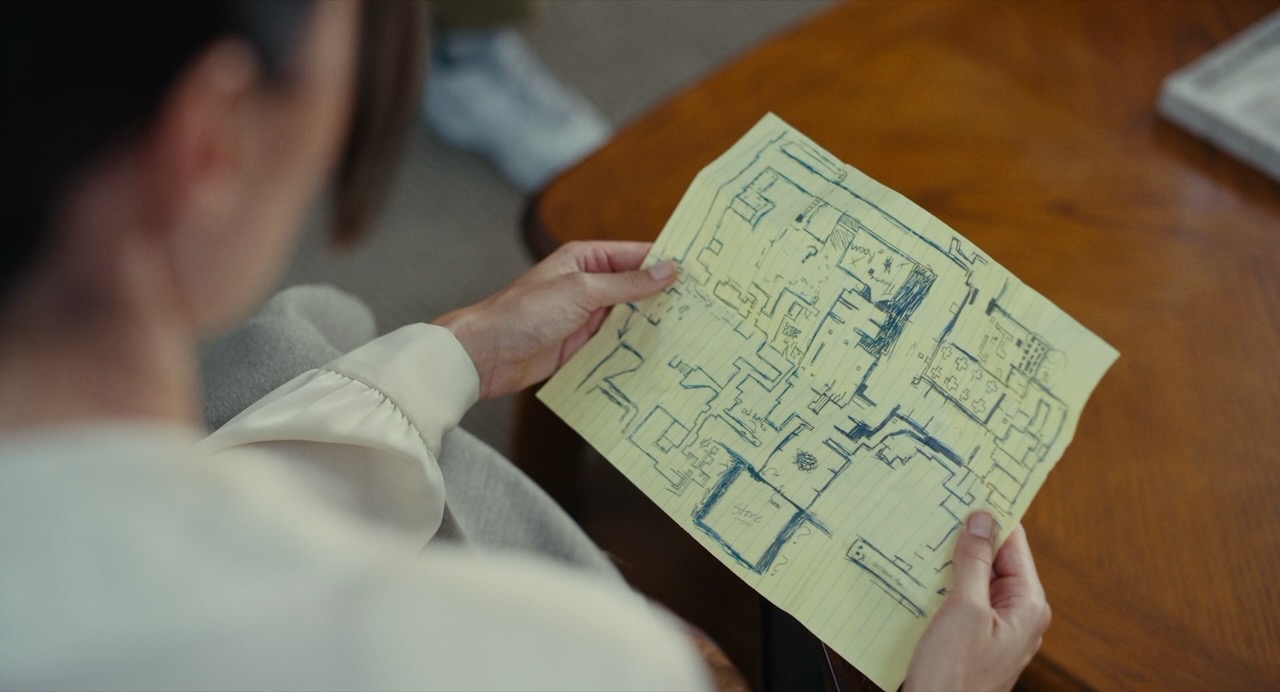
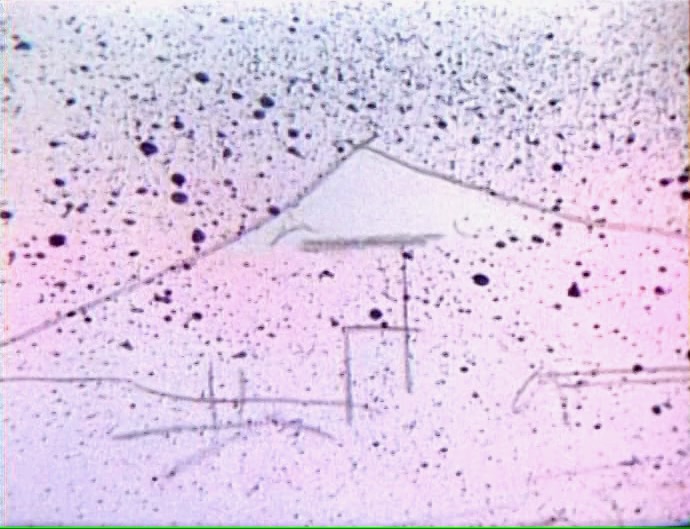
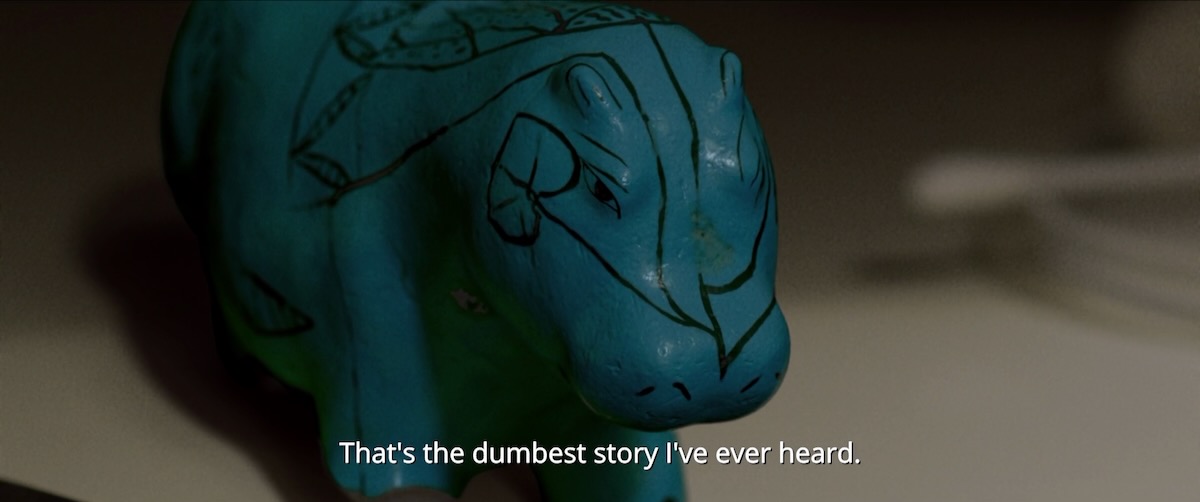
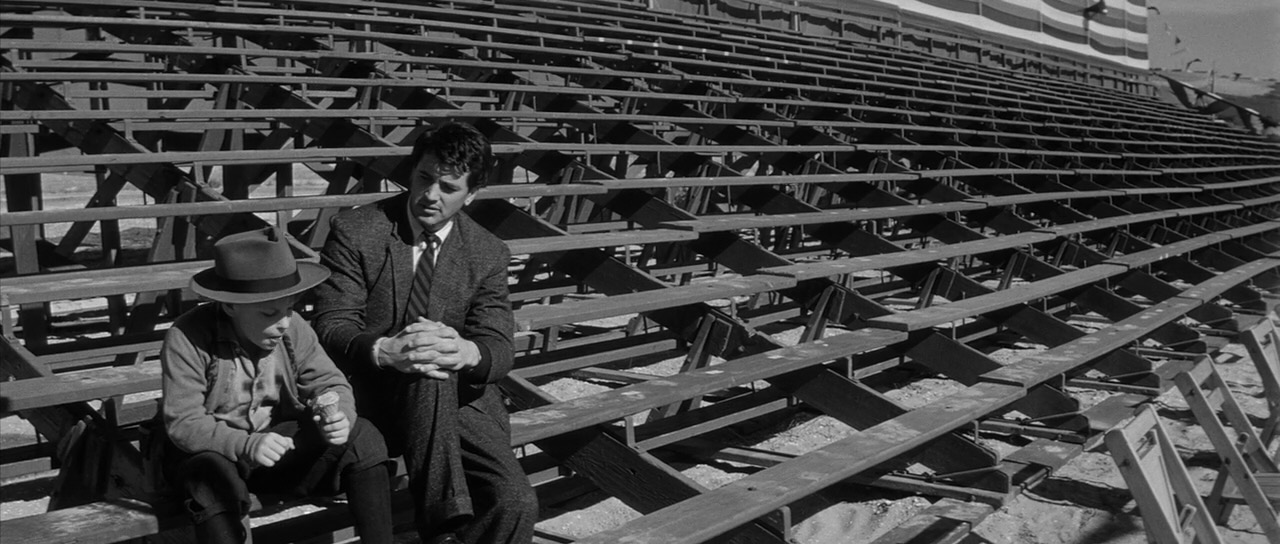
Following the life of a guy named Steven through marks he has made on paper, all kid drawings then love letters then lease agreements then forty years of signing off on bland work documents. Subtle! Will revisit it at a later date (haha).

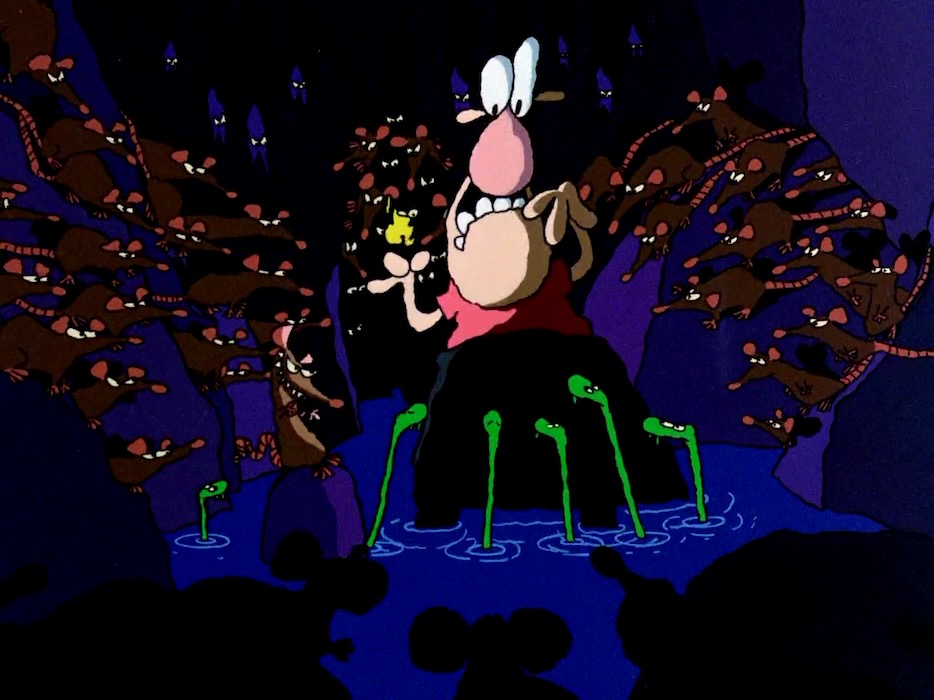
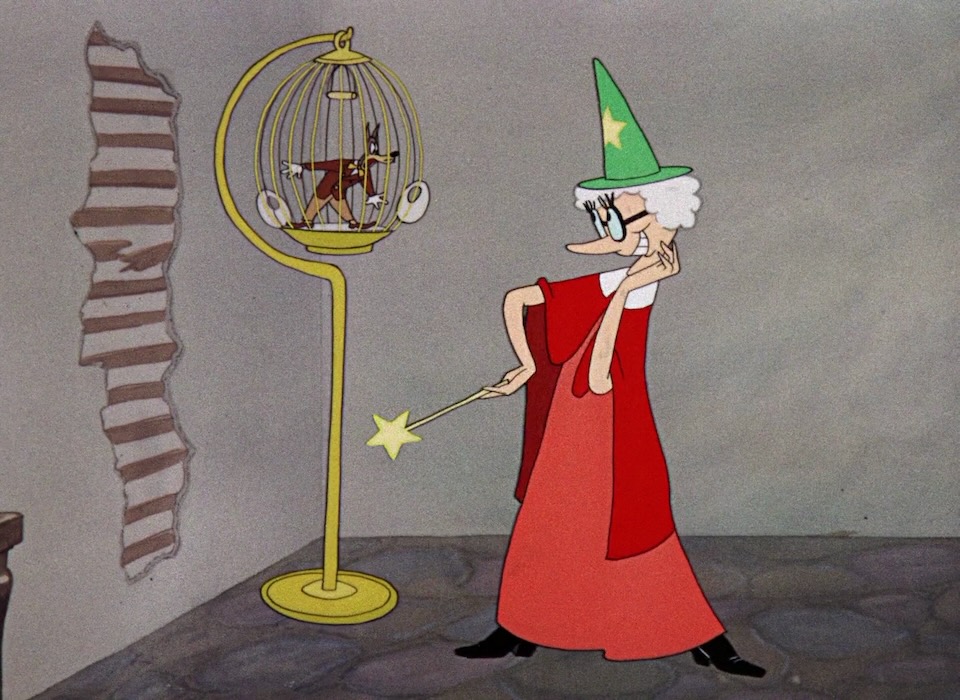
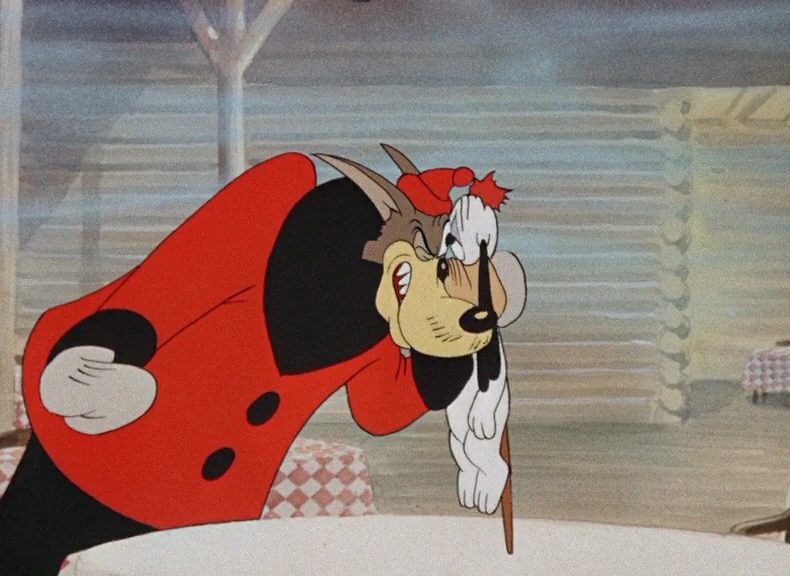
Duck Pimples (1945, Jack Kinney)

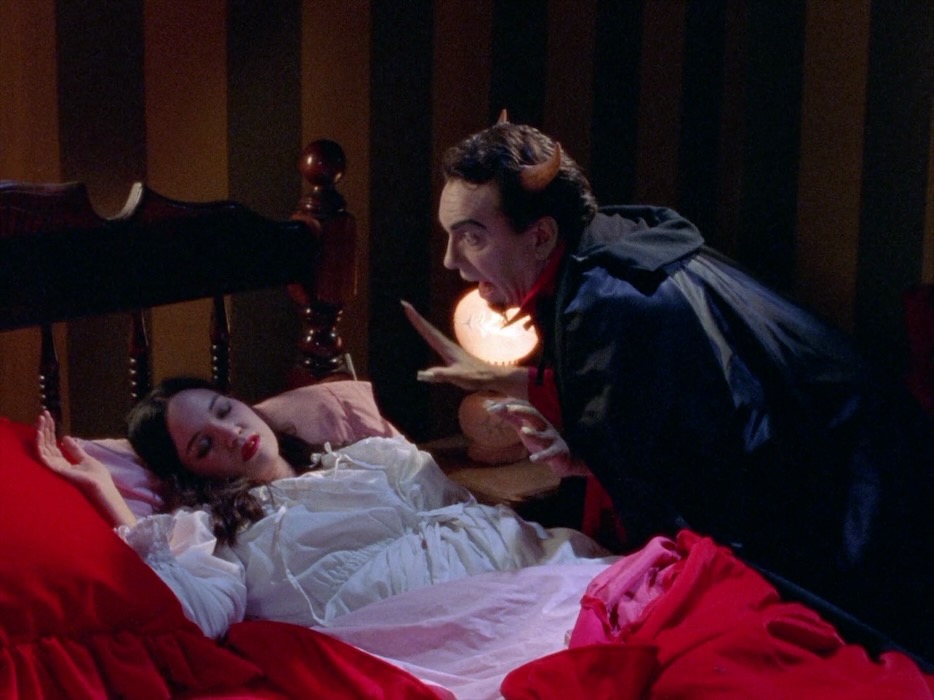
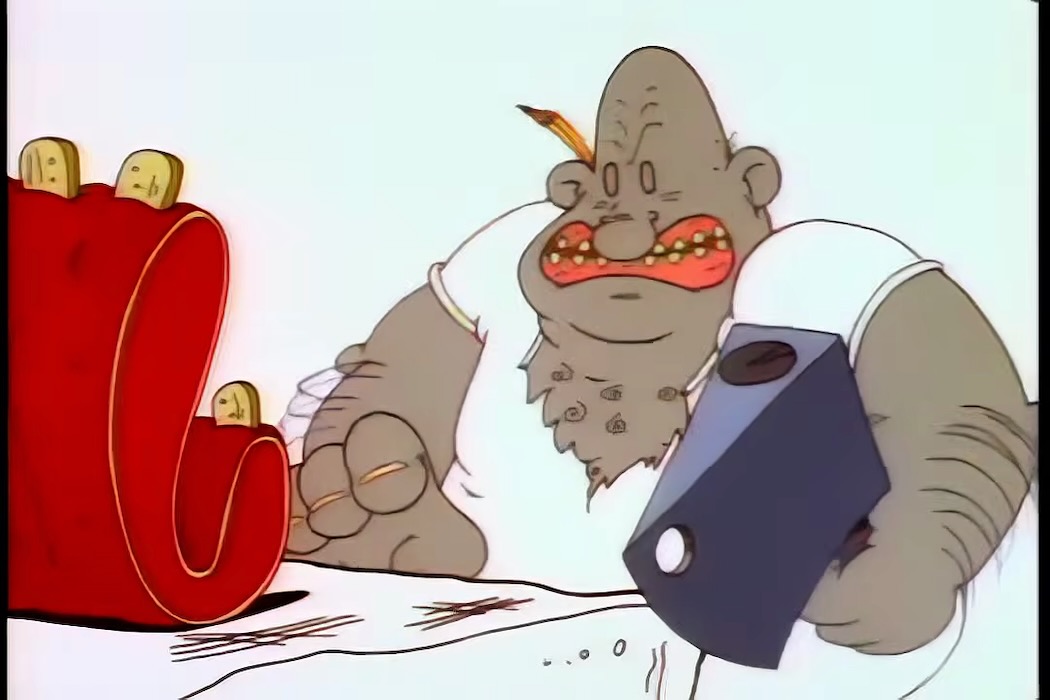
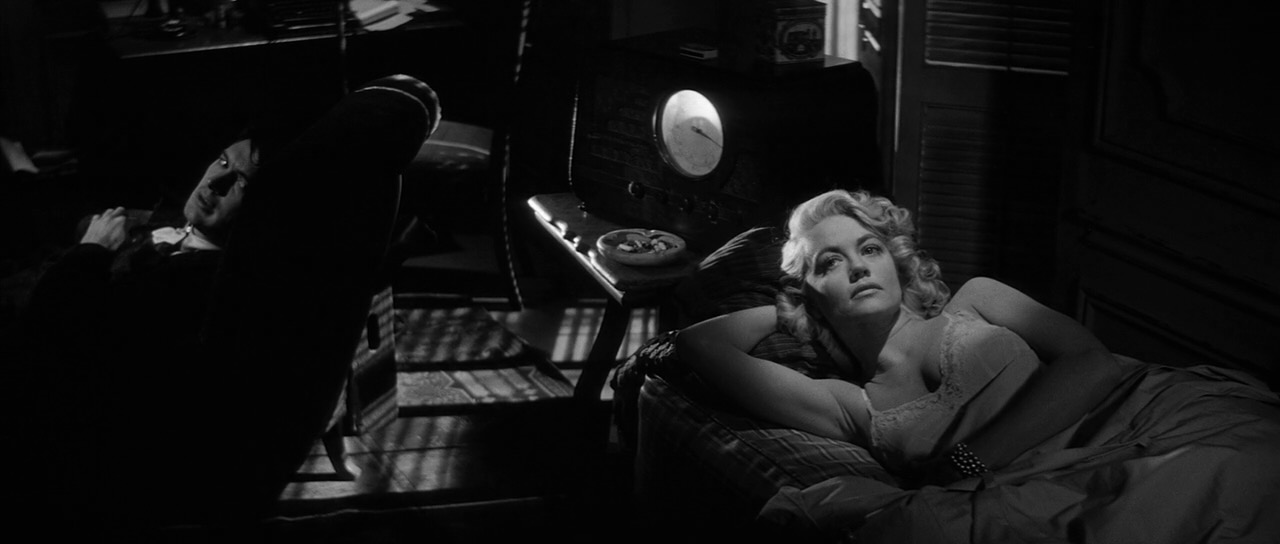
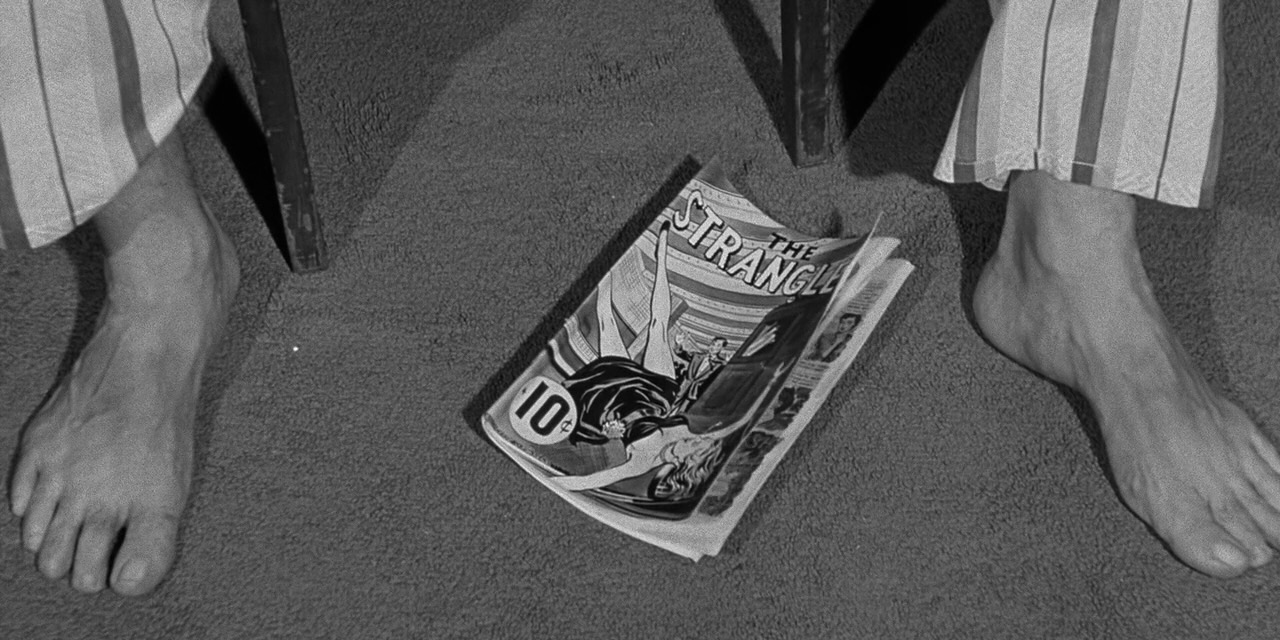
Hoped from the title this would be a Daffy, but it’s a Donald – fortunately one of his more insane ones. Home alone and easily scared, he’s attacked by scary stories from inside radio and books, culminating in an imagined crime story between himself, a thug, and Jessica Rabbit.


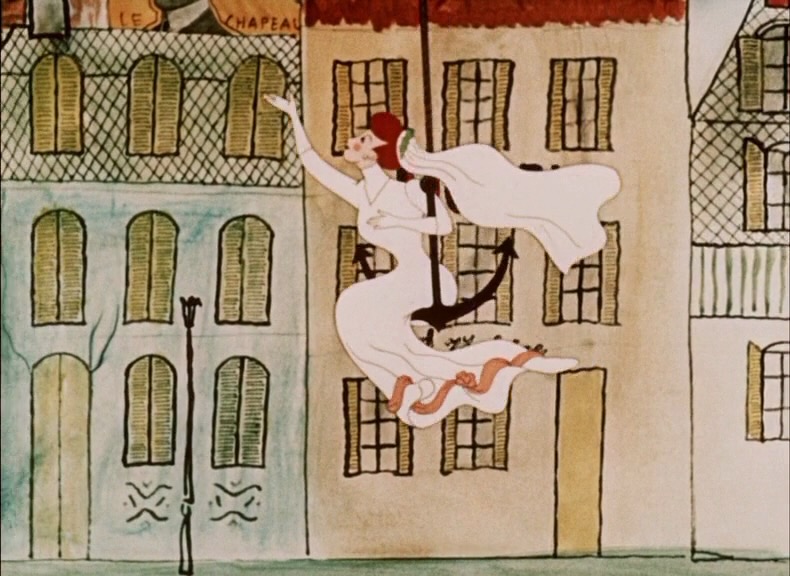
Joy Street (1995, Suzan Pitt)

Depressed woman kills herself… loopy balloon creature comes alive from her ashtray and dances whimsically around the house before discovering her. Then I honestly don’t know what happens, but the animation is top-notch as per Pitt’s usual, and the woman’s alive at the end as Debbie Harry sings over the closing credits.


Fun on Mars (1971, Sally Cruikshank)

Absolute anarchic dance-party nonsense. If I’d known what this would be like, I would not have watched it right after Joy Street since it out-wackies that movie’s whimsy. This 1971 movie set to an early 1930s song would be the equivalent of someone now making a short to a song from… oh no, a mid-80s song.


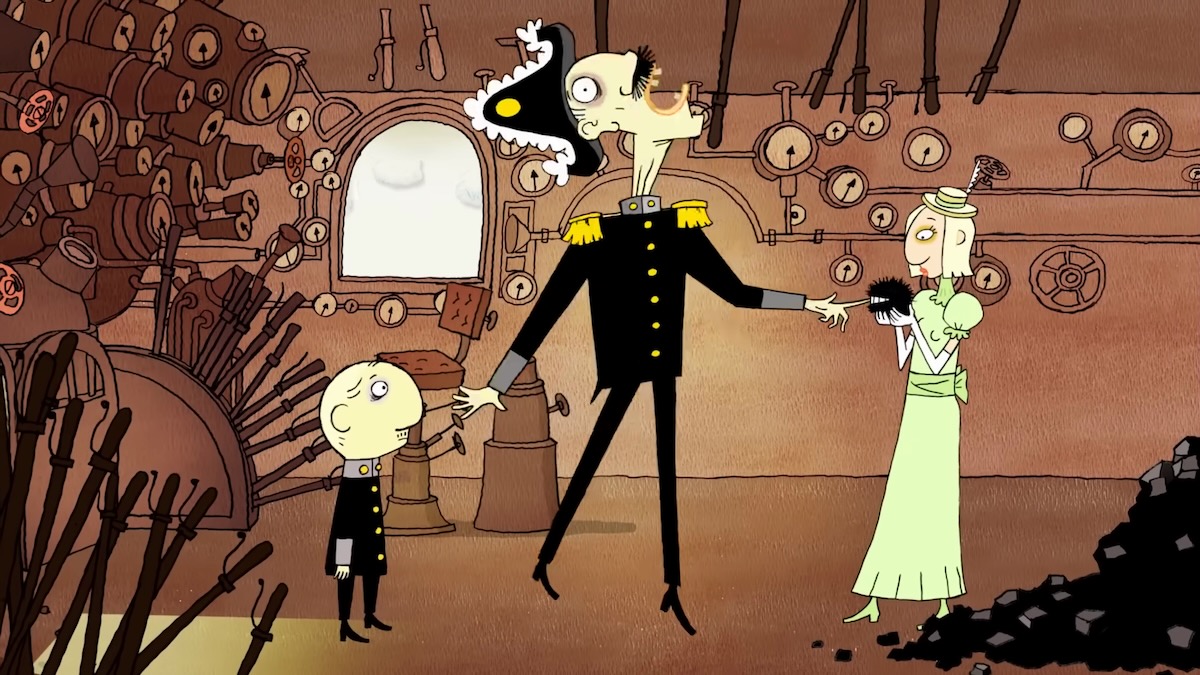
The 500 Hats of Bartholomew Cubbins (1943, George Pal)

Bart is cursed with a seemingly infinite supply of hats until he trades with the dickhead king. A “Madcap Model,” not a Puppetoon. I like that it’s full of light and shadow.


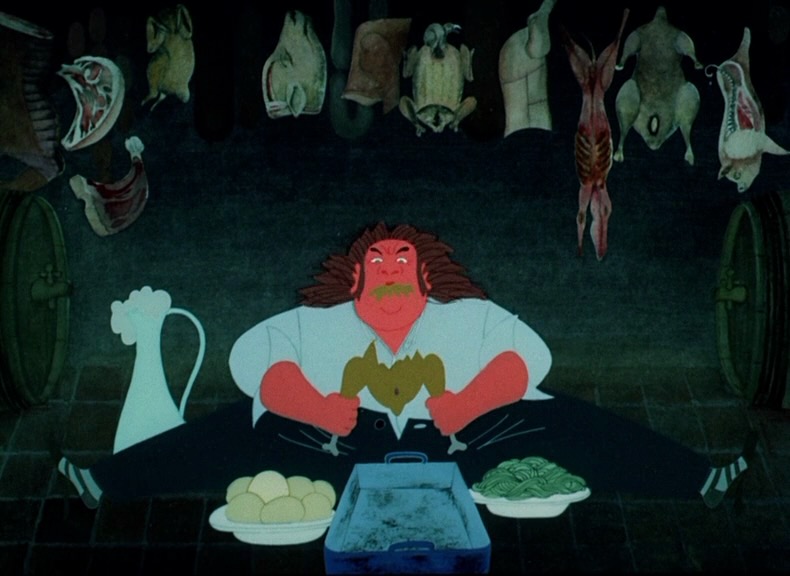
Praise Be To Small Ills (1973, Tadanari Okamoto)

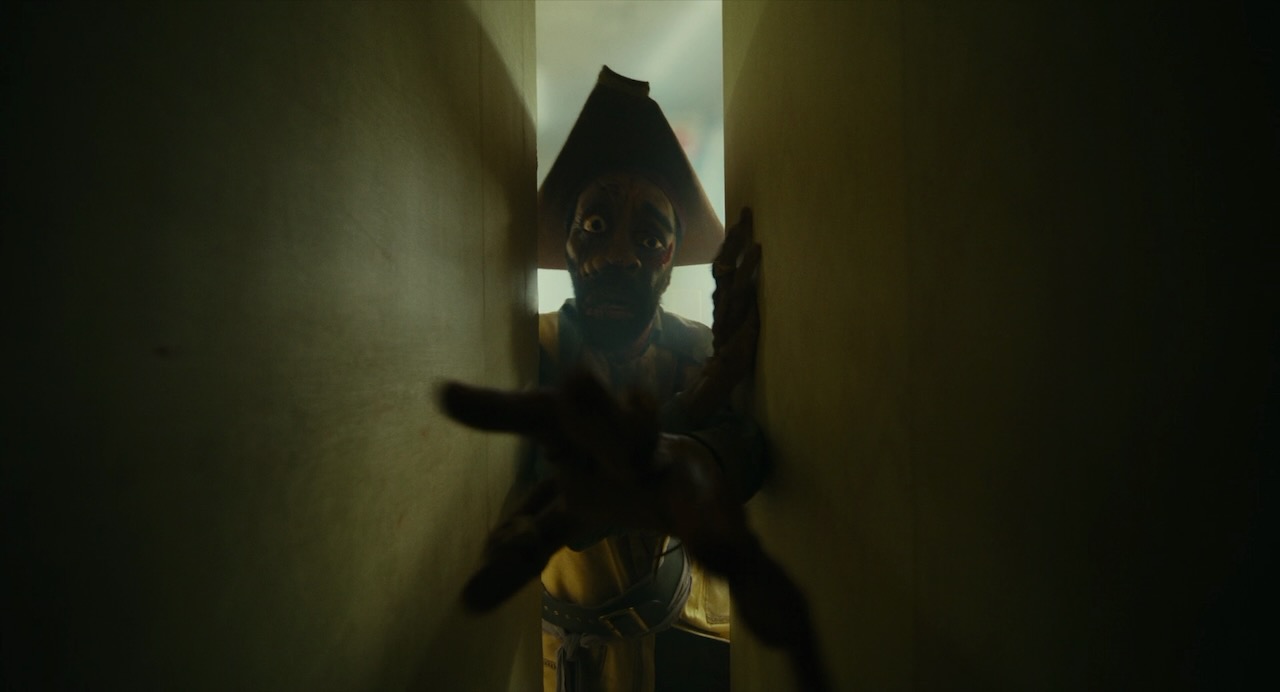
A rare Katy pick, this was a musical story about two men who lived with demons: one a sickly father of many children who managed to get by for forty years despite being weakened by a demon, the other a big strong manly man whose entire family was exploded by 13 demons on the night their first baby was born. We chose to ignore the life lesson you’re supposed to learn from all this (??) and focus on the music and cool paper-diorama animation.


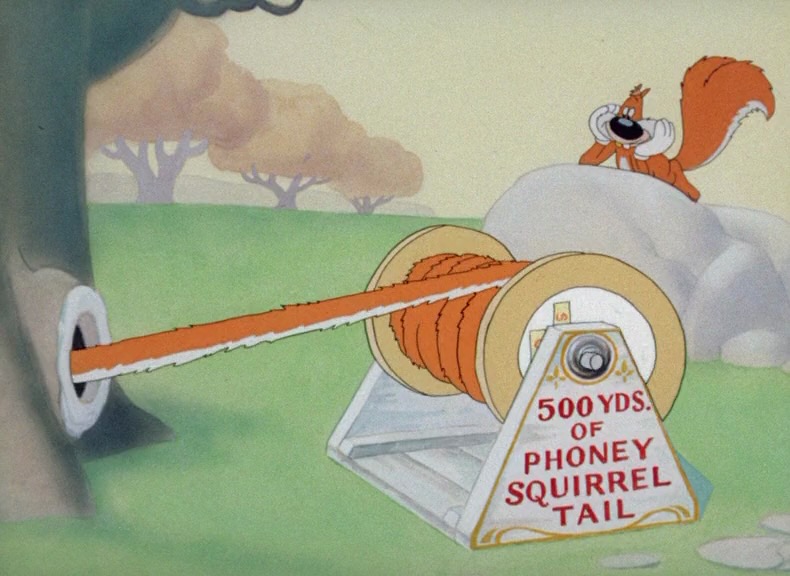
Gorilla My Dreams (1948, Robert McKimson)

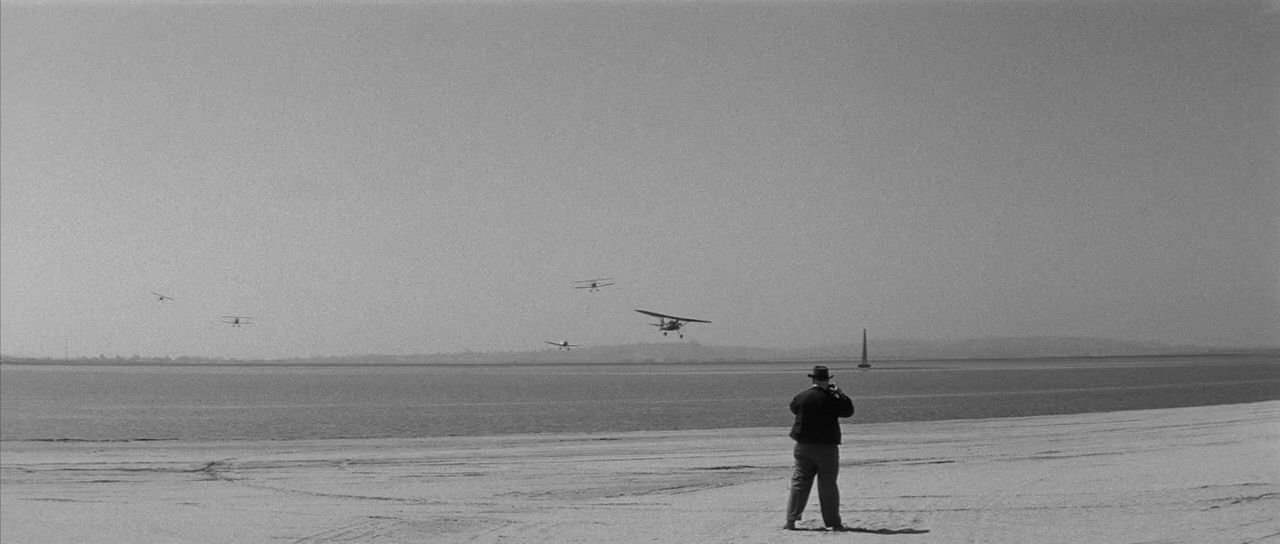
Also not a Daffy but a bugs, who washes up on an ape island and gets adopted by a baby-crazy ape mom then gets attempted-murdered by her husband. Fortunately no cannibals here, just quick a Tarzan cameo.

Revisited one of the greatest battle-of-the-sexes 1960s-flashback non-musical comedies with K and her mom. Really a two-person show, with good supporting parts for Ewan’s boss Niles (who should’ve been in more movies) and Renee’s agent Sarah Paulson (unfortunately best known as the psychologist in Glass).

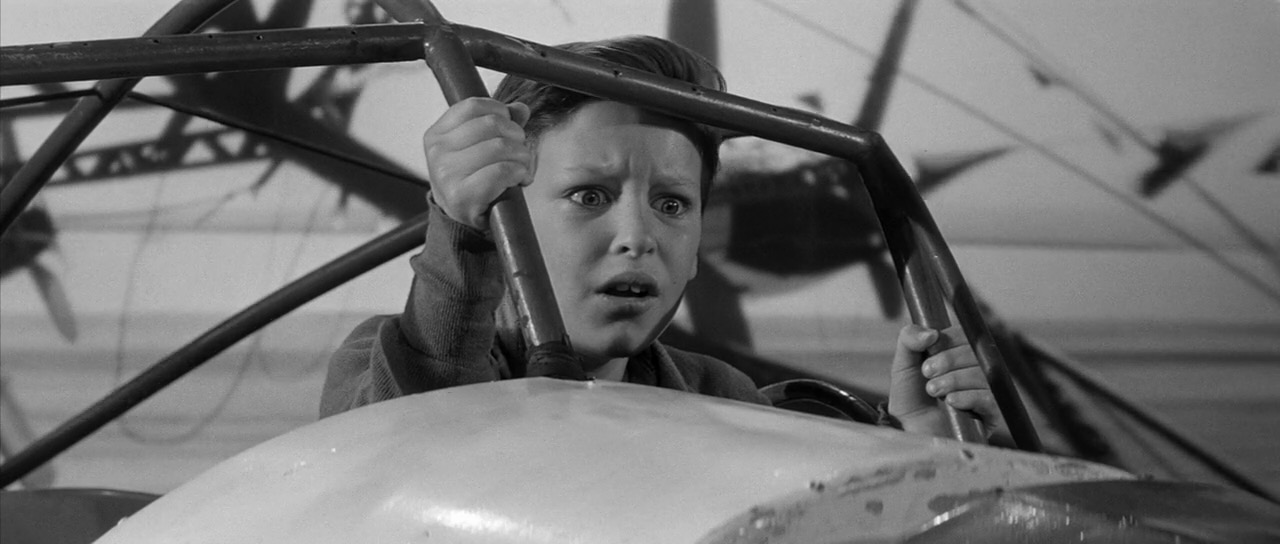
This one is set 28 days later than 28 Years Later. Our kid Spike has been kidnapped by the Jimmy Gang run by Sir Lord Jimmy Crystal, spends most of the movie semi-panicking since his new friends have a kill-or-die policy and they like to torture local homeowners to death for no apparent reason. They plan to grow in numbers and take over the land, but their plan seems mathematically challenging, since you have to kill a Jimmy in combat to become one. Spike Jimmy does make friends with Girl Jimmy (Erin Kellyman, a ghost in The Green Knight), who finds out about Ralph Fiennes and thinks he might be Crystal’s dad Satan.

Fiennes, meanwhile, spends his days hanging out with anesthetized alpha-zombie Samson, and spends his nights dancing to Duran Duran in his bunker. He makes a deal with Crystal to put on a show and impress the others. But things start to turn sour in Jimmyland, with loyalties in doubt, then Jimmy kills the Jimmy who was gonna kill our Jimmy.

Dr. Ralph and the Jimmys destroy each other, leaving zen zombie Samson partially dezombified, and Jimmy Spike running off with Jimmy Kelly. Being an immediate sequel with no new characters, DaCosta (Candyman 3) goes through the motions of setting up part three part three, which is apparently gonna star the ur-Jimmy Cillian Murphy.

After a flashback scene with her drugged-out dad uncle, stoned teenage Alpha gets a tattoo at a drug party, then it won’t stop bleeding. She inevitably will catch the medusa virus going around that’s turning people to stone, but first she’s gonna become unstuck in time and live her past/present life with her troubled uncle.

I liked the range of weird tones in Titane, the dark humor in Raw – this one is all grim all the way, following lives of pure misery, and whenever something almost positive happens it gets interrupted. Didn’t I see another movie recently where the final shot was the poster image? Only Alpha and boyfriend Adrien and uncle Amin (Tahar Rahim of A Prophet) have character names, none for mom Golshifteh Farahani or nurse Ella McCay.

Sometimes the world vibrates and assaults Alpha. Her teacher (a Nocturama lead, above) has a boyfriend with the stone disease. Uncle Amin takes the girl for a dreamed night on the town to Nick Cave’s “The Mercy Seat,” but even in the dream he has fits, then vanishes. Mom tries to deal with Amin, helping him to live or to die. The boyfriend got the same tattoo (minus the constant bleeding) and didn’t tell anyone. Despite the big fantasy epidemic, the movie is mostly handheld-cam family/teen drama, and feels long.

Table (Ernie Gehr)

Flicker film of a table setting, with a teapot and some cups and saucers, maybe some scissors back there. A shot from one angle in red light, another shot slightly offset in blue light, a third in white, giving the impression of a 3D movie gone haywire in editing, or a preview of late-period Ken Jacobs. Watched this as the director intended (a video copy at home, which was seemingly rephotographed off a film projection, while listening to Makaya McCraven in the headphones).


Window (Stan Brakhage)

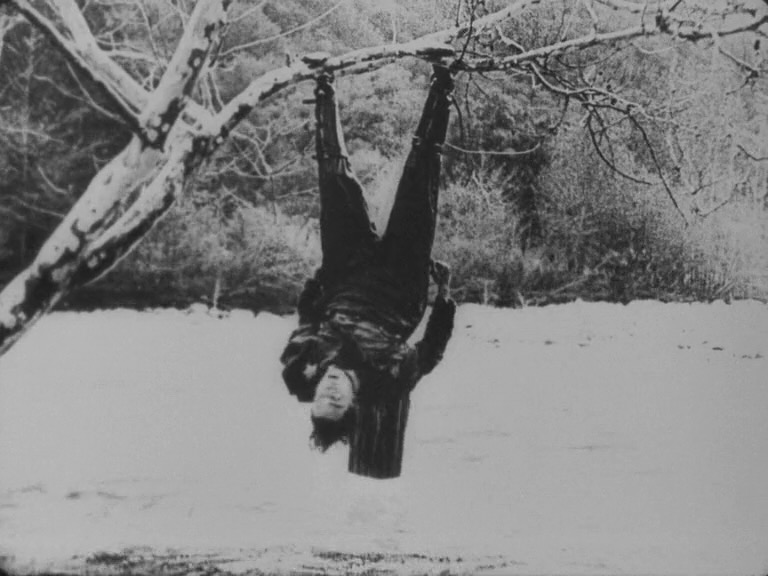
Stan aims his camera at/through a window for ten minutes. Unfortunately for the haters, this is incredible, because Stan is able to aim his camera at/through objects until they reveal their spirits inside.


Leisure (Bruce Petty)

“Everybody expressing themselves simultaneously was causing tension and blood pressure… work had been planned for, and leisure had not.” See, this is why I sketch out the month’s moviewatching in advance, to lower the blood pressure. “Plans were laid to get fitness into offices, design into chairs.” Very jumbled and busy, by design. Pencil sketches meets cutup animation, the narrator sounding like he’s advertising to us.

A pretty poor movie to split up and watch across two nights. The first half is pure episodic comedy, vaguely setting up the characters and detective agency (very good!) and the second is episodic plotty stuff, the guys working somewhat-together to solve cases and/or foil a big robbery they accidentally got in the middle of (pretty average!). So after tonight’s mid-70s grey/brown adventures, trying to hold on to the laughs from the night before.

Neckbrace Ricky costarred in Mr. Vampire, kung-fu Sam starred in Tsui Hark’s Swordsman, and detective Michael (also of Chinese Box) was known as Hong Kong’s lead comedy director until Stephen Chow showed up. Sean Gilman says The Contract is better, but it’s 1976 Week, so that one’ll have to wait a couple years.

Multimedia hyperlink cinema done right. A reporter boards a futuristic superyacht, hears various stories and maybe becomes unstuck in time and experiences some of them.

Guest directors/writers/DPs take on different sections, Joseph acting as curator, with the cinematographer of Arrival and editor of Everything Everywhere All at Once.

Reminded us of Adam Curtis and Dahomey and a hundred other things. It’s very difficult to explain – fortunately, Robert Daniels is on the case.

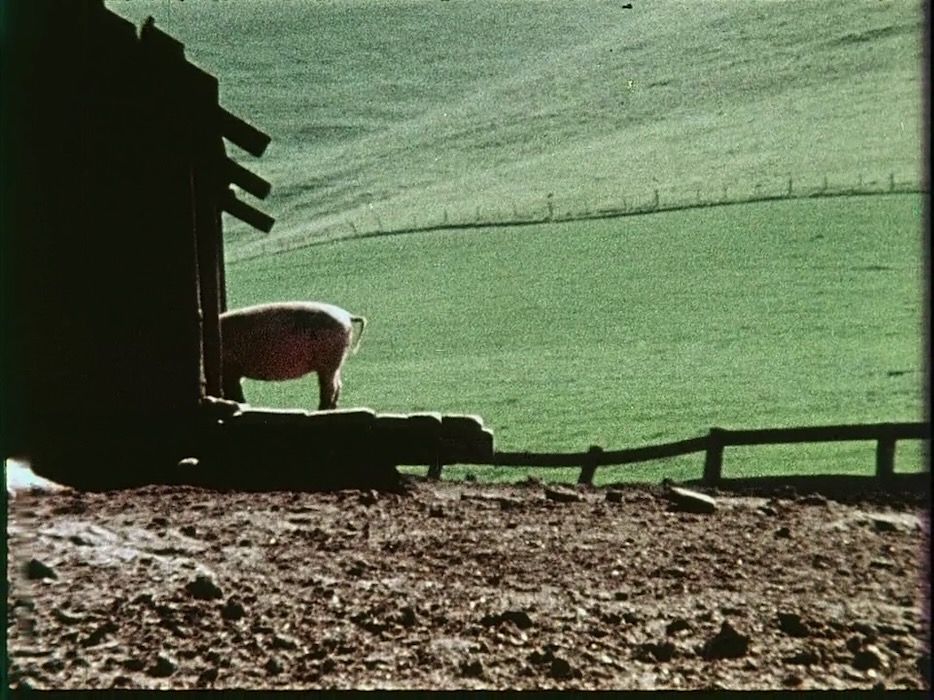
The first Sam Raimi movie since Drag Me To Hell, from the writers of Freddy vs. Jason. Humiliated office worker Rachel McAdams has the upper hand when a plane crash kills all her idiot coworkers except Dylan “Twinless” O’Brien, who cannot build shelter or a raft or find his own food, but still tries to pull rank on her. Fun back-and-forth as they poison each other, and she tries to stay lost by avoiding rescue boats. Despite the all-natural setting Raimi doesn’t know it’s even possible to make a movie without adding ugly CG characters, in this case a wild boar, but thankfully non-CG is Rachel’s pet cockatiel, which survives the mayhem.

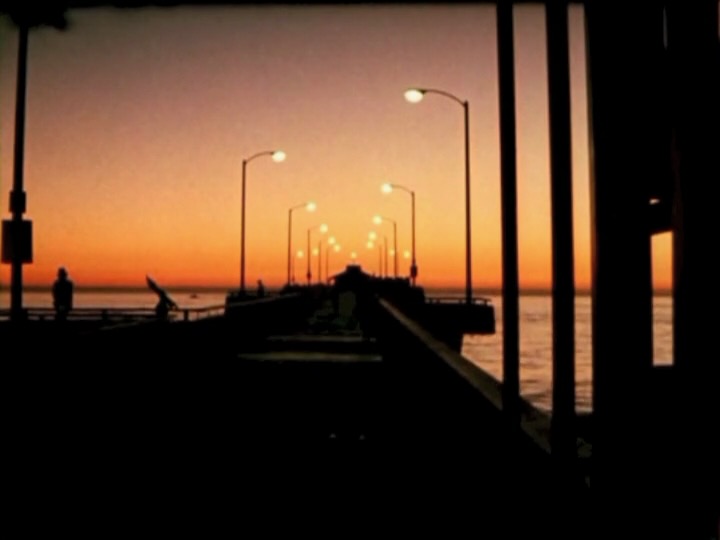
Benning constructs his own versions of Thoreau’s and Kaczynski’s cabins and films the trees through their windows (on his property in California) synced with audio recorded in Massachusetts and Montana. Part of a larger art/cabin/unabomber project for Benning.

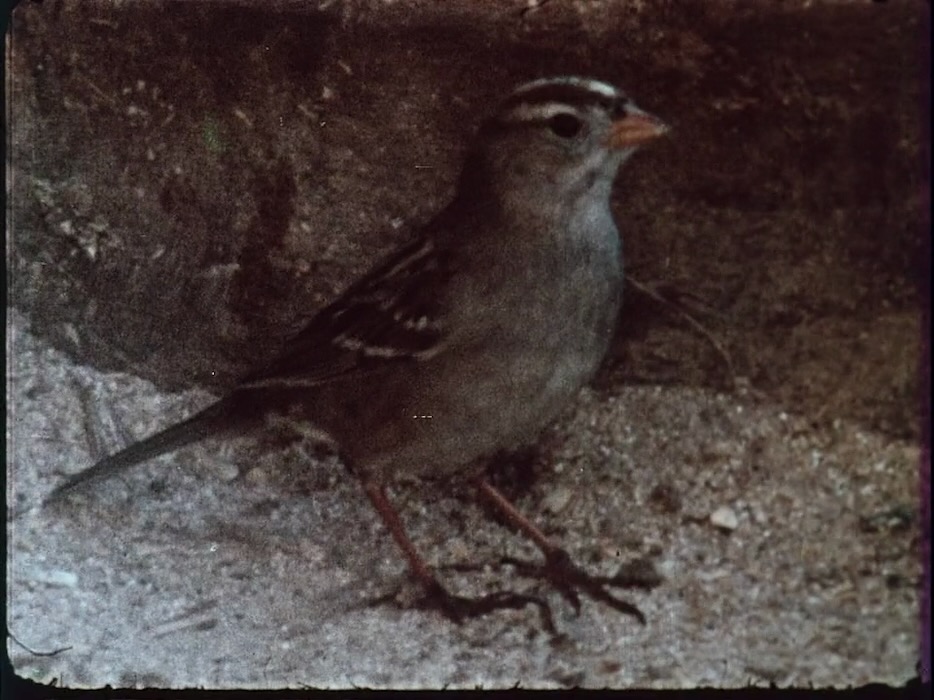
Each cabin gets one 15-minute shot, so there’s not much to look at, just sounds. Odd to hear a big-ass truck drive past Thoreau’s place, distant clanking and traffic near Ted’s. I took the opportunity to listen for birds. Merlin mostly refused to cooperate, finally IDing a nuthatch. Birdnet picked up a house wren, but I had to hand-select its call, couldn’t just leave the app running, and bringing the birdnet-pi downstairs would’ve messed with my backyard stats. So, the movie didn’t work to get me in the mood for our own trip to the cabin, where Merlin always hears plenty of birds, including actual merlins.